
Should You Tee Up The Ball On A Par-3? Here’s What The Data Says
Labs

Should You Tee Up The Ball On A Par-3? Here’s What The Data Says

Support our Mission. We independently test each product we recommend. When you buy through our links, we may earn a commission.

Should You Tee Up The Ball On A Par-3? Here’s What The Data Says

Jack Nicklaus was a known advocate for teeing up the ball, saying, “It’s an opportunity to give yourself a perfect lie. You only get that opportunity 18 times.”

But, with all due respect to Jack’s advice, should you always tee up the ball on a par-3? Aside from the likelihood of a better strike, is there truly any performance benefit to teeing the ball up on a par-3?

Let’s find out.

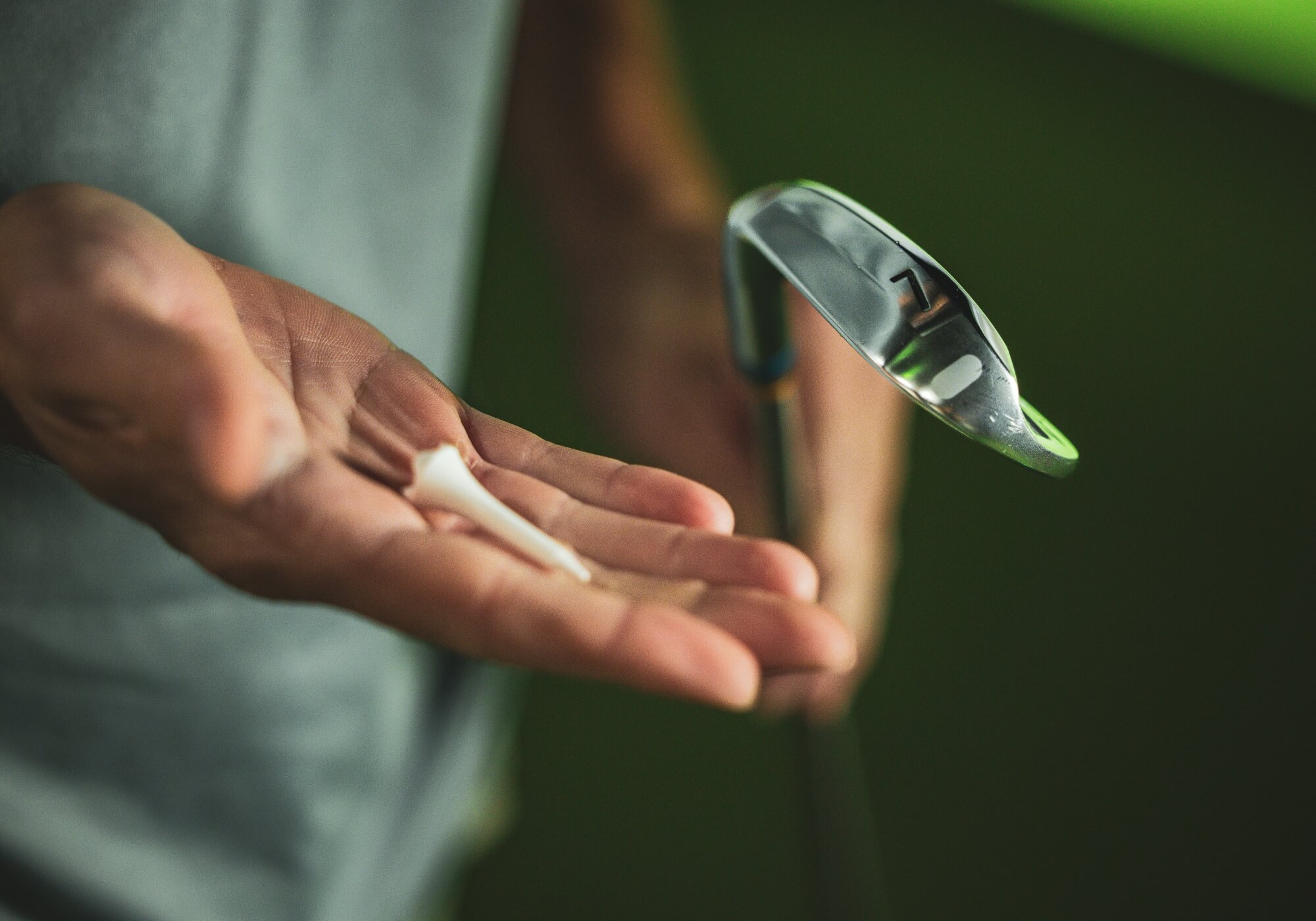
using an iron on a par 3

To tee or not to tee

We know that using a tee for a driver can impact performance. However, can it impact performance with an iron as well?

A majority of golfers use a tee on a par-3 most, if not all, of the time. Why? Did they see or hear what Jack Nicklaus said and took it to heart? For a few, the answer could be yes. For others, their friends or their instructor told them to do it.

Were they right or wrong?

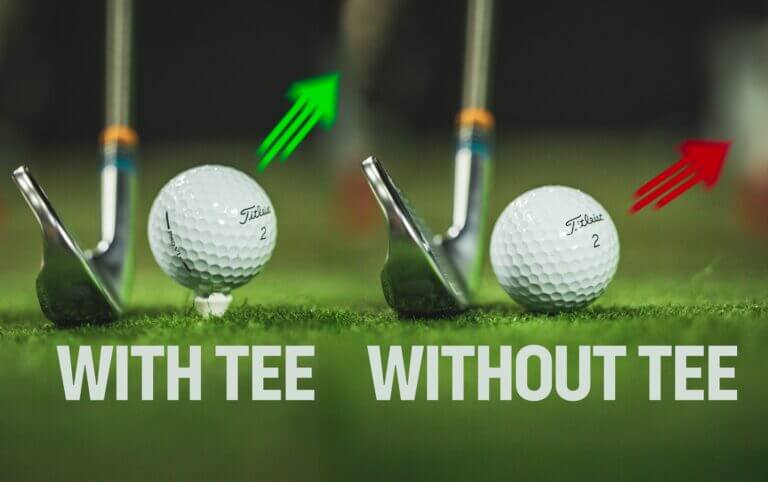
Teeing the ball up on a par-3 has the indisputable benefit of cleaner contact. Better contact leads to more consistent shot outcomes. Another perceived benefit is more distance, a byproduct of better contact.
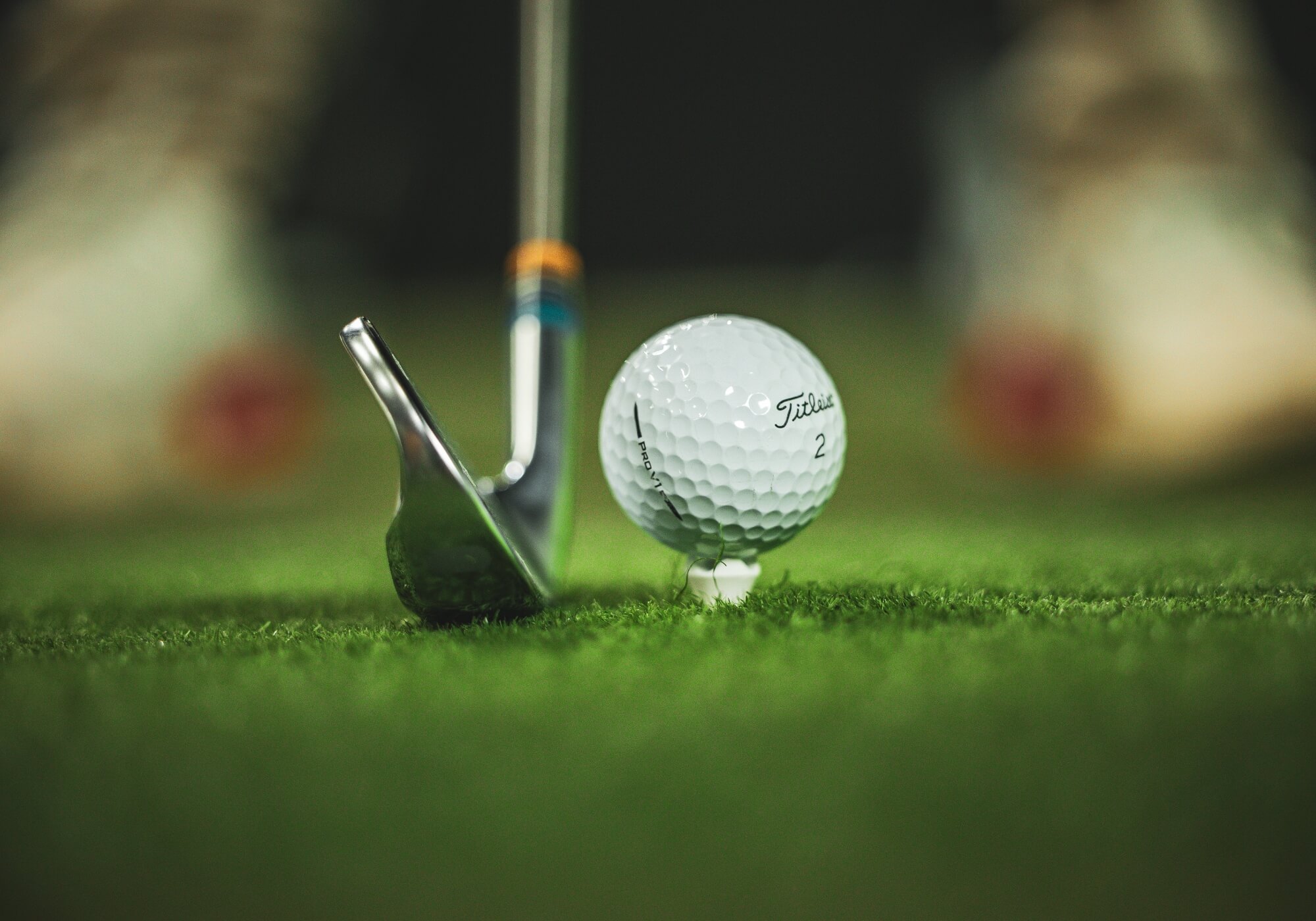
Do you get more distance using a golf tee on a par 3?

I have always teed up the ball on par-3s because that was what I was told to do when I started golfing. To me, the results seem more consistent. I feel there is more accuracy and more power when using a tee. However, I have come across better golfers who prefer to hit the ball without a tee on a par-3. Their opinion is that their contact is more consistent off the ground versus a tee.

Let’s see if there really is a difference.
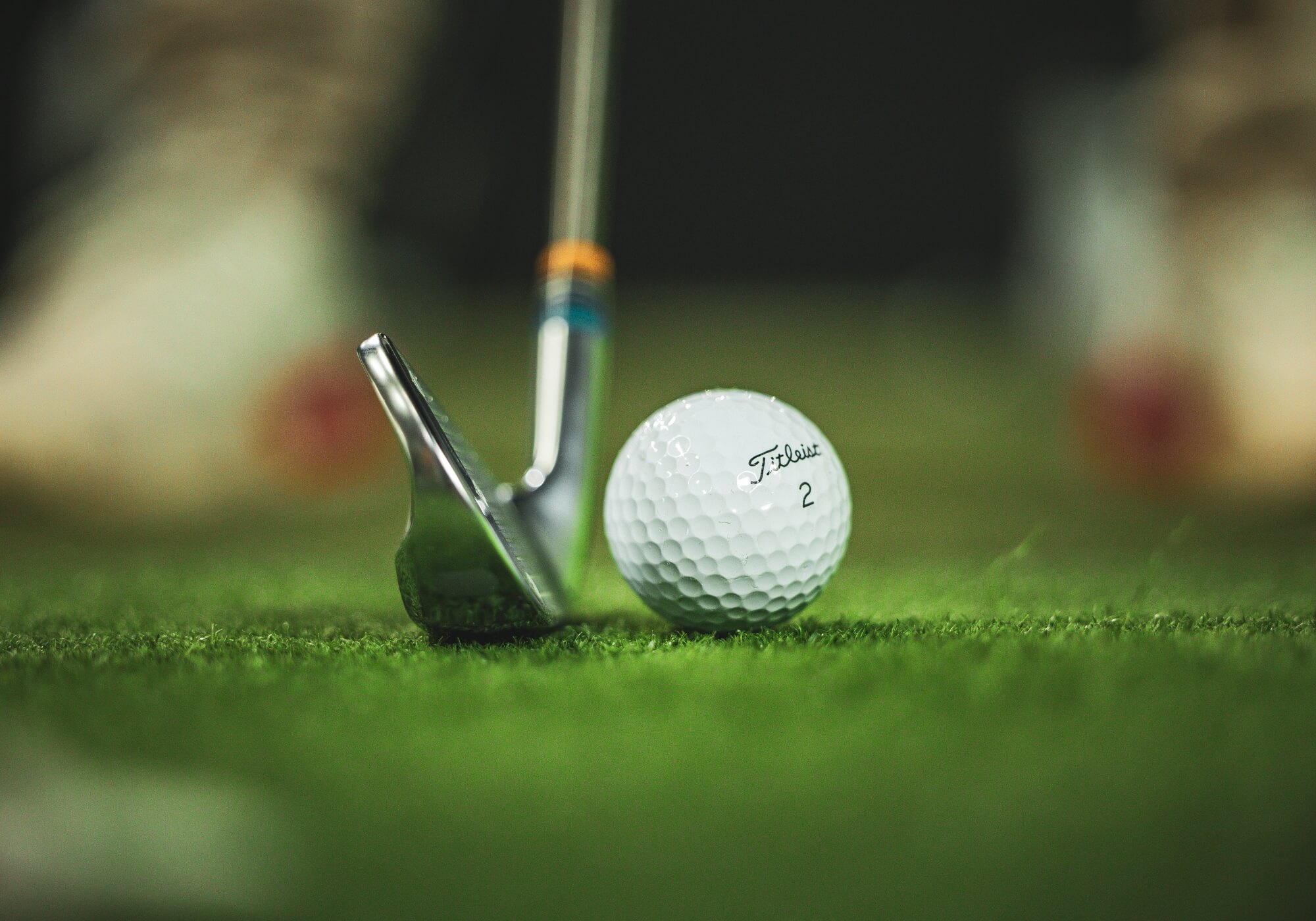
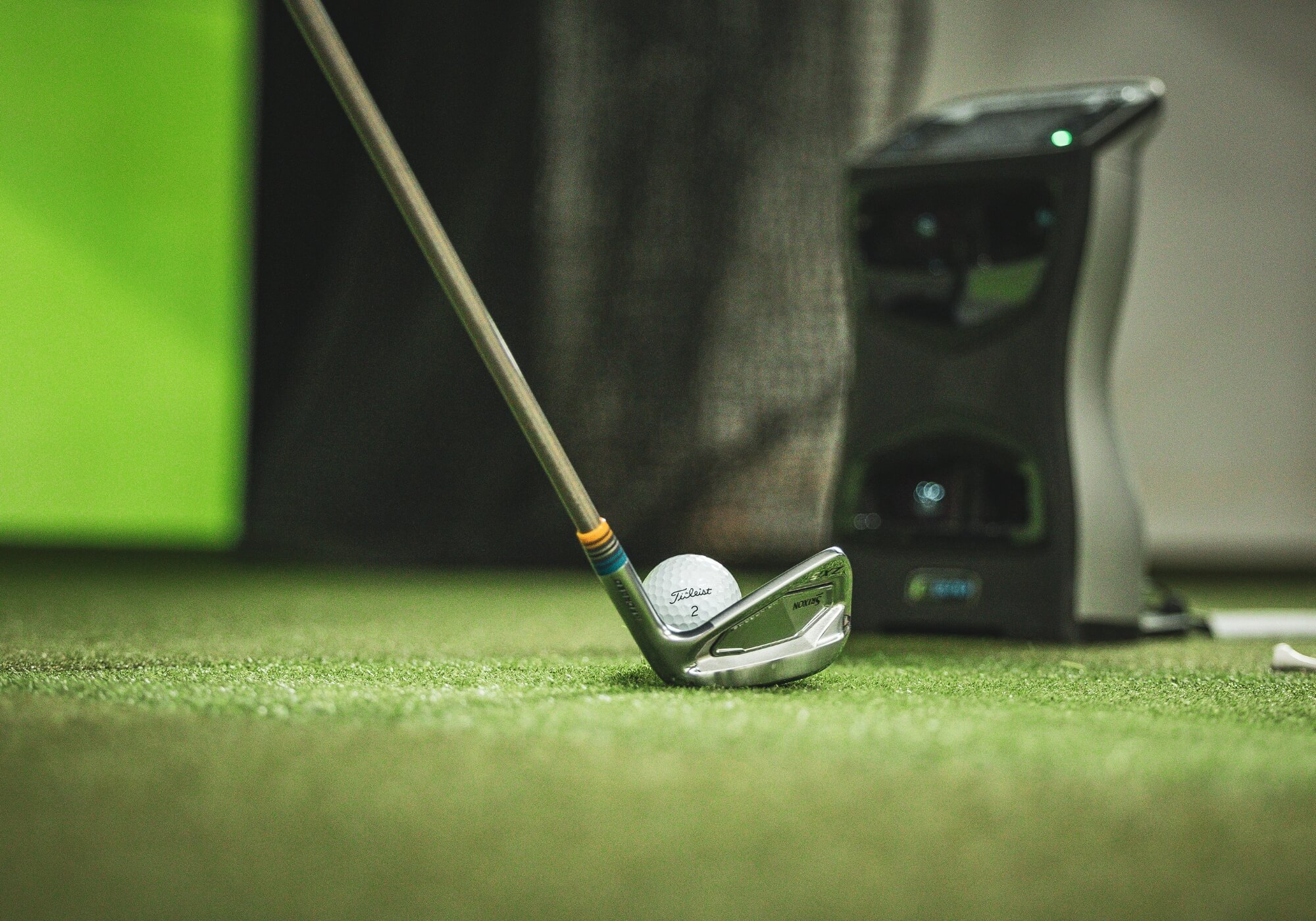
Hitting the golf ball without a golf tee

Tee versus no tee: The test

This test was conducted using a simple procedure:

  • 15 testers using their own 7-iron
  • Five shots were hit off a tee and five shots off the ground. This process was repeated three times.
  • 30 shots total per tester

Before seeing any results, our assumption was that shots hit using a tee would likely have a substantial carry distance advantage over shots hit off the ground.

It also seemed safe to assume that launch conditions will change, specifically launch angle, which could result in a higher shot.

But what do the results actually prove?

Off the tee or off the ground?: The results

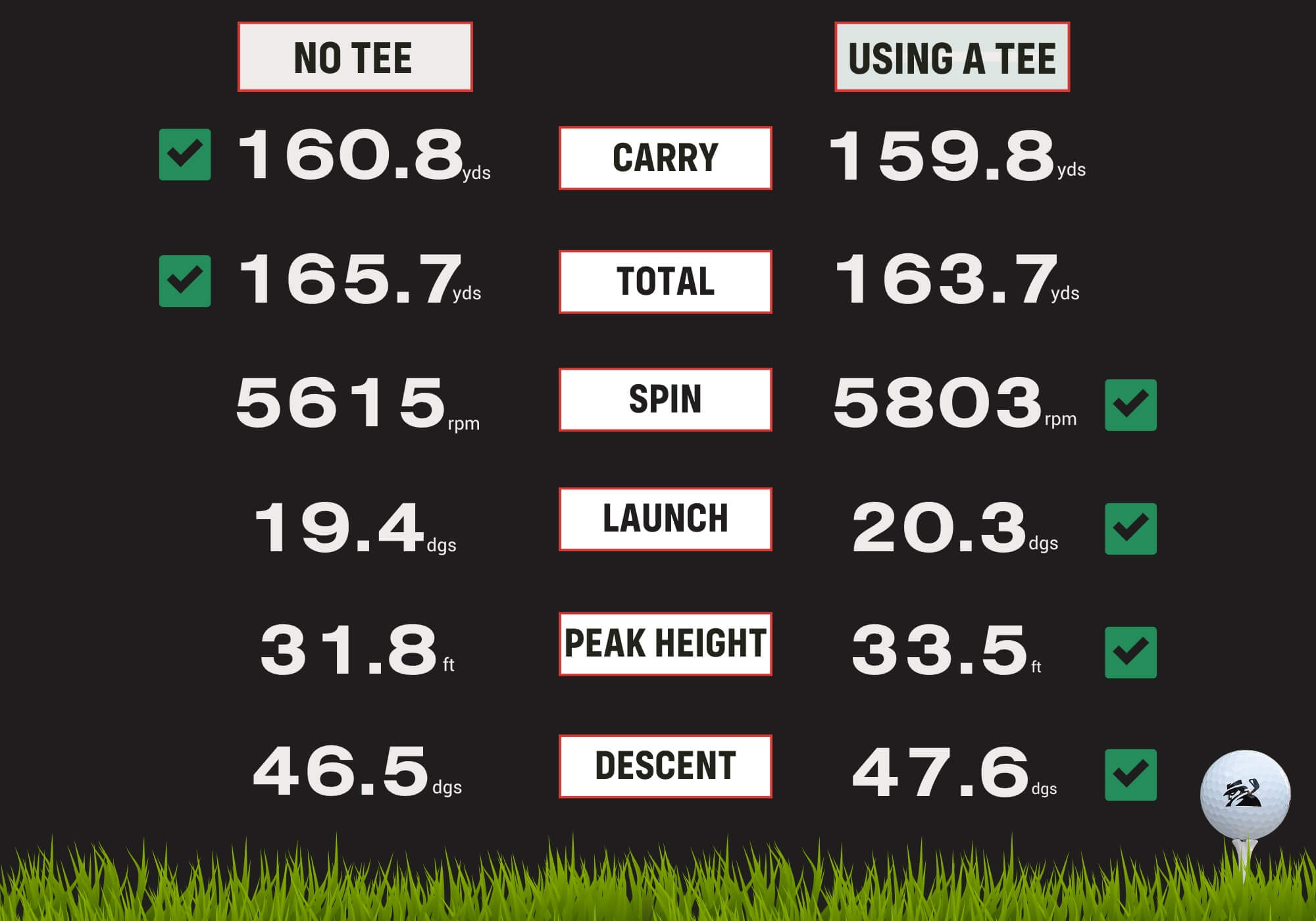
Once we curated the results, we noticed some small changes between a few variables. Some we predicted, some we didn’t. These changes, though slight, can be significant since even a tiny change in your performance may lead to you losing a stroke or gaining a stroke.
tee vs no tee test results

Carry distance

With this metric, we predicted that carry distance would increase since you are elevating the ball, thus providing cleaner contact, causing the ball to go farther.

We were wrong. The results showed a one-yard decrease in carry distance. What could have caused this?

Back spin

One notable metric was back spin, which showed an increase of 200 rpm hitting from a tee, resulting in a shorter carry distance.

As well, total distance declined by two yards while carry distance only decreased by one, meaning that total distance could be affected by the increase in back spin.

An increase in back spin is not typically seen as a negative so for golfers looking to stick the ball on a par-3 green, hitting off a tee may be preferred.
Launch angle/peak height/descent angle

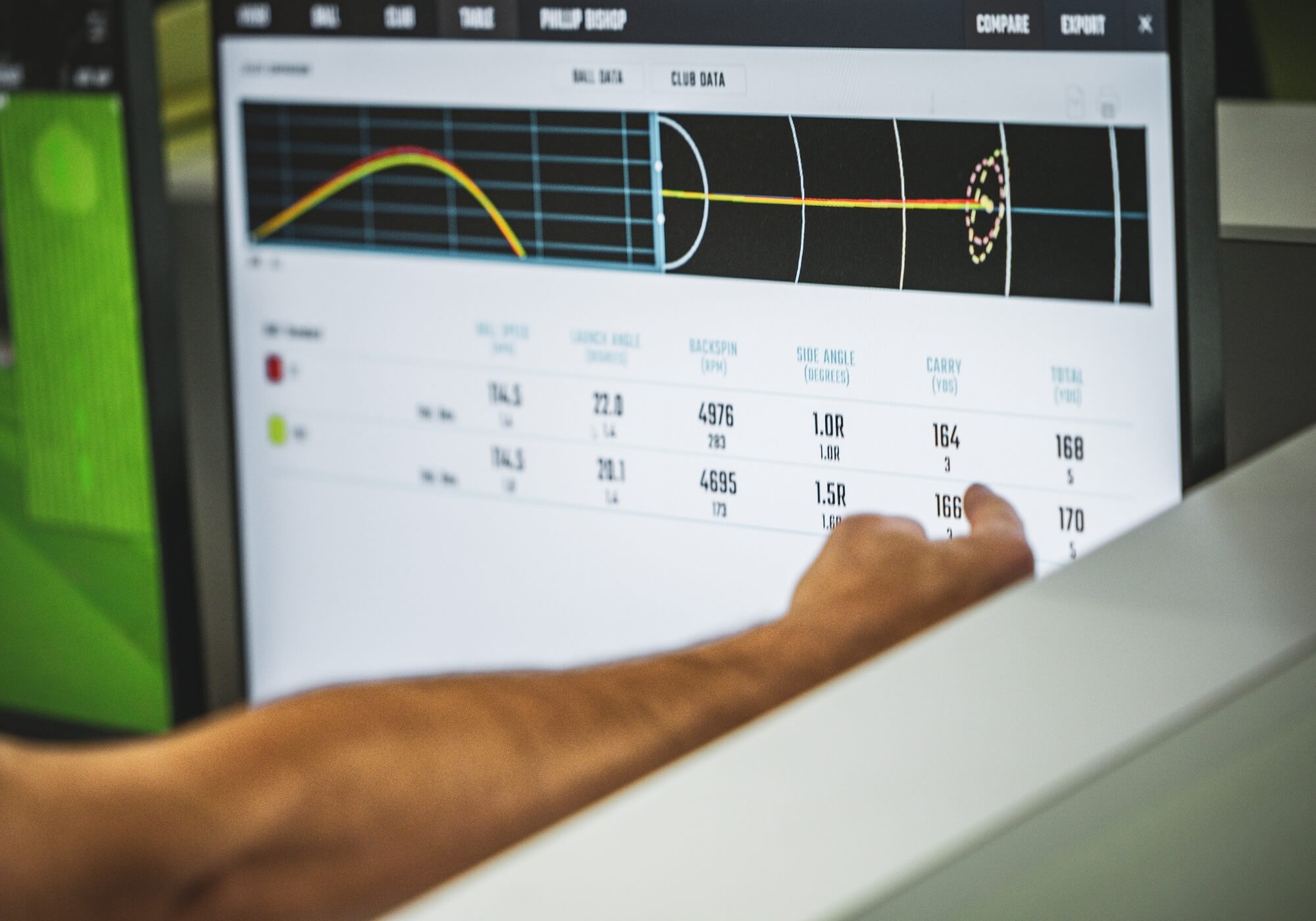
Launch angle, peak height and descent angle typically work off each other. If one changes, the others change with it. Launch angle, peak height and descent angle are frequently overlooked when looking at your shot data. Most golfers only care about how far the ball goes. Not how it gets to that eventual end point.

That’s a mistake. Launch angle, peak height and descent angle make a big difference on a par-3 because a higher shot with a steeper angle of descent has a better chance of hitting and staying on the green.

Final thoughts

So, was Jack Nicklaus right?

Yes. And no.

These results can be viewed as either positive or negative, depending on the circumstances and your desired shot outcome. Some golfers might be trying to decrease the height of their shot or might be trying to generate less spin. Others might want the ball to drop out of the sky and land softly with lots of spin. Or maybe there are times when both come into play during the same round. Whatever the case, we hope these results give you a better understanding of whether or not to use a tee on a par-3.

For You

For You

Instruction
Jun 9, 2026
If You Still Play Long Irons, Copy This Thought From Ludvig Åberg
PLM 2025_Most Wanted_Foresight GC3 PLM 2025_Most Wanted_Foresight GC3
News
Jun 9, 2026
College Golf Tournament Prep Looks Nothing Like It Did When I Played
News
Jun 9, 2026
The Best Father’s Day Golf Gifts That Won’t Break the Bank
Owen Beales

Owen Beales

Owen Beales

Owen is a junior in high school being mentored by the employees at MyGolfSpy. He is on the varsity golf team for my high school and enjoys being a part of all things golf related. Outside of golf he enjoys watching the NFL and college basketball

Owen Beales

Owen Beales

Owen Beales

Owen Beales

Owen Beales

Owen Beales

Owen Beales

Owen Beales

Owen Beales


    This site is protected by reCAPTCHA and the Google Privacy Policy and Terms of Service apply.

      Sly Panther

      1 month ago

      Somewhere around here I have my copy of “Golf My Way”; where Jack wrote 1/2 inch for a long iron, slightly lower as you go down to the short irons. I have followed that wisdom 52 (?) years now.

      Reply

      Ivo

      2 months ago

      Totally pointless to do this test from matts where the ball allways sits higher than on turf.

      Reply

      Mel

      5 months ago

      When you tee a ball on a par three you should essentially be teeing the ball so low it’s as if you placed it on the perfect lie you could find if you were not using a tee and hitting the ball as if it were not on a tee to begin with. This is the biggest issue with this test and majority of players who will change their swing and the way they’re attempting to hit the ball if it’s on a tee trying to pick it clean or swinging up on it or a handful of other things you’ll see. In reality you should be making the same swing as you practice on the range and as you would make with whatever iron you’re hitting. For myself this is hitting through the ball taking appropriate divots for the club being hit not trying to pick a ball clean off a tee or change the attack angles.

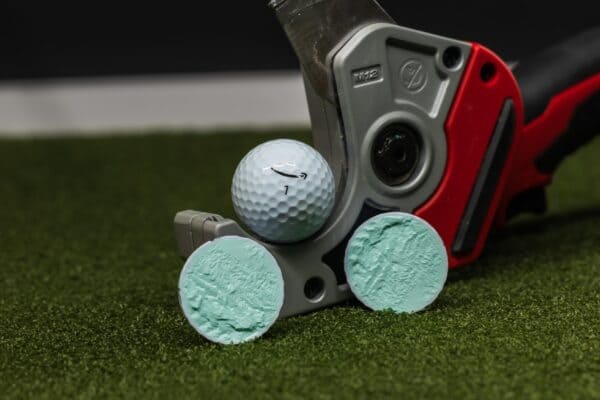
      Tee the ball low as possible to stabilize the ball only it should appear to not be tee’d. If you can see light between the all and ground or the tee at all it’s almost always tee’d to high unless you’re hitting a 2-4 iron this may be ok. Just plan on using a new tee every par three as they should usually be broken or buried. The photo in the beginning of this article shows exactly how you shouldn’t tee a 7 iron imo.

      Reply

      JasonA

      5 months ago

      Why do we hit off a tee? for “consistency”. AFAICT the data in article does not provide any information about “consistency”. The launch monitor data can be analysed to see which of mat or ground provides better consistency.

      So could go one step better next time.

      Reply

      Geoff

      5 months ago

      Don’t really get the sens of the article, when I am teeing up with an iron I am going down one club for the same distance I would use for a shot on the deck. Actually turf interaction for non low handicap or not that good golfer slow down the club speed, so you are losing distance compared to a tee.

      Reply

      Dave Vardon

      5 months ago

      IT’S THE SAME AS FLAG IN OR OUT. IT DOESNT MATTER WHAT THE RESULTS SHOW, PEOPLE WILL SELDOM CHANGE HOW THEY EXECUTE A SHOT/PUTT. I AGREE WITH JACK. ALSO HAVE YOU SEEN THE TEE BOXES ON SOME COURSES ?? NO WAY I’M TRYING TO HIT A PAR 3 TEE SHOT WITHOUT A TEE.

      Reply

      Don

      7 months ago

      You’re probably going to get a nasty email from the folks at Titleist for the pics of a #2 ball!

      Reply

      CrashTestDummy

      7 months ago

      The test has to be done on real grass. It looks like the test was done on a simulator off mats. Mats are much more forgiving than real grass.

      Reply

      Brian

      7 months ago

      agree…mats off the deck is NOT the same as grass.

      Reply

      Duffer1

      7 months ago

      Poorly written. Mats or grass? How about hitting the green? Dispersion? Were longer balls off the green and shorter ones on? The results we need were not given. We don’t care about decent angle because we never know it during a round anyway.
      “I’m a professional golfer. I’ve won many tournaments. When I play a par 3, I tee it up!”
      Ben Hogan

      Reply

      Tim

      7 months ago

      Your comment is poorly written. The author is a junior in high school and can at least spell descent correctly.

      Reply

      Duffer1

      7 months ago

      I missed that part, and agree with you. My comments are valid (his tutors should have seen) and I would rephrase if I could. He needs encouragement. Its a learning process. Editors have my permission to delete the post.

      John Newton

      7 months ago

      Hi I just replaced my grips to a size bigger and it feels great is there any advantages or disadvantage

      Reply

      Luke

      7 months ago

      Awesome Owen. Only junior in HS. Amazing job.

      Reply

      Rich Reynolds

      7 months ago

      I webt to mid size grips a feew years ago. Recently I went back to standard plus two wraps. I like the touch feedback aspect the smaller grips give me, as opposed to the larger grips which feel like i have to grip firmer, thus losing the touch feedback I prefer.

      Reply

      Christopher

      7 months ago

      It will be very much player dependent, generally oversized grips may reduce hand and wrist action, it can lead to a more open face, or less of a closed face if the player tends to flip the club over through impact.

      Some players really struggle with them, some love them. They will generally reduce vibration at impact, but it will depend on the grip material.

      If you like them over standard grips and don’t see any issues keep using them.

      Reply

      AS

      7 months ago

      Even when both are purely struck the ball flight, launch, and spin characteristics off of grass versus a mat is drastically different. Doing this test on artificial turf invalidates any findings for on course real world play.

      Reply

      Luke C Marthaler

      7 months ago

      Have always done the Tee it up for more spin and greater descent angle method. Good stuff

      Reply

      Rodger S.

      7 months ago

      Would like to see a high speed video of the club face striking the ball to determine how well the ball is being compressed. That is ultimately what dictates the distance, spin rate and launch angle. Unless the tee is literally flush with the ground with minimal height I would think that there will be a difference in favor of no tee versus tee.

      Reply

      Franklin Court

      7 months ago

      I always tee it up on a par 3 and make sure to do so in the front of an existing divot. No concerns about grass or turf between the clubface and ball and it’s a more precise visual (seeing more ball). My Dad taught me this about 50 years ago. I’ll never change it.

      Reply

      Jack Attack

      7 months ago

      Was this done off matts or grass

      Reply

      HikingMike

      7 months ago

      Yeah this is really important. Hitting off a mat really reduces the distance and dispersion penalty from a fat strike. I know I’ve hit some fat iron shots off a mat that went just the same as a clean strike. I would guess that would have to knock off some amount from the carry and total to account for some portion of fat shots in real grass/turf.

      Reply

      Bill K

      7 months ago

      Absolutely. I can hit the ball perfectly off a mat but hitting off the ground is a wholly different story!!!!!

      Reply

      Como

      7 months ago

      It’s about consistency when jack said it.

      Reply

      Tracy Warren

      7 months ago

      Agree with a few others, almost no interest in distance, spin, or angle until the dispersion is known. Can adjust other issues easier as necessary. And yes it needs to be off of real turf and tee, and not a mat, unless the local course now has mats in the tee box😁.

      Reply

      CP

      7 months ago

      What about with wedge vs iron? I tend to use a tee for 8 iron and stronger, I have more feel for the distances off the ground with 9 and wedges

      Reply

      Barry Muller

      7 months ago

      I believe teeing it gives you a better chance of hitting it more consistently. When on the ground, more variables can affect the interaction between club and ball. Ergo you can more easily adapt to hitting ball the way it will help you most. To me, one exception exists in that hitting into a good wind would benefit from a lower launch and less spin. I prefer a tee mostly, though. I have been hitting greens more often with than without.

      Reply

      Chad Gaston

      7 months ago

      It would seem to me that accuracy would have been mentioned in here. Being that proximity to the flag is the goal of a par 3 it would seem you’d also track proximity to determine which is best.

      Reply

      Rob

      7 months ago

      How high was the tee? As we know from driver testing, tee height matters so it only stands to reason that tee height on an iron will matter as well. I personally use a tee on iron shots on par 3’s but I tee it nearly flush with the ground. That way I get good contact but also get results similar to my irons in the fairway. I tend to hit the ball high to begin with so don’t have a problem getting the ball to stop on the green, when I actually hit the green. So next maybe run it with different tee heights and see how that tracks.

      Reply

      Andrew the Great!

      7 months ago

      I’m gonna guess that we all could go without using a tee…IF our par-3 tee boxes were as pristine as the ones the pros play.

      But they’re not. So to replicate consistent contact as much as possible, use a tee on par-3s.

      Reply

      P. McVey

      7 months ago

      On a par 3, I check around the box for a snapped tee. I place it on the front edge of an existing divot at a height the same as I’d hit it off the ground. Works for me. If no divot, tee it low. This feels like the same club swing on fairway. I can hit off the ground if the turf is proper. I’ve always taken the Golden Bear’s advice though. PS I sand that divot before leaving.

      Reply

      Momo

      7 months ago

      Should be measuring dispersion. It’s kinda obvious you’re hitting a tad higher on the club face so a tab shorter. But cleaner contact with a tee should mean more on target

      Reply

      Ryan

      7 months ago

      I’m extremely surprised you didn’t include the offline metric as consideration for your test… Are the test hitters more likely to be straighter off the tee than off the deck is probably the most important result to your entire test, and yet the article doesn’t even address it. The difference in length off the tee is interesting, but I think most golfers would rather know if you hit the ball straighter off the tee than longer.

      Reply

      Dr Tee

      7 months ago

      No brainer for me–cleaner contact off a tee, less likely to hit a fat strike, better spin and descent to stop ball at pin–at the expense of a yard or two distance-who cares? Higher spin, higher launch, steeper descent–Hitting it far on a par 3 is not the point, it’s about throwing darts-accuracy and dispersion are what count. Would love to see the dispersion data and GIR data on and off a tee…

      Reply

      Chris

      7 months ago

      Shouldn’t the long/short variability or standard deviation be the key metric? Since the strike is cleaner (no grass between) the spin being higher off the tee and distance slightly shorter makes sense (little mini flyers) or in the case of a mat likely different part of the club face.

      I think when we say “strike being a little cleaner” is one perceived benefit, is that not like the top 1 , 2 and 3 thing all amateurs could get better at? So handing some of that back for no reason is a miss. If you are a 5 handicap and trying to use the grass on the tee to give you a “mini flyer” to get a few extra yards I would rethink your strategy. Just literally put it 1/16 inch off the ground. If you could tee it up in a fairway bunker would fairway bunkers be easier to hit out of? Unequivocally yes. I will take my small advantage.

      On a related note Haotong Li hitting drivers off the deck on teeboxes is sick, I think that’s maybe the wave of the future.

      Reply

      Gary

      7 months ago

      I’m surprised. I expected the opposite. If I’m concerned about being too long I will go without a tee! Yet it’s the opposite here on the data. Always appreciate your studies.

      Reply

      Sean

      7 months ago

      Peak height 33 ft? What? You mean metres surely.

      Reply

      Andrew the Great!

      7 months ago

      Nah…yards. ;-)

      Reply

      john

      7 months ago

      The last thing we need is the vast majority of players opting to hit irons off the grass as opposed to a tee on par 3’s! The impact on turf conditions would be an extreme negative. Think of a grass range only about 1/100 the area and you would be searching for the last chunk of grass remaining on the totally bare tee’s. Unless the course is extremely exclusive and rounds per day are exceptionally low, not using tees on par 3’s would clearly be a negative. Leave well enough alone on this one.

      Reply

      Sean

      7 months ago

      People already tee it up and take a divot, so it wouldn’t make much difference.
      How many people do you know who actually clip a ball off a tee on a par 3 and take no divot?
      It’s why par 3’s might have a sandbox and why greenkeepers rotate the tees so regularly on par 3’s

      Reply

      Fake

      7 months ago

      I generally hit off a tee on par 3’s, although my local track does have a very weird short part 3 where even hitting a short 56 wedge just carries too much for me.

      Reply

      Keveng

      7 months ago

      What I think is actually important out of the data would be the variation between shots with and without the tee. That is what I want to know. Could that be added to the article or a follow up please?

      Reply

      Peter

      7 months ago

      Good point. I tend to hit my irons more consistently better off a tee than off the fairway.

      Reply

      Bibbo

      7 months ago

      Bingo. I would think little misses will have a bigger impact off grass.

      Reply

      HikingMike

      7 months ago

      Agree

      Reply

      Max R

      7 months ago

      When the testers hit the ball without a tee, was it off grass or a mat?

      Reply

      Carm

      7 months ago

      I was just about to ask this! Hitting it fat off of a mat is vastly different than off turf.

      Reply

      Brent

      7 months ago

      The consistency of ball strikes is the most important on par 3’s.

      Would like to what percent of shots were fat/thin off the grass vs. off the tee. Would have to be statistically significantly higher.

      Reply

      Darren Fishel

      7 months ago

      how many did or did not hit the green vs teed or not?

      Reply

    Leave A Reply

    required
    required
    required (your email address will not be published)

    This site uses Akismet to reduce spam. Learn how your comment data is processed.

    Instruction
    Jun 9, 2026
    If You Still Play Long Irons, Copy This Thought From Ludvig Åberg
    PLM 2025_Most Wanted_Foresight GC3 PLM 2025_Most Wanted_Foresight GC3
    News
    Jun 9, 2026
    College Golf Tournament Prep Looks Nothing Like It Did When I Played
    News
    Jun 9, 2026
    The Best Father’s Day Golf Gifts That Won’t Break the Bank