


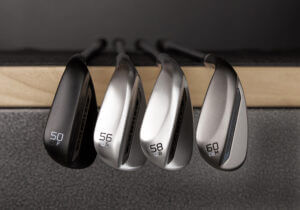
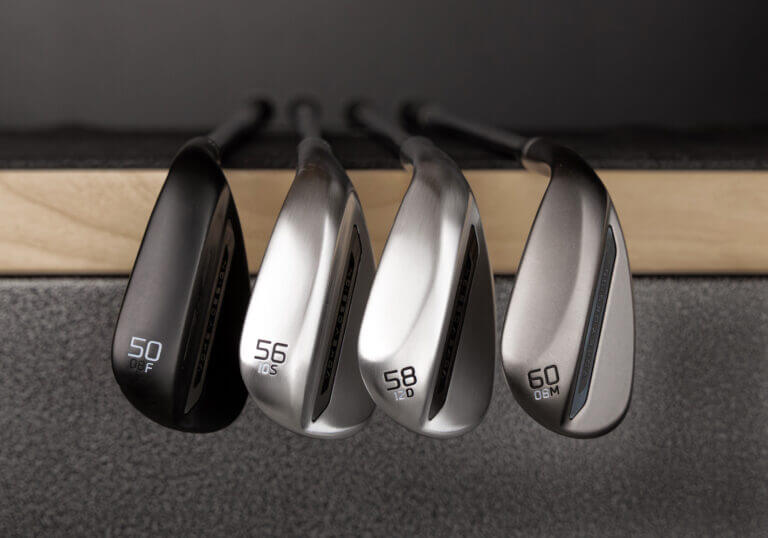
There is no rule that says every golfer needs exactly three wedges or exactly four. What matters is whether your current setup leaves gaps in your yardages, whether you have enough loft to handle bunkers and tight lies around the green, and whether you actually have the touch to hit the specialty club you are carrying. Here is how to work through that decision instead of just blindly carrying four wedges.
Continue Your Instruction Journey
Our instruction content combines insights from equipment testing, data analysis, and golf experts to help golfers improve with evidence-based advice. You’ve fixed one part of your game. These guides help you take the next step.
🎯 What tees should I play? Use this chart!
🛑 How should the driver sit at address? Many golfers still get this wrong!
🏌️ If you miss the center of the face, try THESE irons.
Start with your pitching wedge, not your wedge count
Before you think about how many wedges to carry, figure out what your set already gives you. Check the loft on your pitching wedge.
Modern iron sets have gotten stronger over the years so a “pitching wedge” in one set might be 41 degrees while another is 46 degrees. That number is your anchor point. Everything else you add should be built around it.
Hit a handful of full pitching wedge shots and note the carry distance. That single number tells you where your wedge lineup needs to start.
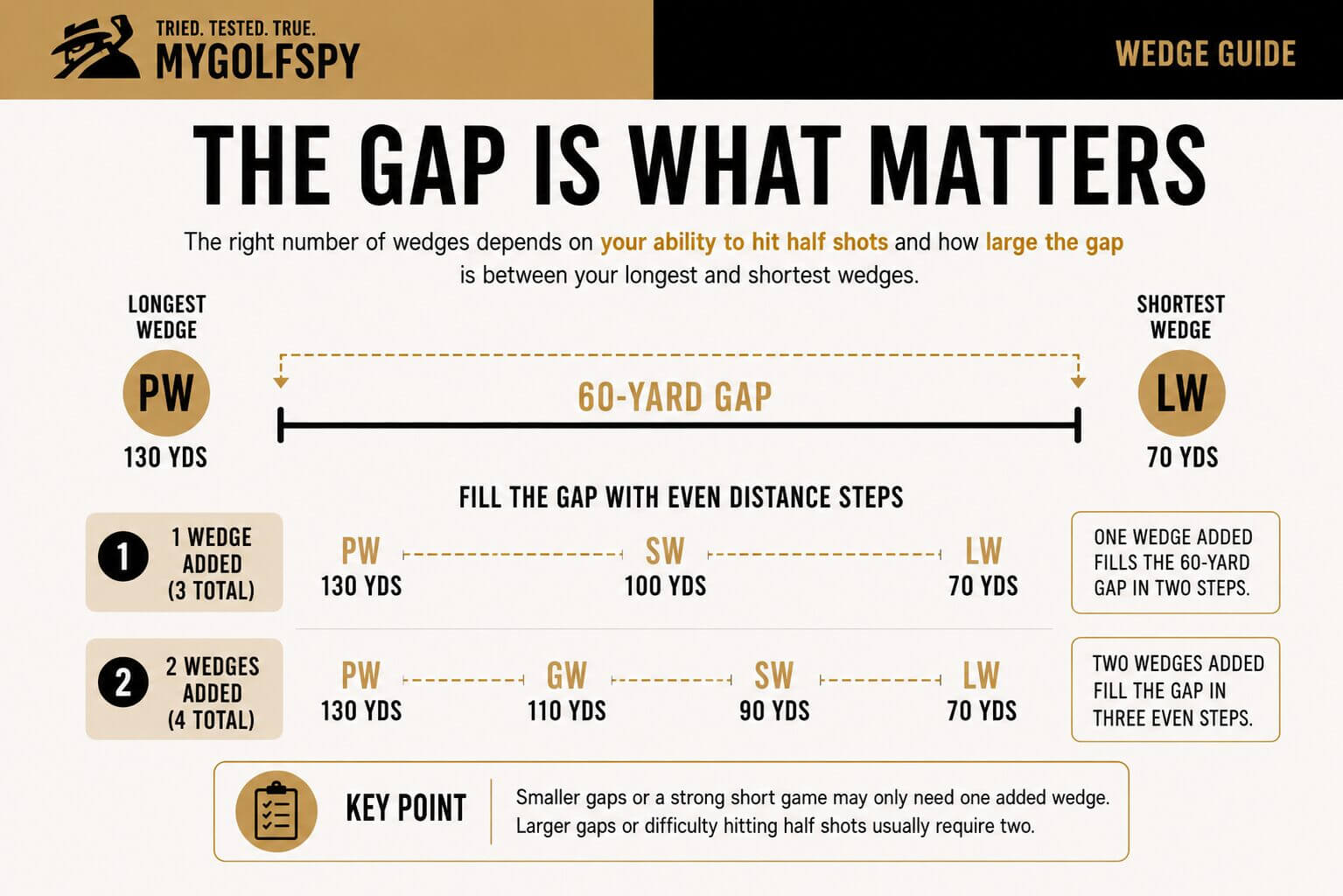
Figure out your longest gap first
Once you know your pitching wedge distance, look at the other end of the bag. How far does your most lofted wedge go and how far do you actually carry it on the course? A 58- or 60-degree wedge might carry 90-plus yards on a full swing but most golfers only take it back three-quarter or half speed on the course which shortens that number considerably.
The gap between your pitching wedge distance and your most-lofted wedge distance is the space you need to fill. A short hitter with a pitching wedge that goes 90 yards and a lob wedge that goes 60 has a smaller gap to cover than a longer hitter whose pitching wedge goes 140 and whose lob wedge goes 80.
That gap size is one of the biggest factors in whether two wedges will cover you or whether you need three or four.
The two clubs almost every golfer needs
There are really only two wedges doing essential work for most players.
- A pitching wedge or gap wedge that can chip and run the ball onto the green
- A sand wedge, typically in the 54- to 56-degree range, that gets you out of bunkers and handles lofted shots over trouble around the green
If those two clubs cover your yardages without leaving a 30-plus-yard hole in your bag, you may not need a third or fourth wedge. A lot of mid- and high-handicap golfers would score better with a properly fitted two-wedge setup than with four wedges they can’t consistently strike.
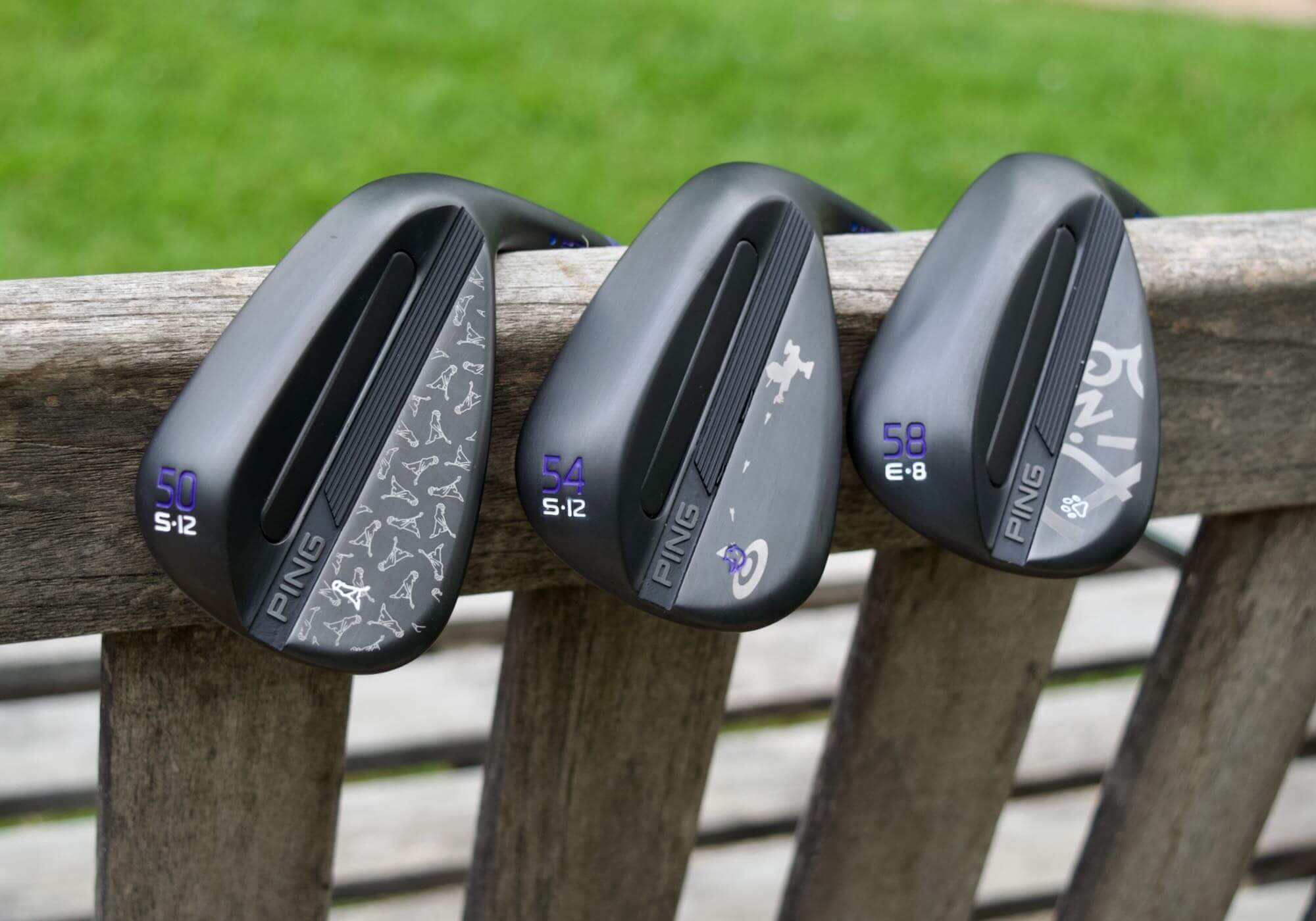
When a third wedge earns its spot
A gap wedge, usually somewhere between 50 and 52 degrees, becomes worth carrying when the space between your pitching wedge and sand wedge is too big to manage with half shots.
If you find yourself constantly stuck between a full swing with one wedge and a delicate touch shot with another, that’s the signal. The goal is even loft gaps, typically four degrees apart, so you get even distance gaps and never end up with two wedges that go the same yardage. Having two clubs that cover the identical distance is one of the most common and avoidable mistakes in a wedge setup.
A third wedge also tends to make more sense for longer hitters. If your full-swing wedge numbers live in the 100- to 140-yard range rather than 60 to 90, you have more real estate to cover and fewer natural stopping points so an extra wedge lets you hit full swings more often instead of manufacturing partial shots under pressure.
When a fourth wedge, and specifically a lob wedge, is worth it
The margin for error for a 58- or 60-degree wedge shrinks compared to a pitching wedge or even a sand wedge.
A 56-degree wedge gets nearly any golfer through the vast majority of bunker and greenside situations and plenty of very good players score well without ever carrying more loft than that.
A fourth wedge earns its place in the bag if:
- You regularly play tight, firm conditions or hardpan lies where low bounce and extra loft genuinely help you get the ball up and stopping quickly
- You are a lower-handicap player who already has consistent strike quality and needs the extra loft for specific short-sided or bunker shots
- You have room in the bag because you are carrying fewer long clubs and that space is better used on wedges than on a club you rarely hit
If none of those applies, a fourth wedge is more likely to sit in the bag as dead weight, or worse, get pulled out for a shot you have not practiced enough to trust.
Match the wedge to the shot, not just the number stamped on the sole
Bounce matters as much as loft once you get past two wedges. Higher bounce, around 10 to 14 degrees, helps in soft, fluffy sand and lush turf because it keeps the leading edge from digging. Lower bounce, six to eight degrees, suits firmer turf and tighter lies where a wide sole would bounce off the ground before it gets under the ball.
If you are adding a third or fourth wedge, think through the conditions you play in.
It’s also worth staying consistent in style.
If your irons are cavity-back, a cavity-back wedge in your gap or sand slot will blend distance gaps and feel more predictably than mixing in a bladed wedge. Many golfers do go bladed in their most-lofted wedge for the shot-shaping feel around the green and then keep the rest of the set cavity-back for forgiveness.
That split is common and reasonable as long as it isn’t creating awkward distance gaps.
The quick self-check
If you’re trying to decide right now whether you’re a two-, three- or four-wedge player, ask yourself:
- How far does my pitching wedge carry, and how far does my most-lofted wedge carry?
- Is there a gap of 25-plus yards between them that I can’t consistently fill with a controlled partial shot?
- Am I a longer hitter who needs more yardage coverage or a shorter hitter with less ground to cover?
- Do I play in conditions or have the skill level that justifies a 58- or 60-degree wedge or am I carrying one because the pros do?
Answer honestly and you’ll land on the right number for your own game rather than whatever setup looks good in a bag on tour.









Matt W
3 months ago
Is 5 wedges too many? My JPX925 Hot Metal irons have a 42 degree pitching wedge. I play 5i-PW in that set, along with 4h, 5w and Driver. That typically leaves me with a lot of wedges… PW-42, AW-46, GW-50, SW-56, LW-60. Those carry about 135, 125, 115, 100 and 85. I don’t hit the lob wedge more than a couple times per round, but the same is true of the 3w which takes its place depending on the course. Apparently the PW is called a PW based on descent angle more than club loft.