



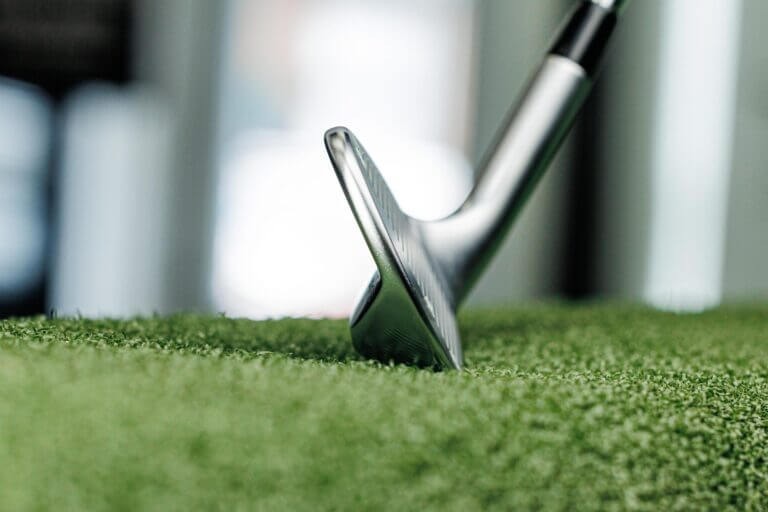
The short version: Don’t replace all three wedges by default. Fix the 56 first, shop previous-generation premium models new at a discount, and skip used. Kirkland GEN 3 at $199.99 only wins if 52/56/60 already fits your gapping.
This one started with a question from a real MyGolfSpy reader.
He’s a 12 handicap with $250 to spend on wedges. His current 52, 56 and 60 are a few years old but they haven’t worn at the same rate. The 56 is his workhorse. He uses it for most shots around the green, a good portion of his bunker play and plenty of partial approaches.
So what’s the smartest way to spend the $250?
He could buy the Kirkland GEN 3 set and get three fresh wedges for about $200. He could spend most of the budget on a premium 56 and a fitting. He could replace one wedge at a time or shop previous-generation models and try to stretch the money further.
We put the question to the MyGolfSpy Forum.
This wasn’t a poll or a quiz where everyone had to choose from the same four answers. It was an open discussion and it took off. The thread generated more than 200 replies with golfers questioning the wedge setup itself, suggesting different ways to spend the money and debating how much fitting and customization really matter.
A few things stood out.
Three new Kirklands are hard to ignore
The value argument is pretty straightforward.
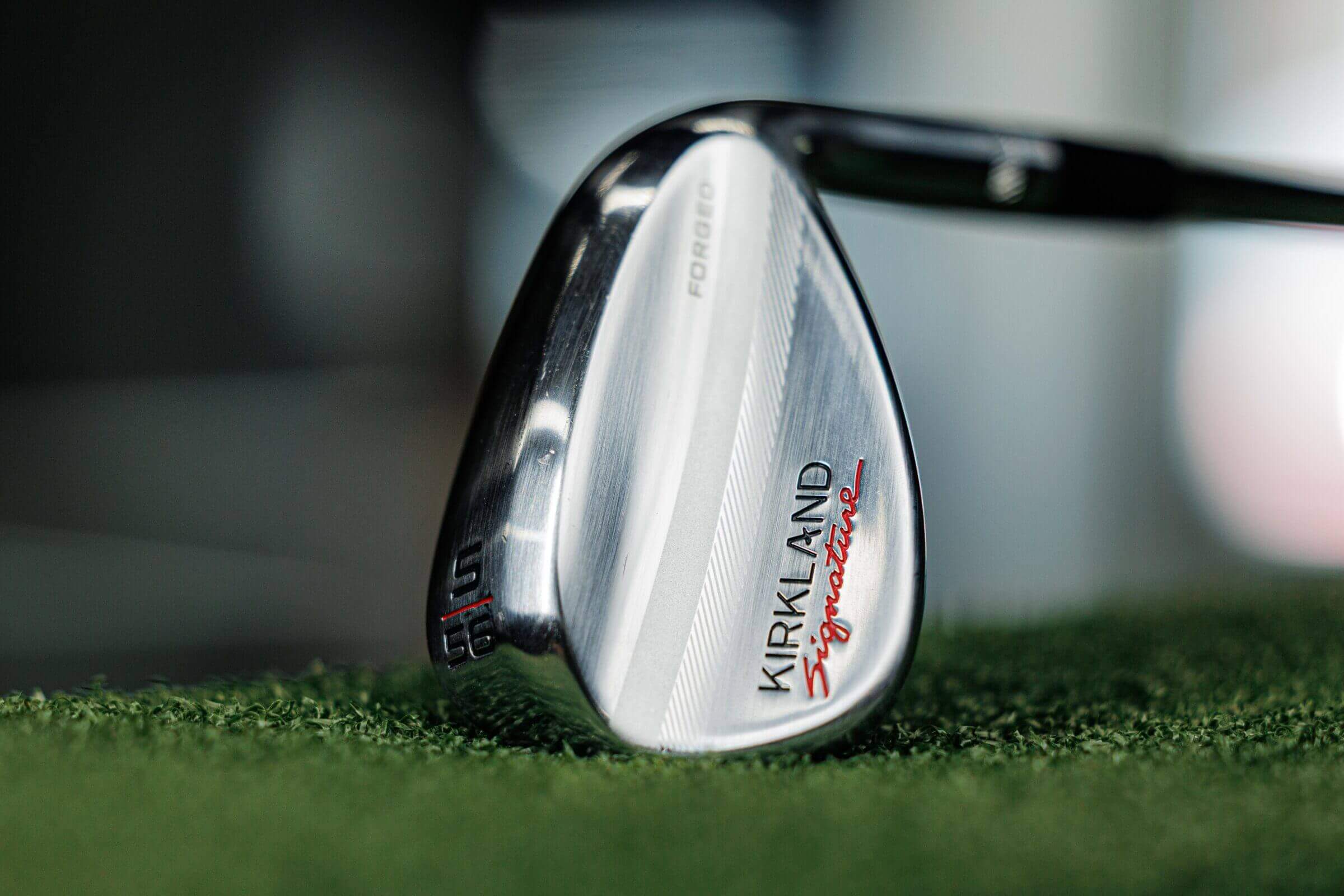
The Kirkland GEN 3 Forged wedge won our 2026 Most Wanted Wedge test with a 9.1 overall score. You can get a 52, 56 and 60 for $199.99.
If all three of your current wedges are worn and those lofts work for your game, that’s a lot of fresh wedge for the money.
I recently compared the Kirkland GEN 3 data directly to the Vokey SM11 and came away impressed with how close the performance was. Kirkland finished first overall in our test while Vokey finished third.
The hesitation with Kirkland isn’t really about whether it can perform. It’s about whether 52, 56 and 60 with the available sole design are the wedges this golfer needs.
That same question kept coming up in the Forum discussion.
Do you need to replace all three?
This may have been the most useful part of the discussion. One Forum member who was dealing with a similar situation said, “When it comes to wedges, I don’t think you have buy a set every time.”
His 56 also gets considerably more use than his other wedges so his plan was to replace that club while continuing to play the others until their performance started to drop. In this situation, we knew the 56 got significantly more use than the 52 or 60.
Before spending $250 to make everything in the bag new, I’d want to know why.
Another Forum member took the question even further. How does he use each wedge? Does he hit them full, partial or with an open face? Is the gapping right? Is 52, 56 and 60 even the best setup for him?
If the 52 barely comes out of the bag, replacing it just because it’s the same age as the 56 doesn’t accomplish much.
The previous generation option kept coming up
This is probably my favorite answer to the $250 problem.
Several golfers suggested looking at new wedges from a previous product cycle rather than choosing between three Kirklands and one current premium wedge.
One Forum member put it this way:
“The best value if you want to replace the whole set would be to go with prior model releases.”
He found two brand-new previous-generation wedges online within a few minutes and still had roughly $100 of the original budget left. Others brought up the same general strategy with previous-generation models from major OEMs and direct-to-consumer brands.
This is where I think the $250 budget gets much more interesting.
If I can get a brand-new previous-generation premium wedge with the loft, bounce and grind I want for considerably less than the newest model, I’m interested.
“Previous generation” and “used” aren’t the same thing
A discounted new wedge from last year is one thing. A wedge that somebody else has already played for two seasons is another.
One of the stronger Forum responses eliminated used wedges almost immediately, pointing out that although you might find the occasional great deal, the condition of the face and grooves makes buying used a different proposition with wedges than it is with many other clubs.
I agree completely. It’s very difficult to convince me a used wedge is worth it.
There are exceptions. Several golfers mentioned having success with clubs listed as “Like New” that arrived essentially untouched.
For me, though, the previous generation market is more interesting.
What would I do with the $250?
I’d start with the 56.
It’s the wedge this golfer has already told us he relies on the most. I’d rather make sure that club has the loft, bounce and grind that work for his game than automatically replace three wedges at once.
My first stop would be previous-generation premium wedges.
If I can find last year’s Vokey, Cleveland, Mizuno or another premium model new at a discount, that’s probably where my money is going. Then I’d look at the 60-degree wedge.
If he uses it enough and it has a specific role in the bag, replace that one, too, if the budget allows.
I wouldn’t force the 52 into the purchase just because there’s room for another wedge.
That doesn’t mean I’m against the Kirkland option. My Kirkland versus Vokey comparison already showed why. If 52, 56 and 60 fit your gapping and the Kirkland setup works with your game, getting three fresh wedges for $199.99 is a strong value.

Google is changing how content is shown. Add MyGolfSpy as your preferred source to ensure you don’t miss the latest gear news, instructional tips and buying guides.









Henry
3 weeks ago
The Kirklands do not need to be exact lofts. I bought the set and had them bent to 50 & 55 and did not touch the standard 60. Short money.