


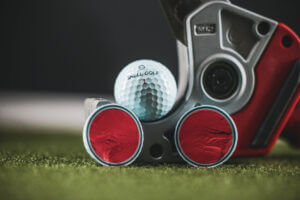
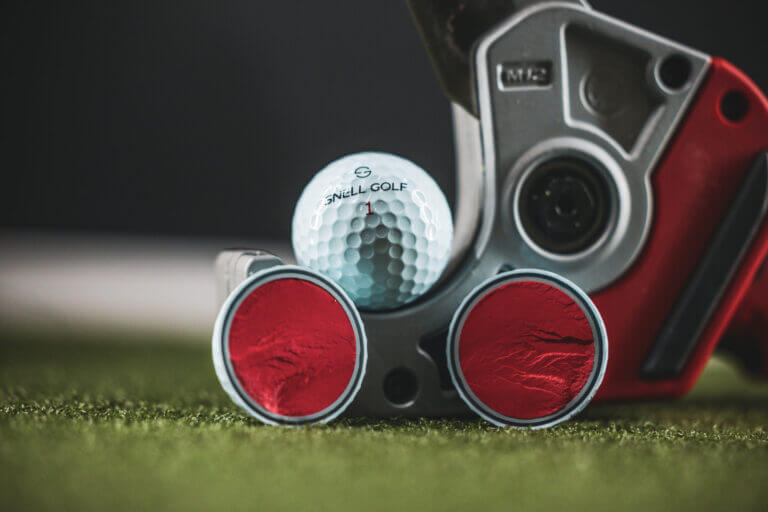
The 2026 Snell PR4 ($34.99/dozen) scored 76/100 (C grade, Not Recommended) in MyGolfSpy’s Ball Lab test of 36 balls. It graded well for compression consistency (B+) but failed compression symmetry (F) and showed a pole-to-seam shape bias in every ball tested — the manufacturing issues outweigh its value price point.
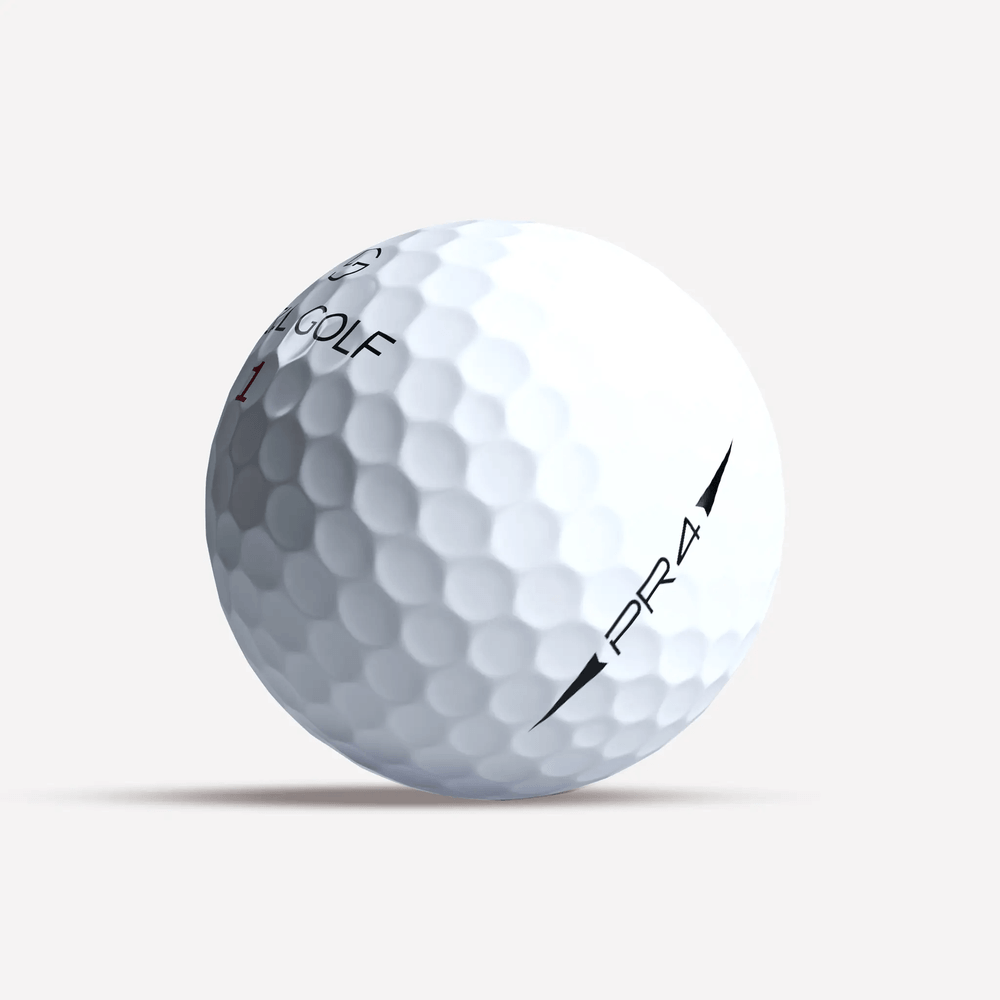
The Snell PR4 is a urethane, four-piece golf ball that sits in the value segment at $34.99 per dozen. Snell has built a reputation on direct-to-consumer ball technology. The PR4 is their flagship. What Ball Lab can tell you is what’s happening inside the box. We measured weight, diameter, compression, roundness and balance across 36 balls and three boxes to give you the manufacturing side of that picture.
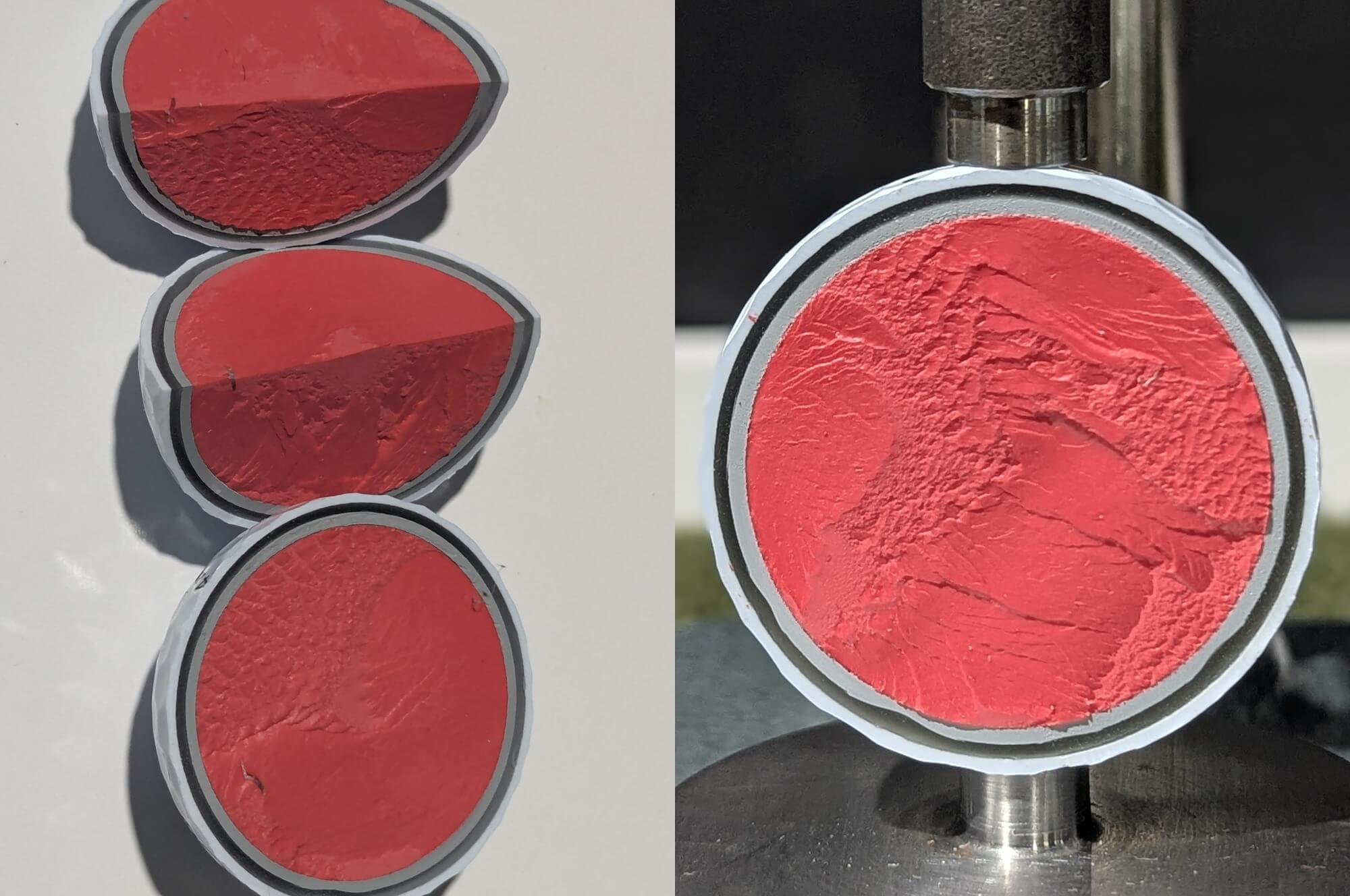
Here’s what the 2026 Snell PR4 looks like under the microscope.
Snell PR4
 Pros
Pros
- Compression consistency graded B+ — a delta of just 6.3 points ranks in the top quartile of the database
- Good Ball Rate of 97.2% — only one defective ball across the entire sample
 Cons
Cons
- Compression symmetry graded F
- Consistent pole-to-seam shape bias across all 36 balls. Every single ball in the sample measured thicker at the poles than through the seam
 Our Verdict
The 2026 Snell PR4 earns a Quality Score of 76 and a C grade: Not Recommended. Compression consistency is a genuine bright spot, grading at B+ with a delta of just 6.3 points. What drags the score down is compression symmetry which graded at F with a median of 6.0 points against a field average of 1.9. A consistent pole-to-seam shape bias across all 36 balls compounds the concern. At $34.99 per dozen, the PR4 offers value-priced urethane construction but the manufacturing data doesn’t support a recommendation.

Google is changing how content is shown. Add MyGolfSpy as your preferred source to ensure you don’t miss the latest gear news, instructional tips and buying guides.
Product details
- Price: $34.99/dozen
- Construction: 4-piece urethane
- Compression: 87 (Firm)
- Factory: China (facility not disclosed)
- Diameter: 1.6840 in.
- Weight: 1.6062 oz.
- Bad Balls: 1 of 36 (2.8%)
Test results
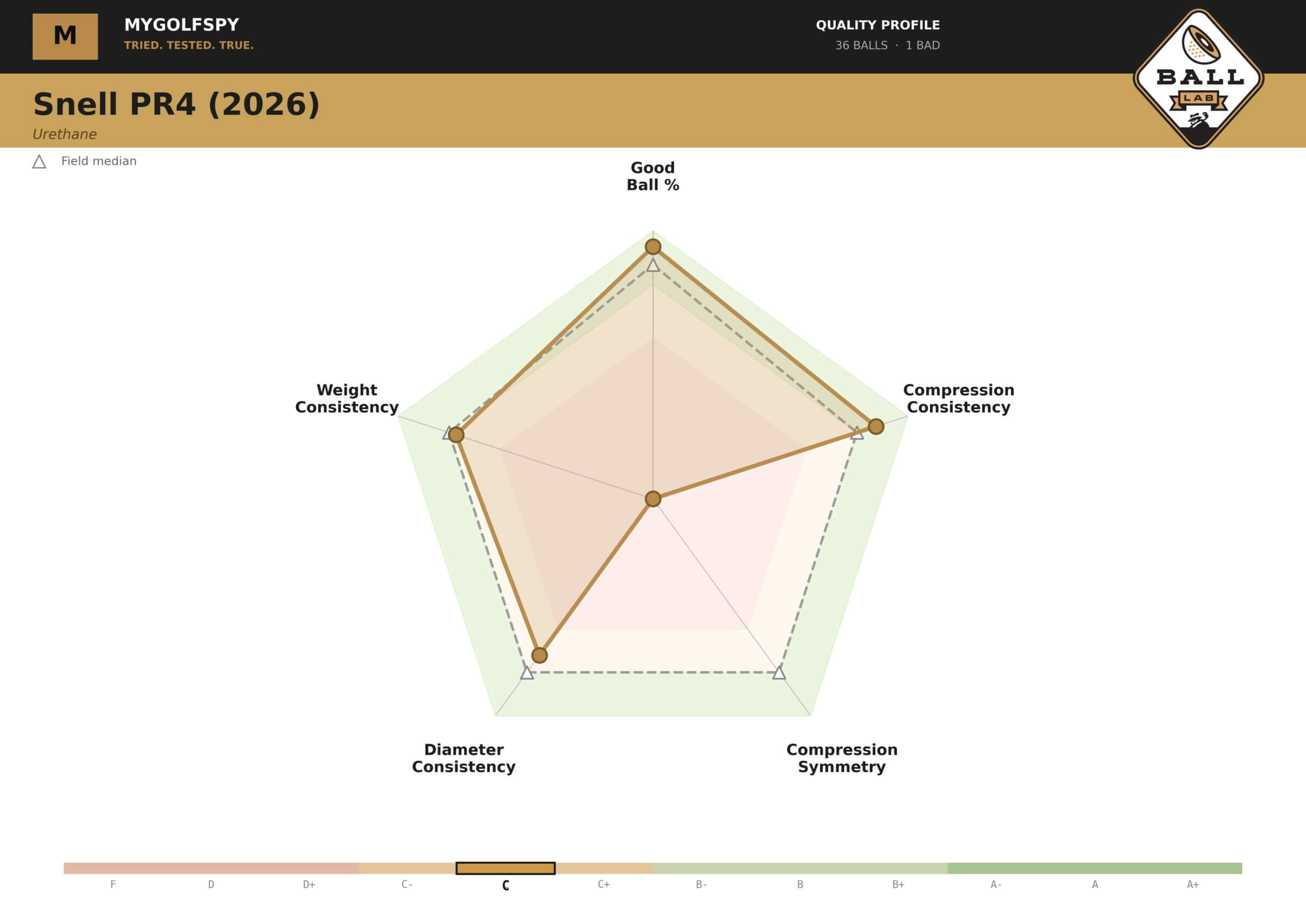
The 2026 Snell PR4 scored 76 and earned a C grade: Not Recommended. The score reflects a profile that shows genuine strength in one category and significant manufacturing concerns in two others.
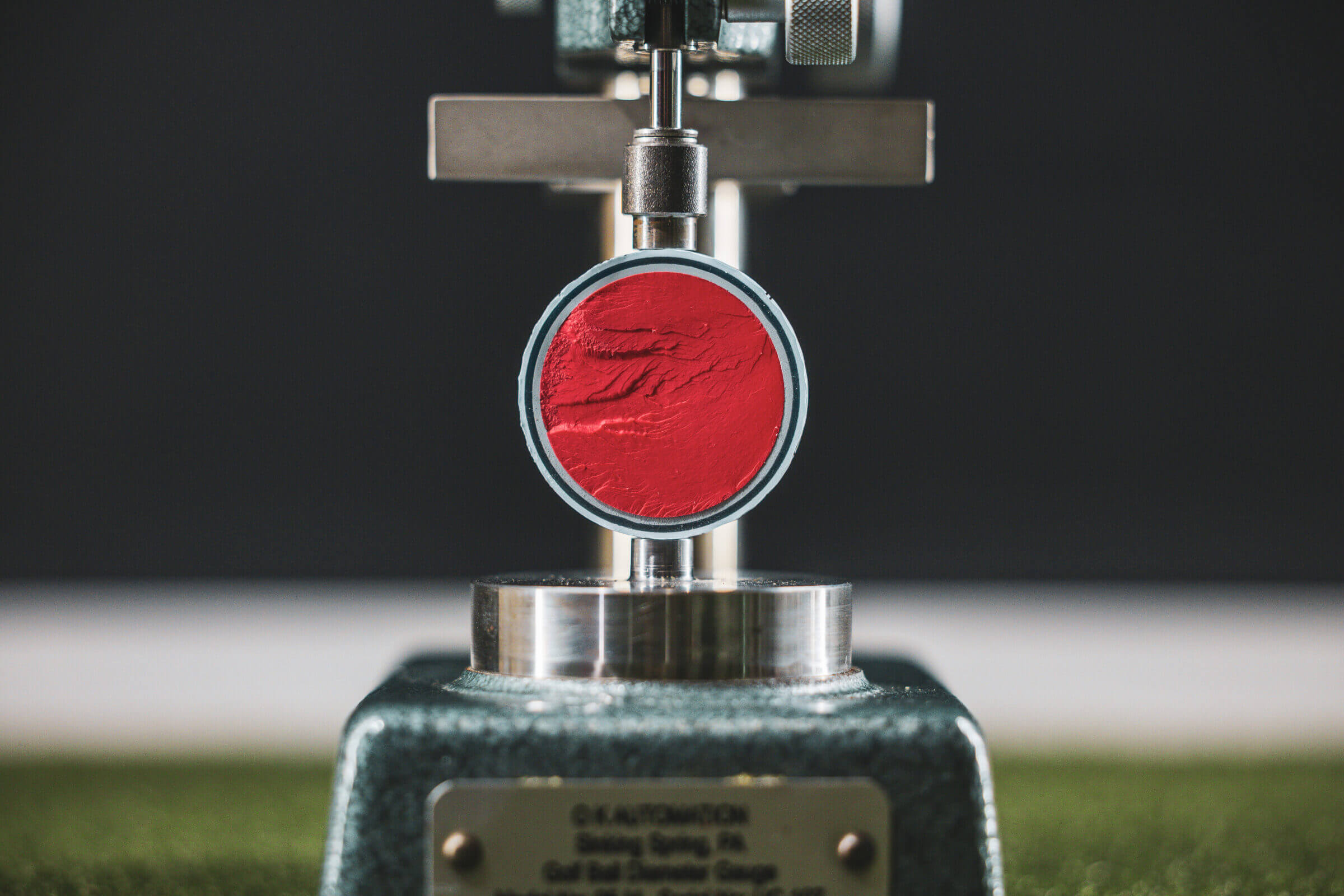
Good Ball Rate came in at 97.2 percent. One of 36 balls was flagged as bad due to multiple mantle layer intrusions—a defect that occurs when the outer layer is applied before the inner layer has cooled sufficiently, resulting in irregular material incursion visible in cross-section. A second ball from Box 3 showed something present in the core that, while not deemed significant enough to flag as bad, was noted as an anomaly worth documenting.
Compression consistency graded at B+ with a delta of 6.3 points and a spread running from 83.3 to 89.7, one of the better results in the database and a bright spot on the report card.
Where the profile falls apart is compression symmetry which graded at F with a median of 6.0 points against a field average of 1.9. That means individual balls are compressing very differently across the three points we measure on each ball.
Diameter consistency graded at C- and tells its own story: all 36 balls measured consistently thicker at the poles than through the seam, a sample-wide shape bias with zero exceptions. Weight consistency graded at C+.
At $34.99 per dozen, the PR4 offers value-priced urethane construction. But compression symmetry and a consistent shape bias across every ball in the sample are the reasons it doesn’t earn a recommendation.
Use the MyGolfSpy Golf Ball Selector to compare 48 golf balls using data from our 2026 robot test. Filter by swing speed and see how each ball performs from driver to wedge to find the best fit for your game.

Compression
Compression is a measure of how much force is required to deform a golf ball; the higher the number, the firmer the ball. Consistency matters because a ball that compresses differently from shot to shot produces different results from shot to shot. Ball Lab measures every ball individually and tracks both the average and the spread across the sample.
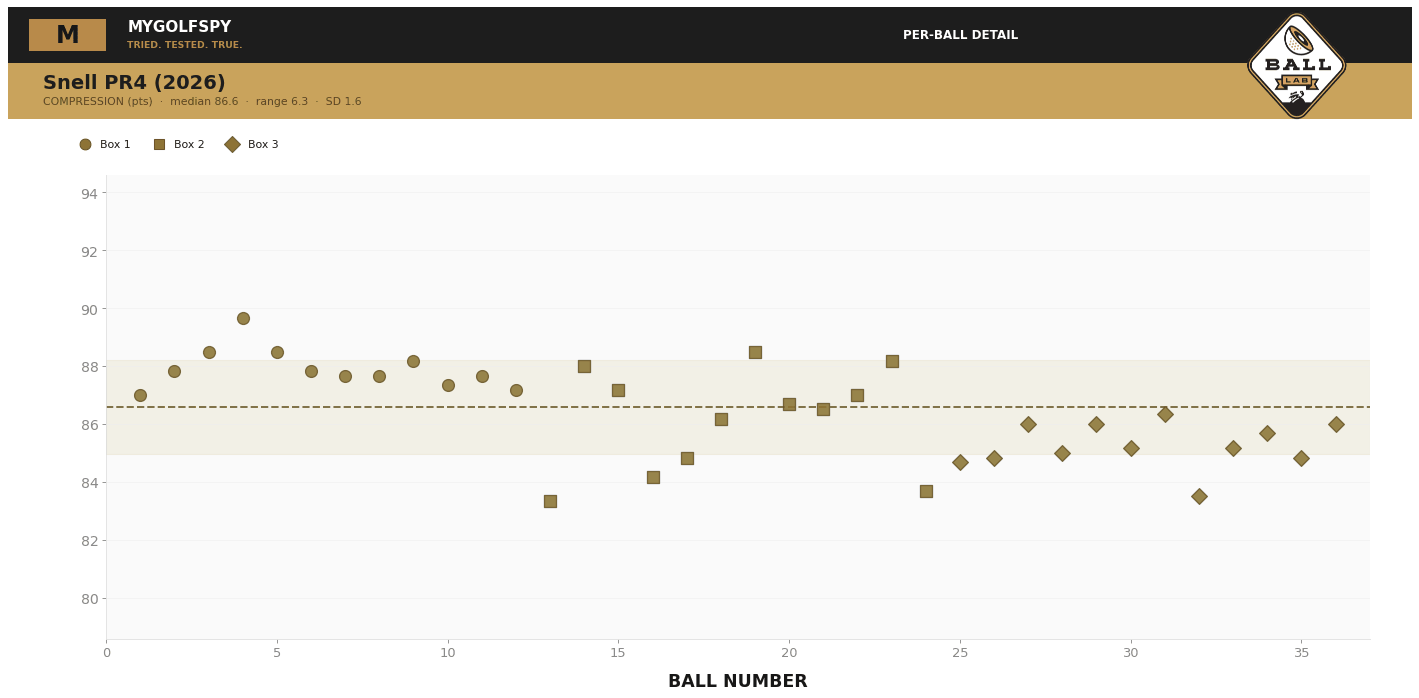
The 2026 Snell PR4 averaged 87, in the firm range of our database which is softer than most of the tour-level balls in this test series. Compression consistency graded at B+ with a delta of 6.3 points and a spread running from 83.3 to 89.7, well below the database average of 9.6 and one of the stronger results in the database. Ball to ball, the PR4 delivers a consistent compression product.
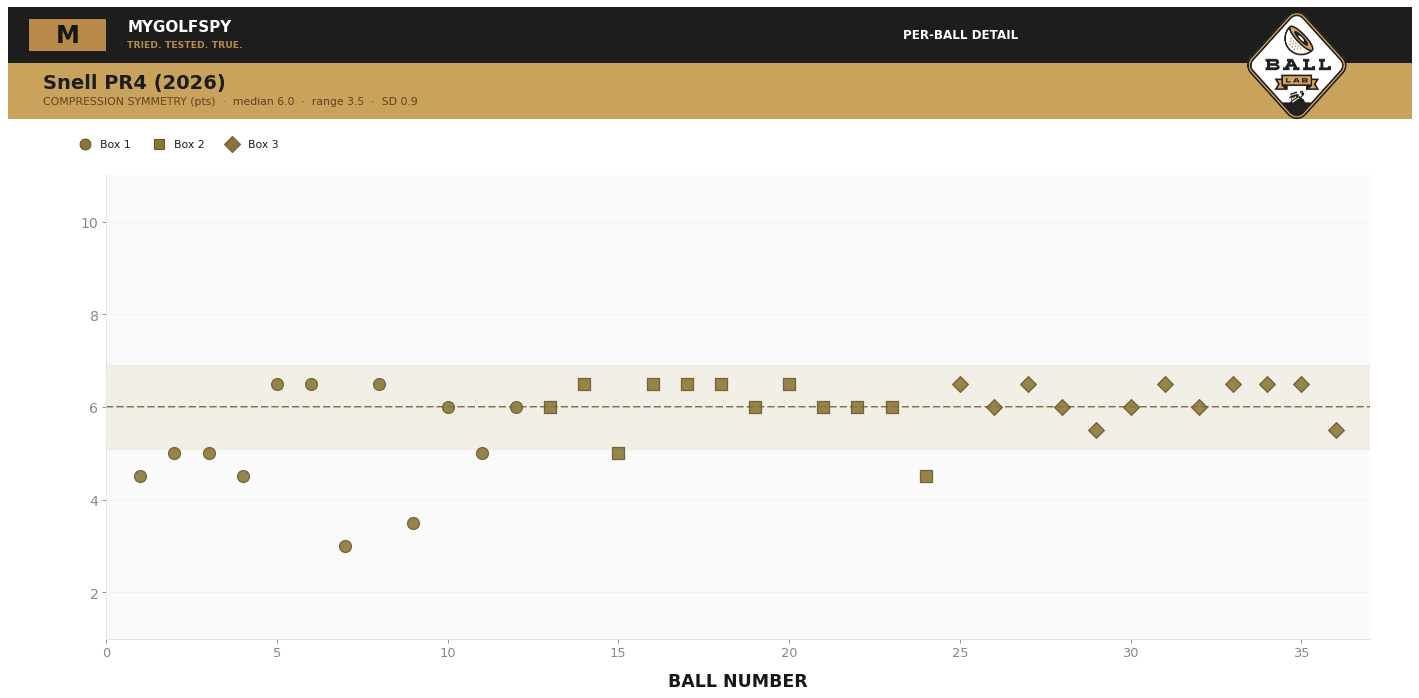
Ball Lab also measures compression symmetry which tracks how evenly compression is distributed across three points on each individual ball. Is each ball consistent within itself? The PR4 averaged 6.0 points of deviation. This is more than three times the field average of 1.9 and the worst result in this category in our database this year.
While the sample-wide compression spread is tight, individual balls show significant internal variation, meaning the three measurement points on a single ball can tell very different stories. That’s the tension at the heart of this profile: good consistency across the sample, poor consistency within each ball.
The charts below detail the compression measurements in our sample.
Weight
Weight consistency is another metric Ball Lab tracks. Even small differences across a dozen balls can translate to inconsistent ball flight. Ball Lab weighs every ball to four decimal places.
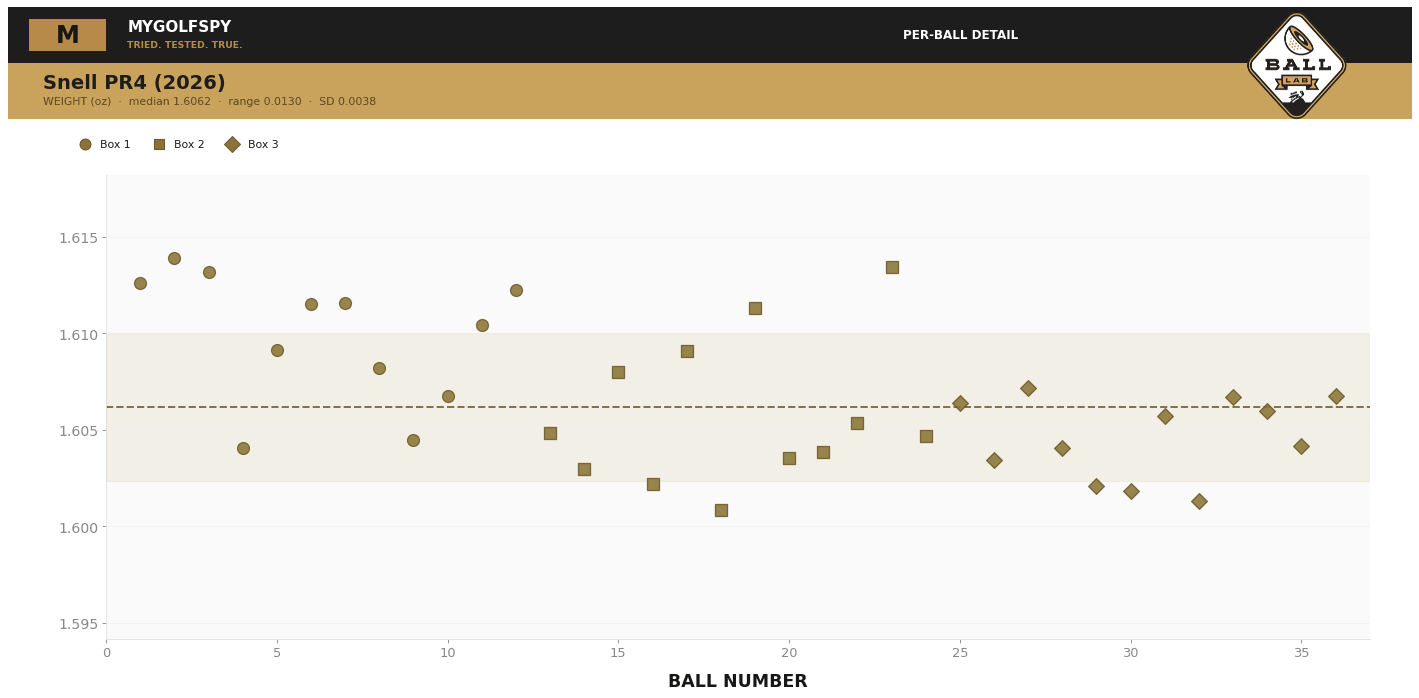
The 2026 Snell PR4 averaged 1.6062 ounces across 36 balls, on the lighter end of the database. Every ball cleared the USGA maximum of 1.6205 ounces with a range running from 1.6009 to 1.6139 and a standard deviation of 0.0038. The spread is wider than most of the tour-level balls in this test series with Box 1 showing the most variation of the three.
Weight consistency grades out at C+.
The charts below detail the weight measurements in our sample.
Diameter
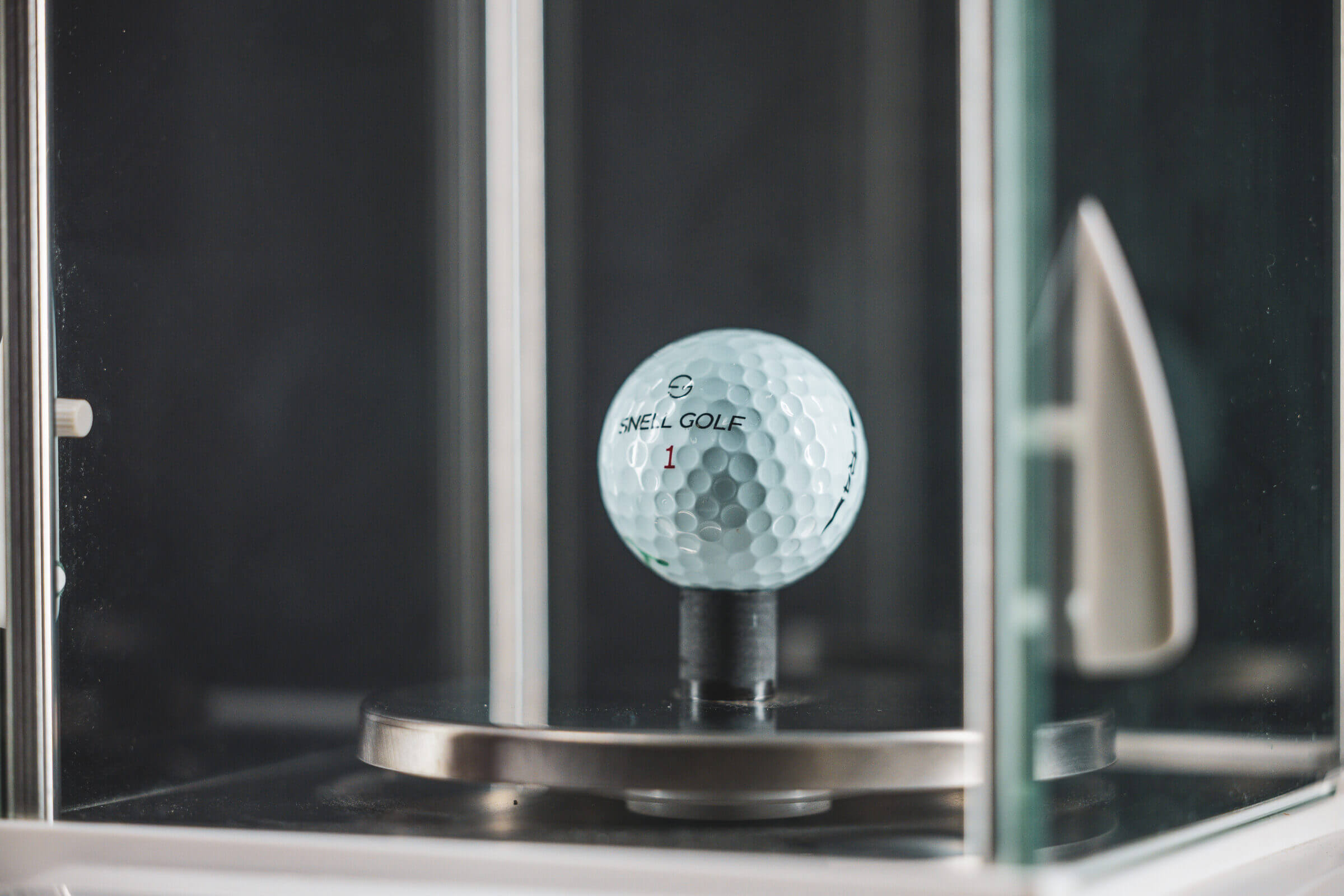
A ball that isn’t uniform in shape can track offline on the putting green or produce inconsistent flight in the air. Ball Lab measures each ball across multiple axes to get a true picture of its shape.
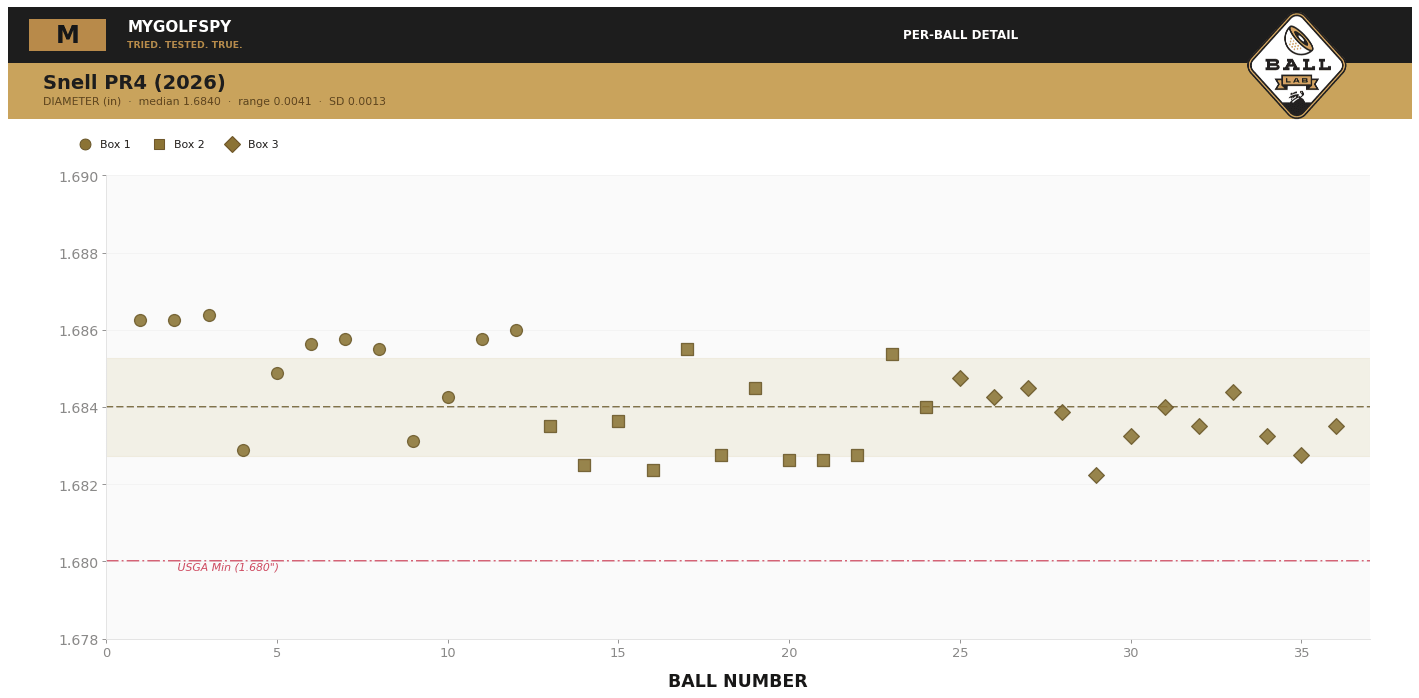
The 2026 Snell PR4 averaged 1.6840 inches, above the USGA minimum of 1.680, with a roundness deviation of 0.0041 inches. Every ball cleared the minimum but the diameter data tells a clear story. All 36 balls in the sample measured consistently thicker at the poles than through the seam with zero exceptions. This is a sample-wide shape bias that was present in every single ball we tested. Box 1 was the least consistent of the three at an SD of 0.00115 while Box 3 was the tightest at 0.00071.
Diameter consistency graded out at C-.
The charts below detail the diameter measurements in our sample.
Ball Lab report card
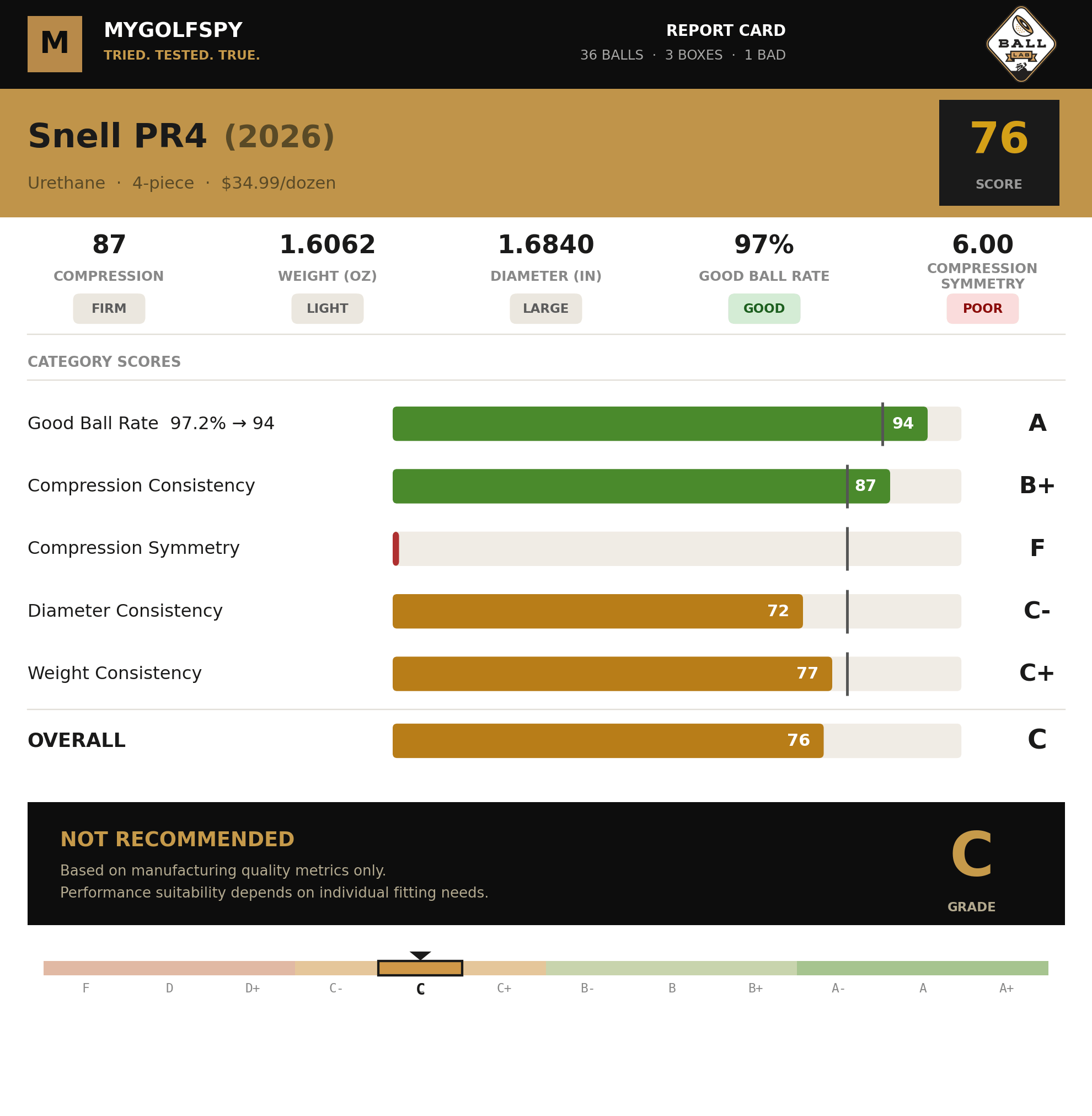
Each Quality Score is a weighted average of five grades: good ball rate, compression consistency, compression symmetry, diameter consistency, weight consistency. Our scoring system punishes defective balls more severely while giving greater weight to compression metrics than to weight and diameter.







Jim
4 weeks ago
I saw on another review site that Dean Snell commented on your review and offered to sit down to discuss golf ball design and even testing methods. It would be great if you would have a sit down and the results would be terrific. Hope you can arrange this meeting and publish it for all to see. Honest reviews and honest feedback can’t be beat.