


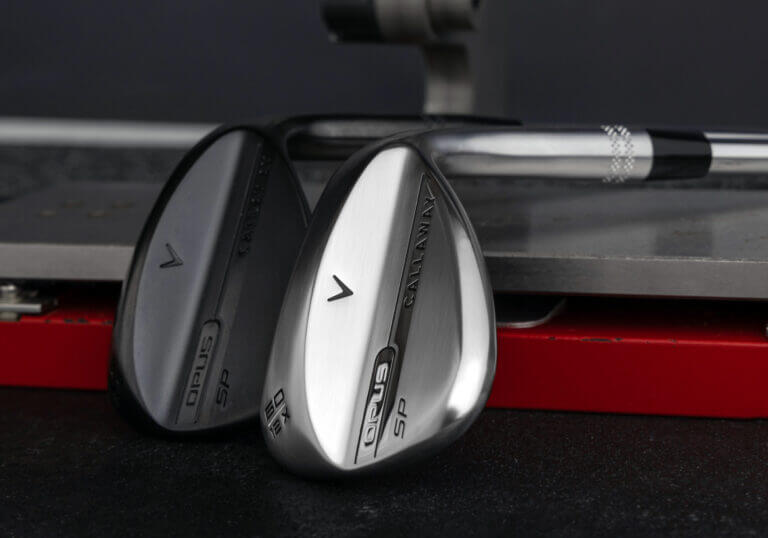
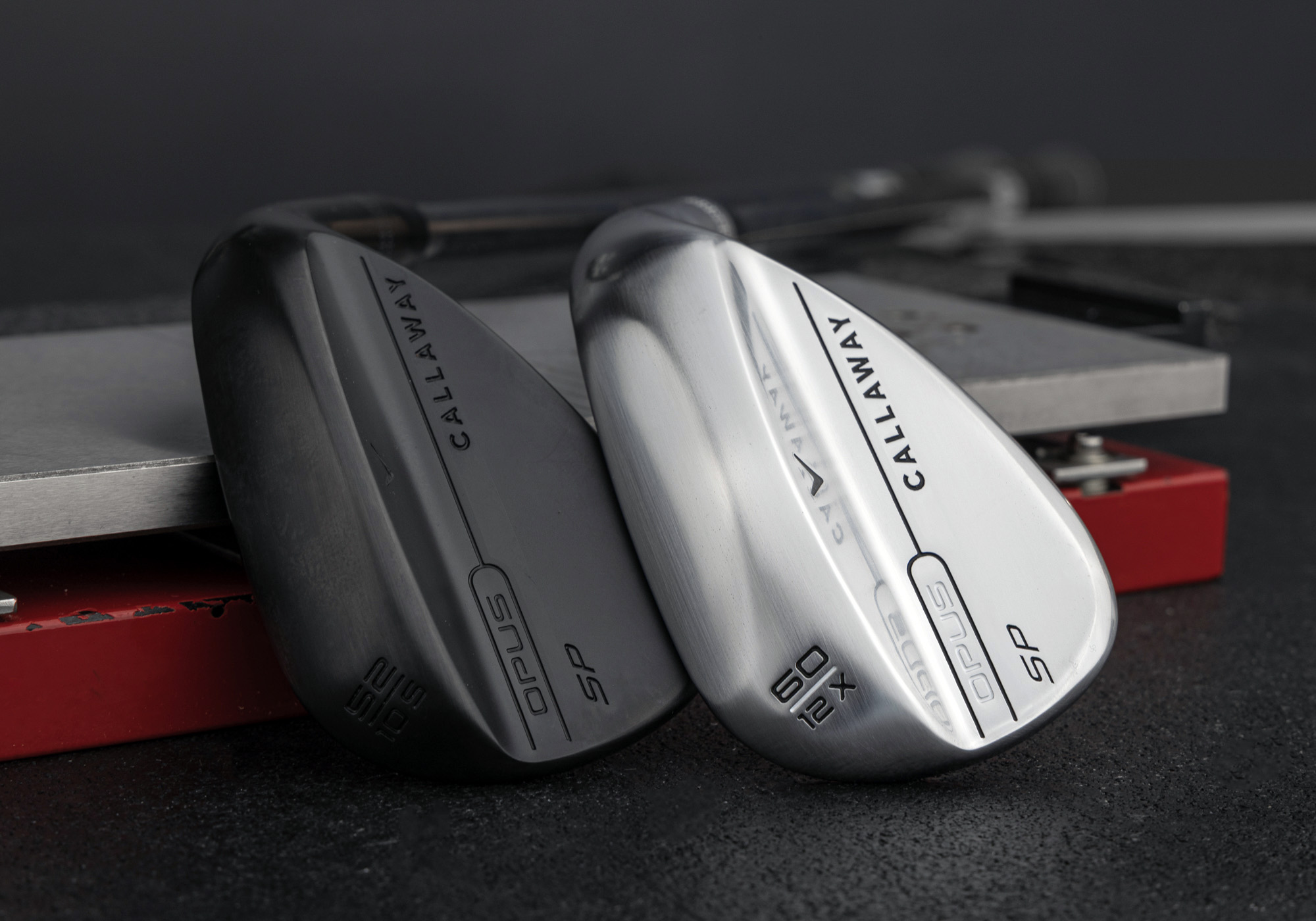
After just a one-year run (short by wedge category standards), Callaway is replacing—or I suppose building on—the original Opus with the new Opus SP wedge lineup. It’s fair to say that while the original Opus marked a huge (and necessary) step forward in the category, the quick turnaround suggests Callaway felt it could do better … and fast.
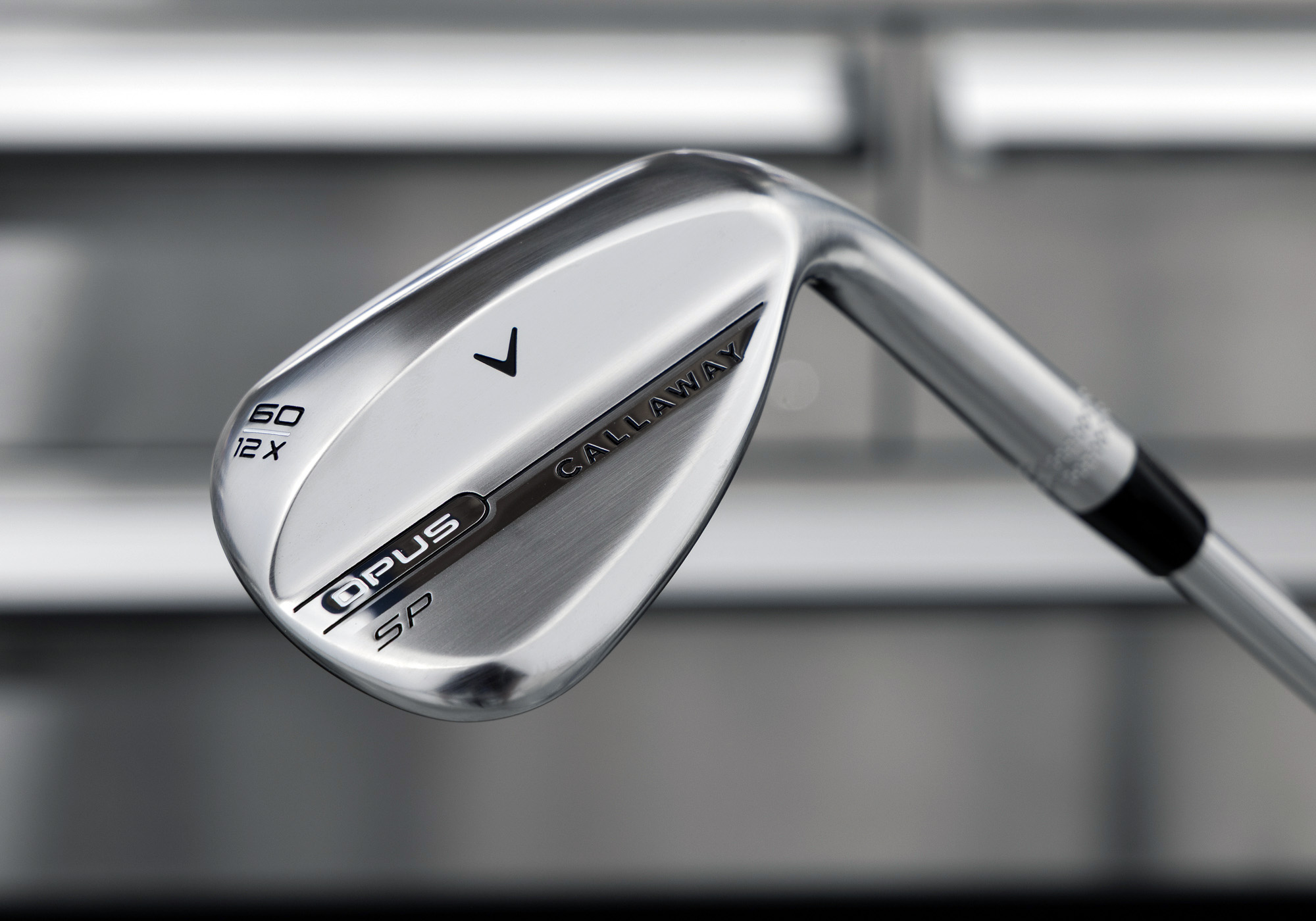
Conceptually, think of Opus SP as blending the spin-enhancing ideas behind Opus Platinum with the tour-validated shaping of Opus—specifically Shape 6, the prototype shape that became the blueprint for the final version.
But here’s the thing: Callaway isn’t just tweaking around the edges this time. They’re fundamentally rethinking how wedges create spin and, if this approach works, it could change how we think about short-game performance.
Rethinking spin
At the heart of the Opus SP design is a fresh approach to the typical wedge story. With the new wedges, Callaway is championing the concept of “Efficient Spin“—or spin per degree of launch. Ultimately, the objective is to generate the lowest launch with the highest spin possible. On the course, this gives you the ability to fly the ball low with the confidence that it will stop quickly.
Spin Pocket: The star of the show
At the heart of this approach is the new Spin Pocket design (the “SP” in Opus SP). While most wedge spin stories center on groove design and face treatments (and, to be sure, there’s some of that here), Callaway is leaning into a new method of raising centers of gravity as the foundation of Opus SP’s increased spin rates.
The Spin Pocket concept was integrated into some Opus Platinum prototypes but didn’t make the cut last time around. With Opus SP, it’s the core technology—and for good reason.
So what exactly is a Spin Pocket? Simply put, it’s a hollowed-out area behind the mid to low section of the face. While most CG stories involve removing mass high and placing it low for higher launch, the opposite is more desirable in wedge design. To that end, Callaway’s Spin Pocket works to remove mass lower in the face so it can be reallocated closer to the topline where it promotes that ideal combination of low launch and high spin.
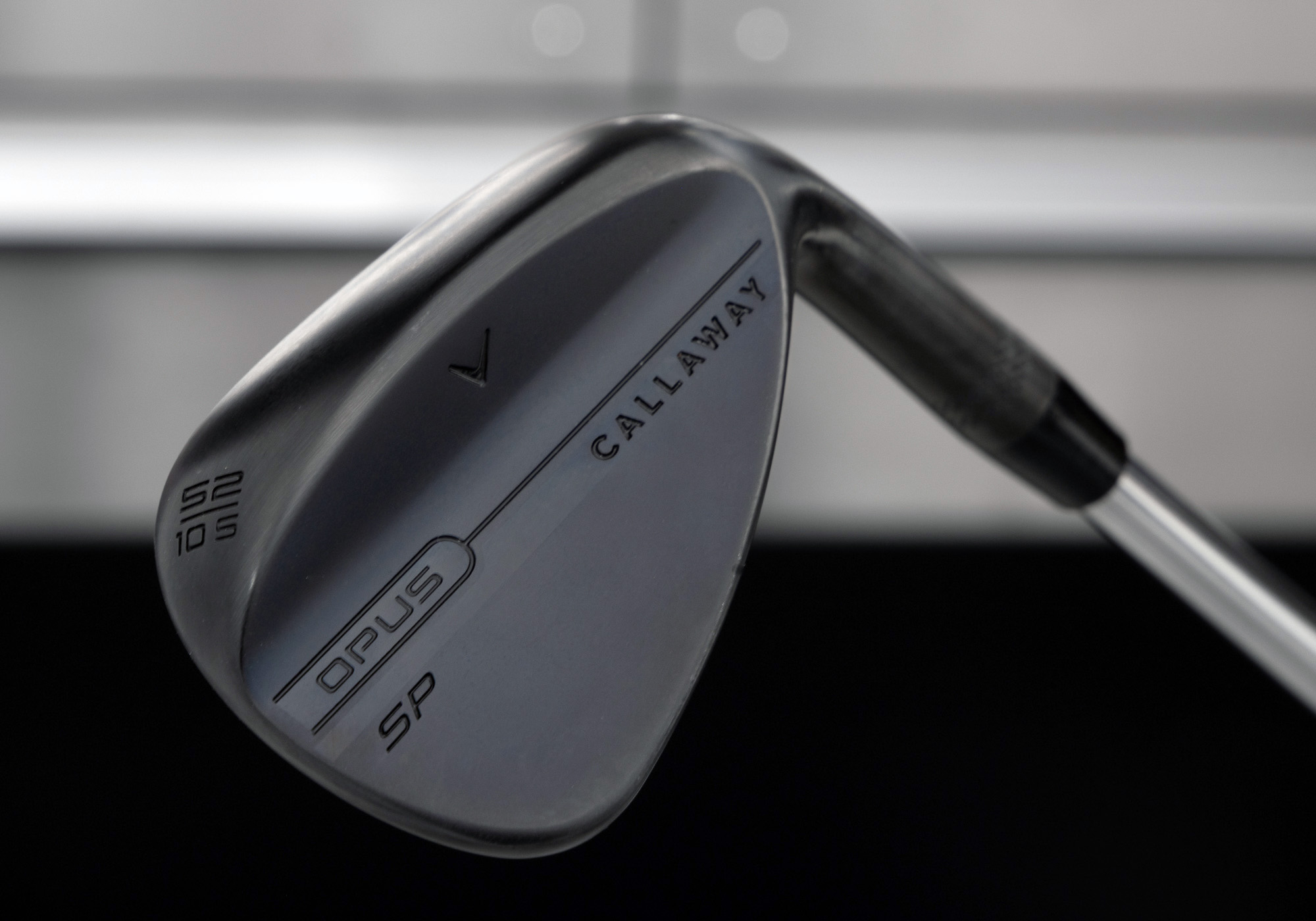
To put some numbers on it, the Spin Pocket frees up 16.8 to 23.6 grams depending on loft. Callaway removes more weight in higher-lofted clubs to drive launch even lower and spin even higher.
Eyeballing the Callaway charts, it appears the Opus SP center of gravity is roughly two millimeters higher than equivalent Vokey wedges and three millimeters higher than the original Opus.
You can think of Opus SP as a partial hollow-body wedge. With that, it will be interesting to see what golfers perceive as the feel implications, given that most wedges rely on much simpler constructions with fewer variables to navigate.
Updated grooves and face
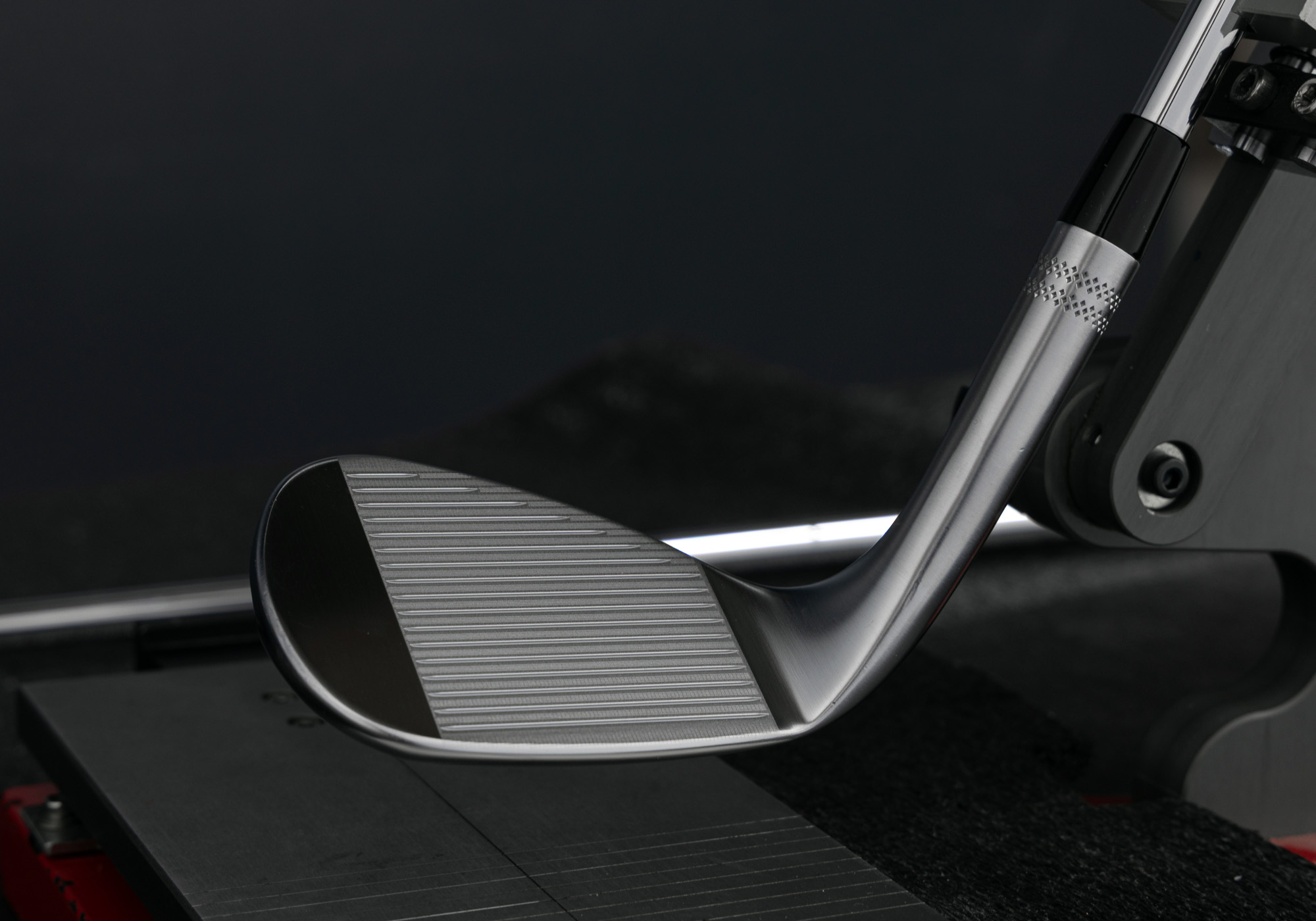
While grooves aren’t the headline this time around, Callaway has made some notable changes. In what the company is calling SPIN GEN 2.0, they’ve modified the edge radii and groove pitch to create more consistent launch and spin on longer shots from the rough without altering performance in any notable way from other conditions.
Opus SP wedges also feature a deeper face pattern. In what amounts to the evolution of Callaway’s etched groove-on-groove design, the new face pattern is etched more deeply and then plated. The result is something closer to a traditional groove that should last significantly longer than previous versions.
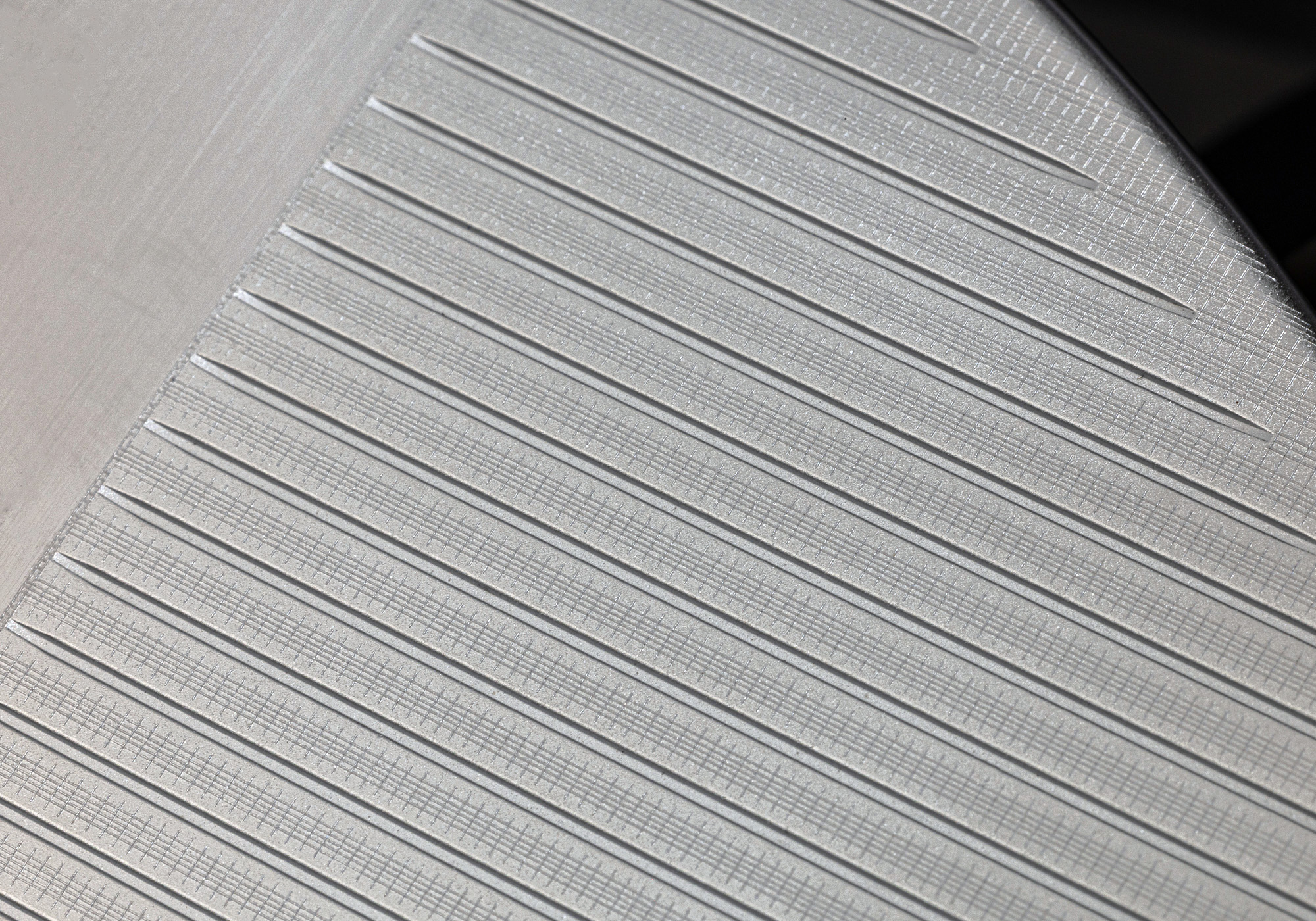
All of that comes with an explicit acknowledgment that, despite all the talk of spin-enhancing features between grooves, previous iterations typically wore away in less than two rounds.
That is to say that those features can be great for selling wedges (lots of spin in the bay) but, more often than not, they don’t last long enough to be of any actual benefit to golfers.
This time around, Callaway says it’s different. We’ll see about that.
Opus SP construction
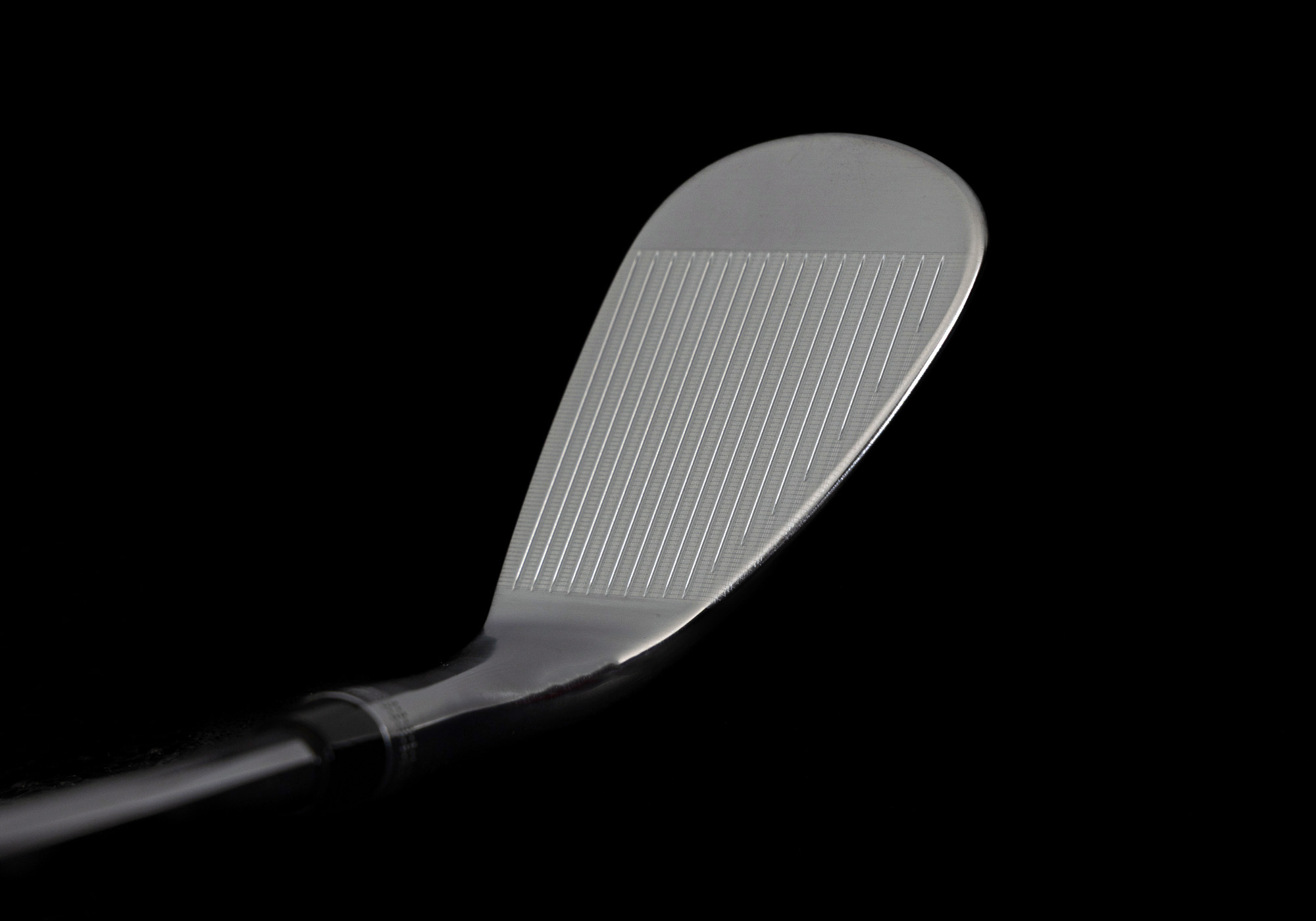
Callaway Opus SP wedges pair an 8620 cast body with a 1025 form-forged face. Theoretically, that’s going to give you a slightly softer feel and could help offset any feel implications of the pocket.
That’s admittedly speculative at this point.
Notable is that Callaway machines the final Shape 6 profile for tighter part-to-part consistency.
I didn’t get the calipers out on this one but to my eye, at similar loft and grinds, the Opus SP appears a bit smaller than a Vokey SM10 with a sharper, less-rounded transition from the toe to the topline and into the hosel area.
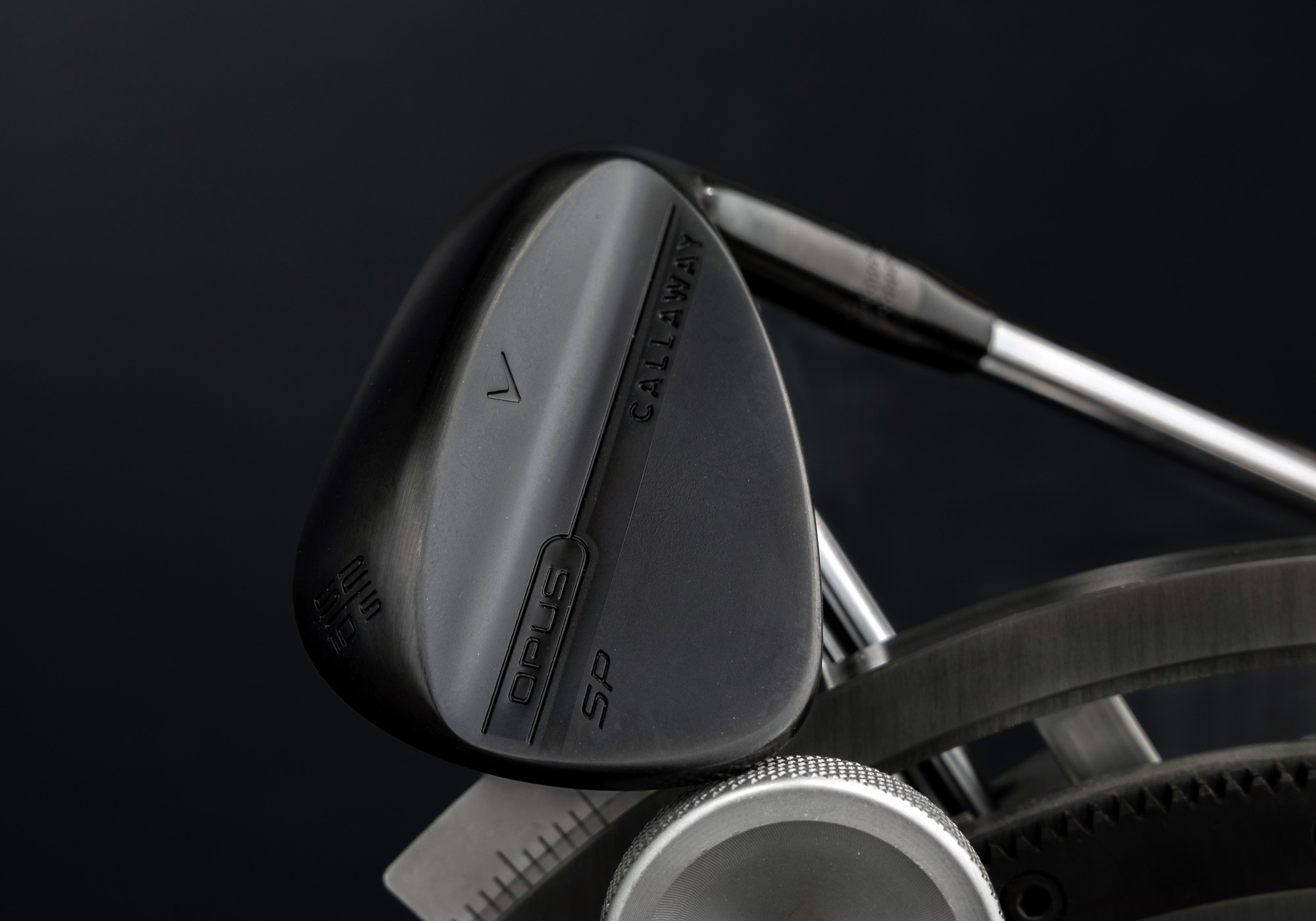
I will reiterate what I said last year: on shape alone, Opus and now Opus SP represent a significant improvement over previous Callaway wedge shapes and are no small part of the reason why Callaway staffers have quickly made the switch.
A popular grind returns
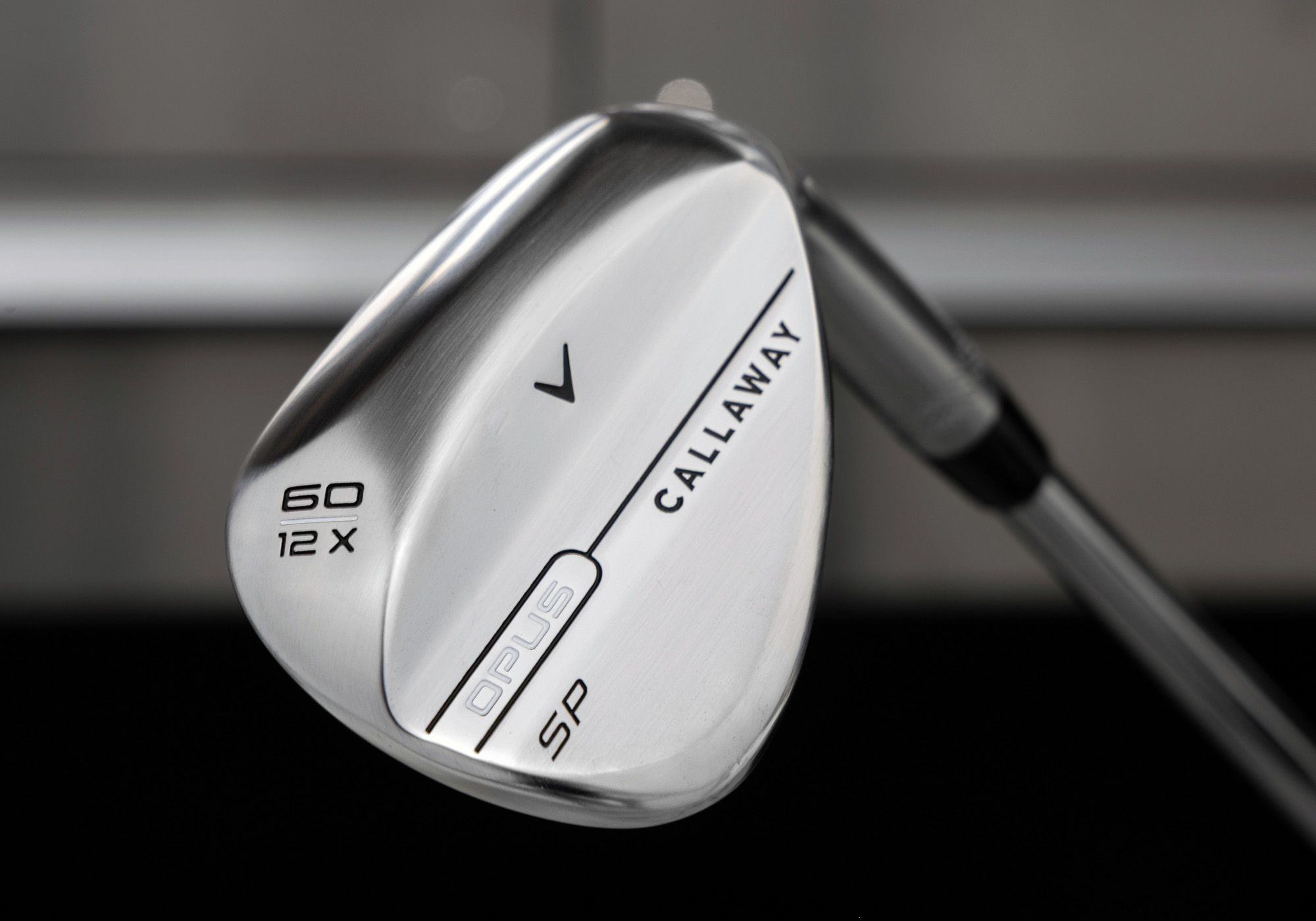
The most notable bit of the grind story is that Callaway has brought the X Grind back to the lineup. Think of X as a better player’s high-bounce option. For those familiar with the Vokey lineup, Callaway’s X is D-Grind adjacent. You’re getting higher bounce (12 degrees) along with enough heel, toe and trailing-edge relief to provide some versatility around the greens.
Other grinds (because choice is good)
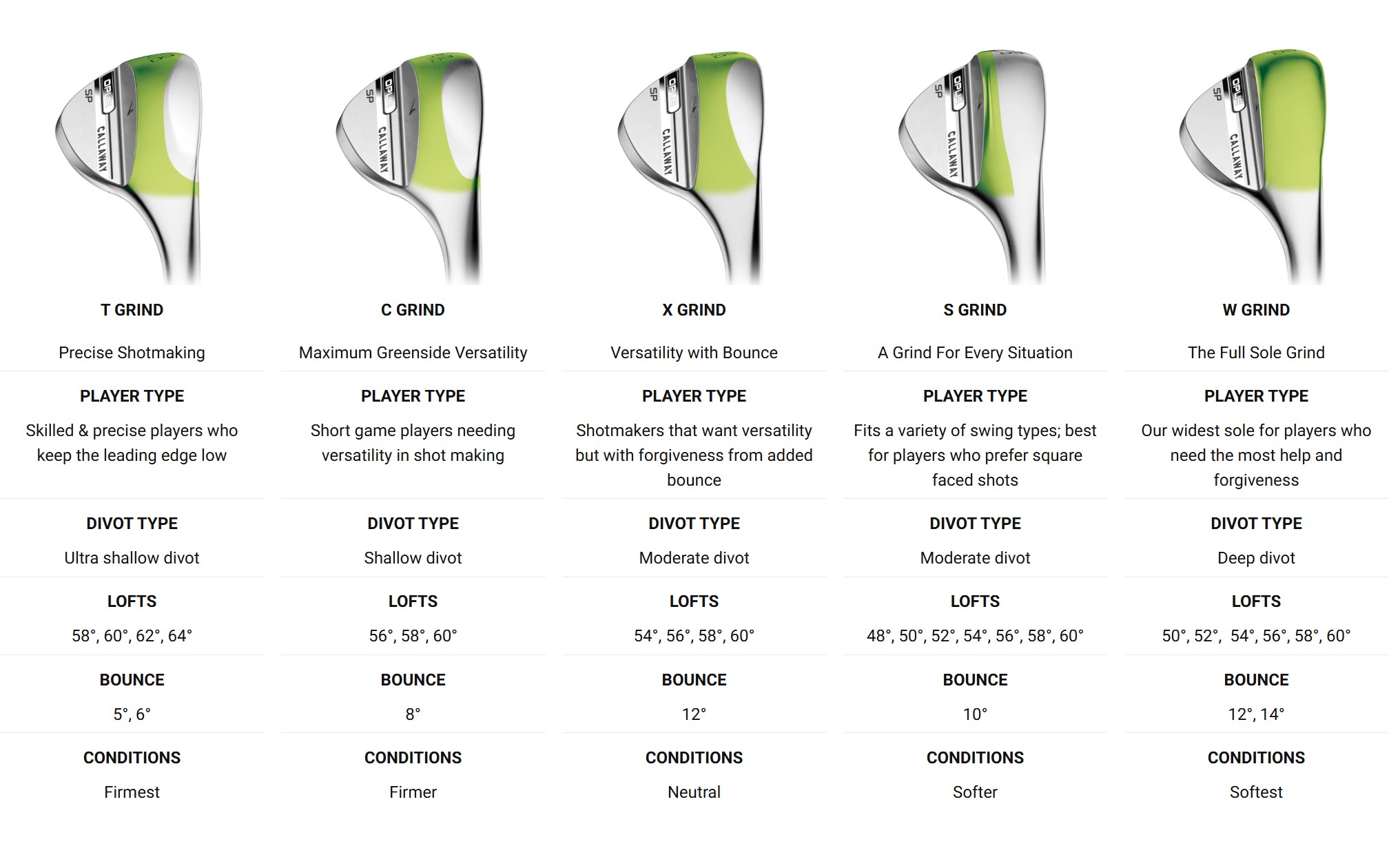
T Grind: Score one for industry standardization. Callaway’s T Grind is a low-bounce (five or six degrees depending on loft) lob wedge option. It’s your prototypical shallow swing, tight lie, get-out-of-jail-free (with risk of a longer sentence) grind. Worth specifically mentioning: a 64-degree option for those of you with questionable decision-making skills.
S and C Grinds are common to nearly every wedge lineup. S is the “when you don’t know what grind” grind. It’s available in the most extensive number of lofts—46 to 60 degrees in two-degree increments.
The C grind is similar to the S grind in that it’s a safe, middle-of-the-road option. The C grind has a little less bounce (eight degrees instead of 10) but offers some additional relief. Relative to S, you’re trading away a little forgiveness from the grind for a bit more versatility.
W Grind is Callaway’s wide, full-sole offering. It comes with 12 or 14 degrees of bounce depending on loft and is available in gap through lob wedge lofts. While less versatile than Callaway’s other grinds, it should provide the most forgiveness moving through the turf and should be a great option from soft bunkers.
The rest of the specs
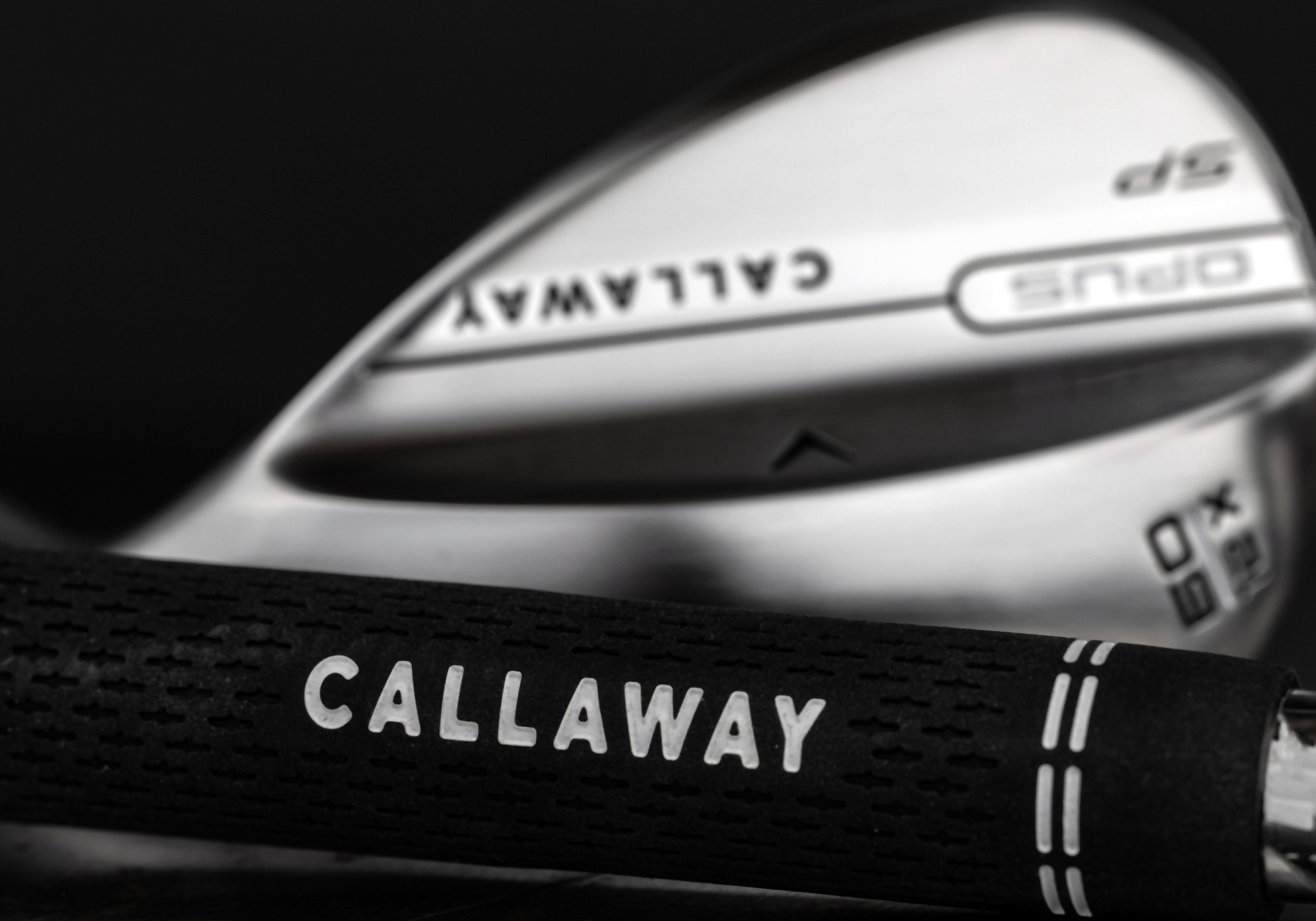
Notable with the Opus SP lineup is that Callaway has increased stock swing weights. Pitching wedge and gap wedge swing weights are now D3, while sand and lob wedge lofts have been increased to D5.
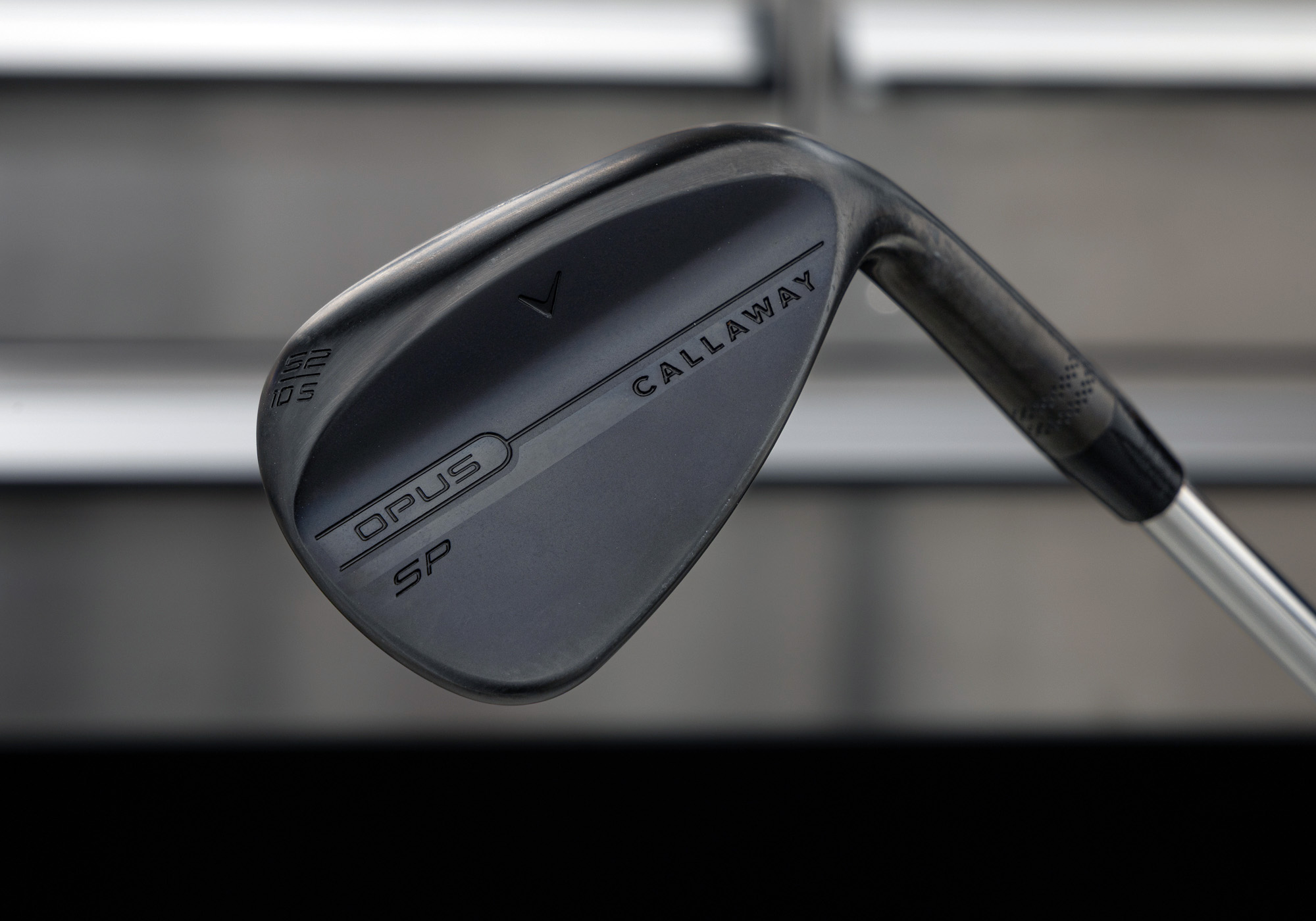
Callaway Opus SP wedges are available in Satin Chrome and QPQ Black. As you would expect, left-handed options are limited.
Stock shafts include the Dynamic Gold S200 (steel) and Recoil Dart (graphite).
The stock grip is a Golf Pride Tour Velvet that features a block script Callaway logo which originated in the Asian apparel market (that’s fun).
Retail price is $199.99 for steel and $209.99 for graphite. That’s likely the result of a variety of factors: tariffs, manufacturing costs and the unfortunate reality that stuff almost invariably gets more expensive.
Current/orginal Callaway Opus wedges, for now, remain at $179.99.
Regardless, it feels like $200 is the new floor for a wedge from a major manufacturer. Welcome to 2025, where even your short game is expensive.
The bottom line
The Opus SP represents Callaway’s commitment to not just competing in the wedge category but actually innovating within it. The Spin Pocket technology is genuinely different from what everyone else is doing, and if it delivers on the promise of efficient spin, it could be a game-changer for golfers who want maximum stopping power without the high, floaty ball flight that can get dicey in the wind.
Of course, the real test will be how these perform on the course and whether that Spin Pocket technology actually translates to better scores. But credit to Callaway for taking a different approach rather than regurgitating the well-chewed pulp of the standard playbook.
Pre-sale for Callaway Opus SP wedges begins Aug. 8 with full retail availability on Sept. 12.
For more information, visit Callawaygolf.com.









HikingMike
1 year ago
Wait, what lasted only 2 rounds on a previous version? The microgrooves or texture between the main grooves? Geez