


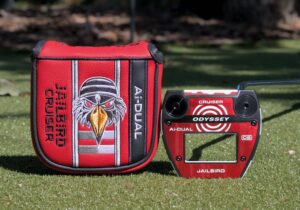
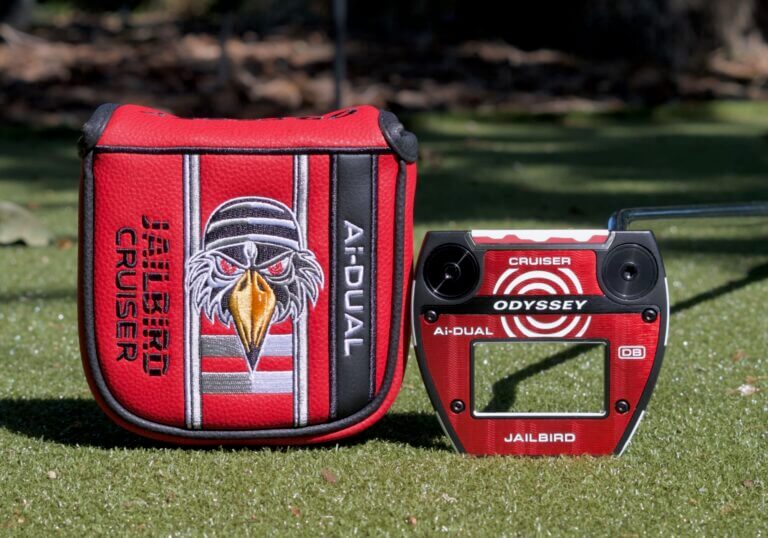
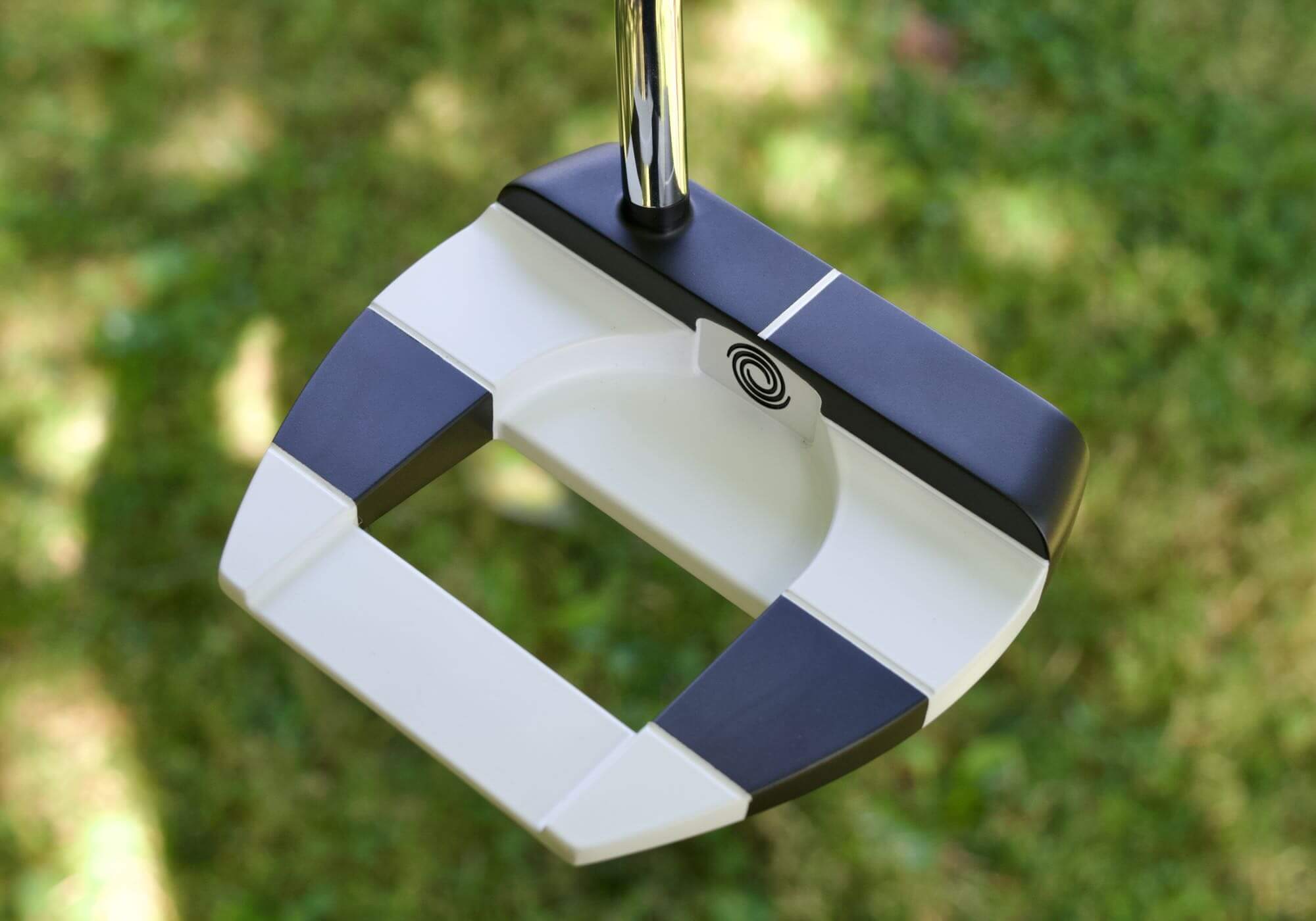
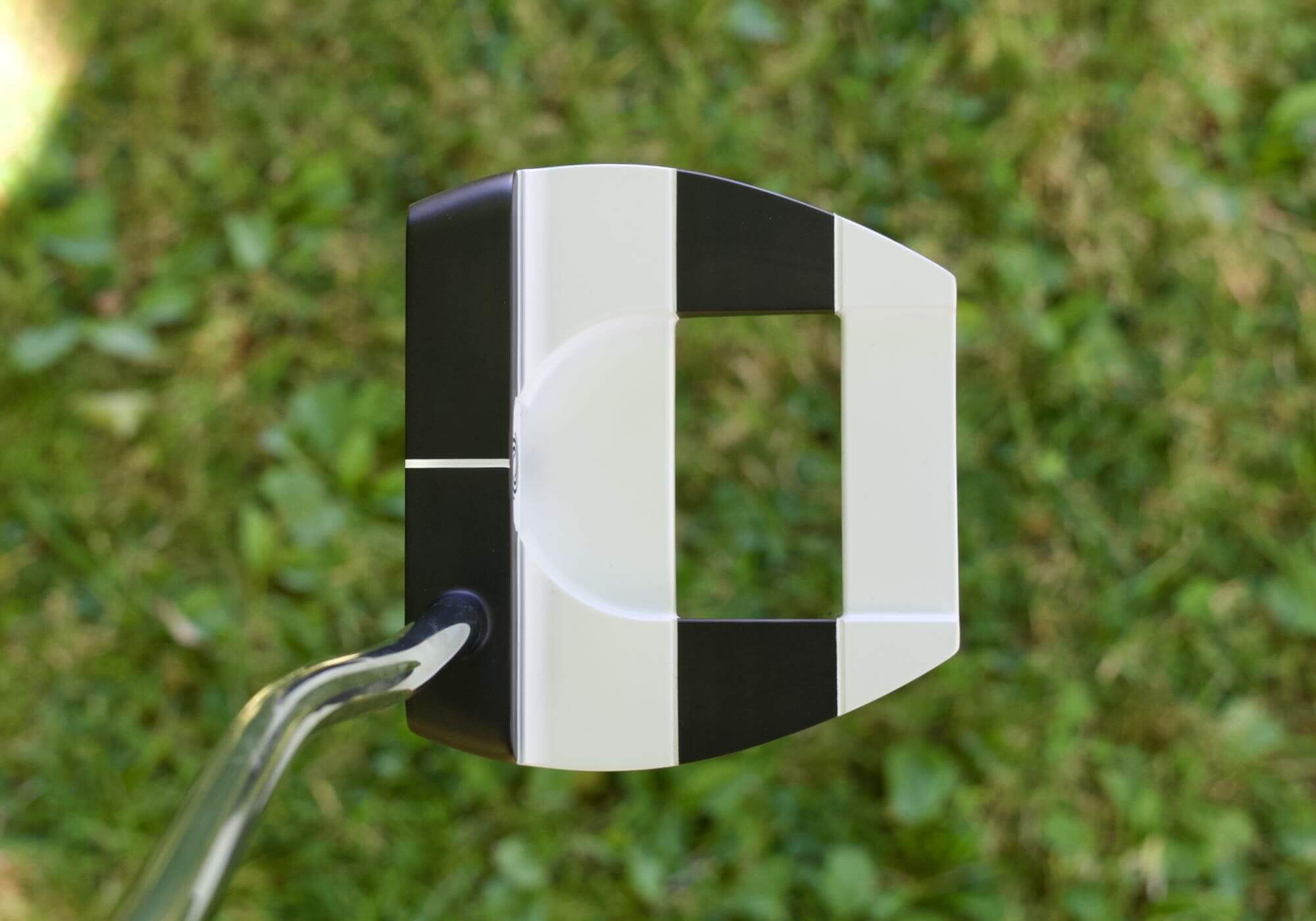
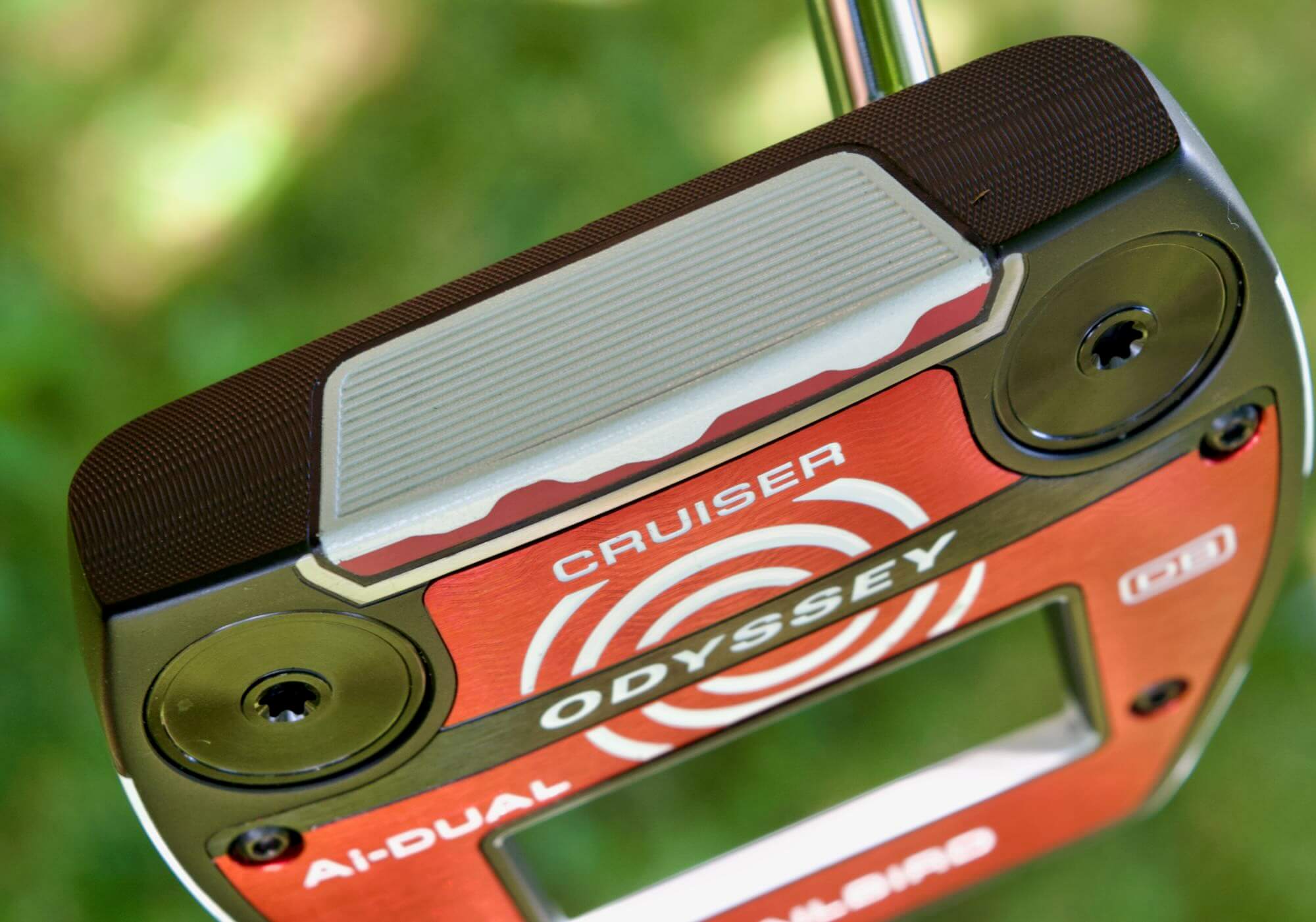
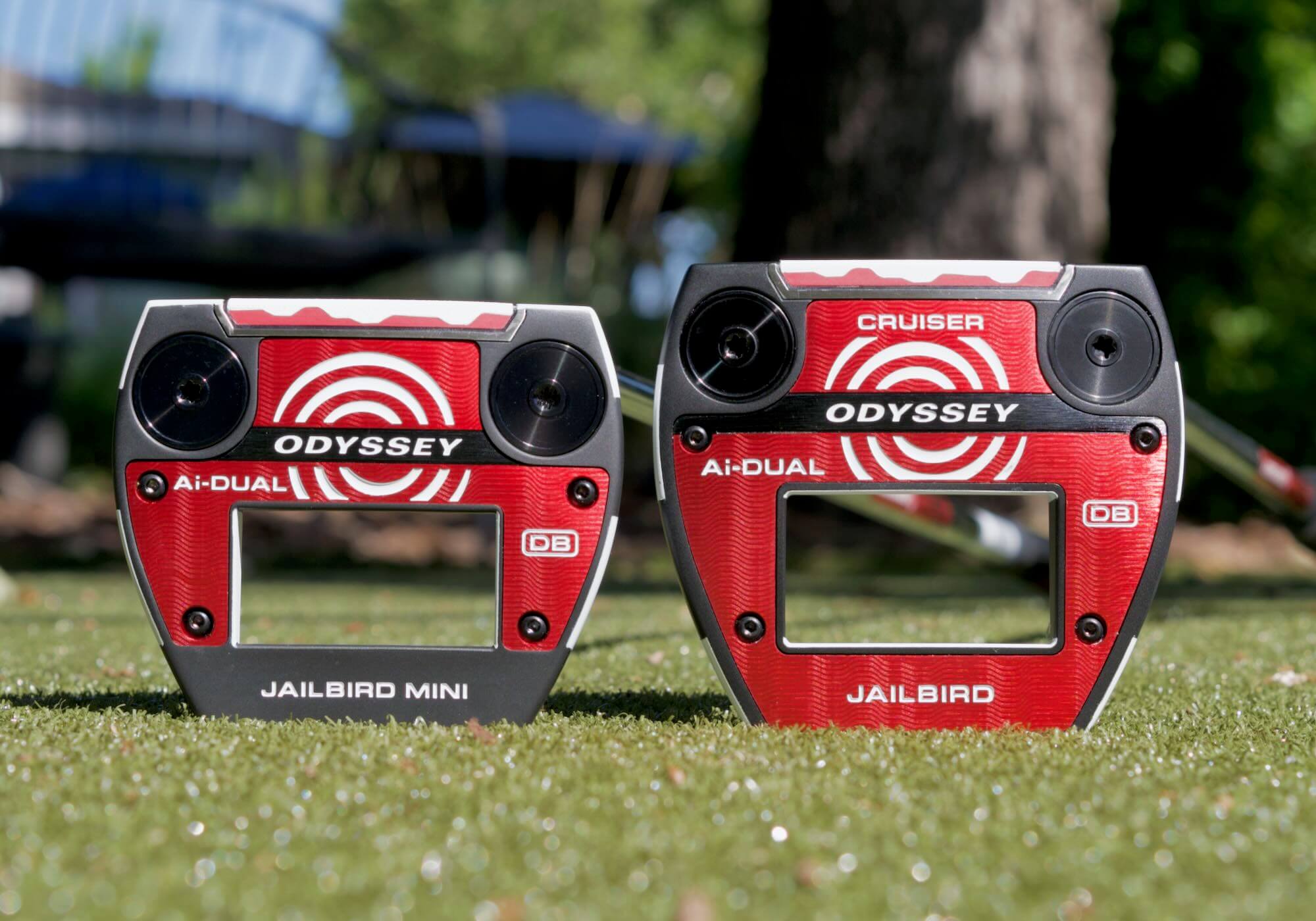
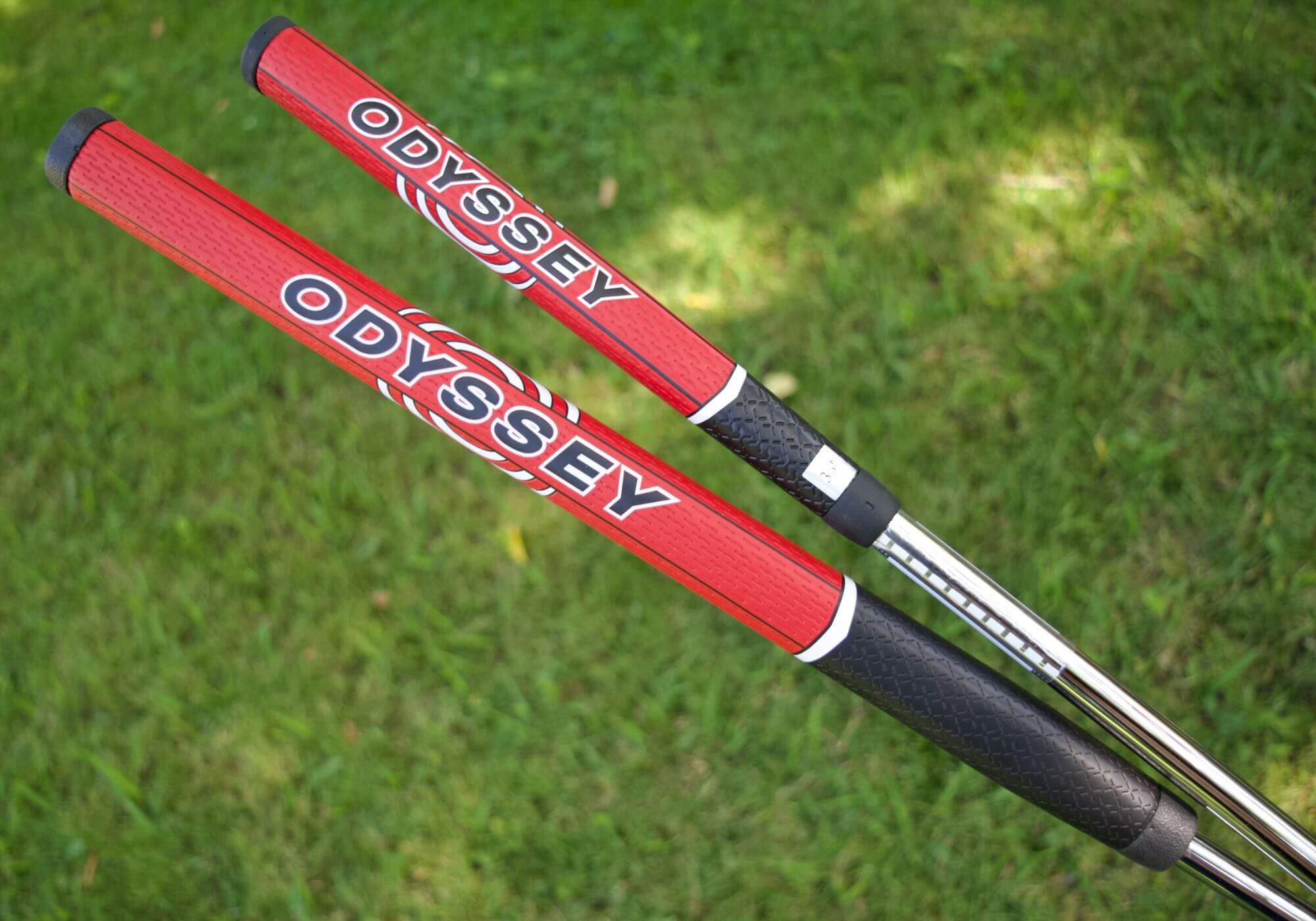
Odyssey just added a new Jailbird Cruiser model to their Ai-DUAL putter line. The Jailbird Cruiser is a 38-inch counterbalanced version of their standard Jailbird. It’s a significant release since it is the first Jailbird Cruiser this year that is not zero-torque or built with the 1/2 Ball alignment aid.
It’s the first traditional Odyssey Jailbird Cruiser build featuring their new Ai-DUAL insert.
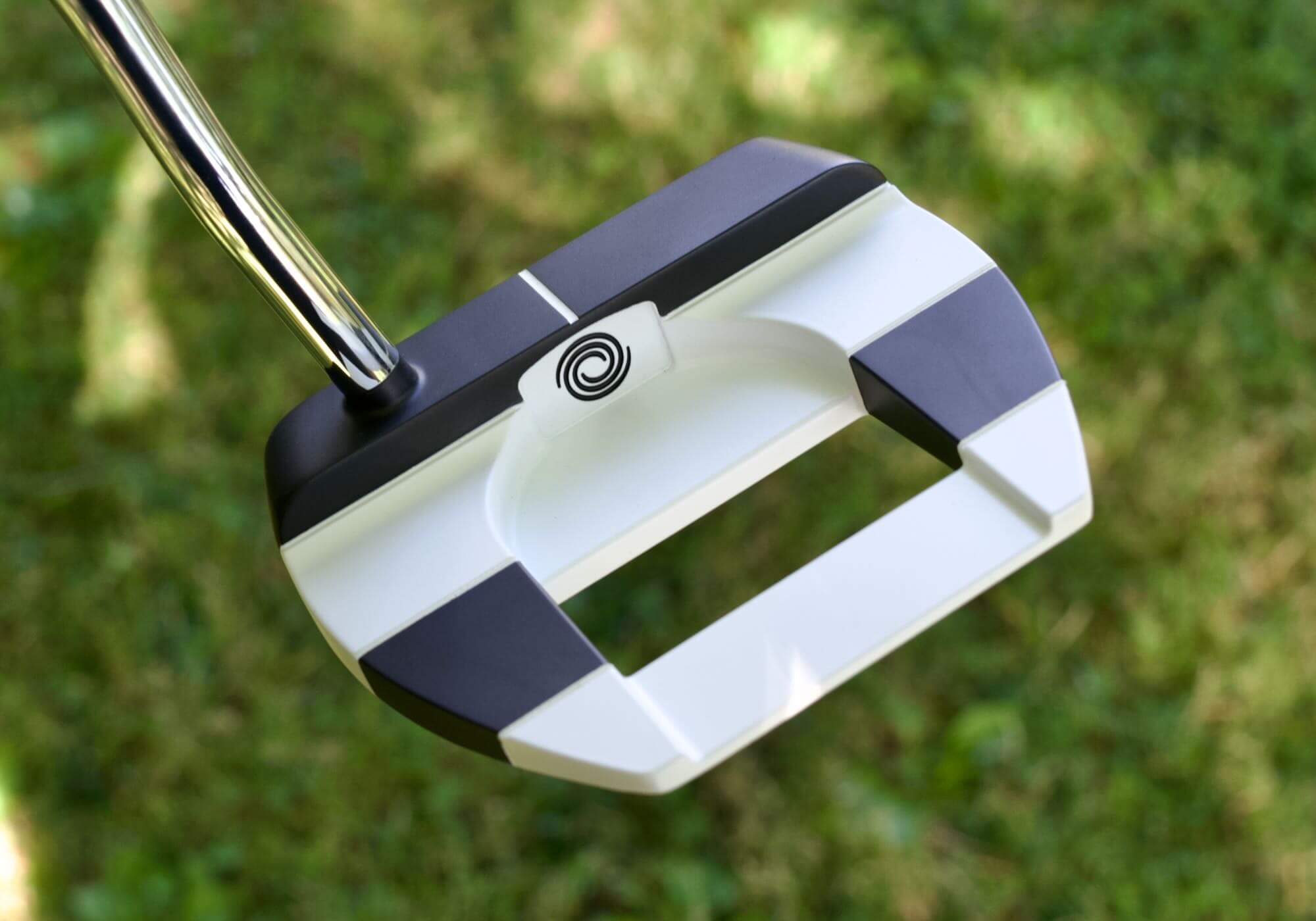
As with most counterbalanced putters, the head is heavier than the standard head (380 grams versus 360). The extra weight of the shaft above your hands balances out the extra weight of the head.
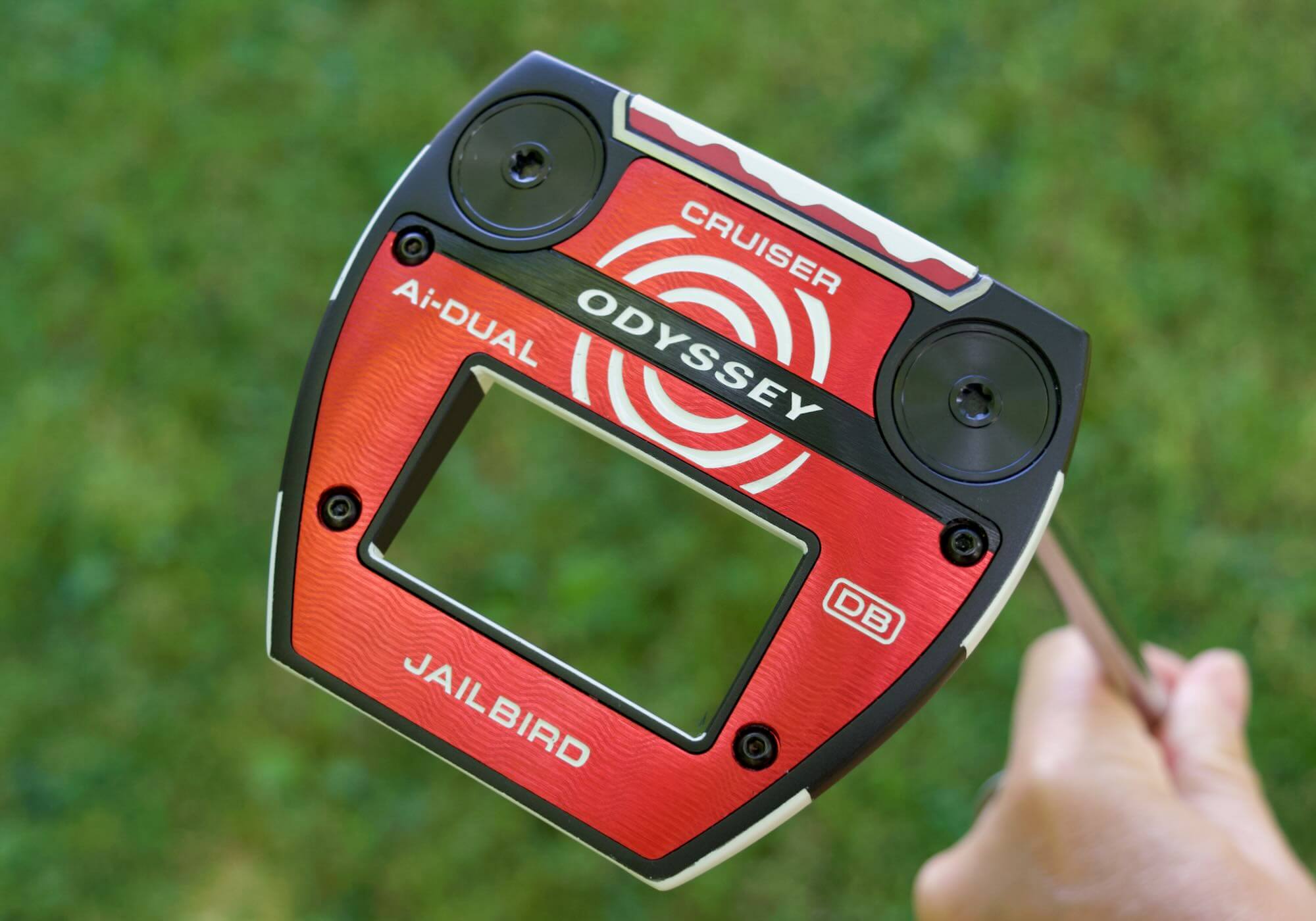
The intention of this type of counterbalanced build is to increase stability of the putter without increasing the swing weight beyond the playable range.
Thanks to Wyndham Clark and Rickie Fowler putting them in their bags, the 2014 Jailbird Cruiser went from obscurity to white-hot popularity a few years ago. Everyone wanted to play the hottest putter on the PGA Tour.
Could this Jailbird Cruiser reignite that fire?
Where did the Cruiser concept come from?
Counterbalanced putters have existed for decades. The Heavy Putters company in the mid-2000s was all about heavy heads with offsetting weights in the shaft/grip. They had loyal customers but the counterbalancing boom didn’t really happen for another decade or so.
Not to get too deep in the woods but it was the anchoring ban that took effect on Jan. 1, 2016, that truly created the counterbalanced putter category.
When the USGA/R&A banned anchoring, they effectively killed off the belly putter. Although the belly putter was not actually banned, it was tough to use a belly putter without sticking it into your belly.
As an alternative, companies like Odyssey introduced lines of counterbalanced putters. These putters offered the stability of the belly putter without the need for anchoring.
Years before the ban took effect, Odyssey launched their Tank line of putters in 2013. They were so into the new concept that they had an actual tank in their booth at the 2013 PGA Show.
Odyssey wanted consumers to know that their new heavier line of putters (aka Tanks) would be stable enough to replace the departing belly putters.
Over the next decade or so, the Tank branding was replaced with the Cruiser name when the story became more than just one of mass once Odyssey added armlock and broomstick putters to the Cruiser family.
Is the Ai-Dual Jailbird Cruiser right for you?
That is probably the most important question and only you can answer it. Is a counterbalanced putter like the Jailbird Cruiser the right putter for you?
As with any putting technology, there is no one-size-fits-all solution. The concept of putting is simple: all you need to do is take a short stroke and roll the ball a short distance into the hole.
In reality, that is a complex task since all of us have putting quirks. Ideally, these quirks can be addressed and cured with the correct putter.
That putter fix could be a specific alignment scheme, neck type or a counterbalanced build.
If your putting stroke tends to be handsy or quick, a counterbalanced putter could smooth things out. If you miss a bunch of short putts because you twist the putter, a Jailbird Cruiser could be a godsend for you.
Keep in mind that just like zero-torque, counterbalance will not be a fix for everyone. For some, it could even make things worse.
I went fairly deep into the woods with this question for myself a few years ago and I determined that counterbalanced putters did not match my putting needs. But that is just for my stroke.
For others, though, a putter like this new Odyssey Ai-DUAL Jailbird Cruiser could be the way to smooth out the stroke and make more putts.
Go demo the putter and see if it addresses your putting barriers. Going from loathing to loving putting could be just 38 inches away.








TJ
4 months ago
It is like how many buzzwords can you cram together to come up with a new putter name?!