


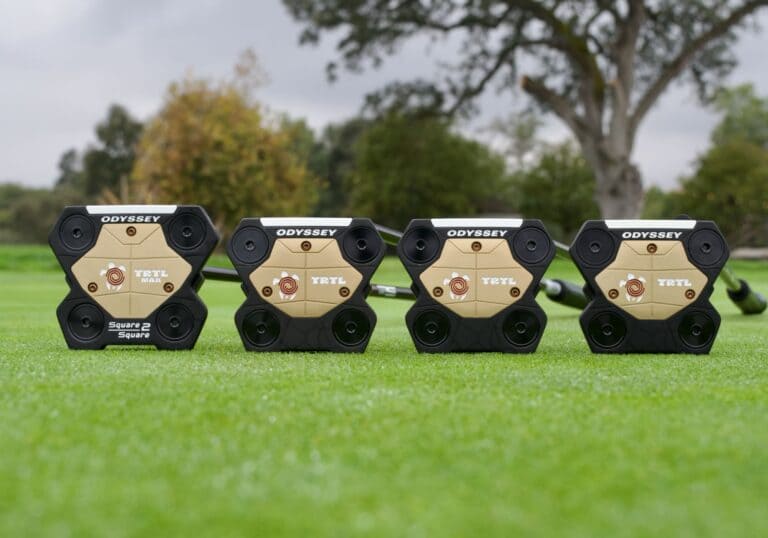
The Odyssey TRTL is probably the worst-kept secret in the history of putter releases. This little green-and-black putter has been on golfers’ radar since Min Woo Lee put one in play at the AT&T last February.
For most of 2026, the TRTL was elusive. Rumor has it that PGA Tour players couldn’t consistently find them in the wild until last August.
Even after the putter started showing up with increased frequency on Tour, Odyssey remained very tight-lipped about the TRTL.
TRTL? What TRTL?
It was like seeing a UFO only to be told by the authorities that it was just the planet Venus.
(That reference was for my fellow sci-fi nerds.)
Well, as of today, the TRTL is no longer a thing of rumor and speculation. Odyssey is officially taking its reptile to market.
It has taken a long time to get this TRTL in golfers’ hands but my early impression of the TRTL is that it will be well worth the wait.
Hatching the TRTL
The story behind the development of the Odyssey TRTL is an interesting one. The putter design originated in Odyssey’s Japanese branch. The original idea was to make a turtle-shaped putter as the second putter in Odyssey’s Creature Series.
The first putters in the collection were the Odyssey Giraffe Beam putters from 2025.
The Giraffe Beam putters proved to be very popular so why not expand the menagerie?
As I said, that was the intention when the Odyssey Japan engineers brought the rough turtle-shaped design to Odyssey’s main HQ in Carlsbad, Calif.
Once Odyssey began prototyping the design, they realized they were on to something that was more than just an animal oddity. The TRTL design was moving from cutely reptilian to revolutionary.
Instead of just making a novelty putter, Odyssey ended up building a mallet putter that has the potential to change how Odyssey makes mallets in the future. That’s what I mean by “revolutionary.”
After a year in development, Odyssey took something fun and cute and made it into a fully functional putting beast.
It’s already a big success
Odyssey believes the TRTL will be the putter to beat in 2027.
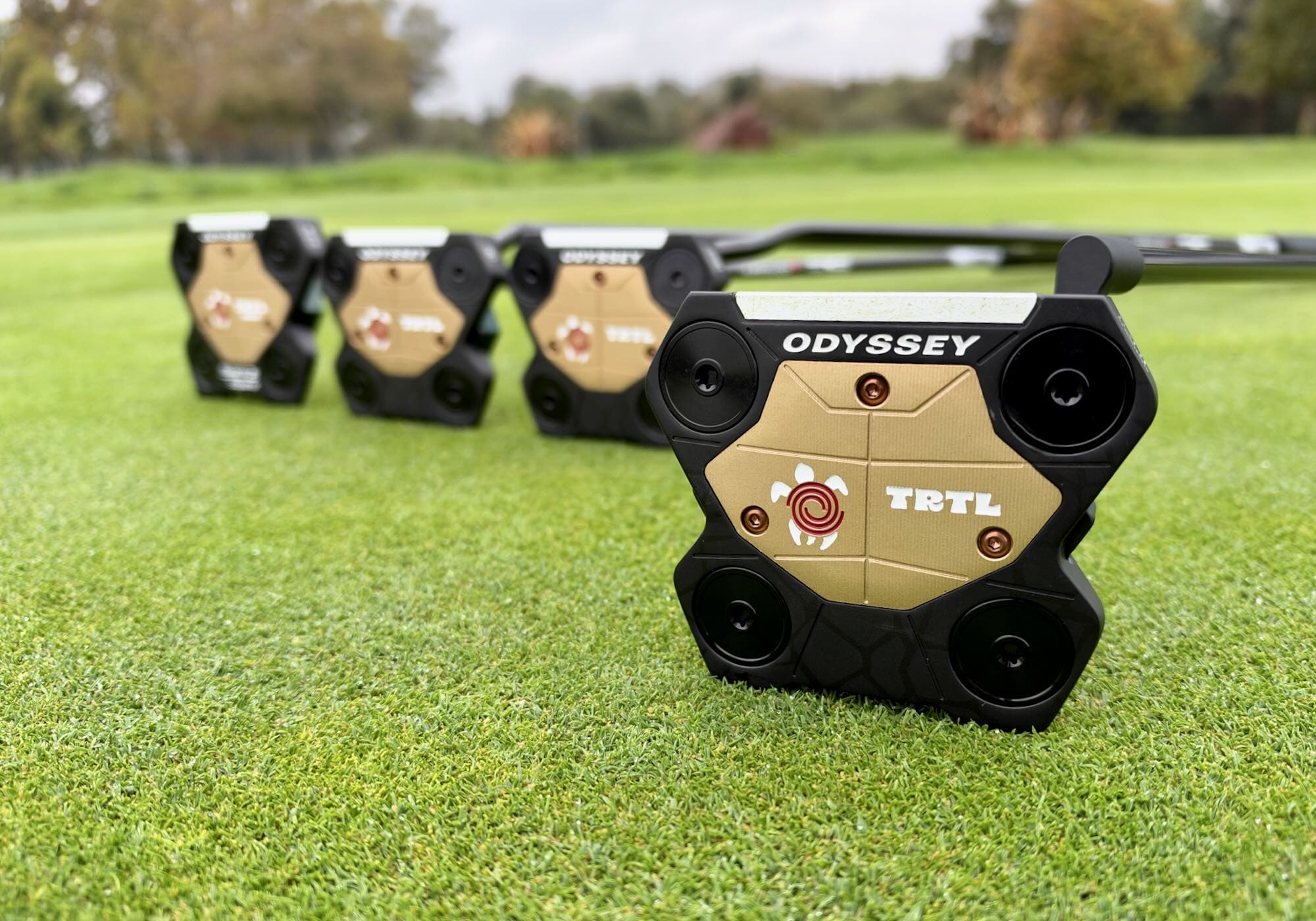
This is not just a hopeful prediction. The TRTL has been released in Japan and the four models you see today quickly became the top four selling putter models in the Japanese market.
This hot start makes Odyssey think the TRTL will have legs in other retail markets as well. Perhaps the four-legged TRTL will sell enough to keep pace with the eight-legged TaylorMade Spider.
If you want to take a bite out of the current mallet market, that is against whom you are ultimately competing.
TRTL dissection
Let’s take apart the TRTL and see what makes it such a wicked little creature. Some of the TRTL’s adaptations are obvious, others are far more subtle.
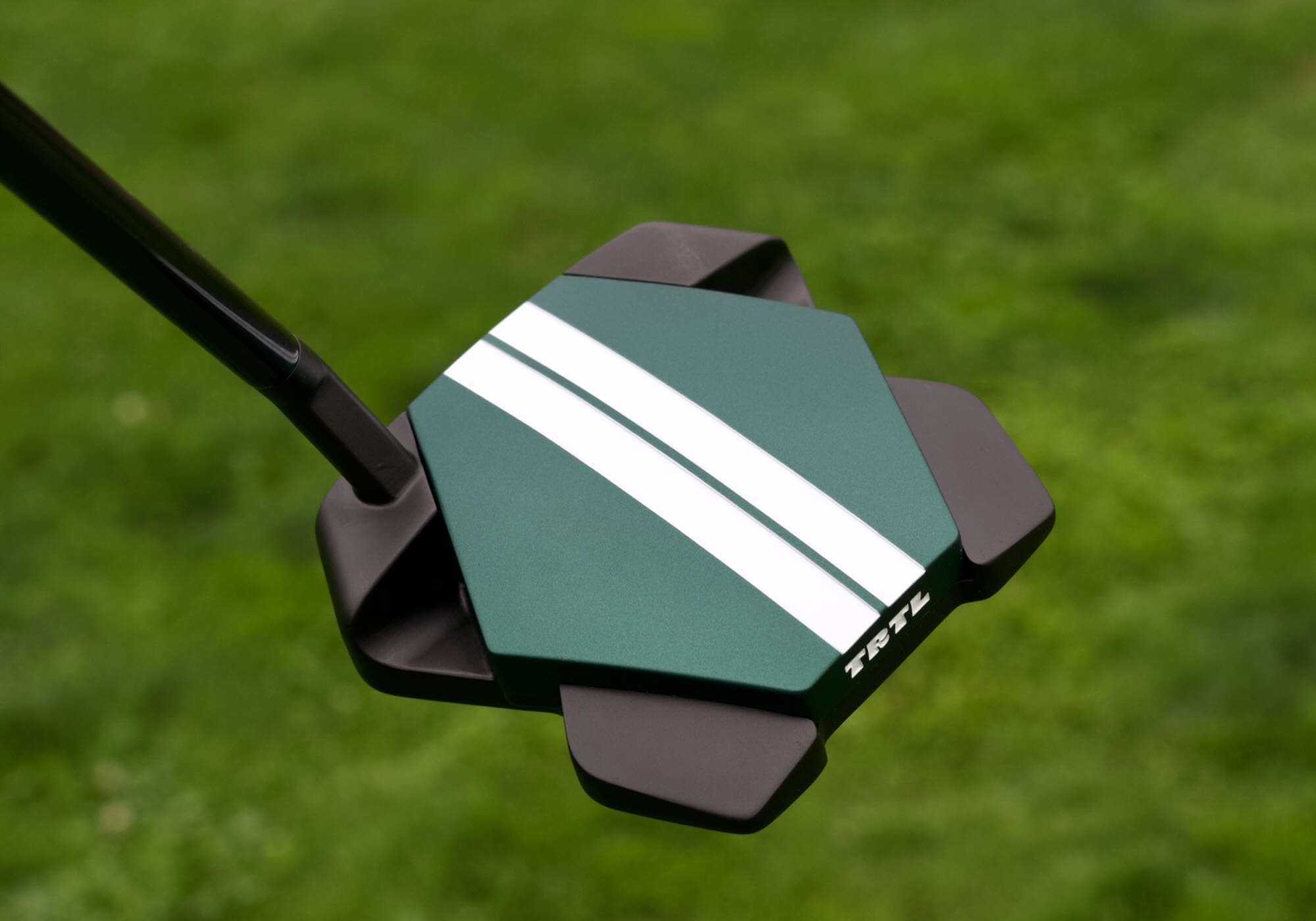
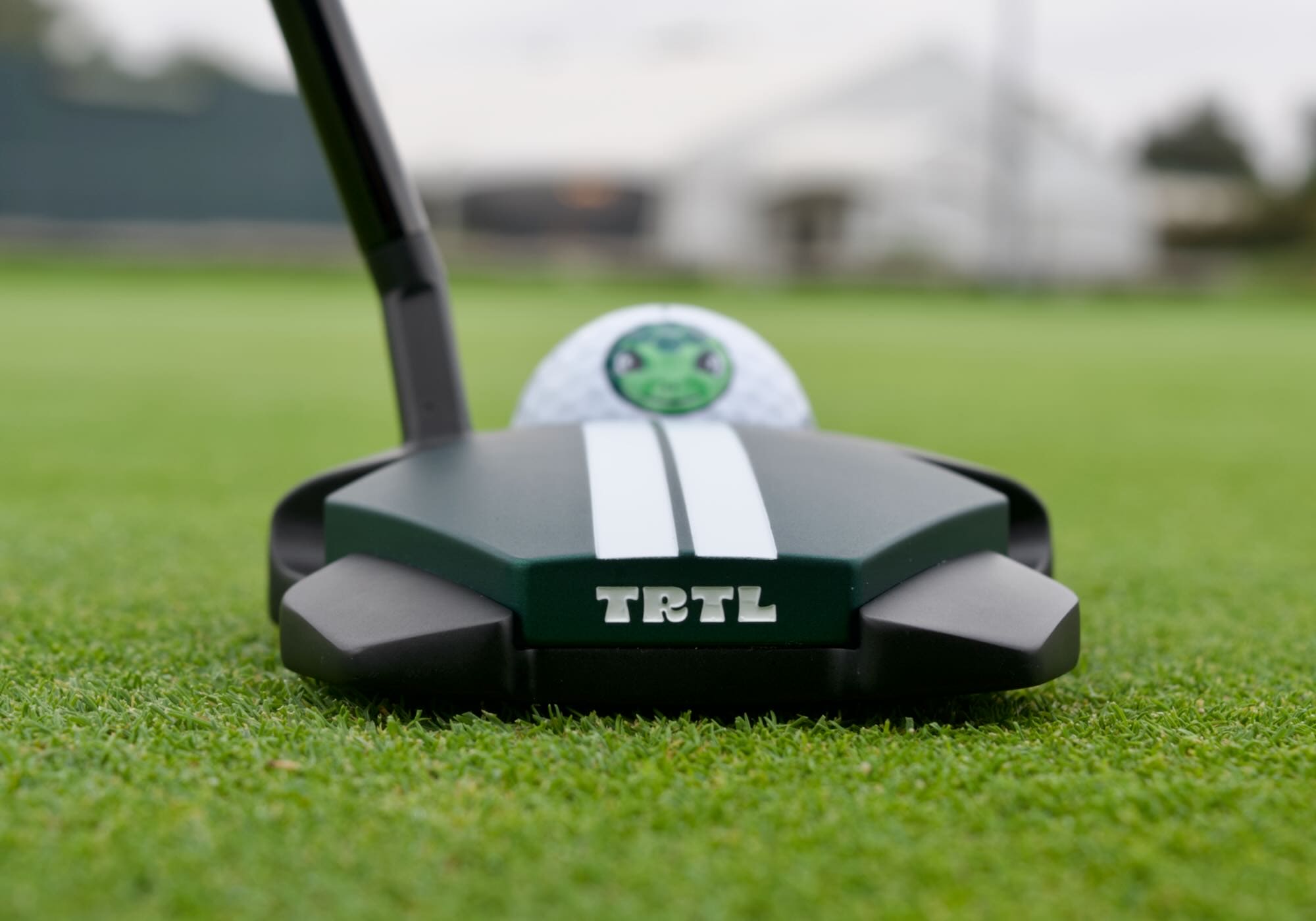
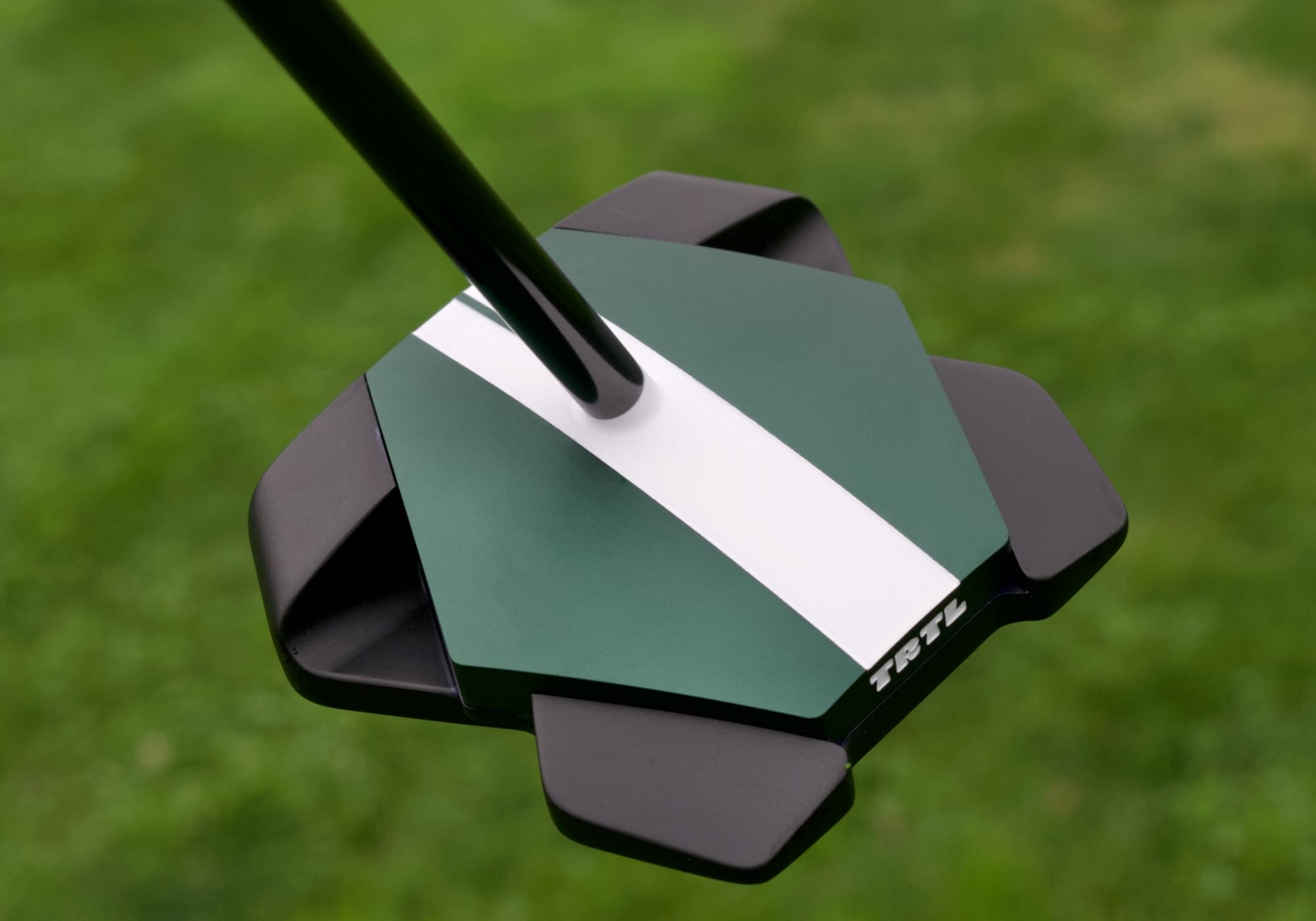
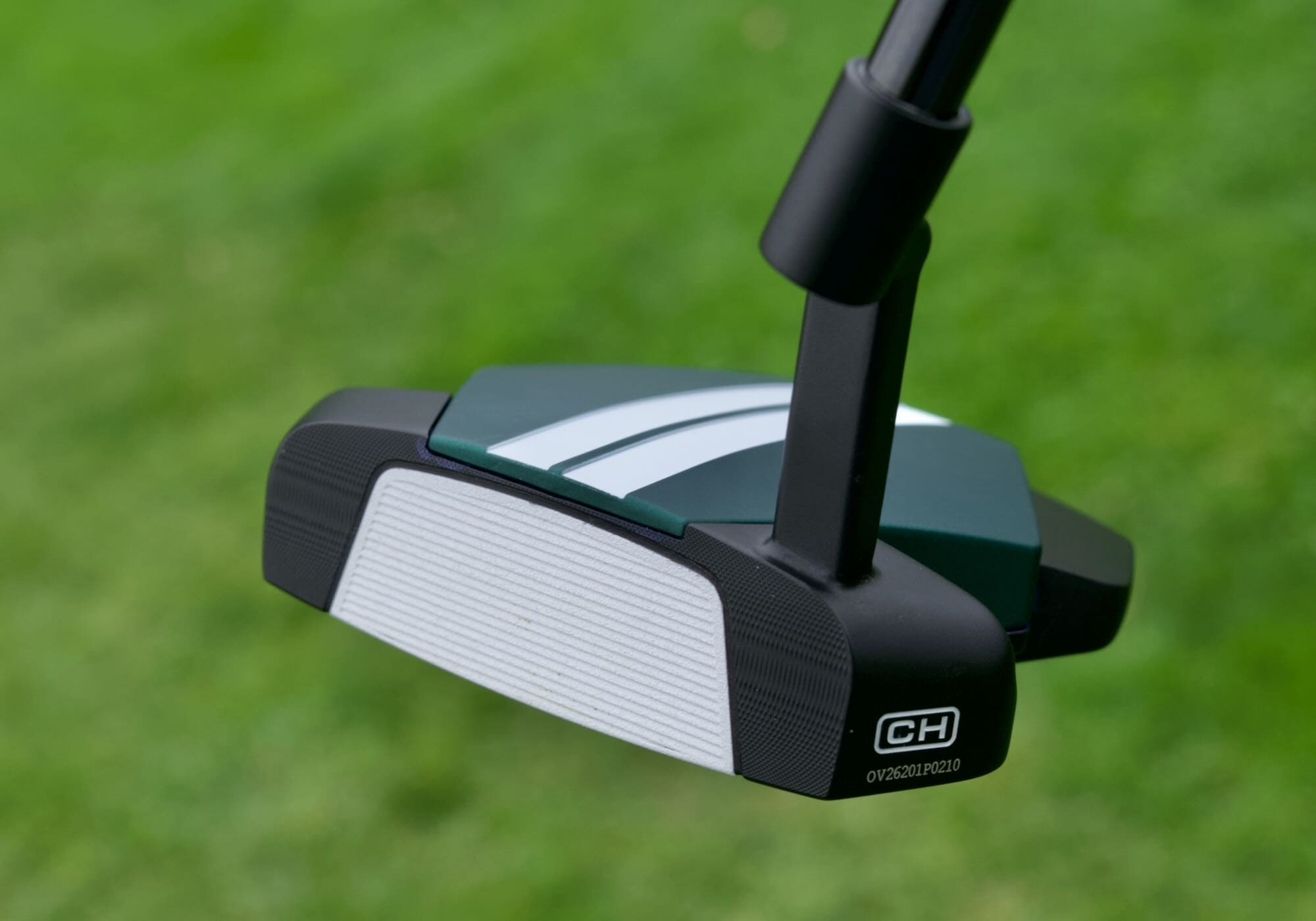
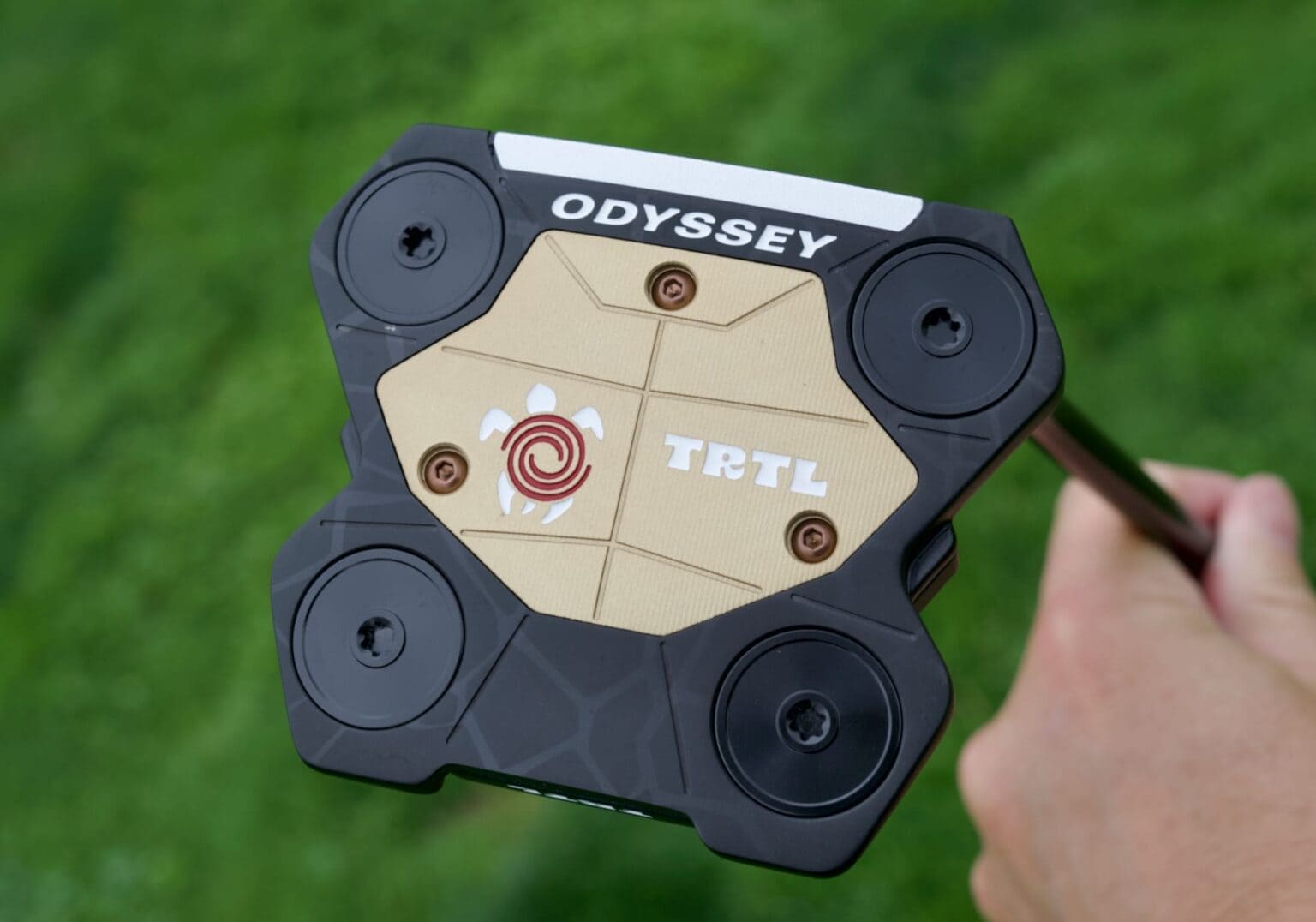
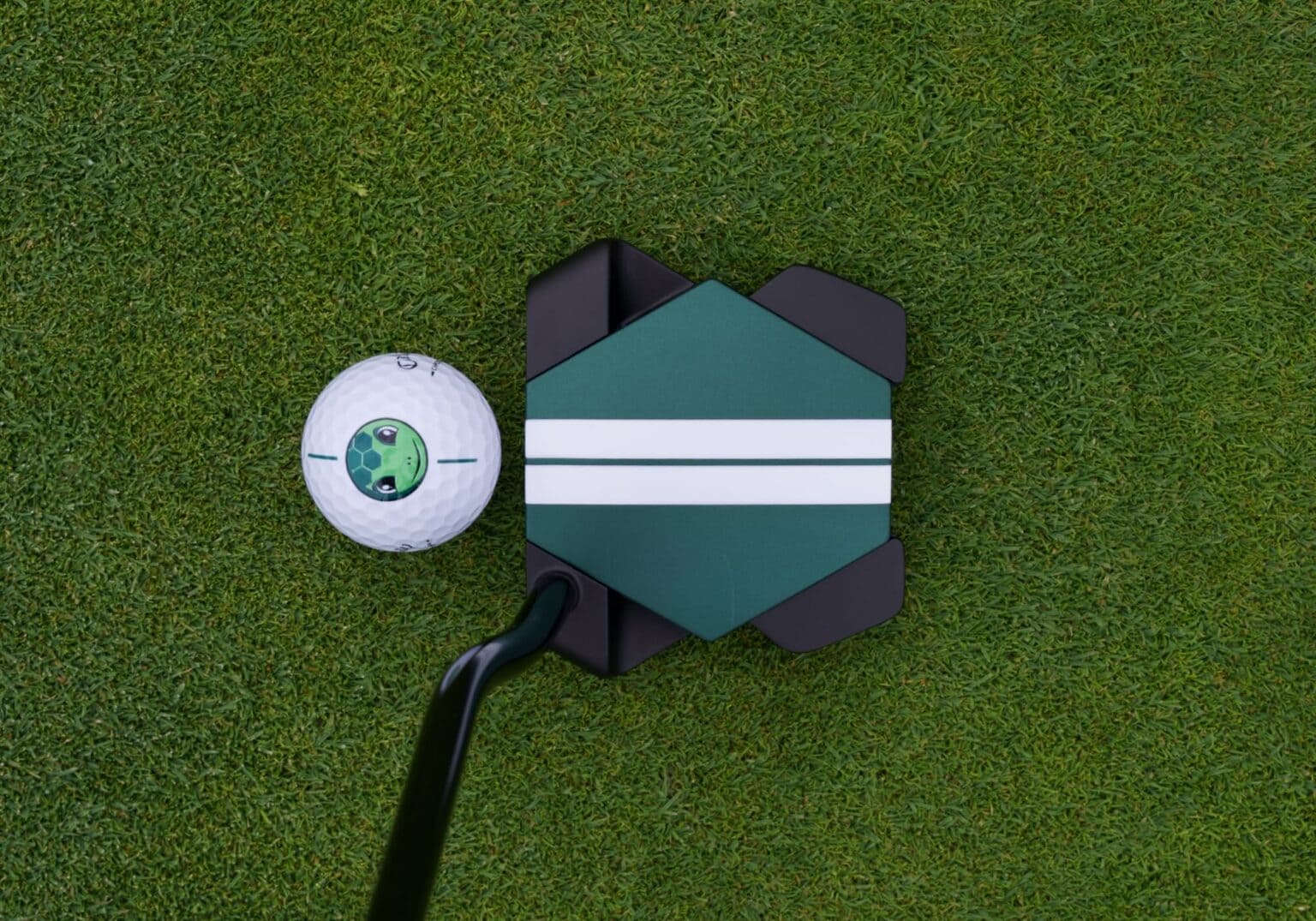
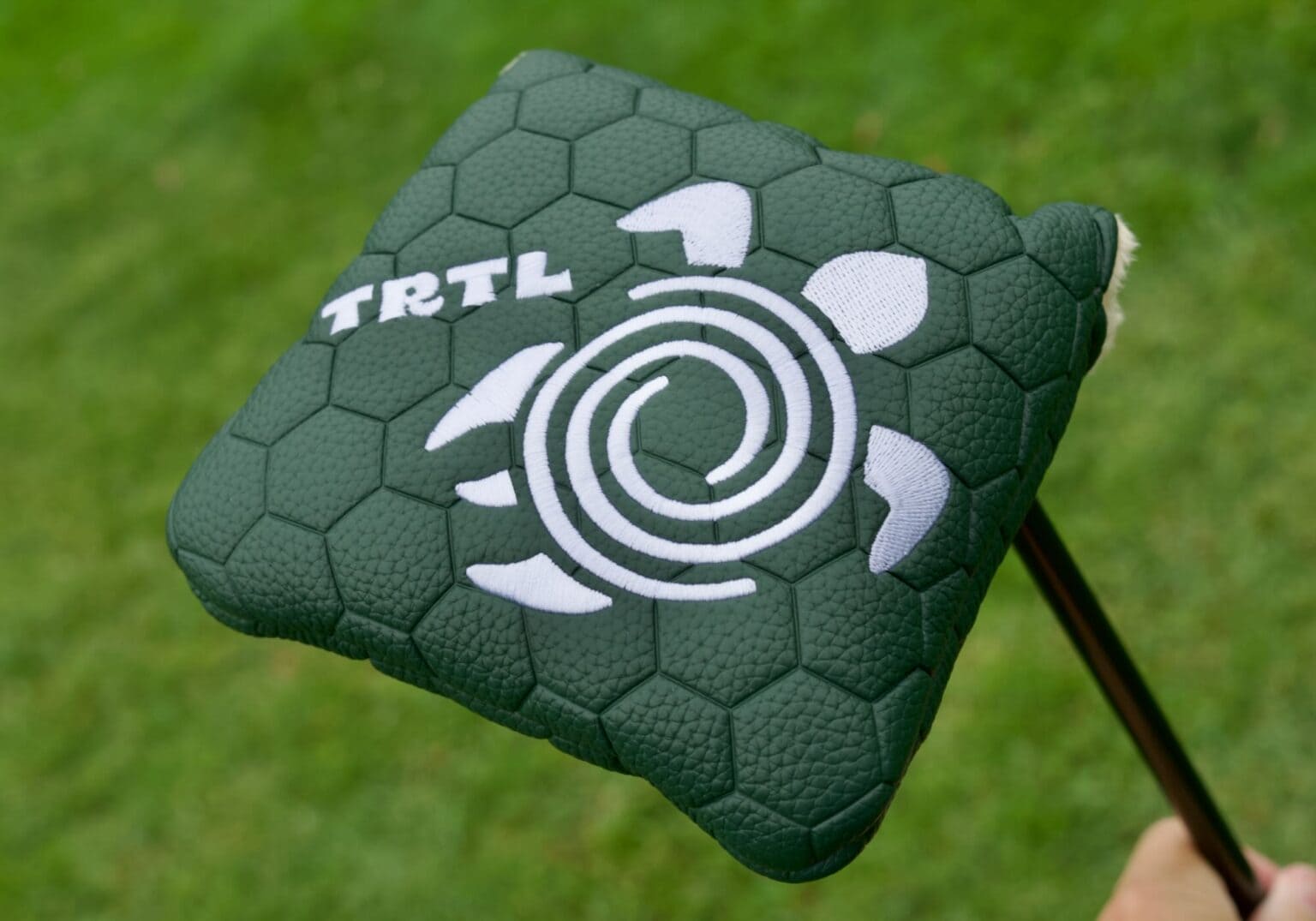
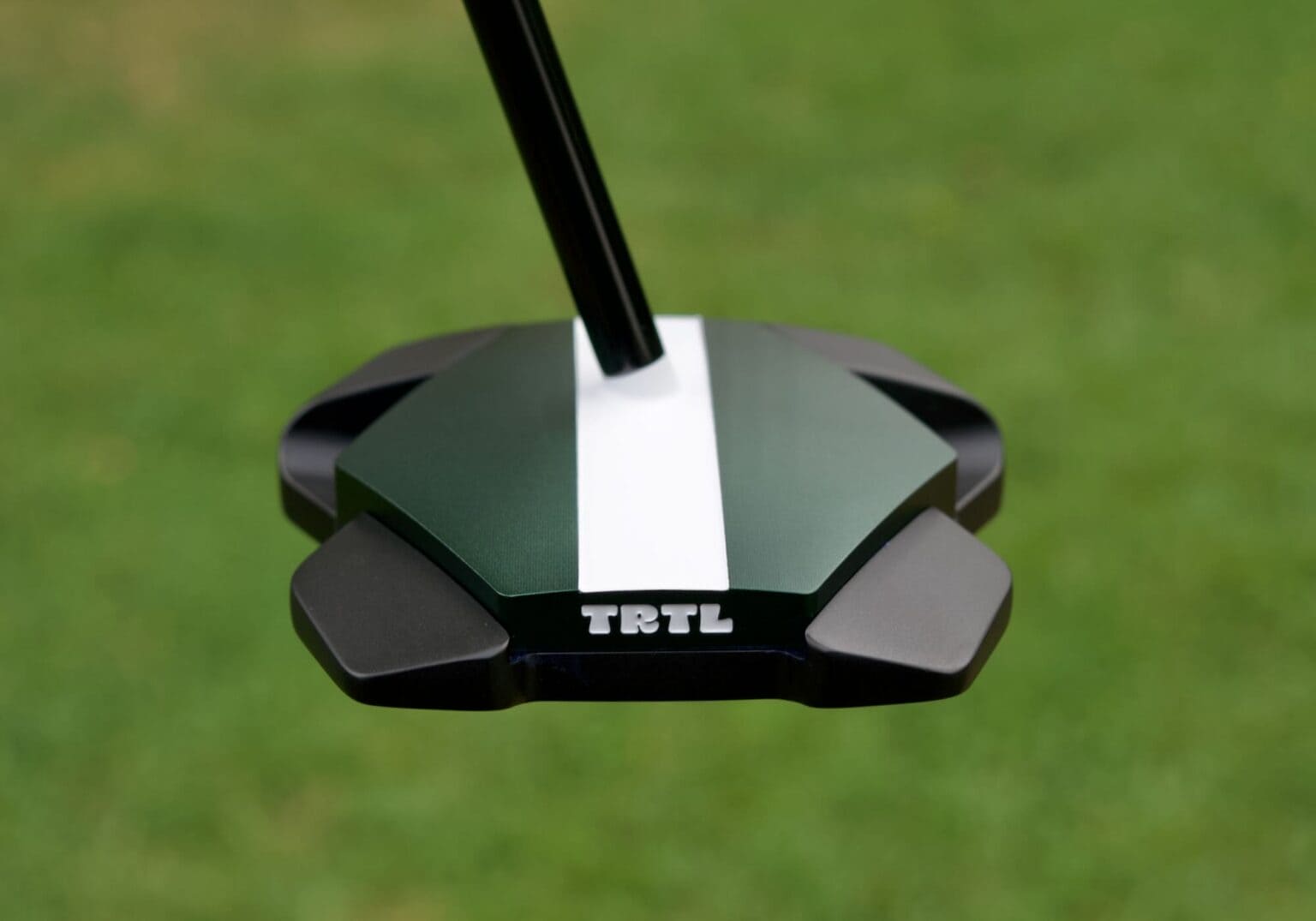
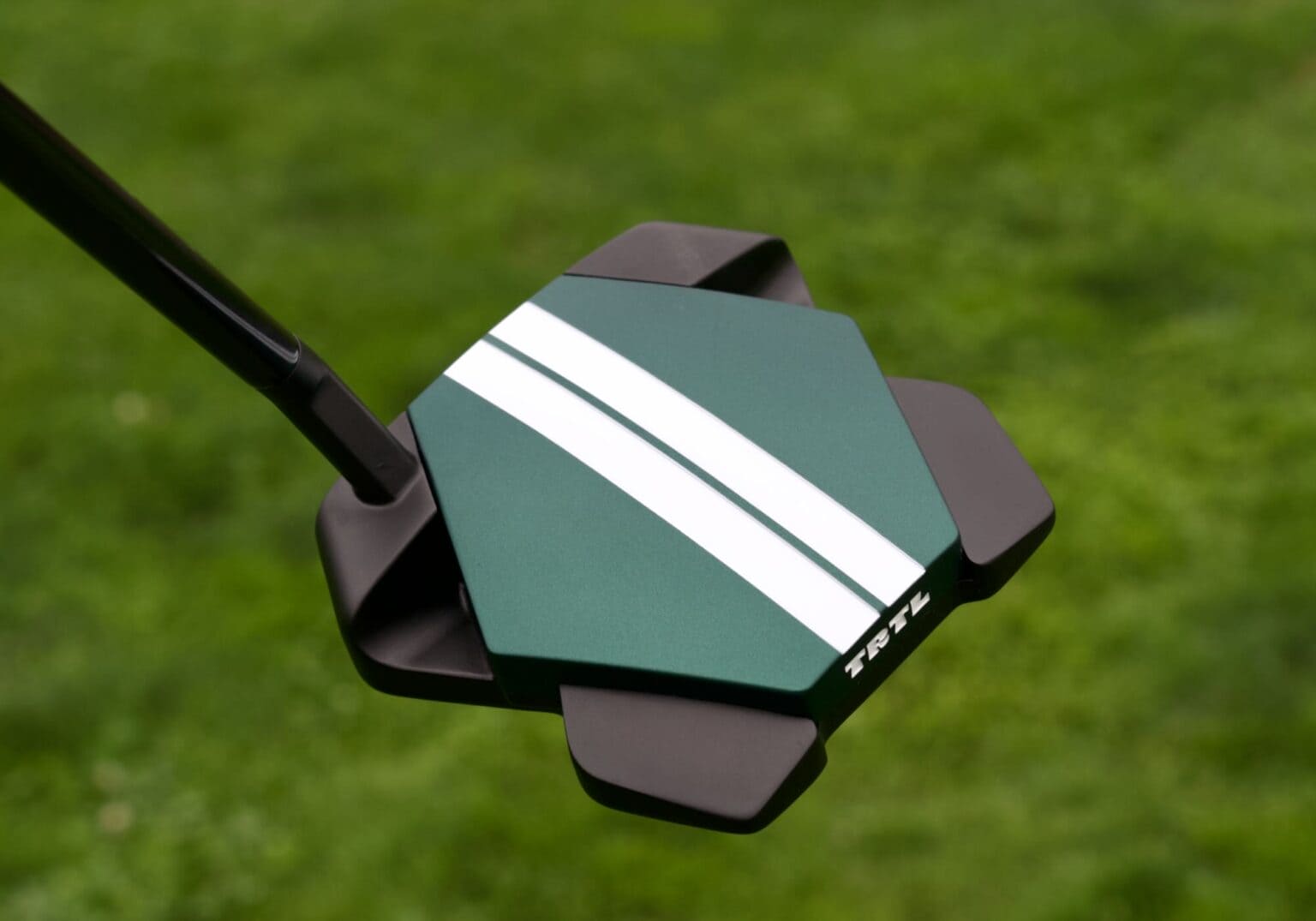
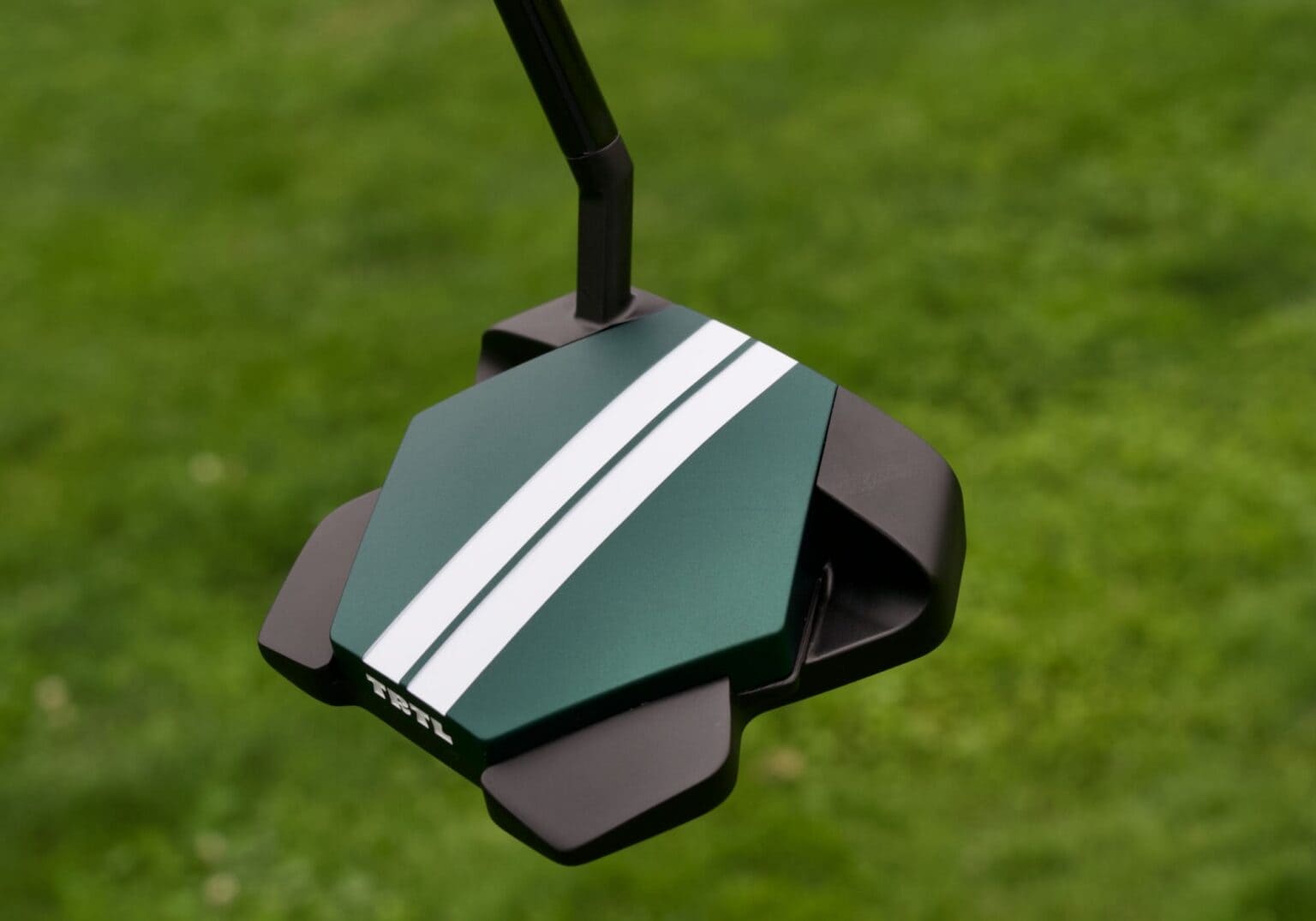
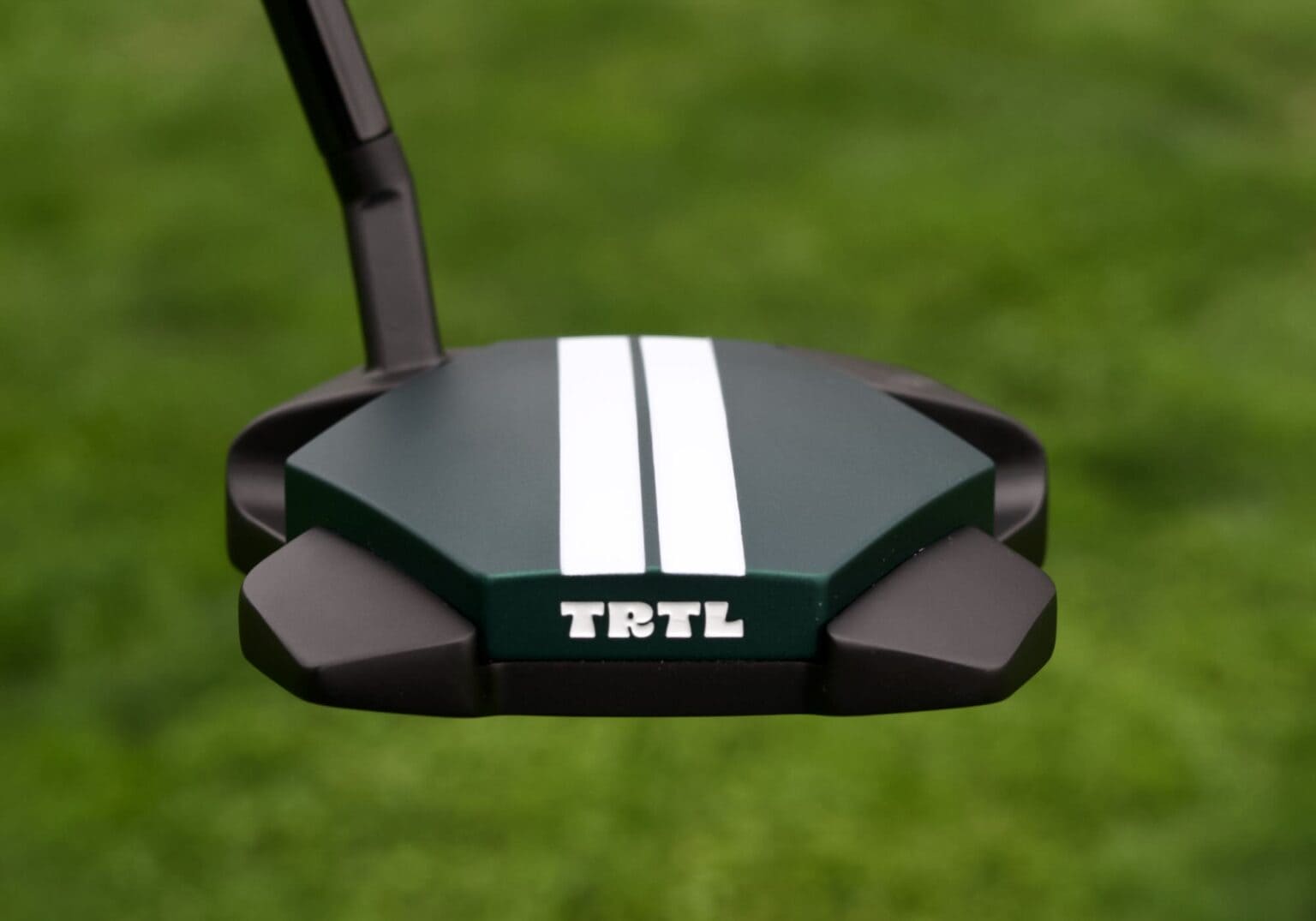
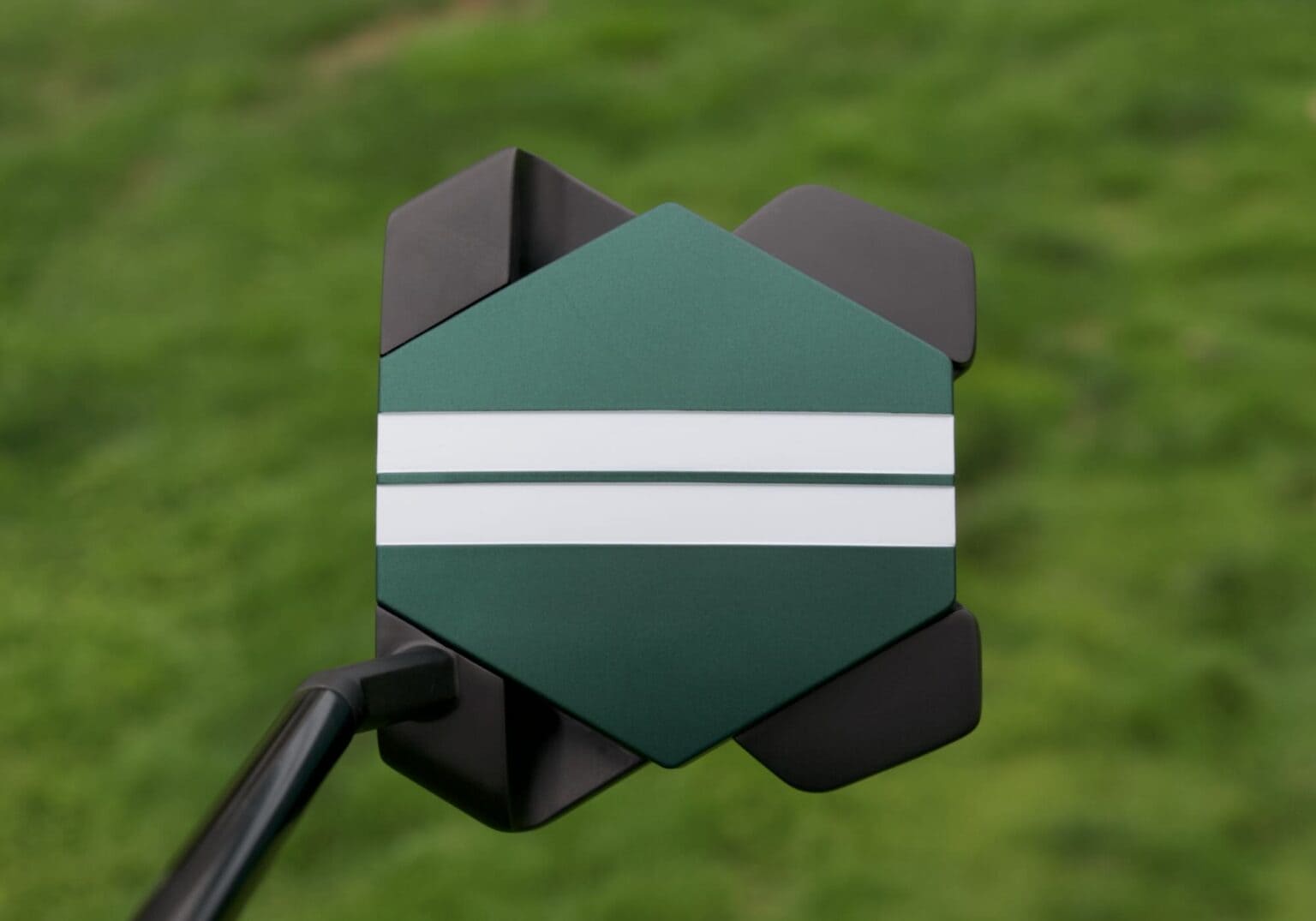
The green “shell” is probably the most obvious of the TRTL’s physical features. That shell is made of ABS plastic and it represents a critical part of the TRTL’s multi-material design.
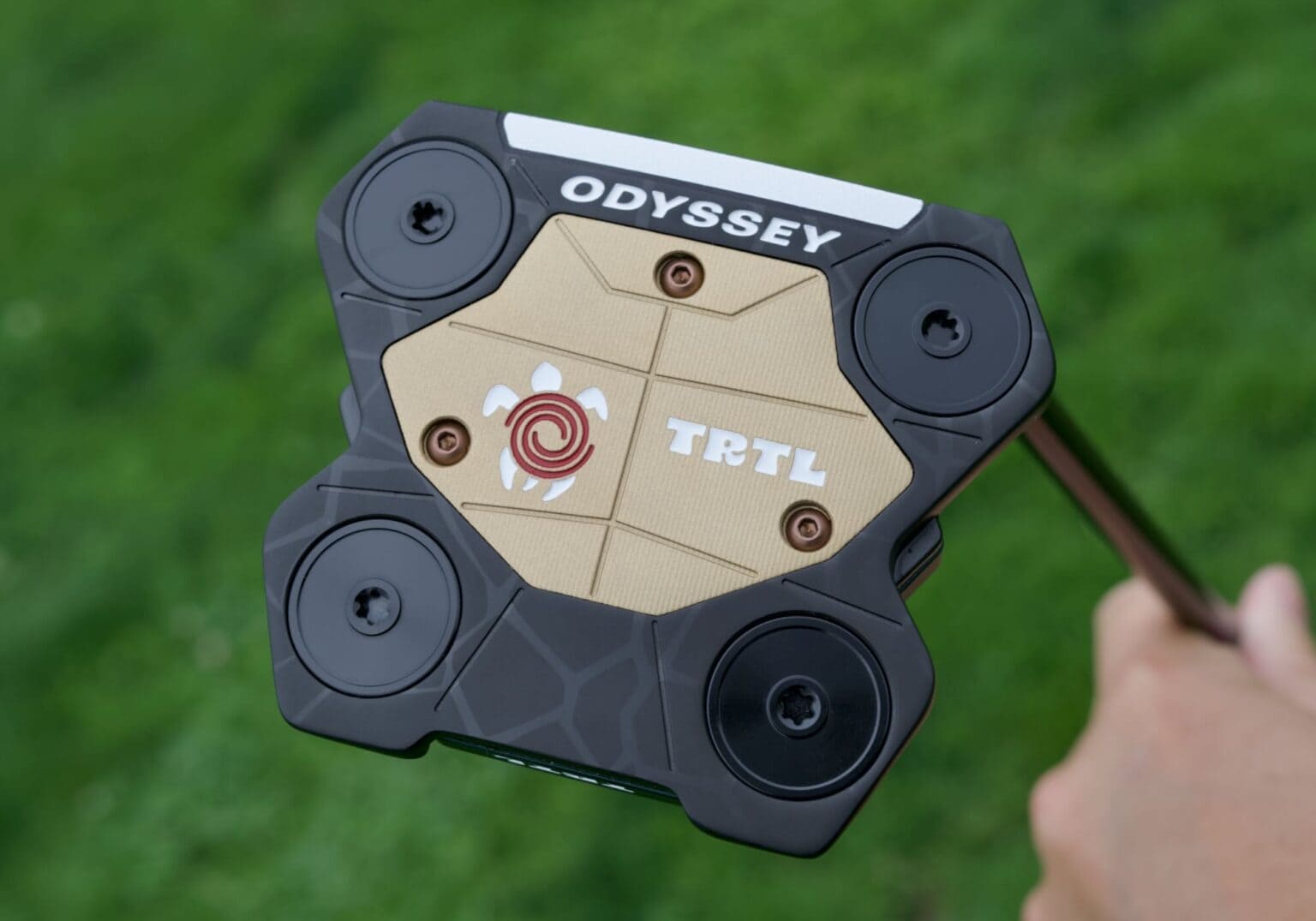
The main body of the TRTL is built from PVD-coated steel. The sole (or belly) of the TRTL is lightweight aerospace-grade aluminum.
These materials push the moment of inertia (MOI) values for the TRTL well north of 5,000 with the slightly larger TRTL MAX being closer to 6,000.
You may not truly understand what MOI means or how it is calculated but just know these numbers equate to very stable putters. Putters that should not twist much if you miss the sweet spot.
The TRTL’s new Ai-Star face
We will return to the body of the TRTL in a bit but I want to jump to what I think is the most important of the TRTL’s features: the new Ai-Star insert.
The Ai-Star is Odyssey’s third artificial intelligence-designed putter insert. The original Ai-ONE insert was revolutionary. The computer-generated topography of the aluminum underlayer normalized distance across the face. It was a massive hit for Odyssey.
This year, Odyssey launched the Ai-DUAL insert whose design was developed to improve roll characteristics. Though still a popular face, it lacked the market impact of Ai-ONE.
Ai-Star is a whole different creature.
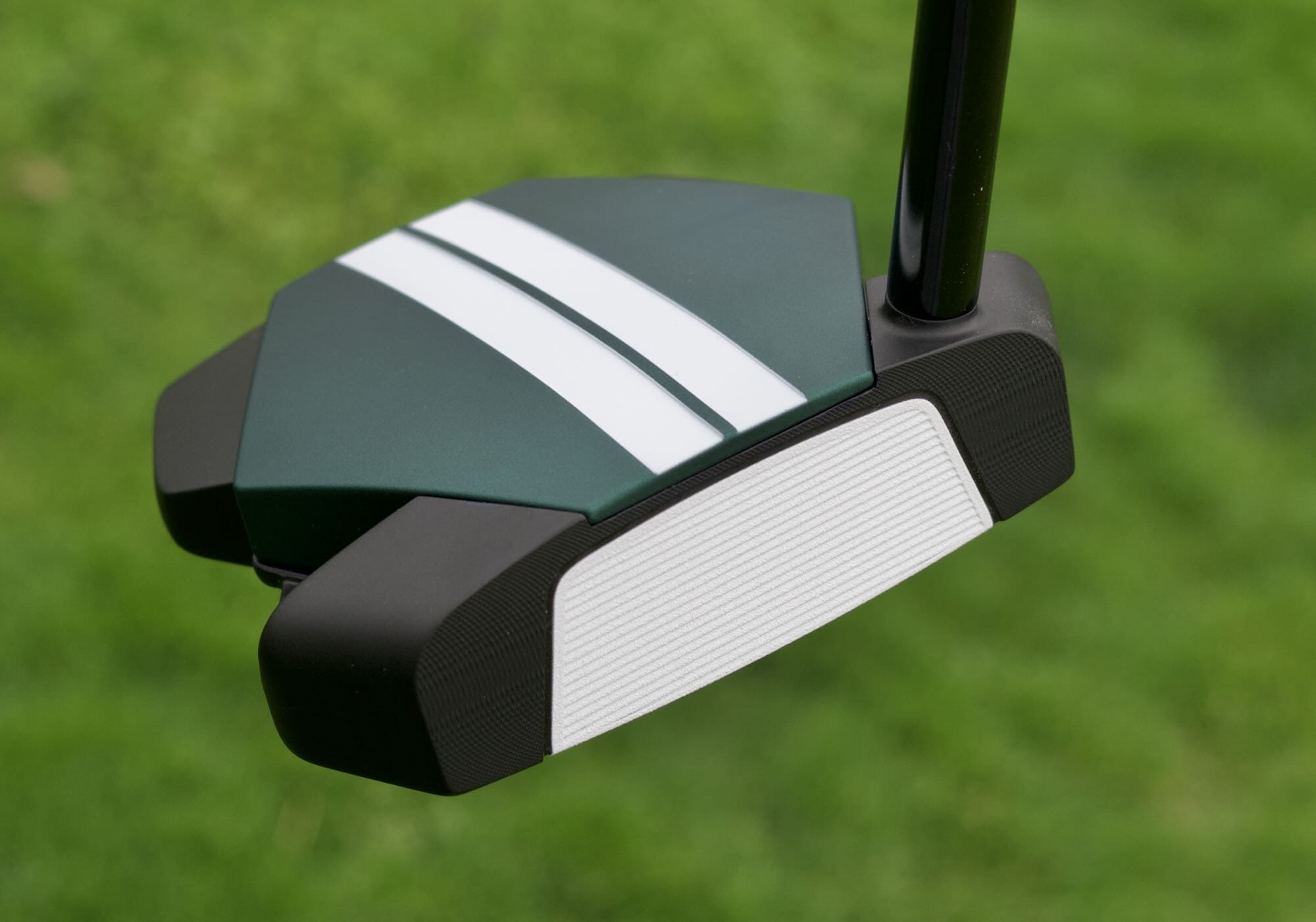
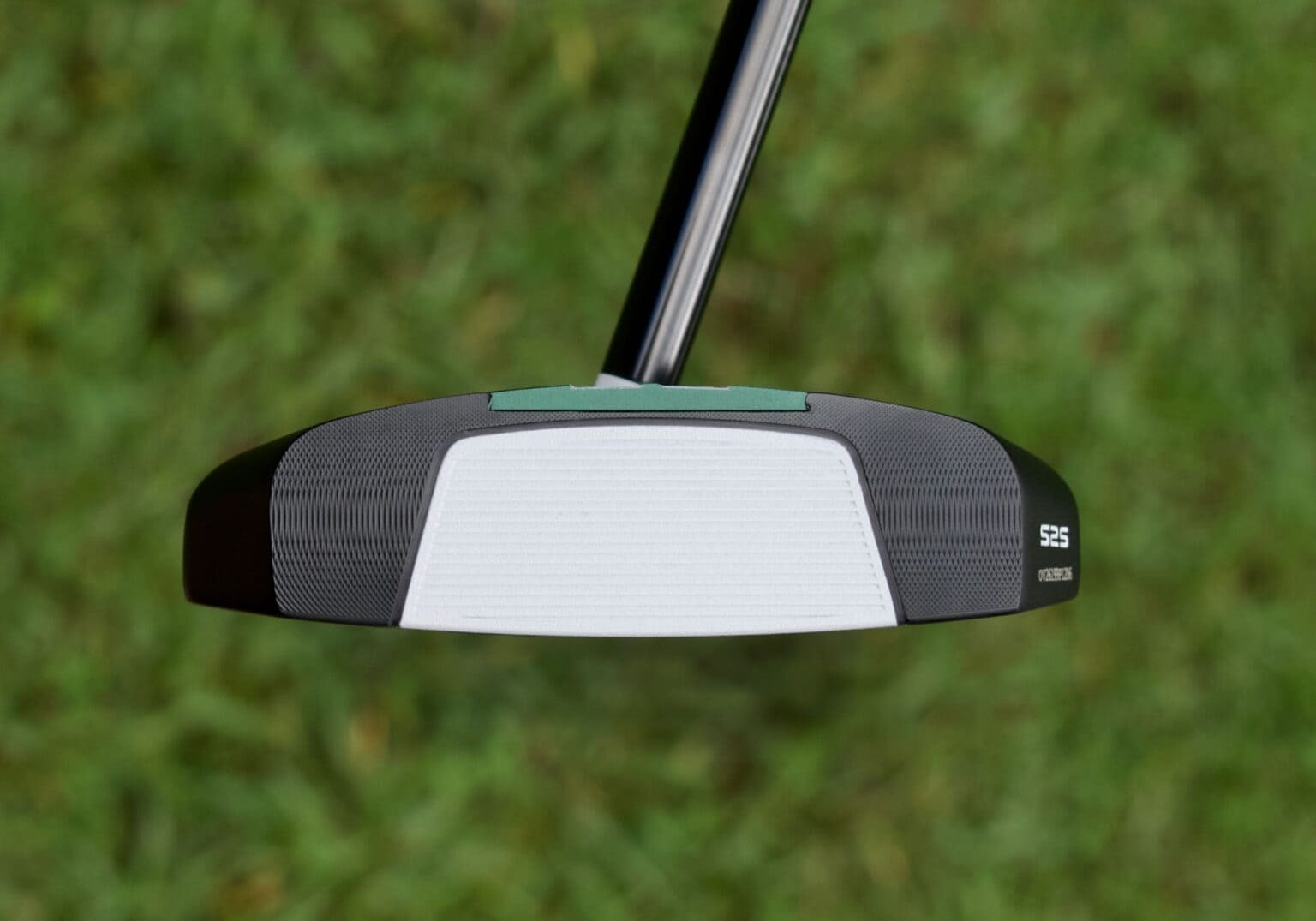
For the Ai-Star insert, Odyssey combined the best parts of their previous inserts. The new design still uses AI to normalize speed across the face like it did with the Ai-ONE insert. It also has the 19-degree roll-promoting grooves from the Ai-DUAL insert.
Under the hood, the build is very different. For this new insert, Odyssey used AI to build what is essentially a cavity-back insert. Not only does this design increase the size of the sweet spot but it improves speed and feel of the face.
In my opinion, the Ai-Star insert is the most speed-predictive insert Odyssey has ever produced. When you strike a ball, it feels like you hit it to go 20 feet and it actually goes 20 feet.
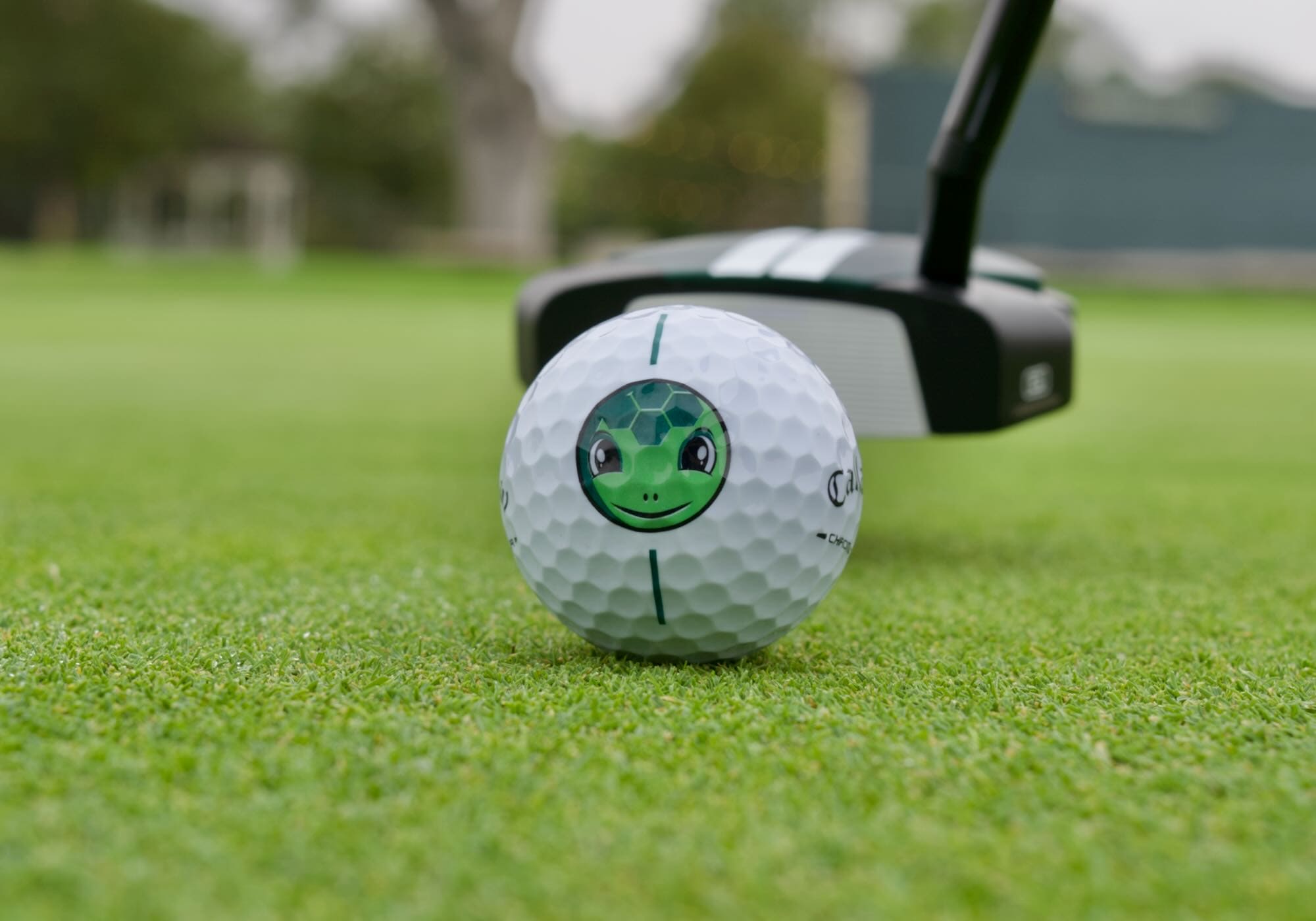
My first three rolls with the TRTL were casual lags from the edge of the practice green to a cup 30 feet away. Two were within a foot and the third dropped in. I’m a good putter but that was an otherworldly performance from a putter that I’d never rolled previously.
The TRTL is the big story today but the Ai-Star insert is likely to be the big story in the long run if Odyssey adds it to more putter models.
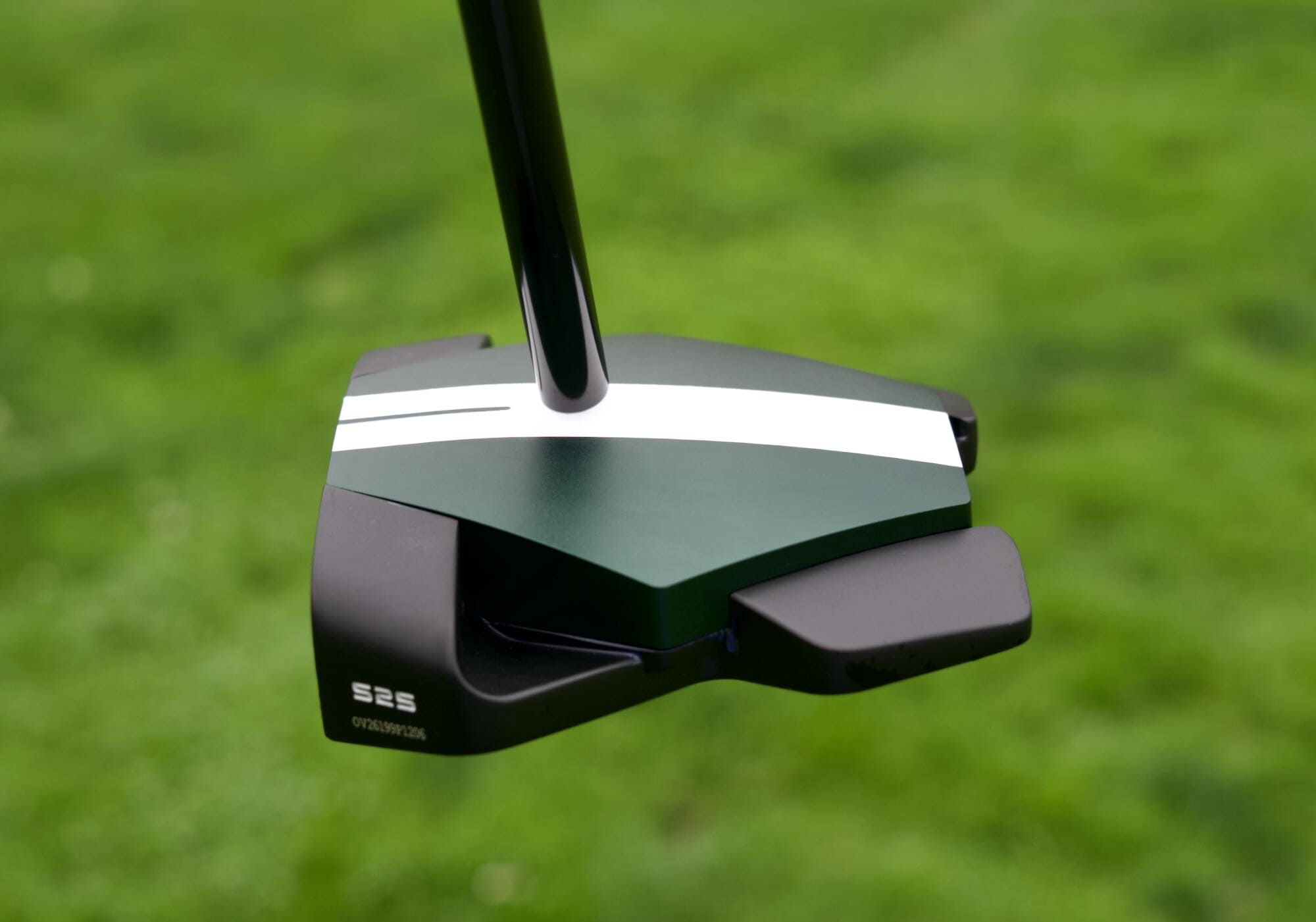
This TRTL sits square and has a flat belly
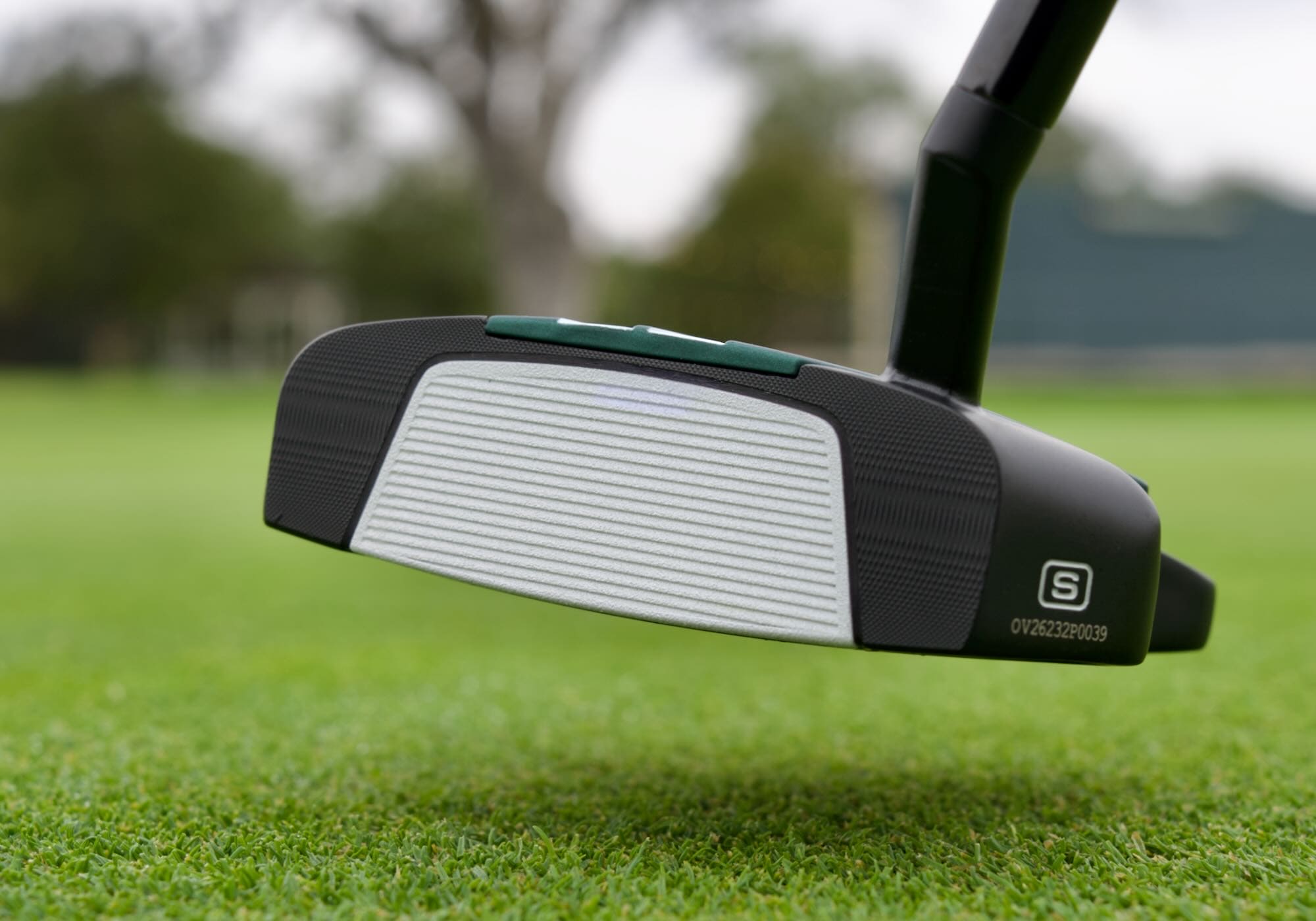
One thing you may not immediately notice about the TRTL is that Odyssey made the putter sit flatter and more closed than their typical mallets.
When you compare the sole of the TRTL to previous Odyssey mallets, you’ll notice that the heel-to-toe curve is flatter as is the face-to-tail curve.
It’s not completely flat but now it is flat enough to plop down securely when you place it behind the ball. The face is also more closed. It’s not completely square but you won’t need to manipulate it much to get the face squarely behind the ball.
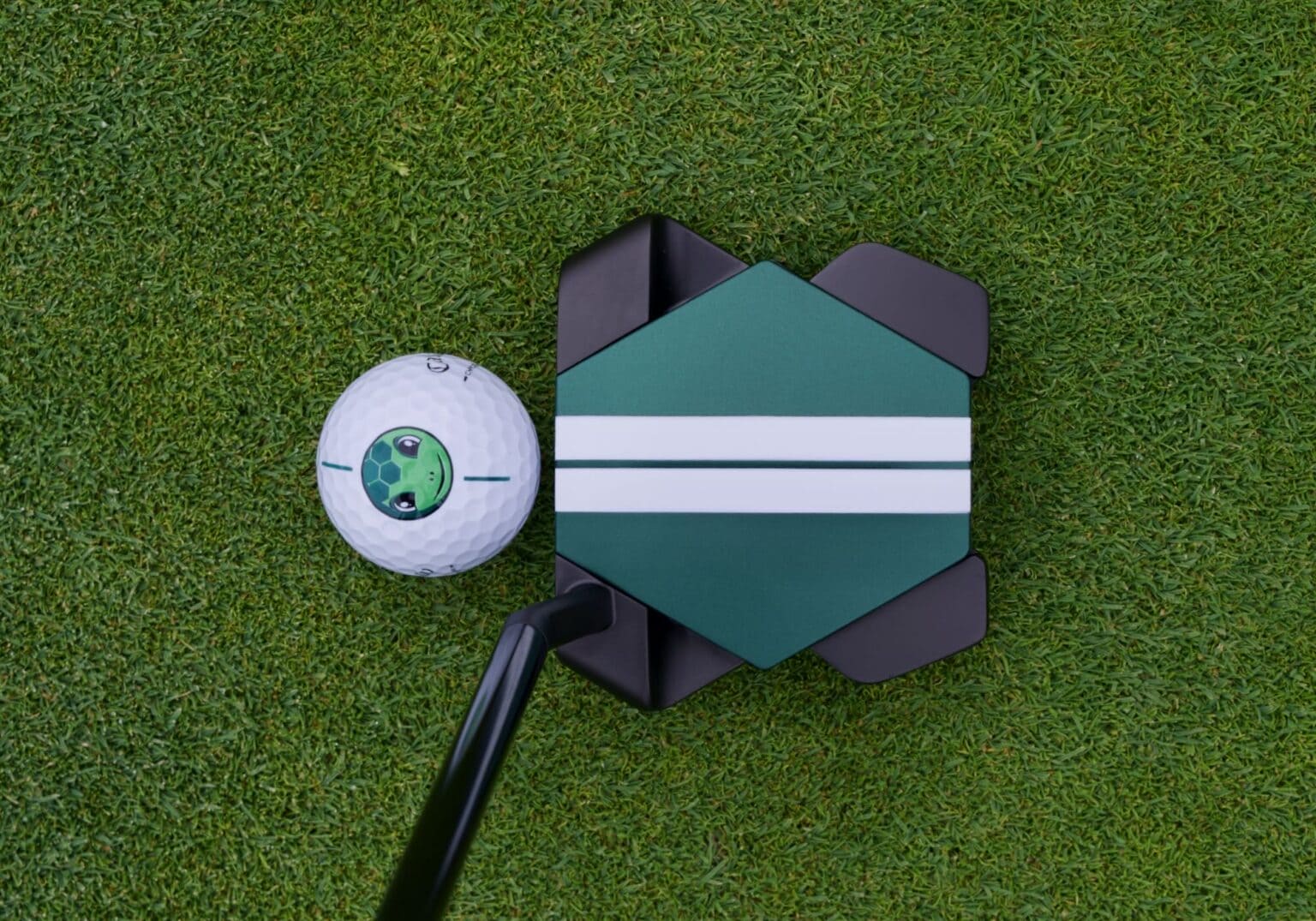
With these new geometries, the TRTL sits square and stable behind the ball.
Four weights for fitting
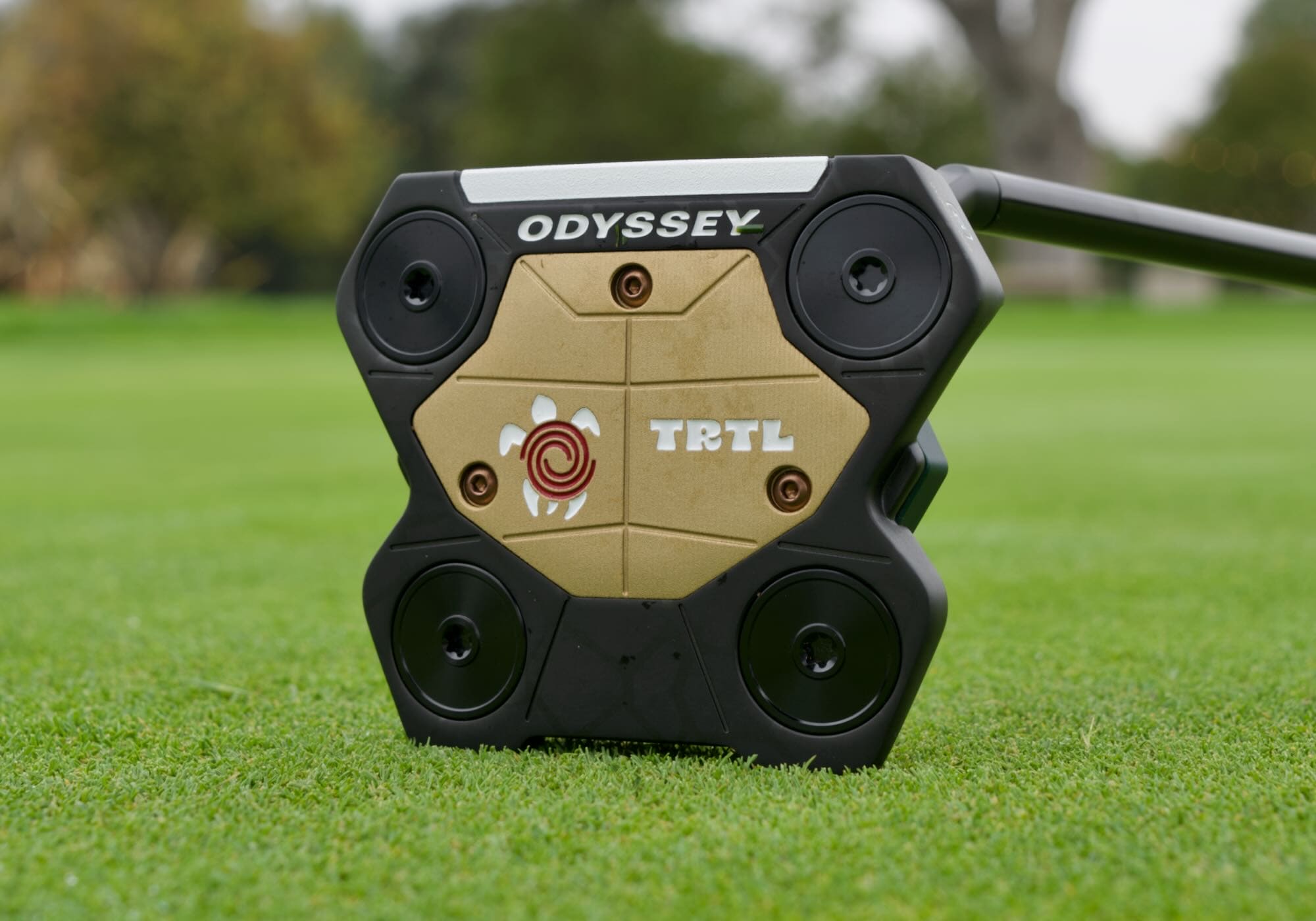
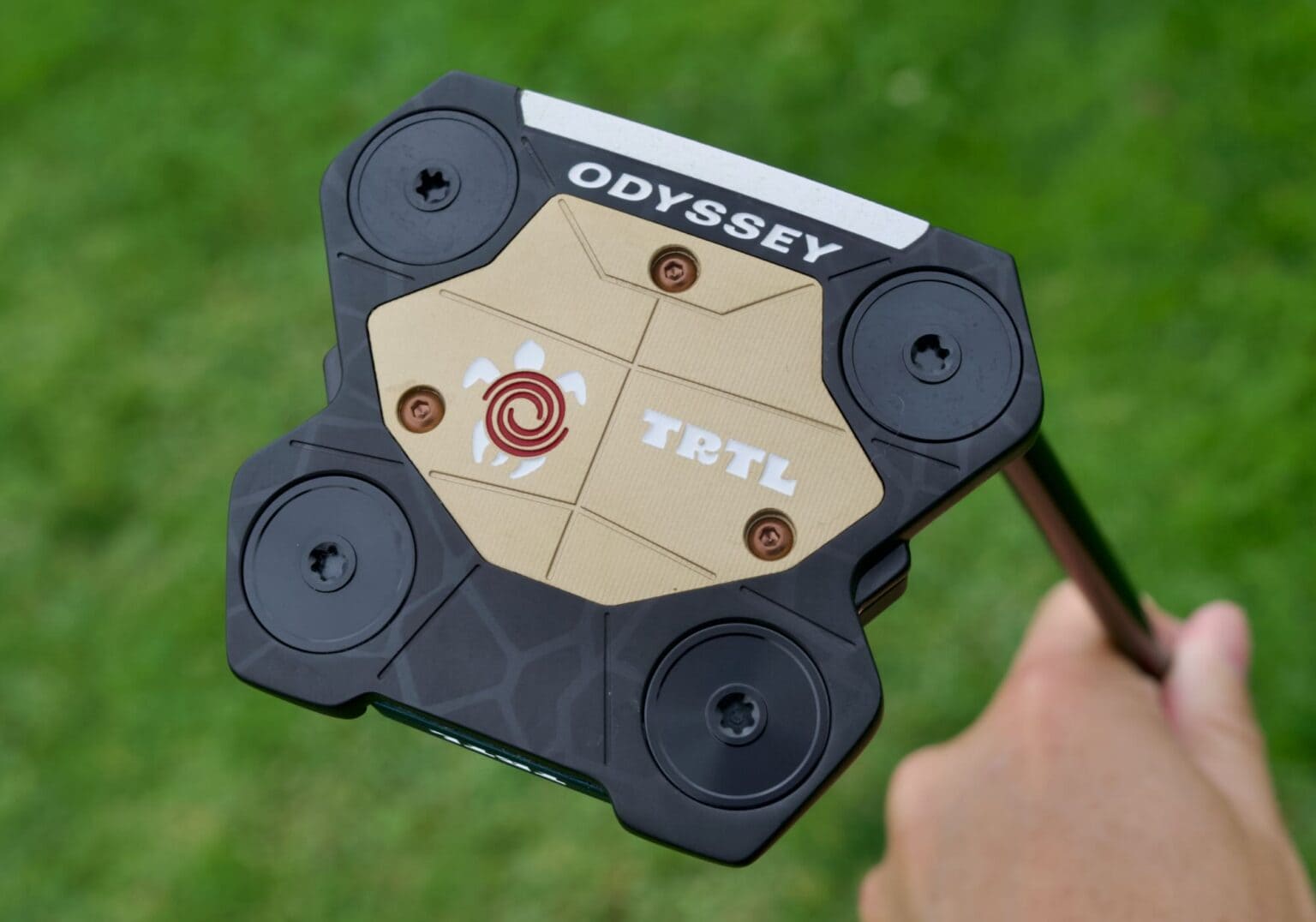
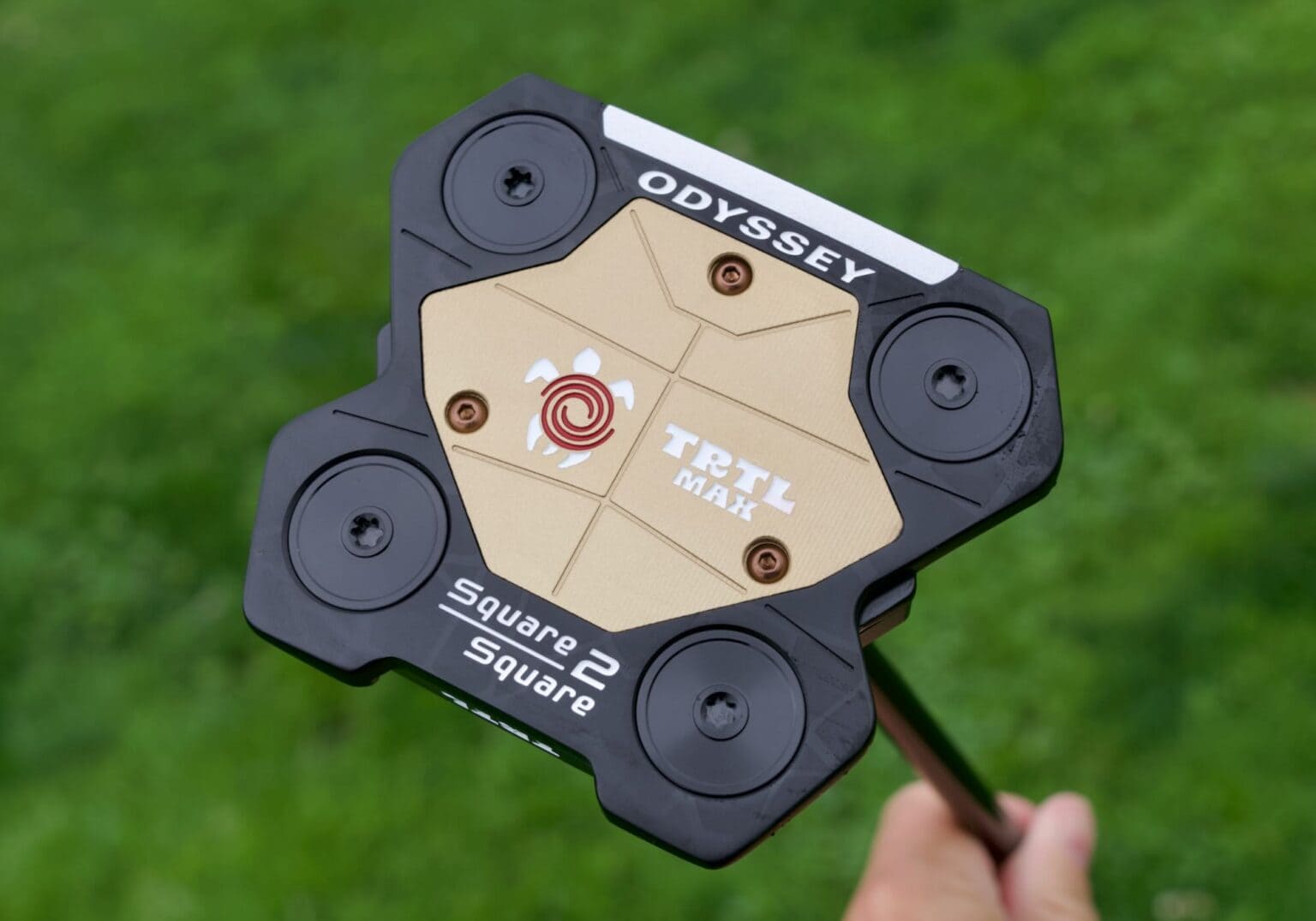
When you flip the turtle on its shell, you’ll see the four sole weights. Odyssey developed this weight system as a way to fine-tune the fitting process. Players will first choose the neck that best fits their stroke. From there, they will work with the fitter (or mess around on their own) to see how changing the weight layout changes performance.
Two of the weights are light and two are heavy. When you change their positions, you will change the rotational properties of the putter. This could help dial in the final fit.
I’m not as all-in on this technology as I am with the Ai-Star insert but I’ve not spent enough time with the TRTL and the various weight configurations to really understand the impact of swapping the positions.
This could be a cool thing to explore deeper at MyGolfSpy HQ. I’m curious to see if we can collect data about the effect of switching weights.
Finding a fitting TRTL neck
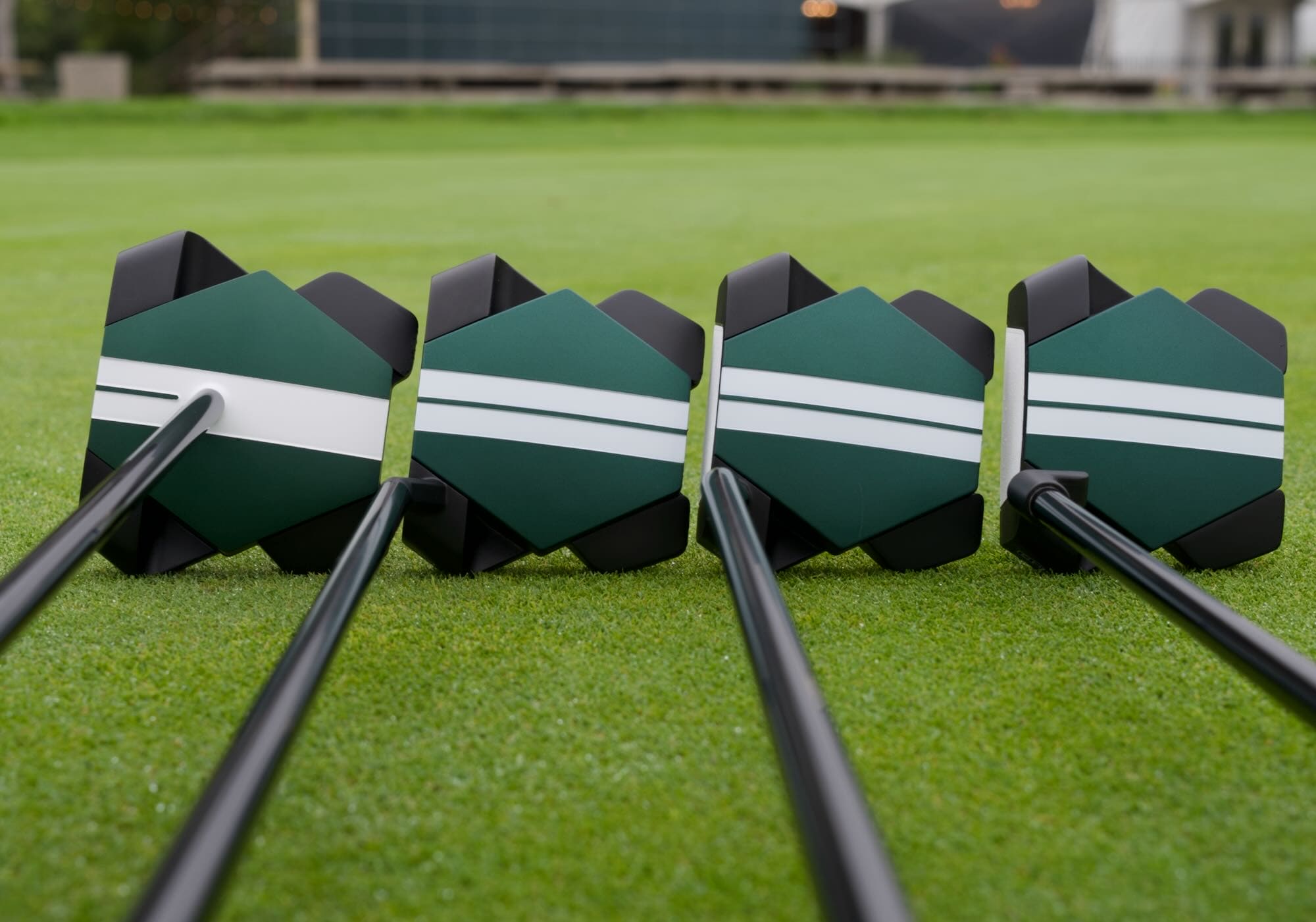
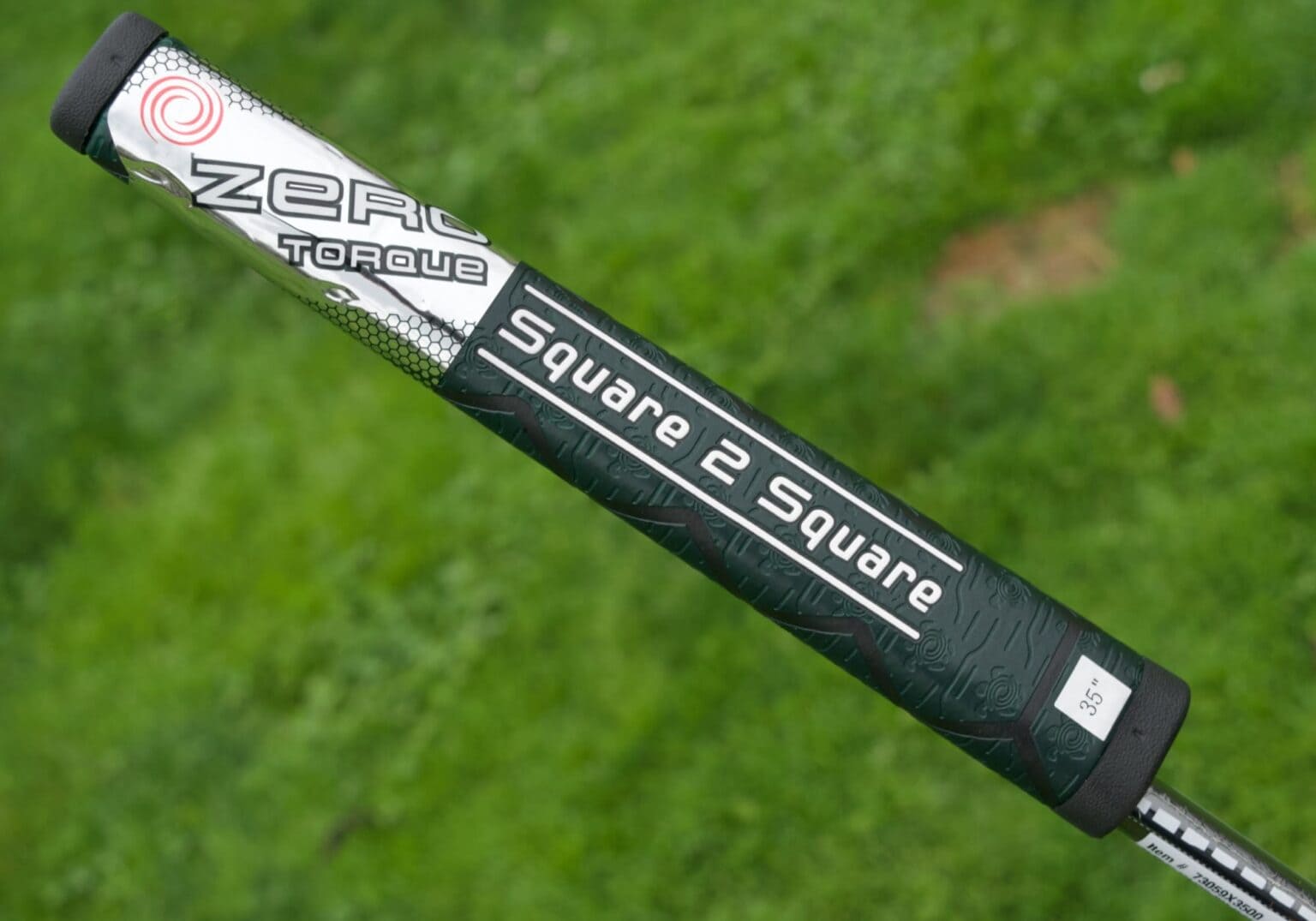
The first part of finding the right TRTL is to match your stroke dynamics to the neck style. If you play zero-torque putters, you’ll go with the TRTL MAX Square2Square.
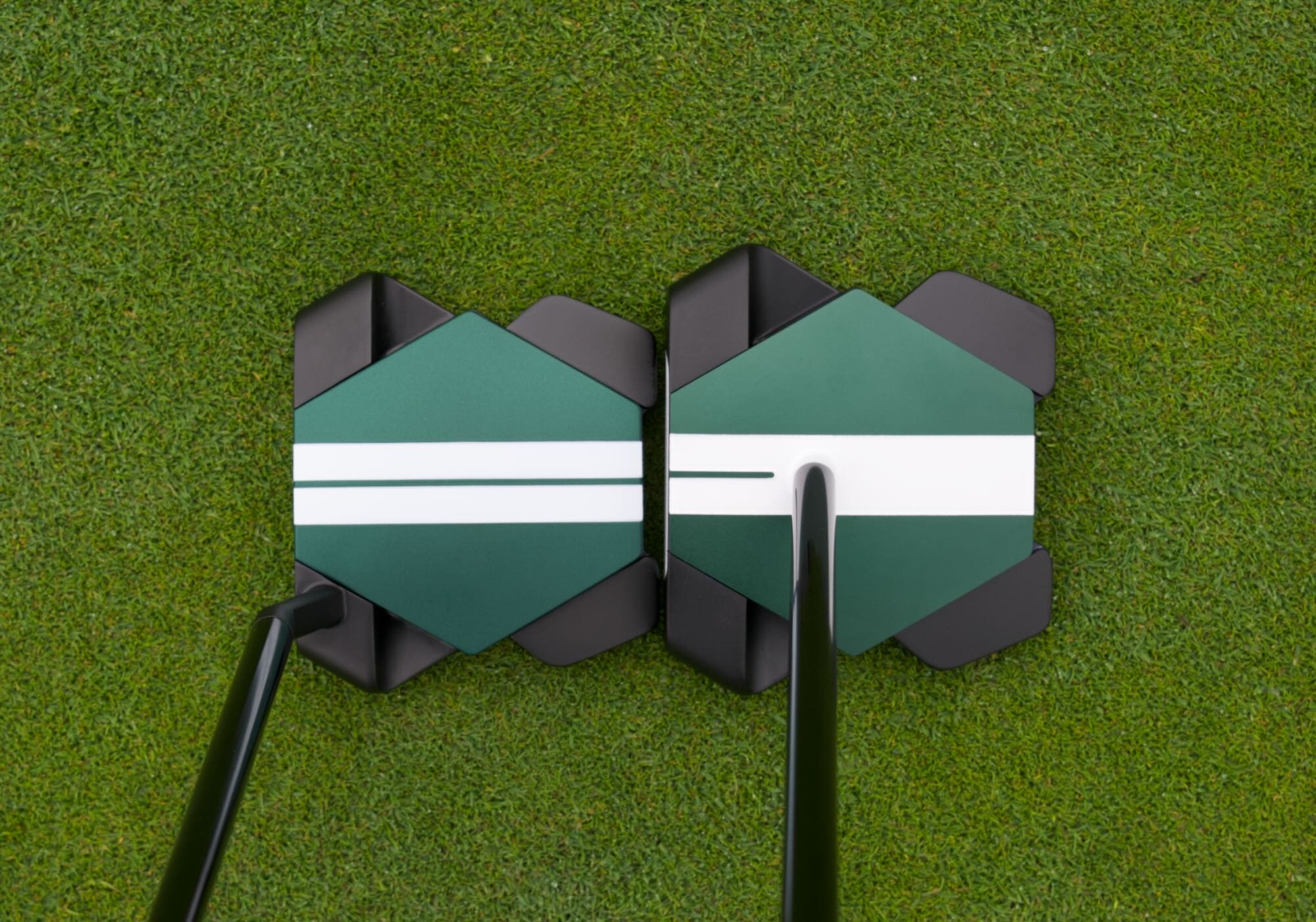
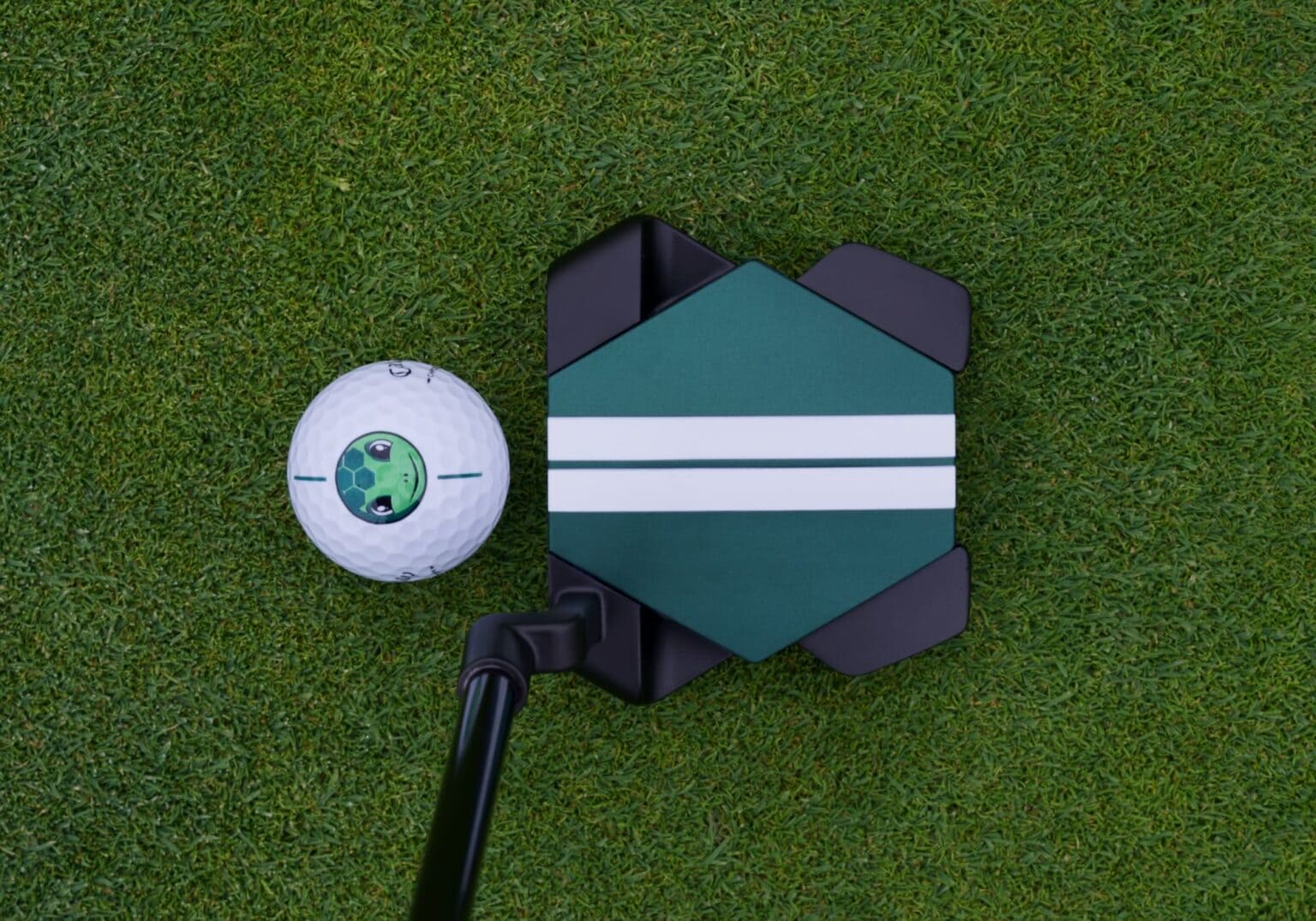
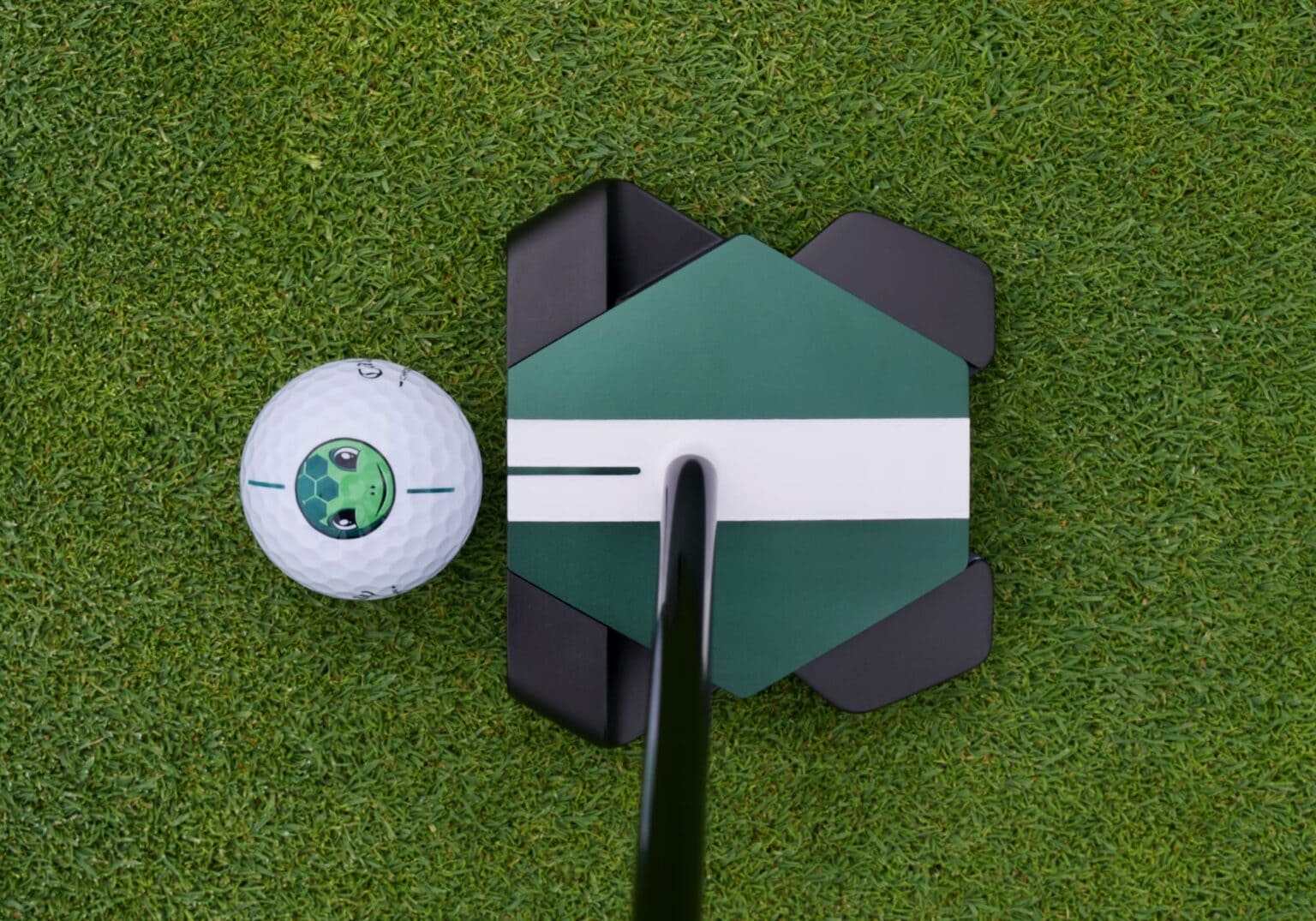
As I mentioned, the TRTL MAX is slightly larger than the other TRTL models. Here is a photo at address showing the size difference.
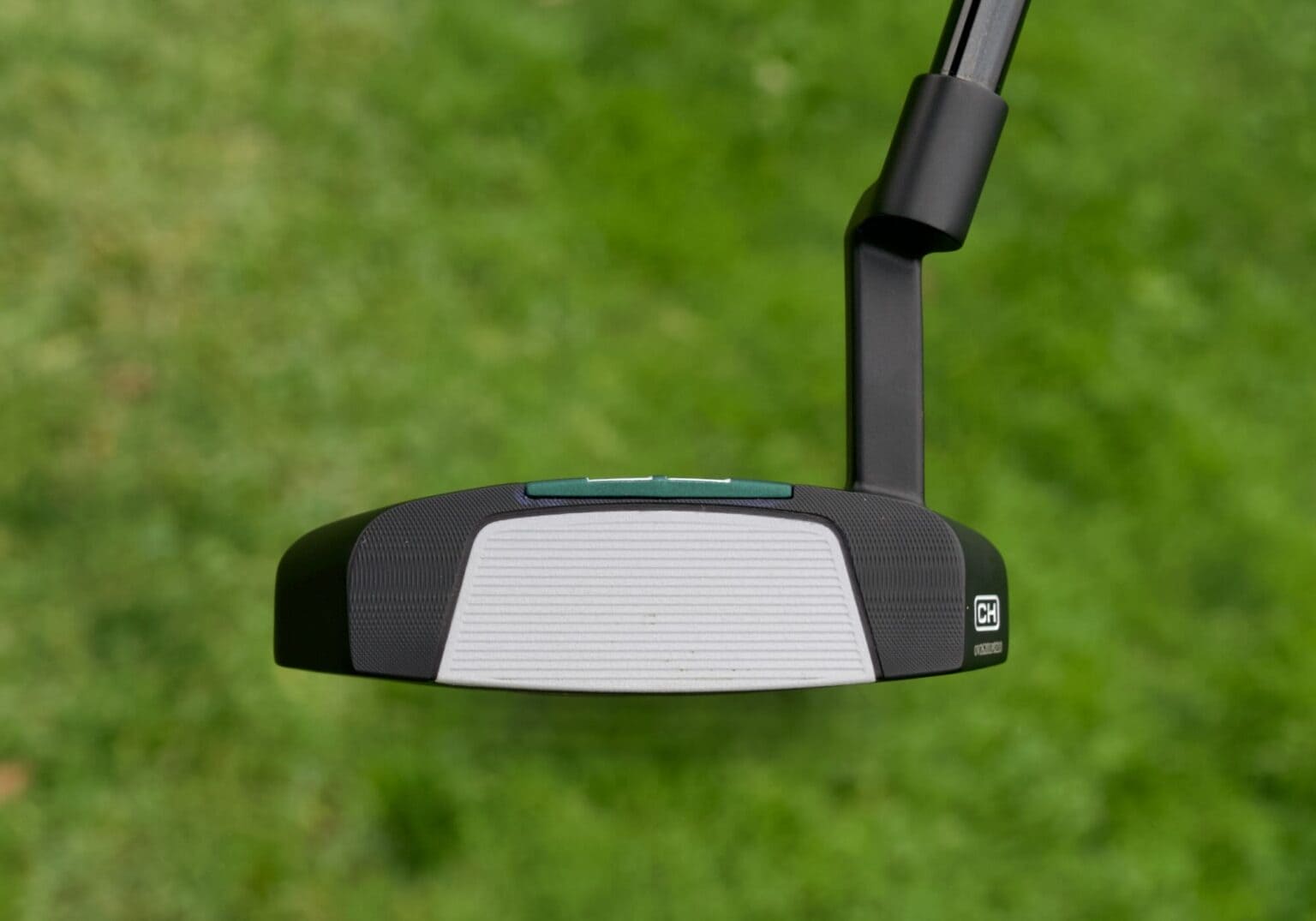
Your rotational need/putting arc will determine the neck you fit into. Increasing swing arc needs will take you from the TRTL Double Bend to the TRTL Crank Hosel and finally to the TRTL Slant Hosel.
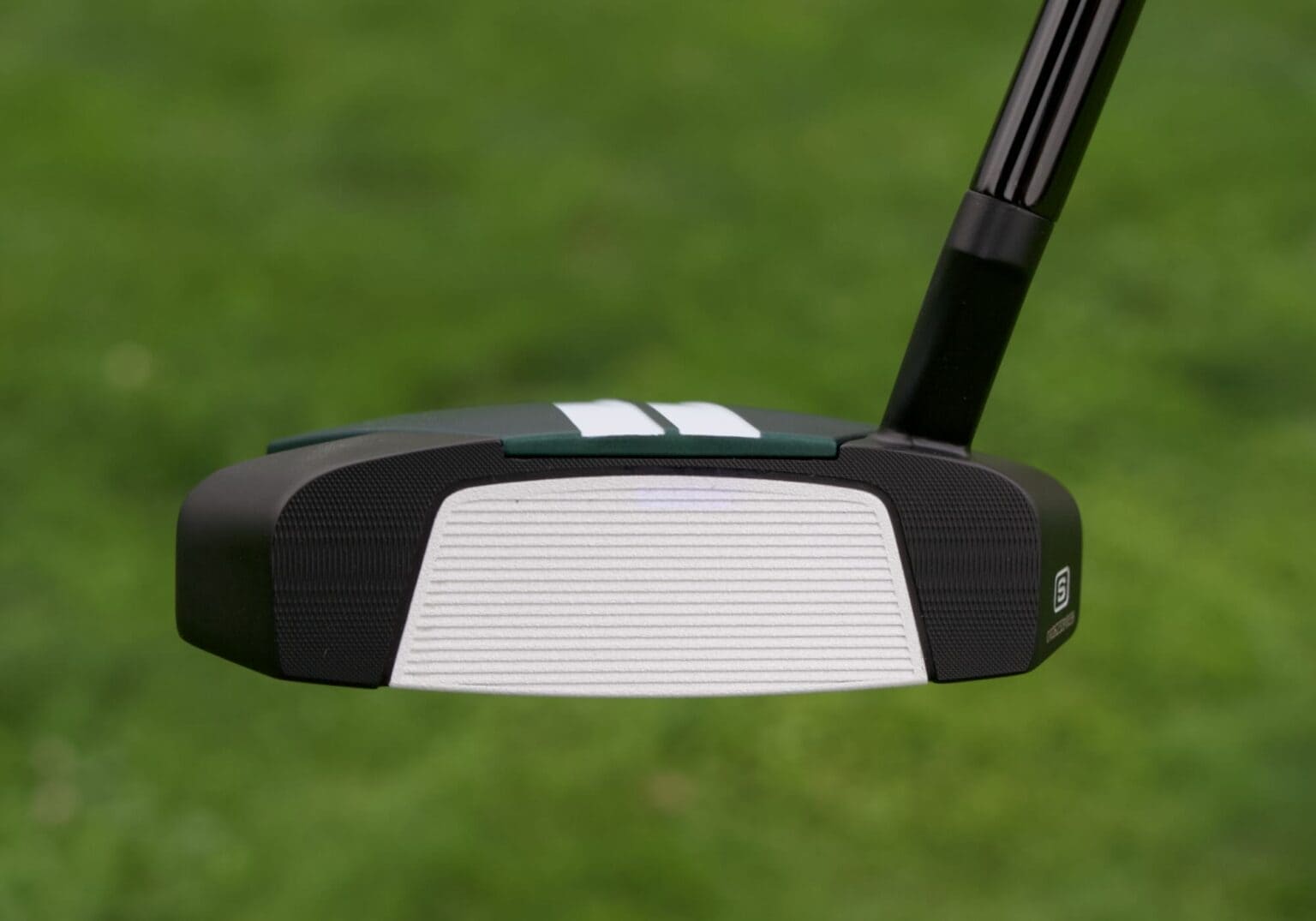
Here are some up-close and personal shots of the four models.
Odyssey TRTL DB
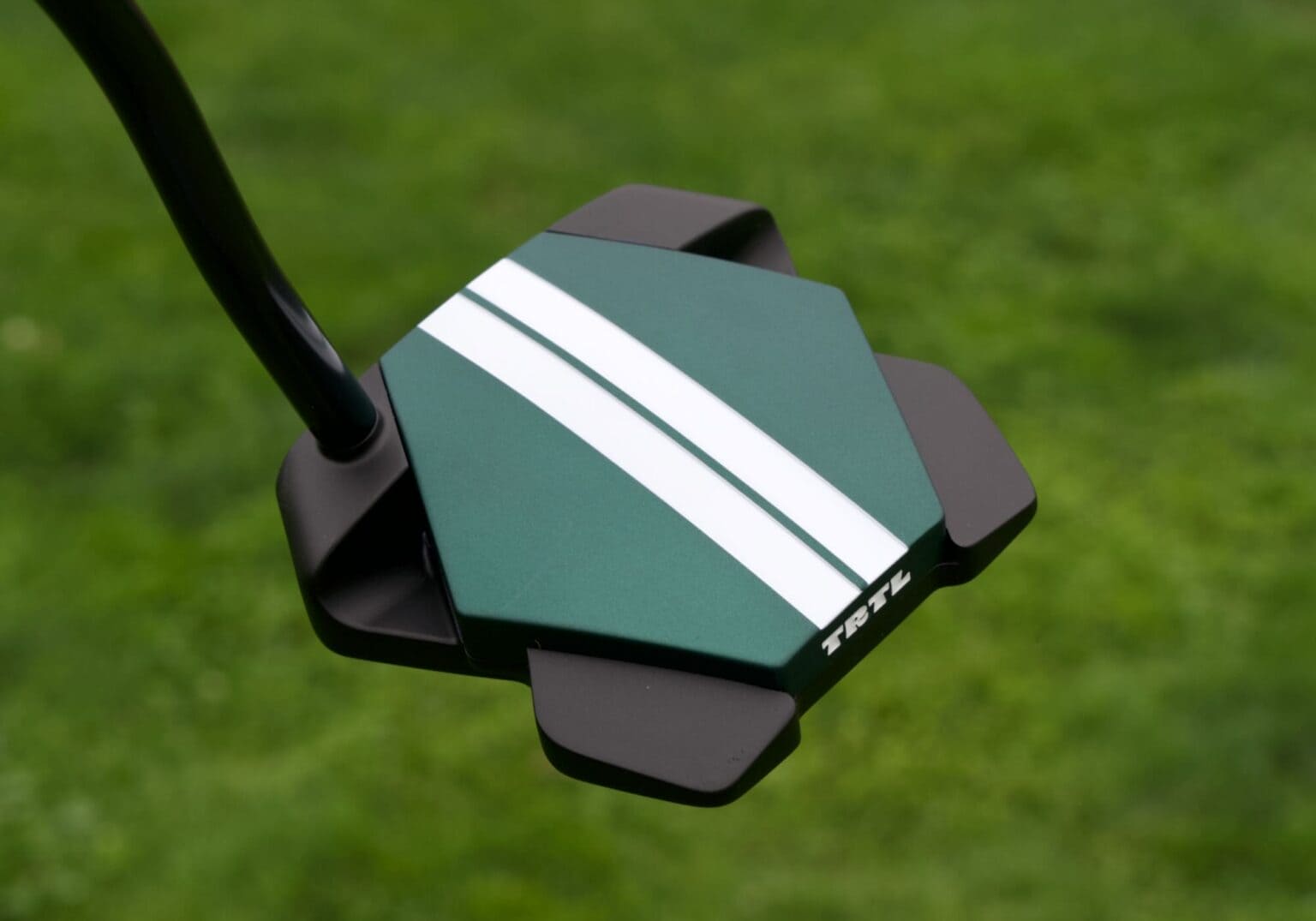
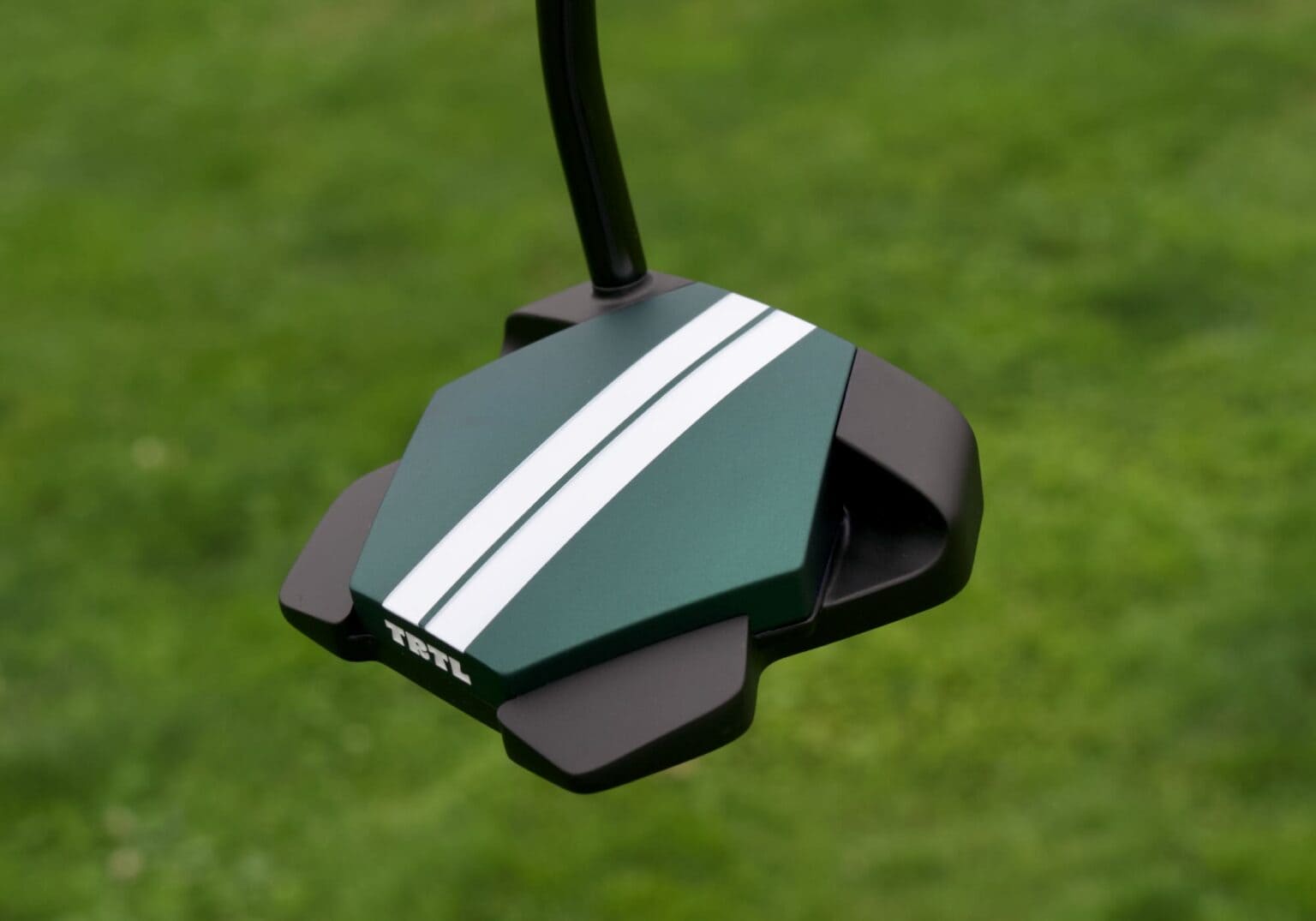
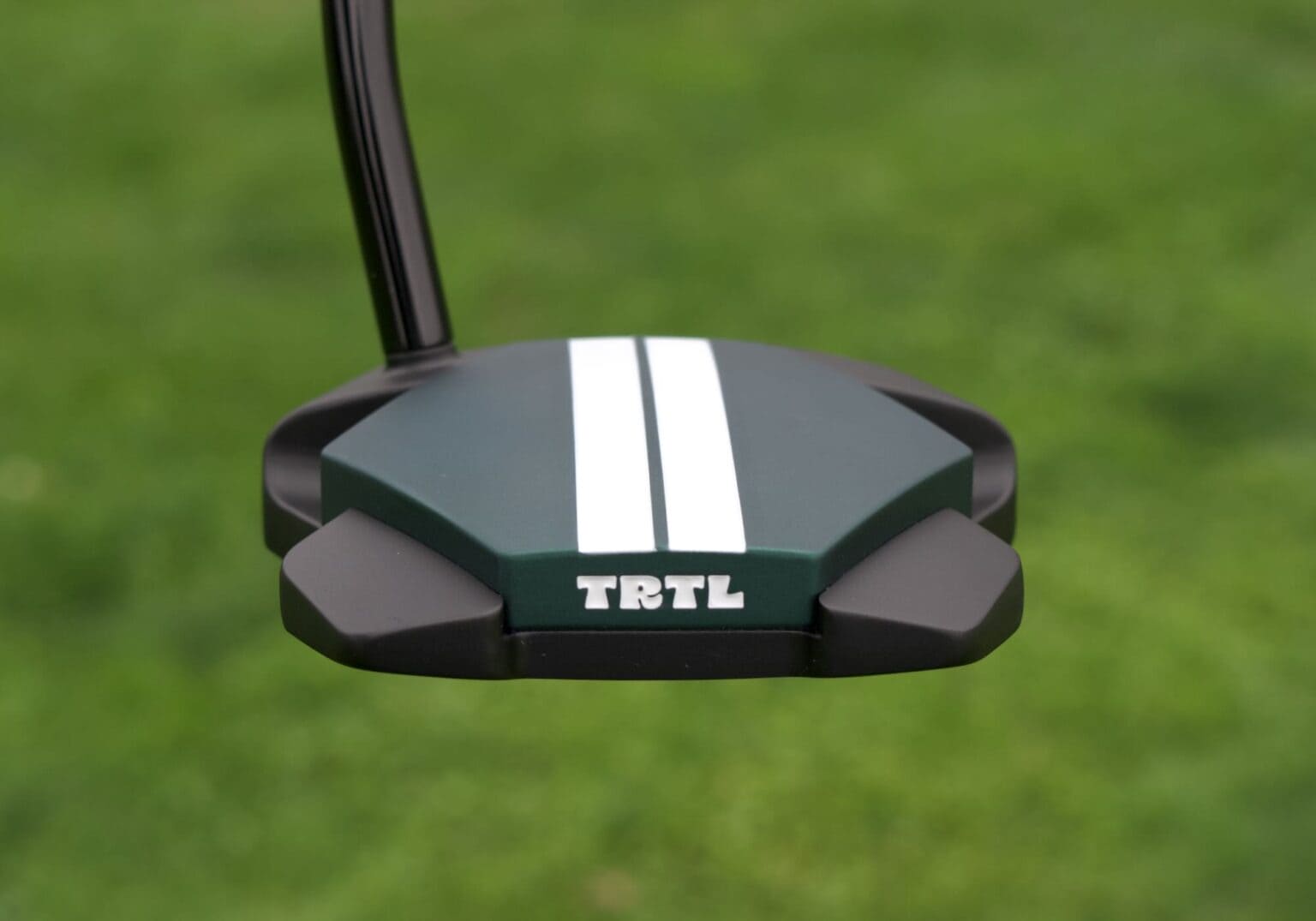
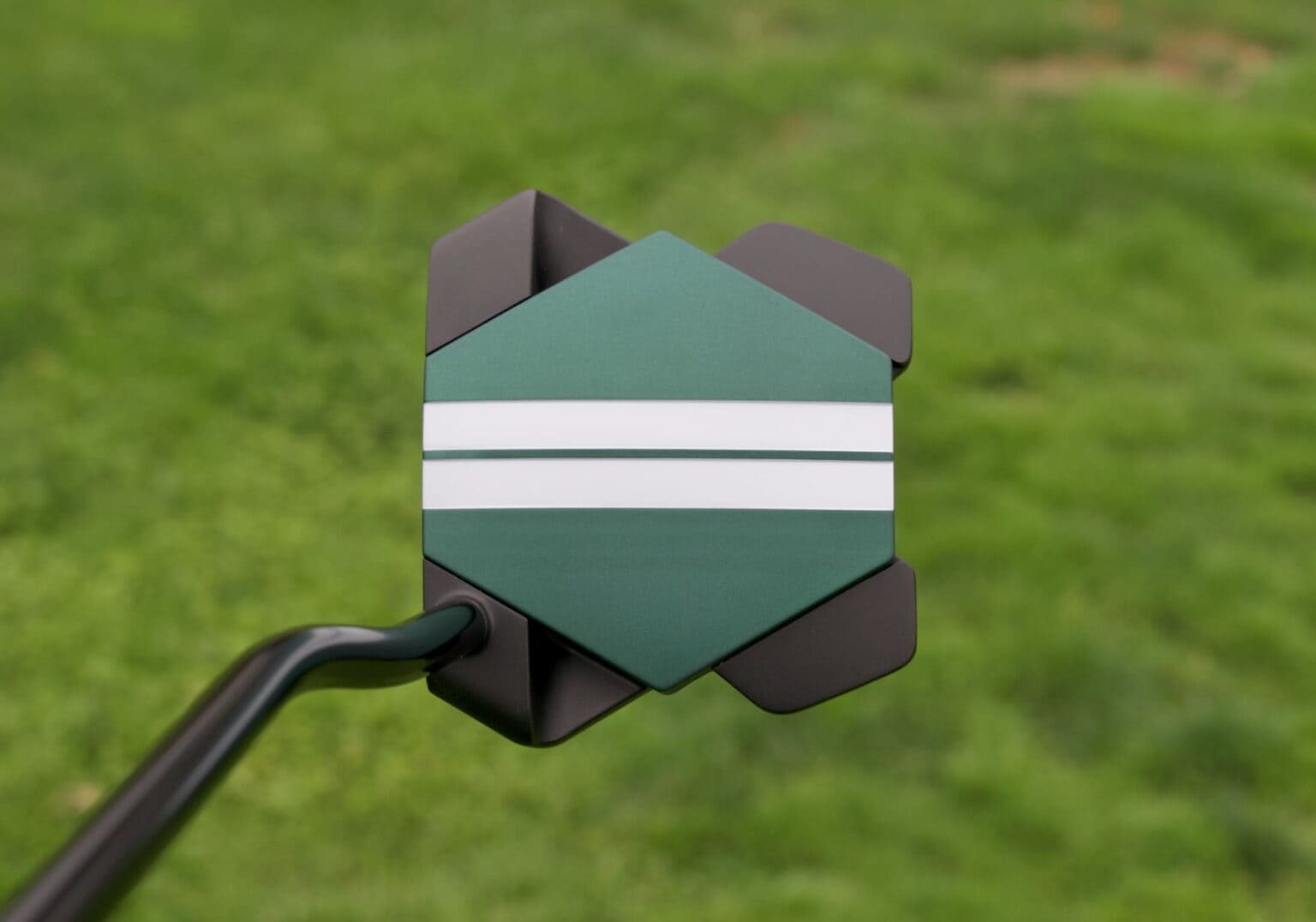
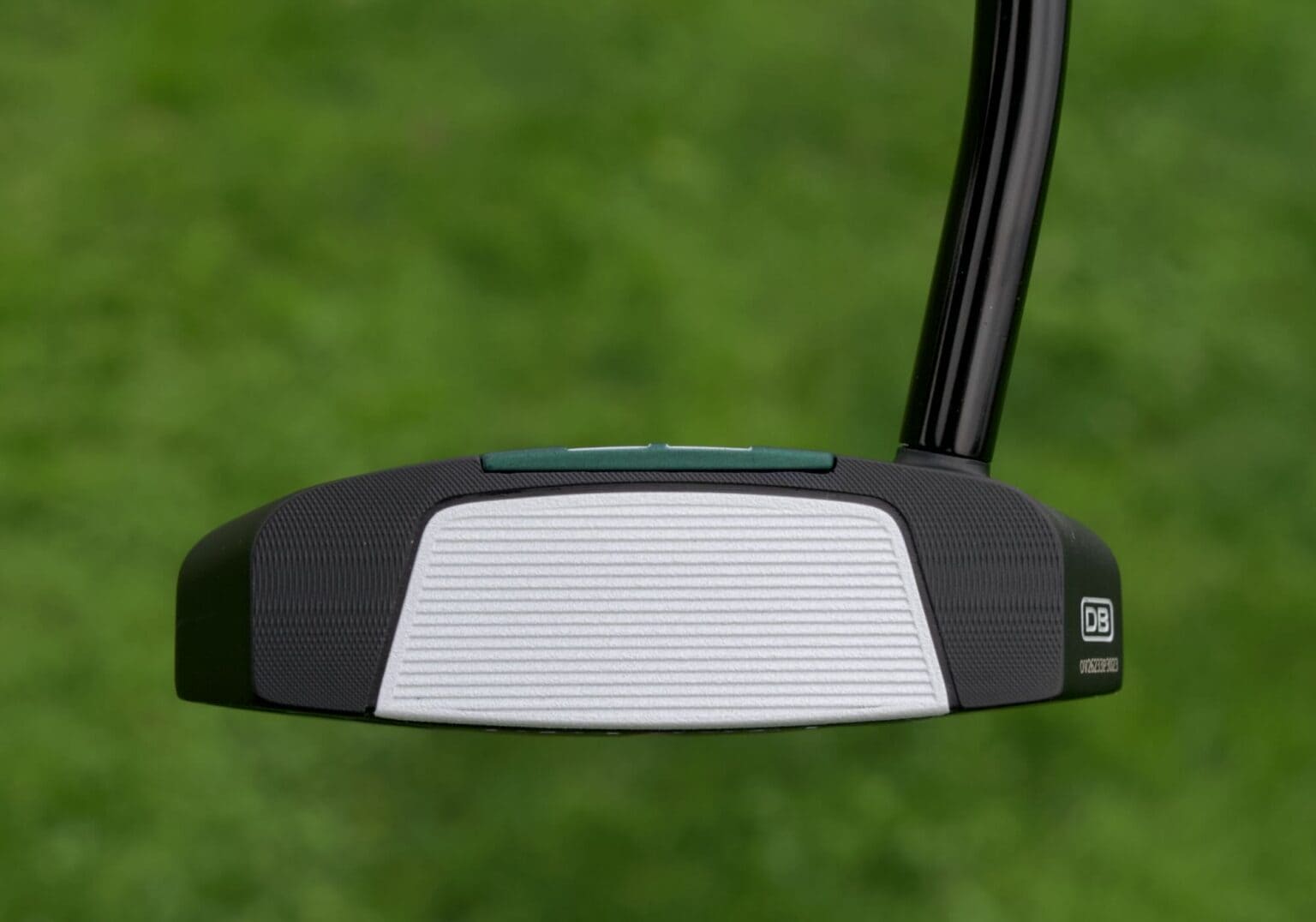
Odyssey TRTL CH
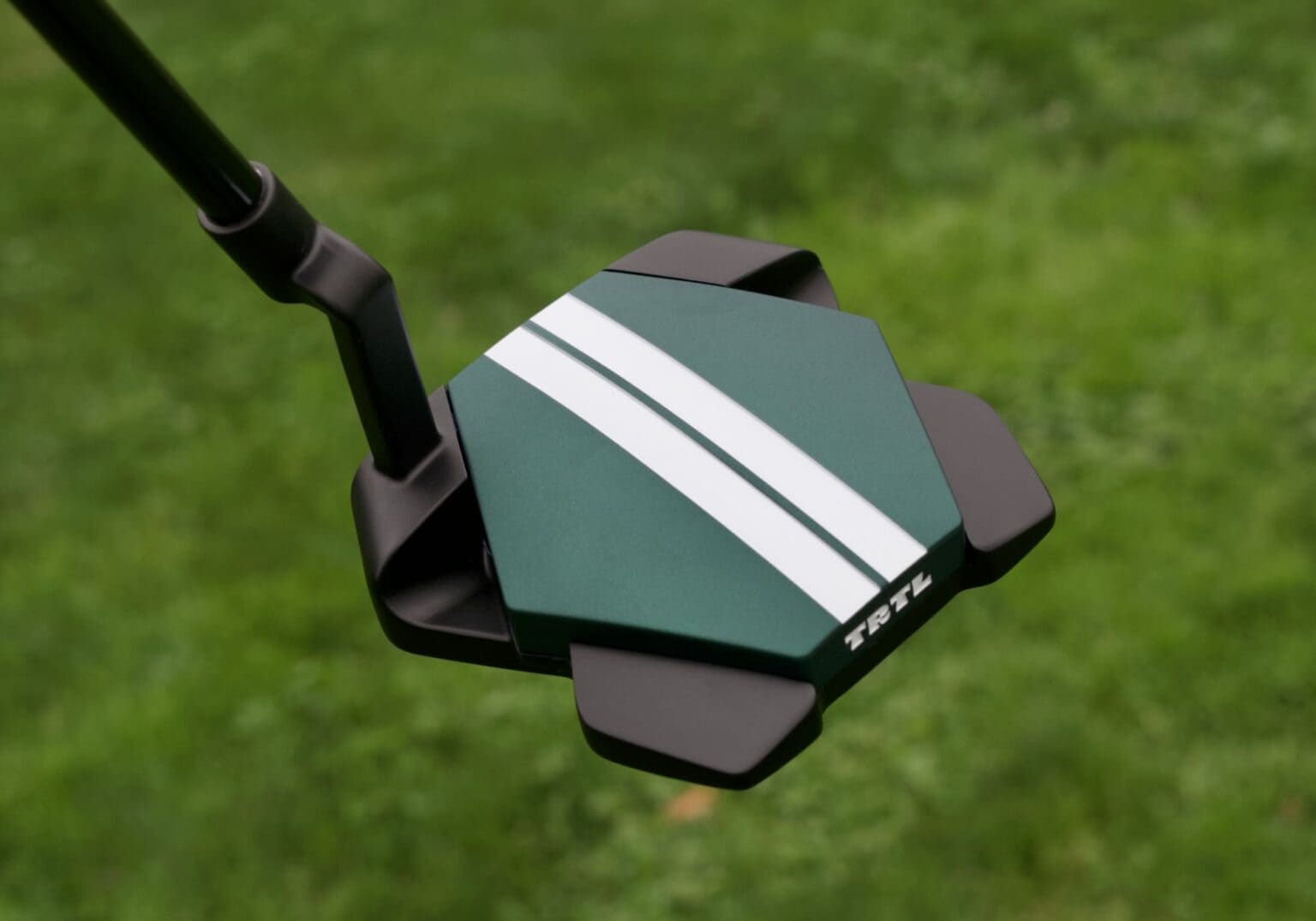
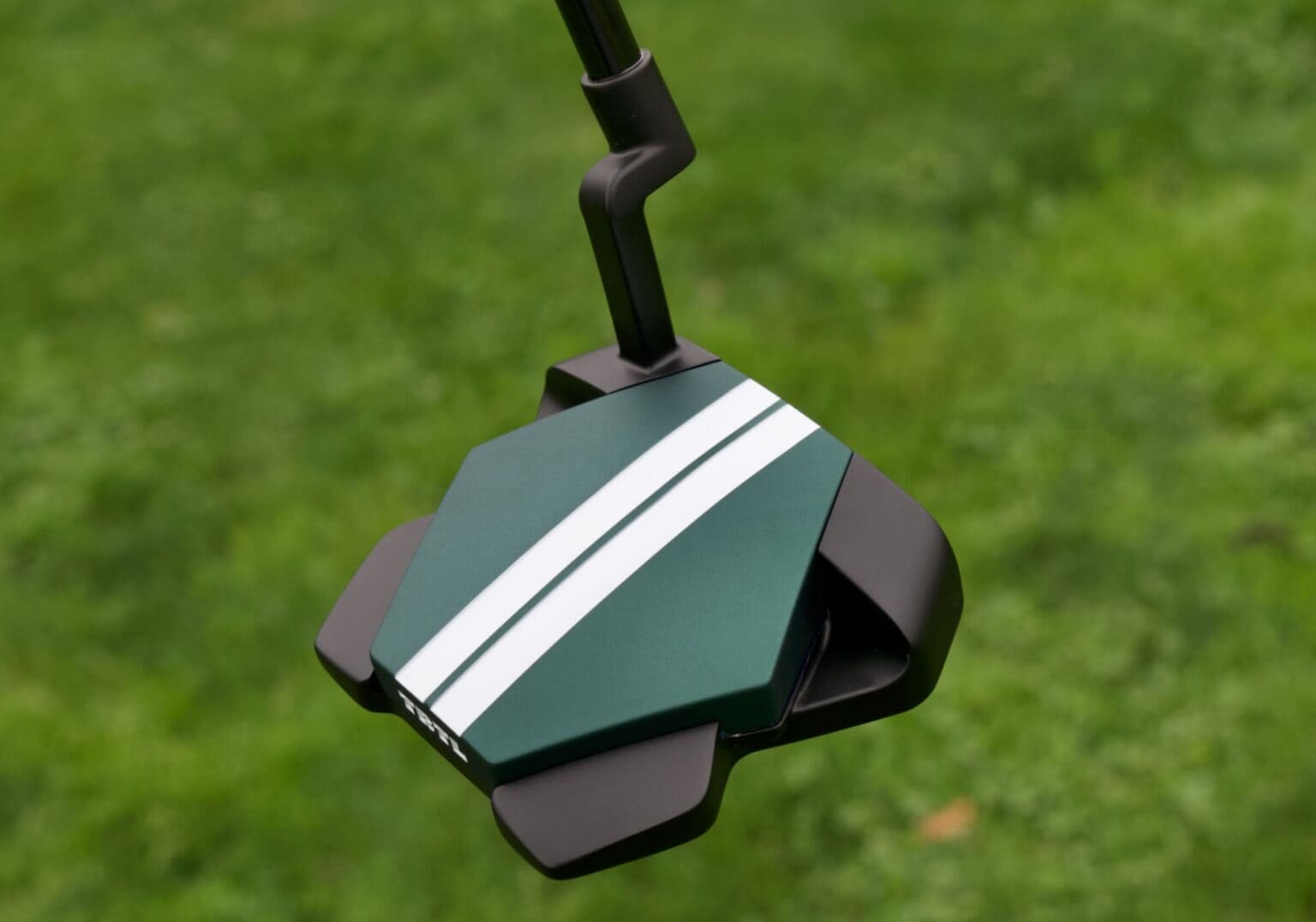
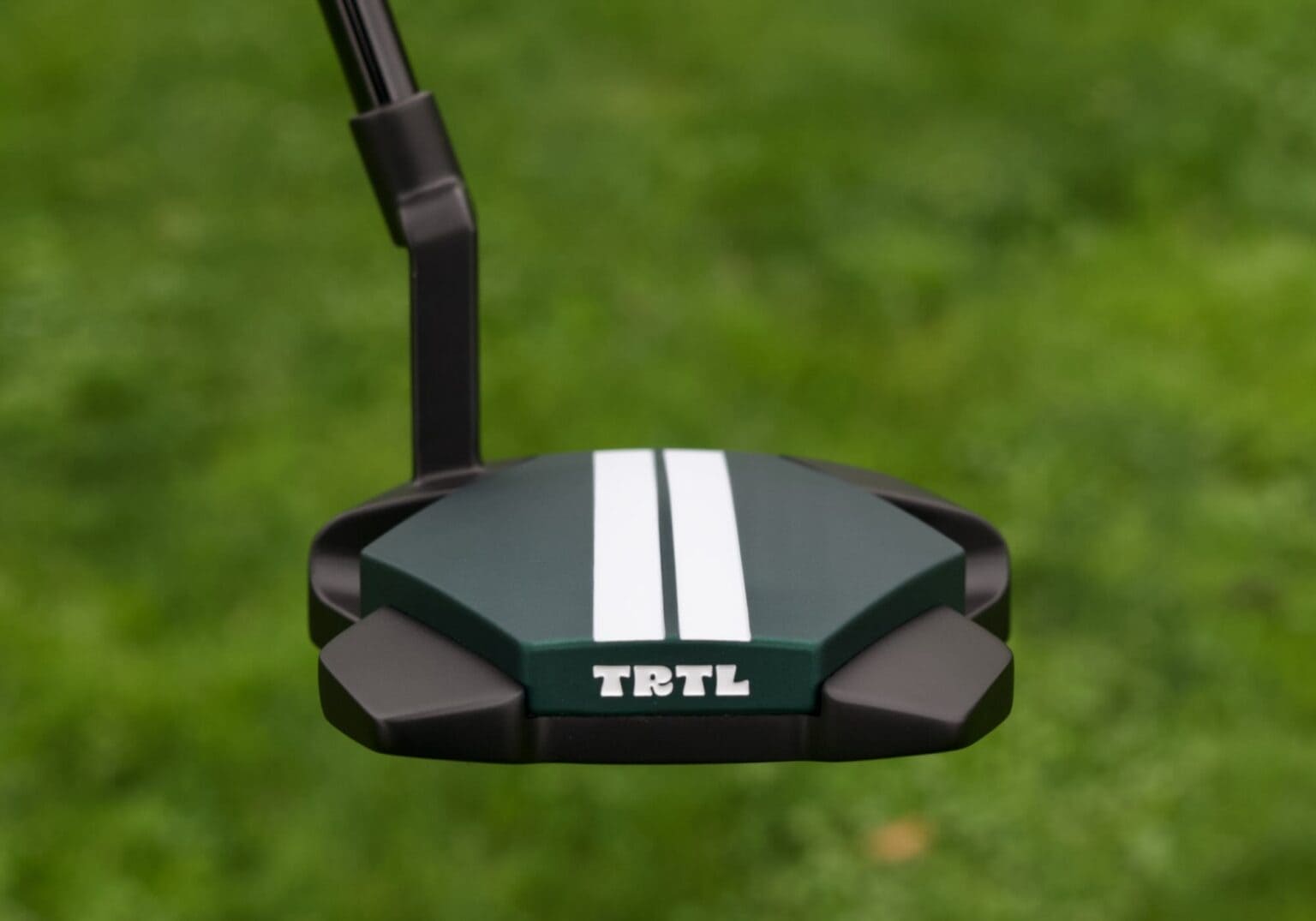
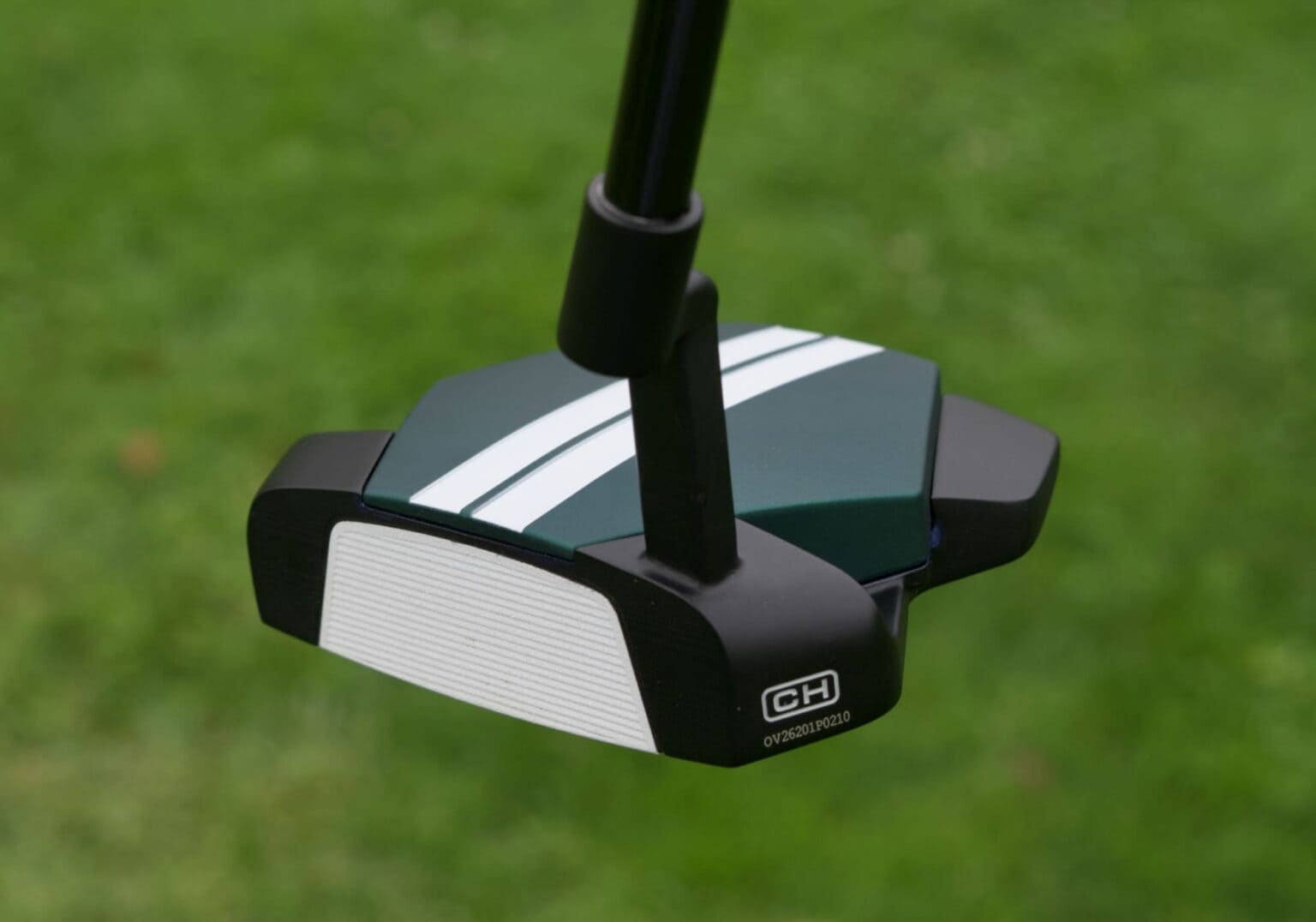
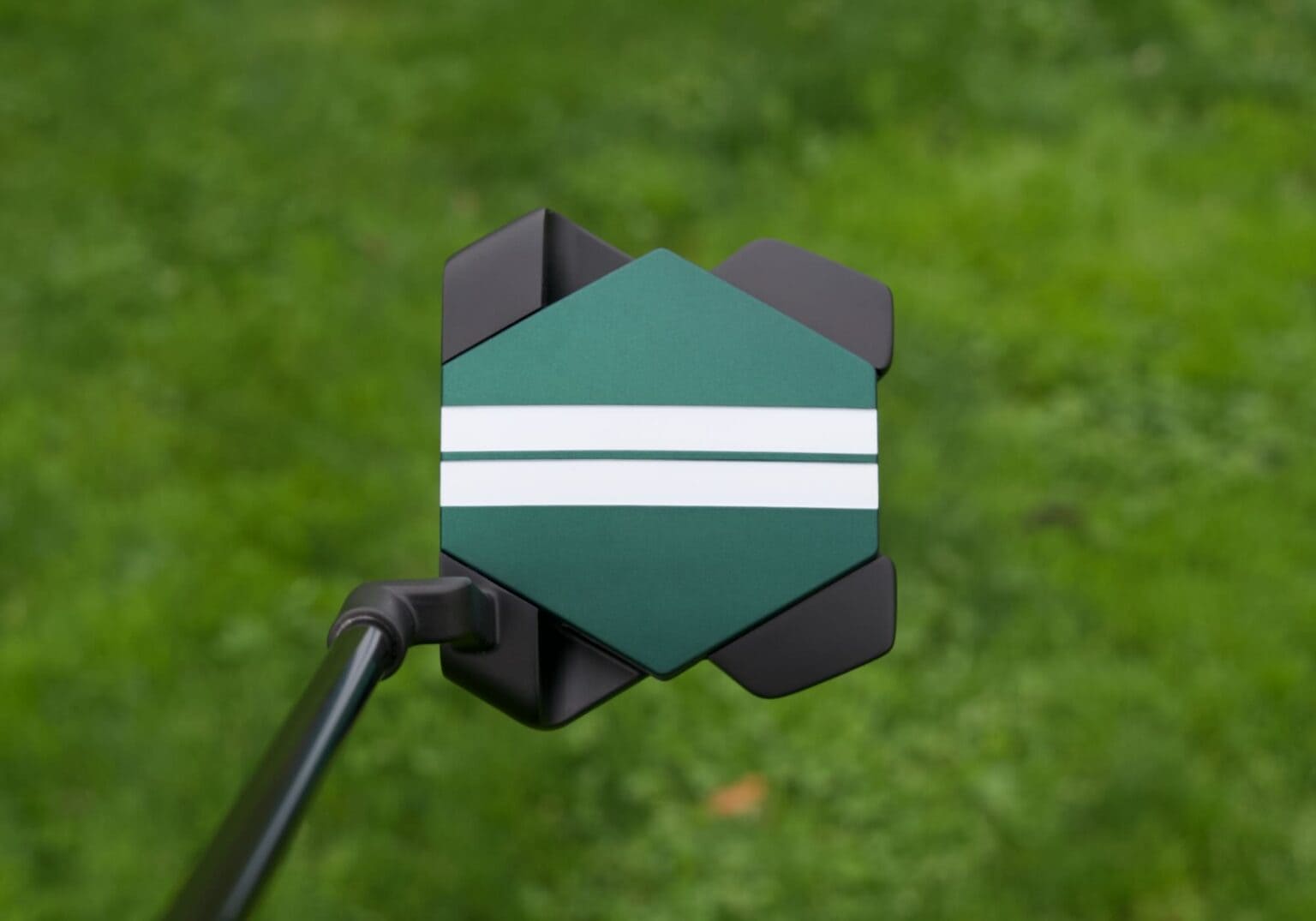
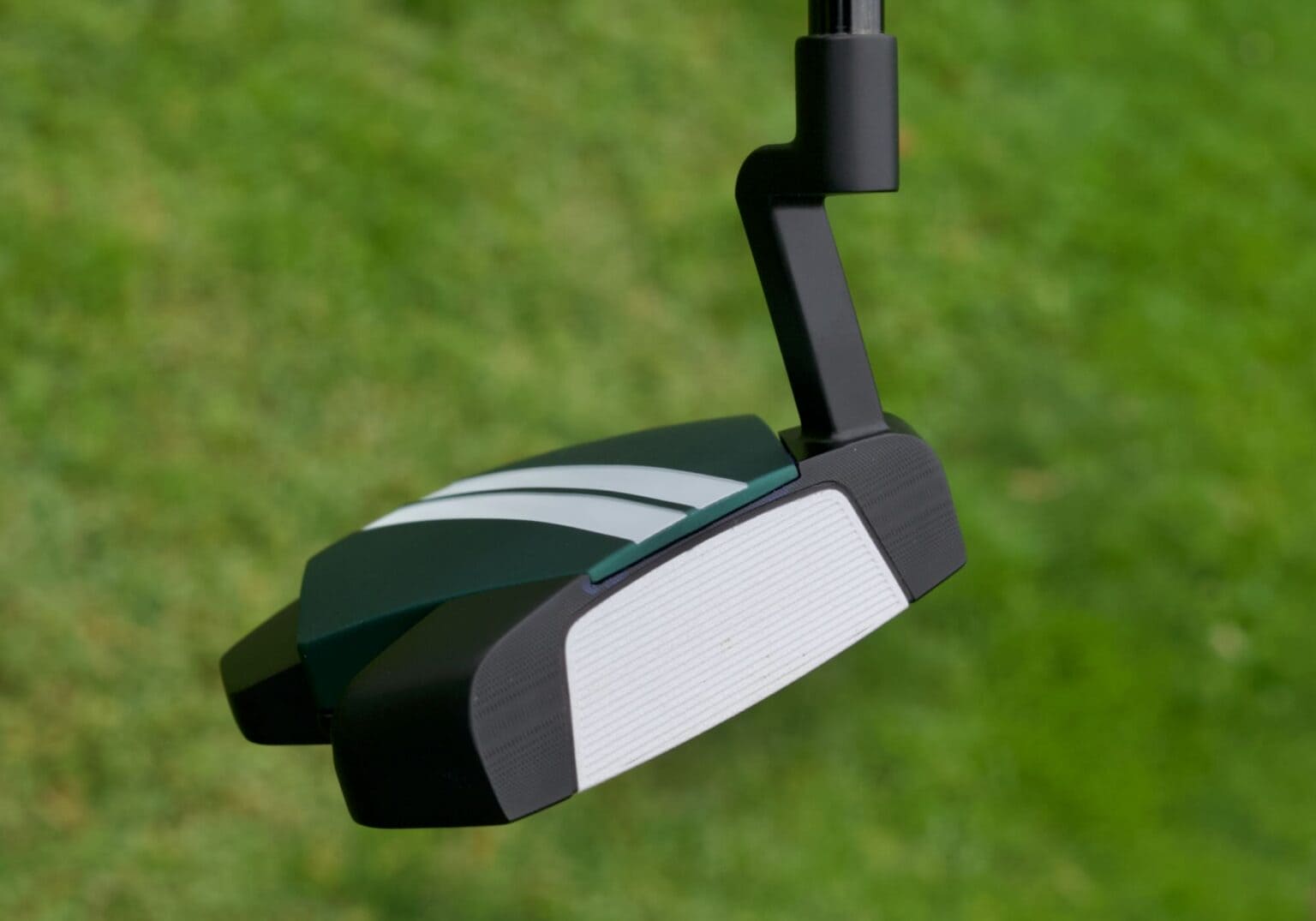
Odyssey TRTL MAX
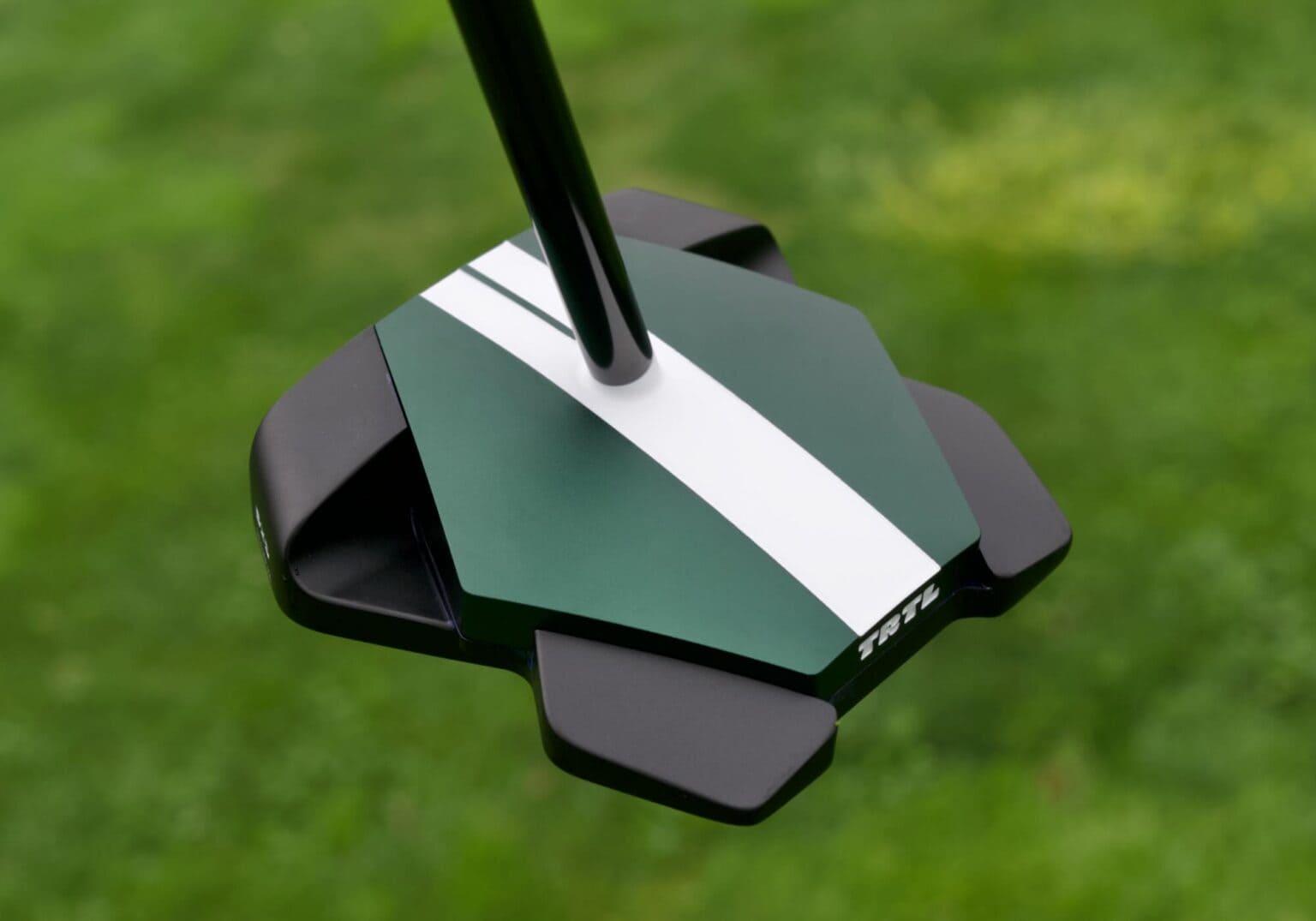
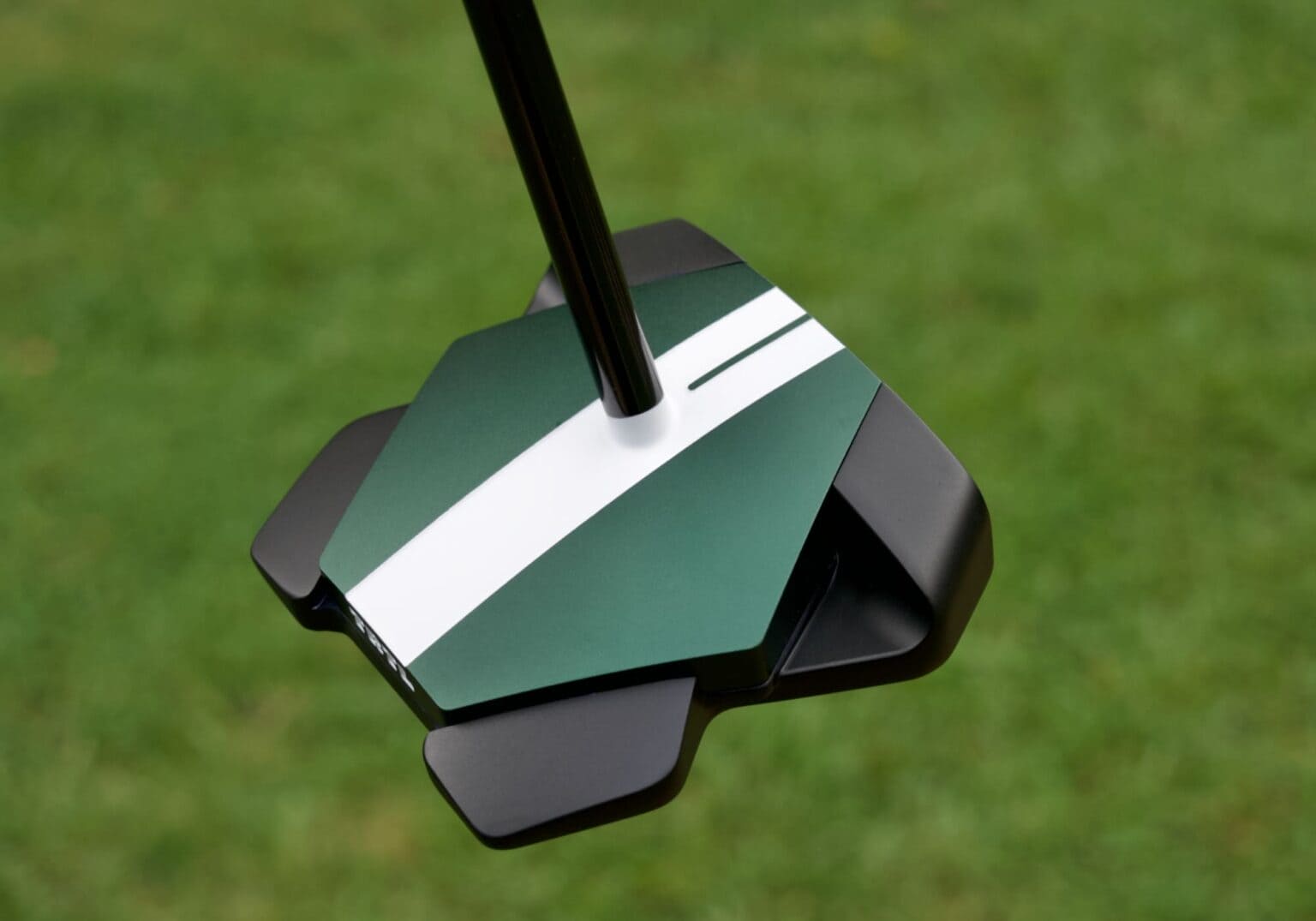
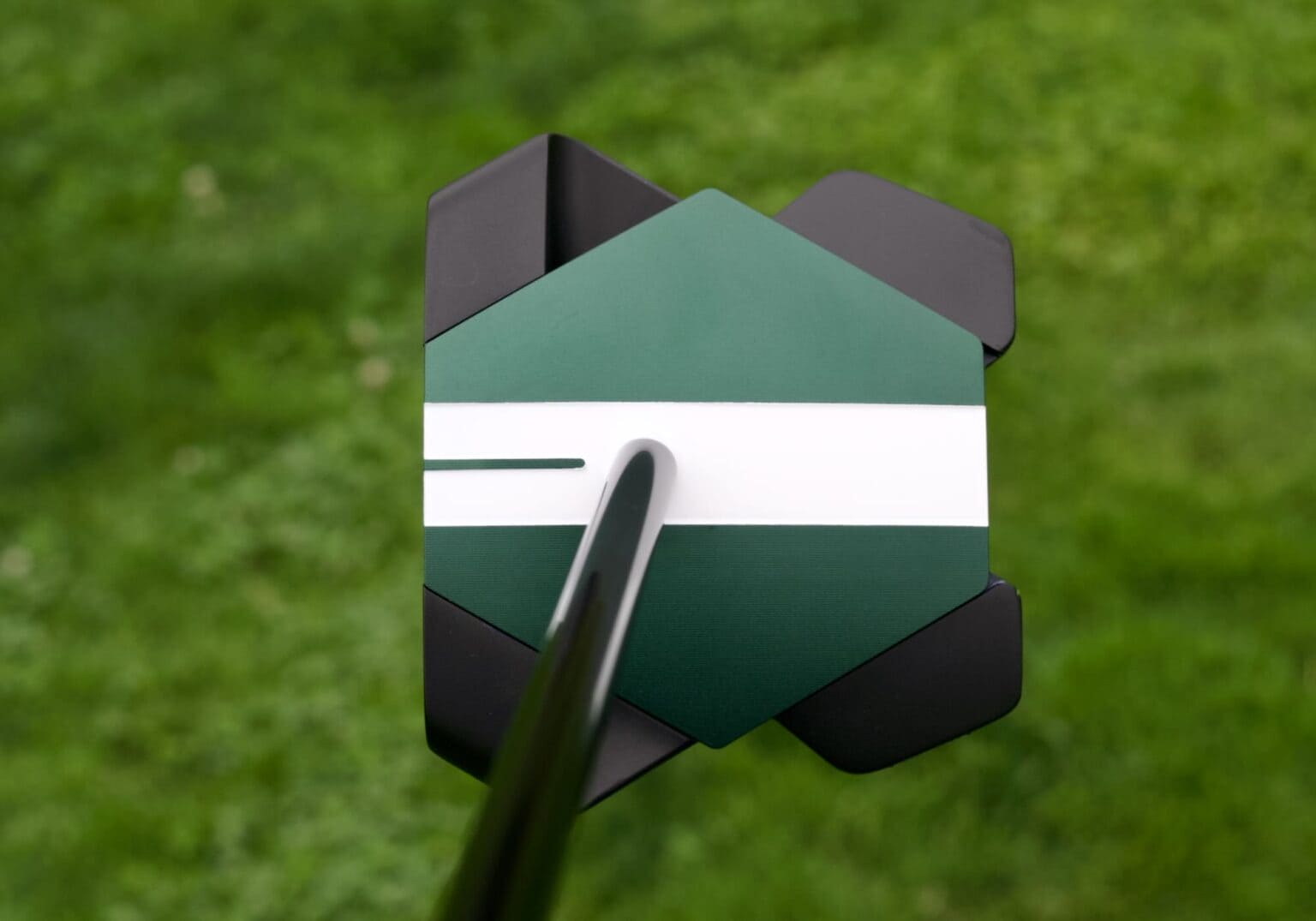
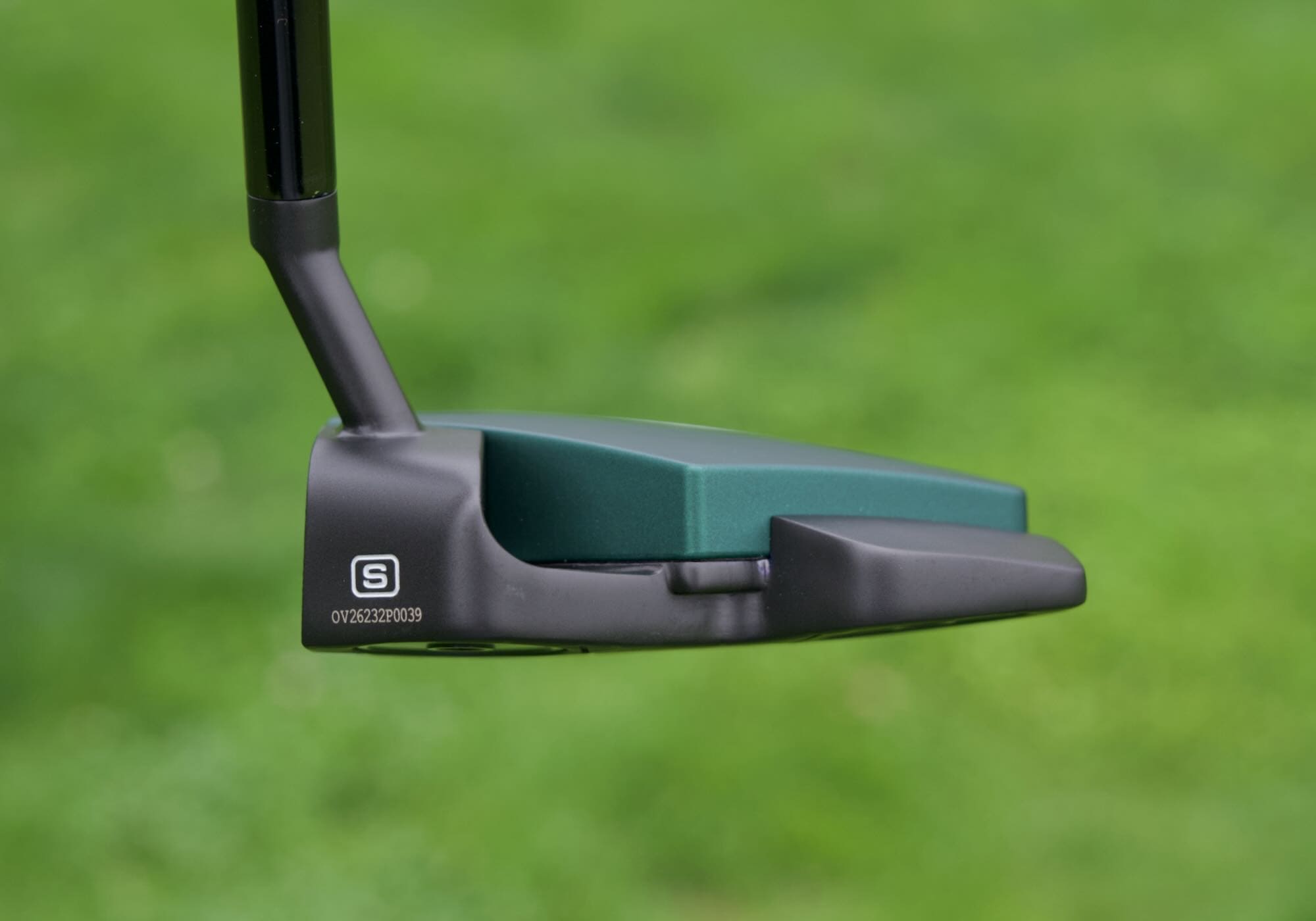
Odyssey TRTL S
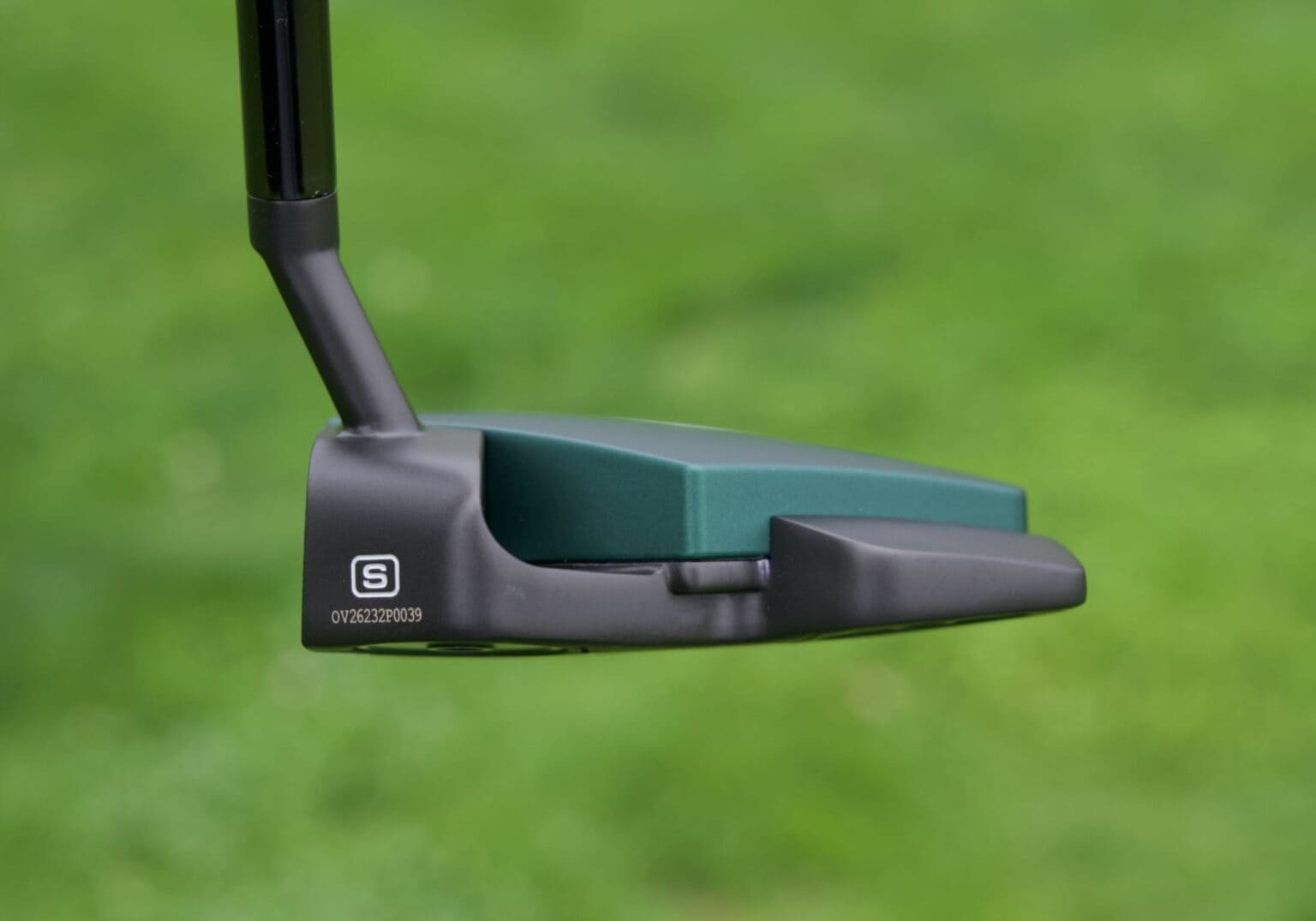
Odyssey didn’t make a cute turtle; they made Gamera
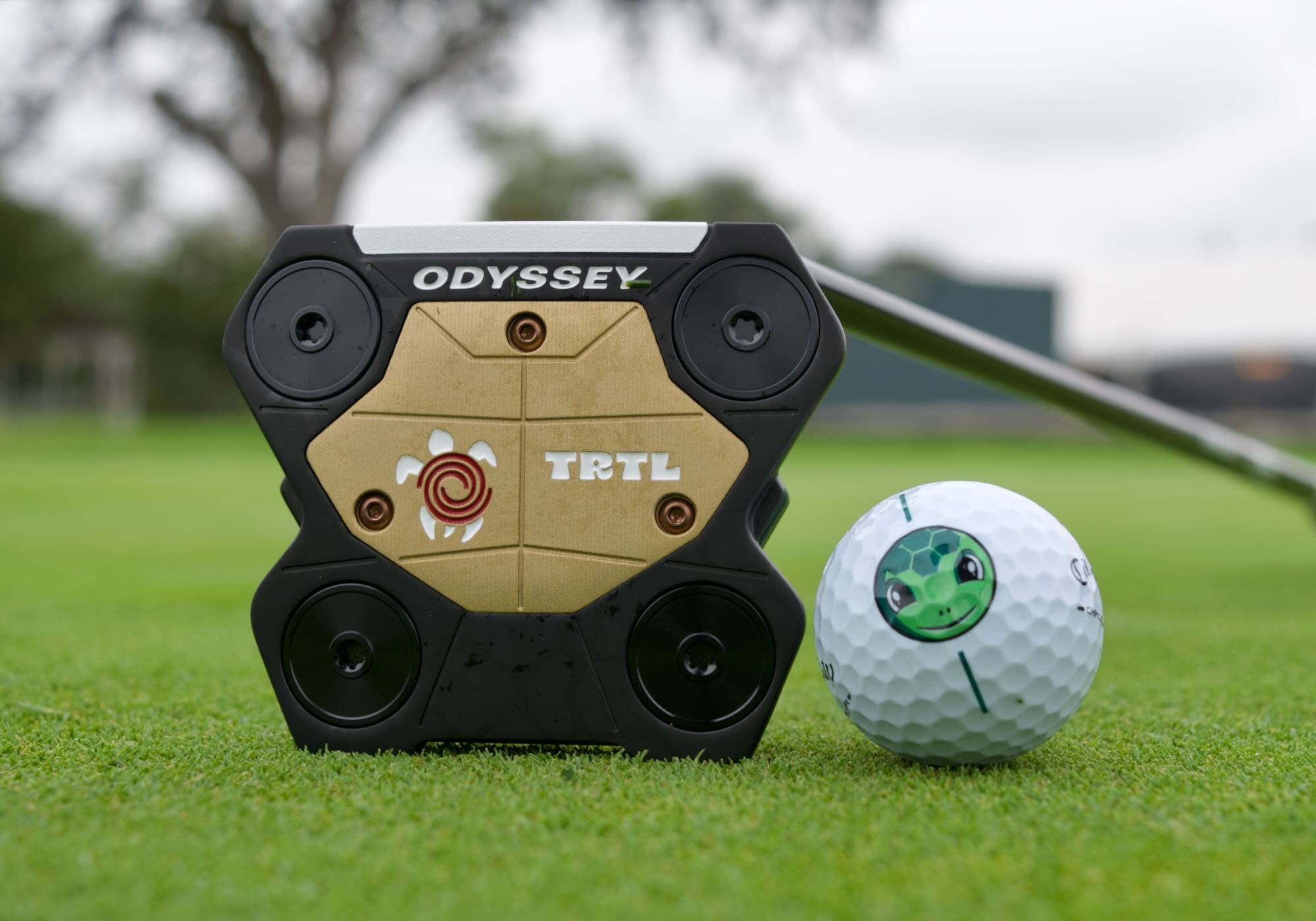
The Odyssey TRTL is going to be a big deal for the rest of 2026 and into 2027. That’s not really an outlandish statement since it is already the top seller in Japan. That said, I still believe Odyssey has created a monster.
My inner David Attenborough voice keeps saying this sentence:
“Odyssey couldn’t anticipate the full impact of releasing the TRTL into the ecosystem.”
Based upon my conversations with them, I think Odyssey knows they have caught lightning in a bottle with the TRTL.
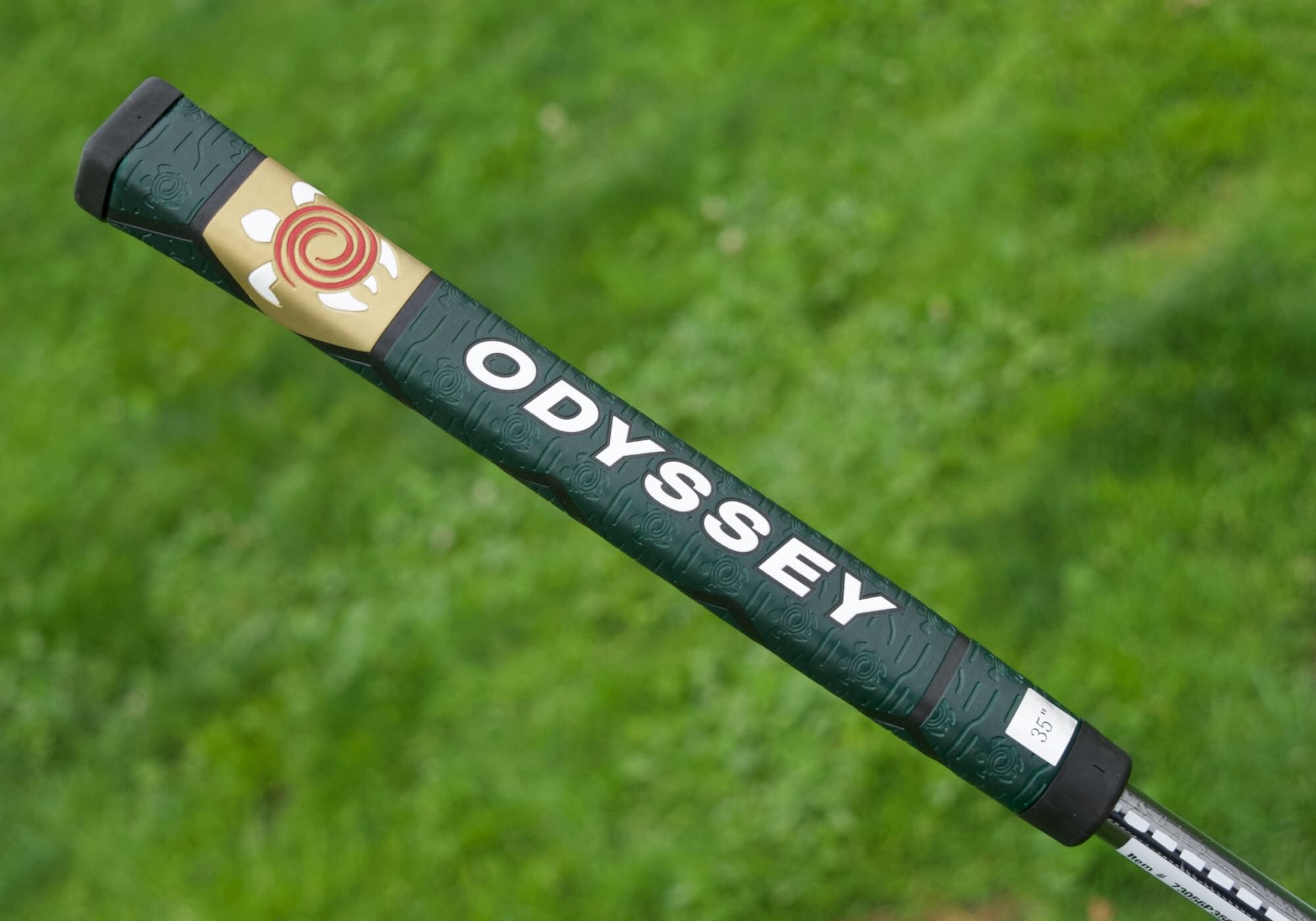
They needed to. Odyssey has been the #1 Putter on Tour™ for a long time but the TaylorMade Spider is gobbling up a bit more Tour usage and market share each week.
Think about it this way: When was the last time you noticed an Odyssey putter on the PGA Tour? How does that compare to the Spider?
Not to be mean but Odyssey’s last “it” putter was a counterbalanced Jailbird from 2013. They need a new hot flatstick.
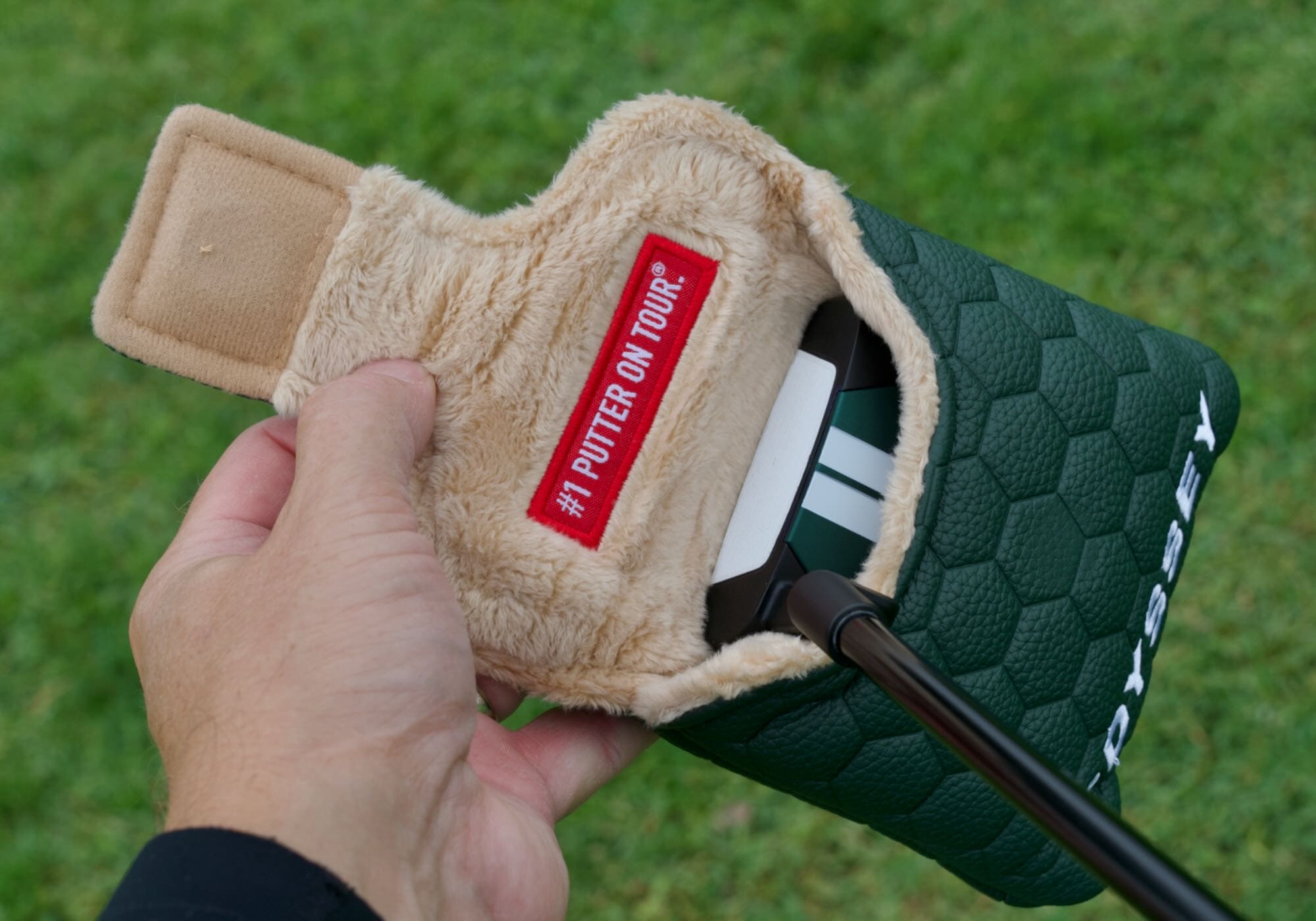
In nature, a turtle has no problem eating a spider. It will be interesting to see if the same thing happens on Tour and in your local putter corral.
The four Odyssey TRTL models will be in shops and online on Nov. 6. The three non-S2S models will be $349.99 with the Max S2S being $399.99.
Find out more about the new Odyssey TRTL putters at Odyssey.CallawayGolf.com.





Leave A Reply