



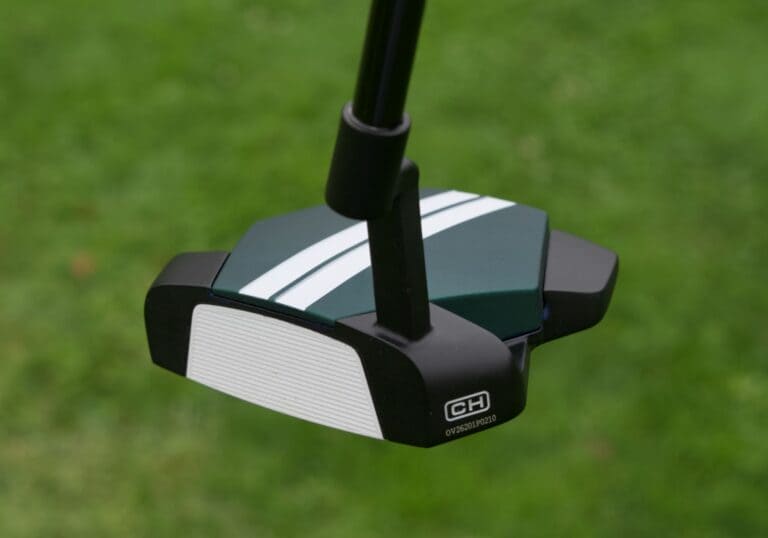
This was a great year for putters. There were a whole bunch of new models released. It seemed as if there was a new putter release every week.
Some weeks, I spent more time writing about putters that I spent rolling balls with them.
If I got overwhelmed with the number new of putters in 2026, I can only imagine how the casual putter enthusiast felt.
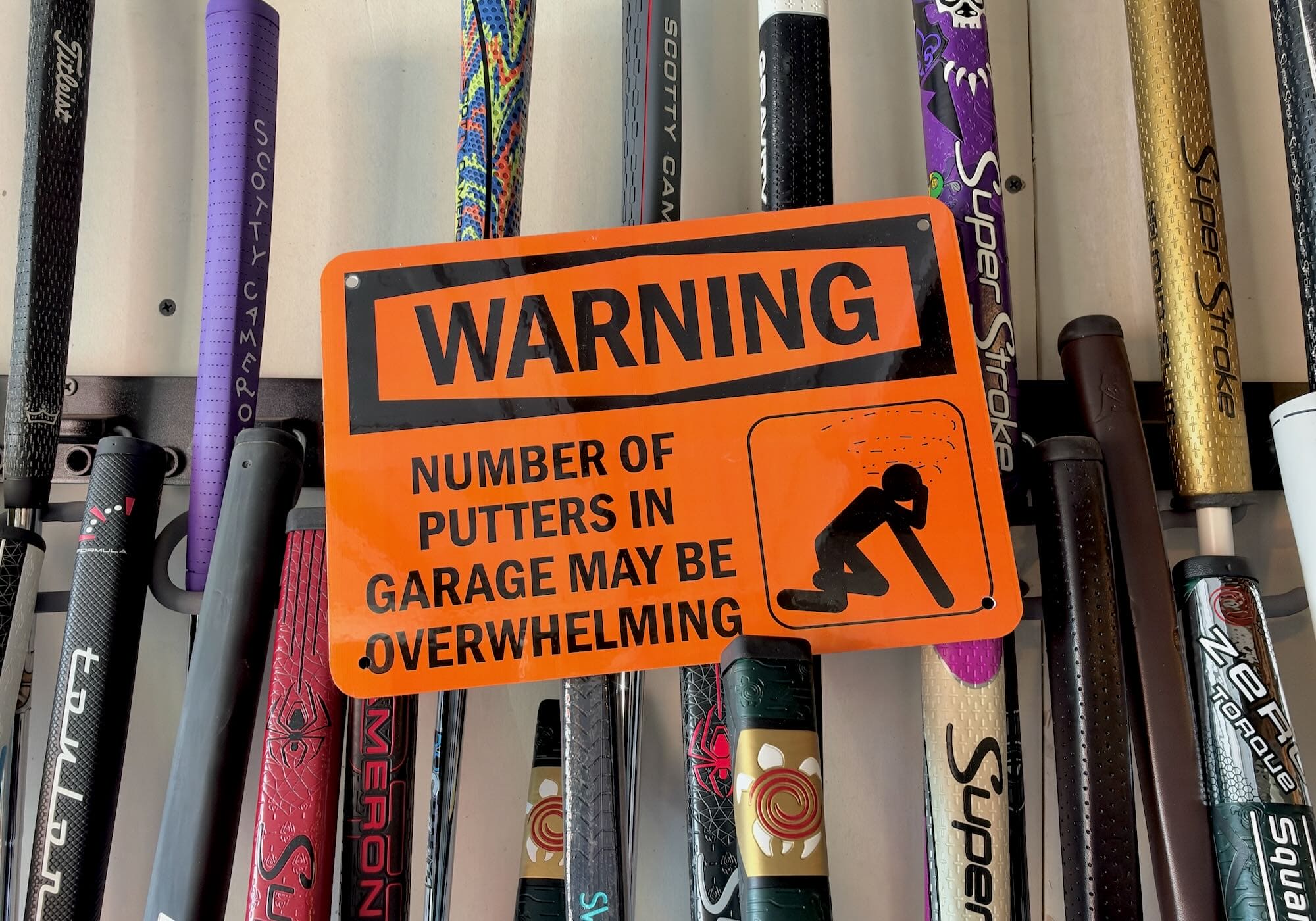
No doubt, some approached the expansive putter corral in their local shop with the same anticipation and trepidation that comes with seeing a Las Vegas buffet for the first time.
With so many choices, how can you possibly know where to start?
(I avoid the seafood options but that is just me.)
Well, my potential putter purchaser, let me help you to navigate the chafing dishes overflowing with delicious milled-metal options. There are so many good choices this year.
Rather than talk about specific 2026 putters, I want to point out what I think are the most important putter design breakthroughs this year.
Breakthrough #1: Zero-torque putters don’t need to be ugly
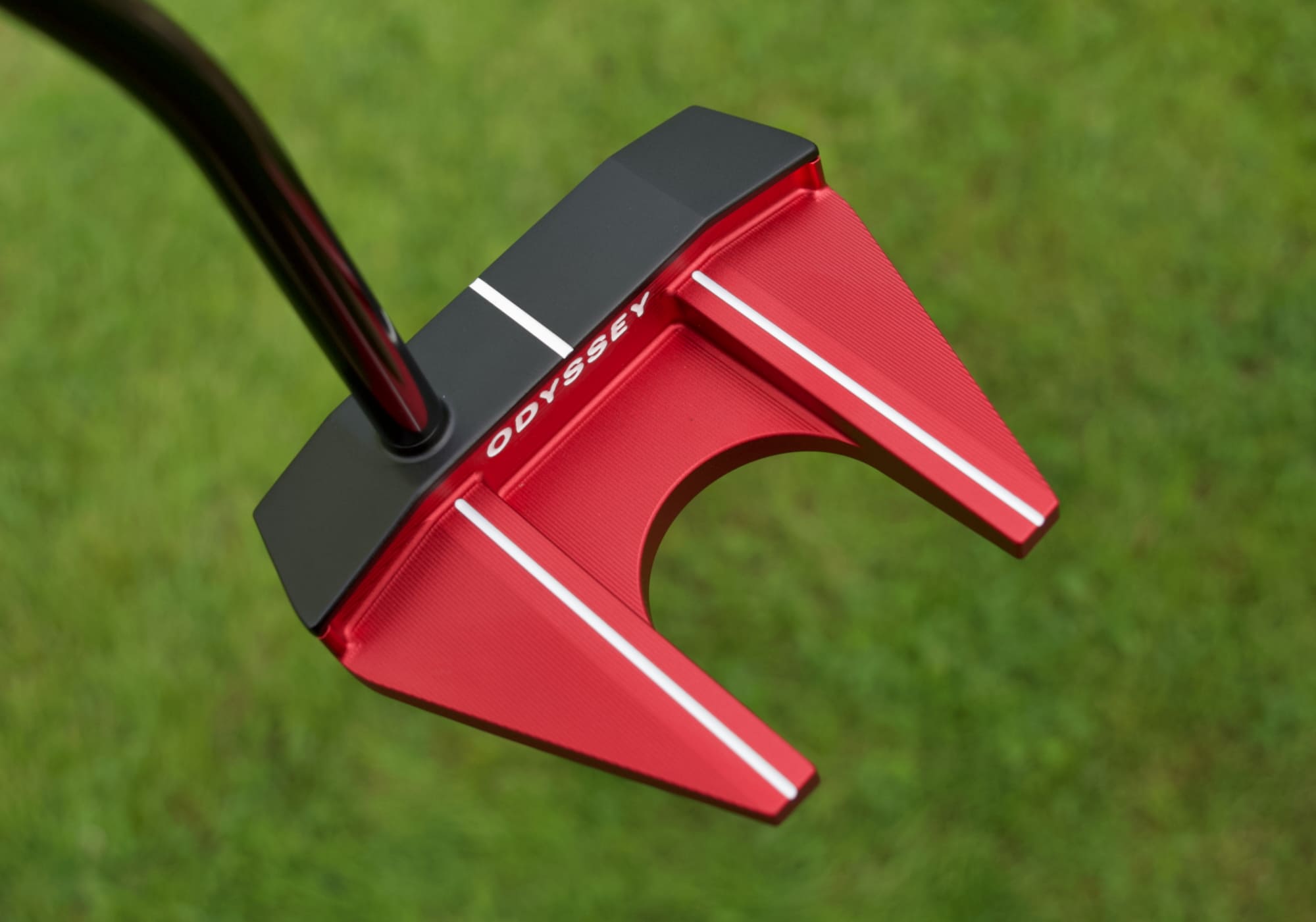
It’s not surprising that zero-torque putters were still hot in 2026. The customer base for zero-torque putters moved from the enthusiast to the regular golfer.
Companies figured out how to make zero-torque putters look like traditional putters. You may say that equates to making them “less ugly” but that seems overly judgmental of the “unique-looking” putters which blazed the trail for zero-torque technology.
Regardless, there were numerous examples this year of companies figuring out how to embed the assistive zero-torque technology into a more attractive shape.
Here are a few examples.
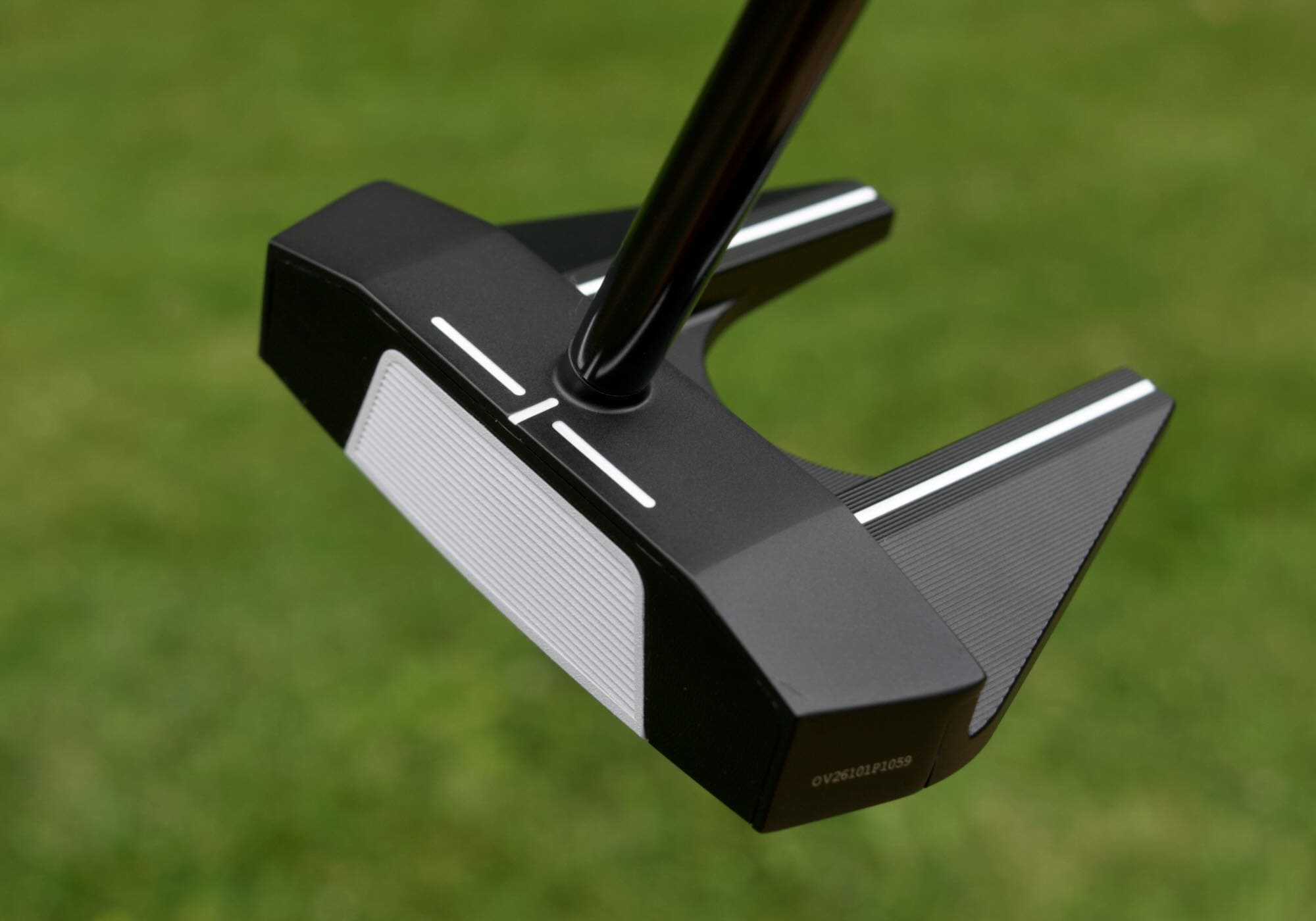
Odyssey took a giant aesthetic step forward by moving the shaft from their original onset middle location to the more traditional front area. If you didn’t know better, you’d think the Odyssey TRI-HOT Square2Square SB putters were just run-of-the-mill mallets.
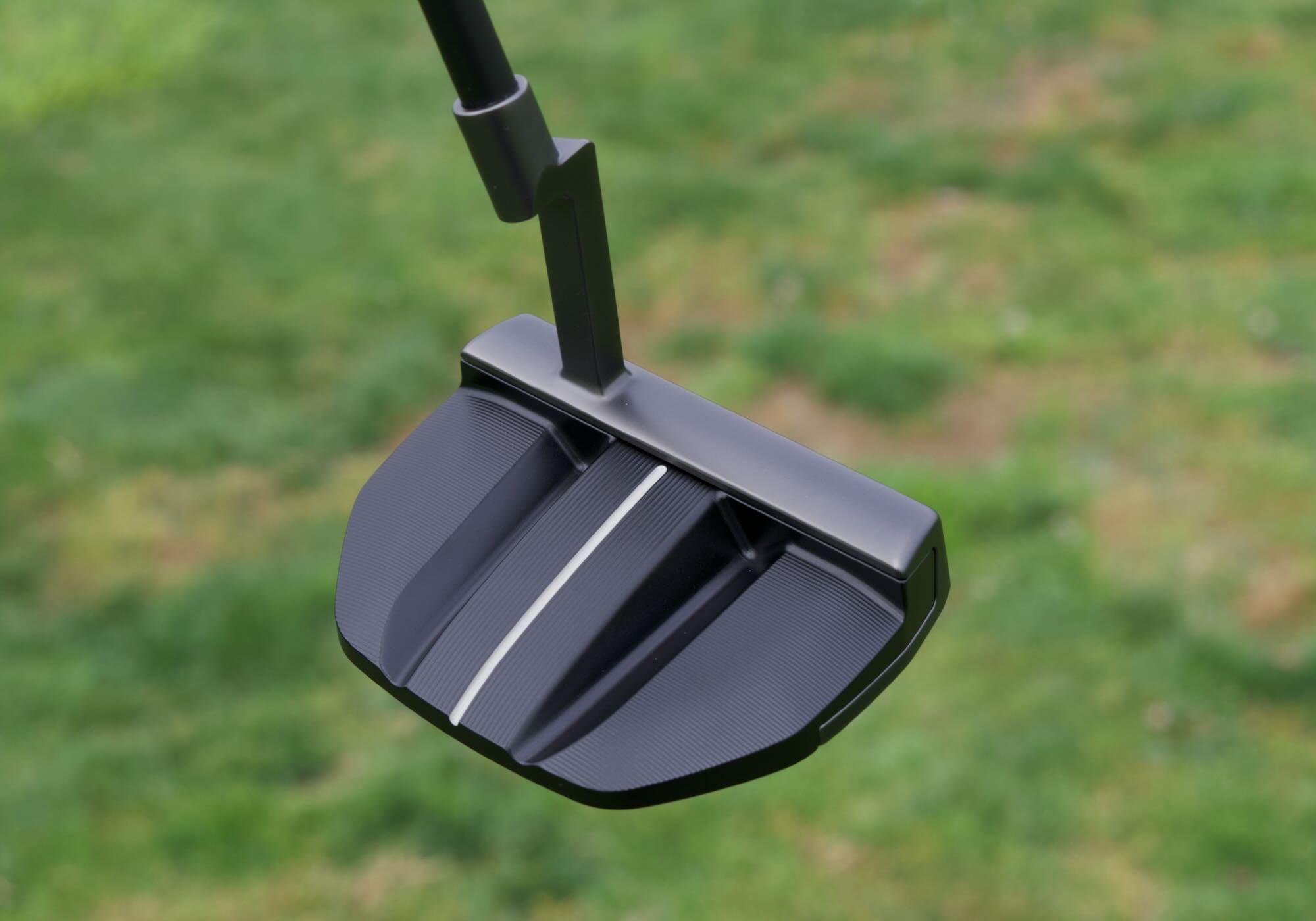
Other companies, such as EVNROLL and Mizuno, developed novel hosel designs to make the zero-torque elements less overt.
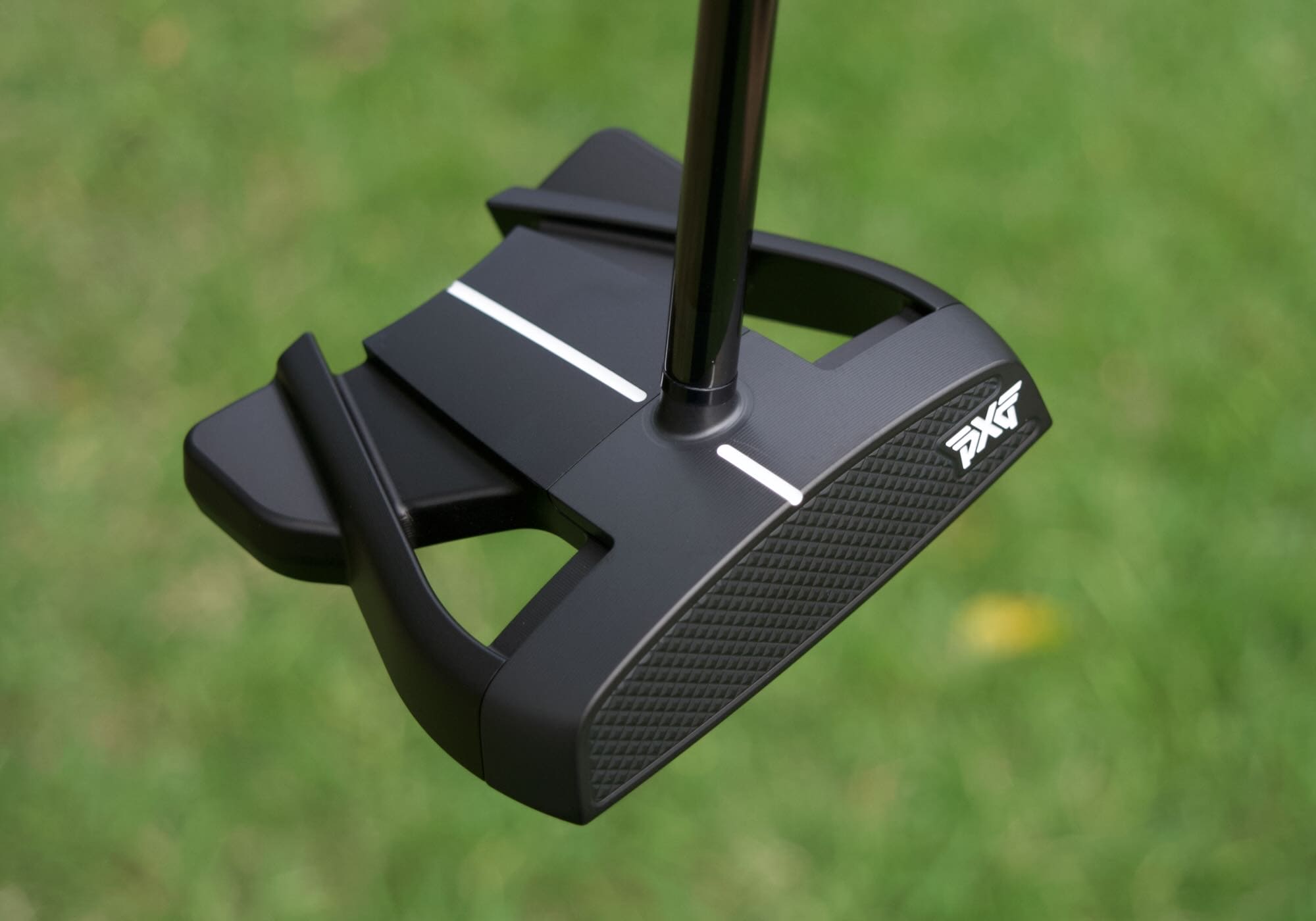
PXG stuck with their onset shaft design but the One&Done ZT and the Torpedo ZT are handsome mallets. The Torpedo ZT, in particular, is a master class in balancing design and aesthetics.
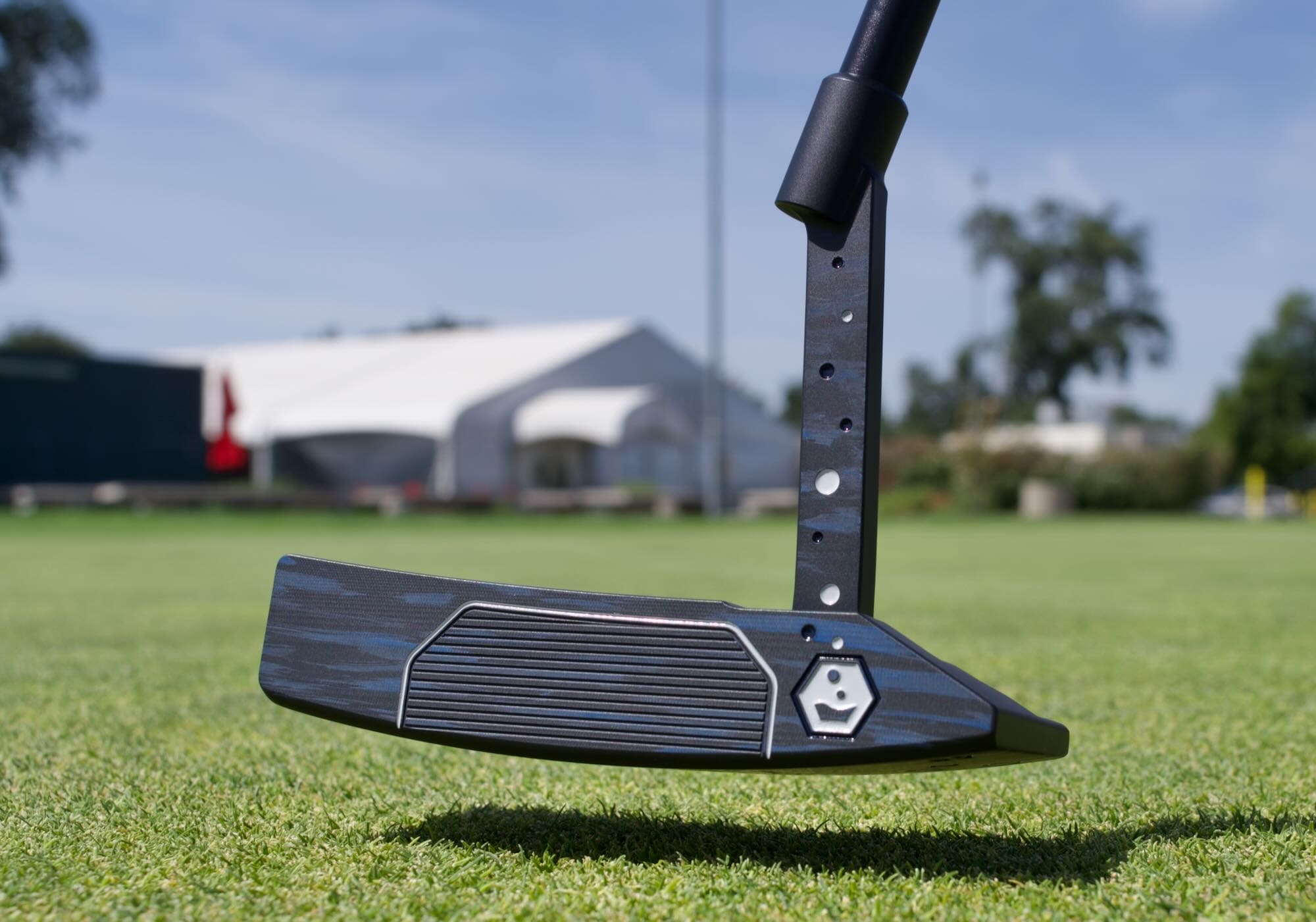
Bettinardi and Scotty Cameron released zero-torque models that maintained the expected look and feel customers expect from these boutique putter brands.
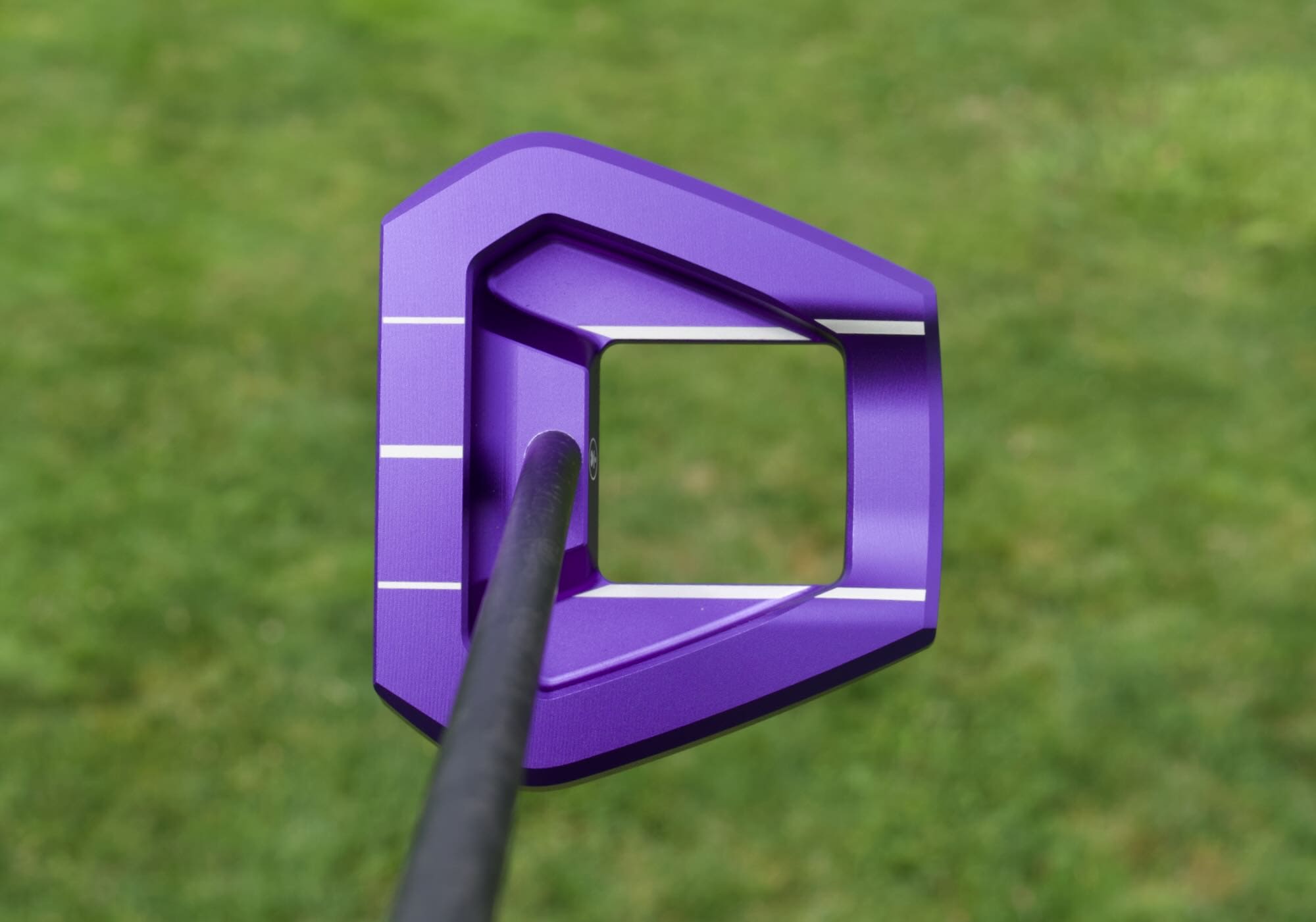
Even L.A.B. Golf, the company that started the zero-torque frenzy, released two models that pushed the looks needle way closer to normal.
The VZN.1i, Mezz.2i and LINK.2 blades are all still Lie Angle Balanced but somehow L.A.B. incorporated their technology into radically typical shapes. (At least, compared to previous L.A.B. Golf putter shapes.)
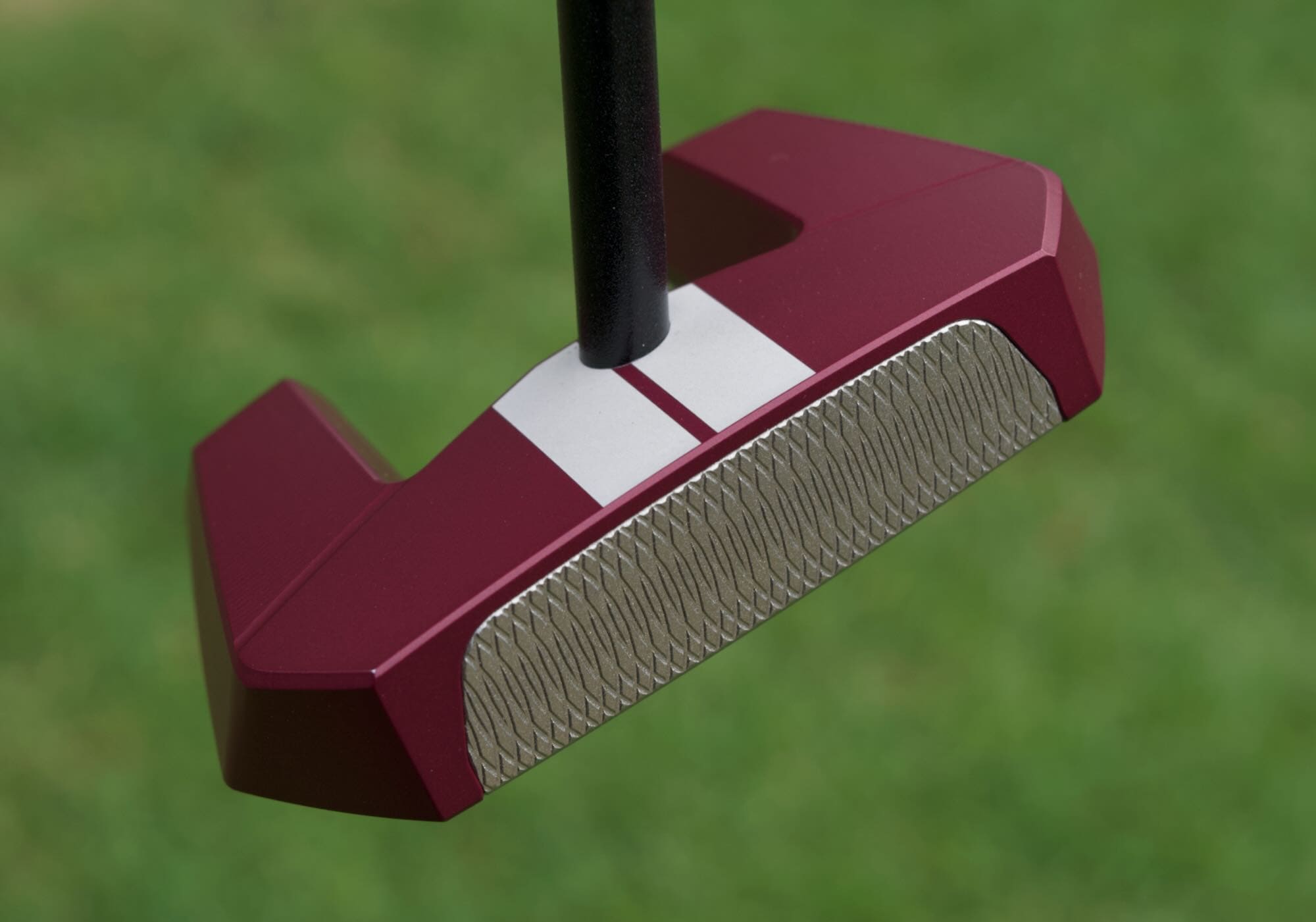
As you can see, there were numerous examples of more normal-looking zero-torque putters. Now more than ever, you can see if the zero-torque technology is right for you without needing to play a putter that is uncomfortable to look at.
Breakthrough #2: The evolution of the putter face

In 2026, we saw more new faces than one sees at the gym on Jan. 2.
Across the spectrum, companies rolled out new insert formulas and milling patterns. From improving roll to correcting for mishits, these contained new technologies to help you putt better.
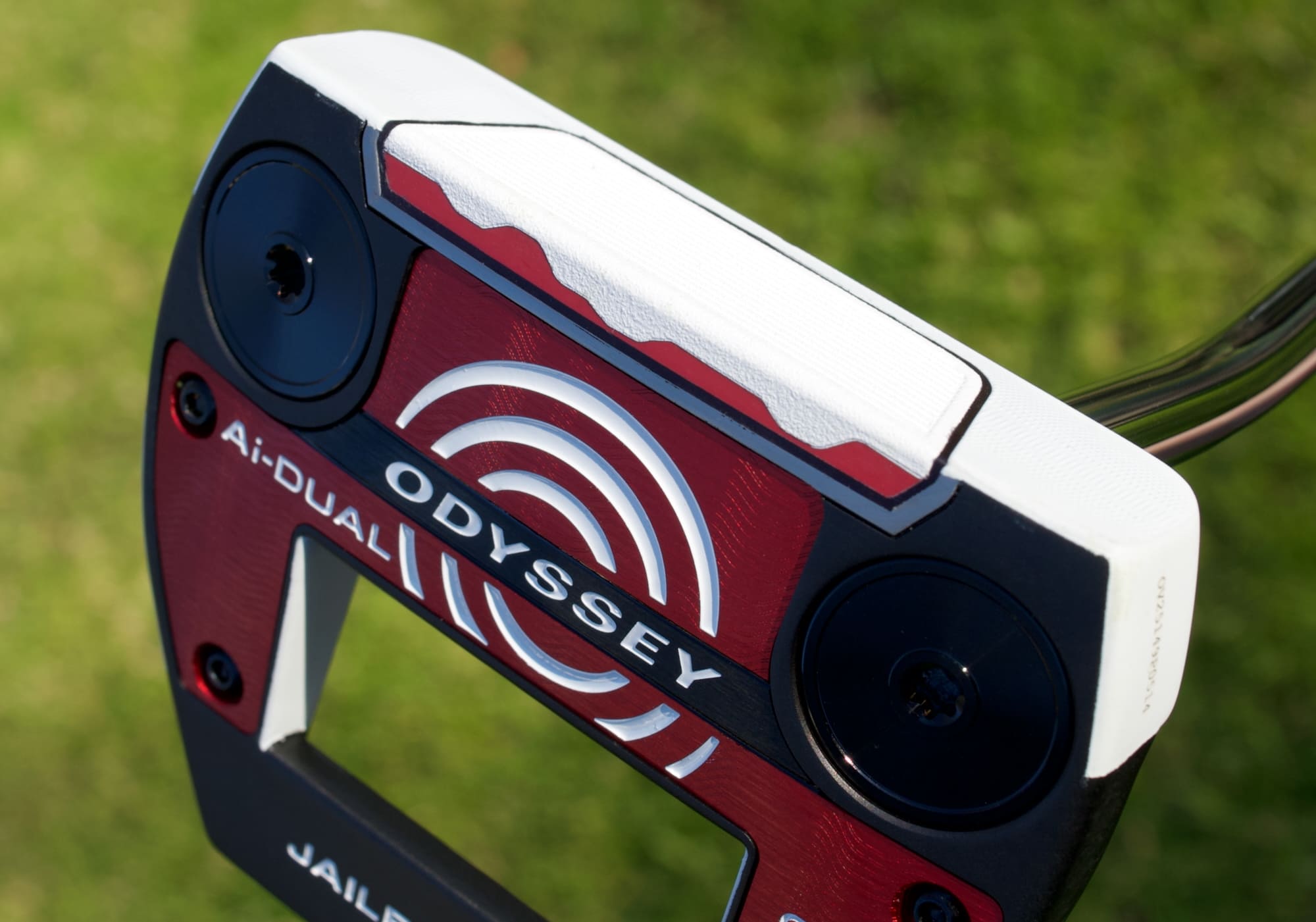
Let’s start with Odyssey again. While the Ai-DUAL insert officially launched in late 2025, it was the face present in their early 2026 releases. Odyssey followed up a second new face, the Ai-Star insert, when the TRTL putters debuted in late October.
Both of these inserts were built to promote better roll but I believe the TRTL’s Ai-Star insert will be the one with the lasting impact. This is an amazing insert. I typically prefer milled faces but the TRTL has been in my bag almost exclusively for the past month.
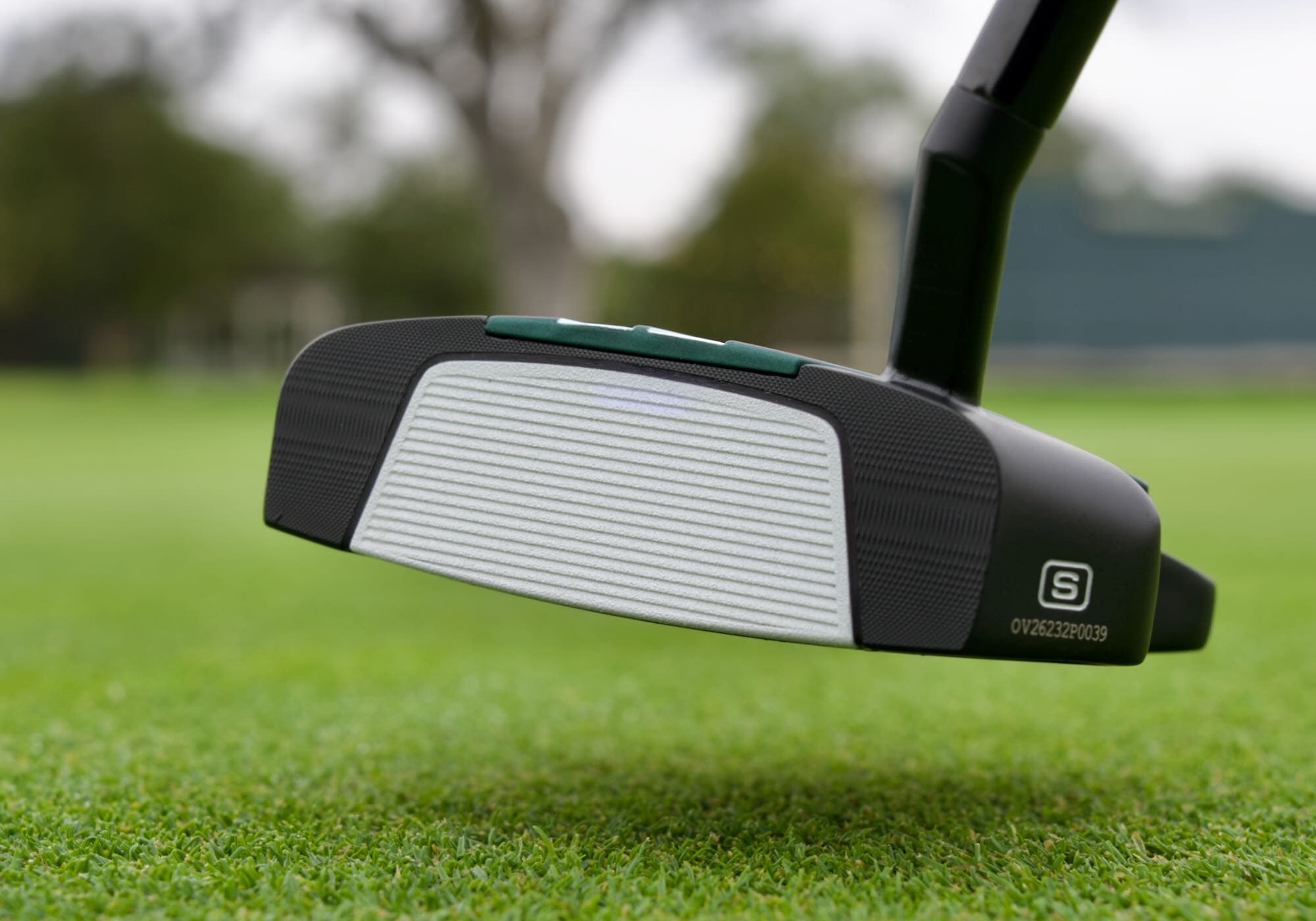
I believe the Ai-STAR is the best Odyssey insert since the classic White Hot insert. I’d rank the Ai-STAR above the White Hot.
Yep, I just said that.
Remember, too, that Odyssey’s Damascus Milled faces were also spectacular-looking and -feeling.
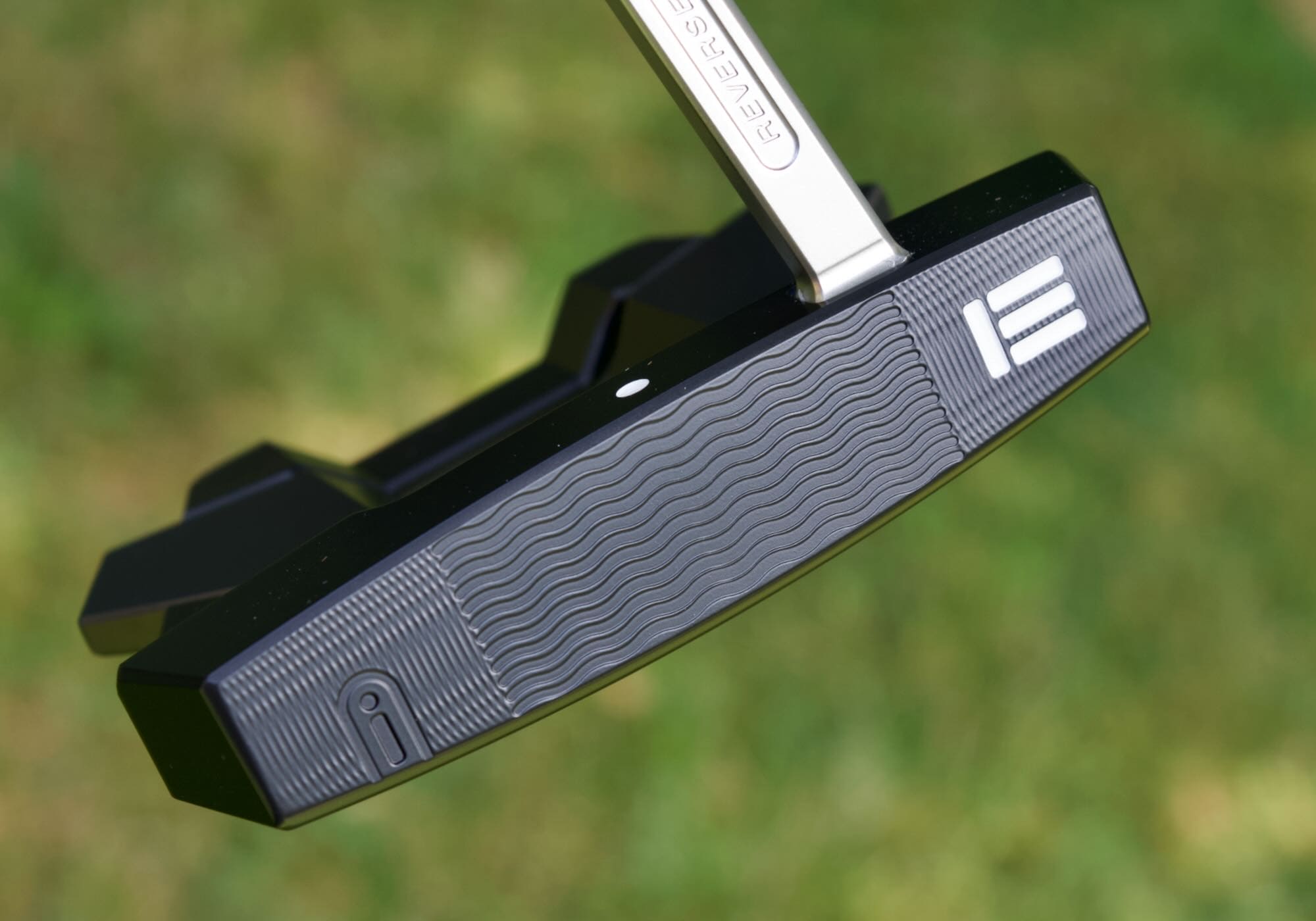
Milled faces were part of the 2026 makeover program as well. EVNROLL launched their SweetFace 2.0 milling pattern which still corrects for dispersion while also improving speed across the face.
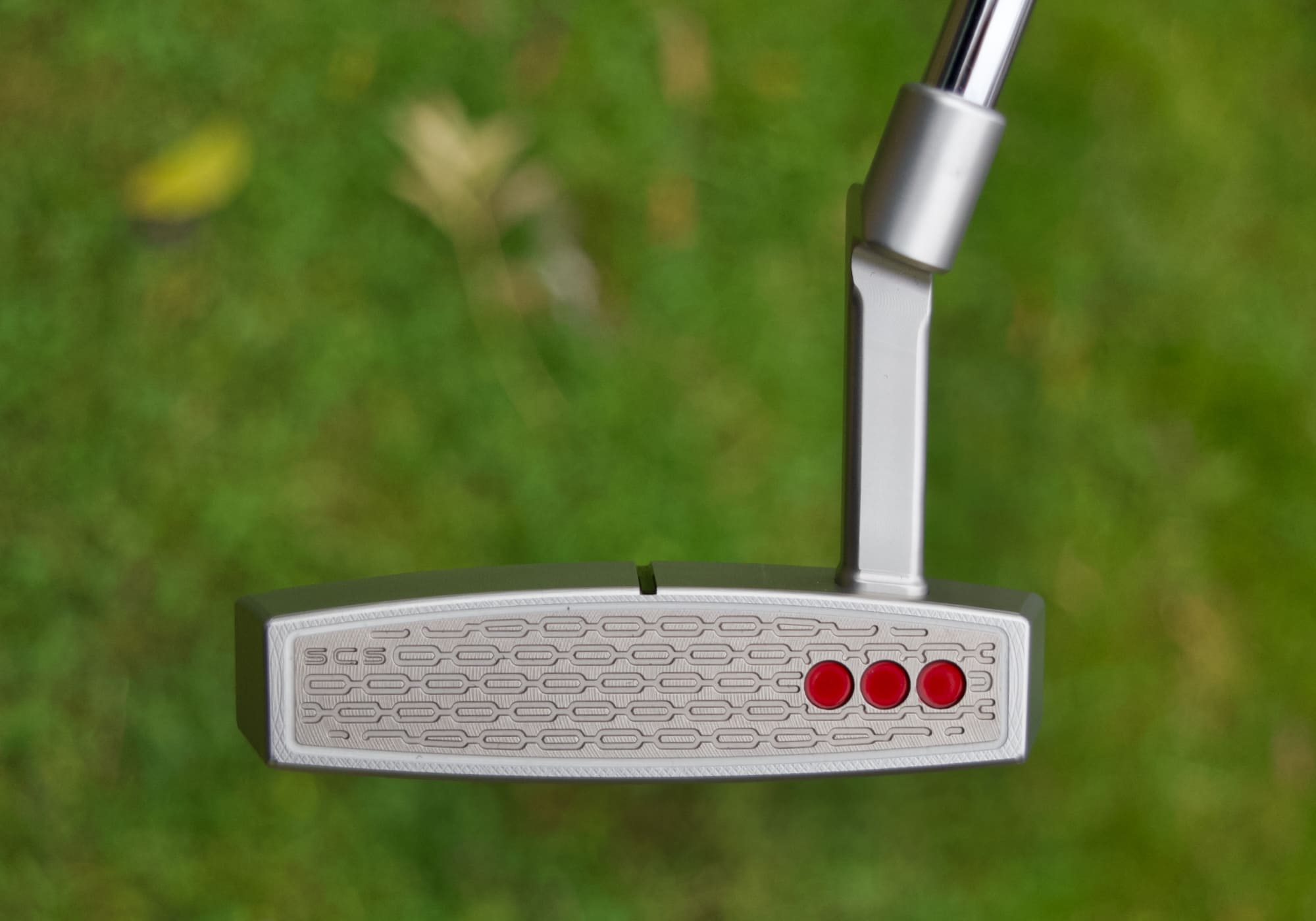
Scotty Cameron incorporated the Studio Carbon Steel face into their 2026 Phantom mallet line. I love the feel and performance of this face. The Phantom 7.2 with the SCS insert was one of my favorite putters of 2026.
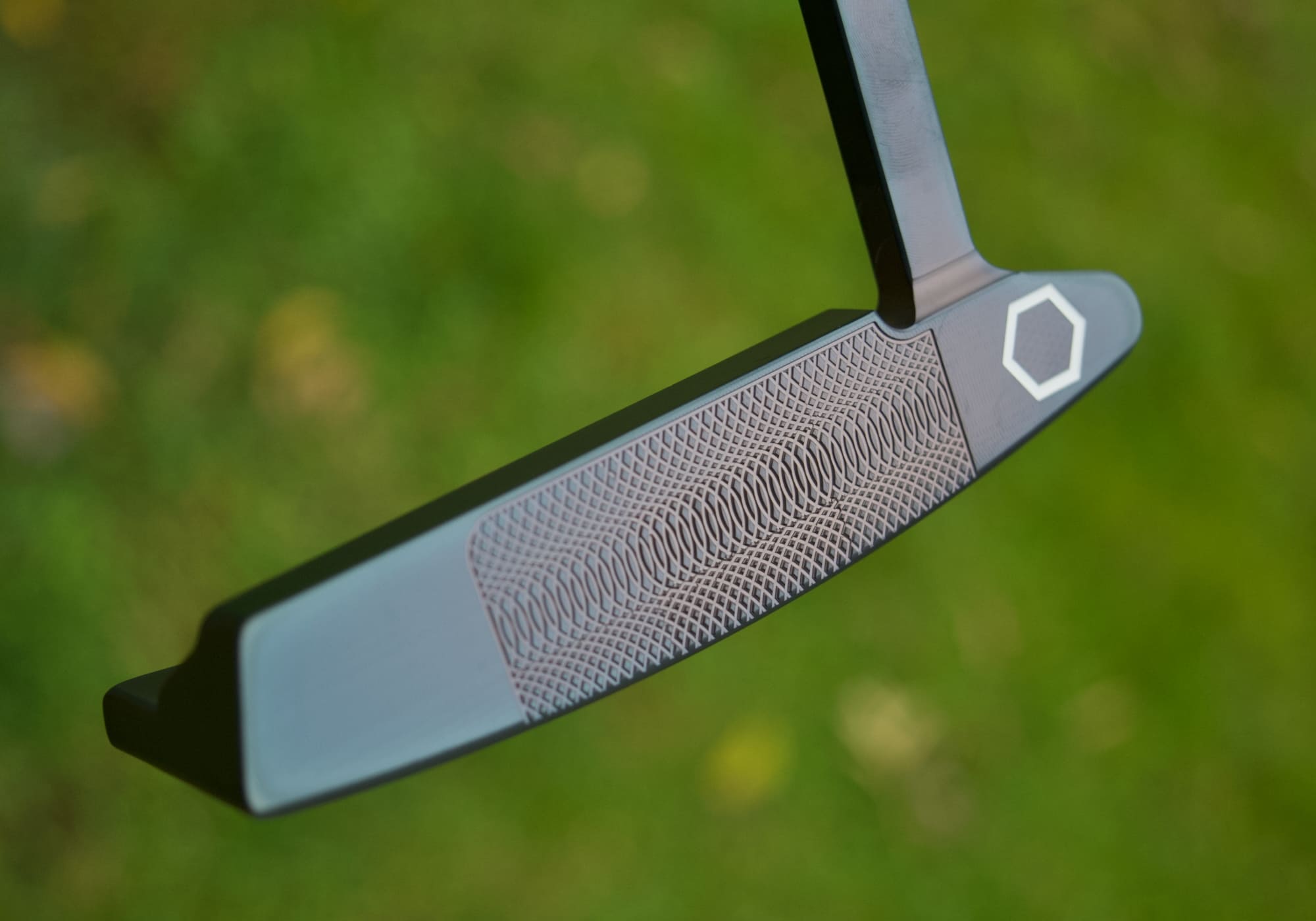
Bettinardi’s Variable Depth Flymill (VDF) face milling featured nine different milling sections and normalized speed and spin across the face. I’d say Bettinardi’s first- and second-place finishes in our 2026 Most Wanted Mallet competition tell you the technology works.
Breakthrough #3: Putter alignment gets scientific
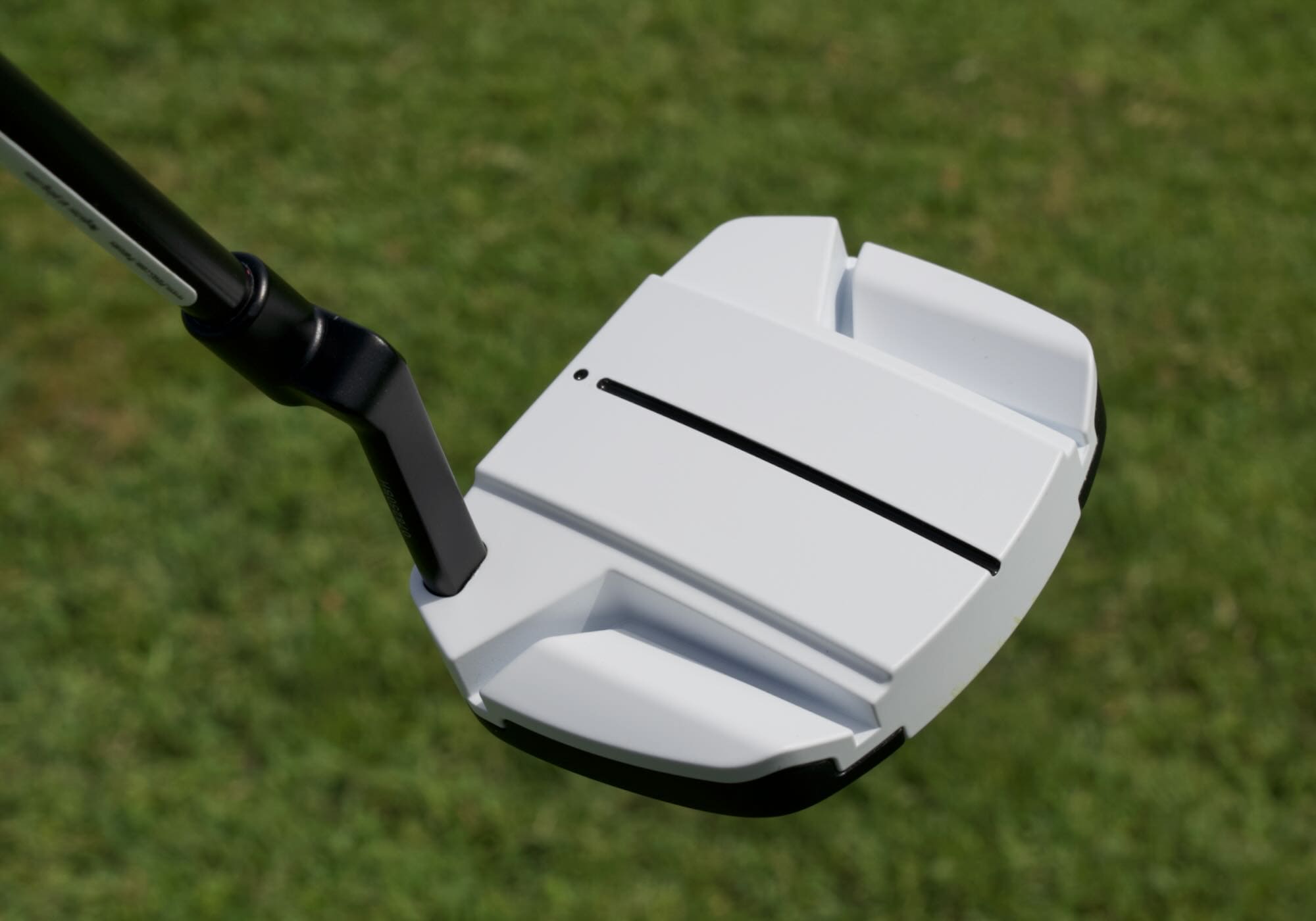
Scientifically diving into putter alignment technology was another big breakthrough in 2026.
Companies started really analyzing how the lines on top of the putter influence performance. For years, lines and dots were added to putters simply because they had always been added to putters that way.
Tradition dictated putter alignment designs. This year, technology took over.

The best example of this was PING’s Scottsdale TEC putter line featuring their Eye Q alignment scheme. PING used eye-tracking technology to develop a scheme that allows golfers to focus before firing. Just a few weeks after its release, Wyndham Clark used one to win the U.S. Open.
That seems to me like pretty solid evidence that putter alignment makes a difference.
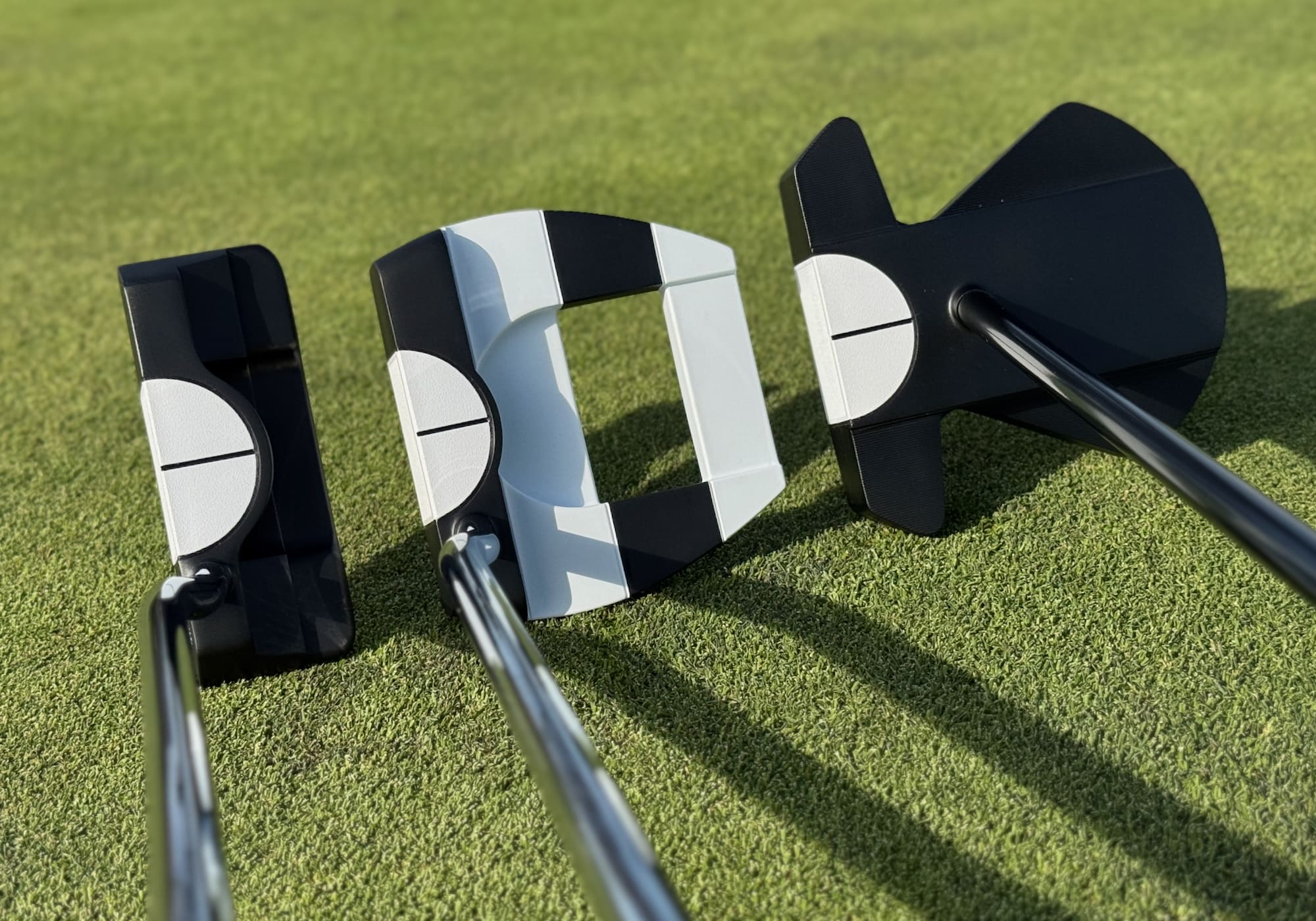
Odyssey’s ½ Ball system was another novel alignment design for 2026. Odyssey’s research determined that the combination of half a ball and a line at the front of a putter dramatically improved targeting.
It’s an interesting, and odd look, but so was the 2-Ball.
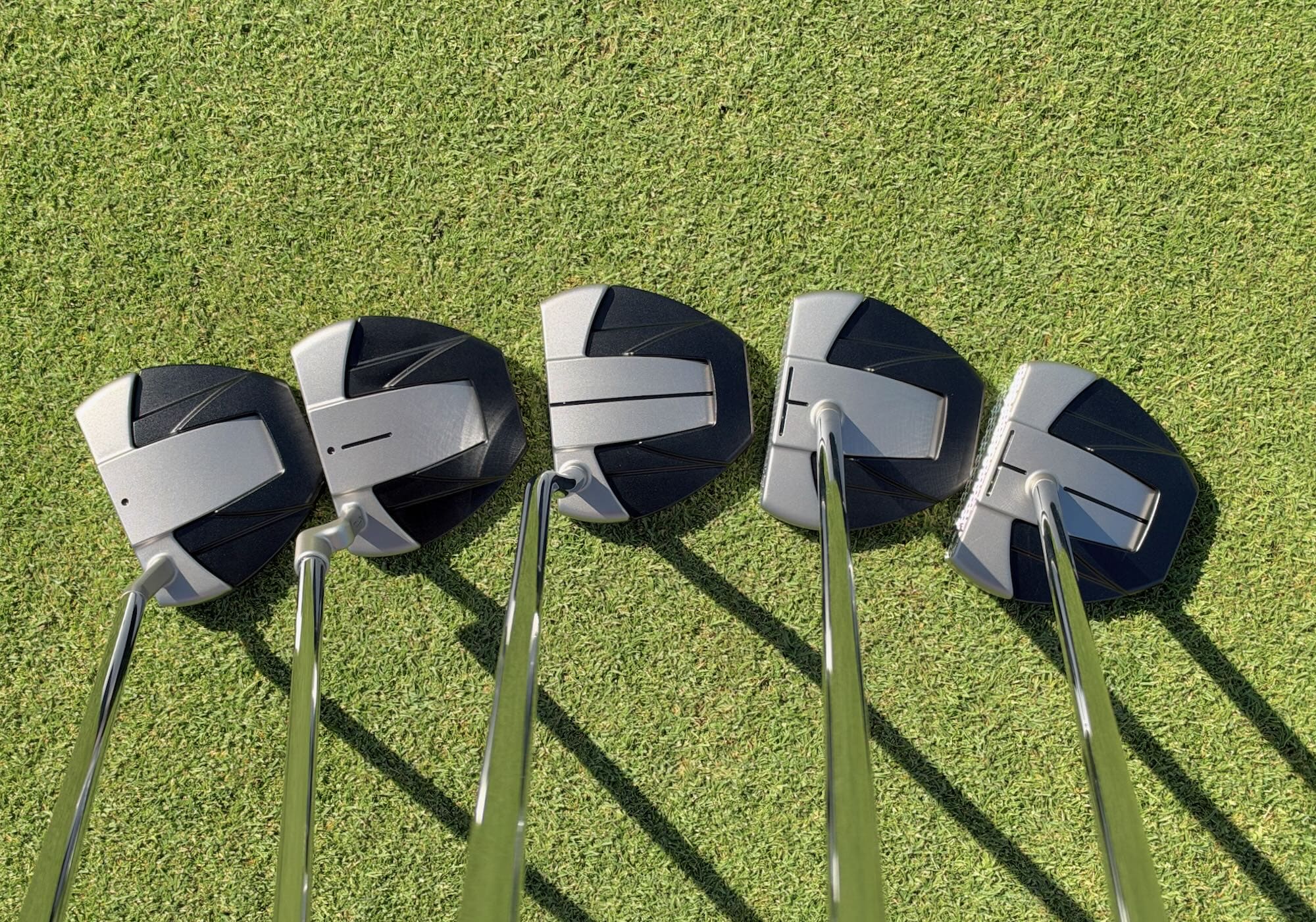
Toulon Golf’s Concept 59 Daytona Beach line explored the connection between alignment and toe hang. The key idea is that toe hang and alignment aid size should be inversely proportional. It was a novel concept to explore.
Could it be that a face-balanced mallet and the same mallet with a slant neck function better with different alignment schemes?
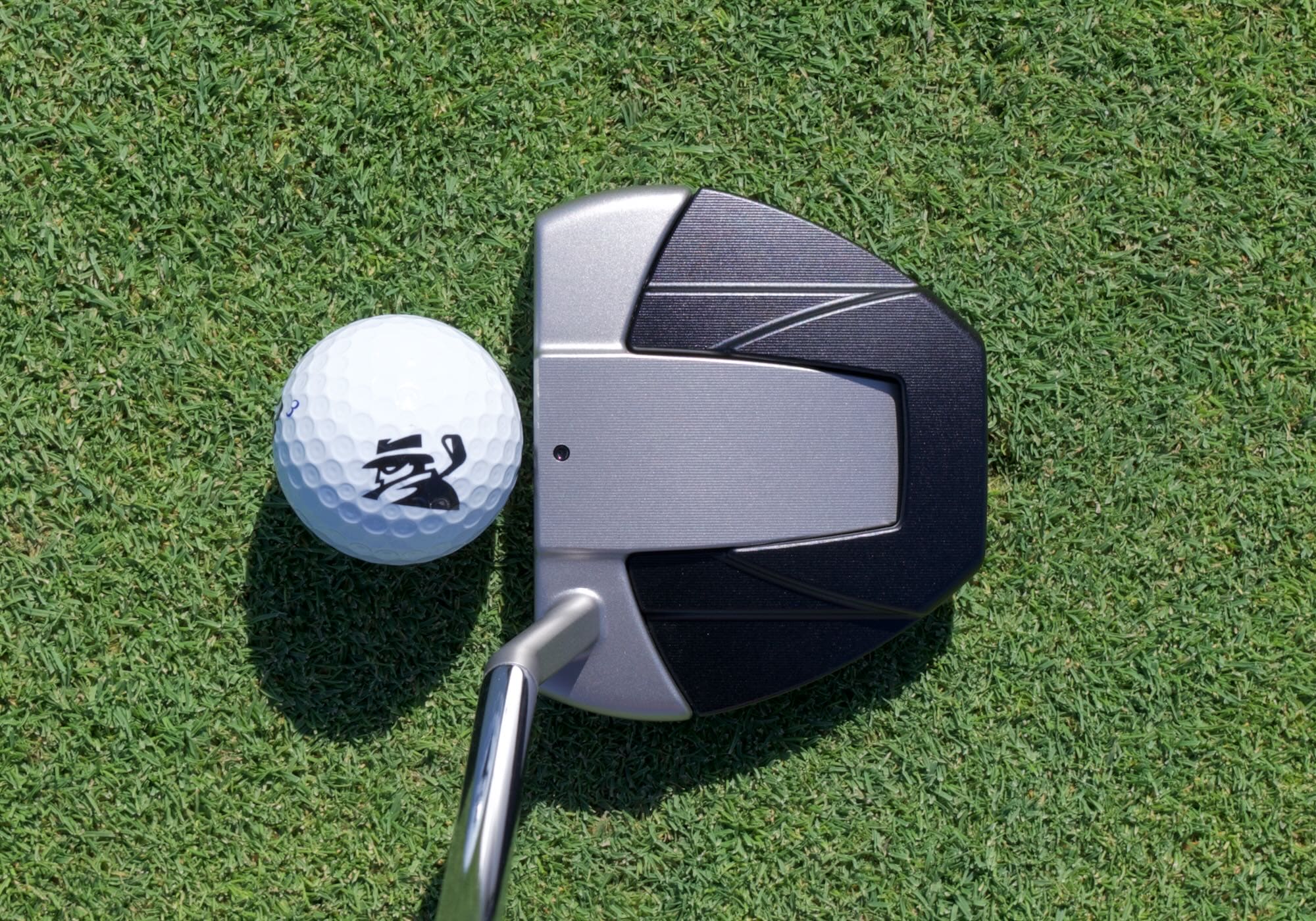
My testing won’t survive extensive statistical analysis but I do believe they could be on to something. If nothing else, my slant-neck Daytona Beach with a single sight dot is working quite well.
Move your putter decisions from overwhelmed to whelmed

Originally, my intention was to write something short to shine a light on the three key putter design elements of 2026. That way, you would have an idea what to look for if you are buying a new putter this holiday season.
While writing “something short” is not one of my strengths, this time the maximum verbosity was not my fault.
As I reflected on the putters of 2026, I kept finding more and more examples of these remarkable technologies. I have no doubt you can come up with some additional examples as well.
Naturally, having so many choices is a good thing, especially when said choices incorporate technologies that help us putt better.
With all of these putters and great design innovations, it’s wild to think that we are less than two months away from the big putter launches at the PGA Show in January.
Who knows what to expect there?








Leave A Reply