


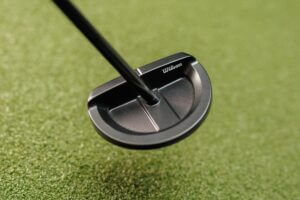
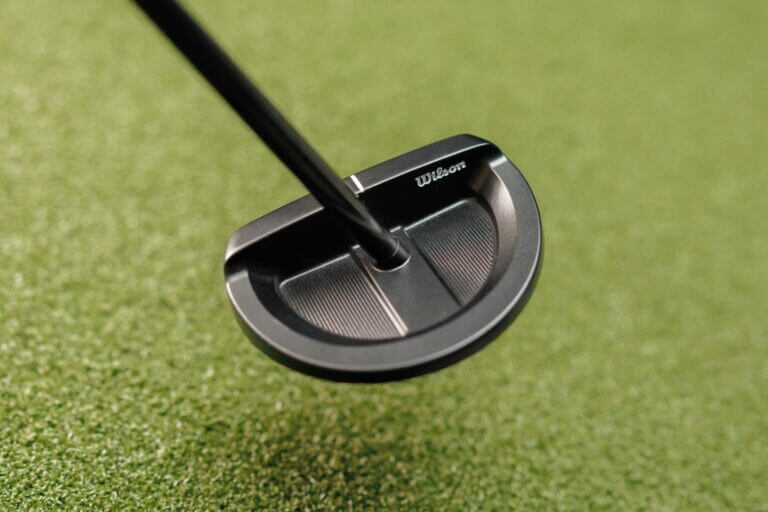
I’ll be the first to admit it: the results from our zero-torque putter testing compared to blades and mallets were overwhelmingly positive. So much so that I’ve got a zero-torque putter in the bag now, testing it after 20 years with a blade. More on that later.
But with all this talk about how great zero-torque putters are, I felt it was only fair to make sure it’s understood: these are not magic wands. In fact, some of the issues you’re having with your putting probably aren’t issues that a zero-torque putter can fix.
What matters most in putting
The putting stroke comes down to a handful of variables and they are not weighted equally.
Face angle at impact is the single biggest factor in starting direction.
Depending on which study you look at, face angle at impact accounts for somewhere between 83 and 95 percent of where the ball starts. The putter face being square (or not) when it meets the ball matters more than your path, your tempo, basically anything else combined.
The average amateur has a face angle error in the three- to-five-degree range. Good players get that down to around two degrees. Tour pros are closer to one degree.
Speed control probably matters more than you think, possibly more than line.
A putt with a slightly wrong line but the right speed finds the hole a lot more often than a perfectly lined-up putt with the wrong speed. We spend an enormous amount of energy obsessing over the read and comparatively little energy obsessing over speed.
Green reading is its own skill and most of us are worse at it than we think.
It’s generally agreed that amateur golfers under-read the break on a putt. The real skill in putting isn’t just seeing slope. It’s blending slope assessment, speed calibration and grain/surface reading and most amateurs lean almost entirely on seeing slope.
Where you hit it on the face controls your distance, separately from your line.
Miss the center of the face and you lose energy transfer. Where you hit the putt on the face is different from face angle. It’s still a major reason so many putts come up short.
The science behind zero-torque and what it’s built to fix
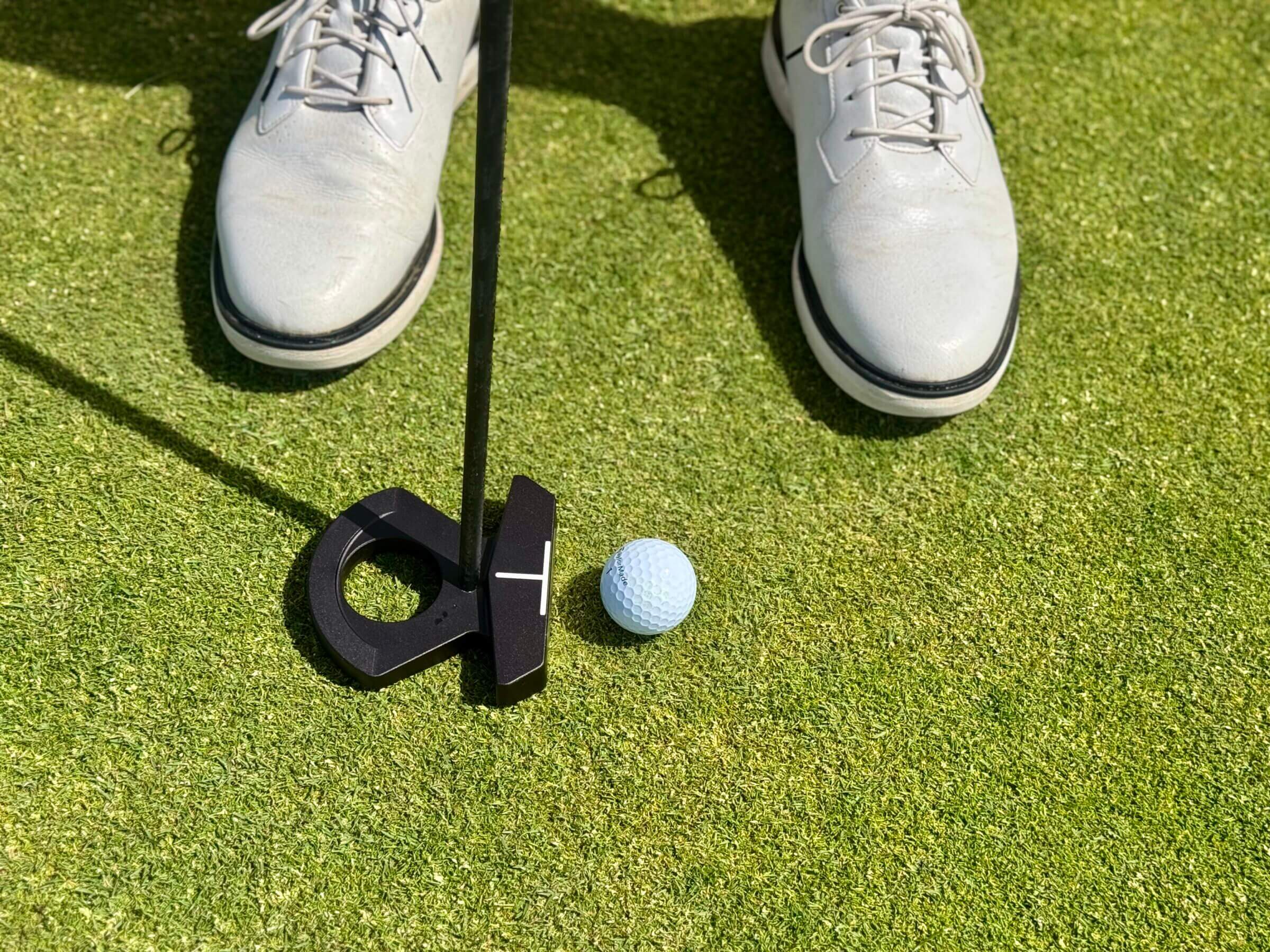
Every zero-torque putter on the market, regardless of brand, is chasing the same physics problem.
In a traditional putter, the center of gravity sits behind or below the shaft axis. That offset creates torque—a twisting force—as the putter moves through the stroke. That twist is what causes the face to open on the way back and close (or not) coming through impact. It’s why so many putting strokes require some form of hand manipulation to square the face.
Zero-torque design attacks that offset directly. By aligning the shaft axis almost straight through the head’s center of gravity, there’s very little twisting force generated during the stroke. The face doesn’t need to be manipulated back to square because it barely wants to leave square. It’s paired with high MOI, weight pushed to the perimeter of the head, which adds a second layer of stability, making the putter more resistant to twisting on off-center strikes.
For the right golfer, a zero-torque putter can meaningfully reduce face rotation through the stroke and tighten up start-line consistency, especially on off-center hits.
The important phrase in that last sentence is “for the right golfer.”
Zero-torque putters are, by design, best suited to golfers who already play with a minimal-arc or straight-back/straight-through stroke. The players who are already fighting to not manipulate the face will have the most success.
Some players, and that includes many tour pros, want to feel a putter rotate a little through the stroke.
What zero-torque doesn’t touch
The “just buy a zero-torque” concept does work for many golfers but I think it’s smart to look at what it is that makes you struggle on the putting green. These are things that zero-torque putters won’t fix.
- Your aim at address. Zero-torque reduces rotation during the stroke. It does nothing for a face that’s already misaligned before you ever take the putter back.
- Your green reading. No head design reads slope for you. A dead-square face delivered on a dead-wrong line is still a miss.
- Your speed control. Distance is governed by the length and tempo of your stroke, not by how much the head twists. Since pace arguably matters more than line for making putts, this is a huge chunk of the equation that sits completely outside what zero-torque technology is built to solve.
- A stroke-to-putter mismatch. If you have an arc in your stroke and force yourself into a face-balanced, zero-torque head, you’re potentially fighting the design.
- Mishits. High MOI helps keep the face from twisting on a toe or heel strike but it doesn’t eliminate the energy loss from missing the center of the face.
- Nerves. Reps. Feel under pressure. No putter, zero-torque or otherwise, replaces the hours on the practice green or the composure over a four-footer to extend a match.
Where that leaves us
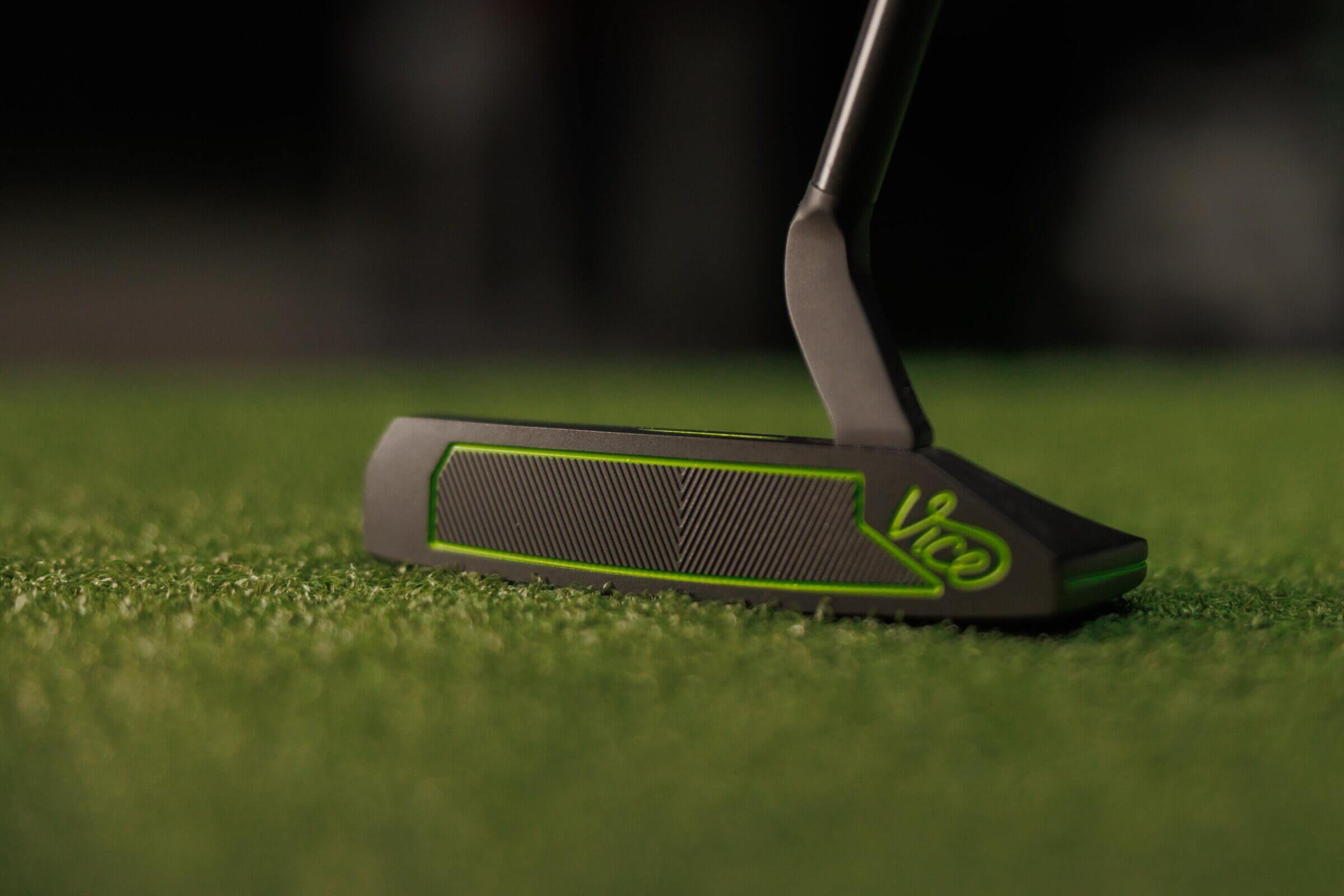
Zero-torque putters are engineered to solve one specific, well-defined problem: dynamic face rotation caused by torque through the stroke. For a certain kind of player, it’s a meaningful gain. But it’s one variable.
Switching from a blade to a mallet or from a mallet to a zero-torque head isn’t going to rescue a golfer who’s aimed wrong, reading greens poorly or leaving every putt six feet short. It might make you more consistent within whatever your current habits are. It won’t fix the habits themselves.
I’m testing the zero-torque right now, not because I think it’s the only way or the best way. I simply want to see if it helps improve my consistency because every putting stroke and every player are more inconsistent than they realize on the putting greens.






AJP
3 months ago
I recently received a zero torque putter to test. To begin with I’m 65, was an assistant pro back in the late 1970s & my current putter is (now was) a Taylor Made Spider EX that I was fitted for. Depending on how I’m putting that day I can shoot anywhere from 78 to 98 & when I tell people that they think I’m crazy then they see my swing & they think 78 was too high–until we get on the green & see me putt. Since I moved to Florida 20 years ago, I don’t think I’ve had less than 30 putts once but in NY if I had 30 putts it was a real bad day. I’ve shot as well as 78 on a course set for the PGA the next week but with 40 putts!
Now, on to my feelings of the zero torque putter–played 2 rounds with it. 1 at Black Diamond Ranch & another at TPC Tampa. Didn’t have a single 3 putt & I wasn’t chipping well those days so I had several long putts. My accuracy was significantly improved as just about every putt was within a couple of inches. Didn’t matter if there was a 10 foot break or 10 inches, the accuracy was perfect just sometimes I didn’t see a slight downhill which affected my speed & amount of break. After just 2 rounds with a putter that I have no idea the brand I’ve ditched my $250+ Taylor Made.