



I was lucky enough to play NCAA Division I college golf. If you gave me the chance to do it all over again, I would.
The travel, the team environment, the pressure, the practice … there is nothing quite like it.
But every once in a while, a story comes across my desk that reminds me just how much college golf has changed in the last 20 years.
The men’s NCAA championship wrapped up last week at Omni La Costa’s North Course in California, with Auburn taking down UCLA for the national title. The preparation behind the golf tournament was what caught my attention.
You can’t just show up early and learn the course
Teams are not allowed to get early access to the NCAA finals venue before the championship window. Under the NCAA’s current course access policy, players and coaches can’t play, practice or even walk the course ahead of time, outside of narrow exceptions. They still get the official practice round once they arrive but the old idea of scouting the course in advance is off the table.
In other words, you can’t exactly pull a Rory and make Augusta feel like your home course before the tournament starts.
When I played, preparing for a course you hadn’t seen meant a yardage book, maybe a conversation with someone who had played there before and a lot of educated guessing. You learned quickly once you arrived. You wrote down where not to miss it. You tried to figure out which holes fit your eye and which ones were going to make you uncomfortable.
Today, there is much less guessing.
The new practice round happens indoors
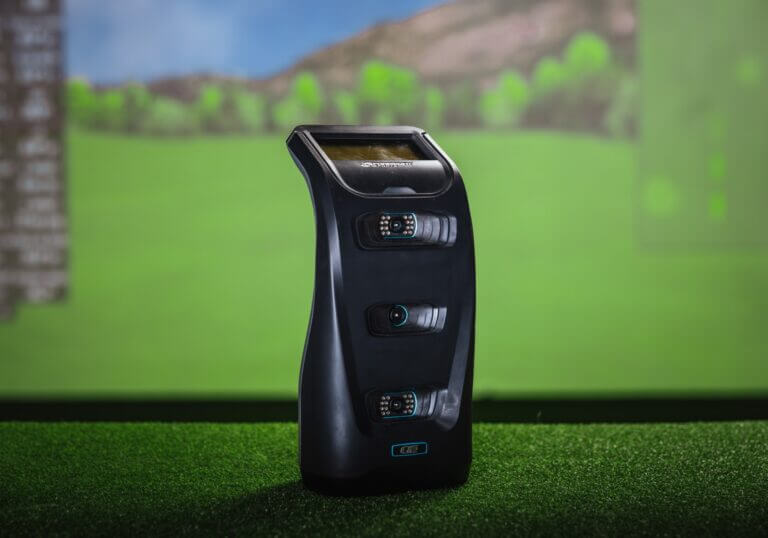
Programs are now using simulator technology and launch monitor data to prepare for golf courses they have not physically played.
Arizona, for example, used Foresight’s environmental simulation to adjust for the difference between practicing at roughly 2,500 feet of elevation and competing in Carlsbad’s heavier sea-level air.
A shot that flies one number at elevation can produce a very different number at sea level. For college players trying to win a national championship, guessing wrong by even half a club matters.
The other piece is course mapping.
Foresight-outfitted simulators had La Costa North digitally available, allowing players to log virtual rounds before their official tournament. They could see tee shots, approaches, landing areas, green complexes and trouble spots without violating the access restriction.
That is a very different kind of preparation than the one I remember.
Technology still can’t hit the shot for you
I don’t think this makes college golf easier.
It makes the preparation smarter.
There is still no technology that can hit the shot for you. You still have to stand on the tee, deal with nerves, pick a target and commit. Pressure does not care how good your simulator session was when on-course conditions come into play.
Players can arrive with a better understanding of how far the ball should fly, what the course asks of them and where they may need to play more conservatively. Coaches can start building a game plan before the team ever gets to the property. Yardage control, course management and environmental adjustments are no longer things that have to wait for the official practice round.









CA
5 months ago
I’d think the push carts would be the biggest difference :). The quality of college golf is pretty amazing. I played a round last year with a young lady who plays for a D II school. She’s typically part of their “B” team and was an awesome player. I can only imagine what a round with a leading D I player would be like.