


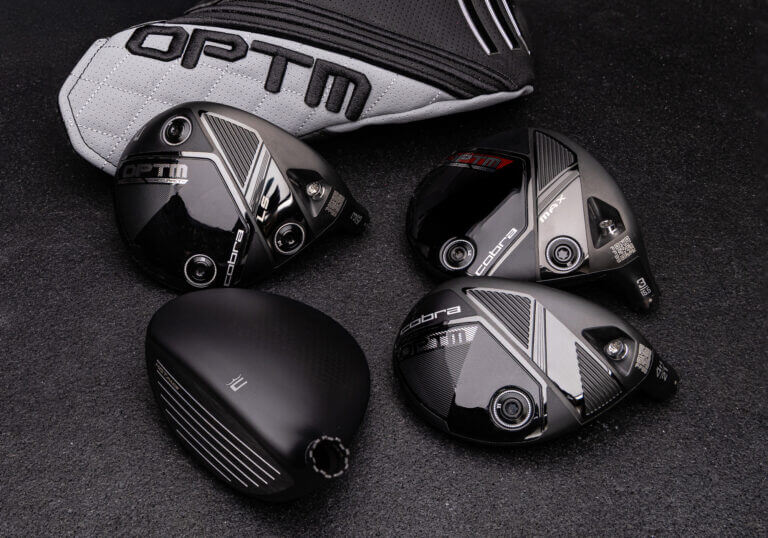
With COBRA’s new OPTM metalwoods, the headline technology isn’t carbon, titanium, AI faces or tungsten. It’s POI.
And if your immediate reaction is, “Cool. Wait. What the hell is POI?”, you’re not alone. Hold, please.
We’ve all become fluent in MOI (moment of inertia) over the past several years. Most OEMs now offer at least one ultra-high-MOI or “10K” driver and the conversation around forgiveness has largely been reduced to a single number. Bigger number = straighter shots. Simple enough. Not so fast, my friends.
COBRA’s argument is that MOI—specifically, combined MOI—doesn’t tell the entire story. They may be on to something.
MOI versus POI (and why accuracy isn’t just about resistance)
At its most basic level, inertia is resistance to angular acceleration around a given axis. In practice, when you miss the center:
- Toe strikes want to open the face
- Heel strikes want to close it
- High strikes rotate the face backward, increasing launch
- Low strikes do the opposite
MOI tells us how resistant the club is to those movements around the primary X and Y axes. But what it doesn’t fully explain is how the face behaves during the swing—specifically, how it twists and rotates through impact.
That’s where POI (product of inertia) comes in.
POI lives in the Z-plane. It’s a measure of how the face behaves relative to twisting forces during the swing. Lower POI values allow for more natural clubhead rotation, which—at least in theory—results in straighter shots and tighter downrange dispersion.
Loosely speaking, MOI is about stability. POI is about control.
And COBRA contends that accuracy is the product of both.
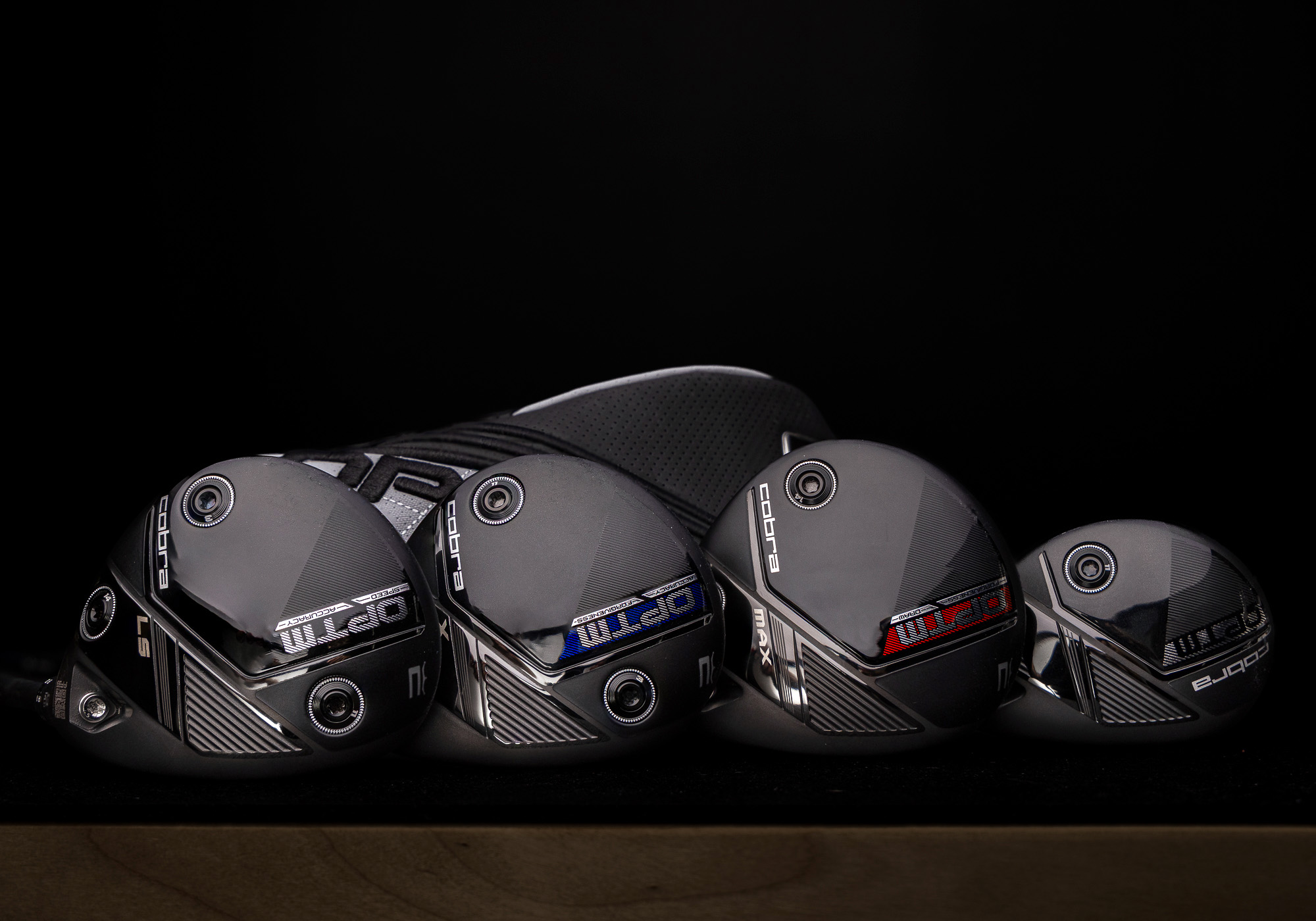
COBRA OPTM Fairways: Familiar tech, reframed priorities
The OPTM fairways carry over several familiar COBRA technologies:
- FutureFit33 hosel – independent loft and lie adjustment with 33 settings. Frankly, every OEM should offer something like this.
- Adaptive POI weighting
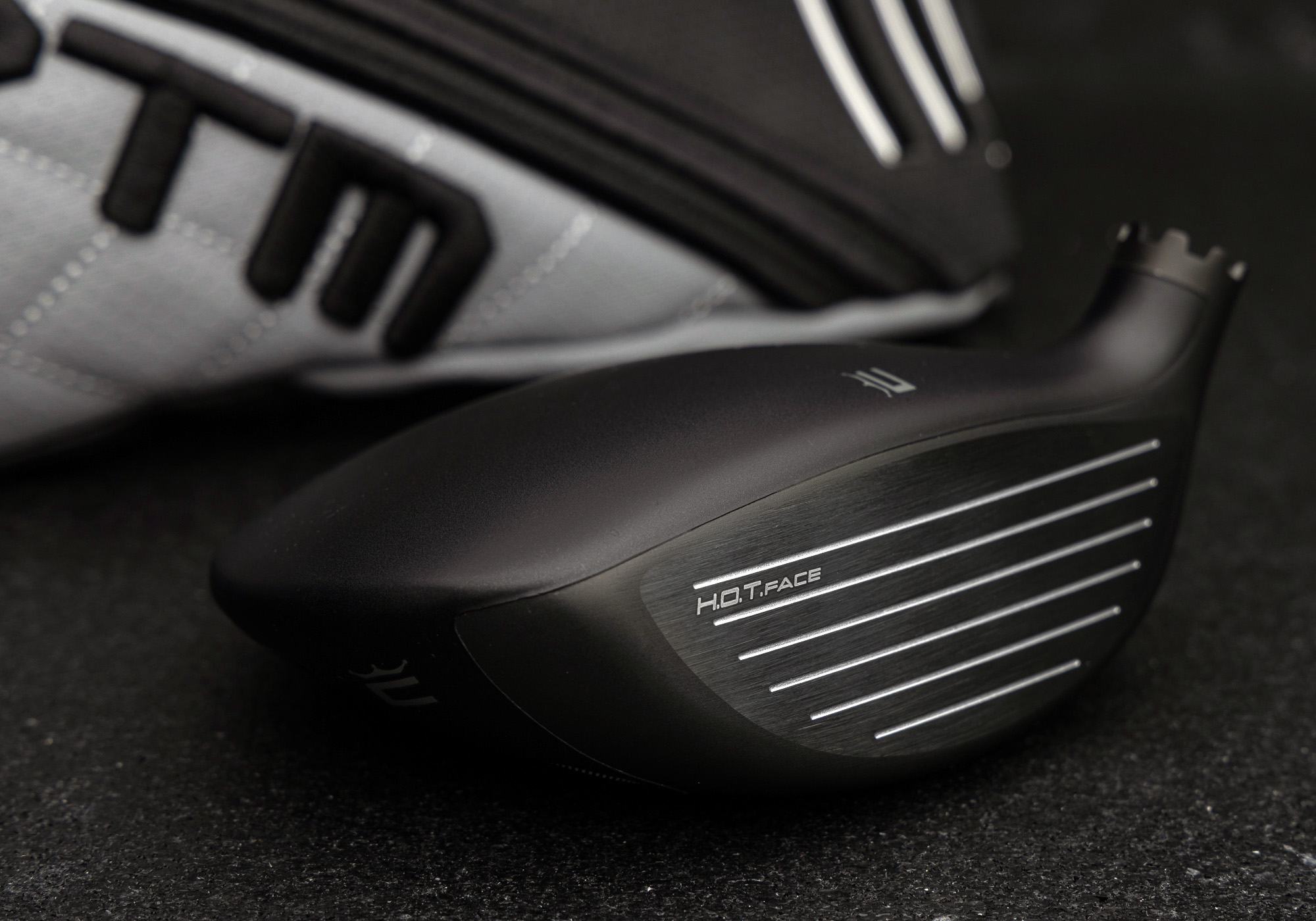
- H.O.T. Face topology
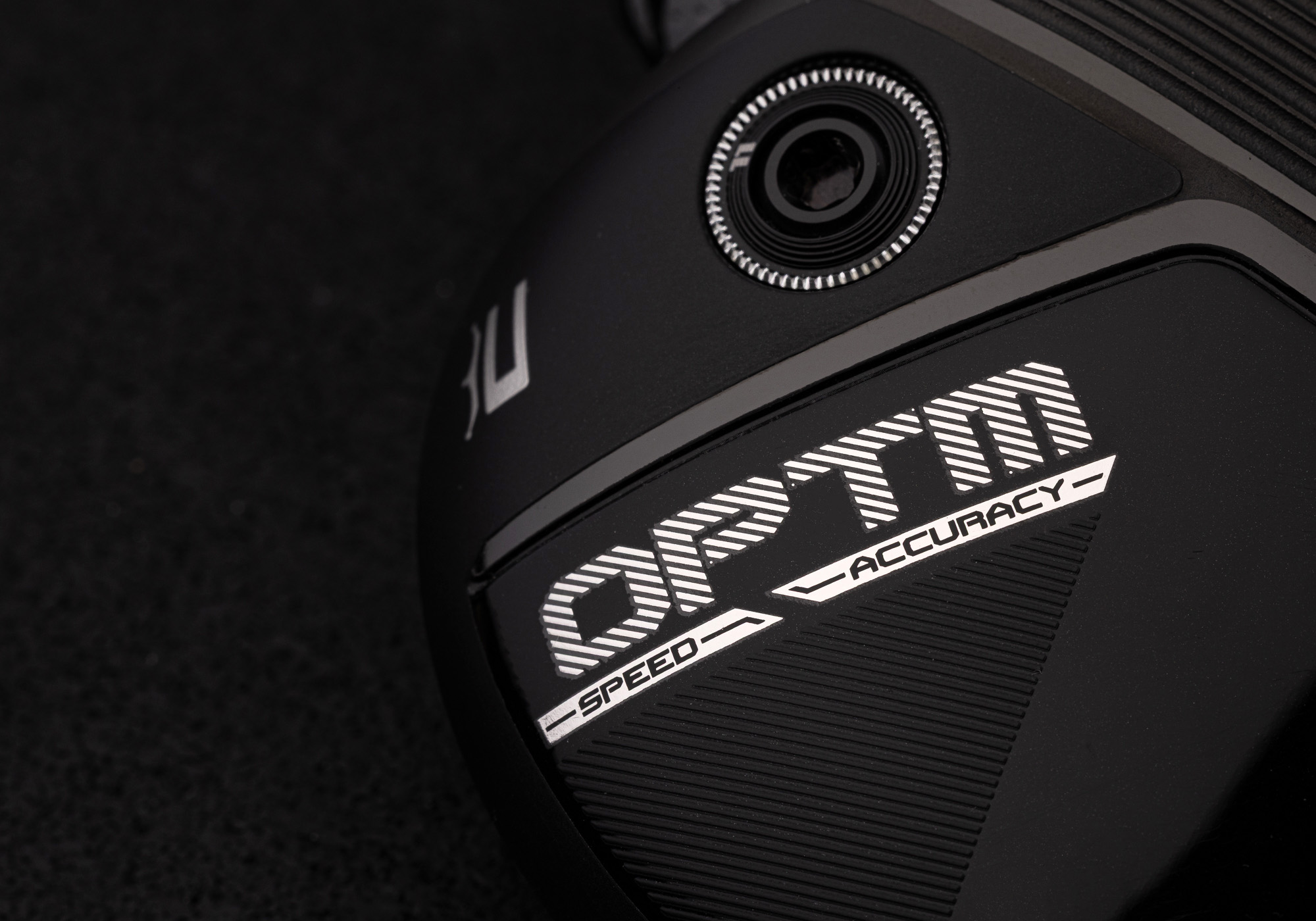
The H.O.T. Face remains COBRA’s signature calling card. Designed using AI and machine learning, it’s built to preserve ball speed on off-center strikes beyond what MOI alone can accomplish. We’ve covered the specifics before—the short version is that COBRA uses variable face thickness patterns to keep speed up where golfers actually miss it.
Where OPTM shifts the narrative is in how COBRA evaluates performance.
Instead of leaning on isolated ball speed, launch or spin deltas, COBRA frames testing results around playability: fairways hit, greens in regulation and what they call “playable shots.”
I’m a fan of this. It mirrors how golfers actually experience performance—not on a launch monitor but over 18 holes.
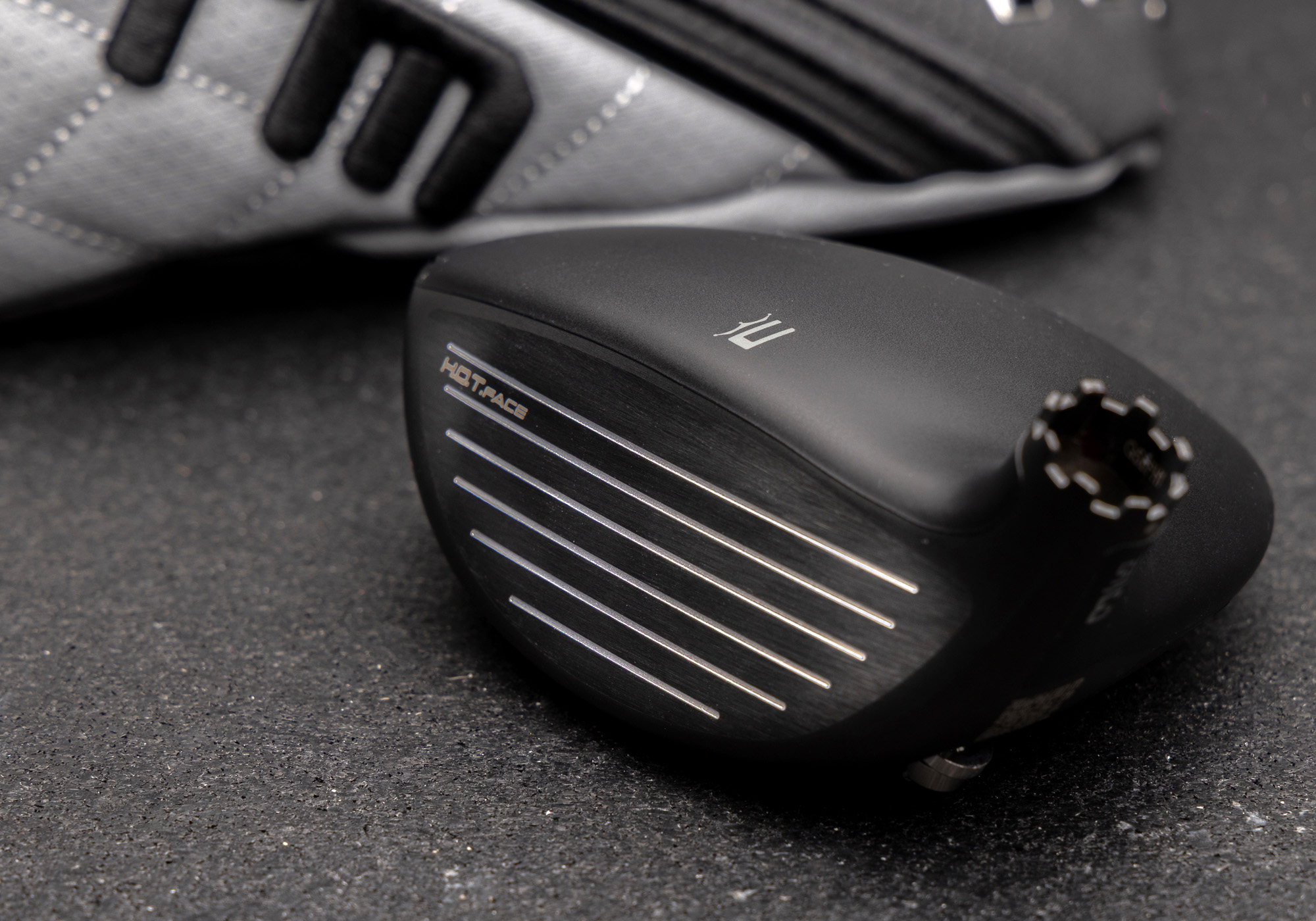
OPTM Fairways: Three models, clear separation
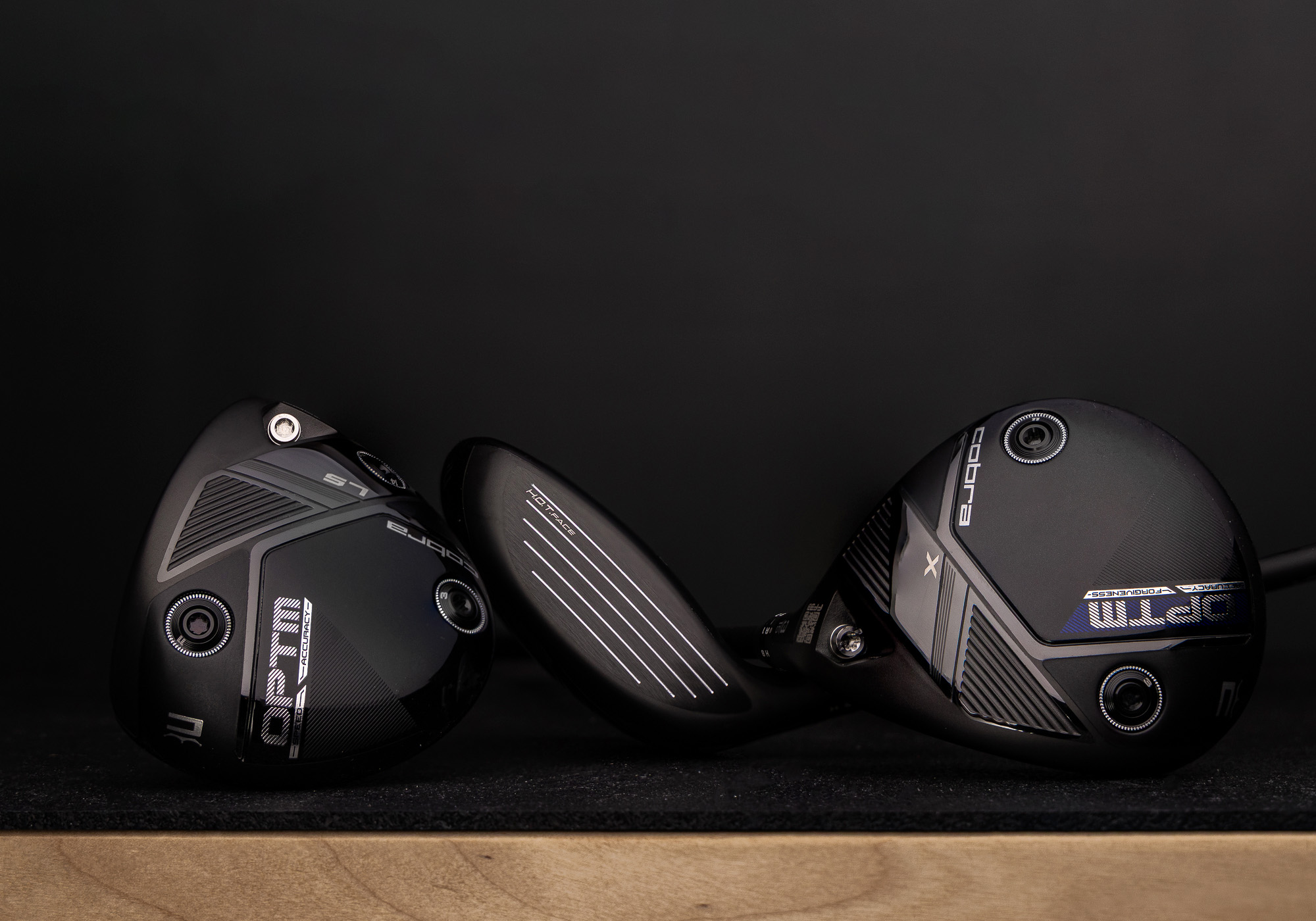
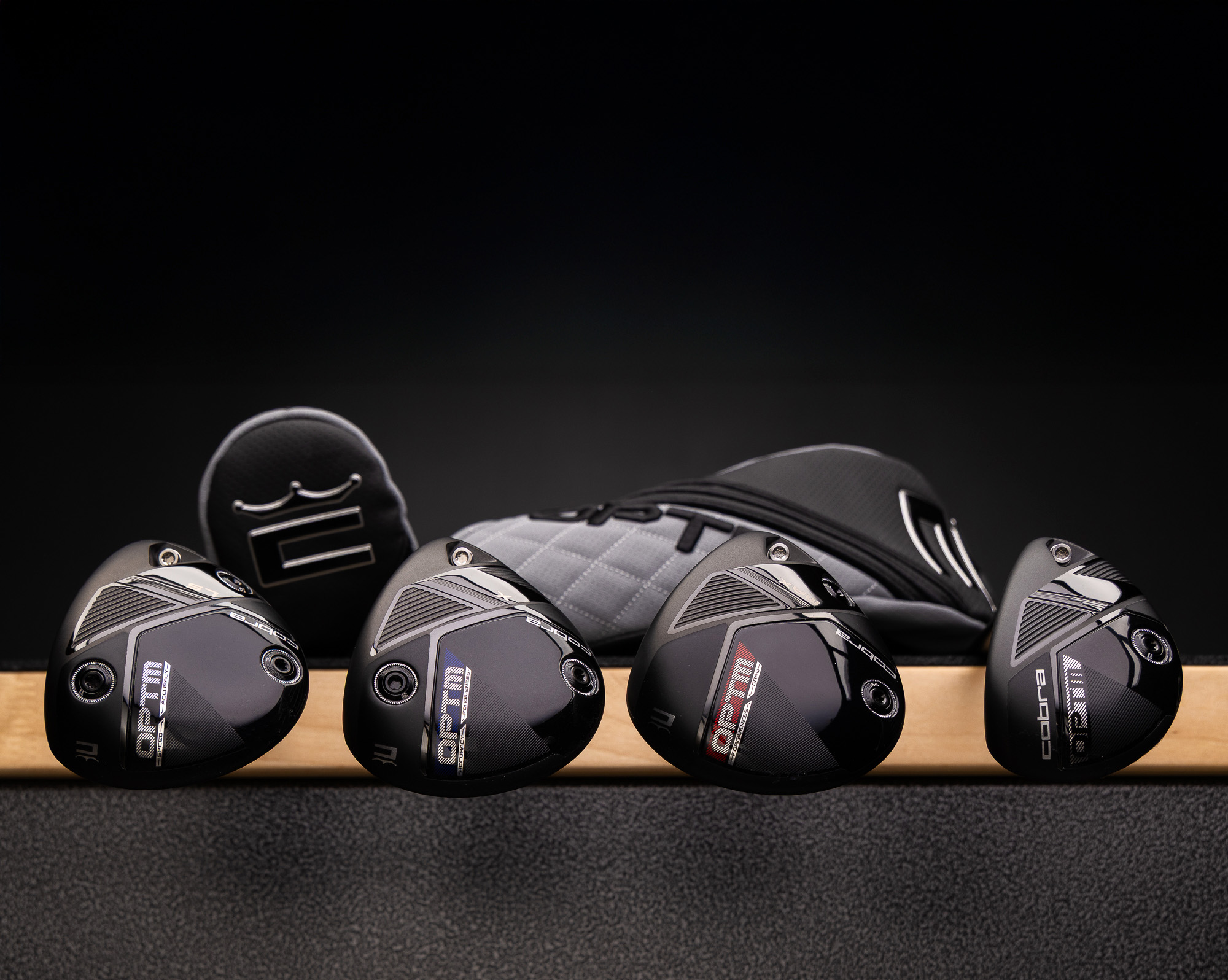
COBRA offers three OPTM fairway models, each with a distinct CG (center of gravity) strategy and face depth:
- OPTM LS – Forward CG, lowest spin (deepest face at 32 mm)
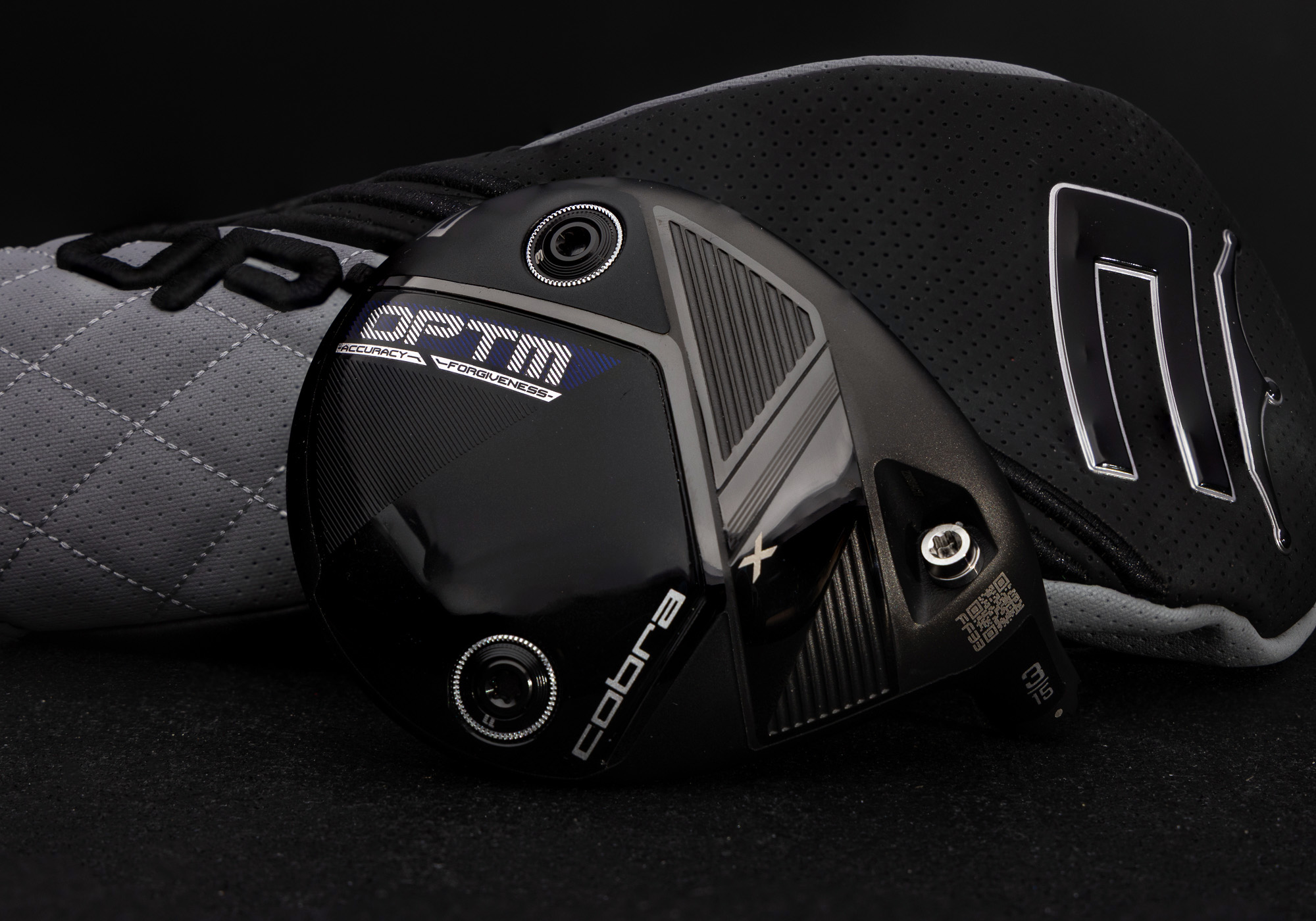
- OPTM X – Core model, most balanced (modest depth at 29 mm)
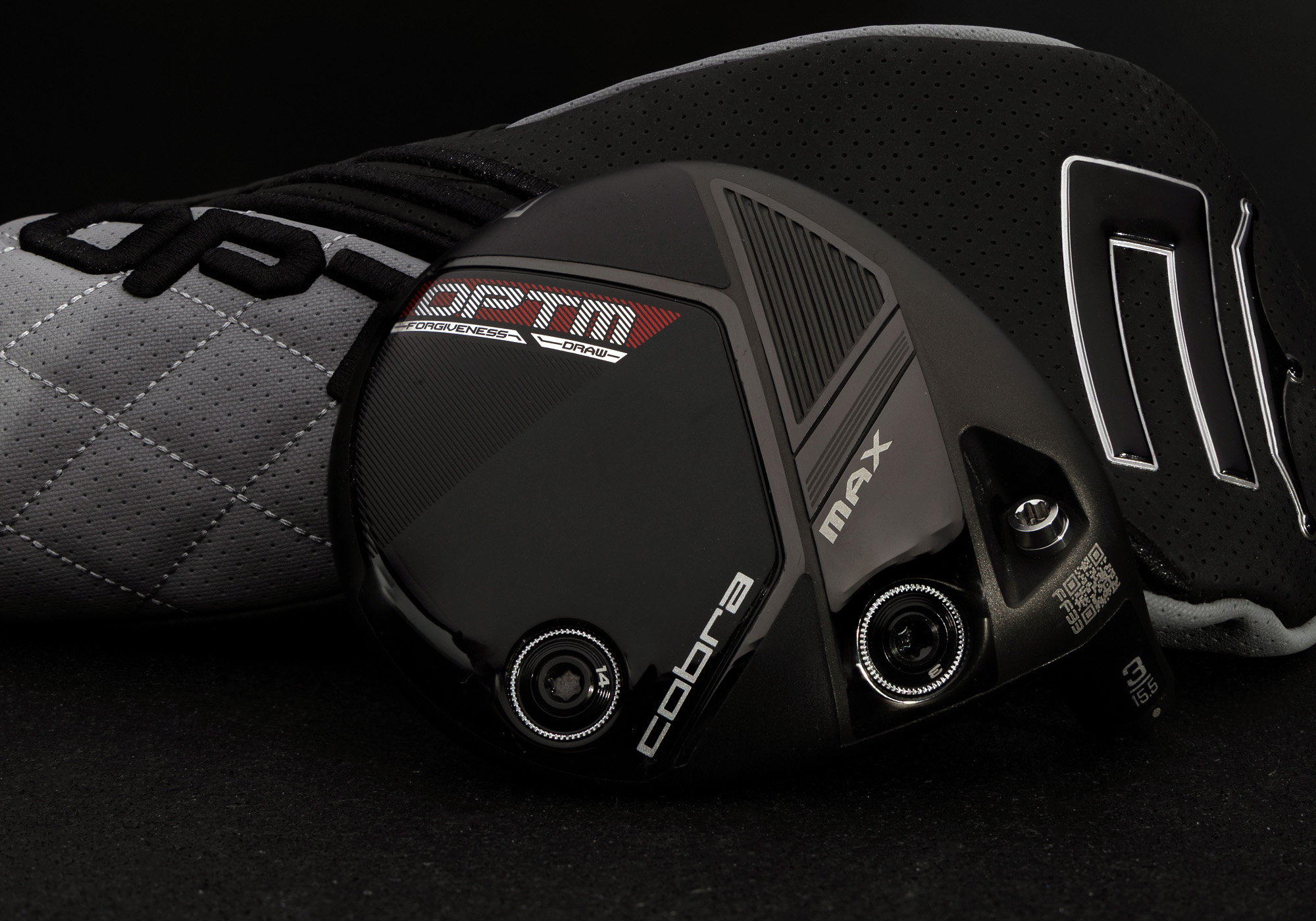
- OPTM Max – Rear and heel-biased CG to help straighten out a slice (most shallow at 26.5 mm)
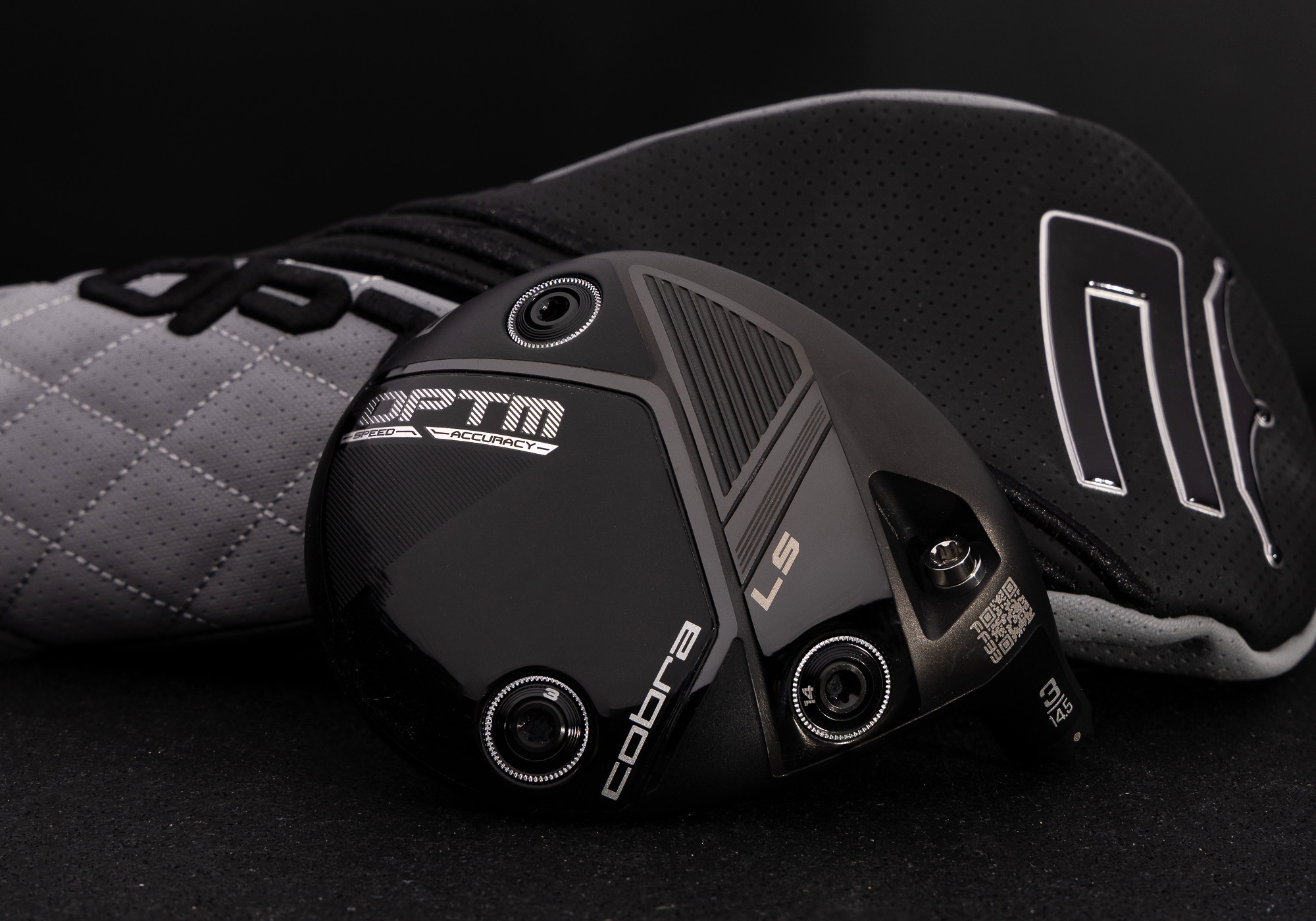
The weighting setups follow suit. The LS gets a three-weight system (heel, toe, rear), the X features two movable weights (toe and rear) and the Max positions weight in the heel and rear to promote draw bias and stability.
Personally, I love the three-weight configuration in the LS. It offers real CG tuning without overcomplicating things.
What COBRA’s testing says
COBRA’s player-testing leans hard into outcomes rather than isolated metrics and the results are encouraging.
- OPTM LS: Compared to the previous generation, testing showed roughly half a stroke gained per round with greens in regulation jumping from 33.1 to 44.5 percent.
- OPTM X: This one appears to be the quiet standout. With the heavier weight positioned forward, testing showed:
- 95.2 percent playable shots
- 1.21 trokes gained off the tee relative to the previous generation
- 95.2 percent playable shots
My sense is that the OPTM X with the front-weight setting may end up being what allows OPTM to find its way into plenty of bags, both on professional tours and in your weekly skins game.
OPTM Hybrids: One model, broader appeal
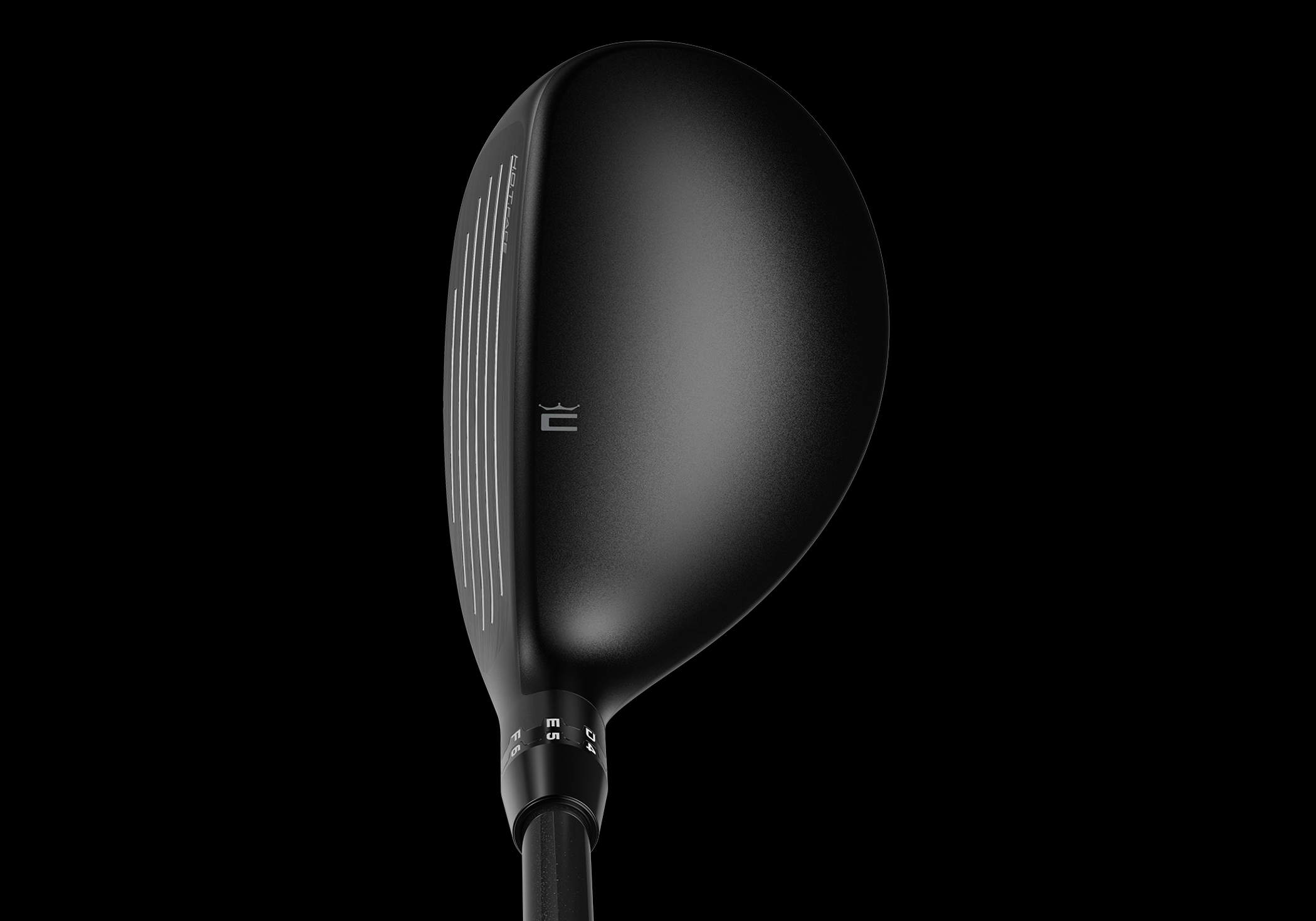
Unlike the fairways, the OPTM hybrid lineup consists of a single model.
That usually tells you something about the target audience and, here, it suggests COBRA is aiming for broad playability. With that, the COBRA OPTM hybrid features the aforementioned FutureFit 33 hosel adapter and H.O.T. Face topology to assist with ball speed preservation on off-center strikes.
The most notable tech callout is a new PWR Bridge, an AI-optimized weighting and CG placement that generates optimal POI values alongside low spin and plenty of ball speed.
Beyond that, a larger footprint suggests increased stability and a single rear weight pulls the CG back slightly to promote a higher trajectory.
The shaping trends toward a “small fairway wood” profile which makes sense for a one-model approach. It’s forgiving, versatile and built to cover the widest range of golfers rather than carving out a niche.
My $0.05
COBRA isn’t trying to win the MOI arms race with OPTM. Instead, it’s reframing the accuracy conversation—and POI is their way in.
Whether POI becomes a widely adopted metric remains to be seen but the underlying idea makes sense: forgiveness isn’t just about resisting movement; it’s about managing it. And if lower POI truly leads to tighter dispersion and more playable shots, that’s something golfers can actually feel on the course.
What I appreciate most is COBRA’s emphasis on outcomes. Fairways hit. Greens in regulation. Playable shots. That’s the stuff that moves handicaps—not theoretical gains at the center of the face.
The pricing is in line with other mainline brands. However, at $469, the OPTM LS is asking golfers to buy into the philosophy as much as the hardware.
If the performance holds up outside controlled testing environments, OPTM could quietly be one of the more interesting fairway wood stories of the year.
Pricing and availability
- Pre-sale: Jan. 13
- Full retail availability: Jan. 20
- COBRA OPTM fairway woods: LS ($469), X and Max ($369)
- COBRA OPTM hybrids: ($329)
For additional specs and options, visit COBRAGolf.com.




Henry Barcena
9 months ago
Haha $0.05…. I get it, no more pennies