


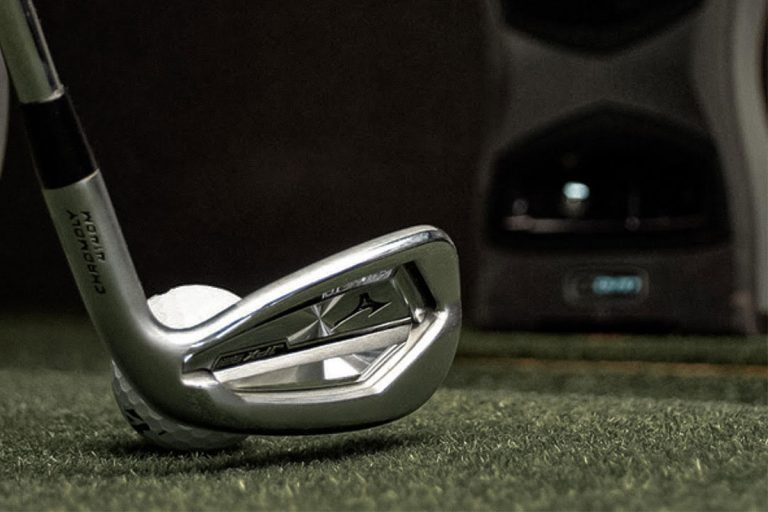
Losing swing speed doesn’t mean you need to rebuild your entire golf bag. It does mean the equipment that fit you at 95 mph may not give you the same launch, carry or gapping when you go under 90 mph.
The most common mistake is making automatic changes. Going from stiff to regular flex or buying a softer golf ball may not be the correct move to make.
If your speed has started to drop, these are five things I would look at doing.
1. Add loft to your driver
If your driver flight has started coming out low and losing carry, try adding a degree of loft before buying anything new.
More loft can increase launch and, depending on the head and your delivery, add some spin. That combination may help keep the ball airborne longer. I recently put together a driver loft adjustment chart showing how loft changes can influence launch, spin and direction.
Make some small changes to the driver and then compare carry distance. The increased loft can keep you from having to purchase a new driver right away.
Use the MyGolfSpy Golf Ball Selector to compare 48 golf balls using data from our 2026 robot test. Filter by swing speed and see how each ball performs from driver to wedge to find the best fit for your game.

2. Check what shaft is in your wedges
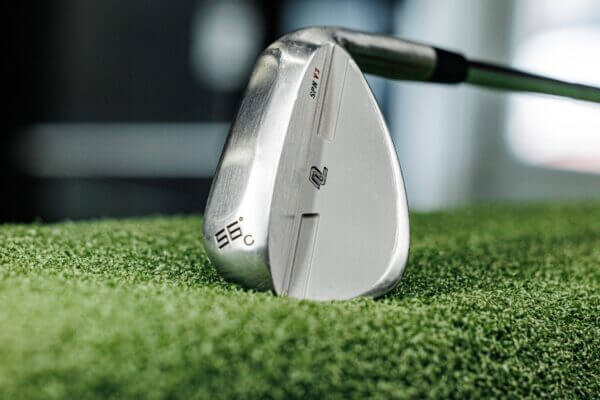
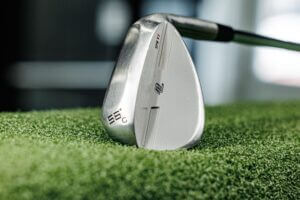
Golfers buy stock wedges all the time without looking at the shafts. Many times the stock shafts in wedges are considerably heavier than the shafts in your irons.
A heavier wedge shaft can help with feel and control so lighter is not automatically better. However, if full wedge swings have started feeling like work, check the weight and flex instead of assuming stock “wedge flex” still makes sense.
3. Don’t assume slower means a softer golf ball
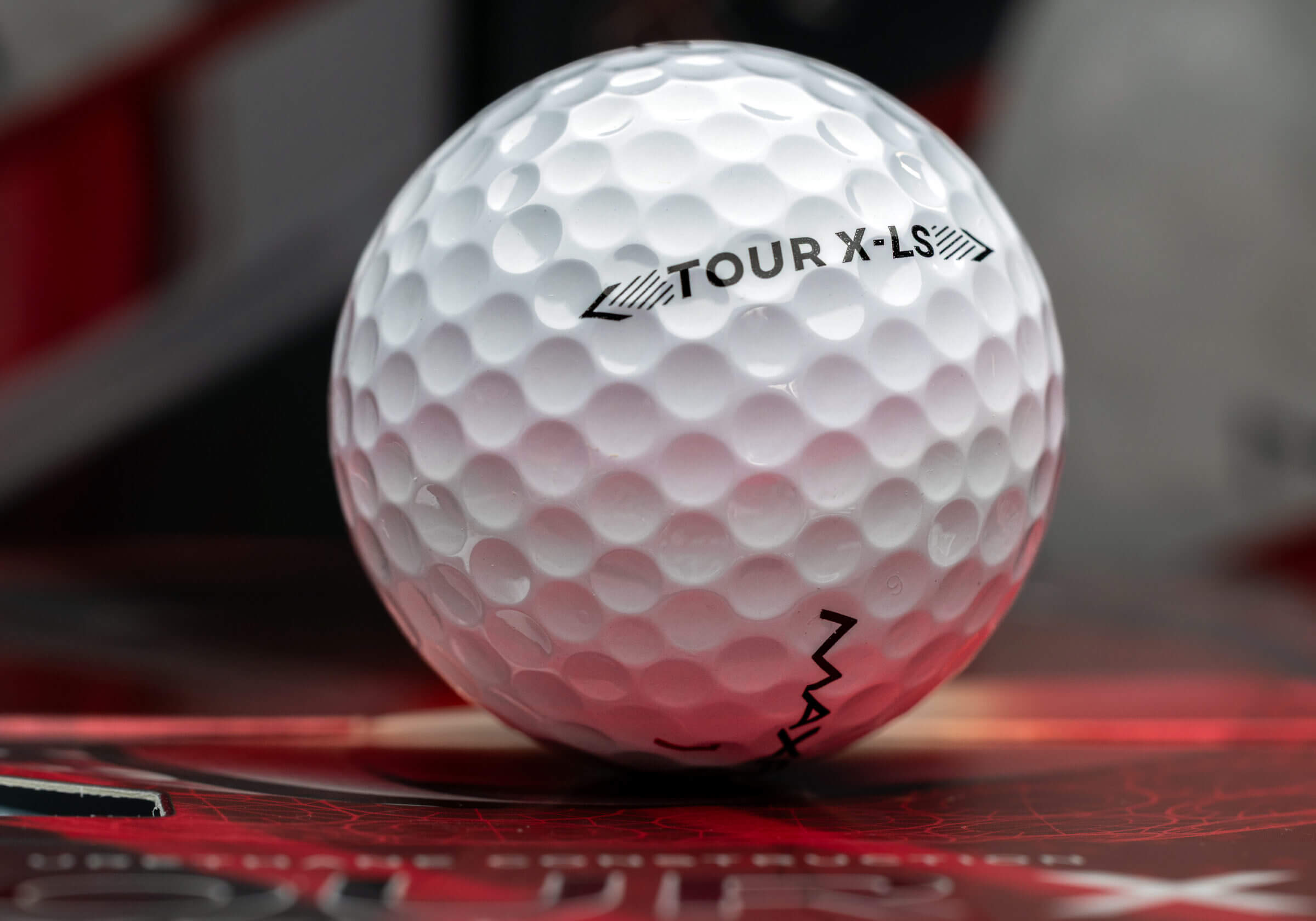
The 2026 MyGolfSpy Golf Ball Test found that the fastest balls at the low driver speed were still generally firmer models. The low-speed recommendations also included balls such as the Pro V1, TP5 and Chrome Tour X.
Some slower swingers can benefit from the higher trajectory and added spin of higher-compression balls. Don’t automatically assume you need a softer golf ball because you have started losing speed.
Figure out whether you need more height, spin or carry and fit the ball to that problem.
4. Build a combo iron set before replacing the whole thing
Speed loss often shows up in the long irons first. Your 8-iron may still be fine while your 5- and 6-iron start flying too low and getting too close together in distance. Even if the longest iron in your bag is a 6-iron, you can still look at putting together a combo iron set.
Keep the model you like in the scoring irons and consider something faster, higher launching and more forgiving in the longer clubs. A Titleist player, for example, could blend T250 and T350 irons.
Titleist says about 80 percent of its PGA Tour brand ambassadors use blended sets of at least two iron models. The goal is proper gaps, peak height and stopping power, not matching every head.
5. Don’t automatically drop a shaft flex
If you played stiff shafts when you swung faster, it makes sense to reevaluate them as speed drops. What I wouldn’t do is automatically replace every stiff shaft with regular.
Flex is only one fitting variable.
Tempo, transition and how you load the shaft still matter. This is where fitting needs to become more nuanced. Test weight, flex and profile separately and see what produces the best speed, strike and ball flight.
Final thoughts
Losing speed doesn’t mean you need equipment designed around a stereotype of a slower golfer.
Add loft where you need launch. Remove weight where it helps. Add forgiveness where iron flight starts breaking down. Choose the ball based on performance, not compression alone.







BB
2 months ago
Thank you for publishing this article it will help guide many aging golfers. I am 63, and the slowdown has begun. I have added one degree to the loft sleeve on my driver with good results and minimal loss of distance. Also, I dropped to senior flex in my irons and the weight reduction has been hard to get used to. My tempo and consistency haven’t come back yet with the irons. Now I am in the middle of testing golf balls, soft versus firm compression. I’m leaning toward a firm compression to get the added greenside spin.