


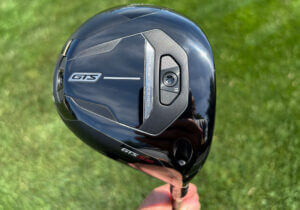
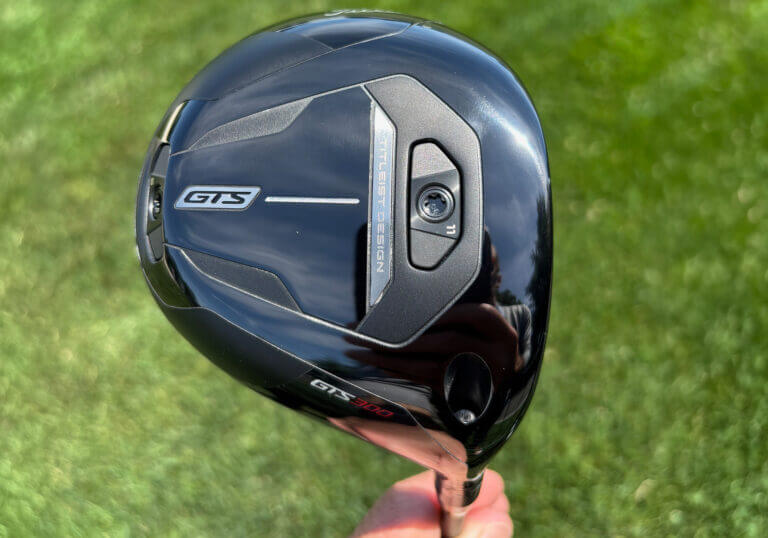
Titleist doesn’t usually move this fast. Two years is the company’s default release cadence on pretty much everything which makes swapping out a mini driver a little more than a year into its run feel borderline out of character. Titleist is doing it anyway, retiring the GT280 in favor of the larger GTS300. As you’d expect, there’s a reason. It starts with the players who asked for it.
Why the quick turn
When Titleist built the GT280, it zagged. While most of the category clustered around 300cc (and Callaway went all the way to 340), Titleist went small on purpose, betting that a genuinely compact mini, one you could hit more easily off the deck, was the version of the club the market was missing.
It wasn’t wrong. The 280 has fans and it still does a specific job better than most. But “compact and versatile” and “what the PGA Tour wants” turned out to be two different conversations.
“We loved the 280. We did this for a reason,” Titleist’s Tom Fisher told us when we sat down with the metalwoods team. “Launch and spin was pretty good, where we wanted it. We loved the versatility of it. But feedback was, ‘Can we go a little bit bigger to get more inertia? [But] not too big to make it that it’s not good off the ground.’”
Two of the louder voices in that feedback loop belonged to Justin Thomas and Cameron Young. “Both those players were really excited about GT280 and also had some commentary about potential performance improvements,” said JJ Van Wezenbeeck, Titleist’s Senior Director of Club Promotions. The read between the lines: the small head was a good start; now make it more forgiving without wrecking what made it playable.
What’s bigger and what isn’t
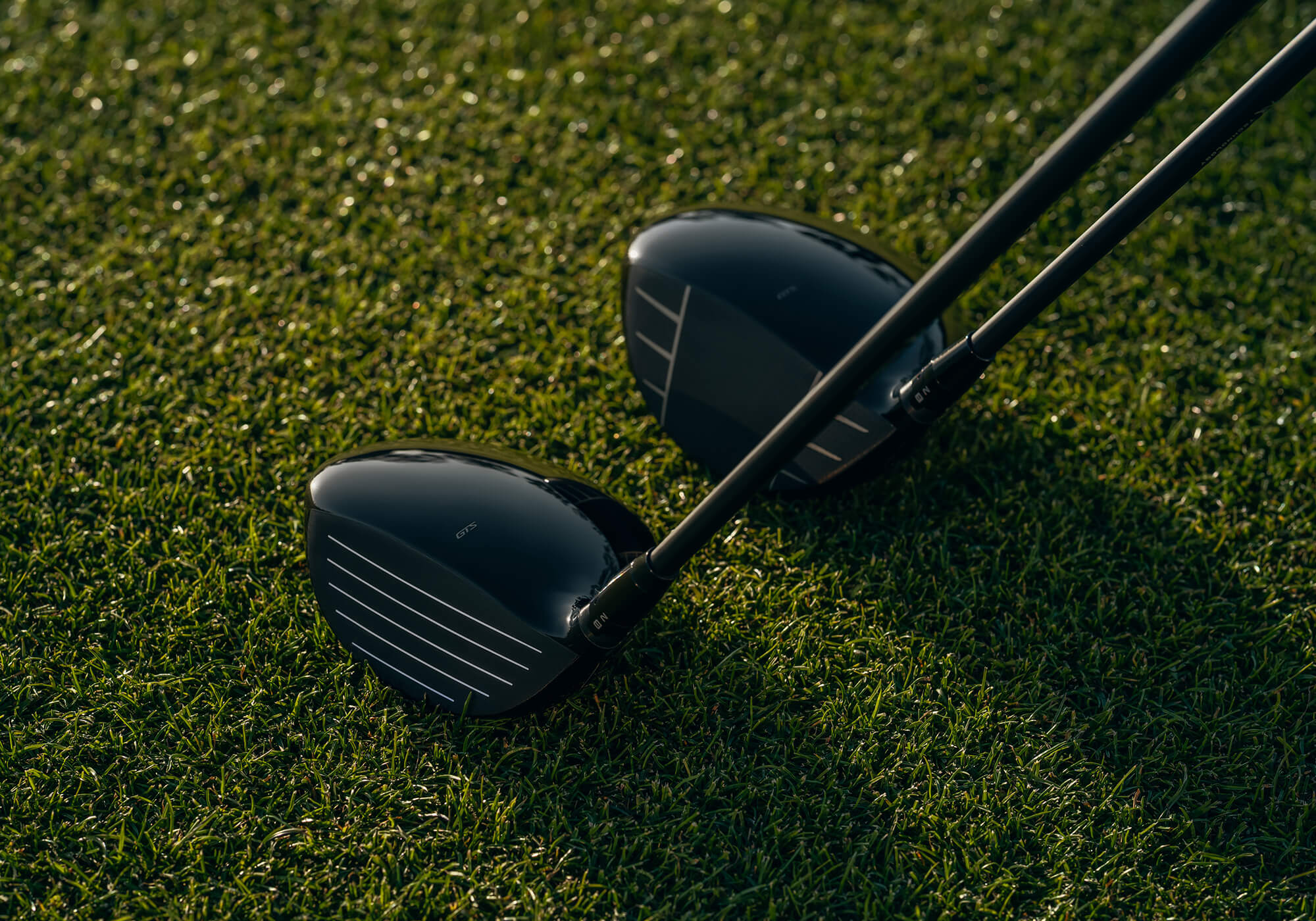
The GTS300 grows to 305cc, a 25cc bump over the 280. Written down, that reads almost trivial. In practice, a bigger footprint and a deeper center of gravity buy meaningfully more MOI which is the whole point.
“The main goal in development was to make GTS300 a more forgiving mini driver,” said Stephanie Luttrell, Titleist’s Senior Director of Metalwood Development. “The increase in volume and shift in CG gave us approximately 15 to 20 percent greater inertia to do just that. At the same time, we’re still putting a premium on versatility and performance off the turf with this club.”
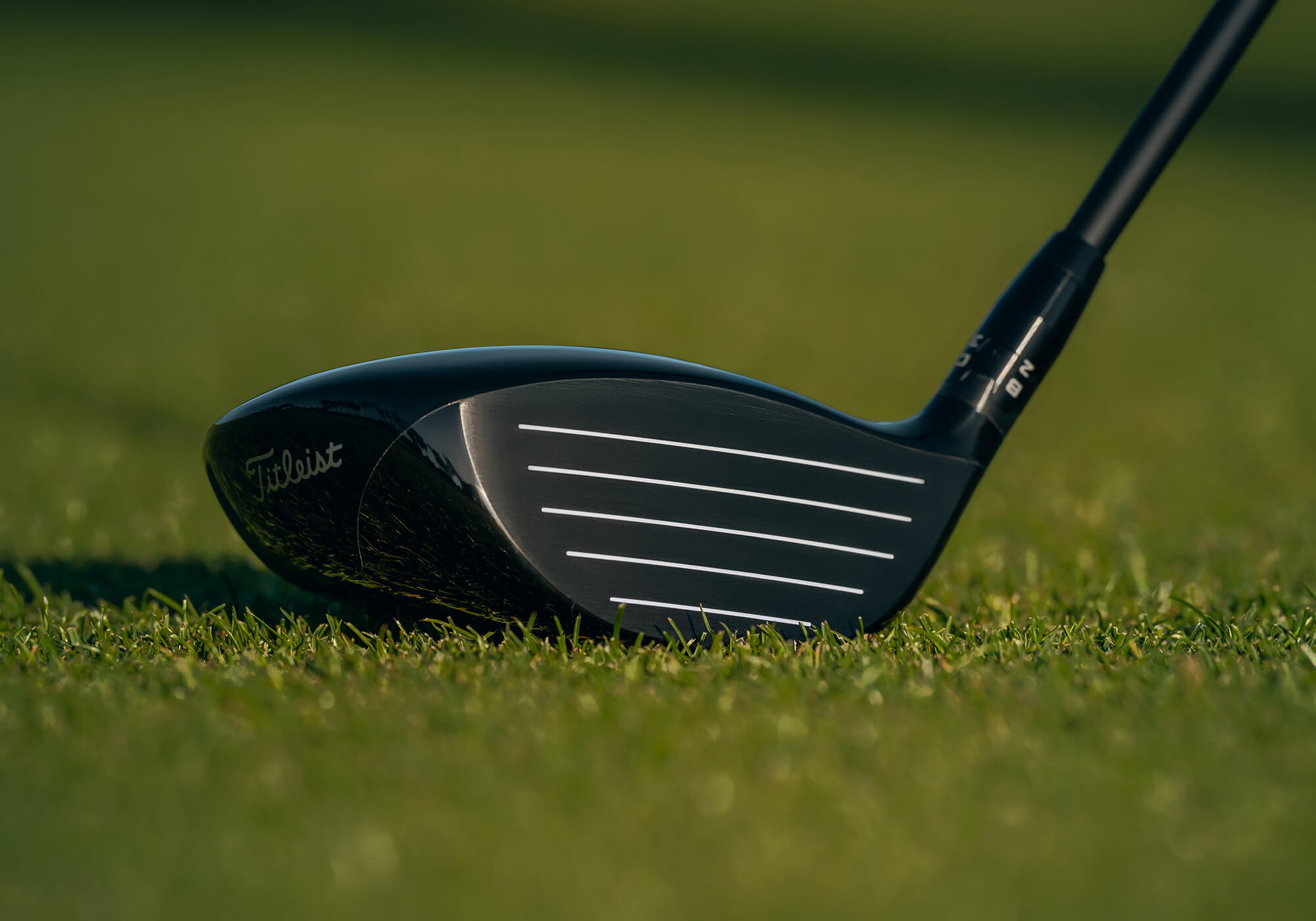
That last part is the tell. The one number Titleist deliberately left alone is face height. The 300 carries a larger footprint but sits the same off the ground as the 280 and that’s by design. Go too deep, Fisher notes, and the thing “falls off a tightly mown fairway” which is death for confidence on the exact shot a mini is supposed to make easier.
The face is carried over in philosophy from the GTS fairways: a forged L-Cup design with a high-strength ATI 425 steel insert that wraps under the leading edge. It’s fairway-wood DNA, built to hold ball speed on the low-face strikes you’re going to catch swinging a mini off the turf. A composite crown frees up discretionary weight which is how the engineers got the CG where they wanted it in the first place.
Don’t sleep on the fitting
Here’s the part most people will skip past and shouldn’t.
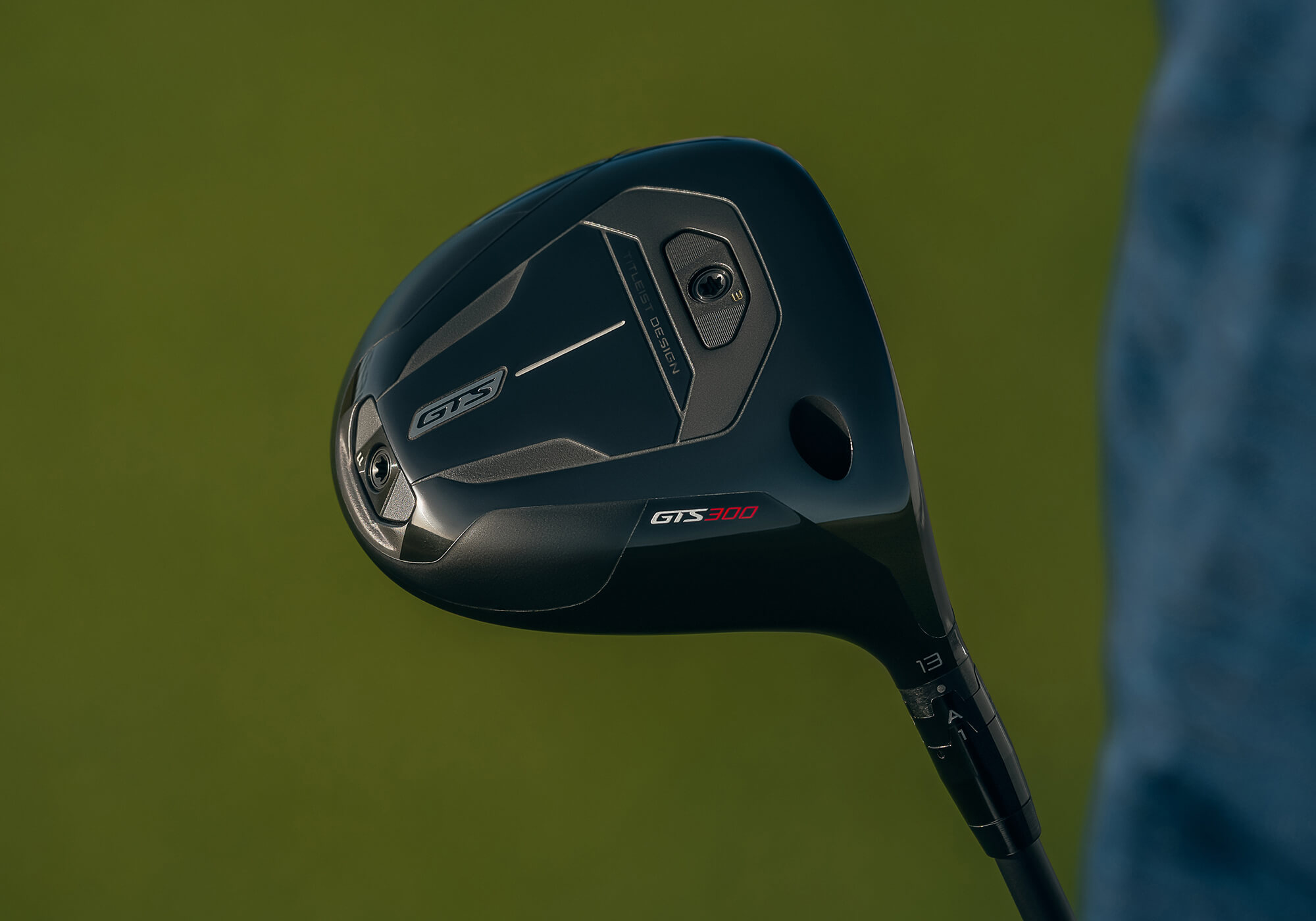
Yes, there’s the Fairway SureFit hosel for loft and lie. Yes, there’s a dual-weight system: an 11-gram and a three-gram flat weight you can run heavy-back for a higher, more stable flight or flip heavy-forward for a lower, flatter, lower-spin one. Standard stuff.
But the weights aren’t just a front-to-back switch. Titleist offers them in a range (down to minus-six and up to plus-six grams), which means a good fitter can also dial the head’s overall weight up or down to land you where you actually perform. That matters more on a mini than most clubs because a mini can be a driver replacement, a 3-wood replacement or a situational 15th club depending on who’s holding it and each of those wants something a little different.
The catch is that almost nobody gets fitted for a mini driver. If you’re going to spend the money, spend the extra 20 minutes, too. (One SureFit note worth filing away: because the GTS300 hosel is longer, a 43-inch fairway shaft plugs in and plays 43.5.)
Still a Tour idea, mostly
None of this rewrites the math of the category. The mini is, at its core, a solution that trickled down from the Tour, where the 3-wood off the deck is basically extinct and the best players want something between driver and fairway when the big dog is too much club. For a lot of amateurs, the honest answer is you’d be fine letting the driver hunt. For some (the ones who genuinely can’t keep it between the stakes or who never hit 3-wood off the ground anyway), a mini is a legitimately good idea.
What’s no longer up for debate is whether the category sticks around. Every mainstream OEM but PING now sells one and several are three-plus generations deep into what qualifies as their modern minis. That’s not a fad. That’s a shelf.
My take on 280 versus 300
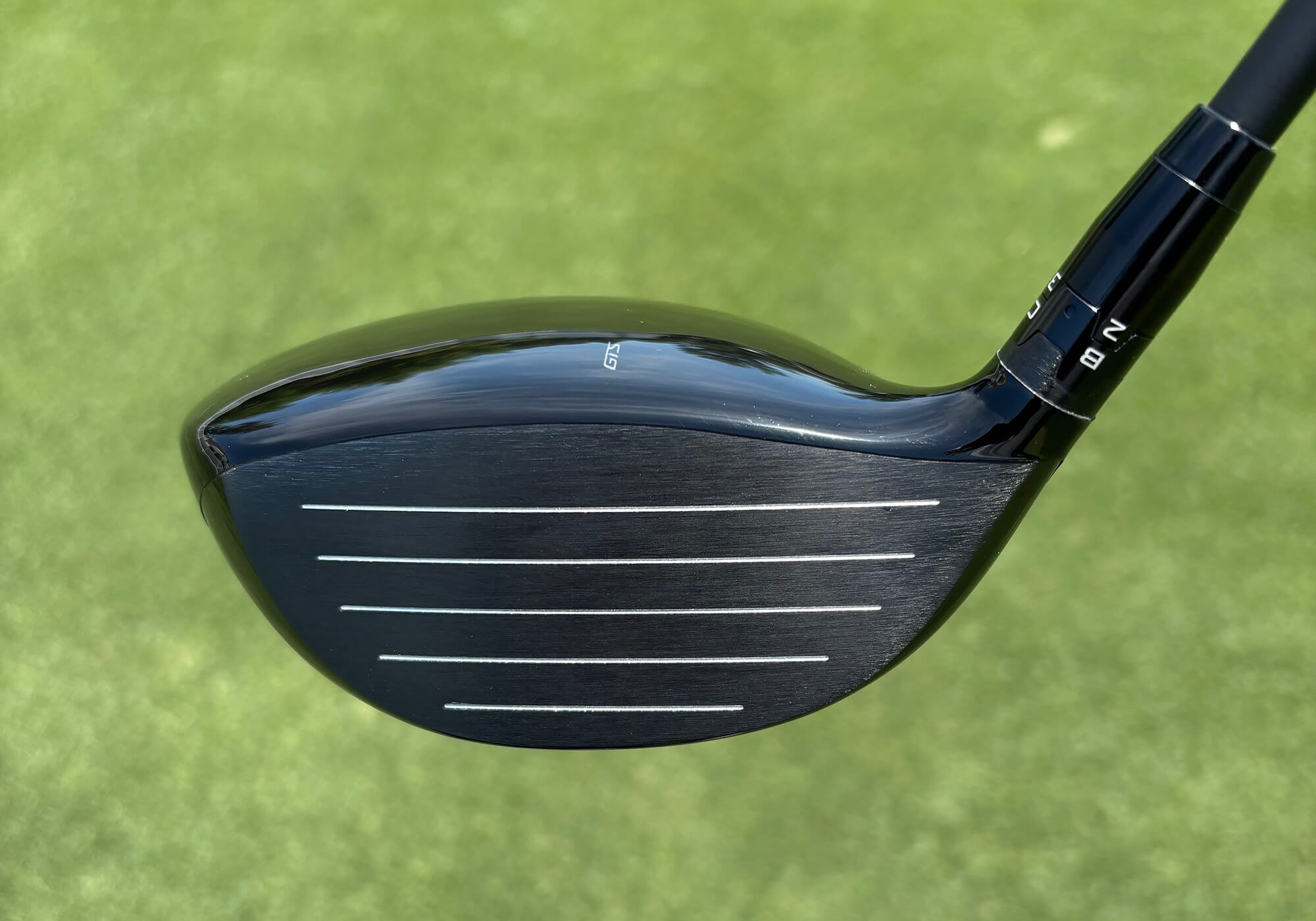
I haven’t spent real time with the GTS300 yet so file this under “first impressions.” I like the larger footprint off the tee and the forgiveness story makes sense. I also still think Titleist was onto something with the smaller 280 even if the Tour and the broader market have made it clear they’d take a touch more size.
For most golfers, the move up won’t cost much. If you’re comfortable hitting the 280 off the deck, odds are you’ll be fine with the 300. That said, I wouldn’t be shocked to see a strong secondhand market build up around the 280 because the people who bought it small bought it small on purpose. If that’s you, note that Titleist has dropped the 280 to $399 which turns the club that might already be the right one for you into a genuine bargain.
Specs, pricing and availability
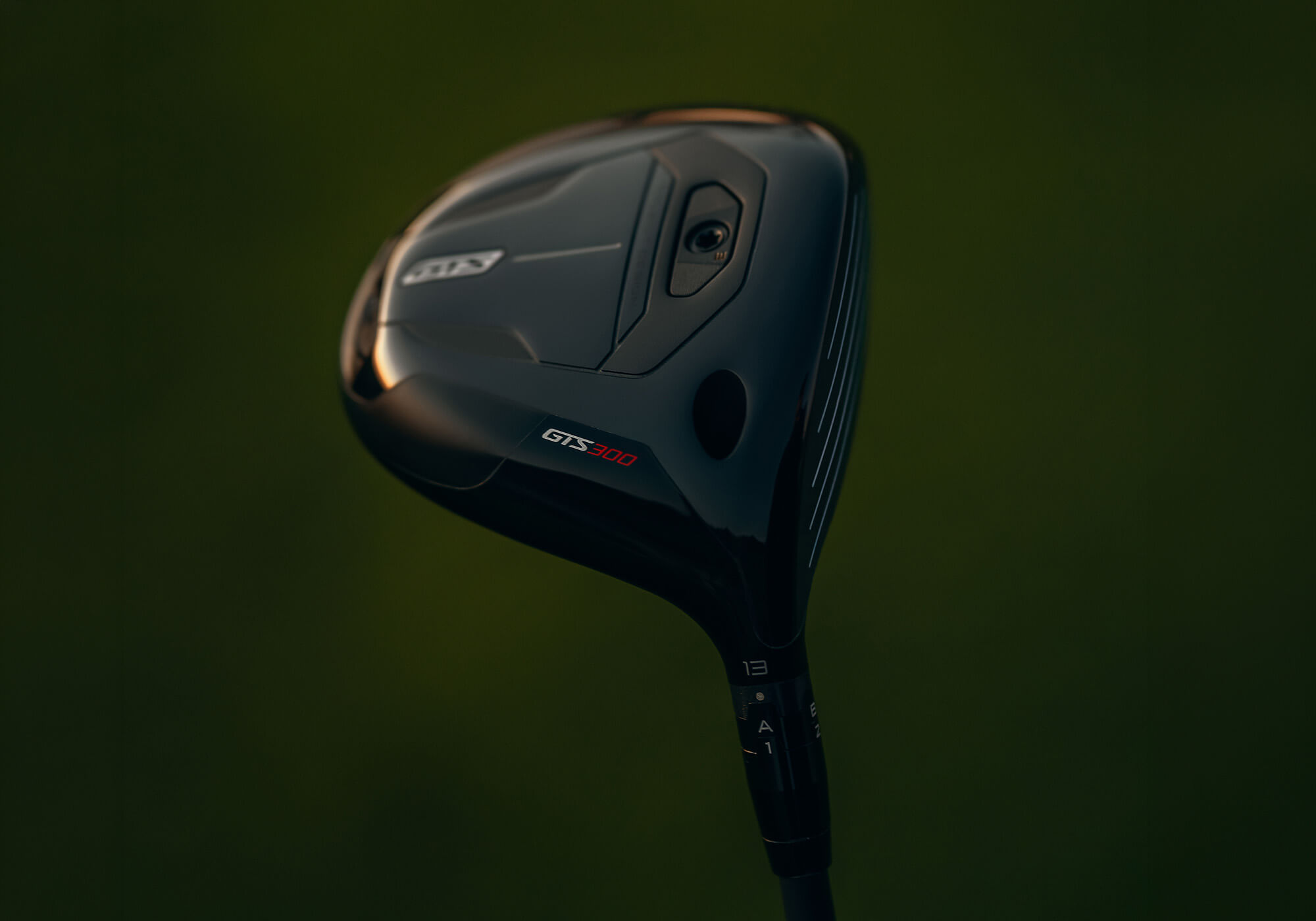
The Titleist GTS300 comes in a single 13-degree loft, right- and left-handed, at 305cc. Standard length is 43.5 inches (men’s) with 42.5-inch (women’s) and 41.5-inch (junior) builds available. Standard lie is 56 degrees.
Stock shafts include the Project X Titan Black and Mitsubishi’s Tensei 1K in White (low), Blue (mid) and Red (high) with Rip Technology. Premium options bring the Graphite Design Tour AD DI, VF and FI.
MSRP is $549 or $749 with a premium shaft. The GTS300 reaches golf shops worldwide beginning July 23.







Mike Taxter
3 months ago
last year I was looking for a fairway metal to replace a strong hybrid that I had dialed to 15* and was fited into the GT 1 3 Tour fairway. I think this measures out at a head size of 180cc. How much different or better could a “mini driver” be over this club. This thing launches great off the tee and on tight lies in the fairway.