


One of my favorite things to do with our Most Wanted testing data is break it down to the individual level. When a tester participates in all three putter category tests (blade, mallet, zero-torque), you get a rare look at how putter type affects performance for a real golfer. Most of the time the progression is predictable. This one wasn’t.
This tester was better with blade putters than he was with mallets. That’s a rare find in our data. But there’s more to the story.
First, the big picture
Across testers who completed all three categories in the 2026 Most Wanted, zero-torque was the dominant category by a wide margin. Here’s how it broke down by best category:
| Category | % of Testers With Best Results Here |
|---|---|
| Zero Torque | 88% |
| Mallet | 12% |
| Blade | 0% |
One tester didn’t follow the script
His blade average of -3.67 beat his mallet average of -2.01. That’s a 1.66-stroke gap in favor of the blade. Across the full tester pool, nobody else finished with blade as their best category.
The other thing worth noting in his mallet results: medium-distance putting was a problem. A +2.59 average in the mid-range is a significant leak. The mallet category wasn’t just underperforming blades overall; it was losing strokes at a key distance.
His best individual blade result was the PXG Brandon Battle Ready II at -10.9. His best mallet was the Edel Array F-1 at -11.2. Close enough that you could make a case for either. But the category averages were clear: blades were the better fit.
Then zero-torque showed up
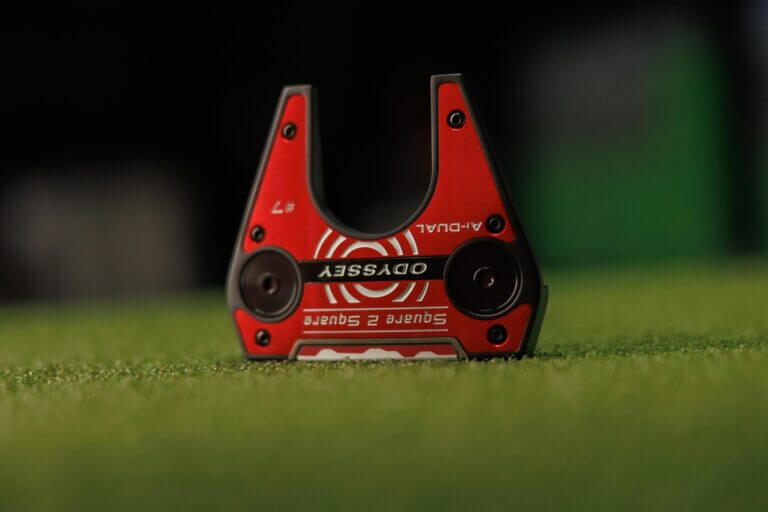
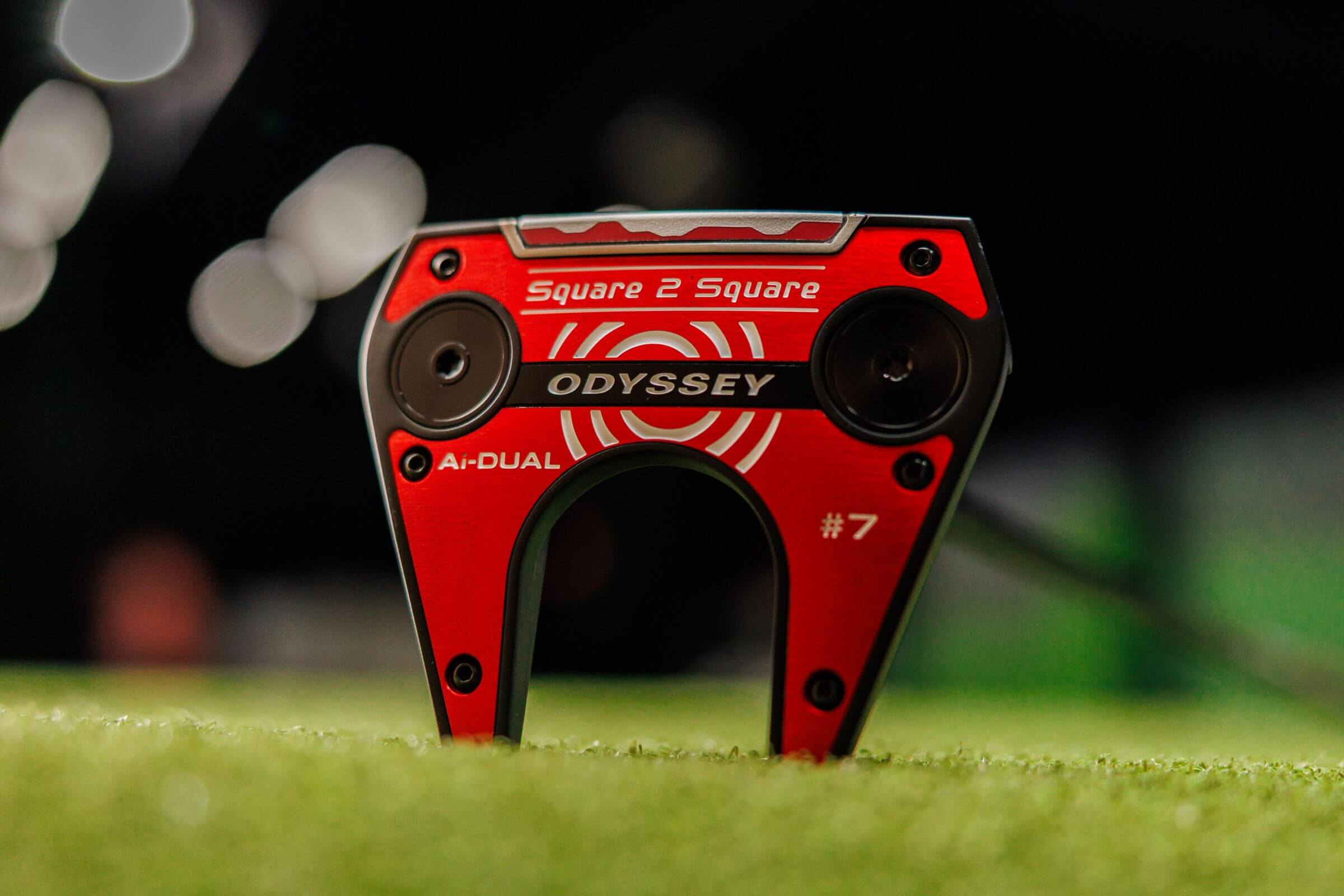
His zero-torque average landed at -8.62, a 4.95-stroke improvement over his already better blade results. And unlike his mallet performance, there were no soft spots by distance. Short, medium and long all improved. His best individual result in the category was the Odyssey Ai-Dual S2S #7 at -13.8.
The medium-distance issue that plagued his mallet putting? Gone. Zero-torque fixed it at -6.79 compared to +2.59 with mallets and +1.85 with blades.
The real question isn’t blade versus mallet anymore
For years, the putter conversation has centered on one debate: blade or mallet. This case study is a good reminder that the debate itself is outdated. Zero-torque needs to be part of the conversation now regardless of which side of the blade/mallet line a golfer falls on.
This tester is a good example of why. His blade results genuinely were better than his mallet results. But it didn’t matter once zero-torque entered the picture. It outperformed both categories by a margin that’s hard to ignore and it did it across every distance.
No single putter category works for everyone. But at this point, there’s a substantial body of testing evidence behind the zero-torque concept not just for this tester but across the pool. If you’re struggling with your putting, regardless of whether you’ve always been a blade guy or a mallet fan, it’s worth trying a zero-torque putter.







Lathan Golf
3 months ago
It is for this reason, and many others, that I am going to have a putter fitting. Once and for all, I’ll find what works best for my stroke. I am actually a decent putter, but would love to shave another few strokes off.