


We all know just how dominant Titleist is in the golf ball business.
Over $830 million in golf ball sales alone in 2025 is pretty doggone dominant, wouldn’t you say?
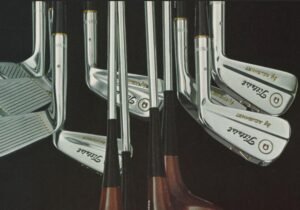
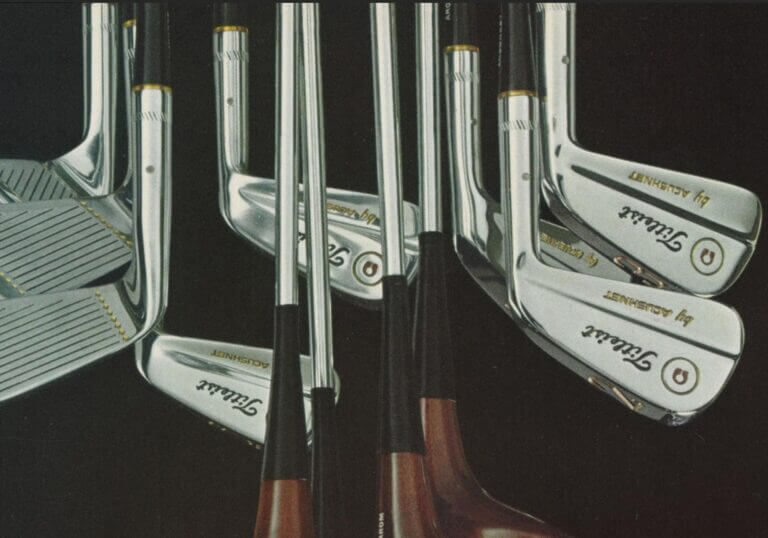
But did you know that, despite its 91-year history, Titleist didn’t start selling irons and woods until 1970? I didn’t know that, either.
Well, friends, this is History’s Mysteries and you know what that means. We’re going to dive into the deep end of the pool to learn how and why Titleist got into the golf club business. Along the way, we’ll meet a company called Golfcraft and its founder, a unique gent named Ted Woolley.
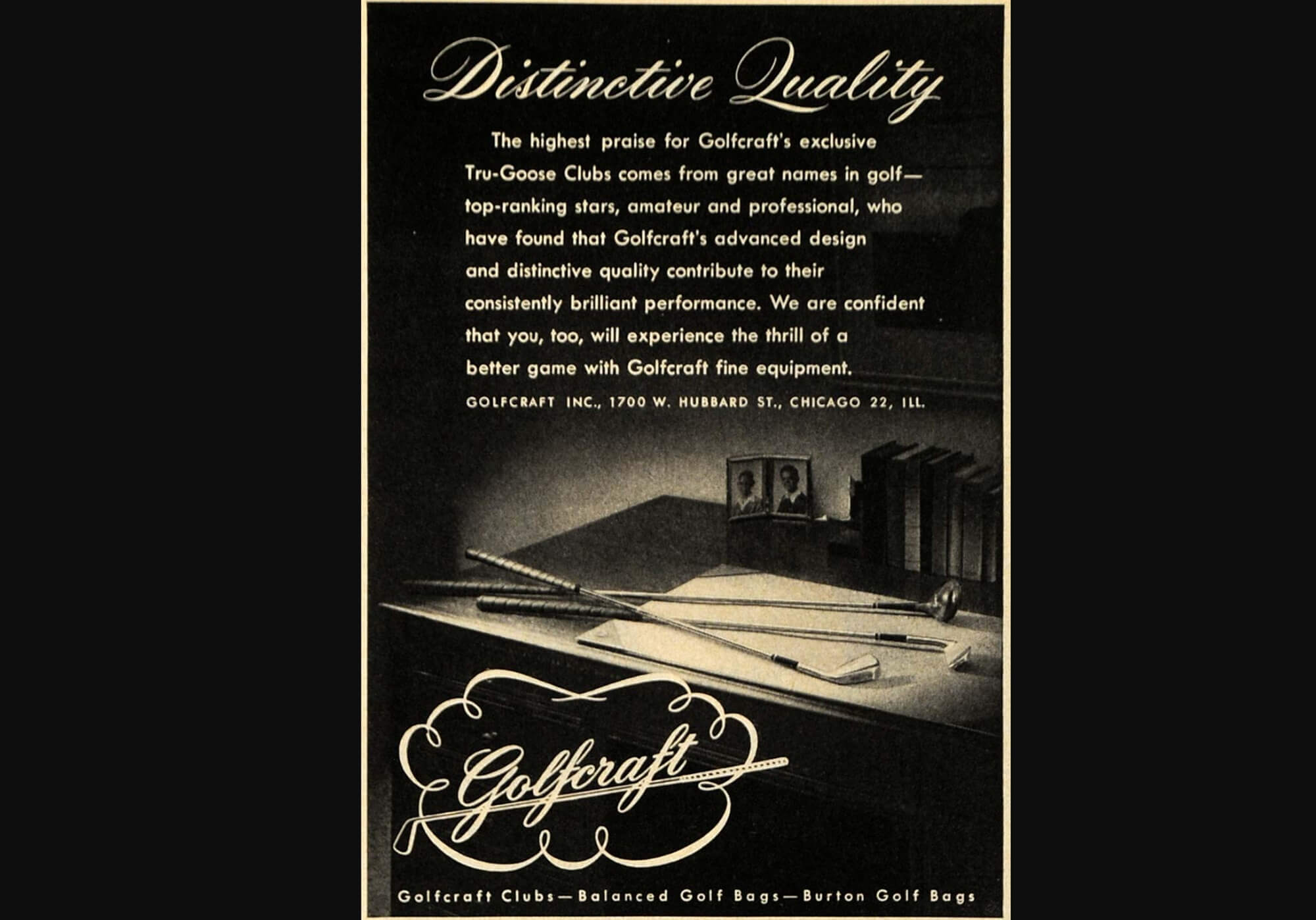
Along the way, we’ll make the case that Woolley can be considered the “father” of Titleist’s golf club division.
Since you’re a loyal History’s Mysteries follower, you know we’re going to start where every good history story starts.
At the beginning…
History’s Mysteries: Phillip Young – the rubber band man
MIT-educated engineer Phillip Young was a rubber savant. He started the Acushnet Process Company in Acushnet, Mass., in 1910, after developing a way to recycle waste rubber into a workable material. The company soon expanded into manufacturing rubber goods and became a powerhouse.
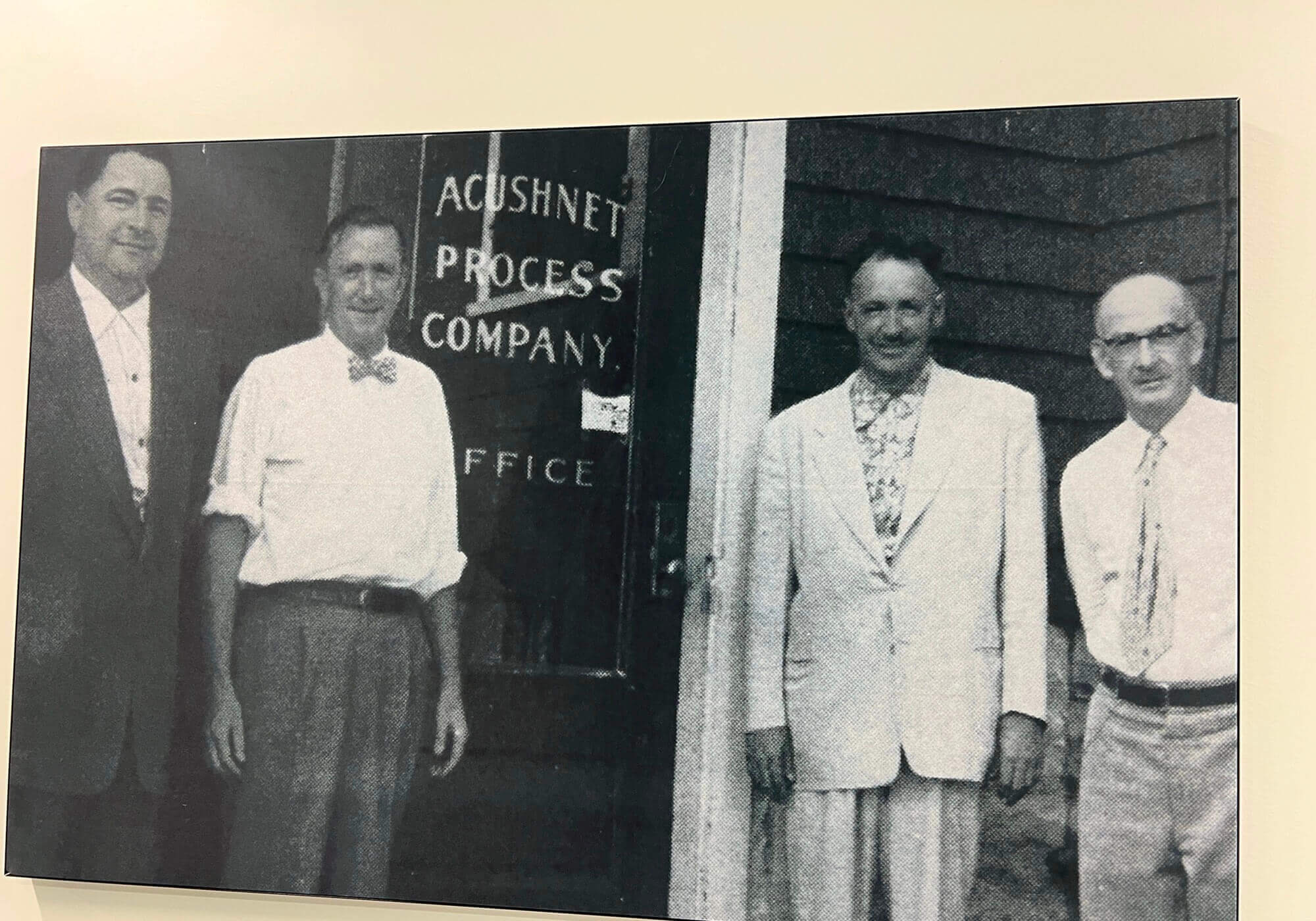
Young was also an avid golfer. As legend has it, Young was playing a match with a doctor friend in 1932 and was uncharacteristically spraying the ball all over the place. He lost the match on 18 when his putt wobbled and veered away from the cup.
Young felt he hit that putt perfectly. It had to have been the ball.
He convinced his doctor friend to open up the X-ray department at the local hospital. Sure enough, the ball’s core was totally out of whack. In fact, Young found that most balls of that era were out of whack. As an engineer, he felt he could do better.
Three years later, Acushnet opened its golf division. Young developed machinery and quality checks to make sure every golf ball met his exacting standards. Remembering his match, Young insisted that every golf ball be X-rayed before leaving the factory.
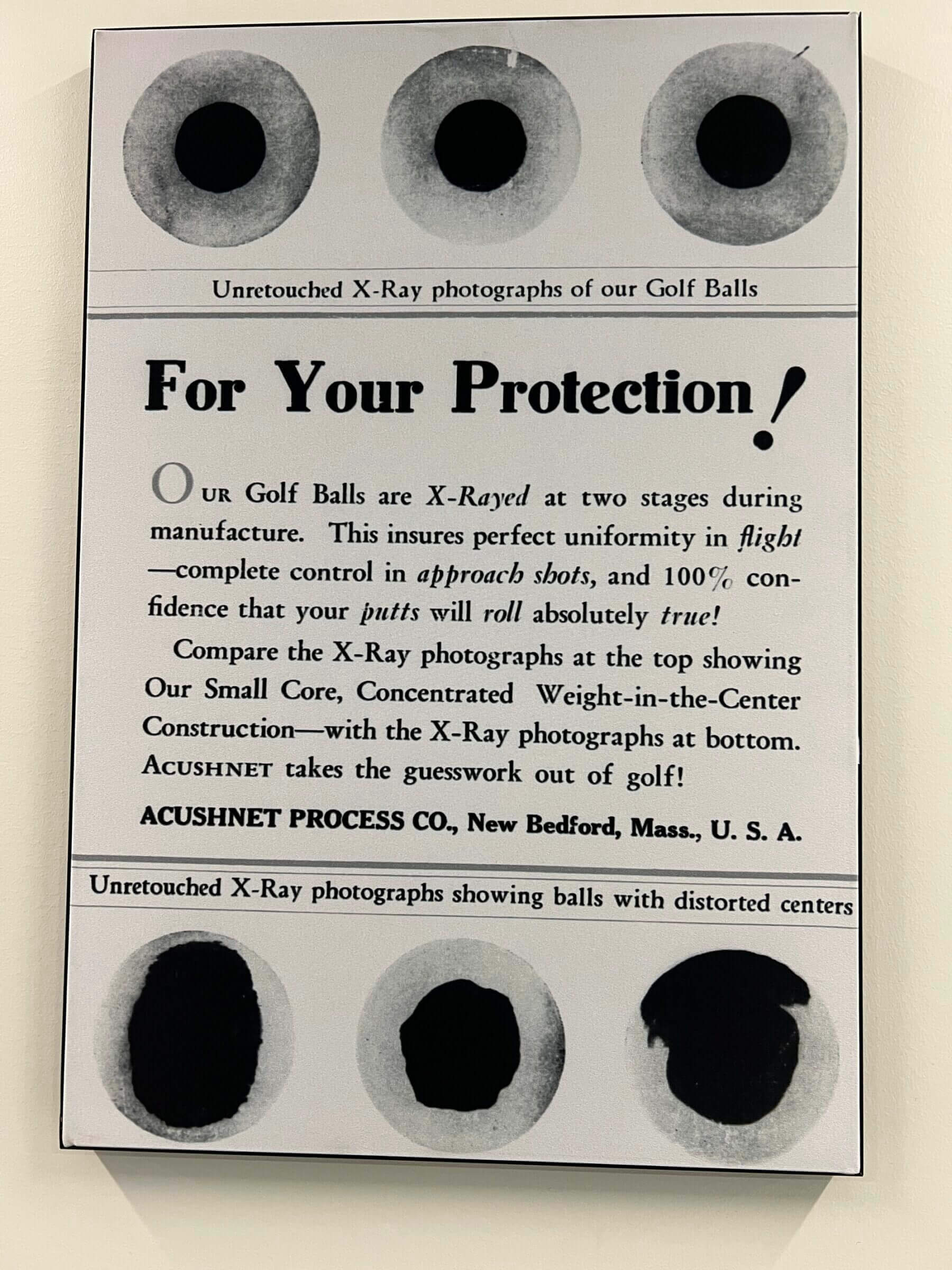
Titleist X-rays each ball it produces to this day.
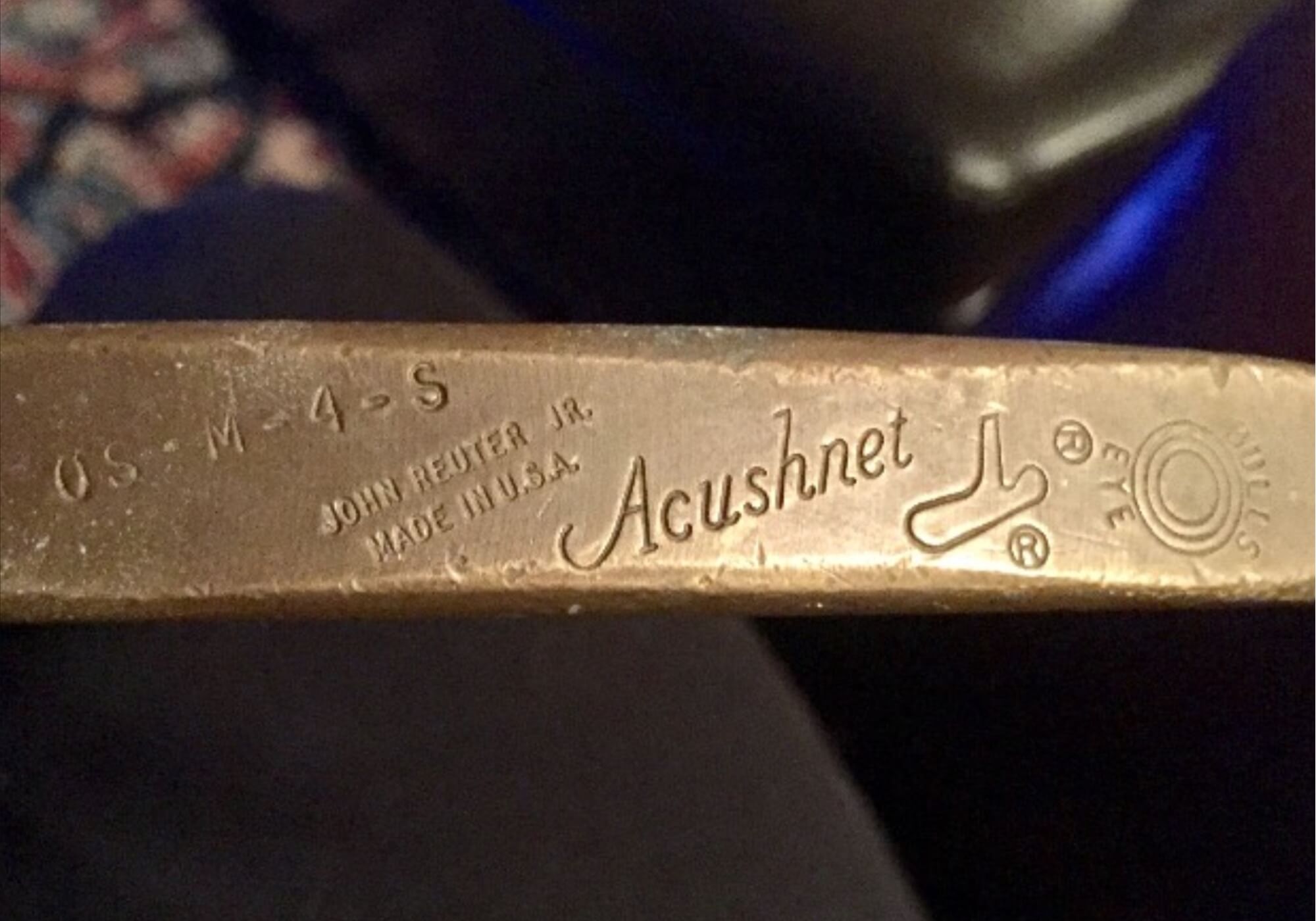
When Phil Young died in 1955, his son Richard took over. At the time, Acushnet was still a rubber company and Titleist was its golf division. Richard would soon expand Titleist’s offerings to include bags, pull carts and other accessories. In 1962, he bought the Bulls-Eye putter company. Titleist was getting closer but it was not in the full-line club business.
Not yet, anyway.
Meet Ted Woolley and his creation, Golfcraft
Ted Woolley was born in England in 1903 but was raised in Kinghorn, Scotland. By age 12, Woolley was sweeping floors at the Gibson club making factory in Kinghorn, eventually becoming a clubmaker’s apprentice. Ultimately, he became a master club maker and golf pro in his own right.
In 1922, at the urging of Tommy Armour, the 19-year-old Woolley came to America. Golf was booming in the U.S. and clubs were hungry for Scottish pros and trained clubmakers. He immediately landed a job at Westchester in New York and began building a reputation as a club builder and teaching pro. Armour, the head pro at Medinah, would eventually lure Woolley to Chicago which, at the time, was North America’s Hub of Golf.
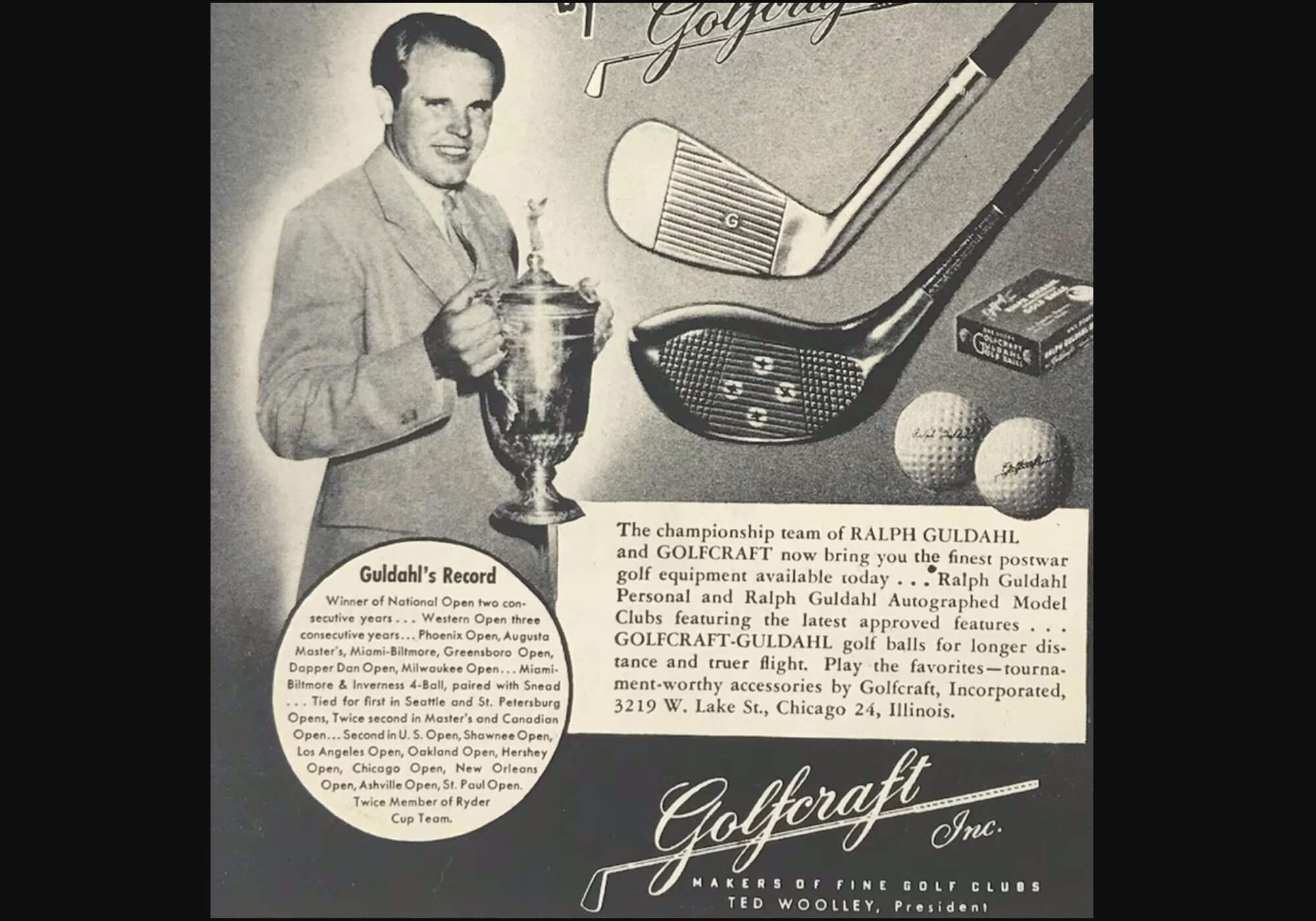
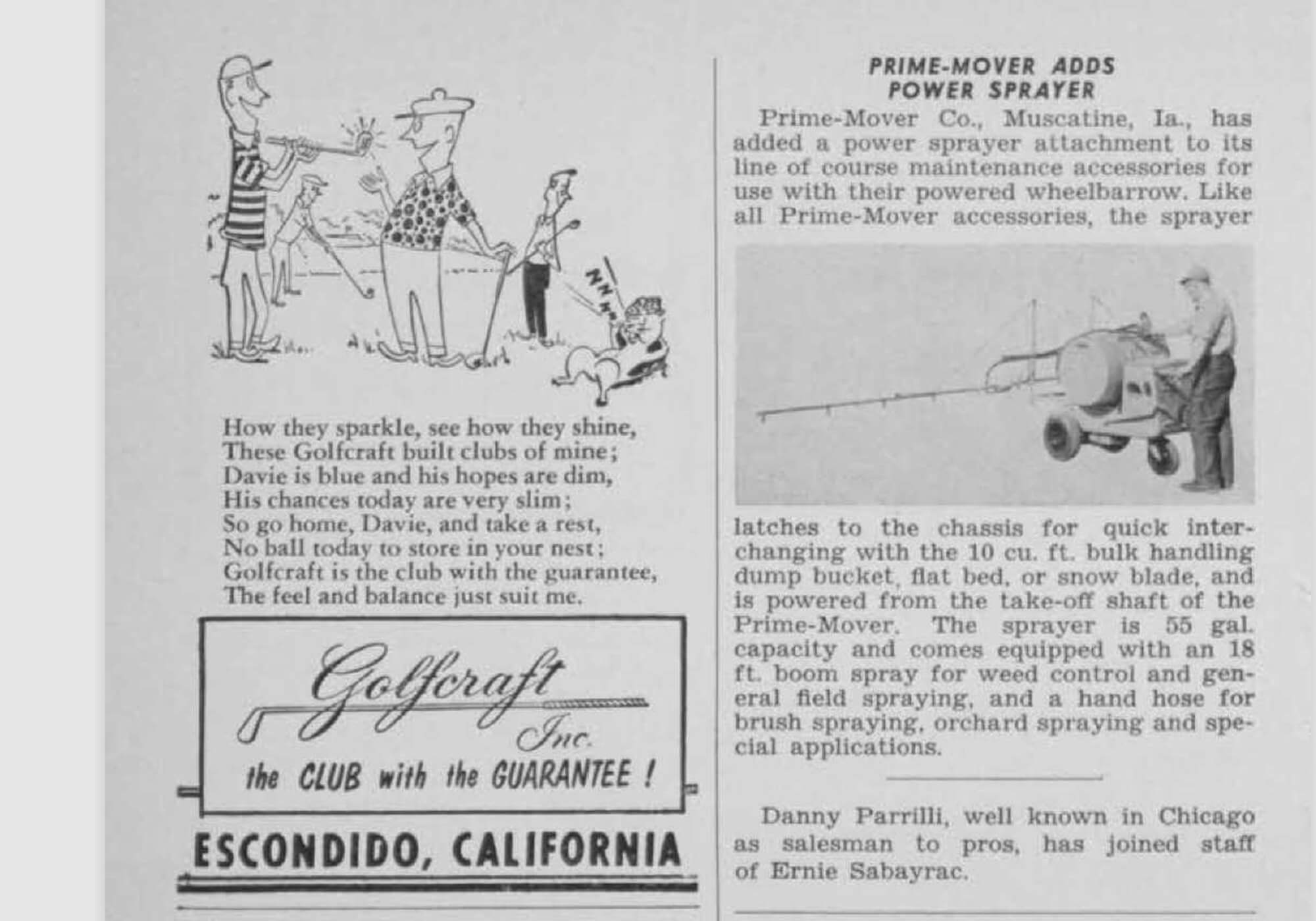
That’s where Woolley established his own company, Golfcraft, in 1944. Golfcraft started as a small-scale workshop, performing club repairs and building custom clubs for local pros.
Golfcraft was never a “major” OEM on the level of MacGregor, Wilson or Spalding. The best modern comps might be Mizuno, COBRA or Srixon. It made pro-level equipment but was more niche than anything else. The company considered its irons “crafted” rather than mass-produced, proclaiming it made the “finest forged irons available.”
Golfcraft’s pro staff featured Lloyd Mangrum, Ralph Guldahl, Dick Mayer and Joe Kirkwood. They were good players with five majors between them but not household names. By all accounts, Golfcraft made excellent clubs but lacked the marketing muscle and professional presence of MacGregor, Spalding or Wilson.
Go west, young man
Woolley networked tirelessly and played in the early Bing Crosby Pro-Am tournaments when they were held in Southern California at Rancho Sante Fe.
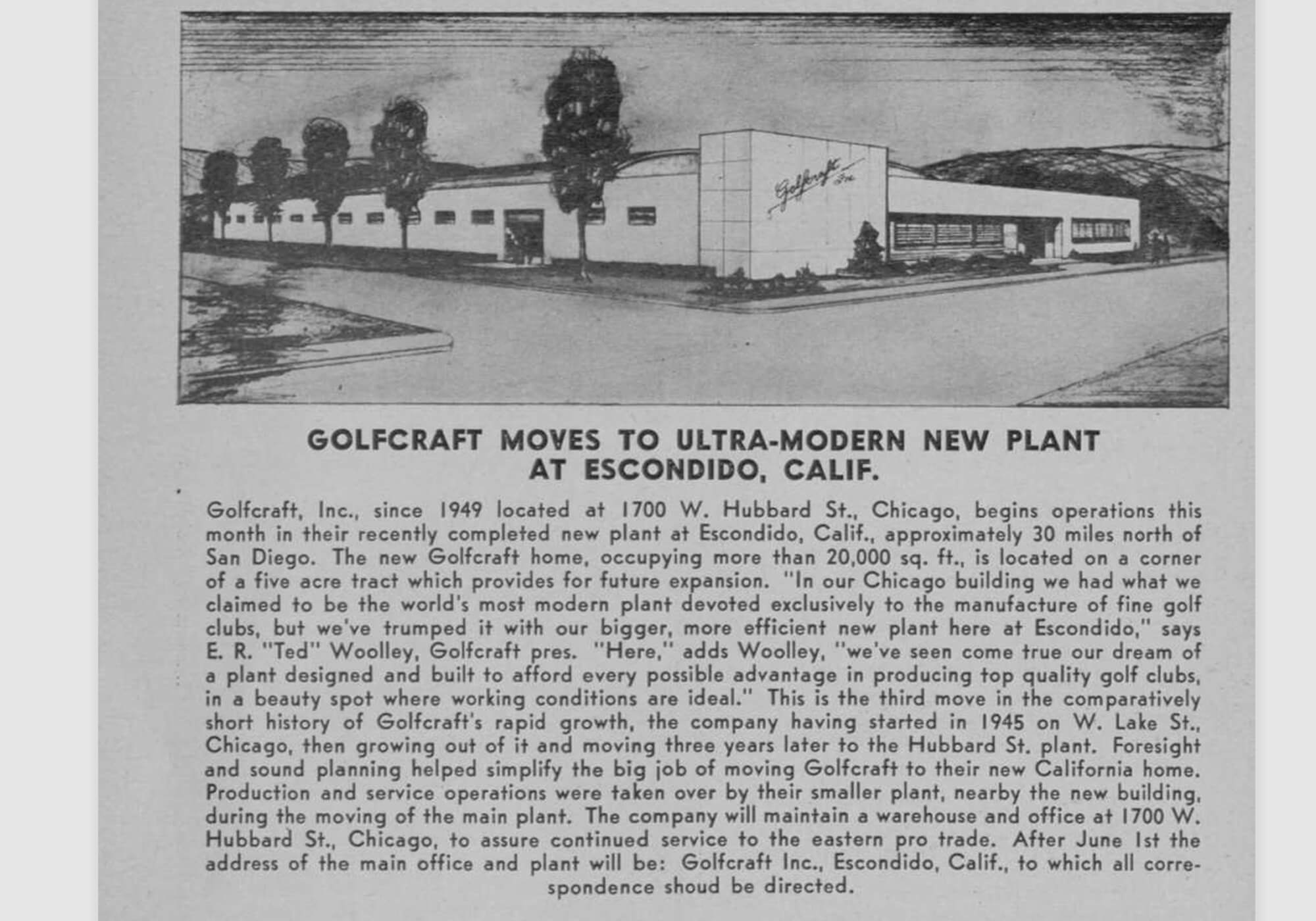
The lure of Southern California proved to be powerful. In 1952, Woolley moved Golfcraft lock, stock and 5-iron out of Chicago and into a brand-new, custom-built factory in Escondido, 20 miles east of Carlsbad. The 20,000-square-foot facility was designed specifically for golf club manufacturing.
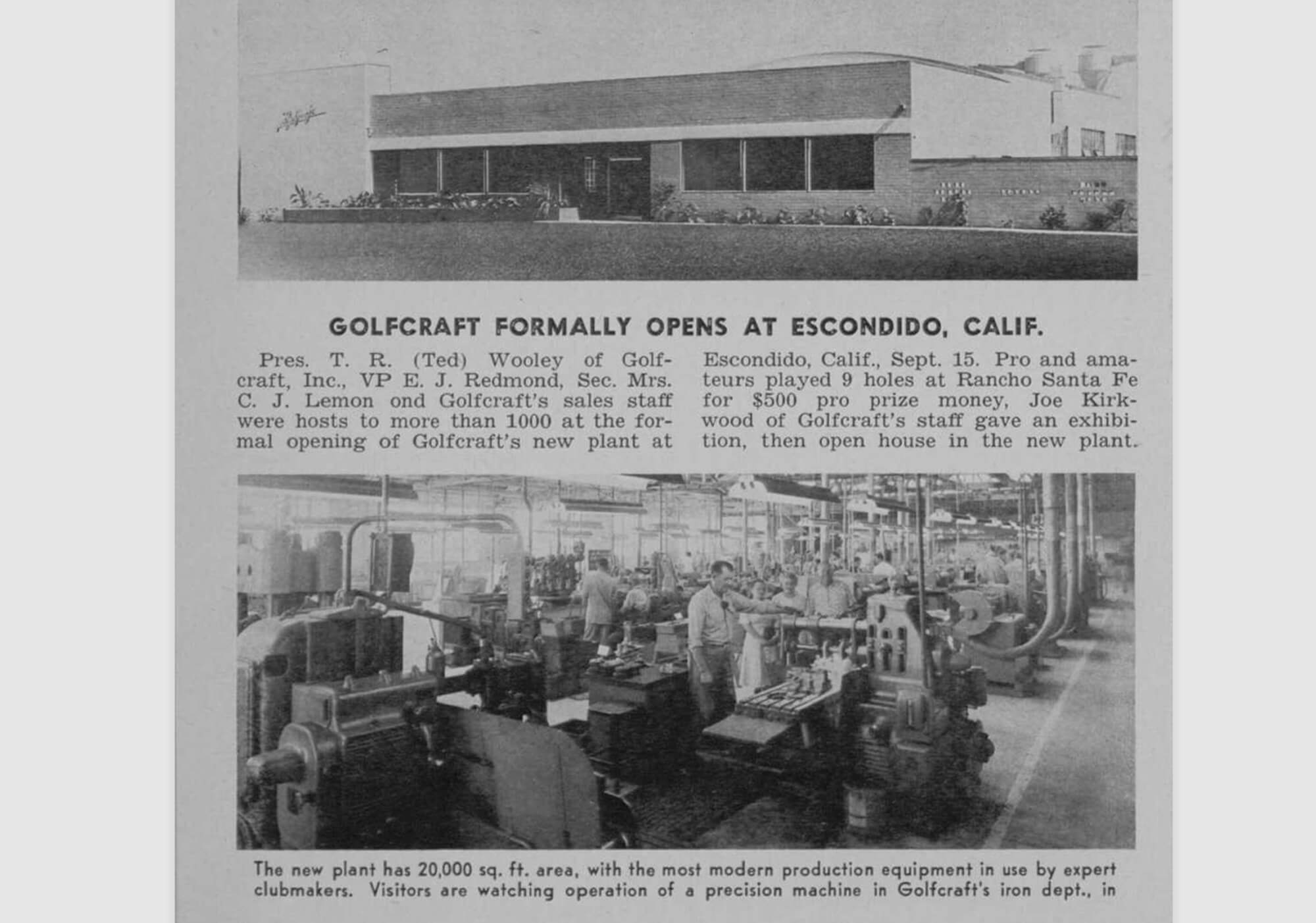
“Here we’ve seen come true our dream of a plant designed and built to afford every possible advantage in producing top quality clubs in a beautiful spot where working conditions are ideal,” Wooley said at the time.
No one could have possibly known it then but Golfcraft became the first golf OEM to set up shop in the greater Carlsbad area. In 1952, land and labor were cheap compared to Chicago and you could test golf clubs outside all year long.
It would take 30 years but much of the rest of the golf industry would eventually follow Woolley’s lead.
Lending a hand to history
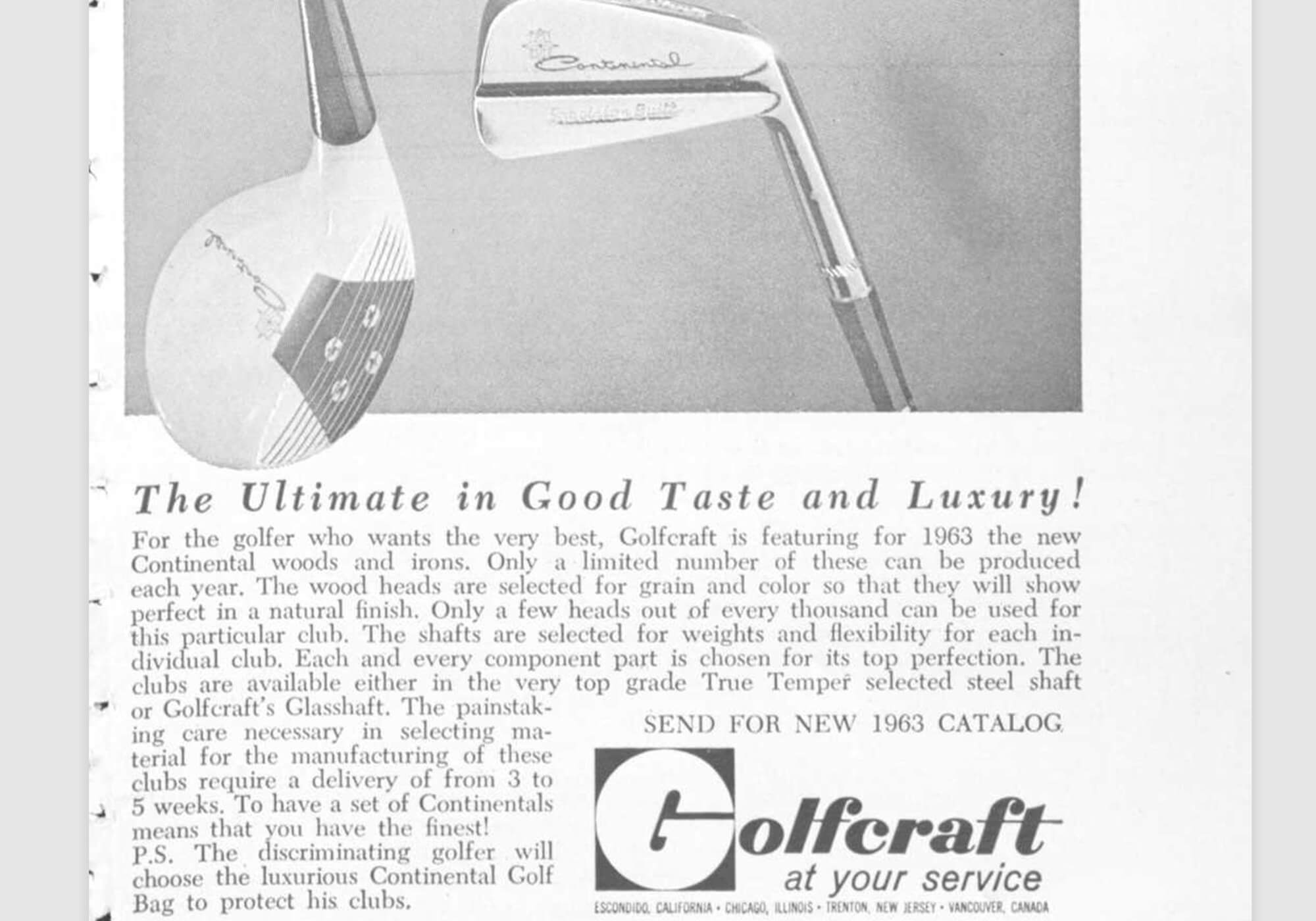
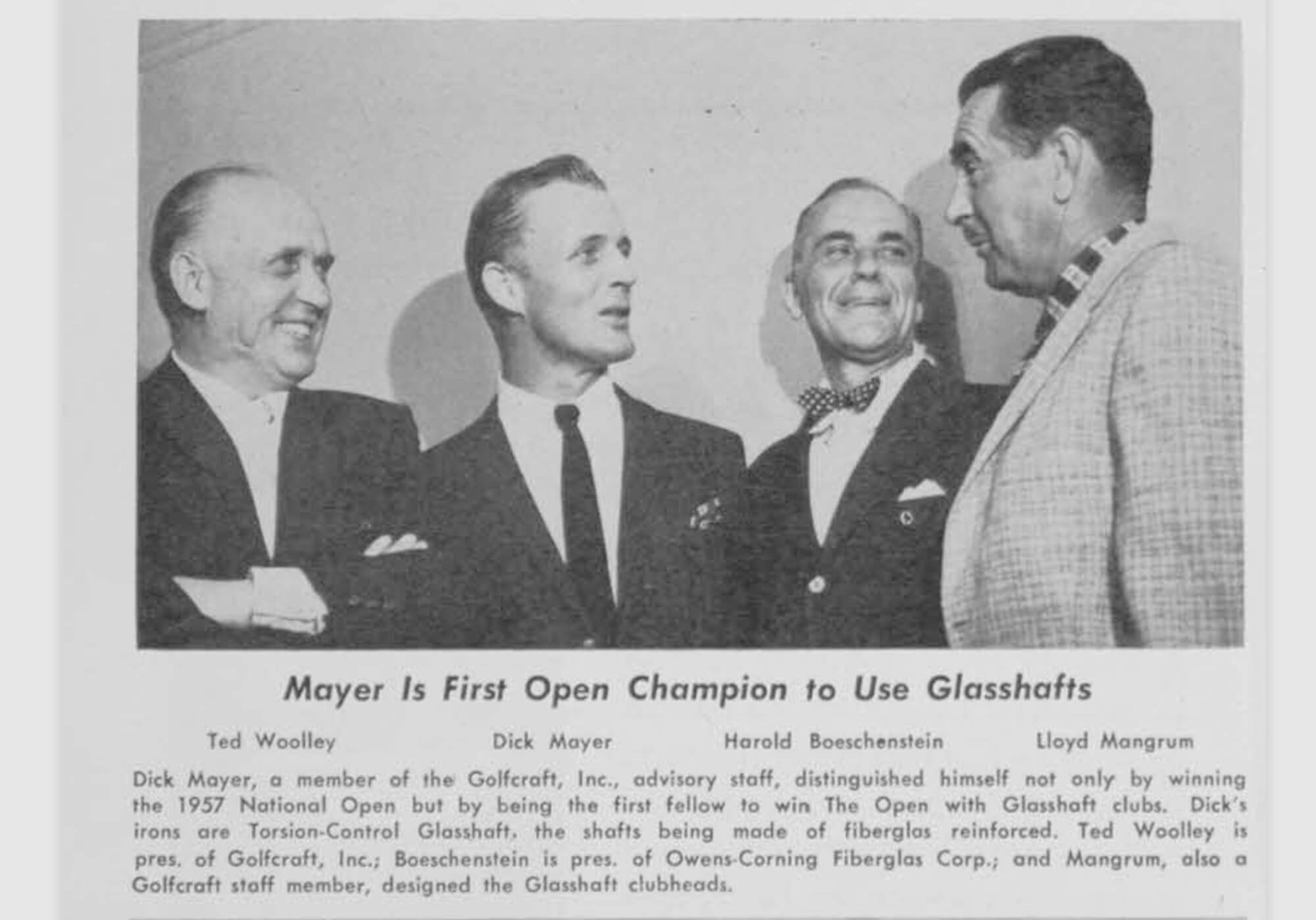
While Golfcraft developed a reputation for top-quality custom clubs for good players, it also had its quirky innovative side. In 1954, the company introduced what’s believed to be golf’s first fiberglass shaft called “Glasshaft.” As an early precursor to graphite, Glasshafts were a standard Golfcraft offering for over a decade. Dick Mayer won the 1957 US Open with Glasshafts.
By 1961, the Golfcraft brand had settled into its role as the Mizuno-Srixon-COBRA of its day. At the same time, it was also expanding into the role of component supplier. The company was a top-tier forging house and made heads for other OEMs. By the mid-’60s, that additional business made it one of the largest club manufacturers in the world. This is when Woolley crossed paths with a quirky golf club tinkerer named Karsten Solheim. Solheim was making a name for himself with some odd-sounding putters (they went ping when you hit them) built in his garage. He had just moved to Phoenix and wanted to experiment with some ideas he had for more forgiving irons.
Woolley supplied Solheim with enough blank forgings to make 100 iron sets. Legend has it that when Solheim tried to pay for the blanks, Woolley refused. (Things were different back then.)

Solheim then milled out sections low and high on the muscle back, creating a rudimentary first take on perimeter weighting. They became the very first PING irons, the PING 69.
Big industry changes were coming
The latter half of the 1960s represented a sea change in the golf world. Manufacturing was going corporate, with vertical integration, product line extension and mergers and acquisitions. Wilson Sporting Goods was bought and sold twice and other brands were expanding their offerings by buying up complementary manufacturers.
Amid all this deck reshuffling, Acushnet was still a golf ball company but clearly one with ambitions. As mentioned, it started branching out in the early ’60s to include more accessories and then added Bulls-Eye in ’62. If it wanted to keep up with industry leaders Wilson, MacGregor and Spalding, however, it would need clubs.
Woolley, now in his late 60s and with no clear succession plan for Golfcraft, was the perfect solution.
Acushnet buys Golfcraft
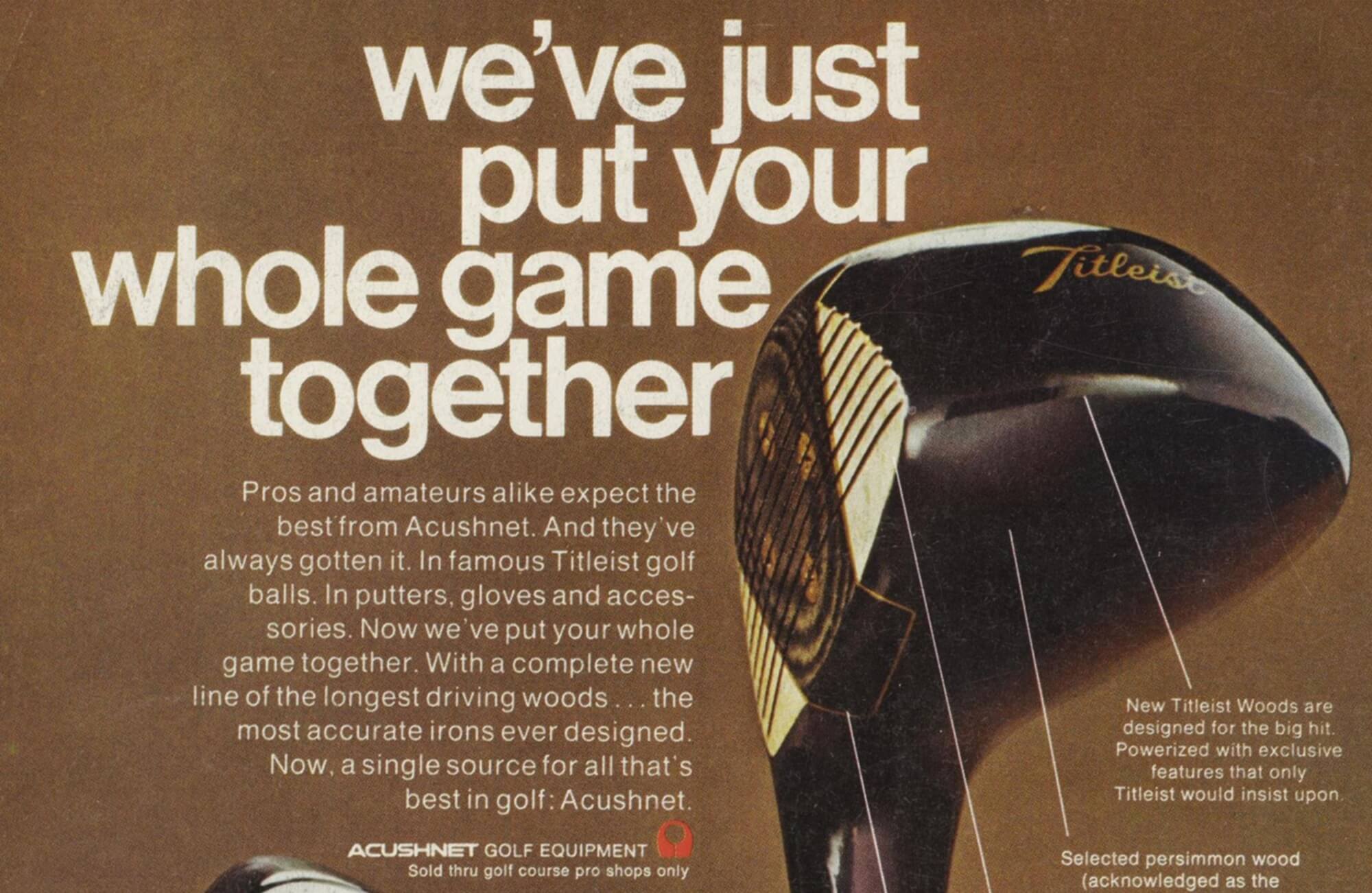
Acushnet and Woolley reached a deal in late 1968. When the agreement was consummated in 1969, Golfcraft ceased to exist. Its clubs were branded “Titleist.” Acushnet now owned the Escondido factory, Woolley’s manufacturing system, his skilled workforce, design concepts and overall philosophy.
There’s no record of a purchase price because both entities were, at the time, privately held.
Almost immediately, Acushnet stopped supplying heads to other OEMs. It also phased out Golfcraft’s retail and department store business. Granted, retail was only a small piece of the Golfcraft operation but Titleist was a pro-only golf ball brand. That’s the way its new golf club business would operate, as well.
A slow start for Titleist
The first irons to carry the Titleist name were the 1969-70 Finalist Forged. They were, for all intents and purposes, Golfcraft forgings rebranded with the Titleist name. The Finalist Forged wasn’t an instant hit but it wasn’t a flop, either. That familiarity and the Titleist name were plusses but there was nothing attention-getting or disruptive about them.
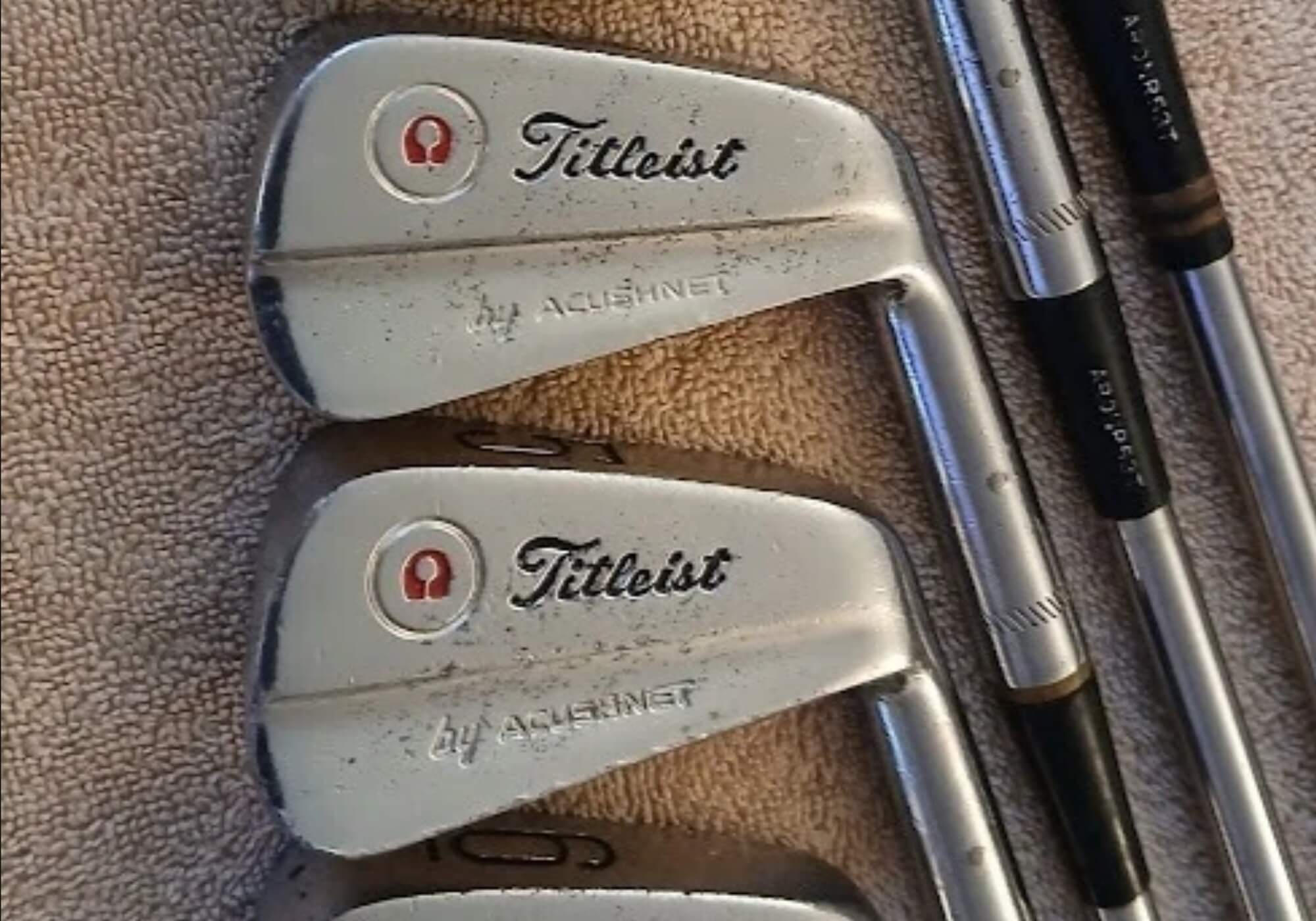
The first club fully designed under the Titleist banner was the 1972 AC-108. For its time, the AC-108 was an incredibly modern iron. It may have been the first iron to utilize tungsten inserts in the heel and toe for extensive perimeter weighting. It also featured a slightly larger head profile.
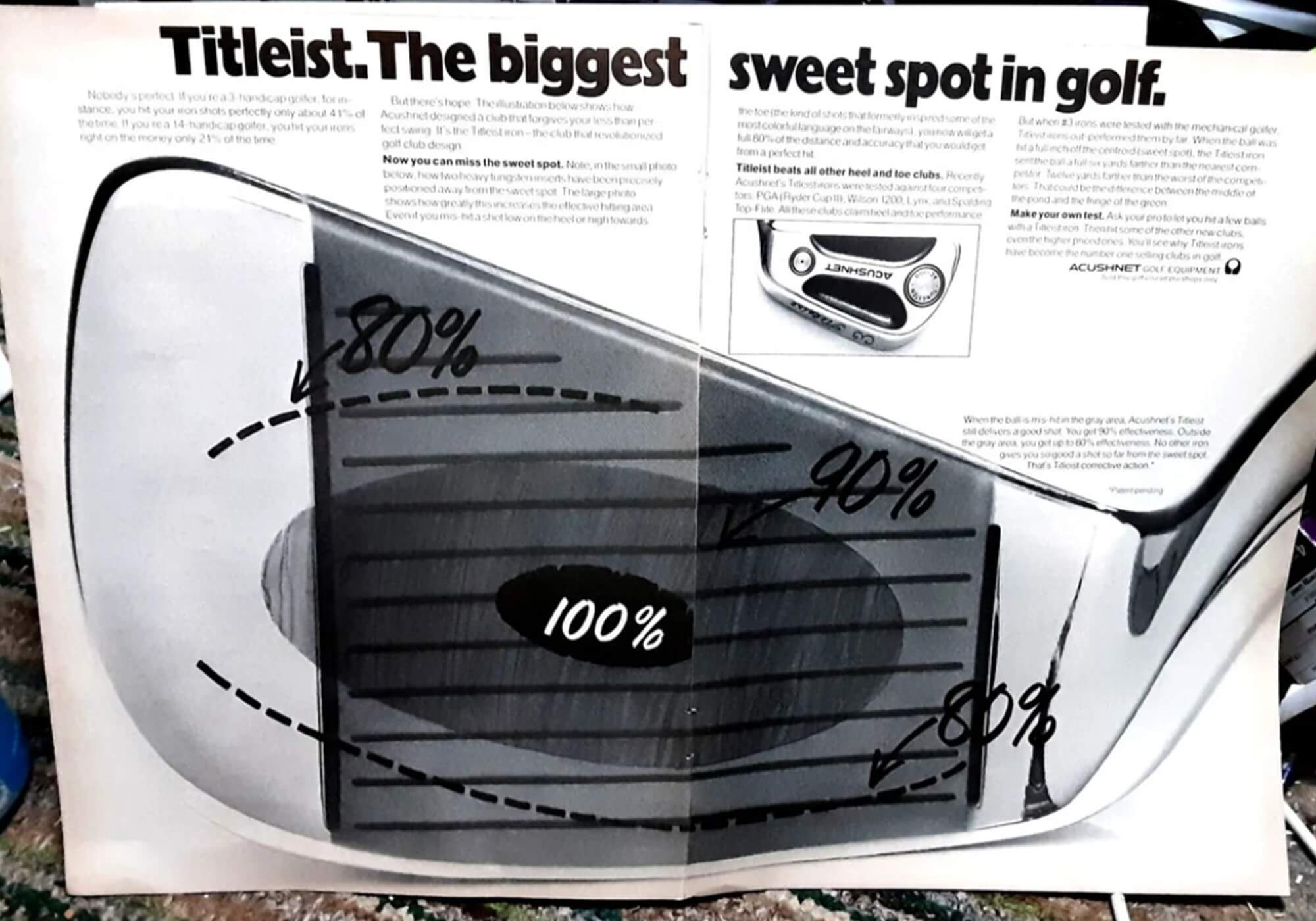
The AC-108 was a noble effort. The problem, however, was that PING’s irons had already cracked that particular code. Like PING’s K1, the AC-108 was rather awkward looking, wasn’t as forgiving as intended and had a very high center of gravity. Its forged head limited geometry. PING’s irons were cast, giving Solheim better weight distribution and CG location.
The Tour finally takes notice
Titleist spent the rest of the ’70s slowly building a Tour staff as well as a consumer following. The company’s true inflection point came in 1983, when Hal Sutton won the PGA Championship at Riviera. It was the first major for Titleist irons.
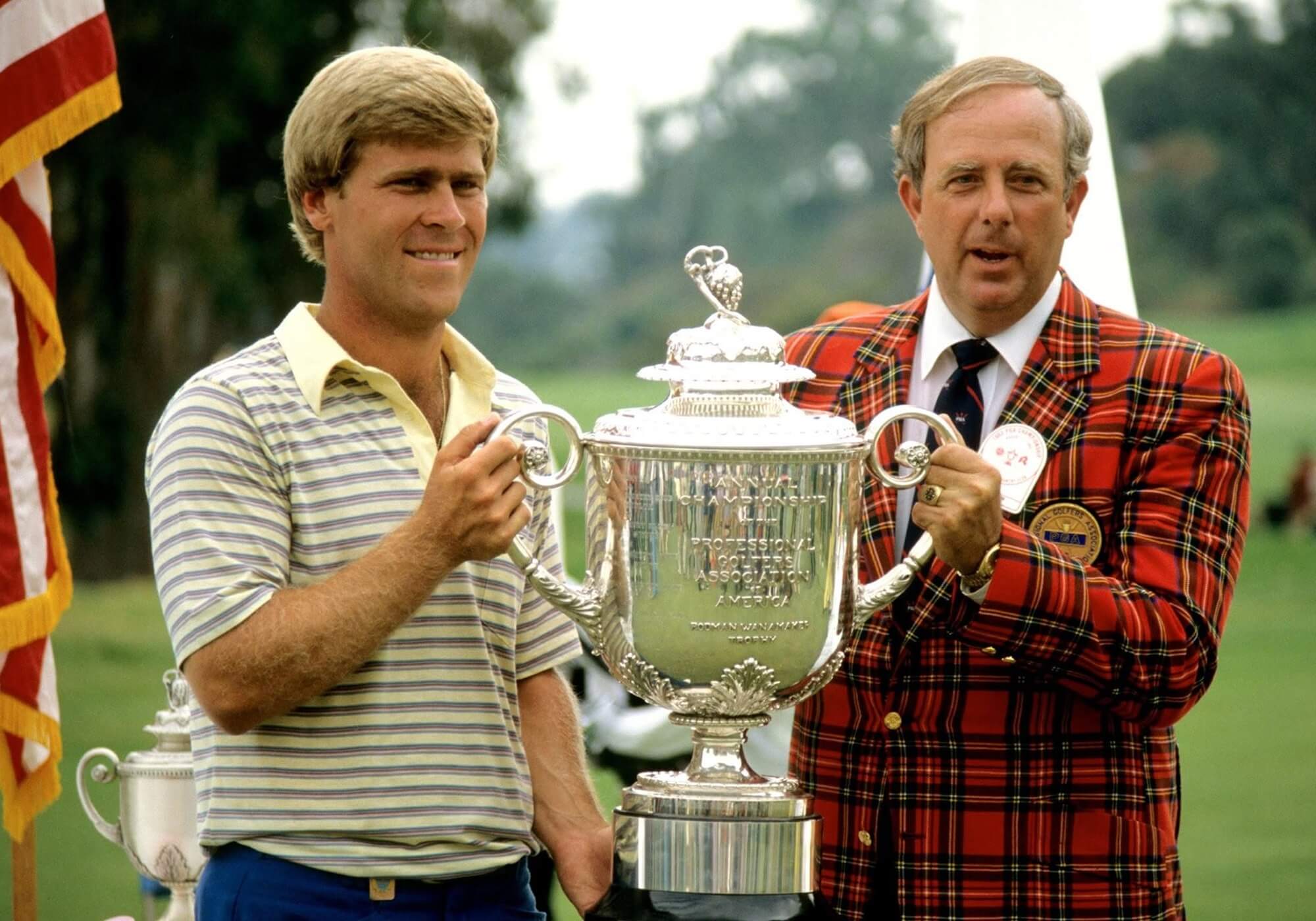
The key shot of the tournament came on the 72nd hole. With Jack Nicklaus nipping at his heels, Sutton smoked a 5-iron to 14 feet to secure the victory. Sutton has said that, considering the pressure and the circumstances, it was one of the best iron shots he ever hit.
By the end of the ’80s, top players like Nick Price and Davis Love III joined Titleist as the company evolved into what it is today, a Tour-first brand. By the late ‘90s, Titleist was the most played iron on Tour. It has held onto the top spot almost exclusively ever since.
History’s Mysteries: Is Ted Woolley the “father” of Titleist golf equipment
We think so. There’s certainly a solid circumstantial case to be made, anyway.
Woolley built Golfcraft from scratch into one of the largest club manufacturers in the world. However, by the late 1960s, he had taken the company about as far as he could. With no succession plan in place, selling out was a forgone conclusion.
Despite its golf ball dominance, Titleist could read the tea leaves. Without a full line offering, there was a more than even chance Acushnet might have ultimately found itself an acquiree rather than an acquirer. The golf world was rapidly changing and the company had to expand beyond golf balls. Buying Golfcraft was the right move at the right time at the right price.
There’s little doubt Titleist would have found its way into the club business anyway. Buying Golfcraft simply sped up the process. Titleist acquired ready-made, well-respected gear, a fully functional factory as well as supply chain and total operational know-how. Although it could literally hit the ground running, it still took more than a decade for Titleist equipment to build a viable Tour staff and win a major.
Postscript
Woolley stayed on with Titleist for three years after the sale. After his departure, the new operation shifted to become much more Titleist-like, focusing on engineering, process and scalable precision manufacturing.
In 1976, the Young family sold Acushnet to American Brands, a food conglomerate that evolved from the American Tobacco Company. Interestingly, Acushnet was still in the industrial rubber business at the time. In 1985, American Brands sold off the Acushnet Rubber division so the company could focus solely on golf.
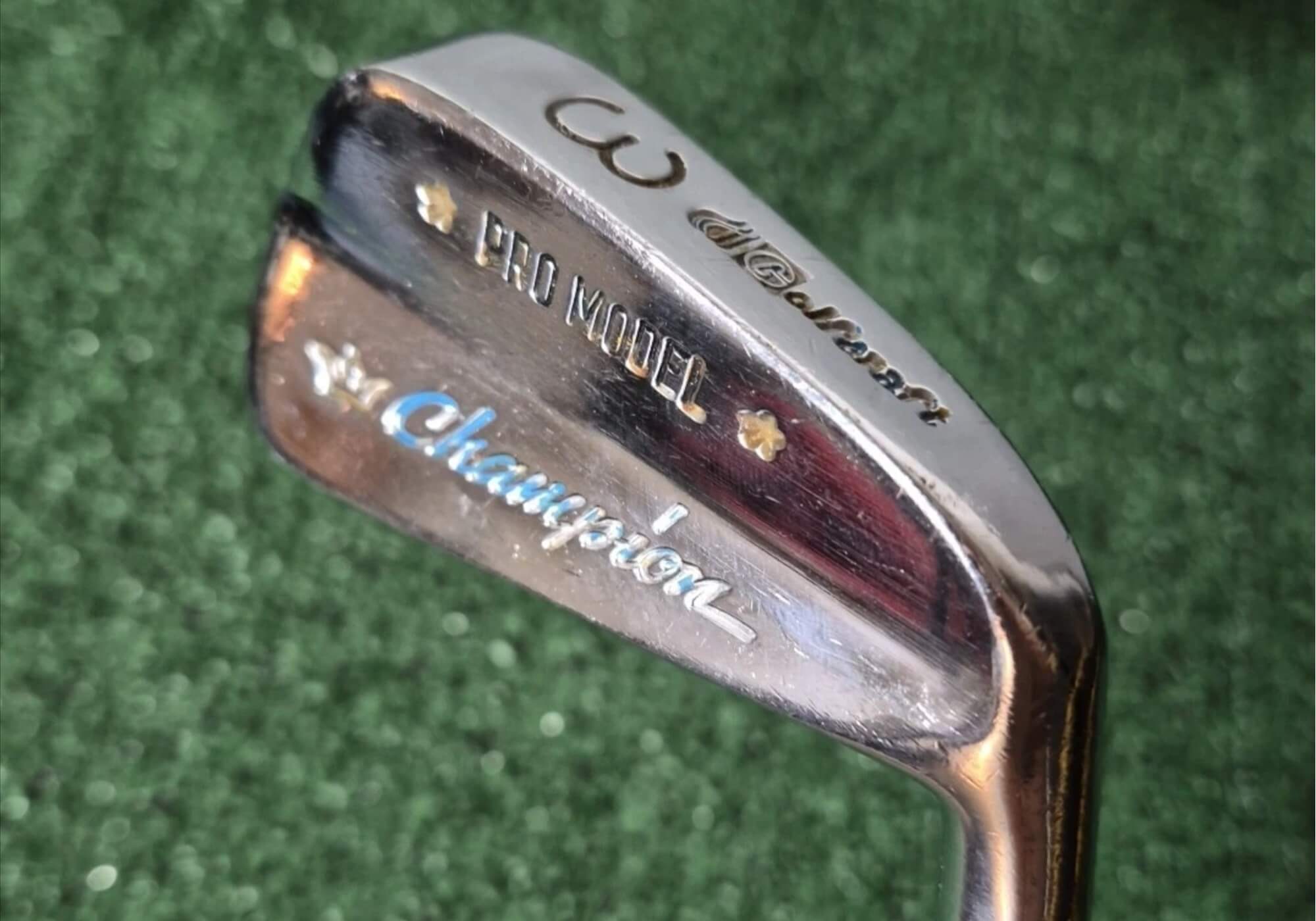
During American Brands’ stewardship, Acushnet would grow into the behemoth it is today. It added FootJoy (1985) and COBRA (1996) in outright acquisitions. It also formalized partnerships with Scotty Cameron in the mid ‘90s and Vokey Design in the late ‘90s.
American Brands, eventually known as Fortune Brands, sold COBRA to PUMA in 2010. A year later, it sold the entirety of Acushnet to a South Korean group led by FILA for $1.22 billion.
Acushnet went public in 2016 but FILA still retains majority ownership.
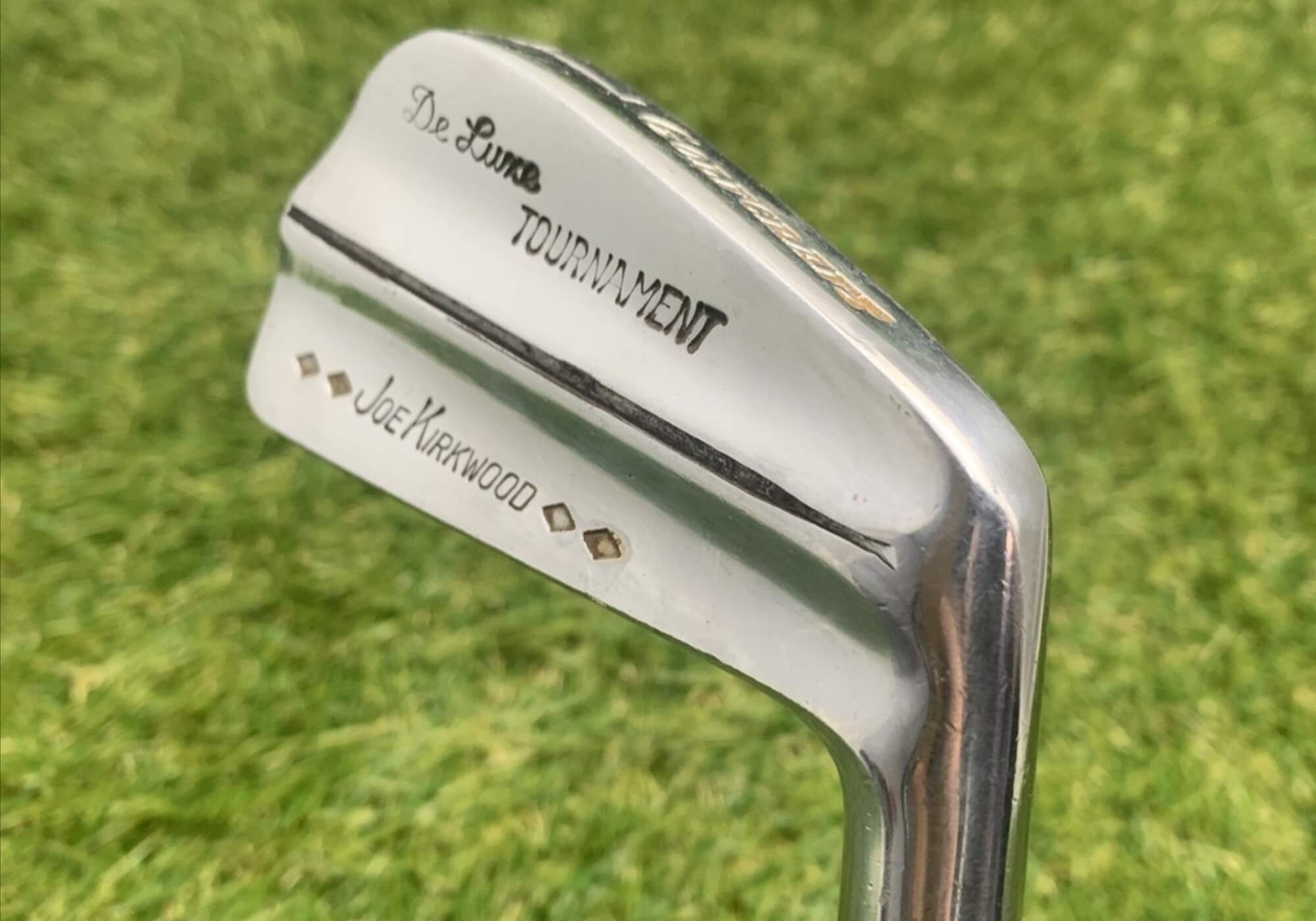
Woolley lived in Southern California for the rest of his life. He designed the Emerald Hills golf course in San Diego, wrote a golf column for the San Diego Sun Times and opened a driving range near Lindbergh Field. He died in 1985.
We hope you enjoy diving into these History’s Mysteries rabbit holes as much as we enjoy writing them. Please let us know in the comments below any other historical golf mysteries you’d like us to run down for you.




Shanks4Nuttin'
4 months ago
Wonderful piece, and nice to see real journalism still being done. Love these types of stories that actually require decent writing skills.