


Wedge milestones are fairly easy to measure. Gene Sarazen gets credit for turning the common niblick into what we now call the sand wedge. Bob Vokey deserves kudos for educating the masses on sole grind and making Titleist the wedge powerhouse it is today.
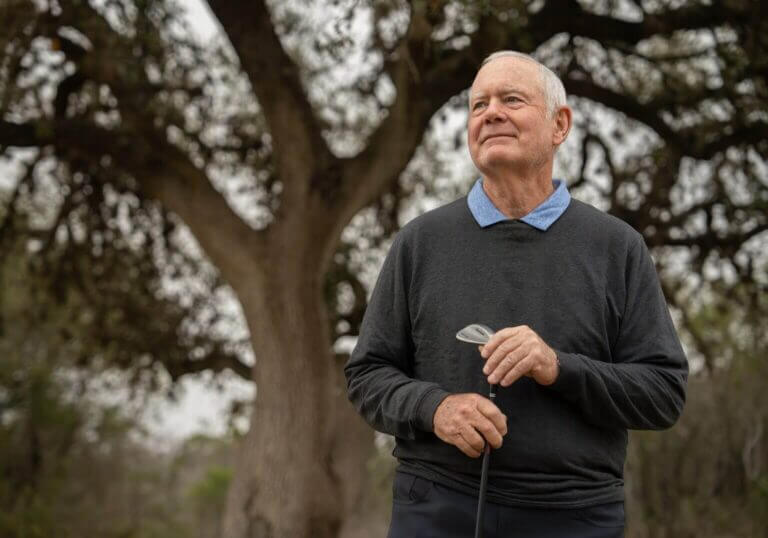
But if you want to get to the heart of the matter, most people in the golf industry will tip their cap to the man they consider the Godfather of the modern wedge: Roger Cleveland.
After starting his eponymous company in 1979, Cleveland proceeded to redefine the wedge, from how it should be designed to how it should be played. He treated wedges as specialty tools, not just an extension of the rest of the set. Cleveland taught the golf industry that bounce is neither good nor bad, but something that should match swing style, angle of attack and turf conditions.
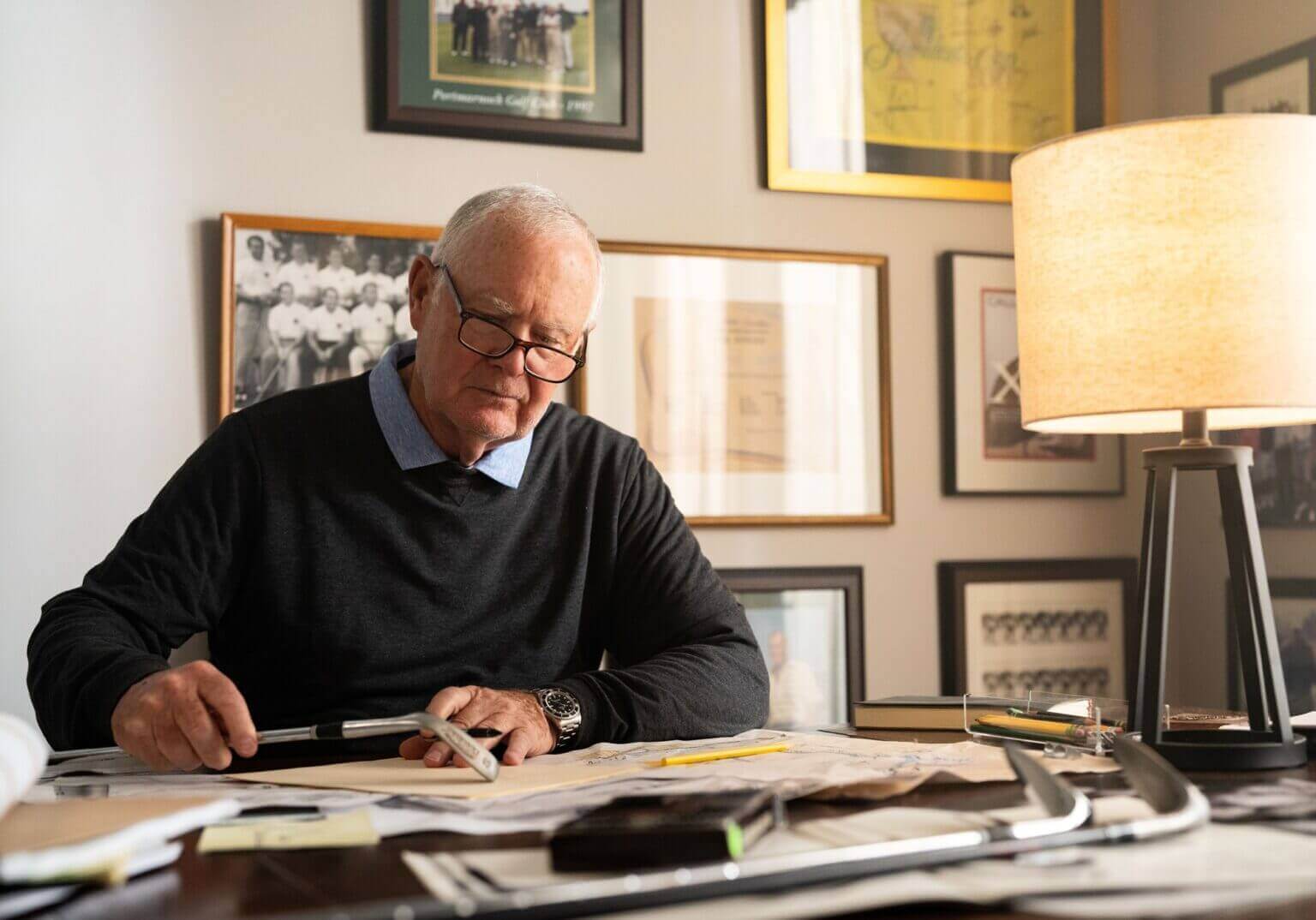
Cleveland returned to Cleveland Golf last year but if you thought it was a golden watch/sunset kind of a deal, you probably don’t know Roger Cleveland. He’s forgotten more about wedges than most of us will ever know so when you get the chance to talk short game with him, you jump in without hesitation.
No, he won’t be wearing a tuxedo, petting a cat and granting favors on his daughter’s wedding day (that’s a different Godfather), but you will learn more than you could ever imagine.
So, without further ado, here’s what this wedge geek learned from his conversation with the Godfather.
The short game is ageless
“As you get older, you start to hear the ball land when you hit your driver,” because you lose distance with age, Cleveland told me during our chat at the PGA Show in January. “I really encourage seniors, especially, to get their short games right, because you can still score.

“I’m old, but I can get up and down well enough that while I may not hit as many greens, I can still make par. You just have to know your technique and the conditions you play in.”
Conditions are always the tricky part because, unless you play at the same course all the time, you’re never 100 percent sure. With that variable hanging over your head, knowing your technique becomes even more critical.
“If you’re steep, you’re going to need more bounce,” says Cleveland. “It’s not the best technique, though. Ideally, you want to be wide and shallow with your attack angle.”
Wide and shallow, he says, gives you more effective bounce with any sole while exposing more loft at the same time.
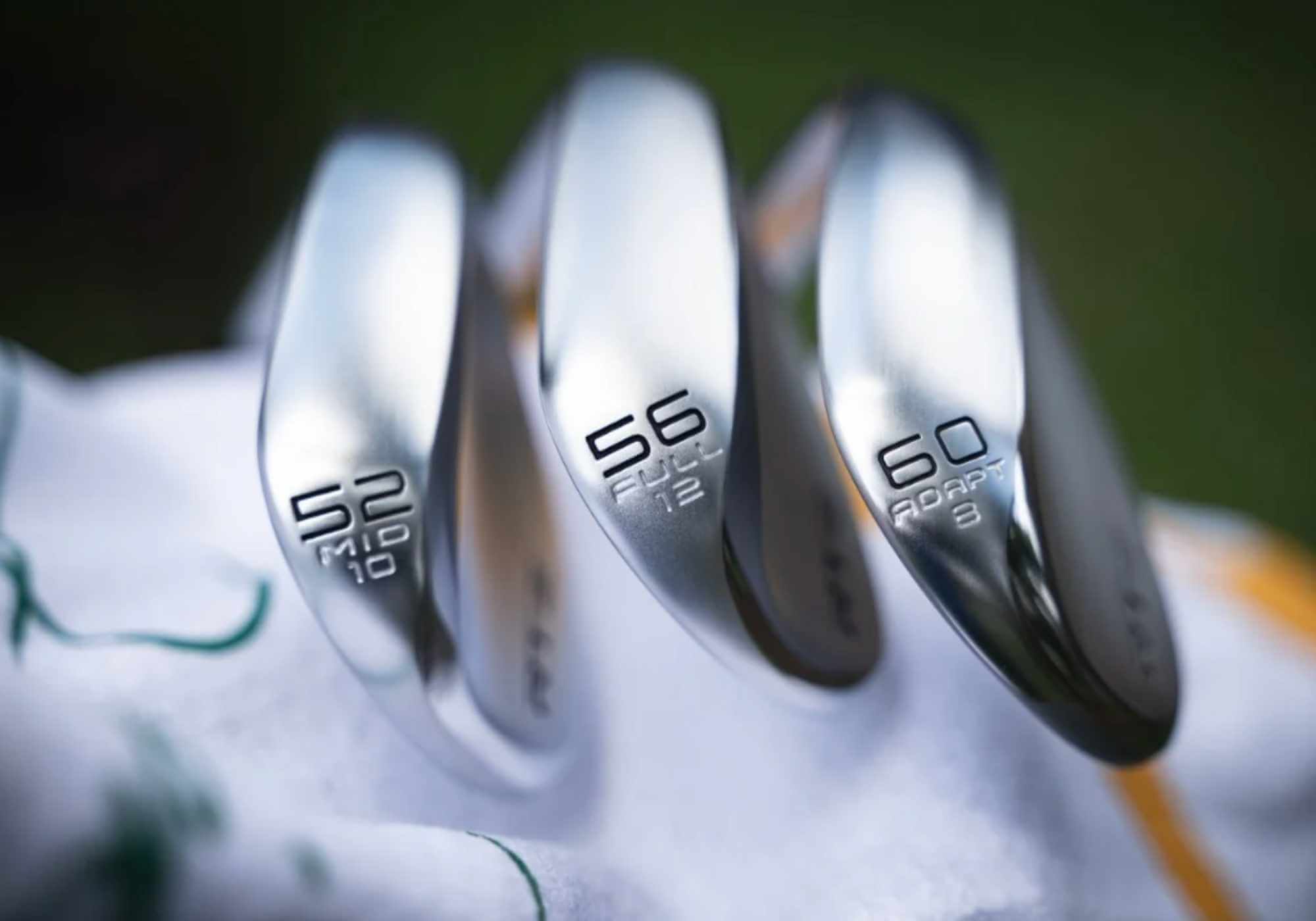
“The sole will act as a skid plate and is more forgiving so you don’t have to be perfect. Nobody’s perfect so you want to use that skid plate to your advantage. When you’re steep, you take it away.”
Feel, rhythm and “soft hands”
When it comes to a good short game, Cleveland believes anyone can do it properly.
“From 40 yards and in, you create width with your arms while speed comes from your rotation because you’re not swinging with your hands. You’re releasing the club head but you’re doing it with your body, not your hands.”
That gives you good feel, rhythm, and what’s commonly referred to as “soft hands.”
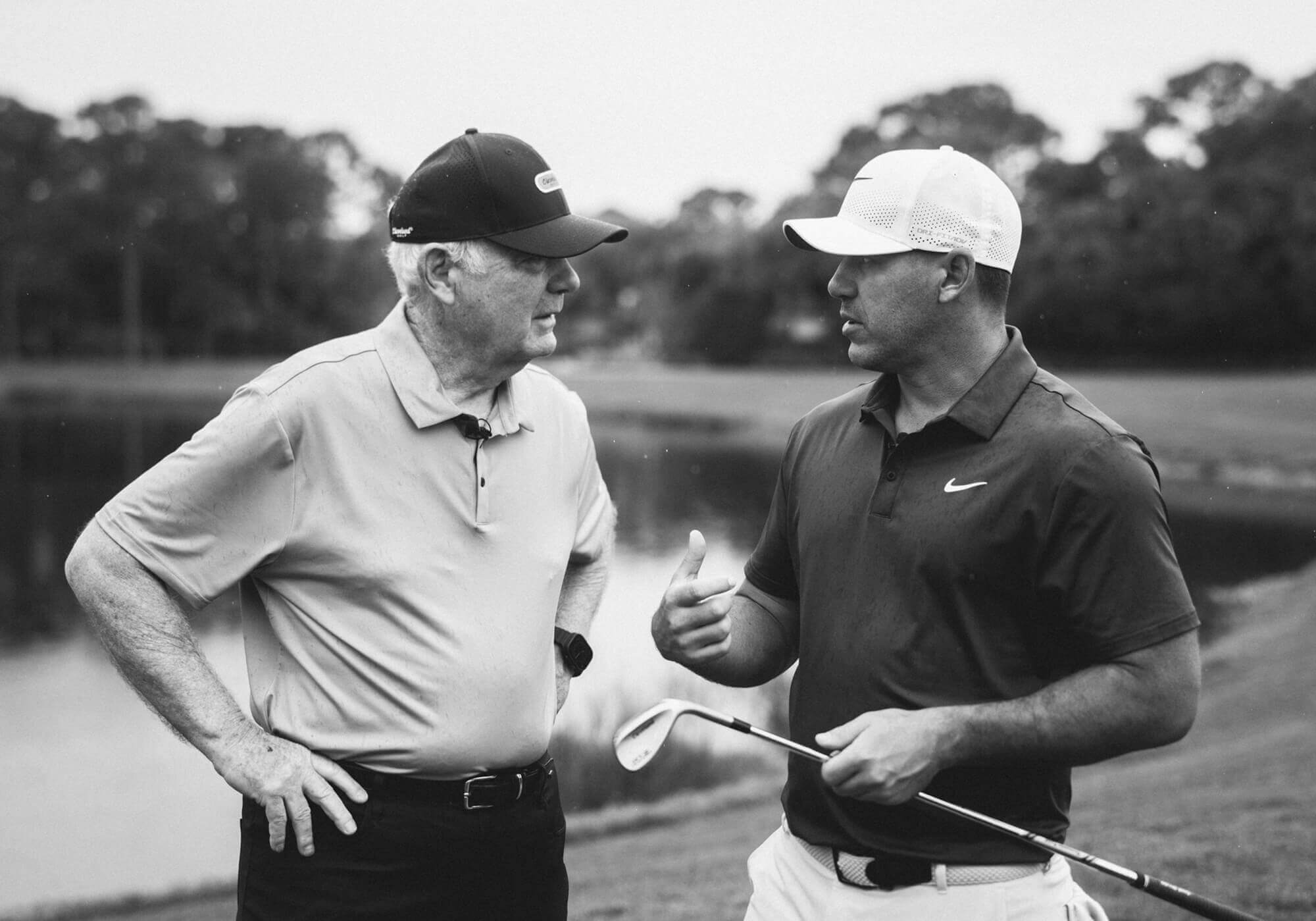
“As soft as you hold the club, you shouldn’t shake hands that soft,” he says. “Hold the club too tight and the muscles in your arms tighten up and you can get too quick. The softer you hold the club, the more rhythm you’ll get and you’ll take a backswing long enough to create the force you need for the shot.
“You don’t want to speed up or slow down with a short back swing.”
The art of sole grinds
The Cleveland 588 Tour Action wedge might be the most influential wedge this side of Sarazen’s sand wedge. Before the 588, most wedges were essentially short irons with wide, flat soles. Very little thought was given to how the sole interacted with the turf. Tour players knew, however, and they’d often hand-modify soles themselves.
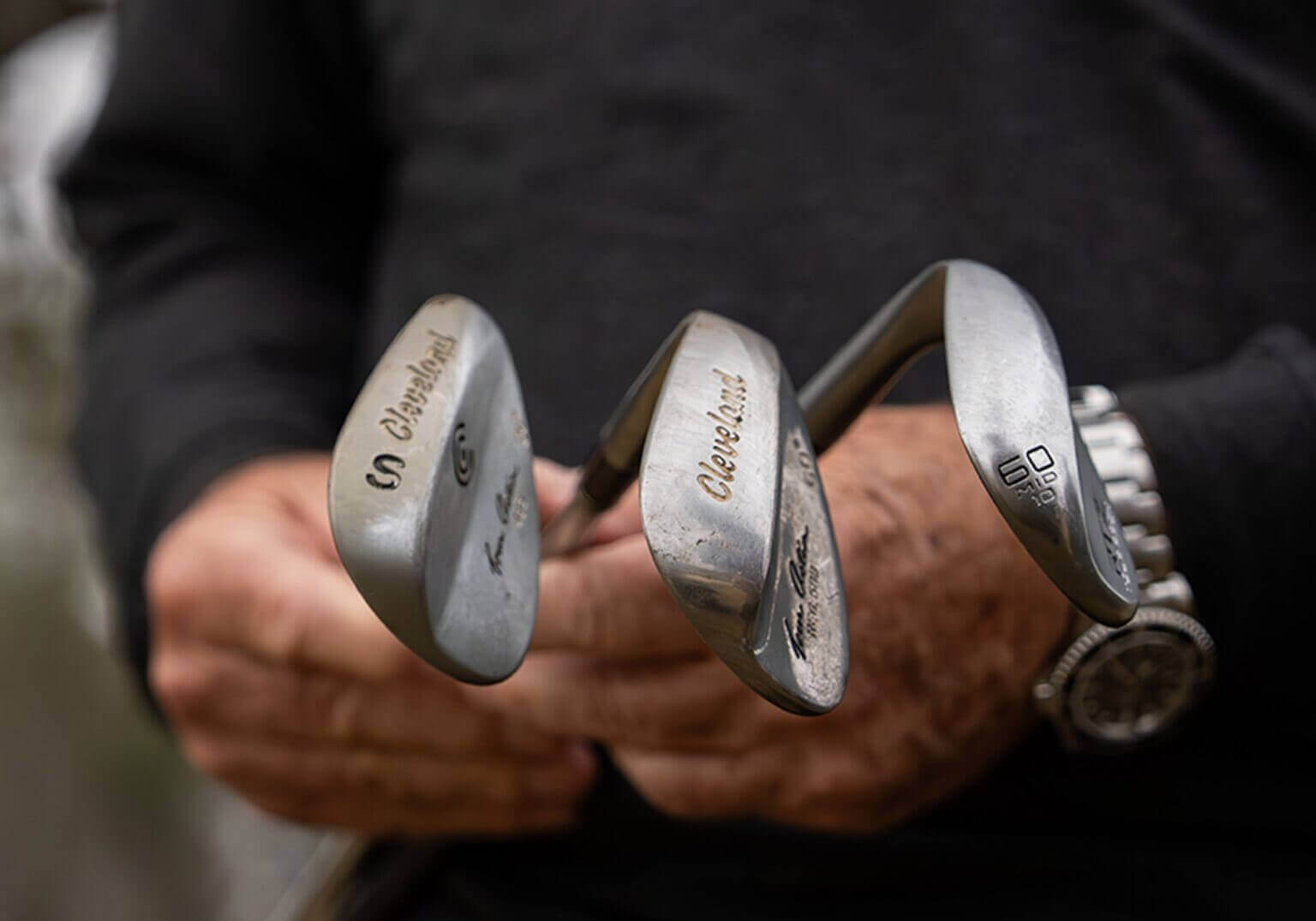
Roger Cleveland recognized the sole as the most important performance feature of a wedge and that two wedges with the same bounce angle could play completely differently depending on sole width, camber and how much material could be removed from the toe, heel and trailing edge.
“There’s a misconception that the Tour plays low bounce. They don’t play low bounce. Their lob wedge bounce is around 12 to 14 degrees. Manufacturers may show a four-degree bounce on their wedges but it’s really 18 degrees of ‘effective’ bounce.
“When you add heel and toe relief, you’re adding bounce. You’re taking the bounce you had and you’re moving it back. That takes bounce off in the center. The sole is widest in the center anyway and gets narrower toward the heel and toe. That equates to less bounce when you open it up, since you don’t have the width in the sole.”
The importance of bounce in and out of the sand
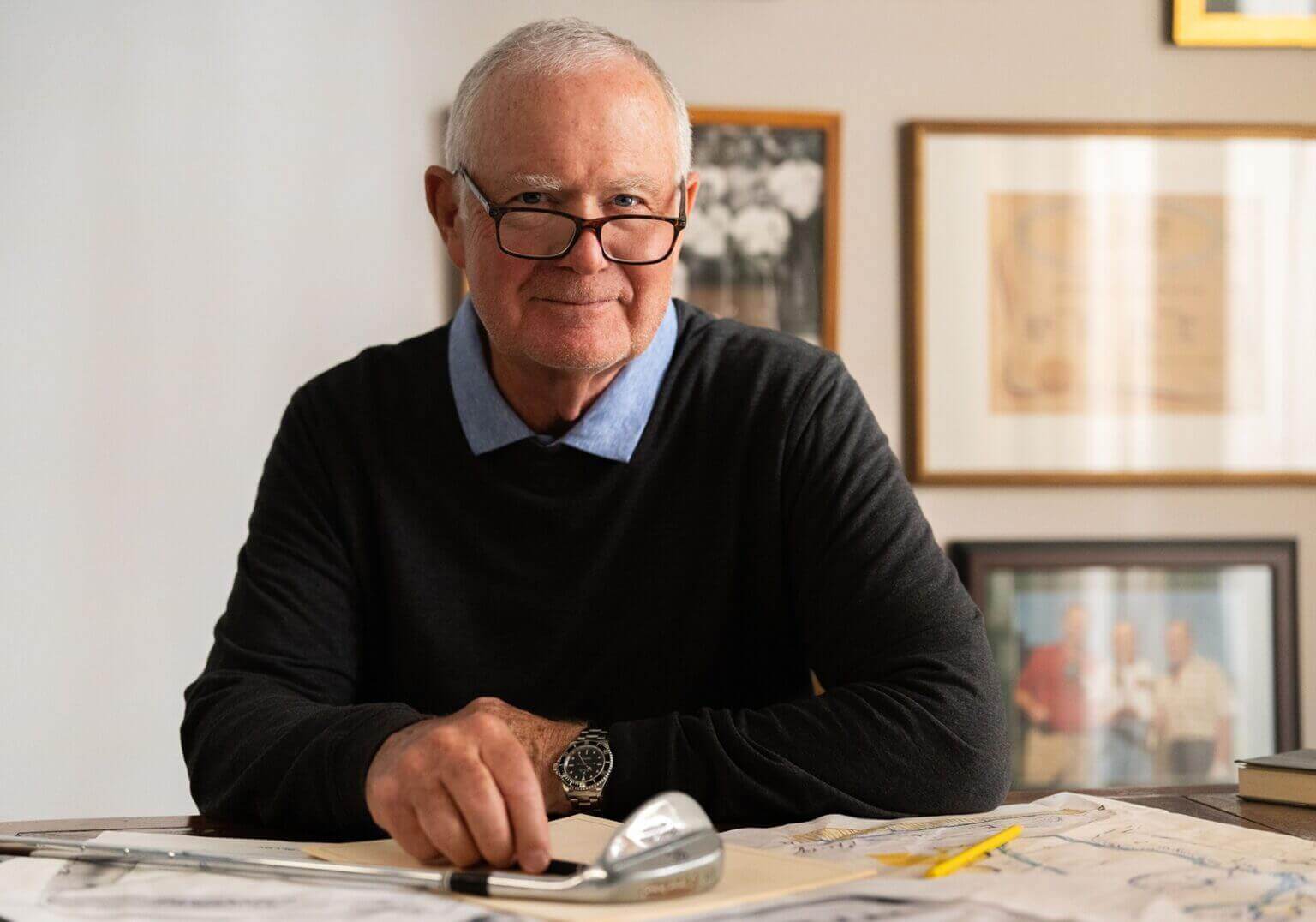
The original 588, with its moderate bounce and rounded leading edge, showed that bounce could actually prevent digging and improve consistency on turf and in bunkers.
“In the sand, you want a wider stance and stand farther away from the ball. That gives you more room to release the club head down into the sand. You want to hit two or three inches behind the ball but you want to feel like the trailing edge is the first contact point in the sand. If the sand is firm, you’ll need less bounce. If it’s soft, you’ll need more bounce.
“You’ll dig into soft sand more with less bounce. I like to release the trailing edge into the sand behind the ball, with a wider stance and standing farther away from the ball. Your weight should be 70-30 on the front leg, with your front foot at a 45-degree angle.”
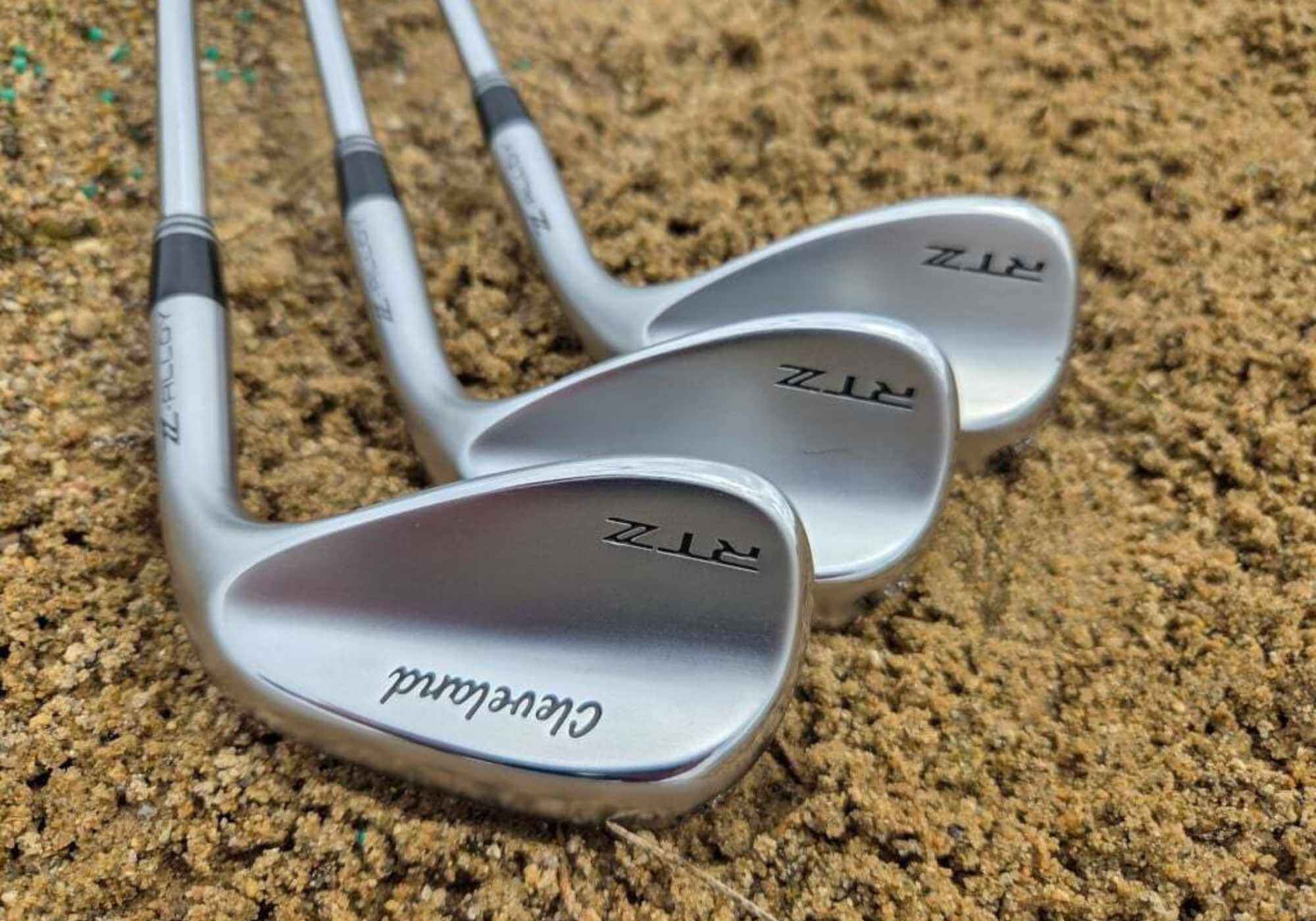
I had to ask him about skulled wedges as I had just sent one screaming into the parking lot the day before. Does that problem require a low-bounce wedge?
“What typically happens when you skull a wedge is that you’re trying to lift it. You probably bring the wedge too far inside and you change the plane. To get the loft, you wind up dropping your right shoulder.
“You want to get the club in front of you and swing it around you with your sternum ahead of the ball. It’s almost an out-to-in swing. Bring the club head out and keep it in front of you, not around you. When you rotate like that, you have width, loft and bounce. From there, you can swing the club head as you turn.”
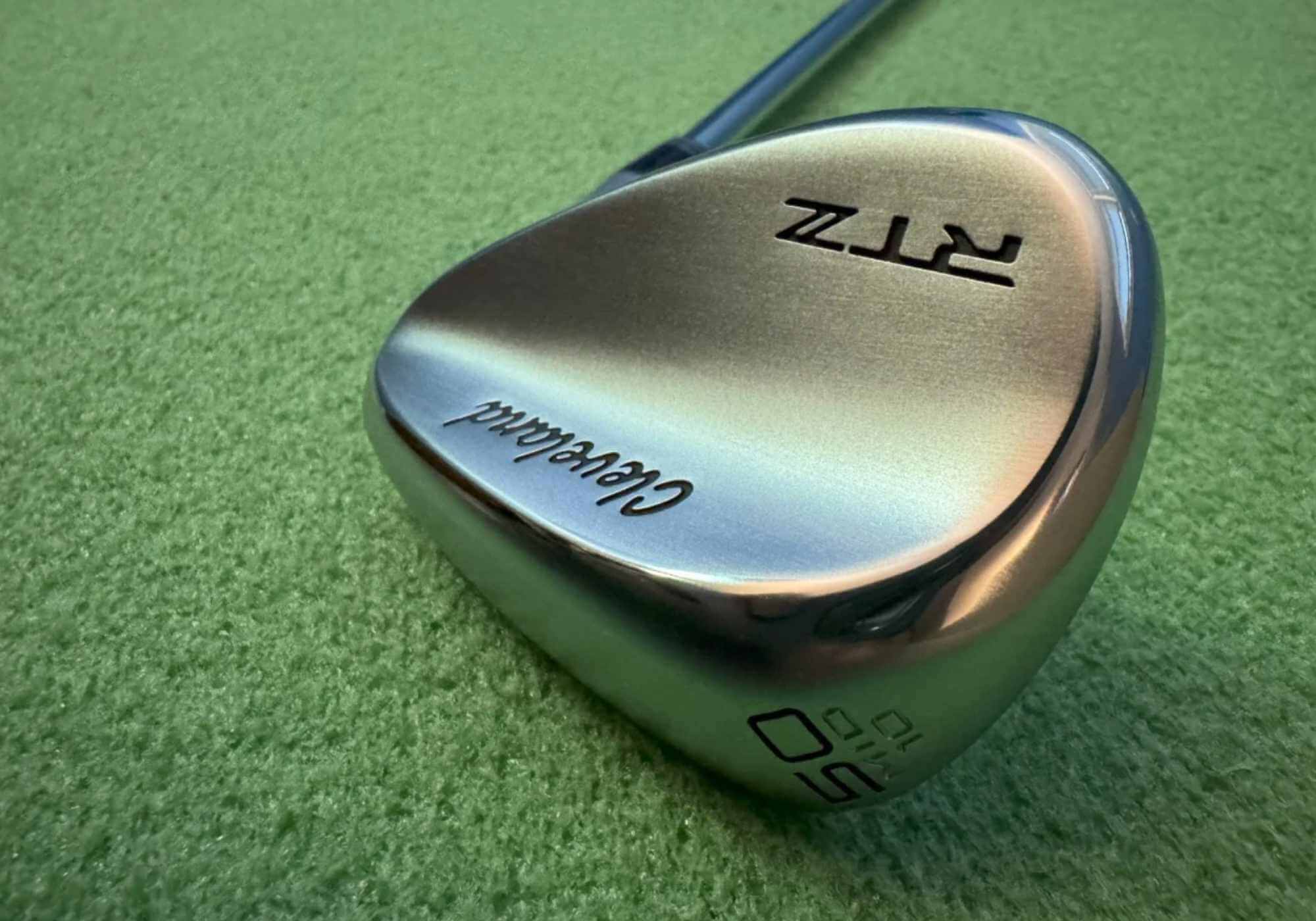
Did you know …?
Did you know your wedges should probably have a flatter lie angle than the rest of your set? At least according to Roger Cleveland, they should.
“You want them a little flatter because you want to do different things with your hands. If you want to elevate the ball, lower your hands. Your wedges should be at least one degree flatter than the rest of your set, maybe two.
“That enables you to do some different things, like get out of funny lies and things you typically wouldn’t try to do with an iron.”
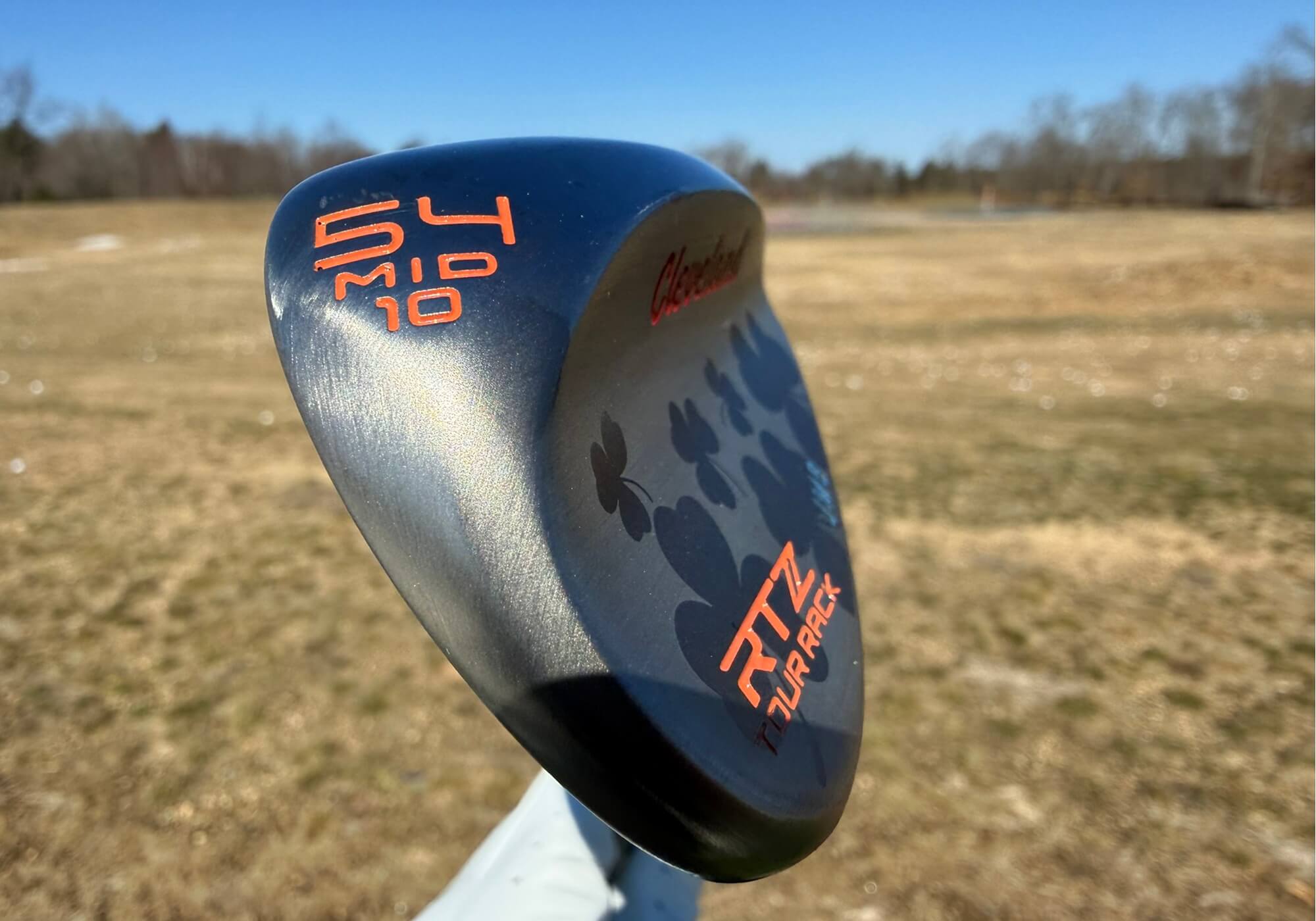
I think most golfers would agree that your performance from 110 yards and in will make or break your score. However, the clubs we use for those critical shots (our wedges and putters) are, statistically speaking, the ones we’re least likely to get fit for. Only between 18 and 22 percent of golfers studied have been custom fitted for wedges. That’s among avid golfers. If you add recreational golfers into the mix, that number falls below 10 percent.
“The most critical wedge to get right is your highest lofted one, whether it’s a 58 or 60,” Cleveland says. “You make that decision with your teacher or coach. They’ll know about the different grinds out there and can see your technique.”
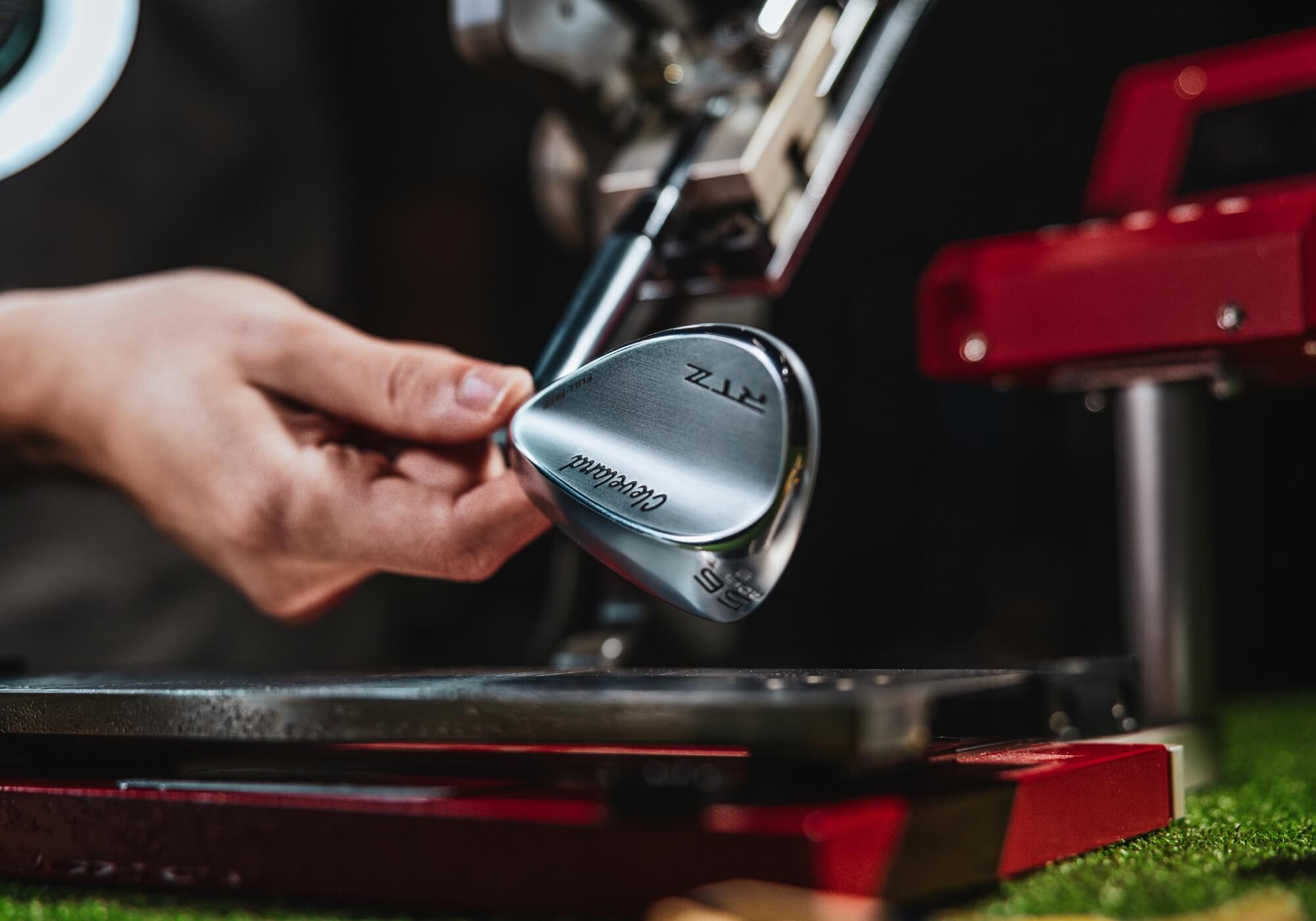
As my time with the Godfather of modern wedges came to a close, I was struck but not surprised (he is Roger Cleveland, after all) by how well he expressed a fundamental truth: The right short game tools are essential, but they still have to be used properly. Proper technique will unleash the full potential of the right sole grind for your game.
Ultimately, to paraphrase that other Godfather, you’ll be able to hit your approach shots close, and your chip shots closer.









tom fitz
5 months ago
I have titleist sm10s in my bag however putting back my old tour action. 588s in great shape. I don’t know why, but I just seem to hit these wedges more consistently in accurately than the new SM10s. Am I out of my mind.