



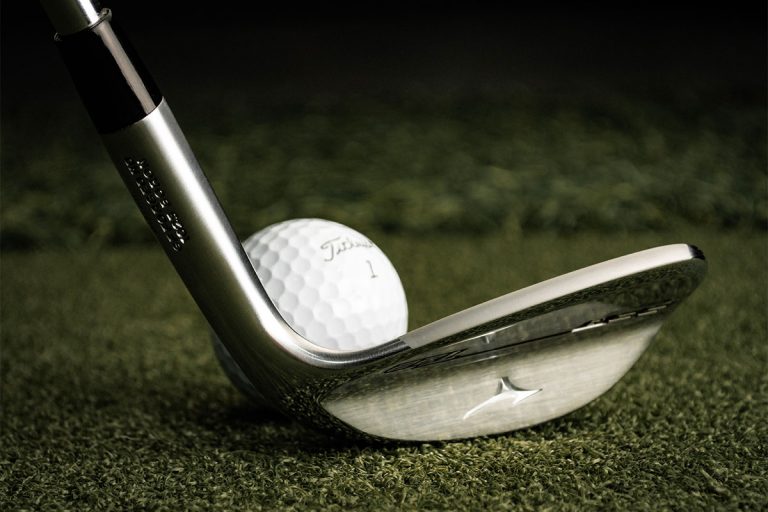
I’ve always noticed that, for the most part, golfers have a good idea of where the golf ball should be positioned for drivers and even the stock 7-iron shot. When it comes to wedges, however, I see a lot more variation.
Some players think the ball should be all the way in the back of the stance because it’s such a different shot than a driver. Others completely ignore how ball position affects their setup, and it’s in a different spot every time.
If you’re struggling with inconsistency in your short game, chunked chips, ballooned pitches and poor spin control, it could be as simple as where the ball sits in your stance. Here’s what you should know about wedge ball position.
Why ball position matters for wedges
Wedge play is all about controlling the low point of your swing.
If your ball is in the wrong place relative to that low point, you’re going to catch it fat, thin or lose spin. That’s because your club’s loft and angle of attack are directly tied to where the ball is in your stance.
It’s also important to understand that high, soft wedge shots aren’t the only kind you need. In fact, some of the best wedge players in the world flight the ball lower with more spin. Not higher.
A lower launch with proper shaft lean and a clean strike allows the ball to hit and stop quickly, even in wind or firm conditions. All of these adjustments start with ball position and having this type of variety in your short game will help you become a better player.
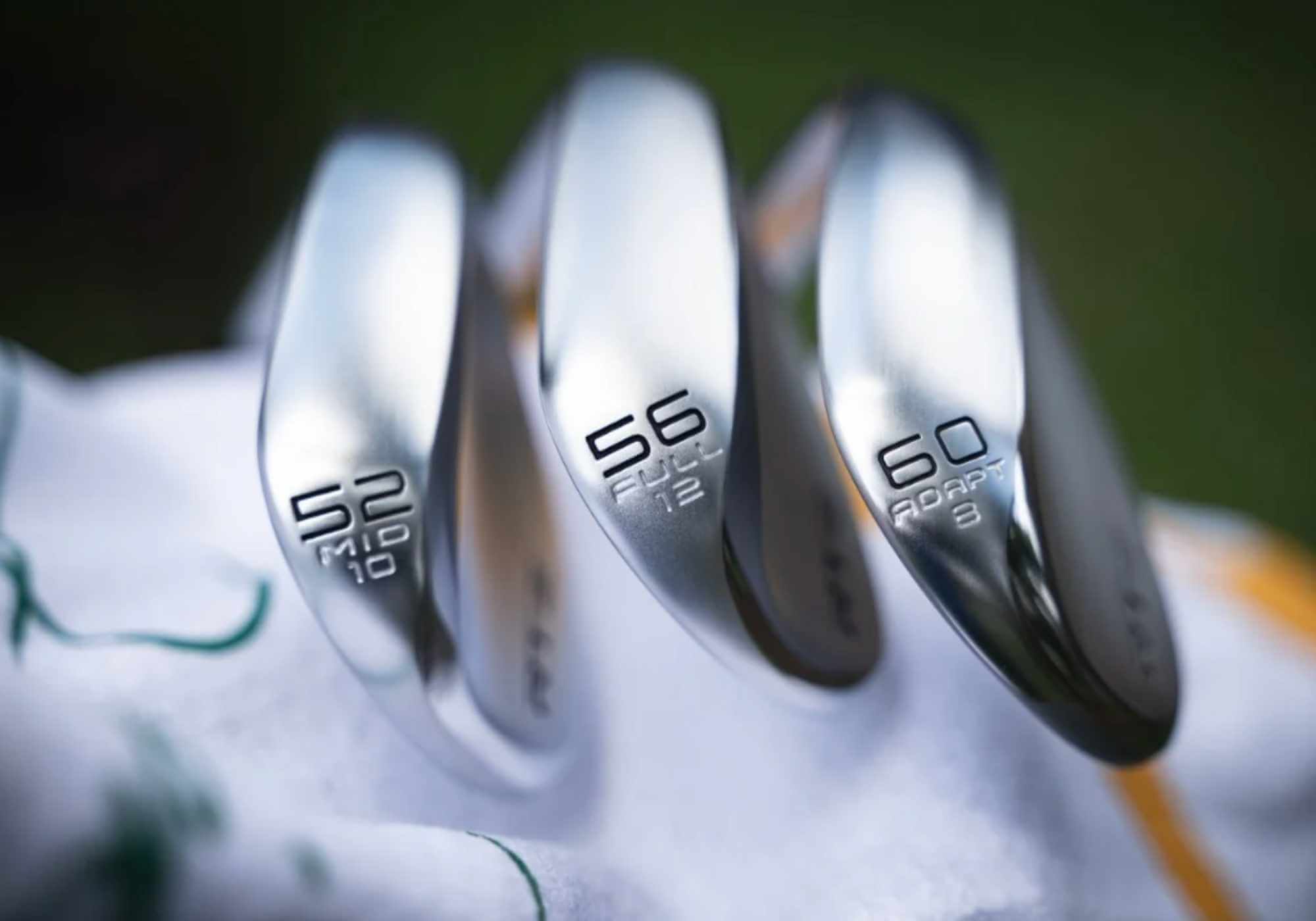
The standard ball position for wedge play
If you’re looking for a baseline, the center of stance is it. The late short-game guru Dave Pelz explained it: If the ball is truly centered between your feet, the bottom of your arc will be just after the ball, perfect for solid contact with a slightly descending blow.
Too many players move the ball forward, thinking they’ll get more height, but this only increases the chance of catching the turf first.
A centered ball position with a slightly flared front foot allows for proper rotation without compromising low point or face control.
How ball position changes by wedge shot type
Once you have that centered ball position for the wedges in place, you can make tweaks depending on the type of shot you are hitting. Here are some of those adjustments.
Flighted wedges (Knockdowns)
Move the ball slightly back of center.
Narrow your stance, keep more weight on your lead foot, and feel like you’re on top of the ball. This setup creates more shaft lean, a lower launch angle and increased spin. It’s ideal for windy conditions or when you want the ball to skip once and stop.
Full wedge shots
Keep the ball in the center. Use a slightly wider stance and let yourself load into the trail side before shifting and rotating through. You’ll still want shaft lean and a forward low point but you have more freedom to use the full motion and rotation.
Three-quarter and half swings
Ball position remains centered. The key here is controlling distance with swing length, not ball placement. Stick to consistent checkpoints (like 9 o’clock or belly-button height) and match each to a known carry yardage. Spend some time on the range building a wedge matrix.
Basic chip shots
The ball stays centered and the feet are narrower. Minimal wrist action, shaft slightly leaning forward, and weight forward. Let your torso do the work. This simple setup creates predictable contact and eliminates chunked or bladed chips.
Medium pitch shots
Still center ball position but now add some wrist hinge to generate more speed and carry. Rotate through fully and return to a square face at impact. Great for mid-range shots that need a bit more air time. The loft of the club and wrist hinge provide the height you need (without requiring a forward ball position).
Flop shots
Move the ball forward in your stance. Open the clubface, increase the wrist hinge and keep your weight forward. This allows the club to slide under the ball and launch it high with soft spin. Remember, the flop shot is a high-risk shot and should only be used when truly necessary.
Common ball position mistakes (and fixes)
If you are struggling with your wedge ball position these are some of the mistakes you may see in your game.
- Too far forward: Adds loft, raises launch and increases the chance fat shots.
- Too far back: Promotes a steep attack and inconsistent spin.
- Changing ball position too much: Stick with the center unless the shot demands it.
- Using a full-swing setup for every wedge shot: Too wide a stance and neutral weight can ruin short game contact.
Final thoughts
Why ruin a wedge shot before you even get to hit it? Ball position can make or break your short game. Get it right and you’ll start seeing fewer fat and thin shots and a lot more clean, controlled wedge play. It’s one of the easiest setup adjustments you can make and the payoff is worth it.








Dustin
1 year ago
I never play the ball centered. It’s either back for longer shots or to let them run a bit more, or forward for height. Also, you don’t have to open your face on a forward ball if you’re playing the correct bounce for your game.