




As a beginner, when you search online for golf distance charts, whether for wedges, hybrids, or even your driver, the numbers probably don’t help much. Your shots aren’t consistent yet and you might not even know how far each club goes. That’s completely normal.
Instead of obsessing over distance charts right now, what you need is a basic strategy: which club to use in each situation and how to approach those shots with confidence. This guide is designed to help you get past the basics of what clubs to use and when.
From the tee
Tee shots can make or break your chances of a good score. The goal on par-4s and par-5s is simple: hit the ball as far as you can while keeping it in play. The farther you go off the tee, the shorter and easier your next shot becomes.
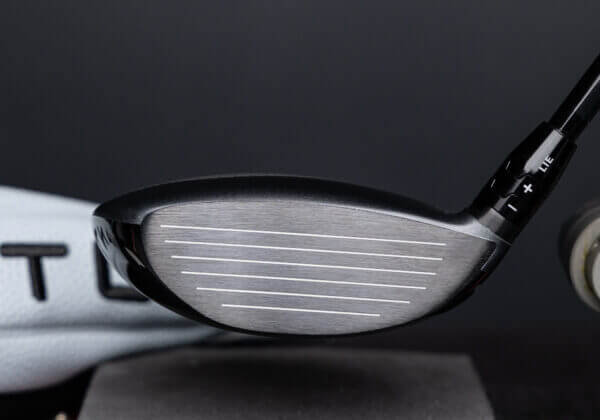
Driver is your best tool for most par-4 and par-5 tee shots because it gives you the most distance. Many beginners are encouraged not to use the driver because it’s harder to control. While that’s true, at some point you need to learn it and get good at it.
When not to hit driver:
- ❌ Par-3 holes – You’re already close to the green.
- ❌ Holes with water, trees or trouble on your usual miss side – Club down for more control.
- ❌ If you’re struggling with control that day – A 3-wood or hybrid can keep you in play.

From the fairway
The fairway is where you’ll get your cleanest lies. When you’re here, focus on solid contact and moving the ball forward toward the green. Pick a club that gives you confidence, even if it’s not the longest one.
Use a:
- Fairway wood or hybrid if you’re still far away
- Mid-iron (7–9 iron) for approach shots
- Short iron or wedge if you’re getting close
As you start to develop some consistency, make a note of how far your shots are going. Don’t only consider the best shots you hit; look at the poor ones as well to come up with an average. In the beginning, don’t obsess over yardage just try to make good swings and hit solid shots.
From the rough (Far from the hole)
Long shots from the rough can be tough, especially if the grass is thick. Your job here is to get the ball back in play and move it forward so don’t try to be a hero. Expect less distance on these shots.
Use a:
- Hybrid or mid-iron to help cut through the grass
- If the rough is really deep, use a wedge and chip out to the fairway
- Avoid fairway woods unless the lie is very clean

From the rough (Close to the hole)
If you’re near the green but stuck in the rough, your focus should be on loft and control, not distance. You want to pop the ball up and land it softly.
Use:
- Pitching wedge, gap wedge or sand wedge depending on the distance
- Sometimes a higher-lofted club makes it easier to get the ball out of the rough
- Balls in greenside rough tend to roll out when they hit the green so give yourself some room to work with
- Keep the swing short and compact for better control

From a fairway bunker
Fairway bunkers are different than greenside bunkers. You still want distance but clean contact is the priority. These shots are all about staying stable and avoiding digging into the sand. You need to pay attention to the height of the lip of the bunker as well.
Most fairway bunkers are lower than greenside bunker but the lip can still be restrictive if you are too close to it. Keep your body motion minimal and try to stay over the ball for cleaner contact.
Use a:
- Iron (7 or higher) if the ball is sitting up
- Avoid fairway woods and hybrids – they’re hard to hit clean from sand
From a greenside bunker
You’re close to the green and need to get the ball up quickly and stop it fast. This is a shot many beginners struggle with. Your first step to hitting a good one here is to make sure you choose the right club. You want to use something with plenty of loft.
Use a:
- Sand wedge (54–58 degrees) with plenty of bounce
- Open the face, aim behind the ball, commit to the swing

From the fringe or approach
The fringe or approach is the short grass just off the green. This is a great place to be, you’re close and the goal now is to get the ball on the green with minimal risk.
Use:
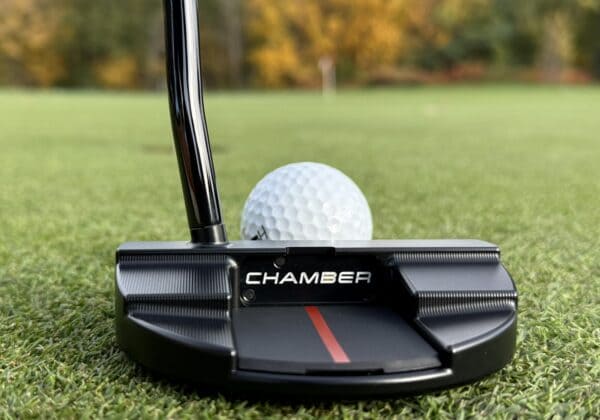
- Putter if the ground is smooth and flat
- Pitching wedge or short iron if you need a little loft to carry the ball onto the green
Always choose the shot that brings the least chance of a big mistake.
When in doubt: Extra tips for club selection
Even with a plan, you’ll find yourself unsure of what club to use from time to time. That’s normal. Here are a few simple tips to help you make a smart choice:
- When in doubt, club up – Most beginners come up short more often than they go long. Taking one more club and swinging smooth is almost always the better option.
- Play the safer shot – If one club feels harder to hit clean, pick the one you’re more confident in, even if it doesn’t go as far.
- Avoid the hero shot – If you’re in trouble, get back in play. Don’t risk making things worse by trying something advanced.
- Trust your go-to clubs – If you have one club you always hit well, use it whenever you can. Comfort builds confidence and you can expand that confidence into hitting other golf clubs well.
- Stick with the same pre-shot routine – Taking a moment to breathe and commit to the club you chose helps eliminate last-second doubts.
Final thoughts
Use these beginner strategies to move yourself from the beginner category to the high and then mid handicap category. As a new player, try not to over complicate the game and you’ll build better fundamentals.







flsw19
9 months ago
Unfortunately are many par 3’s that now require a driver – 175 – 180 yards with elevation changes or into wind. Just the fact of aging.