




Most modern drivers let you adjust loft at the hosel but not a lot of golfers use that adjustability or use it correctly. If you’re not dialing in your loft, you could be making it harder on yourself to hit the tee shots you want to hit.
Here’s what happens when you have too little loft on your driver.
How it works
When you hit a drive, the ball’s flight comes down to two things: how high it launches and how much it spins. Spin is what keeps it in the air. It’s the difference between a ball that floats and holds its line versus one that “knuckles” and drops out of the sky early. If you cut the loft too much, you can lower launch and take spin away.
Less spin means less lift which means the ball can’t hold its flight even if it left the club just as fast as before.
Three terms worth knowing
There a few definitions that make driver loft a little easier to understand.
- Dynamic loft: The loft that meets the ball at impact. It’s not the number printed on the club. Your swing changes it.
- Attack angle: Whether you’re swinging up or down through the ball. Up is generally better for the driver.
- Spin loft: The gap between those two numbers. The bigger the gap, the more spin you create.
Spin loft, not loft alone, is a major factor in how much spin you create. A golfer who already delivers too little dynamic loft, and then also plays a very low-lofted head, can end up with a launch-and-spin window that is too low. That’s often the combination that kills distance for someone who went to a lower loft to chase more distance.
Who gets punished for it
The slower your swing speed, the more launch and spin you generally need to carry the ball well. That means slower-speed players copying tour lofts or picking a low number because it looks fast are the ones giving up the most. Faster swingers usually have more ball speed and more room to lower loft if launch and spin are still in the right window.
Mishits make it worse for everyone. Off-center contact already costs ball speed. Pair that with too little launch or spin and you get the classic “starts low, doesn’t carry” miss.
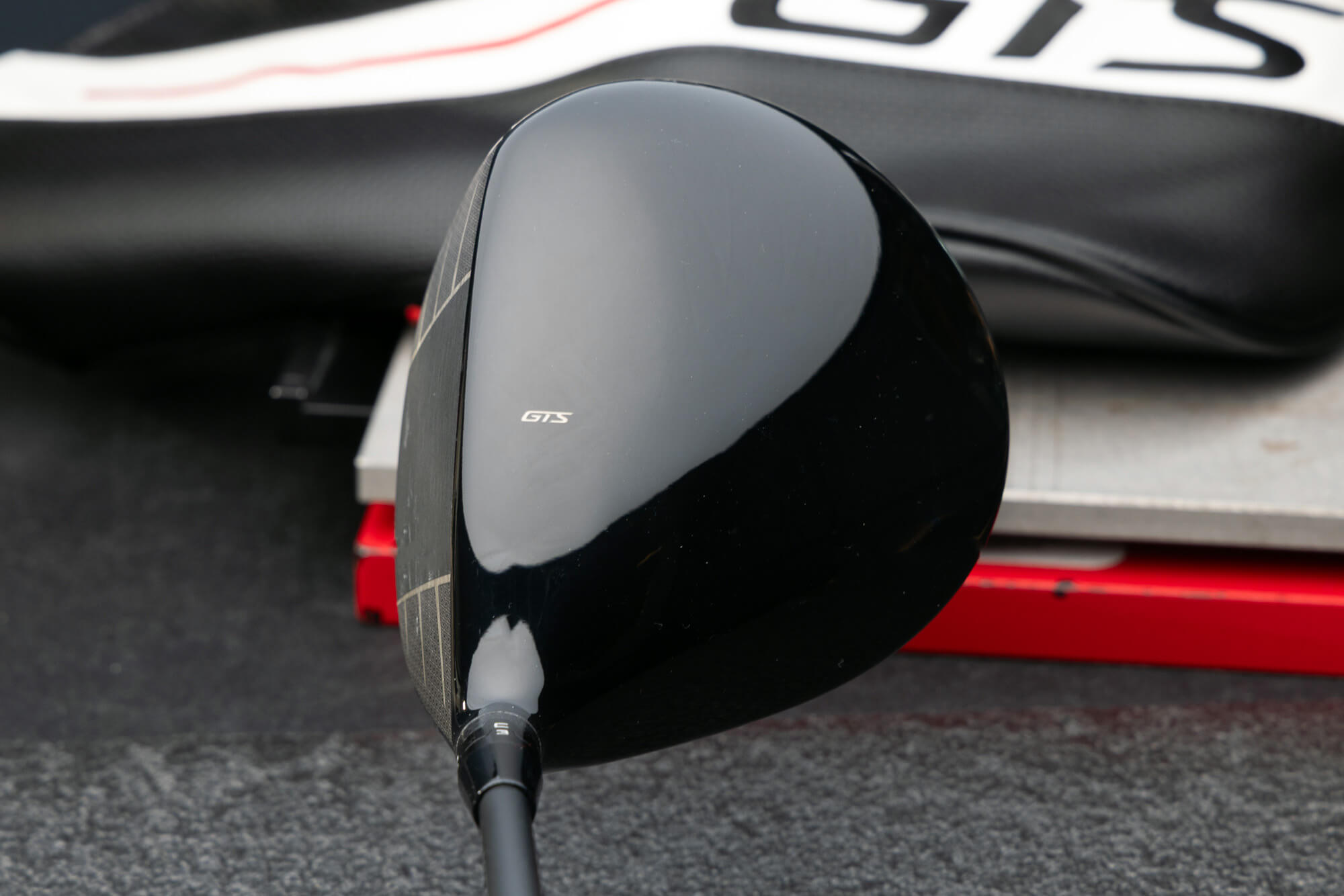
Even the best players in the world don’t agree on the loft number
Look at the top of the PGA Tour’s Strokes Gained for Off-the-Tee and you won’t find one “correct” loft. You’ll find a spread.
- Gary Woodland (4th in SG:OTT) plays as low as 6.4°
- Neal Shipley (2nd) cranks a 9° head down to roughly 7.5°
- Scottie Scheffler (3rd) sits around 7.25 to 8.25° on an 8° head
- Cameron Young (9th) has an 11° degree head and plays it in the 10.25° to 11° range, because his low-spin ball flight needs the extra help staying in the air
The fix isn’t complicated
This isn’t a case for “more loft is always better.” Too much can balloon your shots and cost distance a different way. It’s a case for knowing your own attack angle, ideally through a proper fitting, instead of guessing based on what looks fast on the label.
Loft works together with your delivery to influence launch and spin, and spin is a big part of whether the ball flies or falls.









Fake
3 months ago
If you haven’t been fitted, at least try out the different lofts on your driver. My old one was a fixed 9 degree that I hit well enough, but the 9.5 degree setting is more favorable on my new driver. Leave your ego at the door and do what’s best for your game.