




Graham Averill has turned 50 this year and he’s freaking out. Instead of buying a motorcycle or getting a tattoo, he’s decided to try to get really, really good at golf. He started this project as a 13 handicap attempting to reach scratch in a year. He is now an 8.6. Welcome to his midlife crisis.
This quest for scratch is getting real. I have a long way to go but I’m starting to pick up momentum and chip away at my goal. In the last week, I was able to play three rounds and took half a stroke off my handicap index. And I didn’t even have time to play a full 18. I played two nine-hole rounds at two over and squeezed in an even par through 11 holes to drop my number to 8.6. I’m still making some frustrating mistakes. An errant drive here, a bladed wedge there …but the game in general continues to improve. I know cutting strokes will only get exponentially harder as my handicap drops but I figure it’s time to shout out some of the gear that’s helped me have success on this journey to this point.
Here are five pieces of gear that have helped me on my ongoing quest to reach scratch.
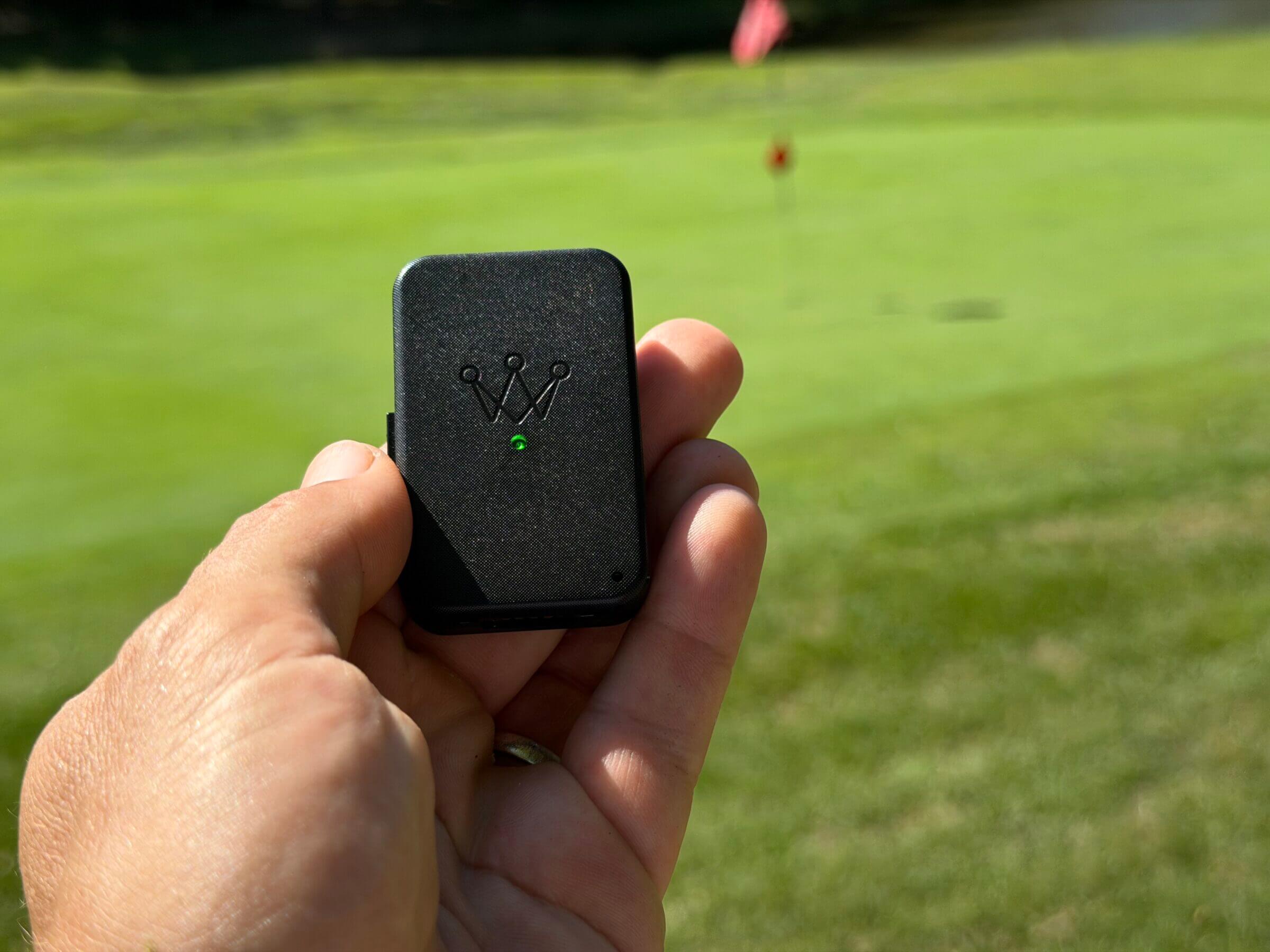
The Arccos Air is a small device that uses GPS and motion sensors to track every shot of your round. Essentially, it gives you the same data as the Arccos club sensors but without the need of those screw-in discs. The Air has been the most useful piece of gear so far during my quest to reach scratch. I slip it into my pocket for each round and it tracks every shot, crunches the data and delivers post-round stats that show exactly where I’m leaking shots compared to a scratch golfer. It’s not perfect—I have to edit each hole, marking the pin placements and occasionally changing the club choice—but it’s been an invaluable tool that helps me hone my practice. Getting the Air is a commitment though. There’s a hefty upfront price ($349.99) and it requires an annual subscription (first year is free, then $199.99 a year). But, so far, I really appreciate how this device is helping my game.

I haven’t gone deep into the training aid aspect of this quest. I know there are some great tools out there and I’m not opposed to using any device that could help with swing issues but so far I’ve been aid-free. My coach recommended I get the Orange Whip ($99-$119), a counterbalanced aid with a flexible shaft and a heavy orange ball on the end. It’s designed to help with a variety of issues from getting your swing on plane to developing a repeatable tempo and rhythm. If you sequence your move up, the aid gives you that whip sensation that we’re all looking for with a golf club in our hands. The Orange Whip has helped me get my driver on plane and promoted a snappy clubhead release at the bottom of my swing. It’s also a great way to warm up if you don’t have time to hit the range before a round. I even take it on the course and will pull it out on the tee box if I’m waiting for slower groups ahead of me.
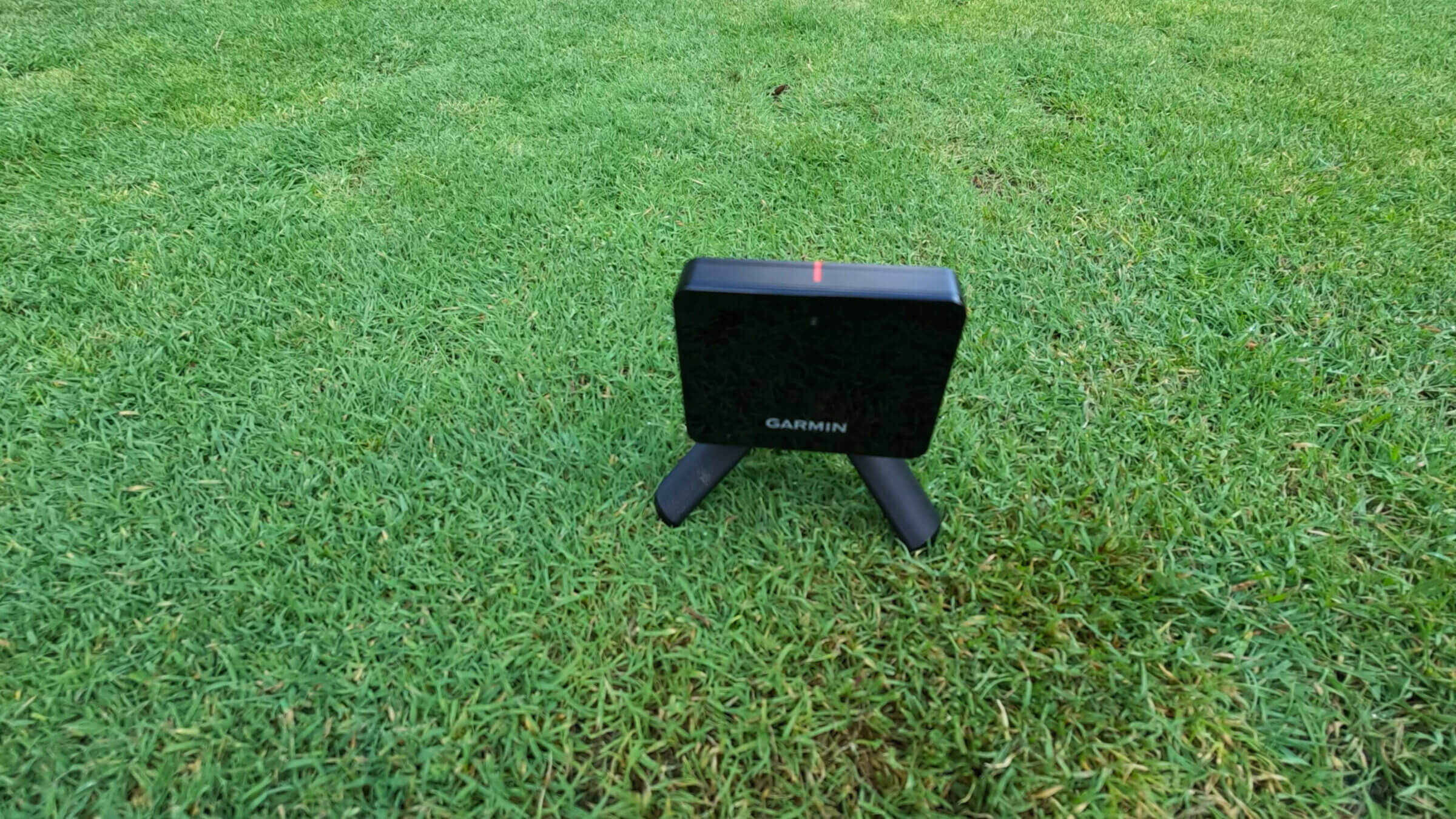
I underestimated the value of golf simulators and launch monitors. I always thought they were fun but didn’t realize how valuable they could be as a learning tool. The Approach R10 is a relatively inexpensive launch monitor that collects a robust suite of data from your swing, giving you spin numbers, launch angle, angle of attack, path and face angles … the exact kind of data you need to figure out what the hell is going wrong with your swing. Are you slicing because you’re not closing the clubface? Are you coming over the top? Is your path too inside to out? I’ve been using the Approach R10 in the net in my backyard and occasionally at the driving range as I work on shaping the ball and it’s been helpful to see the club path and face angle data in real time. There’s no screen which means you have to connect it via Bluetooth to your phone or tablet but it’s hard to beat the price considering the info the Approach R10 collects.
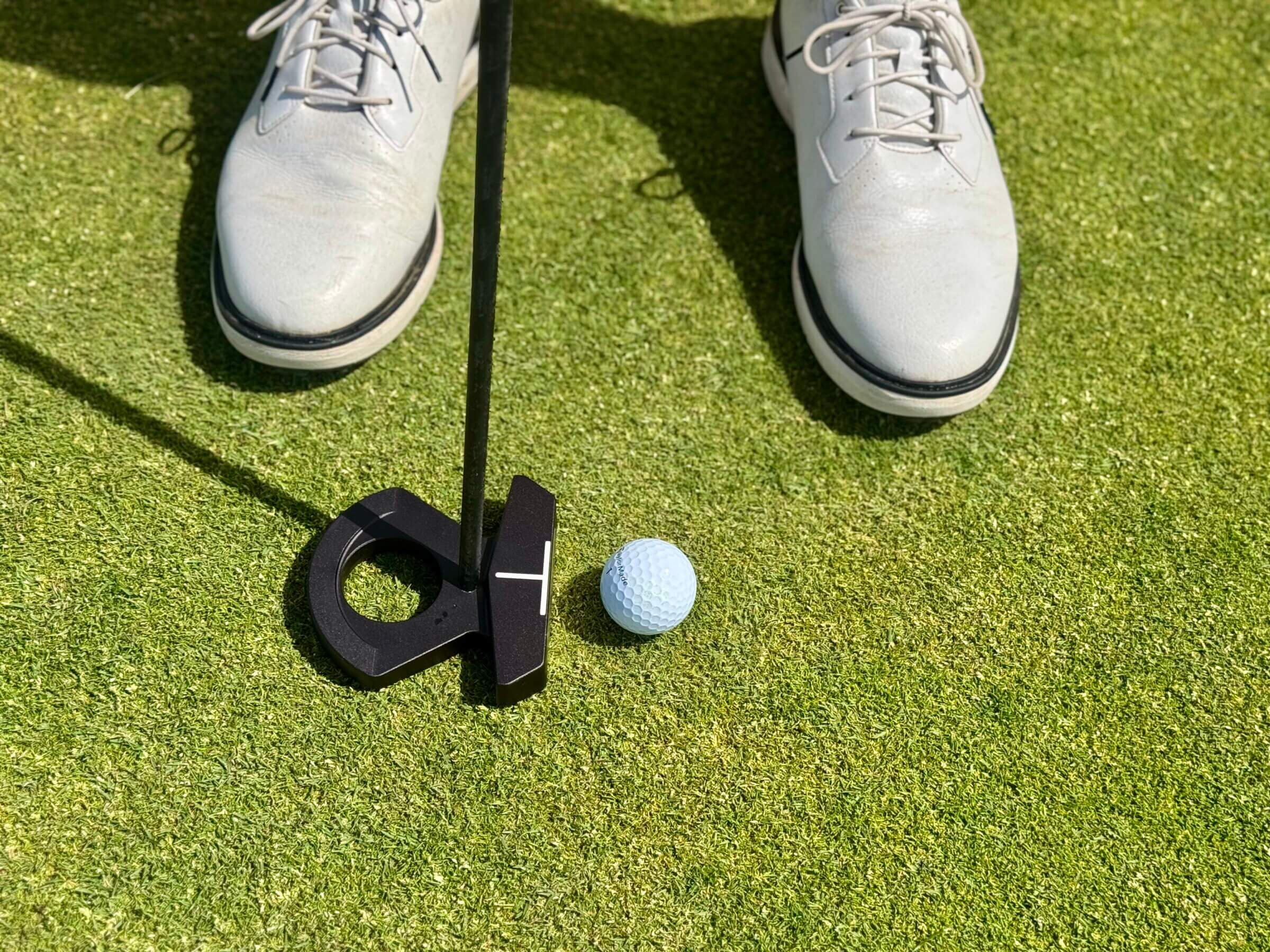
You could make an argument that zero-torque and low-torque putters are the most exciting thing to happen to golf in the last decade and L.A.B. has been leading the charge. I’ve tested different L.A.B. putters during the last two years but the DF3i has been the putter that has delivered the best results for me. The appeal of zero-torque putters is that the head stays square throughout the stroke and the DF3i does that for me so the ball goes where I’m aiming. It’s as simple as that. I’ve changed a lot about my putting stroke in the last month which has helped me be more consistent and helped me see where I’m aiming better. Combine the new stroke with the DF3i and I’m sinking more birdie putts which is a great feeling. One thing to keep in mind, though, is that not every L.A.B. is the same. Yes, they’re all zero-torque but each has a unique design. If you’re going to invest in a L.A.B. (they start at $399 off the rack), take the time to try a few different models so you find the one that feels best to you.
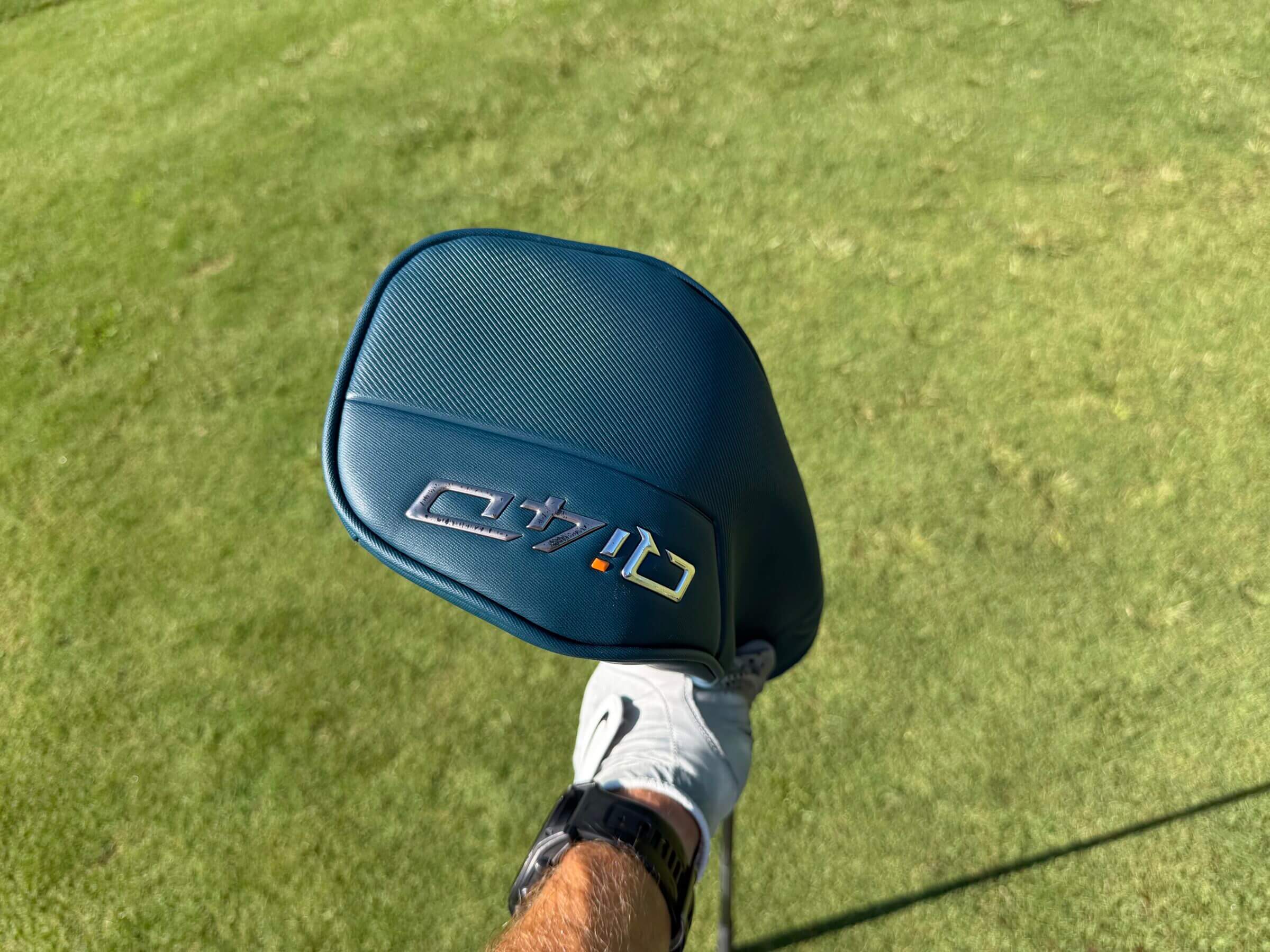
I wrote about my switch from the worst-rated driver in the MyGolfSpy driver test to the best-rated one in a previous article and I’m still very, very happy that I made that change. Over the last few weeks, I’ve been having a lot of success off the tee. During a number of rounds, I’m gaining strokes off in relation to scratch golfers with the driver. A lot of that can be attributed to the work my coach and I have been doing on my driver swing but I have to give some credit to the Qi4D. It is longer and more forgiving than any of the drivers I’ve used in the past and that was true even before I made adjustments to my swing. Combine the swing work and new driver and I’m no longer anxious about stepping up to the tee. That combination is an important thing to note, though. Gear doesn’t exist in a vacuum. You can drop a lot of money on a new driver with all kinds of marketing promises but unless you put in the work, you won’t maximize the benefits of that stick.
Dig deeper into one golfer’s struggle to get better at golf in middle age and read last week’s Scratch By 50 where Graham starts trying to shape the ball.








Scot
2 months ago
Playing 9 hole rounds most of time is no true indication of your handicap. No fatigue that causes late round issues to overcome. This is truly just not reading anymore
Mike
2 months ago
Agree. I walk all my rounds at my home course (links style, no shade whatsoever). Fatigue can definitely be a factor esp as I’ve aged, the muscles get tighter & my swing starts to get restricted. And 18 holes in a power cart (sitting on a cushioned seat) is barely any effort at all!