


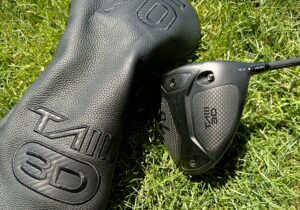
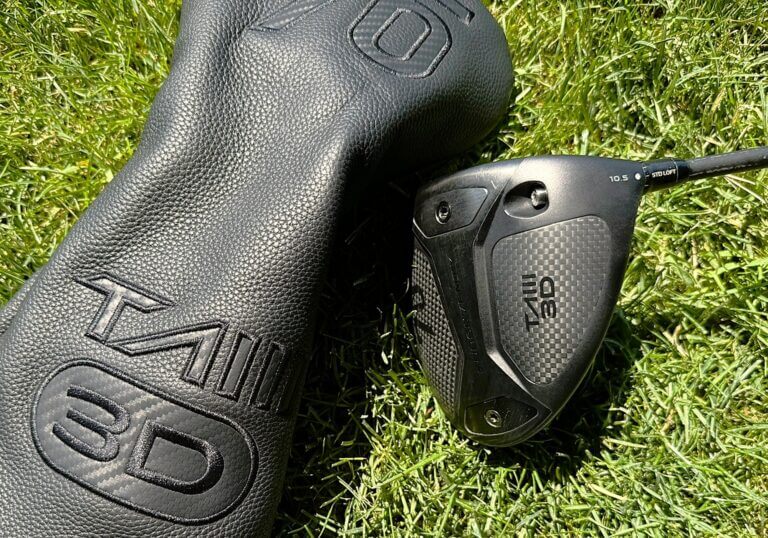
Friends, you need to prepare yourself. You know that trickle of 3D-printed golf clubs that COBRA started?
Well, COBRA now has company and that trickle is about to turn into a tidal wave.
We have it on pretty good authority that at least one major OEM will be introducing 3D-printed metalwoods within the next year. More, no doubt, will follow.
But here’s the kicker: Sub 70 is already there.
The Sycamore, Ill.-based direct-to-consumer brand launched its TAIII 3D driver a few months ago. We got to try it this past week and we have to say that the only people who’ll be disappointed will be the hopelessly cynical who want to label 3D printing a gimmick.
Sub 70 might just be on to something here so let’s take a closer look.
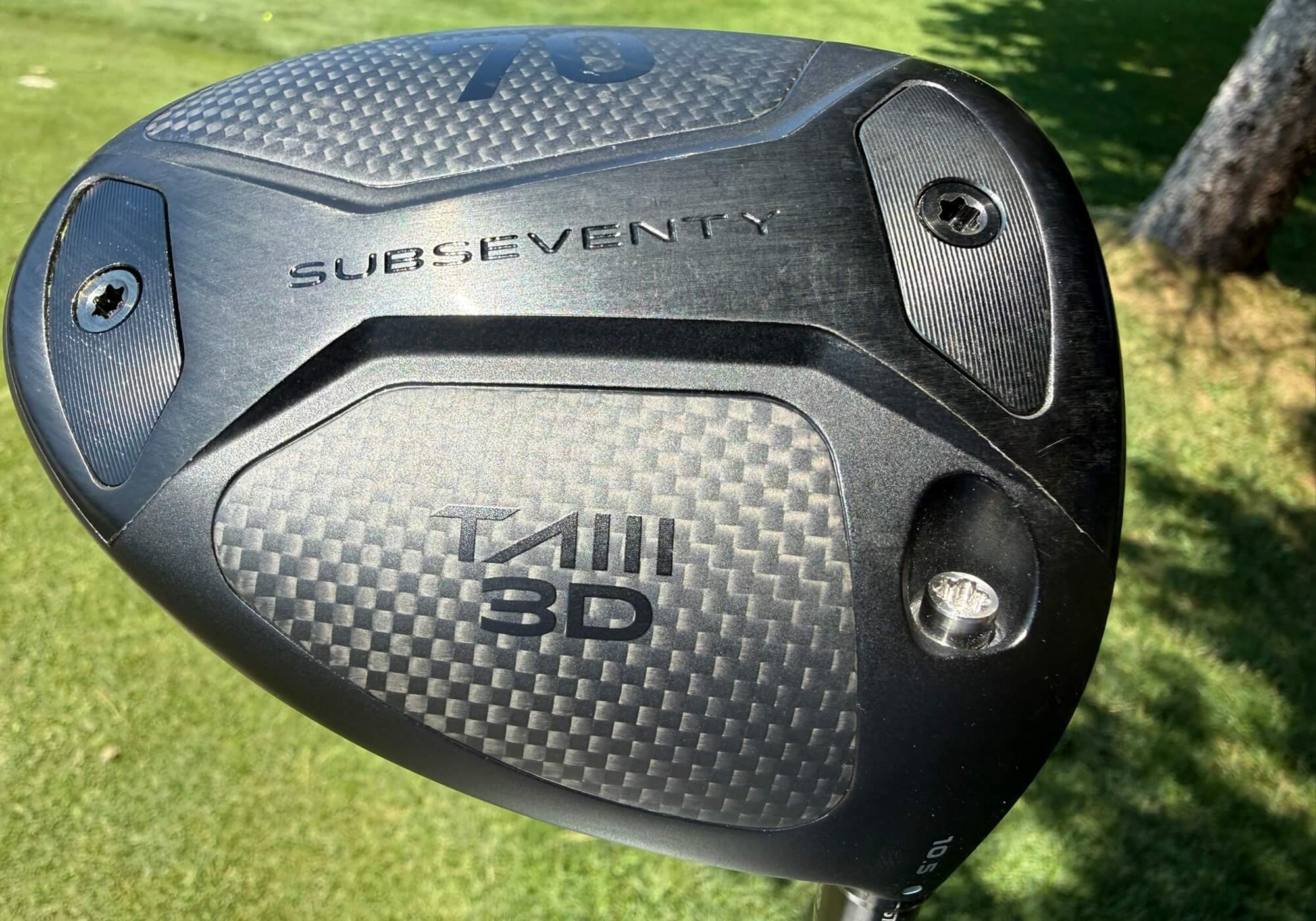
The Sub 70 TAIII 3D driver: Speed and forgiveness
To the best of our knowledge, the Sub 70 TAIII 3D driver is the first commercially available 3D-printed driver. We know other DTC brands have flirted with the idea (we’ve seen the prototypes) but Sub 70 took the plunge and made one to actually sell.
“Our factory approached us and said it was possible,” Sub 70 owner Jason Hiland tells MyGolfSpy. “We didn’t have a tight timeframe or anything so we said, ‘Sure, let’s see what we can come up with.’”
“We asked if they could 3D print titanium,” adds Sub 70 design consultant Bob Renegar. “Turns out they could.”
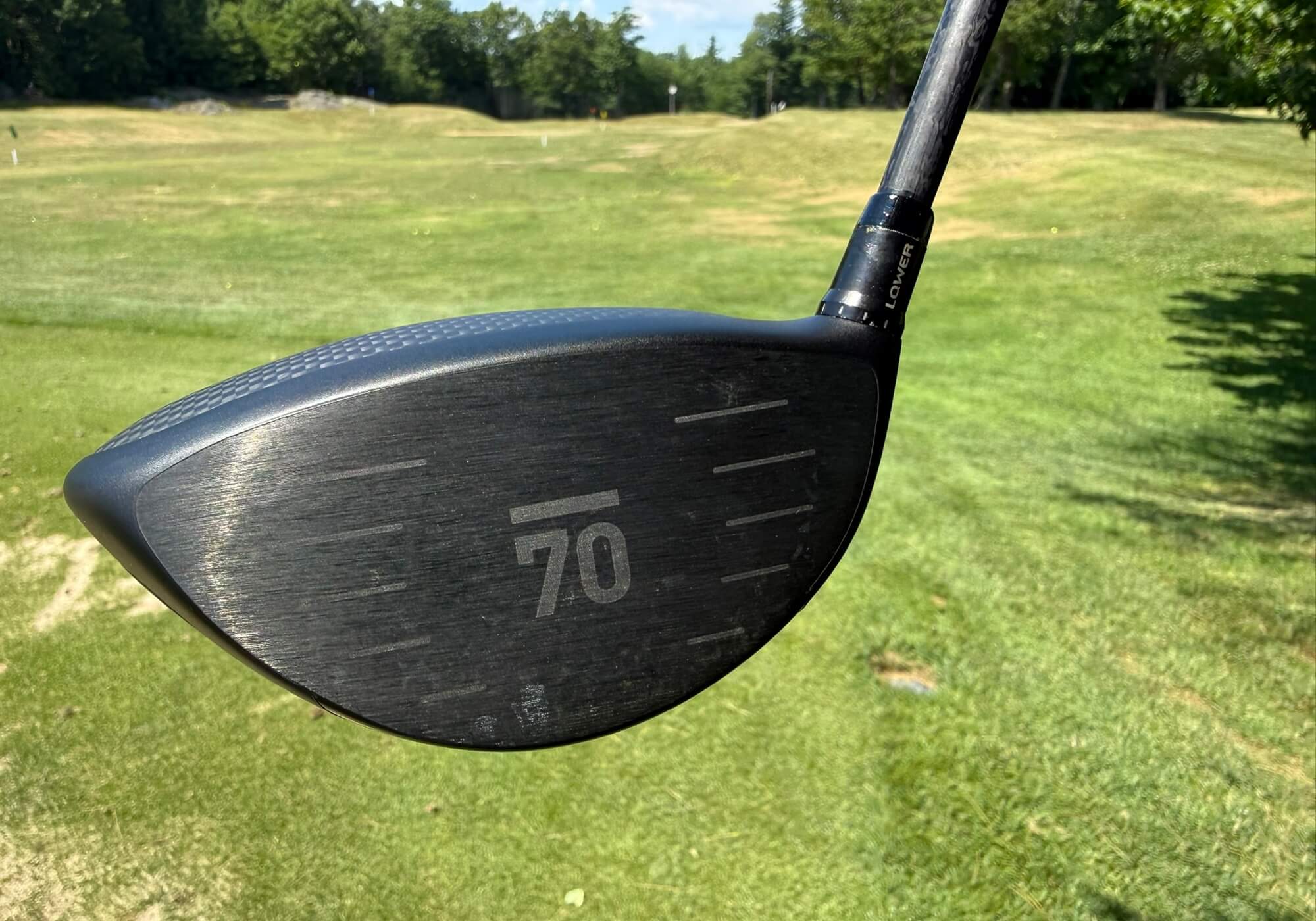
With help from brand ambassador Tommy Armour III (the TAIII of the TAIII 3D), Renegar came up with a 440cc driver with Sub 70’s patented Axis of Rotation (ART) face technology. According to Renegar, 3D printing has sidestepped two key limitations of standard titanium driver design and manufacturing.
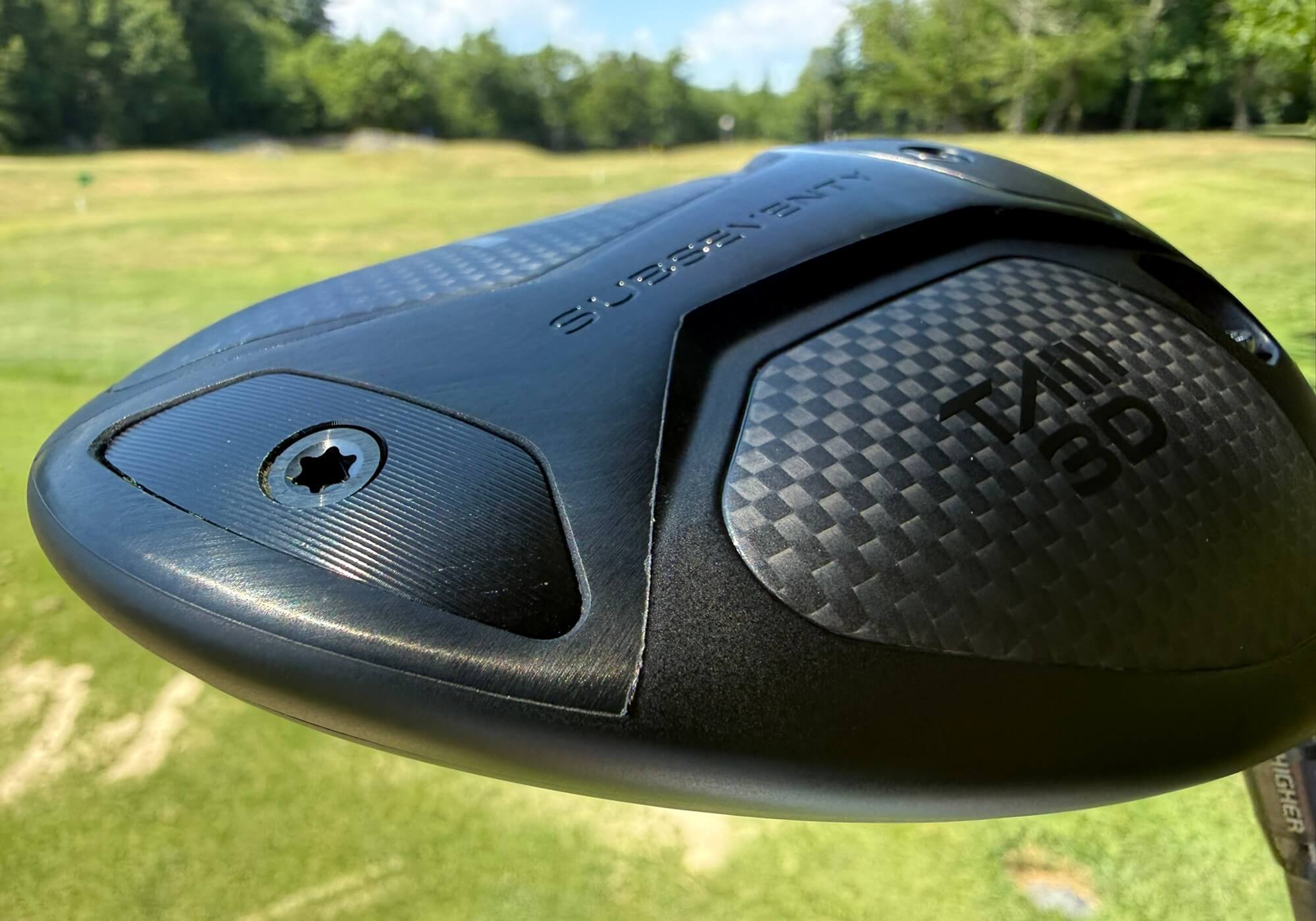
“State-of-the-art driver manufacturing would be a forged titanium face plasma-welded onto a cast titanium body,” he explains. “The limitation is you can’t control the variable face thickness properties around the edges because of the welding process.”
Weld lines limit how far variable face thickness can extend to the perimeter of the club face. Additionally, and perhaps more importantly, weld lines limit potential face flex. By removing weld lines, those two limits go away.
“What this does is that within the 460cc volume limits and MOI limits set by the USGA, we can increase the sweet spot,” says Renegar. “That means we can make the trampoline bigger without making the club head bigger.
“That opens the door to new thinking about face design.”
460cc worth of forgiveness in a 440cc head
Since the entire body and face are printed as one high-strength shell with no welds, Renegar says Sub 70 can make the face extremely thin which promotes ball speed. It also allows him to optimize weight placement. The result is a compact 440cc driver that’s more forgiving than any 440cc driver has a right to be. That’s something our on-range and on-course testing bore out.
“Nobody hits it dead center every time,” Renegar explains. “We can’t make the center any faster due to the rules, but how far away from the center can I still have high CT on that face? By printing the head and eliminating the weld lines, we’re able to push the high CT area farther away from the center and closer to the boundaries.”
Because of 3D printing, the Sub 70 TAIII 3D driver has a deeper face than a typical 440cc driver while retaining the compact shaping that better players prefer. In fact, according to Renegar, the TAIII 3D’s face is even deeper than that of a typical 460cc driver.
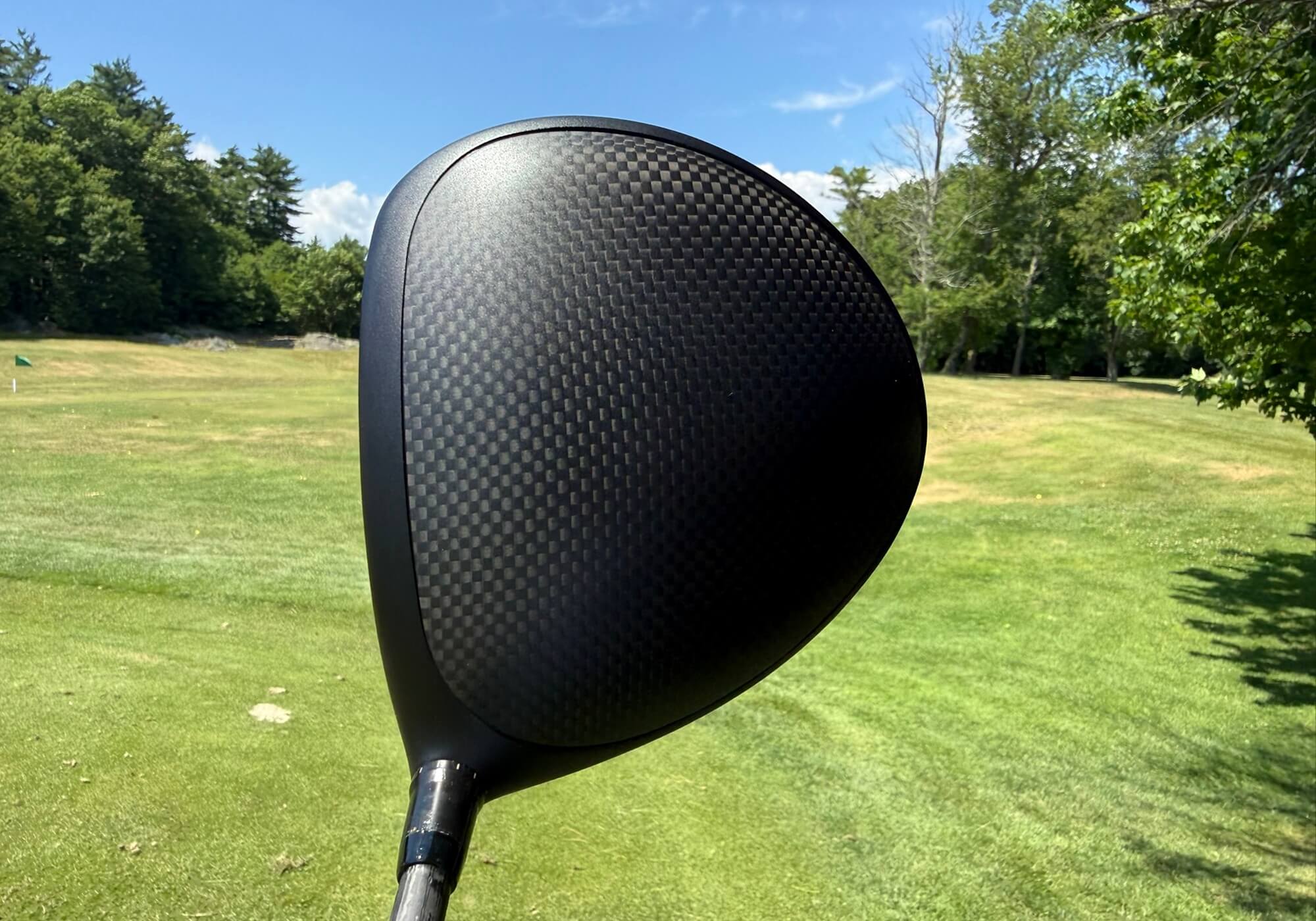
“It’s only by two millimeters. But if you can make the face just a little deeper, you open the door to a little more spring effect high and low. A high or a low miss will end up working better than you’d think.”
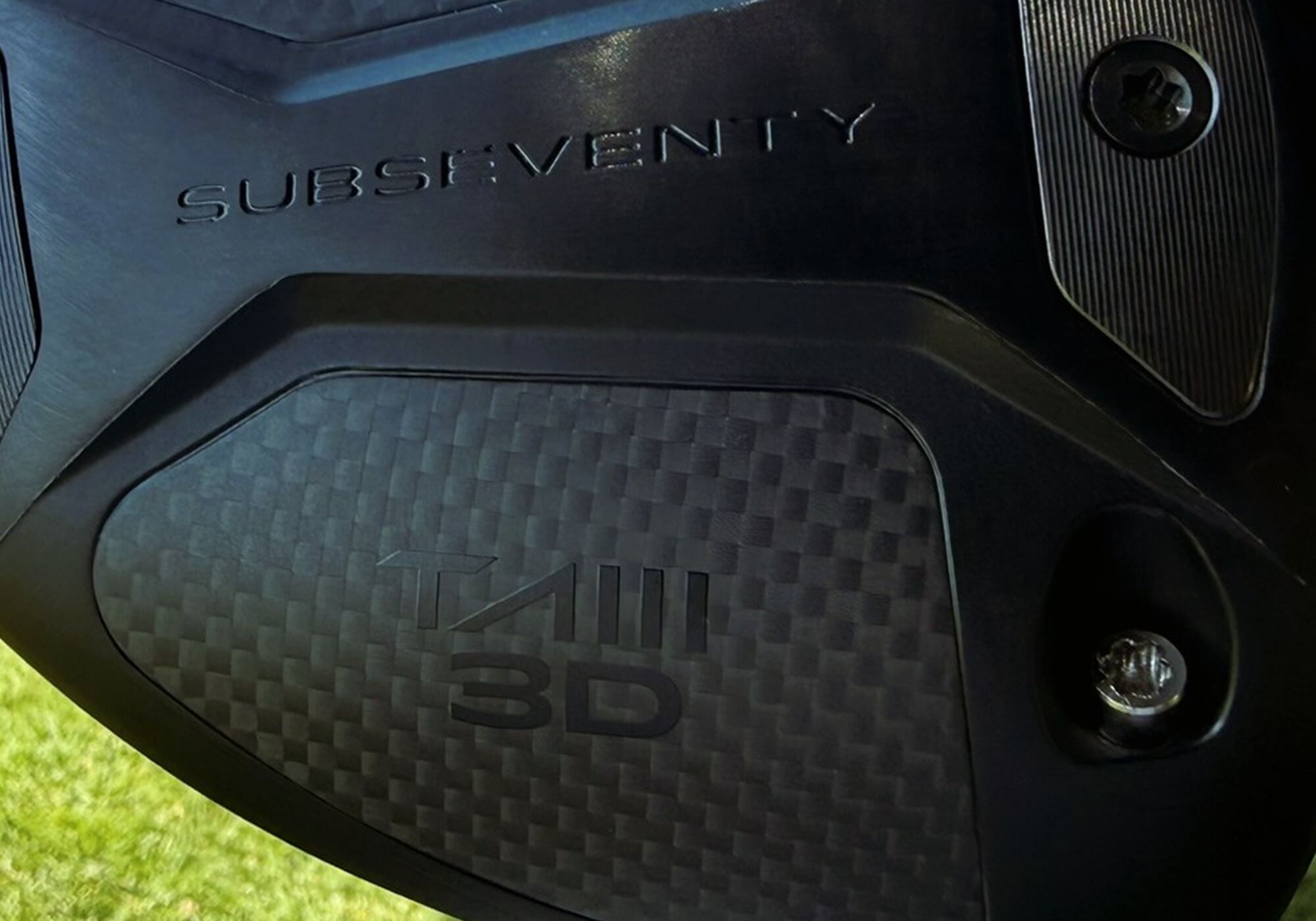
The 3D process also allows for precise CG placement. Specifically, the hosel adapter connection sits considerably lower in the driver head than it does in a conventionally made driver, to the point where it looks like a no-hosel design.
“That helps us push the CG lower and toward the heel area. With our ART design, you want weight low in the heel and high in the toe.”
Can an average golfer see the benefits or is it only for better players?
“The real benefit,” says Renegar, “is that you can manage face thickness a lot more efficiently and enlarge the size of the trampoline. Combine that with our ART technology and it’s going to be more accurate and plenty long enough.”
ART is Sub 70’s patented face technology. While most drivers use a traditional bulge and roll face curvature, ART employs a single continuous face curvature extending from the low heel to the high toe. In theory, this helps the golfer control the gear effect so toe strikes won’t hook excessively and heel strikes won’t slice off the planet unless the face is completely open at impact.
“It’s a 440cc head so it’s meant to be workable,” says Hiland. “But it’s still very forgiving. Even on mishits, even though you’re trying to work it, it’s going to be more accurate.”
Understand, forgiveness is relative. If you want 10K Max level forgiveness, this ain’t it. It might be more accurate to say that it’s close to the same level of forgiveness as any OEM’s core model 460cc driver but it’s a lot more workable.
So, for the average golfer, the Sub 70 TAIII 3D is a forgiving driver, just not in the way you might think. A 10K driver just wants to go straight. You’ll pay a ball speed penalty but the sunuvagun wants to go straight.
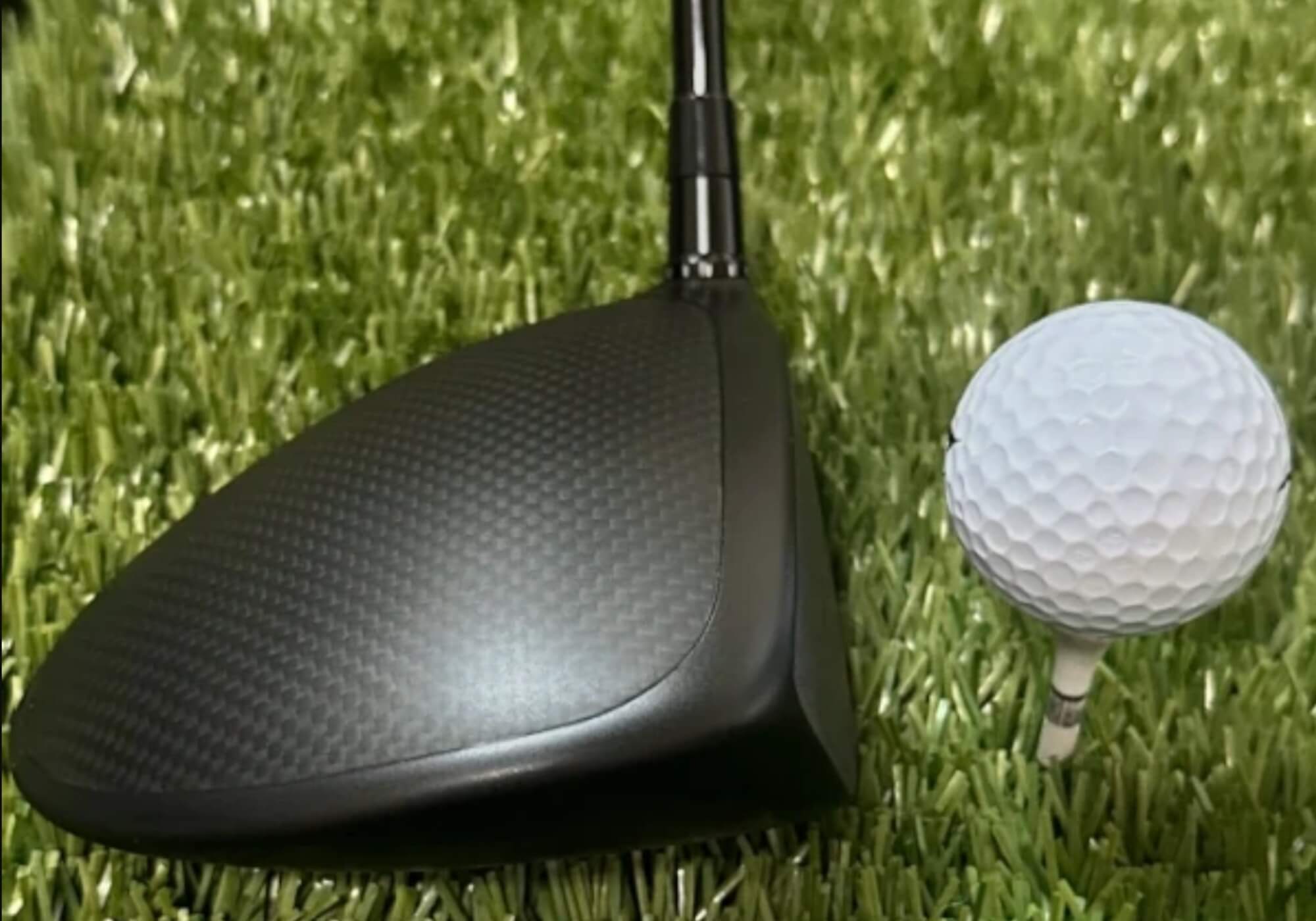
This driver is meant for the better player who wants to – and can – hit a power fade one hole, a high draw on the next and a low cut on the one after that. With the TAIII 3D, when that player misses the center, the penalty is much less severe.
We tested the Sub 70 TAIII 3D: Here’s what we found
First off, let me say that I am not the kind of player who can, on command, hit a high fade on one hole, a high draw on the next and a low cut on the one after that. I can hit a cut on command alright, maybe about half the time.
Maybe a little less than half.
Anyhow, my first session with the Sub 70 TAIII 3D was at the Club Champion in Portsmouth, N.H. It took a little getting used to but here’s what I had once it was dialed in:
94 mph swing speed
139.6 ball speed
1.49 smash factor
229 carry
256.5 total
2,160 spin
14.5 launch
The next session was outdoors at the Sagamore Golf Center in North Hampton, using the Flightscope Mevo Gen2. My swing was slower that day but the numbers held up:
90 mph swing speed
135 ball speed
1.51 smash factor
228 carry
242 total
2,390 spin
11.9 launch
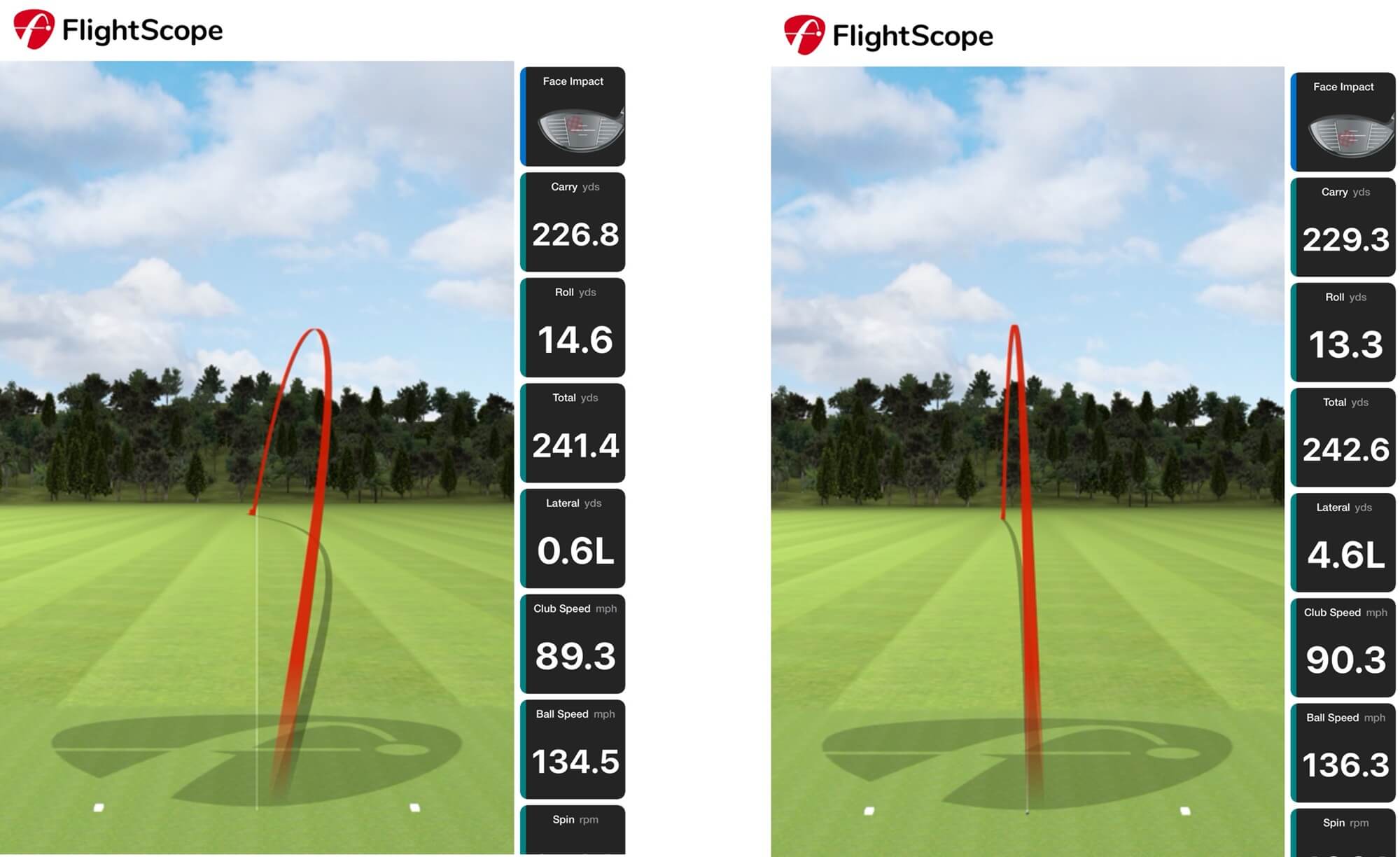
One thing about the Mevo Gen2 is that the new update shows impact location on the face. Interestingly, most of my strikes were to the toe side of center with one well toward the toe. You’d figure some of those strikes, given the path info the Gen2 also provides, would be hooks that would be lucky to land in the left rough. ART, combined with ball speed courtesy of the 3D-printed face, kept them relatively close to the center line.
That tells me two things. First, the clubhead is pretty forgiving, likely approaching 460cc levels. Second, I don’t care how skeptical you want to be about modern technology; there does appear to be something to Sub 70’s ART technology.
Sometimes, people, you have to admit that these new technologies with snappy names sometimes actually do what their creators say they’ll do. It happens.
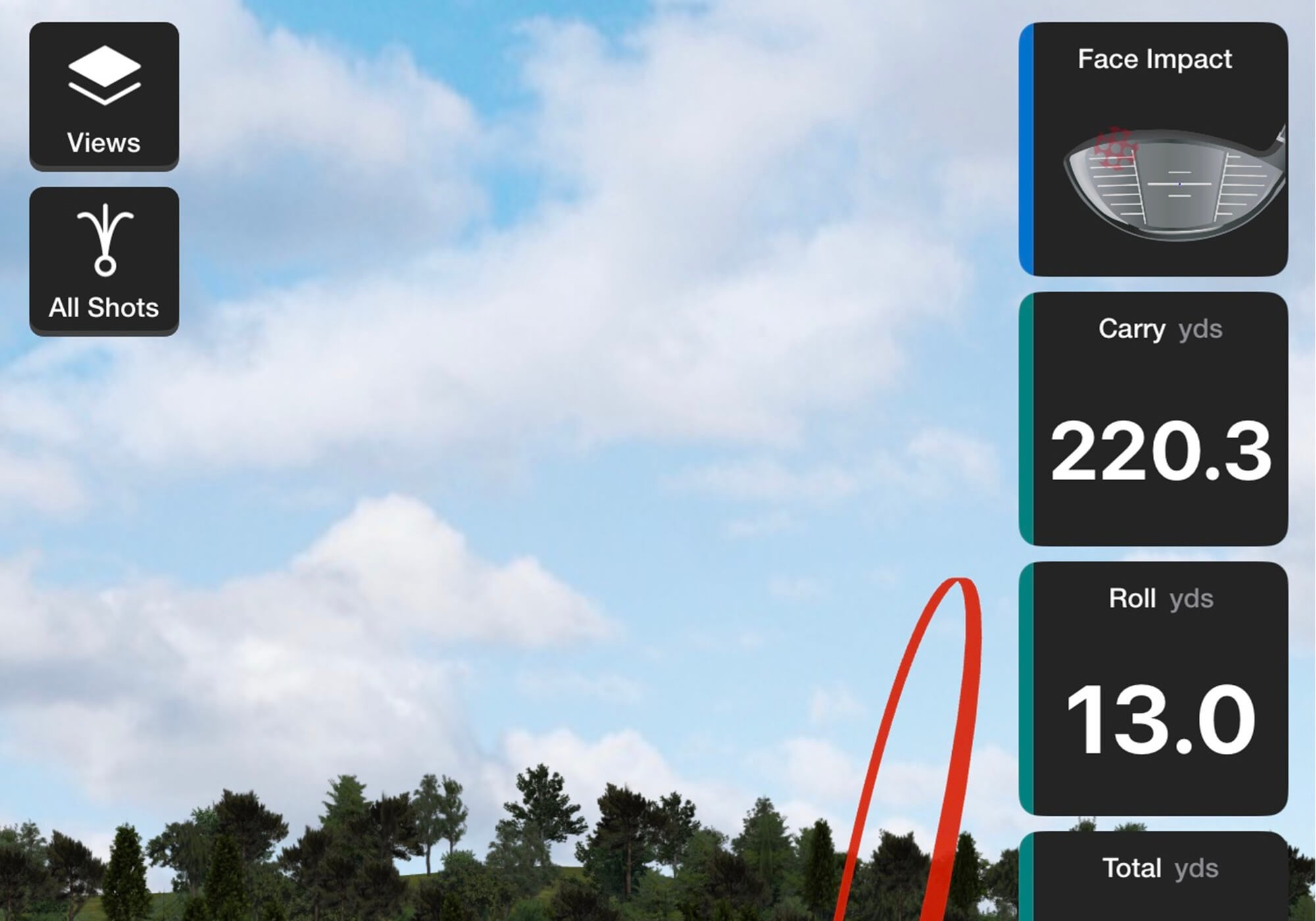
My nine-hole round at Exeter Country Club made me even more confident. It’s not a long course but according to Arccos, I drove the ball like a 2 handicap that day (I’m a 6 so I’ll take it). The shot of the day was driving the green on the 259-yard par-4 sixth hole.
Where does 3D printing go next?
Hiland is one of the more straightforward figures in golf equipment. He says that if they found no discernible difference with 3D printing, they wouldn’t have done it.
“But with Bob designing, it’s legit, man. When you combine the ART face with 3D printing? We were like, wow. We gave it to Tommy, and he shared it with a bunch of Tour pros. They were like, wow, too. Then it’s like f**k it, we have to do it.”
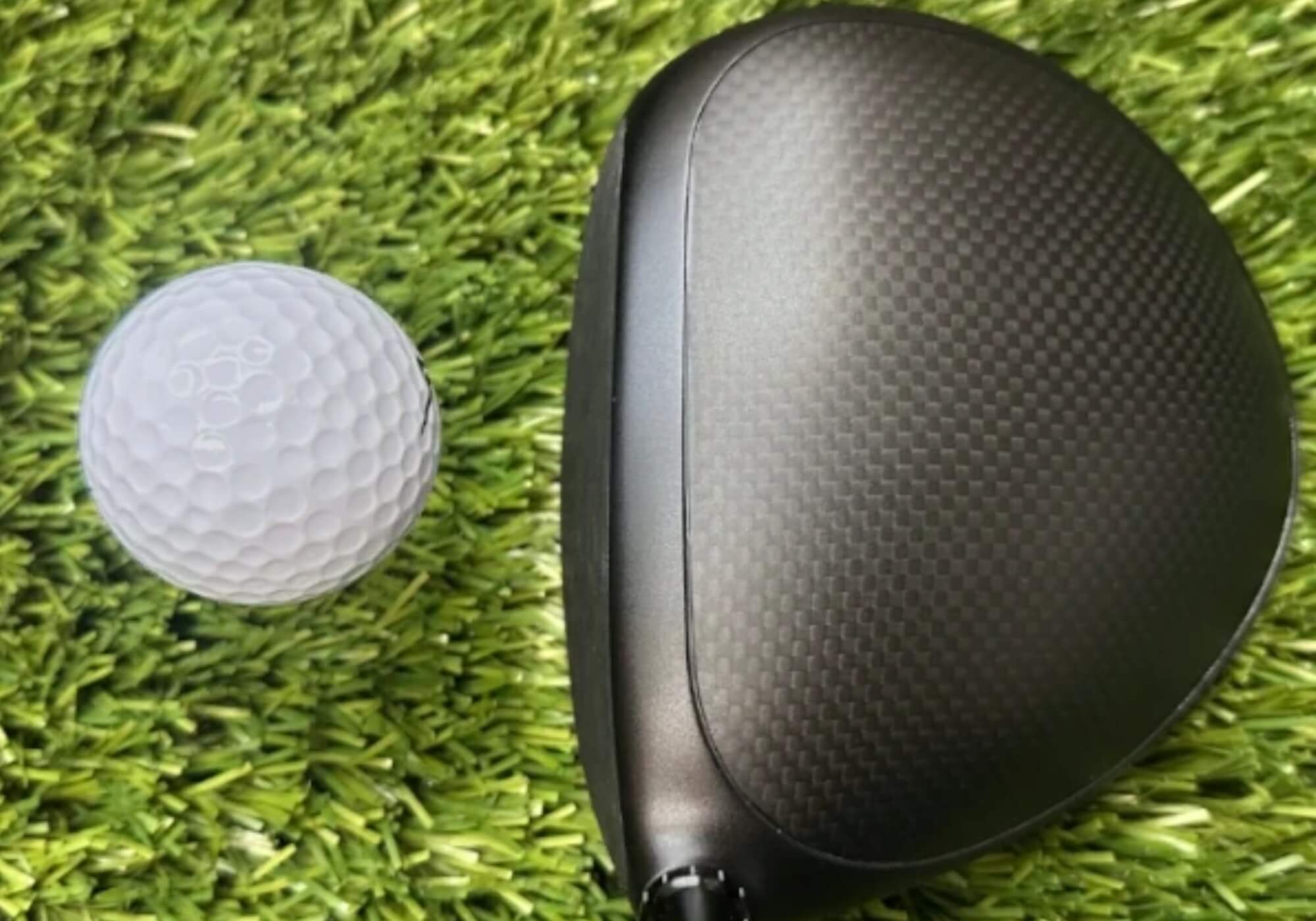
Hiland also says this is just the start for Sub 70 with 3D printing.
“Going forward, our 869 drivers will be 3D printed. We’re working on them this summer. We’ll have a standard and a Max model. Once you do a Max model with 3D printing, it’ll be pretty wild to see how straight we can make it go.”
Sub 70 TAIII 3D driver: Specs and pricing
The Sub 70 TAIII 3D driver is available in 8-, 9.5- and 10.5-degree heads in left- and right-handed models. Thanks to 3D printing, there are no molds so offering left-handed options is a snap.
It comes with front and back sole weights to fine-tune launch and spin. The standard setup is with a five-gram weight in front and a 25-gram weight in back. It also comes with extra 10-, 15- and 20-gram weights.
Sub 70 uses a TaylorMade hosel adapter so each head loft is adjustable up or down two degrees.
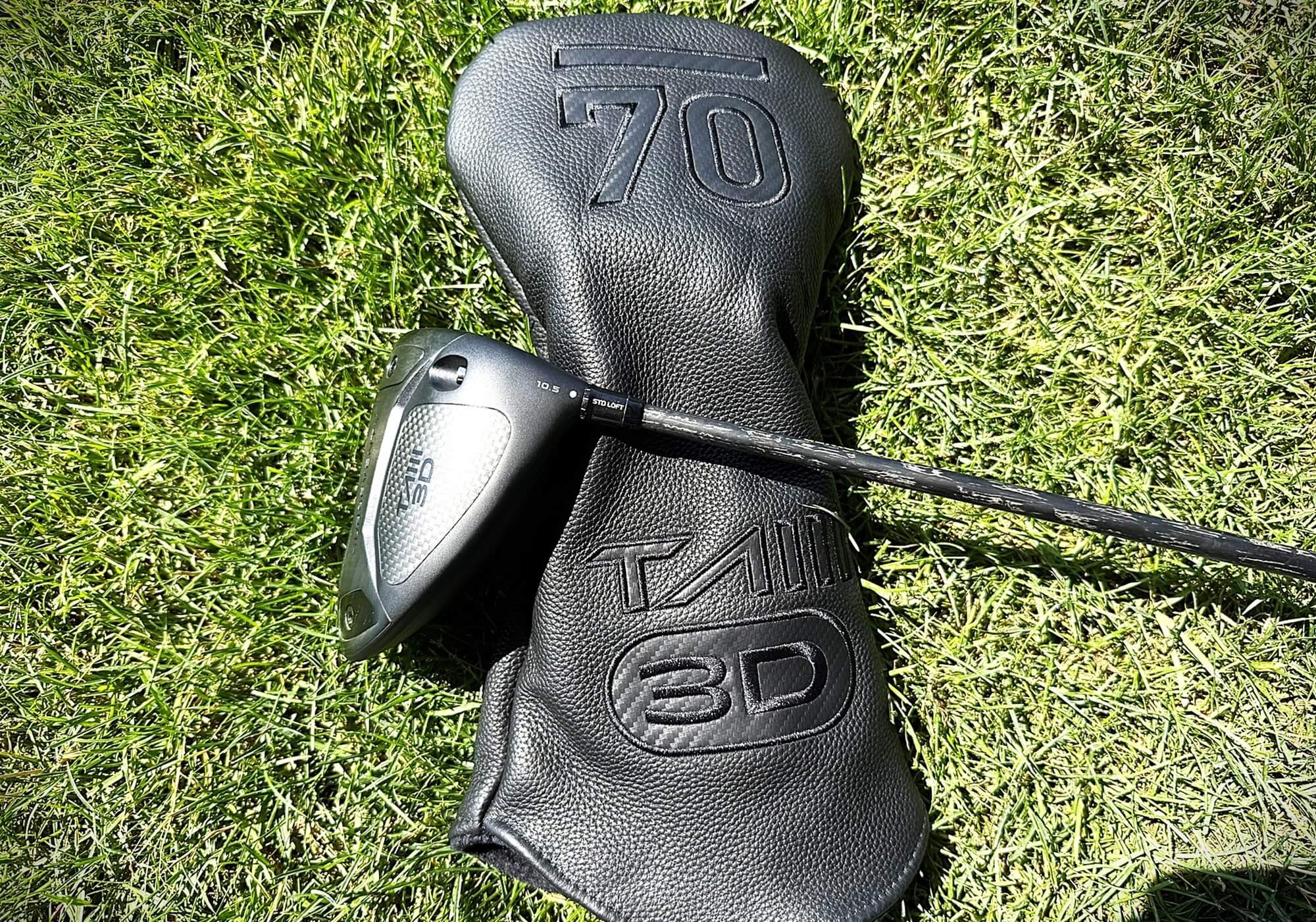
And it comes with a freakin’ sweet real leather headcover. TAIII insisted.
The Lamkin Crossline 360 black is the stock grip. Standard shafts include the LA Golf A-Series and the Project X Denali Red, Blue and Black Frost. Other grips and stocks are available at an upcharge.
The standard driver runs $549 which may sound high for a DTC brand. 3D printing, however, simply costs more. That price is still well below the mainstream OEMs.
For more information on the TAIII 3D, hit up the Sub 70 website.








TheRod
2 months ago
I would love to try one of these out. With no welds around the face, you can make the face thinner all the way across since it doesn’t have to withstand the heat from welding to connect it to the clubhead. That means a thinner face all the way around perimeter, top and bottom and heal to toe. And longer mishits no matter where on the face you hit it. My mechanical engineering degree tells me I have to eventually try on one these.