



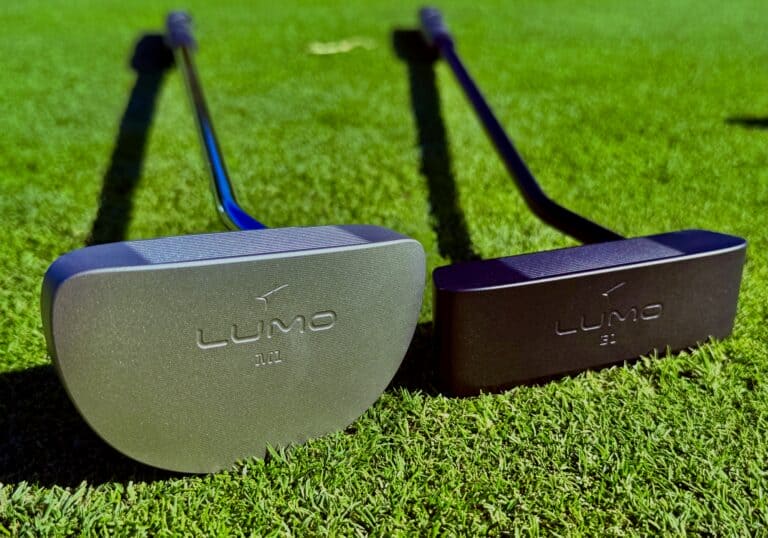
The low-torque/zero-torque movement has a new player this morning.
It’s Takomo.
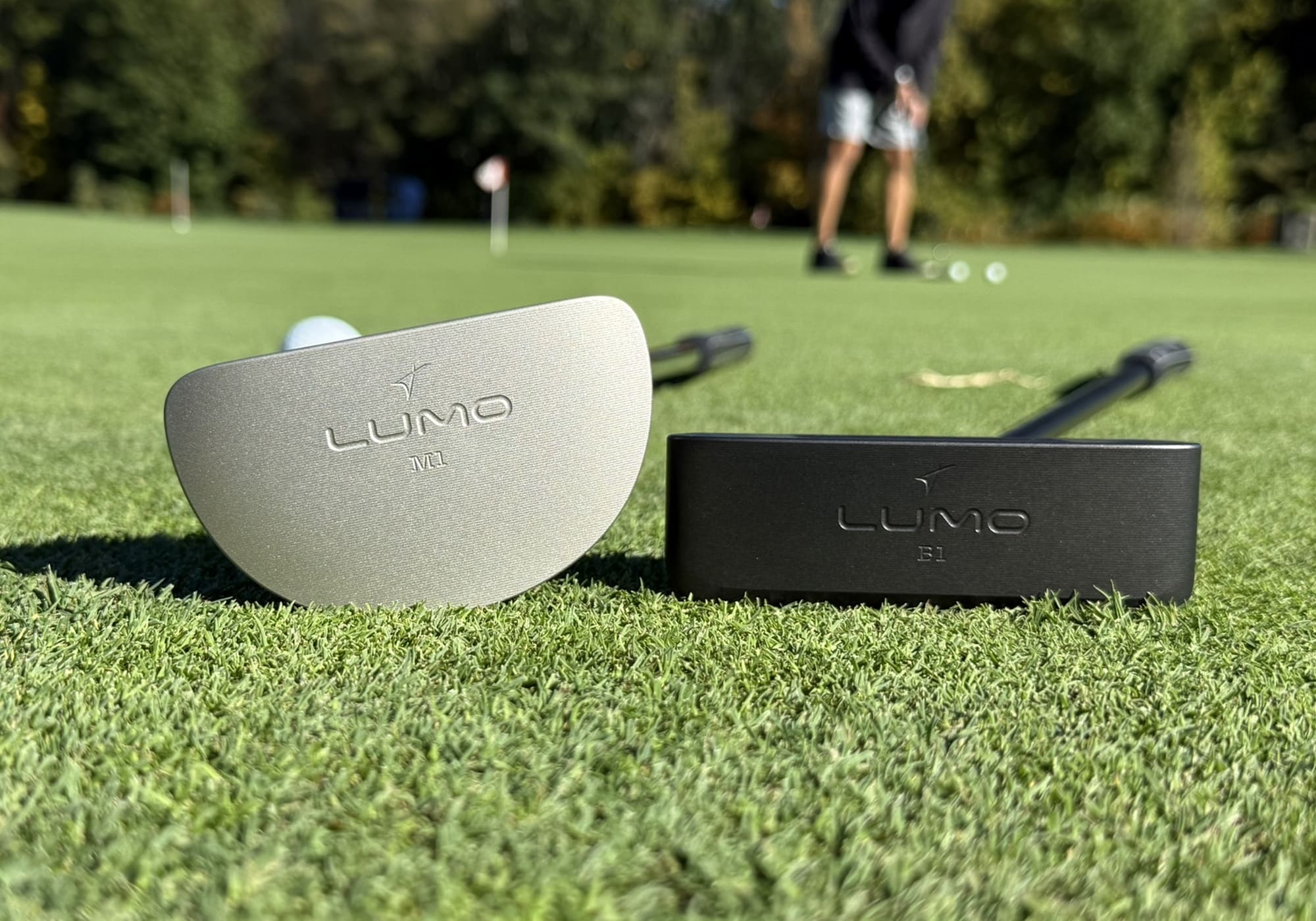
The Finnish direct-to-consumer brand is releasing a pair of low-torque putters today: the mini-mallet Lumo M1 and the extended-blade (we’ll explain) Lumo B1. The duo carries Takomo’s two most dominant brand elements. First, the design is pure Scandinavian minimalist. Second, the price is pure Takomo minimalist.
Mostly.
We’ll explain that, too.
Why is Takomo selling putters?
Well, that one’s easy.
Why not?
The company has long expressed its intent to be a full-bag equipment provider including the bag itself. In December, Takomo announced it purchased a Finland-based boutique putter brand called Otso Golf.
Well, technically, it didn’t purchase the actual company. It purchased Otso’s proprietary, low-torque putter design, its technology and its business operations. Takomo also “bought” Otso founder, CEO and putter designer Miika Farin, who joins Takomo as a product engineer. I’m not totally sure what was left of Otso once Takomo was done with it, but that’s another story for another day.
In the big picture, the acquisition was a certified big deal. It represents a huge step toward becoming a “full-bag” OEM.
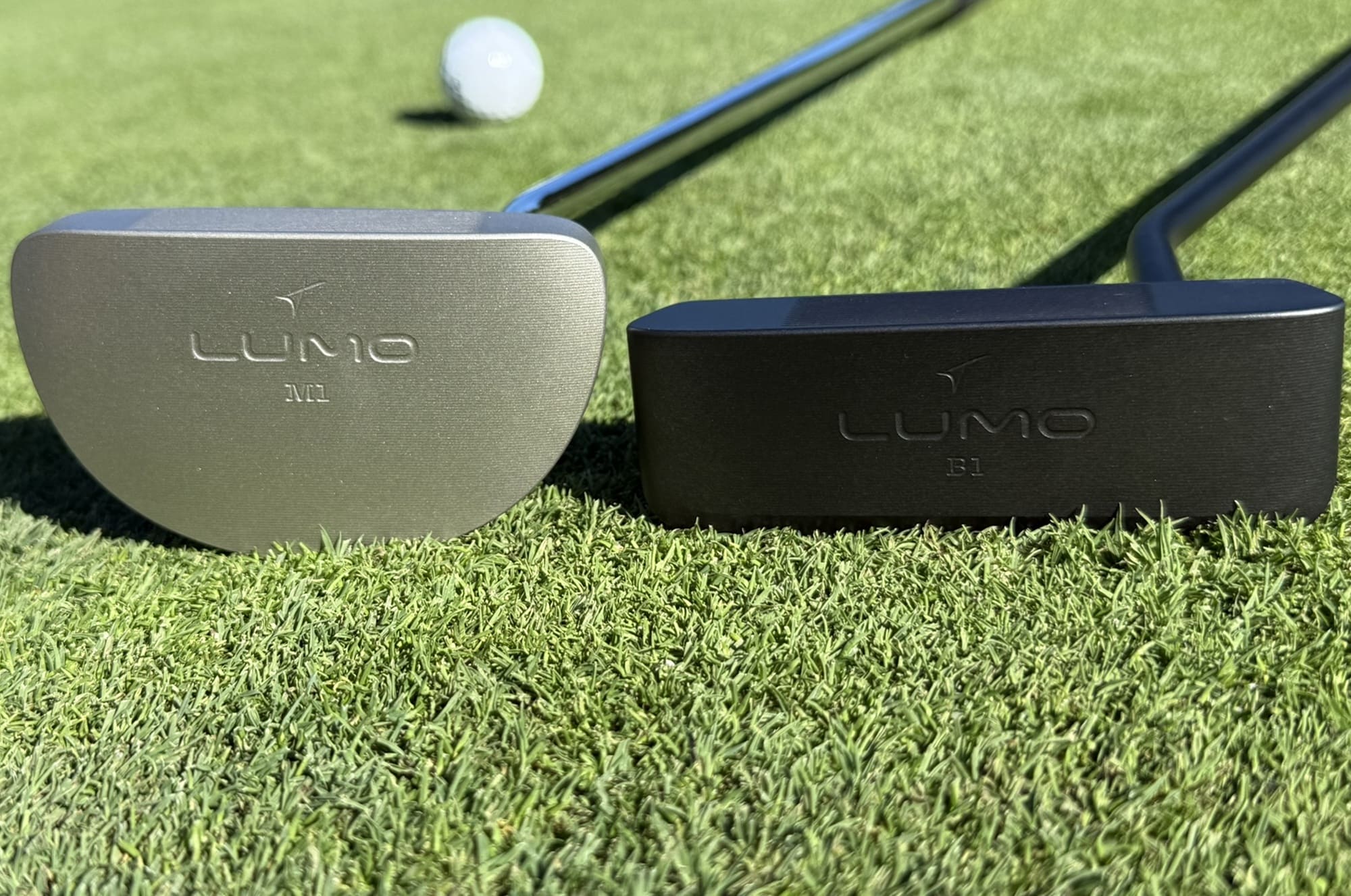
The Lumo M1 and B1: Because “conventional” isn’t Takomo’s style
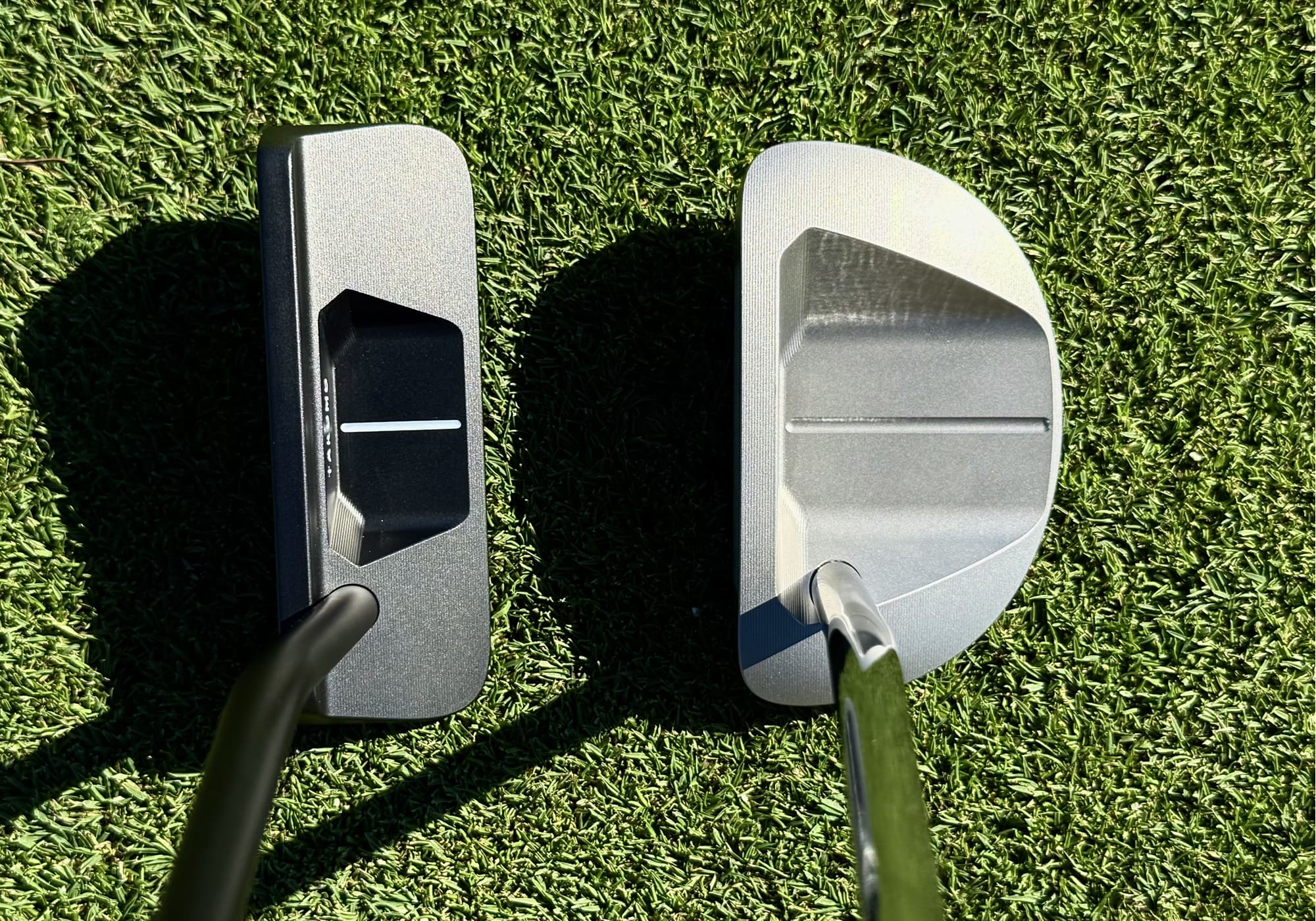
Otso’s claim to fame, at least in Finland, was its unique take on low-torque putter design. You’ll notice the Lumo M1 mallet and B1 blade are heel-shafted, not center-shafted.
“Center-shaft hosel is not a natural model for me,” Farin told the Finnish golf website Golfpiste last year. “The same result can be achieved when the shaft points to the center of gravity.”
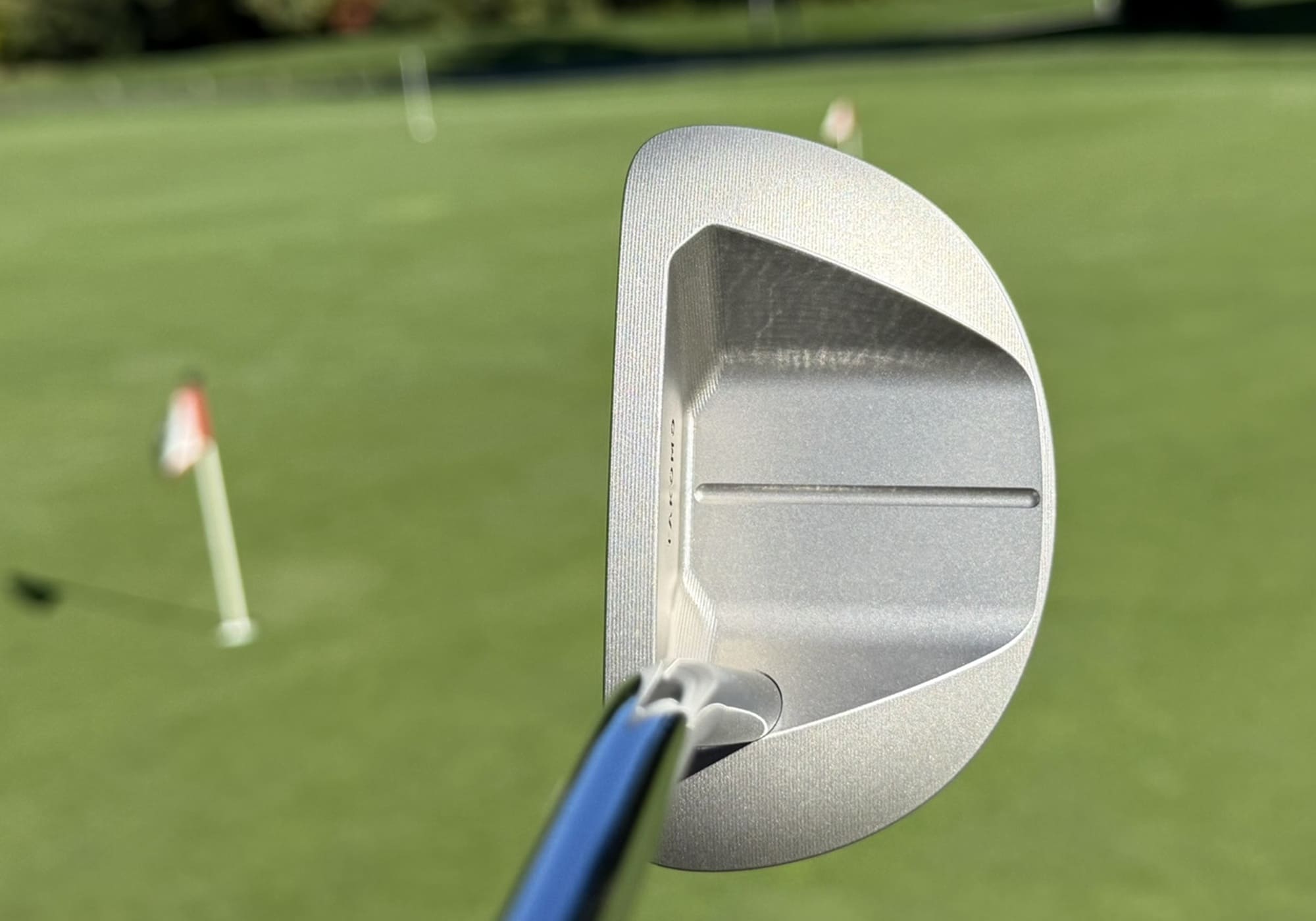
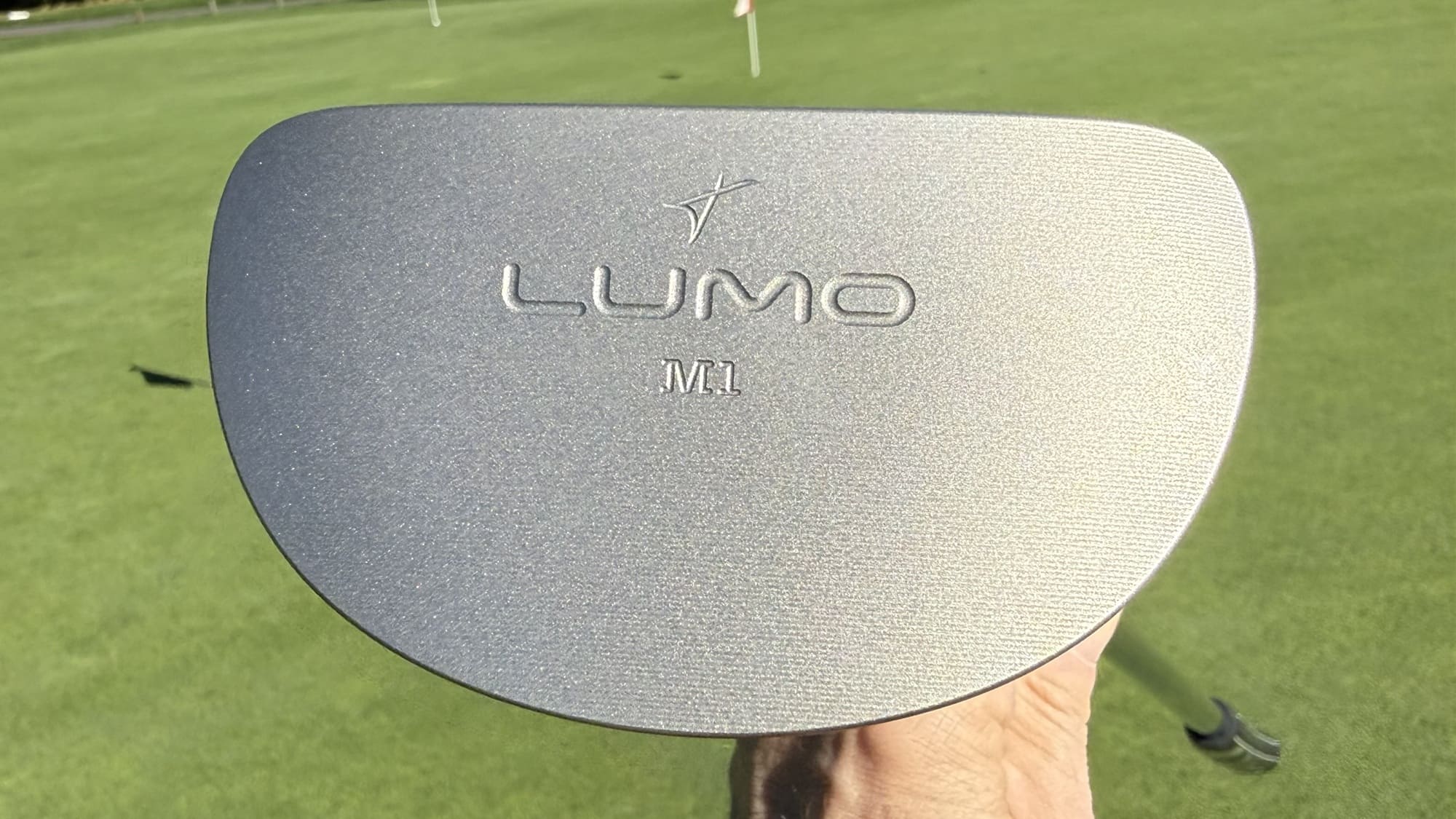
The Lumo M1 is a small-ish mallet fully milled from 303 stainless steel. It features a simple, single alignment line with horizontal, Evnroll-esque face grooves. Takomo classifies them as “mid-depth” but I don’t believe there’s an industry standard for putter face groove depth just yet.
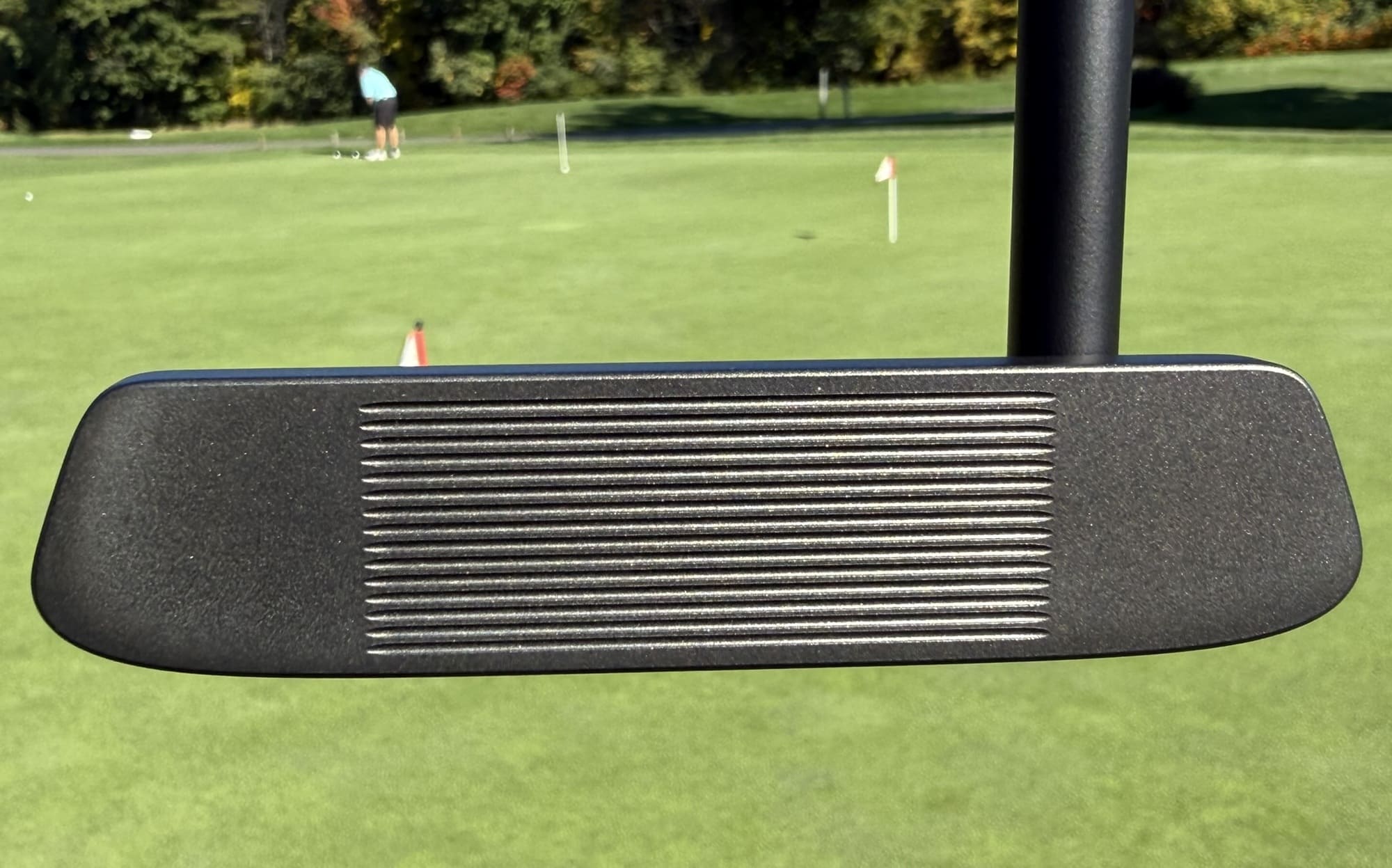
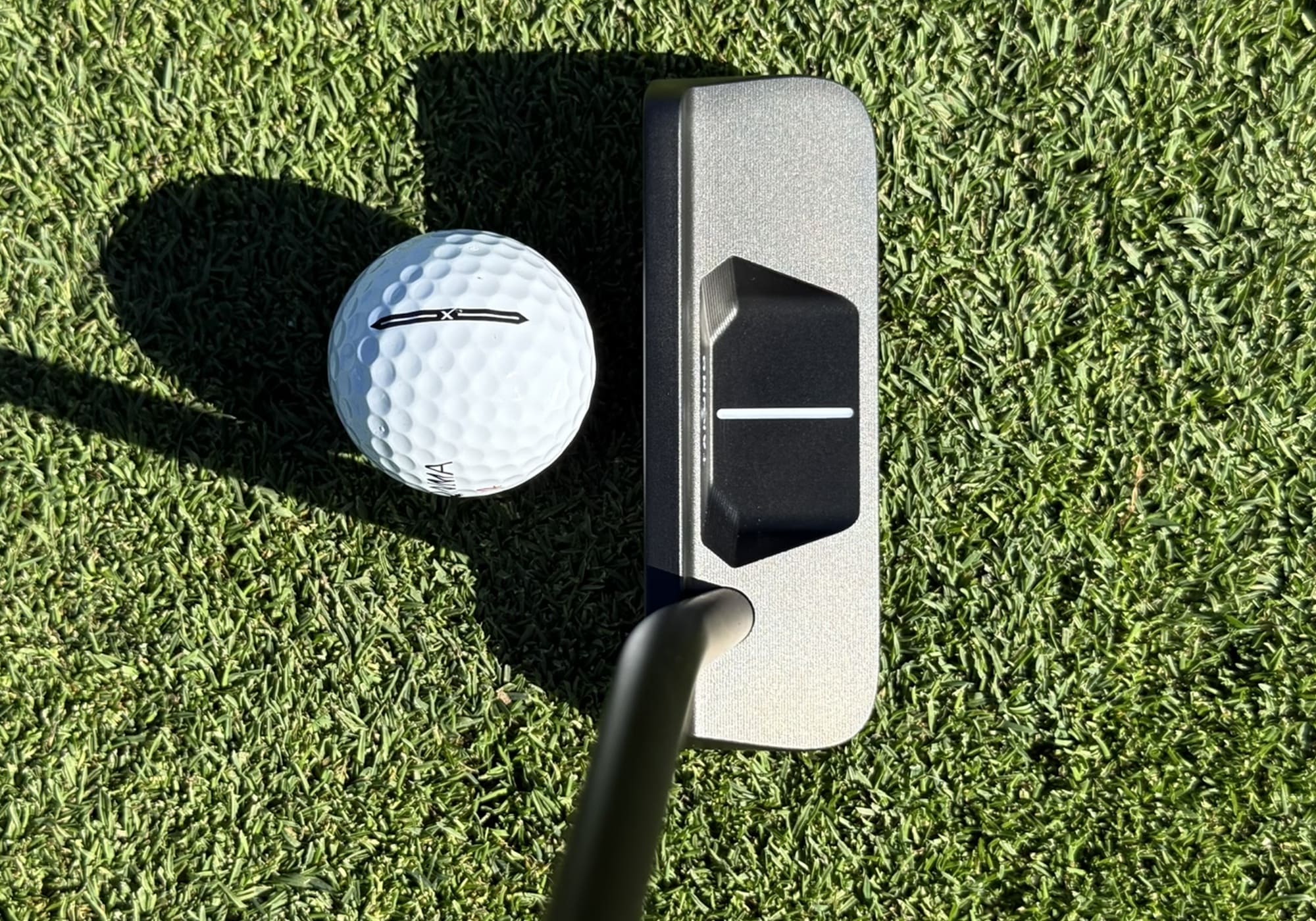
The Lumo B1 blade is a little wider than a traditional blade but not as wide as what you’d call a “double-wide” blade. Like the M1, it’s also fully milled 303 stainless steel with the same “mid-depth” face grooves.
Originally, Takomo had planned to launch its new putter line this past summer but you know what they say about plans.
“Osto putters had been hand-made in Finland,” Takomo Chief Marketing Officer Sean McCullum tells MyGolfSpy. “Tailoring what they were doing to a mass-production approach has taken a while.”
Low-torque vs zero-torque: What’s the difference?
Common says the difference between a low-torque putter and a zero-torque putter is, well, just a little bit of torque.
Knowing that answer might not satisfy, I texted MyGolfSpy’s Wizard of Putts, the Great and Powerful Dave Wolfe. Here’s how the Great and Powerful responded …
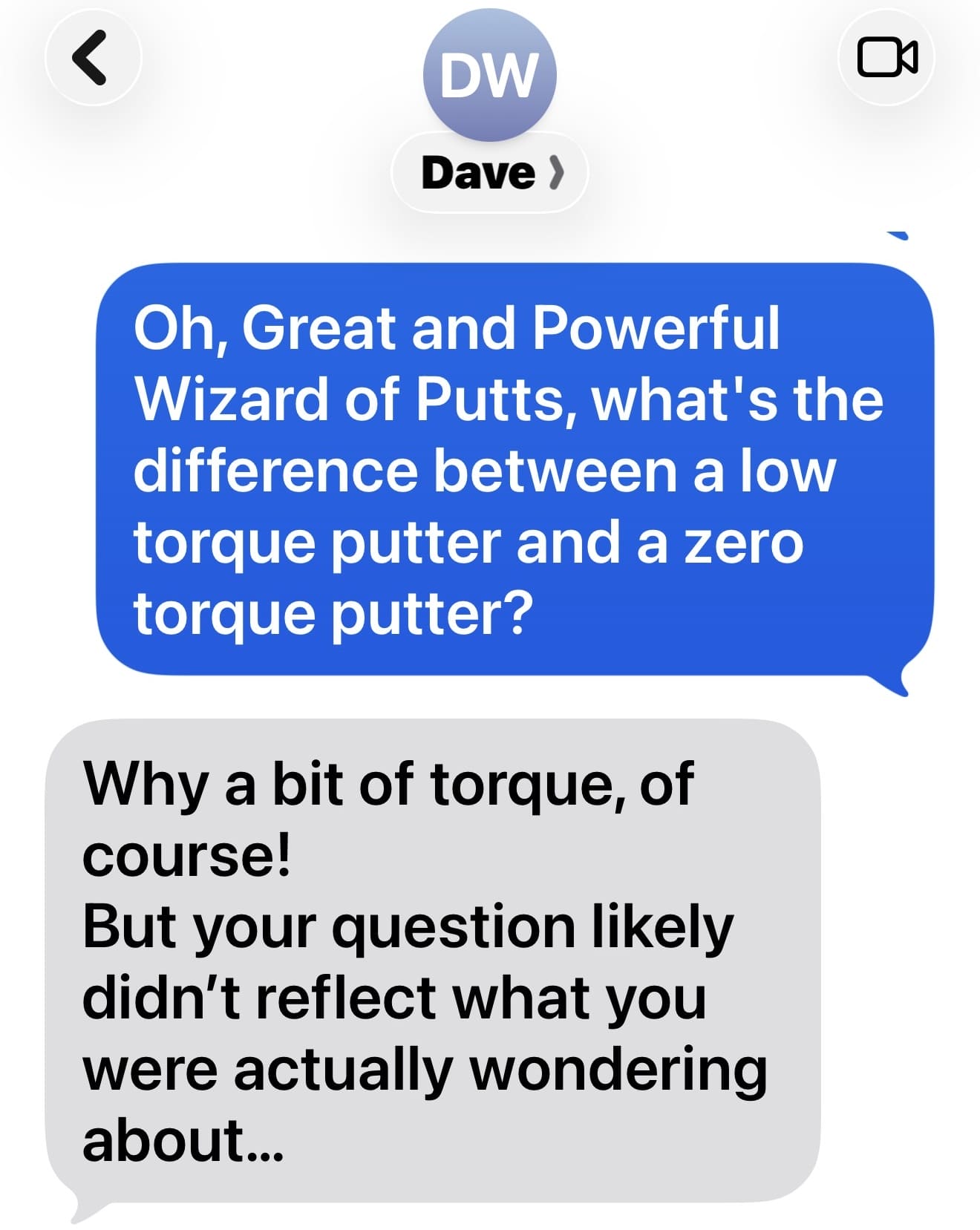
He proceeded to enlighten me.
“What you’re really asking about is the effect of the modicum of torque,” says Dave, whom we call The Perfessor because he really is one. “The low-torque putter will have just a bit of rotation during the stroke. Additionally, this rotation will add some ‘feel’ to the putter. Those who try zero-torque putters and abandon them often do so because can’t feel the head during the stroke.”
Traditional putters all have some amount of torque because the shaft axis does not pass directly through the putter’s center of mass. Gravity and stroke forces will then cause the face to rotate. As the person holding the putter and applying force to put the ball in motion, it’s something you have to deal with.
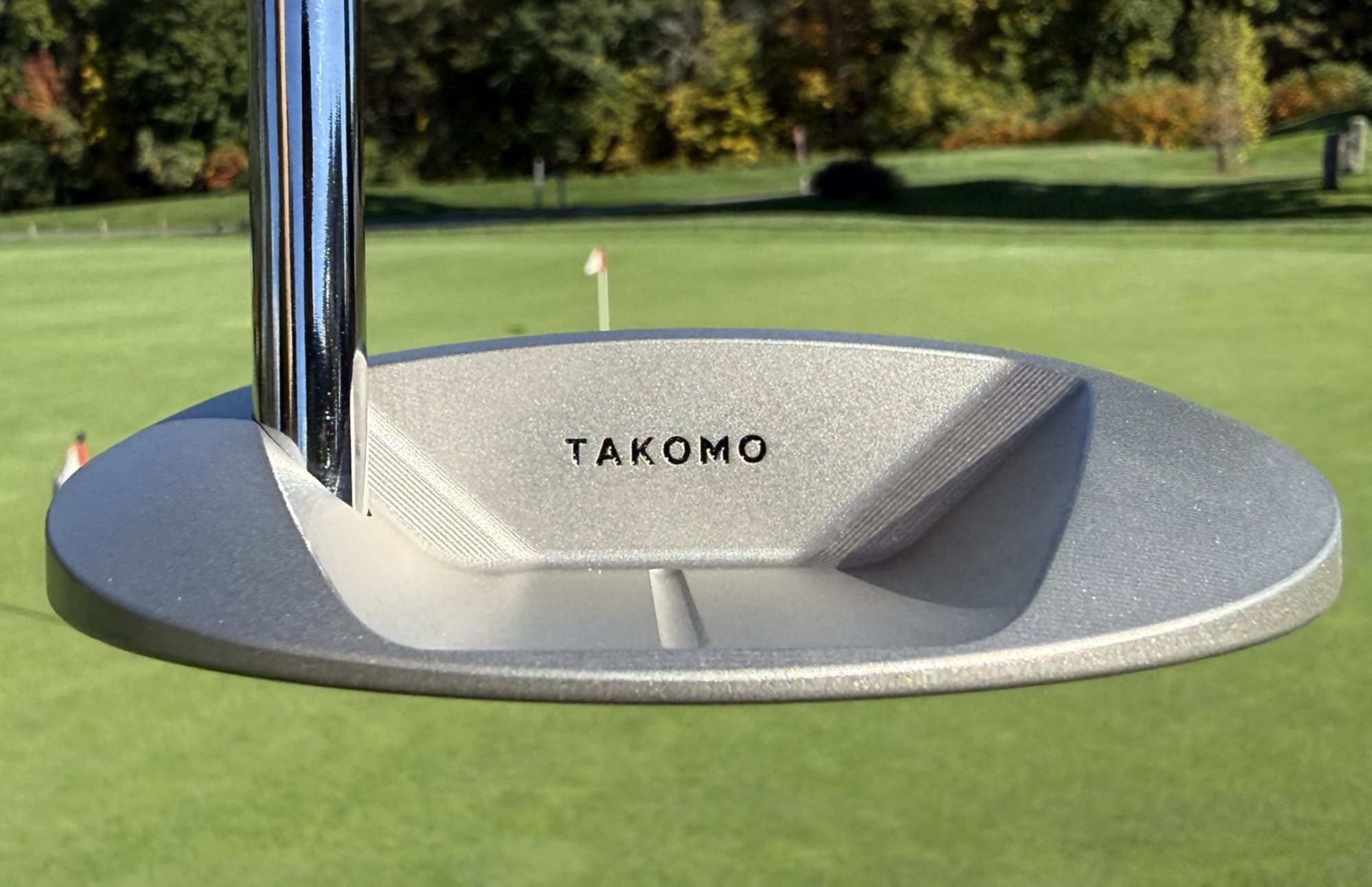
Takomo says the new Lumo putters are “center of gravity” balanced, meaning the shaft does pass through the putter’s center of gravity. The net effect is to reduce face rotation and resist twisting more than a traditional blade or mallet.
Not eliminate; just reduce.
Some center-shafted putters as well as high-MOI mallets could qualify as low-torque. They’re designed to make the putter head more stable through the stroke but there will be some face rotation.
So what’s the freakin’ difference?
Zero-torque also aligns the shaft axis with the center of mass. The face naturally wants to stay square to path throughout the stroke. That means you, as the person holding the putter, don’t have to resist torque during your stroke. As we said, Takomo says its new putters are low-torque. However, because they’re heel-shafted and not oversized high-MOI mallets, they’re still center-of-gravity balanced and therefore are closer to zero-torque.
So, Professor Wolfe’s wisdom stands. The difference is a “little bit of torque.”
However, in this case, “low-torque” sounds way better than “almost no torque at all, but not quite zero.” That’s kind of hard to put on a billboard.
Final thoughts
We’ve given the new Takomo Lumo putters a test run on the putting green and we have a few observations.
First, as you’d expect, they’re stable through the stroke. That’s job one of a low-torque or zero-torque putter. Second, as you can see from the photos, they’re minimalist to the point of being sparse. Whether that appeals to you is purely subjective.
Lastly, we found the sound very pleasing on short putts. However, as the putts got longer, the sound changed, especially if you miss the sweet spot by even half a millimeter. Some call it feedback; I called it a clonk. It took a while with both putters to dial in distance control but once we did both proved reliable.
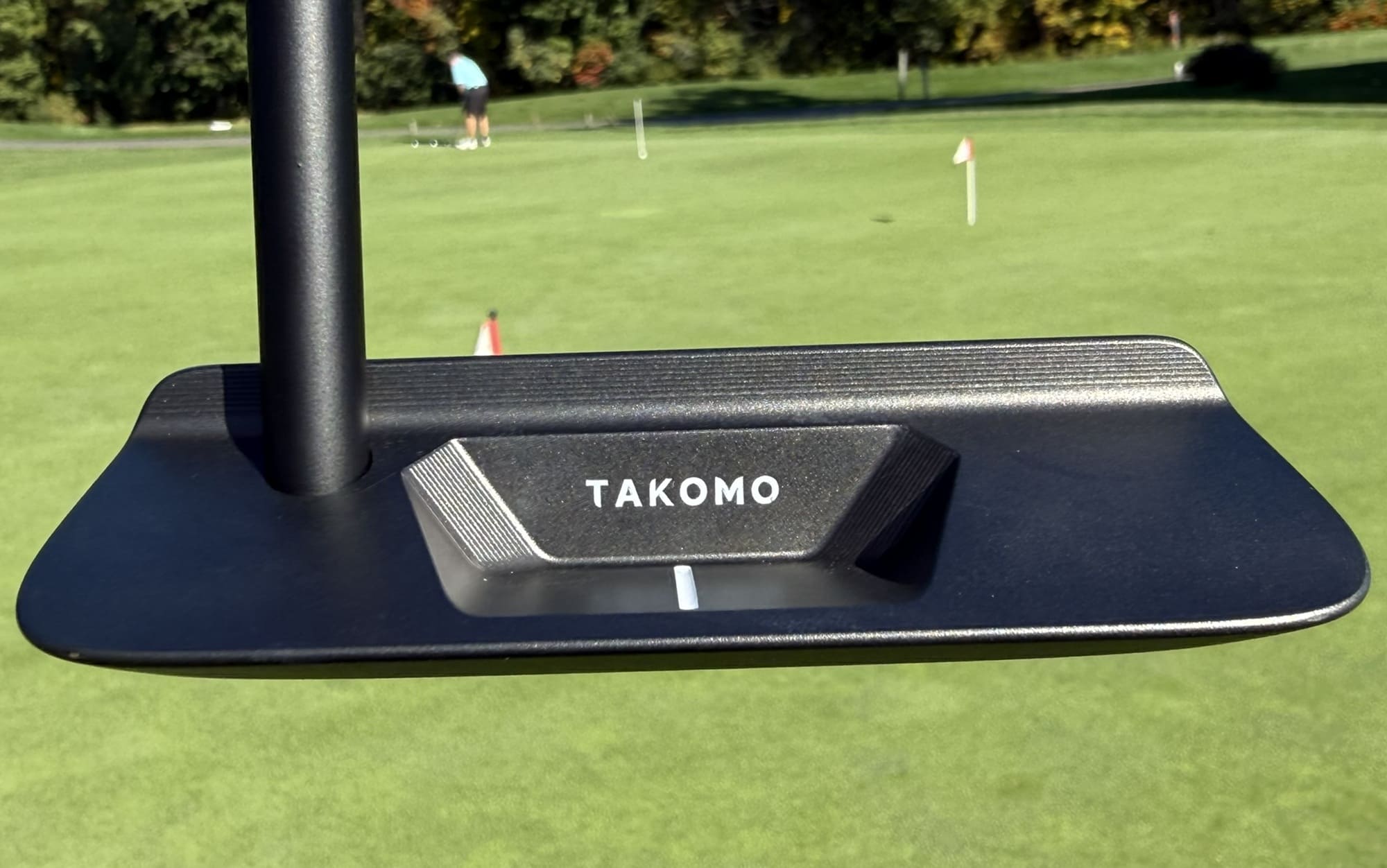
The Lumo putters do tend to sit upright (70-degree lie, three degrees of loft) so you’ll need to determine whether that works for you before you buy as customization options are limited.
As with any low-torque or zero-torque putter, there’s an on-course honeymoon phase followed by a why-the-hell-did-I-buy-this-damn-thing phase. Generally speaking, if you work through that second phase, you’ll be able to fairly judge whether the putter is going to work for you long term.
Takomo Lumo Low-Torque putters: Specs, price and availability
Both the Lumo B1 blade and M1 mallet are available in 33-, 34- and 35-inch models for lefties and righties. Takomo has also taken the important step of matching head weights to length. The 33-inch model is the heaviest heat at 365 grams, the 34-inch is 360 and the 35-inch is 355.
Both the B1 and M1 are available in Satin Steel and Black DLC (Diamond-Like Carbon) finishes. DLC is a curious choice. It’s very thin, very hard and very durable. It’s also a curious choice for a putter since turf interaction is generally minimal.
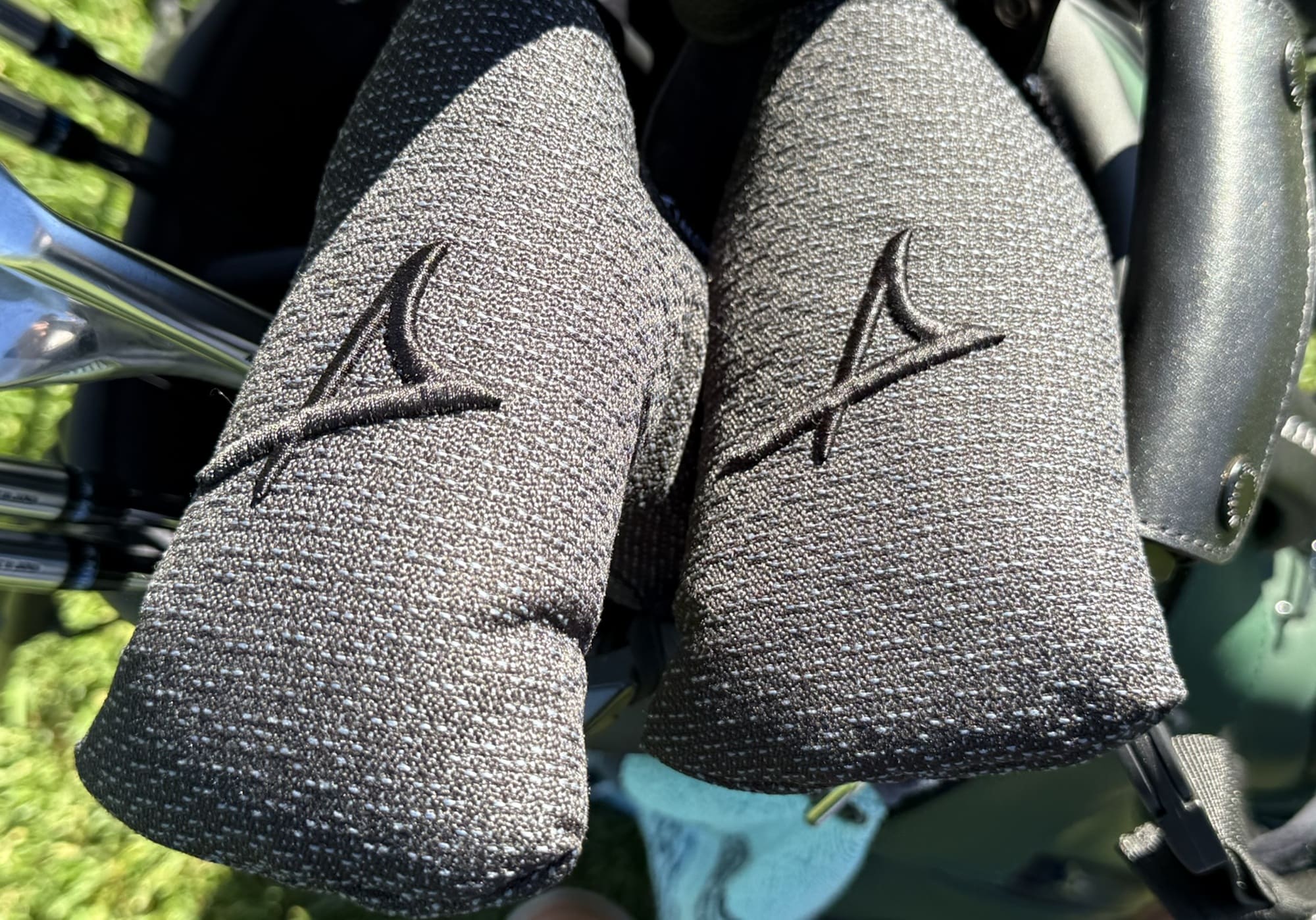
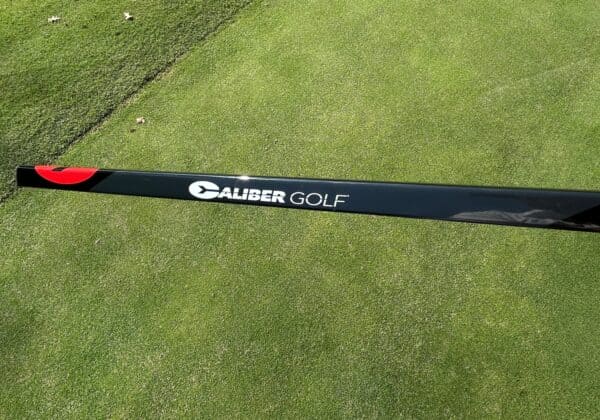
Both putters come with a KBS CT Tour single-bend shaft, in standard chrome for the Satin Steel model and matte black for the DLC Black finish. Additionally, both come with a uniquely Finnish Kvadrat Ame textile headcover with a magnetic closure. Kvadrat Ame is 100-percent recycled polyester made from textile waste often used on upholstered furniture. It doesn’t help the putter work better but it is pretty cool.
The Takomo Lumo B1 and M1 putters sell for $219 in Satin Steel and $239 in Black DLC. That’s a little higher than, say, the zero torques from Wilson Staff, Lazrus or Tour Edge, but they’re close enough.
They’re available now on the Takomo website. The company tells us the U.S. orders of the Satin Steel models will ship in mid-October while Black DLC models will ship in early December. Orders in the European marker in both finishes will ship immediately.





Digger
2 weeks ago
Not very attractive IMO…the putters and headcover look, for lack of a better word, “cheap”. Certainly not my cup of tea…