Support our Mission. We independently test each product we recommend. When you buy through our links, we may earn a commission.

I distinctly remember having a conversation with my cousin roughly two years ago about how overrated golf rangefinders are.
At the time, I thought my “feel” method was much better than anything a rangefinder could offer. On top of that, I hated the fact that rangefinders made the game easier. Real mature, right?
I’m putting my hand up, taking some accountability and admitting that having a rangefinder is of the utmost importance on the golf course. If you know your club distances (you should), a rangefinder will help you select the right club for the job. Golf is really hard. It gets a little bit easier when you add a rangefinder.
No more guessing, feeling it out or relying on sprinkler heads, stakes or plaques in the middle of the fairway. You can now game the most accurate rangefinder on the market to help you hit more greens and make more birdies.
Most people don’t have time to test 27 rangefinders head-to-head. We do and we did.
Introducing the best golf rangefinders of 2026.
No. 1 might blow your mind.
We’ve tested and analyzed rangefinders for years to find the best of the best. The best golf rangefinder always has four key specifics: accuracy, speed, clear optics and an uncomplicated display. In addition, many rangefinders will have additional features that help you determine the right club and shot to hit, show you the hole layout, link to your mobile device, keep score and even take photos/video.
First and foremost, a rangefinder needs to deliver accurate and repeatable distances you can trust. If you have a rangefinder that is hit or miss, maybe it’s time for an upgrade. Don’t let your equipment hold you back from your full potential.
 Review Score
 Price
Price
The Mileseey GenePro G1 has virtually every feature you could ever dream of. To name a few: GPS on the device, app integration and most everything the competitors offer.
The GenePro G1 showed up in what looked like a mini-suitcase. The case is less of a case and more of a military-grade tank.
Some might find the GenePro G1 to be overwhelming in terms of features. If you're looking for something basic, pick another rangefinder.

If you’re looking for the most multi-dimensional golf rangefinder that money can buy, you’re in the right place. You’re not just getting a golf rangefinder, you’re acquiring a golf GPS. For the $499.99 price, you’re getting a pretty good deal for a unit that does both.
Testers raved about the features the GenePro G1 has to offer noting A+ accuracy, speed, optics and display. The cherry on top was a perfect score in the “features” category.
The Mileseey GenePro G1 is the best golf rangefinder of 2026, scoring an impressive 9.8/10. Packed with features, the Mileseey GenePro G1 is ready for any challenge.
Review Score
Price
The Bushnell Tour V7 Shift offers "link-enabled technology" to utilize your club distances to personalize your experience. If you like to dive into the details of the details, the Tour V7 has what you need.
The Bushnell Tour V7 Shift provides above-average optics to make sure you see everything needed when preparing for your next shot.
Similar to the Mileseey GenePro G1, the Bushnell Tour V7 Shift was built with additional features in mind. If you're just hoping to shoot each pin, there are more affordable options.
The Bushnell Tour V7 Shift is the perfect mix of features and essentials. If you want something basic, the Tour V7 Shift can do that. If you want to get into the nitty-gritty, you can do that too.
Testers acknowledged the speed of the Tour V7 Shift when shooting the target. On top of that, testers raved about the clean design of the display and top-tier optics.
The Bushnell Tour V7 Shift takes home the runner-up award in our 2026 testing pool, proving to be an option for golfers of all skill levels.
Review Score
Price
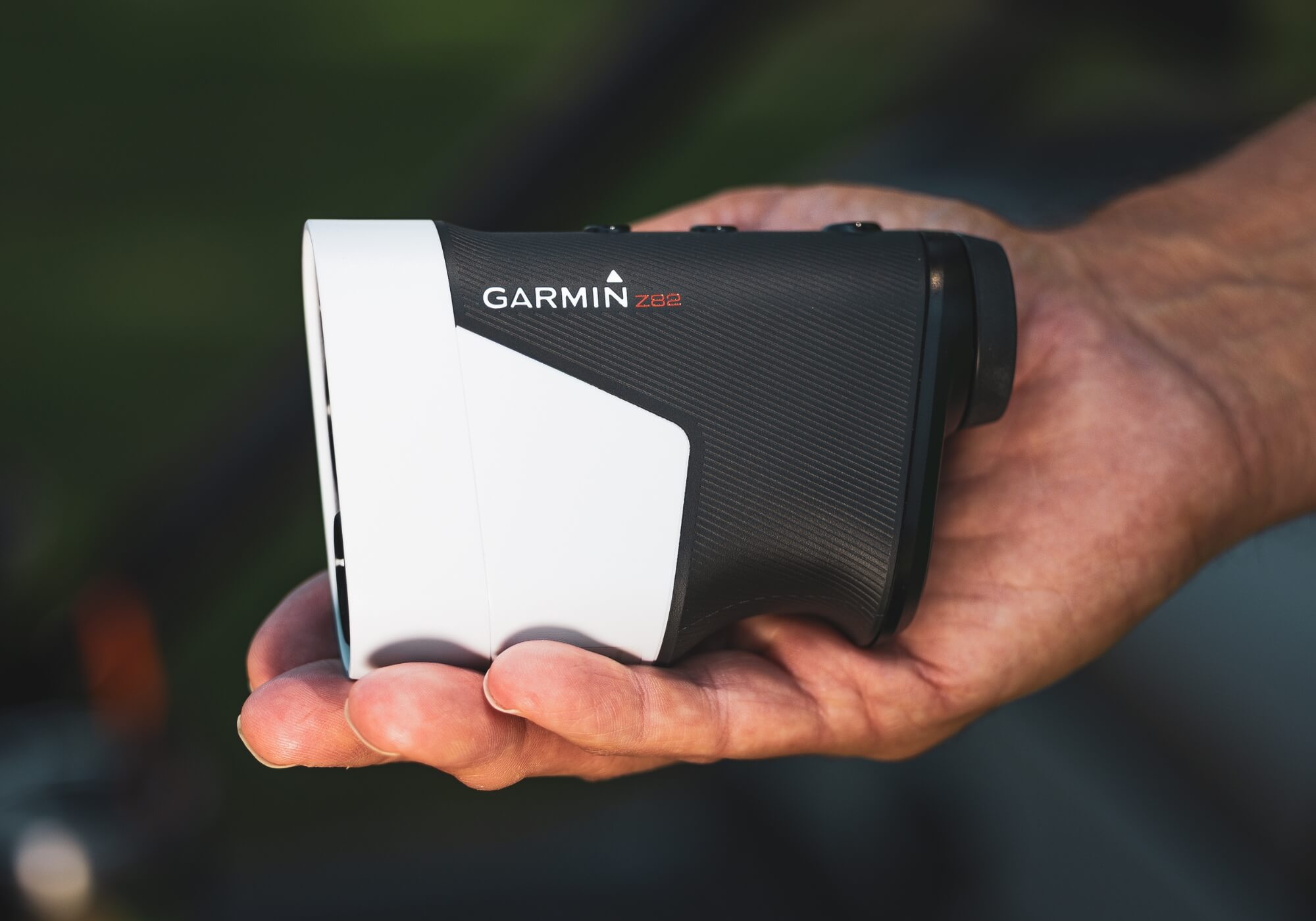
The Garmin Approach Z30 continues the trend of Garmin slowly taking over the golf world with stellar technology. If you've tried their golf watches or other GPS devices, you know what I'm talking about. It must run in the family.
The Approach Z30 features a type of "find my" technology to locate your golf rangefinder if you lose it during your round.
Like our winner and runner-up, you'll spend a pretty penny on the Approach Z30. You can save money if you're looking for something incredibly basic.
Garmin delivers with yet another near-perfect unit for on-course play. The Garmin Approach Z30 has enough features to satisfy and costs roughly $150 less than our winner.
Testers noted high-level accuracy and speed when shooting a pin. Testers emphasized that these two factors are paramount when choosing a new golf rangefinder.
If the Garmin Approach Z30 is placed in front of you during your search for a golf rangefinder, don’t hesitate. Just like the other units in Garmin’s fleet, they’re ready to go right out of the box.
Review Score
Price
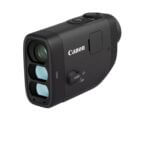
Not only does the Canon Powershot Golf work as a golf rangefinder but it also serves as a camera that can take photo and video.
Let's be honest: most your friends will carry golf rangefinders like Shot Scope, Garmin and Mileseey. You have the opportunity to utilize a golf tool that's out of the ordinary.
If you're not planning on utilizing the photo and video features, you're better off buying a golf rangefinder that's more basic for your actual needs.
The Canon Powershot Golf offers a unique approach to using a golf rangefinder. It has all the bells and whistles that a normal golf rangefinder has, enhanced with the ability to capture your most precious moments on the golf course.
Testers noted a “luxury” feel when using the Canon Powershot Golf. One tester noted that “it felt like I was shooting the pin in 4k.”
It doesn’t matter if you’re creating content or capturing your golf groups’ memories, the Canon Powershot Golf is equipped for either situation. When you’re not videoing or capturing photos, the Powershot Golf is shooting the pin in high-definition at some of the fastest speeds in the game.
Review Score
Price
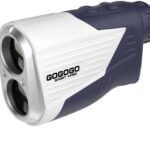
At $149.99, you're getting an absolute bargain that doesn't sacrifice performance. The GoGoGo Sport ZeroIn is roughly half the cost of this year's average price-point from our "Best Golf Rangefinder" testing.
If a quick and accurate reading is your top priority, you're in the right place. The GoGoGo Sport ZeroIn scored an impressive 51.5/52.5 in these respective categories.
Don't get me wrong. There's nothing wrong with the optics and display: they get the job done. But they're a noticeable step down from most of the rest of the competition.
The GoGoGo Sport ZeroIn is the best value golf rangefinder of 2026. Who doesn’t appreciate a lower price that is complemented with above-average performance?
Testers noted that the GoGoGo Sport ZeroIn is a simple, easy-to-use golf rangefinder that is great for the everyday golfer.
If you’re on a budget, don’t overthink buying the GoGoGo Sport ZeroIn. It does everything you need it to on the golf course at a fraction of the price of most others.
If you have something specific in mind as far as features or specifications go, here are a few other top rangefinders to consider.
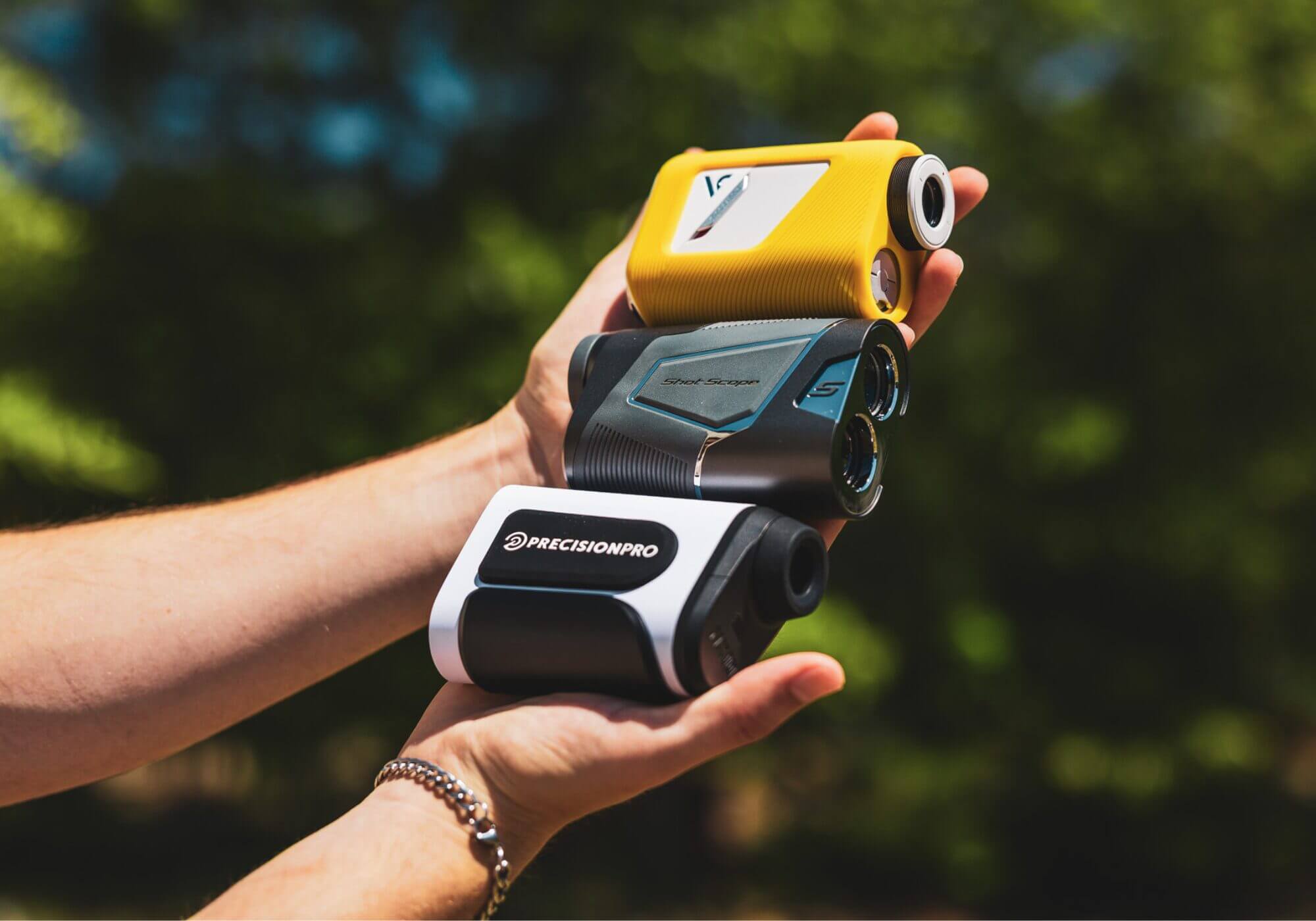
A golf rangefinder won’t help you swing better but it will give you the ability to pick the right club and swing with confidence. Jack Nicklaus famously said that golf is “90 percent mental and 10 percent physical.” Knowing what we know, a golf rangefinder will help bridge the gap between mental and physical by putting the proper club in your hand before every shot.
There are five main things to consider when buying a new golf rangefinder. If you follow this recipe, you won’t be disappointed with the performance of your new assistant.
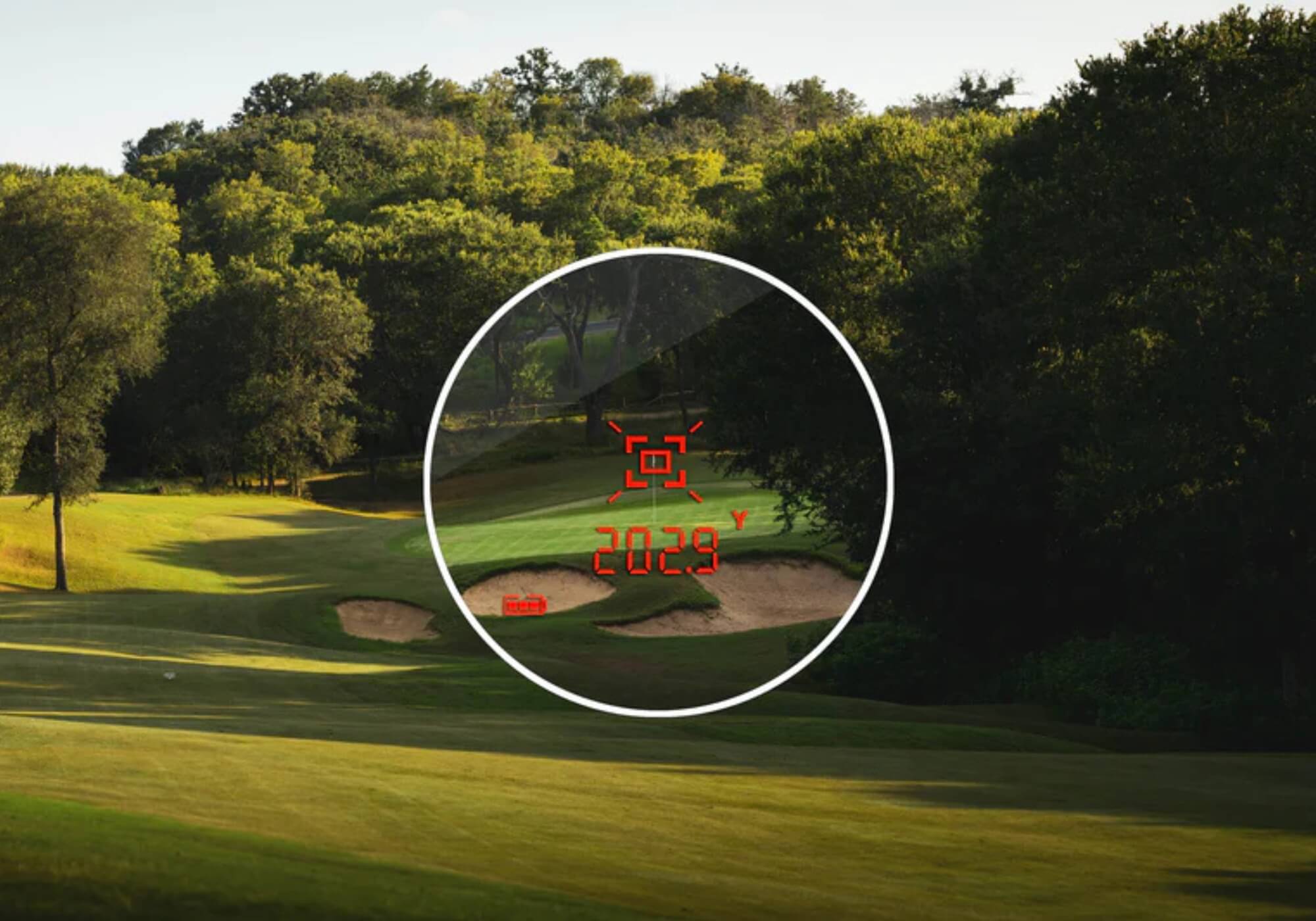
Accuracy is easily the most important factor when buying a new golf rangefinder.
If the accuracy is on point, you can expect to hit more greens and avoid more hazards. If your golf rangefinder’s accuracy is off by more than a yard or two, you may as well avoid buying a golf rangefinder all together.
Always look for a golf rangefinder that provides less than two yards of variance to all but guarantee increased confidence and performance.
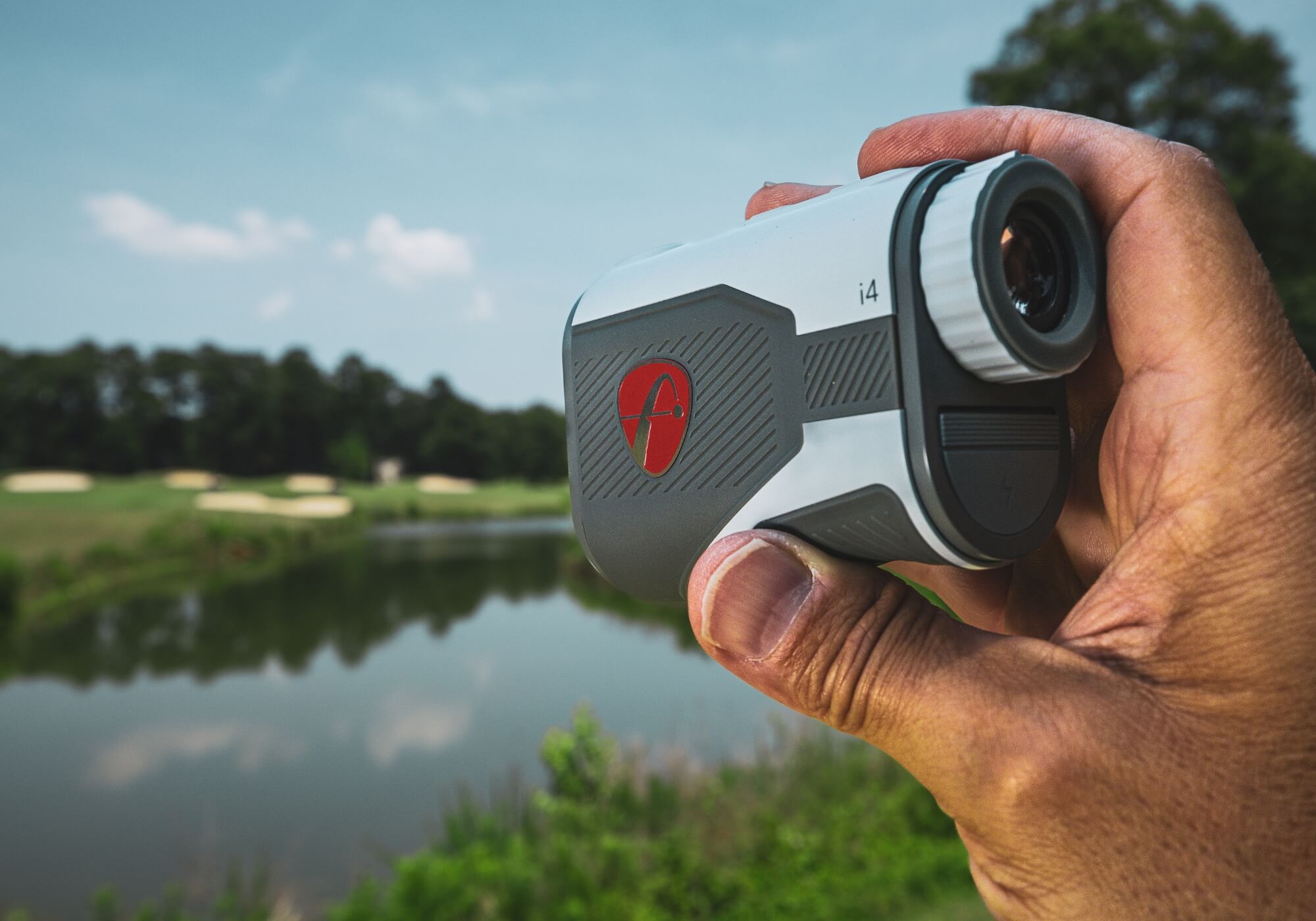
The best golf rangefinders are nearly instantaneous when you shoot the pin. Using a golf rangefinder should be as simple as 1-2-3.
When you click the button to shoot the pin, you should have a number within a second or so. Any longer and you’ll start to get agitated as your round goes on. Using a rangefinder should never affect pace of play.
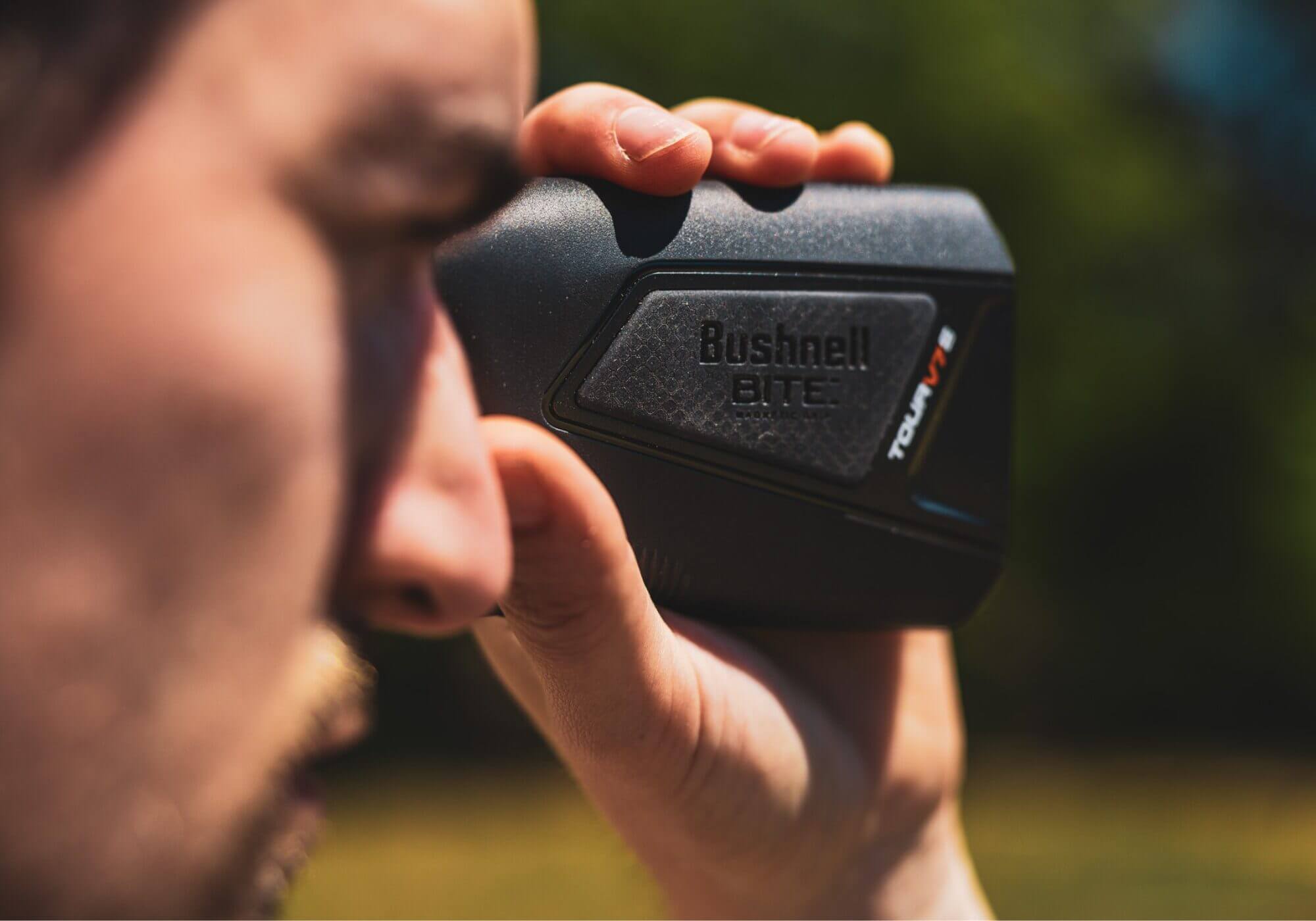
When you look through the lens of your golf rangefinder, you shouldn’t just see a flag.
The best golf rangefinders show more detail than you’d initially expect. For example, the best options will not only show you the flag, hazards and green layout but you’ll also see enhanced detail with each of these things which can help with your decision-making process on the course.
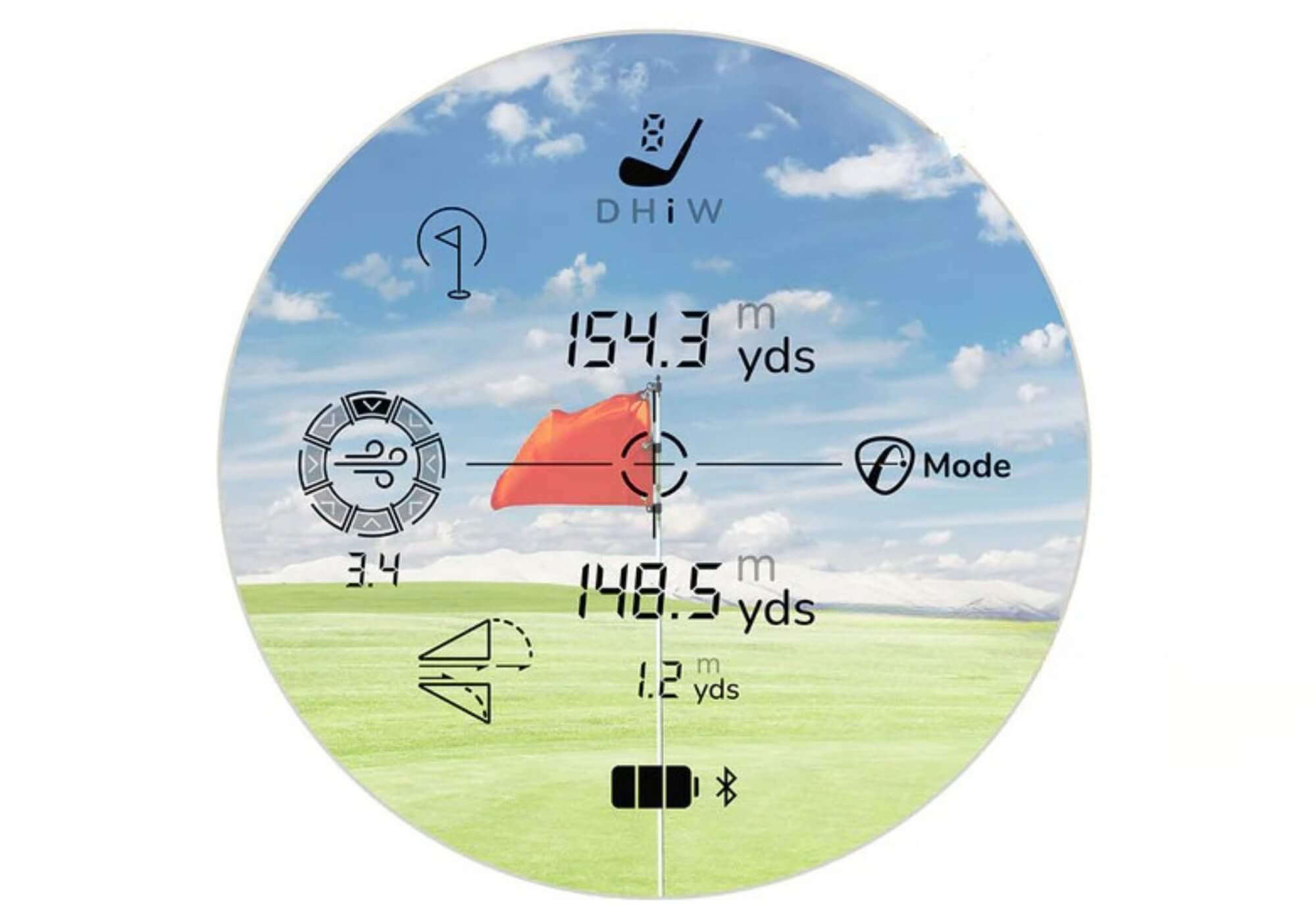
The display section leaves some room for interpretation but there’s one definite key.
A clear and easy-to-read display.
Many golf rangefinders have options as to what you see on the screen when it comes to design and color but the display has to be easy to read.
If it’s blurry, too dark or jumbled, you’ll waste time and become frustrated which is not conducive to playing your best. Look for a golf rangefinder with a bold and vibrant display that clearly displays all the information you require to swing confidently.
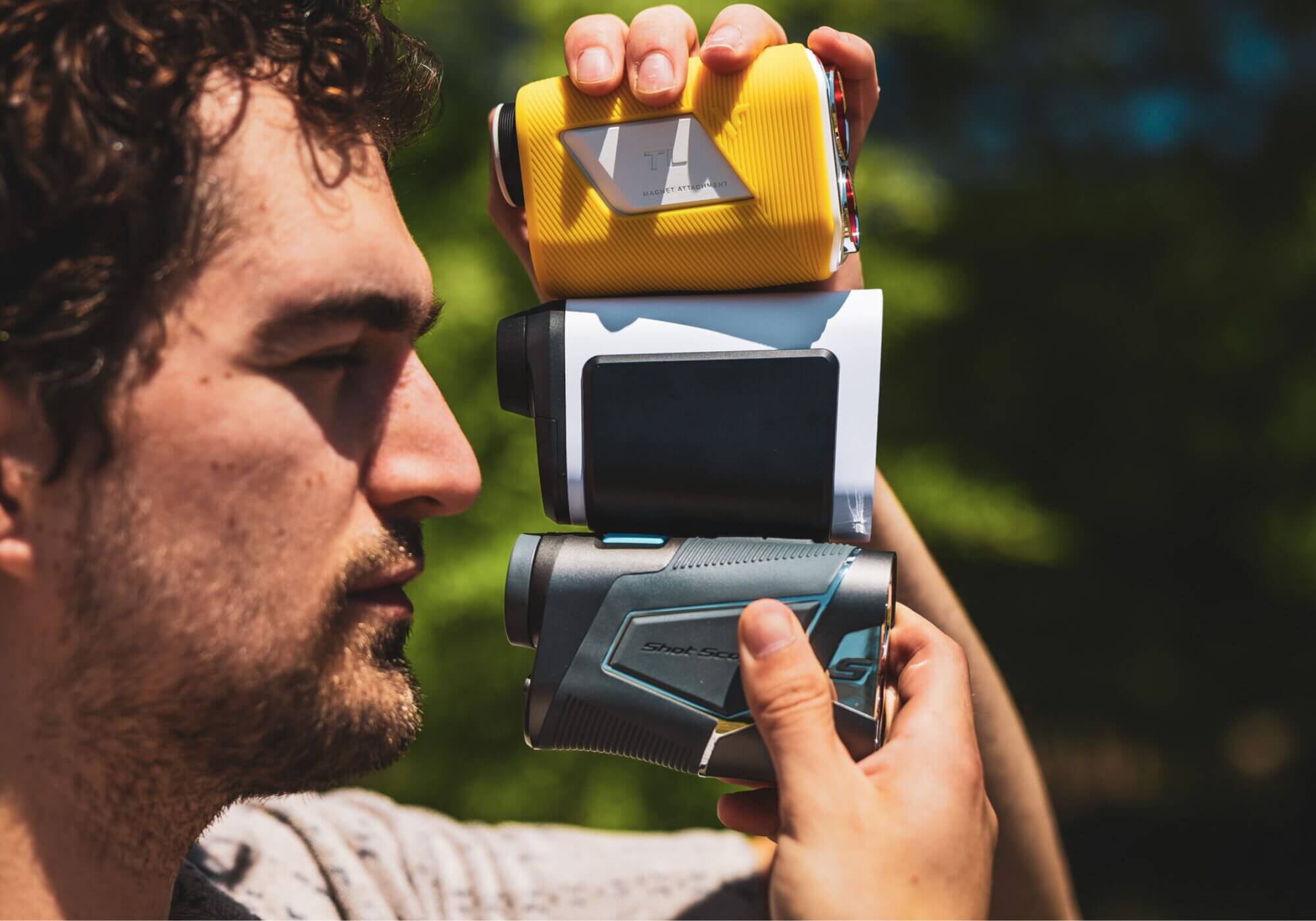
Additional features aren’t always necessary but they can help justify your purchase and enhance your experience on the course.
This year’s winner featured a GPS screen directly on the golf rangefinder itself while others offered app connections to provide you with more data.
If you want a barebones golf rangefinder, you’ll find it. If you’re searching for one with all the bells and whistles, that’s also readily available.
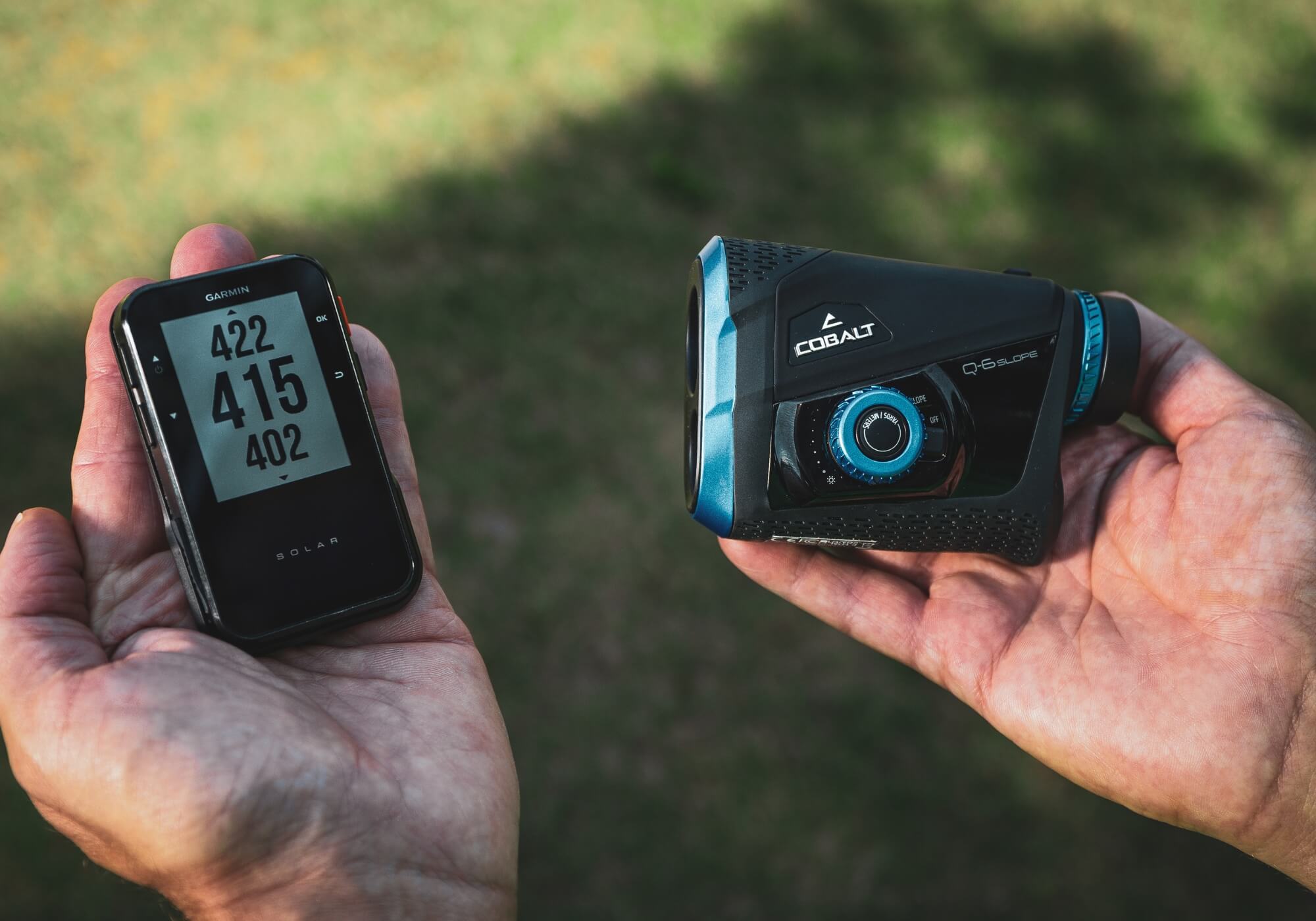
A golf rangefinder isn’t the only tool available when it comes to course management and distance determination. Golf GPS devices and golf apps can also do the trick.
If near-perfect accuracy is your priority, a golf rangefinder should be your first pick. But if you’re looking only for general distances and a simple overview of each hole, you might be better served by a golf GPS device or one of the many golf apps on the market such as Golf Pad, 18Birdies or GHIN (in the U.S.).
Some players may be better off using a combination of the three while others may just need one. Some golf rangefinders have a GPS available through apps or on the device itself while others do not.
If you’ve decided you’re better off with a golf GPS device, here’s the link to the Best Golf GPS Devices of 2026.
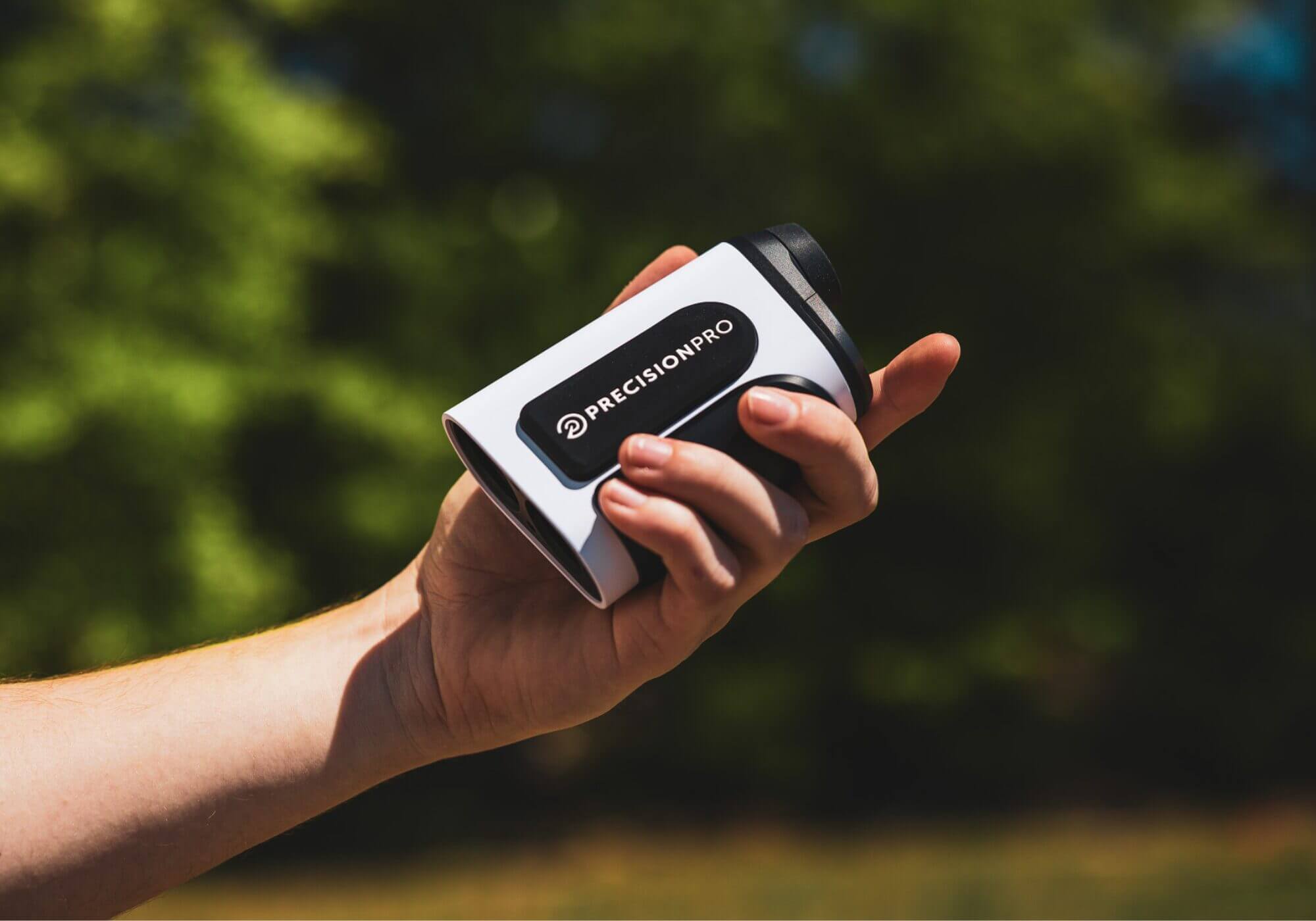
Rangefinders are tested by our expert staff in our state-of-the-art facility and on the course. Here, rangefinders undergo a series of rigorous tests, using strict protocols to ensure each rangefinder meets our standard before receiving a final score.
Rangefinders are scored based on the following criteria.
Accuracy: The goal is to test the consistency of the distances provided with multiple, serial measurements at targets of various distances and backgrounds. While minor variations of +/- one or two yards were common across all models, some models varied significantly more or failed to pick up the flagstick at all. This was further complicated by flags with busy backgrounds.
Speed: A fast rangefinder almost seems like it knows what you’re shooting prior to triggering the measurement button. A stopwatch was used to to see how long it takes to lock onto the target or flagstick. Some were so fast that it was immeasurable. Others were noticeably and measurably slower.
Optics: The best rangefinders offer a level of clarity, magnification and visual field necessary to easily see the course’s topography and details. Each rangefinder was put through the paces to identify these attributes. While most offered satisfactory to stellar performance, some languished with a small field of view, haze around the periphery, poor light transmission and yellowing of the image.
Display: Golfers first and foremost are utilizing a rangefinder to capture a distance. We evaluated each display to see how prominently the distance was displayed and whether the font and color helped or hindered the effectiveness of the display. We further explored the layout of the display to determine whether is was too simple or overly complicated.
Additional Features: Rangefinders can be as simple as “point and shoot” or so advanced as to give you the slope of the hole, contours of the green, shape of the hole, wind speed/direction, front/middle/back green measurements and temperature, to name a few. Each rangefinder was explored to see how these features help the golfer determine the right club/shot to hit. While we appreciate these features, users must be careful of “paralysis by analysis.”
| OEM: | Model: | Price: | Accuracy: /40 | Speed: /12.5 | Optics: /22.5 | Display: /15 | Additional Features: /10 | Total: |
|---|---|---|---|---|---|---|---|---|
| Mileseey | Gene Pro G1 | $504.99 | 39.5 | 12.5 | 21.5 | 14.5 | 10 | 9.8 |
| Bushnell Tour | V7 | $399.99 | 39.5 | 12 | 21 | 14.5 | 9 | 9.6 |
| Garmin Approach | Z30 | $349.99 | 39.5 | 12.5 | 20 | 14.5 | 8 | 9.5 |
| Vistaget | Golvia Pro | $199.99 | 39.5 | 12.5 | 20 | 14.5 | 7 | 9.4 |
| Bushnell | Tour Hybrid | $499.99 | 39.5 | 12.5 | 20 | 13.5 | 8.5 | 9.4 |
| Nikon | Coolshot Pro 3 Stabilized | $399.95 | 39.5 | 12.5 | 20 | 14.5 | 7 | 9.4 |
| Nikon | Coolshot 50i GII | $249.95 | 40 | 12.5 | 19 | 14.5 | 7 | 9.3 |
| Voice Caddie | TL1 | $349.99 | 39.5 | 11.5 | 20 | 14.5 | 7 | 9.3 |
| Precision Pro | Titan | $329.99 | 39.5 | 12.5 | 20 | 13.5 | 7 | 9.3 |
| Precision Pro | Titan Elite | $399.99 | 38 | 12.5 | 19.5 | 13.5 | 9.5 | 9.3 |
| Cobalt | Q6 | $400 | 38.5 | 12.5 | 20 | 15 | 7 | 9.3 |
| Flightscope | i4 | $425 | 38.5 | 12.5 | 20.5 | 12.5 | 8.5 | 9.3 |
| Pinned | Prism+ | $259.99 | 38 | 13 | 19.5 | 14.5 | 7 | 9.2 |
| Vortex | Anarch | $599.99 | 38 | 12.5 | 20 | 13.5 | 7.5 | 9.2 |
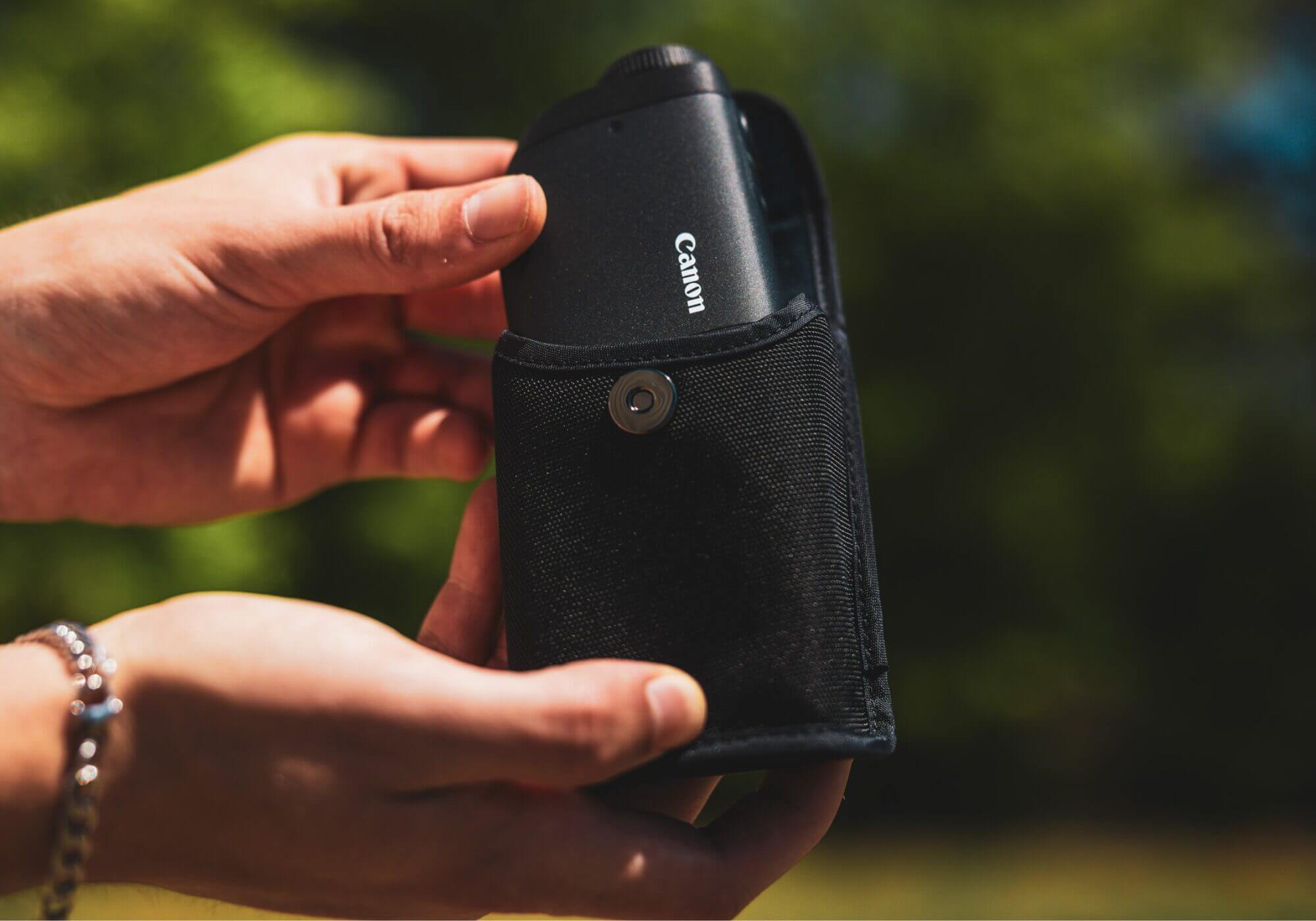
| Canon | Powershot Golf | $299.99 | 34.5 | 12.5 | 20.5 | 14.5 | 8.5 | 9.1 |
| Blue Tees | Captain Pro | $299.99 | 36 | 12.5 | 19 | 13.5 | 9.5 | 9.1 |
| Voice Caddie | Laser Fit | $199.99 | 37 | 12.5 | 20.5 | 13.5 | 7 | 9.1 |
| GoGoGo Sport | ZeroIn | $149.99 | 39 | 12.5 | 17.5 | 13.5 | 7 | 9 |
| Precision Pro | NX10 | $279.99 | 37 | 12.5 | 20 | 13.5 | 7 | 9 |
| Vistaget | Golvia | $119.99 | 37 | 12.5 | 19 | 13 | 7 | 8.8 |
| Shot Scope | Pro ZR | $199.99 | 36 | 11.5 | 20 | 13 | 7 | 8.8 |
| Vice | Horizon | $199.99 | 34 | 12.5 | 19.5 | 14 | 7 | 8.7 |
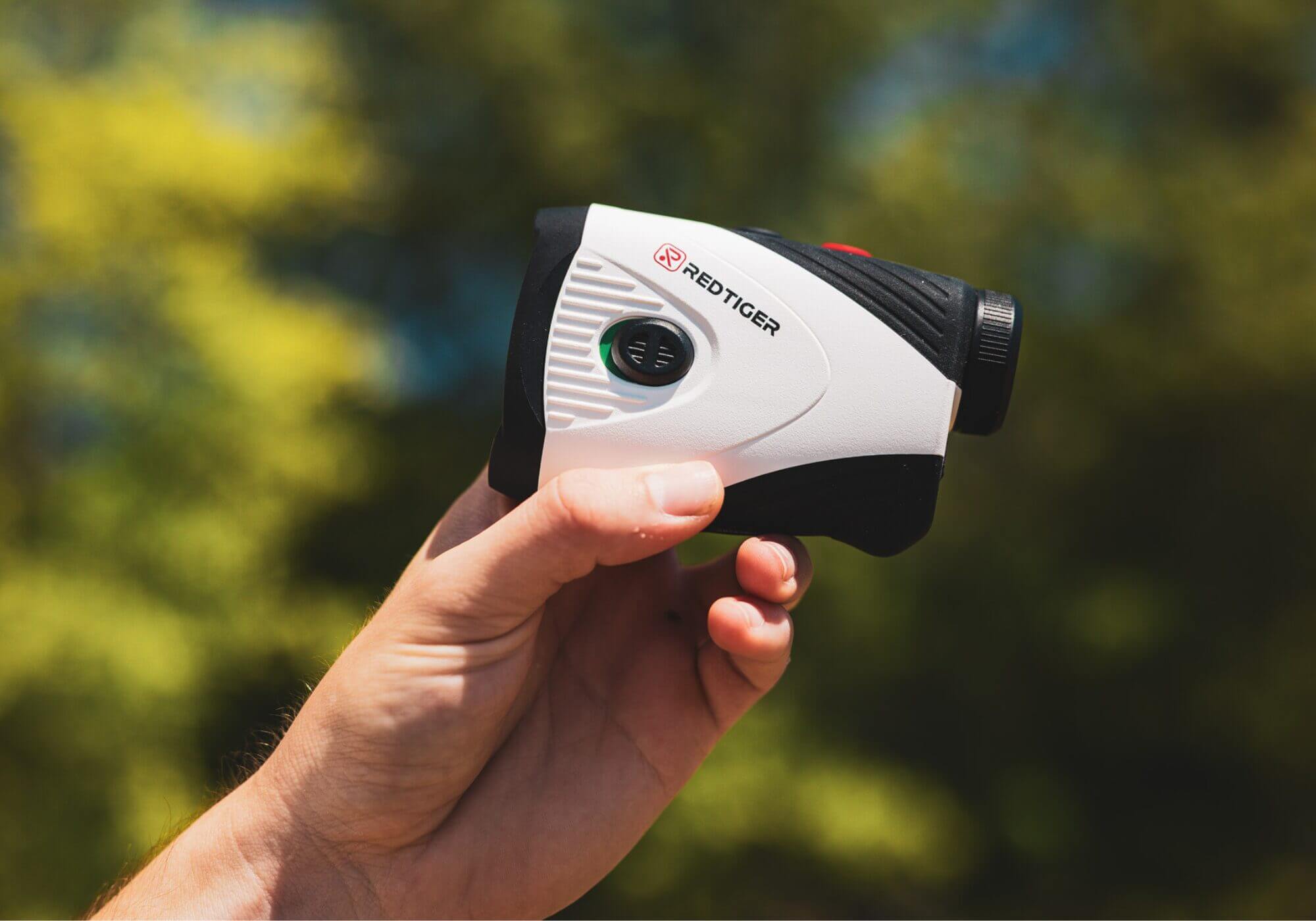
| Red Tiger | Golf Rangefinder | $109.99 | 33.5 | 12.5 | 19 | 13.5 | 7 | 8.6 |
| Shot Scope | Pro L5 | $229.99 | 35 | 10.5 | 18.5 | 13.5 | 7 | 8.5 |
| Izzo Golf | Swami LZ-i+ | $99.99 | 33 | 11 | 19 | 13.5 | 7 | 8.4 |
| Shot Scope | Pro L2 | $149.99 | 32 | 11.5 | 20 | 13 | 7 | 8.4 |
| Gogogo Sport | Gen 2 | $139.99 | 37.5 | 12.5 | 15 | 10 | 7 | 8.2 |

World-class testing requires world-class equipment. This is the gear we trust to help us fulfill our Most Wanted testing.


2 months ago
What I find interesting is there is no mention of eye relief. This is the ability to adjust the display for having ones eye not being against the eye piece, in other words users that wear glasses. This is very important for us eye glass wearers. Eye relief allows us to adjust the focus point so that we can see the whole display vs just the center 70-80%. There is never a mention of this ability and most do not even have the feature.
2 months ago
Why no Master Grip?
5 months ago
You should also check out the TecTecTec’s Ult-s which has a great optical image stabilizer which makes it easy to lock on to the flag and the price on Amazon is a ridiculously low $115. I am pretty happy with the performance especially since my hands are not steady which makes using a non-stabilized range finder hard to use
5 months ago
I bought the Bushnell Tour Hybrid this year. I chose it because it has the yardages for front, middle and back on the screen and they are adjusted for slope. That is what I want to know. I don’t want to use an app and range finder to decide what to hit. I know my yardages and don’t want help with what club to use. I don’t want to go down a rabbit hole on every shot. I like front, middle and back info when I am between clubs. I always want to cover the front yardage and avoid going over the green.
I won a Garmin Z80 which I loved for years because of all the info at my finger tips. The feature I miss is the yardage depth line across the green for pin high. I would have used that rangefinder for life if the charging hadn’t gotten wonky.
5 months ago
For your accuracy testing, it’d be neat to incorporate the variance observed when the flag is moving significantly. I play in a lot of wind quite frequently and see various range finders behave differently based on how the flagstick is moving around. I have 2 Shot Scope models….the newer (and supposedly better) of the two sucks for consistency, especially when it’s windy. The previous version is considerably slower to respond, seemingly due to some time averaging of samples built into it, but it does return a more consistent value. I’ll gladly trade some reading latency for more consistent and reliable results! We all know almost all rangefinders are going to perform quite similarly hitting a stationary target, but I’d love to see what happens with your tested accuracy if the flag is moving. In addition to the two Shot Scope models I have a cheap GoGoGo model from Amazon that performs great. I bailed on both Shot Scope models because the slope compensation sucks in both of them, where they’re biased at -2 degrees. Completely flat/horizontal readings register at -2, so how am I going to trust anything they say?
5 months ago
HA! I have/use the Z30. My oldest son has/uses an older Bushnell. And my youngest son has/used the Mileseey G1. The Bushnell is always 2yds shorter than the other two. Always. But my son is dialed into the distances he gets with it, so he’s good. He, sometimes, has trouble locking onto the flag though. I like the Z30 and the way that it talks to my Garmin watch. It’s really handy. It’s important to wait for the corrected distance because it will give 2 corrected distances. The Mileseey is pretty snazzy, but you really need to spend some time with it to get familiar with everything that it has to offer and how to access it. The biggest drawback is the battery life. To be safe, you should probably recharge it after each round, but my son would forget that step enough times that having a dead rangefinder was not uncommon. So he doesn’t use it anymore. I think that should have been listed as one of the “cons” because anyone thinking of getting one should be aware that it is more maintenance intensive than a unit that doesn’t require recharging.
5 months ago
Thanks for all your hard work and data. It amazes me how expensive these things can be. In most cases all we a[p[pear to be paying for is “brand name”. In many cases based on your data, a $150 finder is as good or almost as good within +or- 2 or 3 yards at $500. I use a Swami 6000 GPS and I have a MG Golf finder as a back up. Together both cost less than $225. And they are within 1 or 2 yards of each other . If you can afford and want to spend your bucks that way go for it. Frankly for me, I can tolerate a 2-3 yard difference to save $250, which for me means 16 more 9 hole rounds, at senior rates.
5 months ago
As an Arccos user, I would like to see the Arccos range finder added to the list to see how it performs in those categories. Does the added integration to the Arccos ecosystem make it worthwhile?
5 months ago
My son has a newer model Bushnell and I have a Shot Scope L2. They are almost always the same number or maybe 1 yard difference. Occasionally I’ll see a 2 – 3 yard difference but that’s the exception. The Bushnell cost close to $400, the Shot Scope was $108 on holiday sale. An extra $300 for maybe a yard or two of accuracy, no thank you. I’d argue the Shot Scope is the best value on the list, especially on sale. The Bushnell does have better optics and a better build quality but neither of these help me play better or add to my enjoyment of the game.
5 months ago
Your #1 range finder Mileseey had some horrible ratings on Amazon and they also make a bunch of other things not related to golf. Bottom line, buy from reputable golf manufacturers.
5 months ago
The title in the newsletter shouldn’t be GPS rangefinders. These are rangefinders and a couple of them have GPS. The apps are GPS Rangefinders (Golf Pad, The Grint)
5 months ago
$500 for a rangefinder is just obscene.
5 months ago
The fact that you showed no love for the Vortex line of rangefinders tells me everything I need to know about this review.
5 months ago
Vortex was tested and scored well. :) You can find the chart featuring scores at the bottom of the article! Cheers!
5 months ago
Should be noted that your number 1 does not have a magnet on it. You cant use a magnet sleeve either as it would cover the gps.













Duane Martin
1 month ago
Seriously?!?!?!
You people can’t “live” without a range finder? Ninety nine percent of you (including me) can’t hit to within ten yards of a number consistently enough to become scratch.
So why bother? It slows down play any way.
Red stake-white stake-blue stake, estimate from there, pick a club that will put you in the middle green and swing away.
You’ll thank me later and you’ll stop stressing over the seven yard gap between your 8 and 9 iron, doing the mental gymnastics of more club at 3/4 swing, or should I just choke down? Or maybe it’s a full swing with the shorter club and just a little extra and maybe I’ll wait for the breeze to die off if that group behind me doesn’t clear the last green in next minute and a half…..
Yep, I’m that single that joins your group and gives you shit when you scope every shot like it’s going to cost you the tournament if you don’t, and it’s painfully obvious you might hit 3 of 10 to within ten yards OR less of your delusion.
Even worse….. you scope every par three at your home course every time you play it. If the wind isn’t blowing it’ll be one of two clubs…. EVERY DAY!!!!
Michael Testa
4 weeks ago
I bet you suck!