




A reader recently sent us a driver question that sounded pretty straightforward.
He swings between 110 and 115 mph, can get his good drives around the 300-yard mark and plays a PING G430 LST. He had already decided this would be the year he upgraded. Distance is not his problem.
His issue was that one drive could miss 30 yards left and the next could miss 30 yards right. He was punching out two or three times per round and was willing to give up a few yards if it meant keeping more tee shots in play.
So I brought his question to the MyGolfSpy Forum. Which of the newest drivers should he be testing?
There were some specific recommendations but the conversation kept coming back to the same answer.
The answer is more complicated than picking a new driver
The Forum kept coming back to fitting because there were too many variables we couldn’t see. Was the problem the head, shaft, length, loft, setup or the swing itself? Without knowing what happens to launch, spin, ball speed and dispersion when those variables change, recommending a different driver is still partly a guess.
There are a few clear-cut signs in this reader’s question that a fitting is the next step.
Your best drives are already good enough
This golfer can hit it 300 yards. Finding another five or 10 yards isn’t going to help much if he’s still punching out several times per round. If your best drives already have enough speed and distance, stop making the best shot your priority. Figure out why the bad ones are costing you so much.
Maybe a new driver helps. Maybe it’s the shaft, loft, length or setup. Without seeing what happens to the numbers when those variables change, it’s hard to know.
Your miss goes both ways
The two-way miss was probably the biggest red flag in this reader’s question.
One Forum member pointed out that a high swing speed doesn’t automatically mean you should play a low-spin head. A big left-to-right dispersion pattern also doesn’t automatically mean moving into a more forgiving MAX-style head is the answer. You’d want to know more about launch, spin and the rest of the setup first.
Another response suggested a useful fitting goal: get your good swings producing good results while making the bad swings more predictable. A fitting isn’t going to fix a bad swing. What it can do is help determine whether your equipment is making your existing miss harder to manage.
You have too many theories about what’s wrong
Look at how many possible fixes came up with this one golfer.
Should he move away from the LST head? Try a shorter shaft? Go heavier or stiffer? Add loft? Change the driver settings? Keep the G430 and work on his swing?
There are too many theories and variables and those start to creep into your head on the golf course.
Once the answer depends on what happens to launch, spin, ball speed and dispersion when you change individual variables, it becomes pretty difficult to diagnose on your own.
You’ve had the same driver for a few years
The golfer in this example has had the G430 LST in the bag for a few years. His swing and his game may not be exactly the same as they were when he first put it in play.
If you’re going to spend several hundred dollars on a new driver and potentially keep it in the bag for another three or four years, it makes sense to make sure you’re buying for the golfer you are now. Things like swing speed, your typical miss, launch and spin can change.
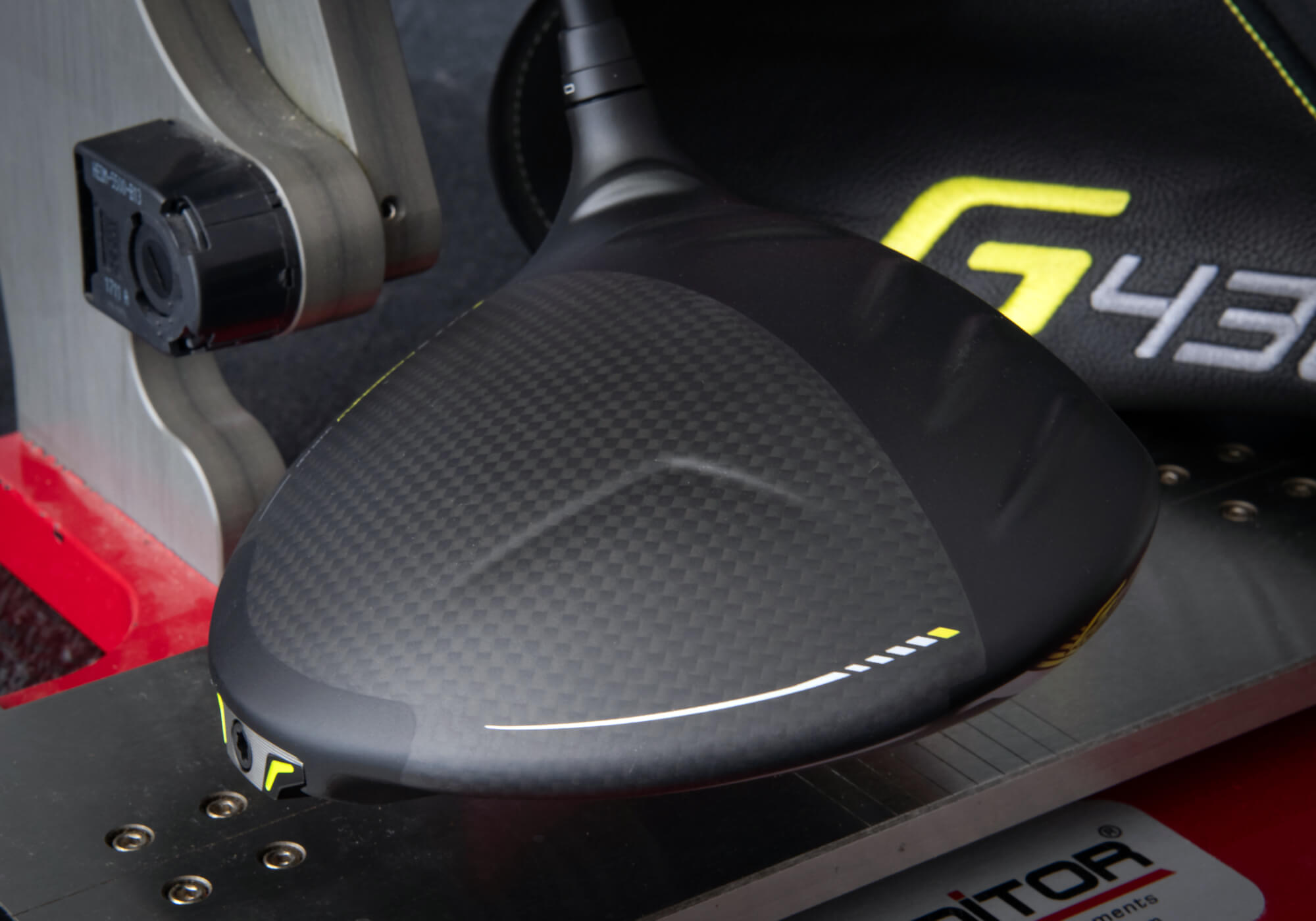
Where do you start with a fitting?
One thing I like about the PGA TOUR Superstore fitting setup is that you don’t have to commit to a full-bag fitting when you have one specific problem.
Their STUDIO fitting menu includes:
- Driver
- Irons
- Woods and hybrids
- Wedges
- Putter
- Full bag
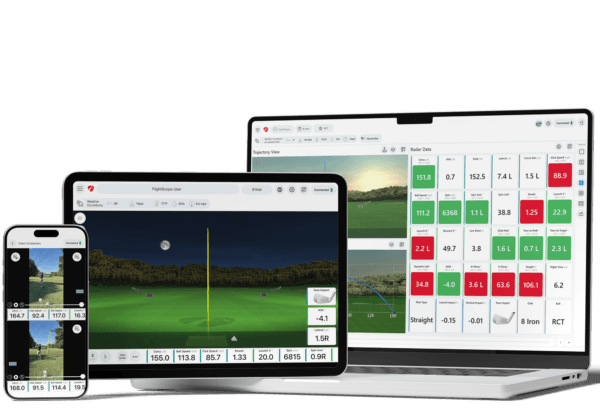
For this reader, a driver fitting is enough to start answering the question. PGA TOUR Superstore uses TrackMan during the fitting and starts with the golfer’s current club as a baseline. From there, the fitter can test different heads, shafts and specifications against the numbers the golfer is already producing. The fitting process eliminates some of the guessing about what’s really wrong.
You may not need a new driver
That may be the most useful takeaway from this reader’s question.
The Forum wasn’t saying equipment didn’t matter. We just didn’t have enough information to know which part of the equipment, if any, needed to change.
Maybe another head tightens his dispersion. Maybe shaft or length makes the biggest difference.
Getting the numbers first gives you a much better chance of finding out before you spend hundreds of dollars on another driver.
That’s also the idea behind MyGolfSpy’s Find A Fitter Near You tool. Testing can show you how equipment performs across a group of golfers. A fitting helps determine how that equipment performs for you.



Trev
1 month ago
I swing 115-120mph with 165-173mph ball speed and have the same struggles. I’ve been working on my swing a ton because I do have a lot of dispersion, but my Taylormade driver broke and so we did a fitting to find a warranty replacement.
We ended up settling on a 75g extra stiff shaft (I was playing a 60g extra stiff), and narrowed down a brand that felt comfortable. My striking was better and my dispersion improved slightly but mainly my confidence went up. All thats left is more practice.
Andrew
1 month ago
If you’re topping out at 120 swing speed, shouldn’t your ball speed get closer to 180 on your best strikes?