



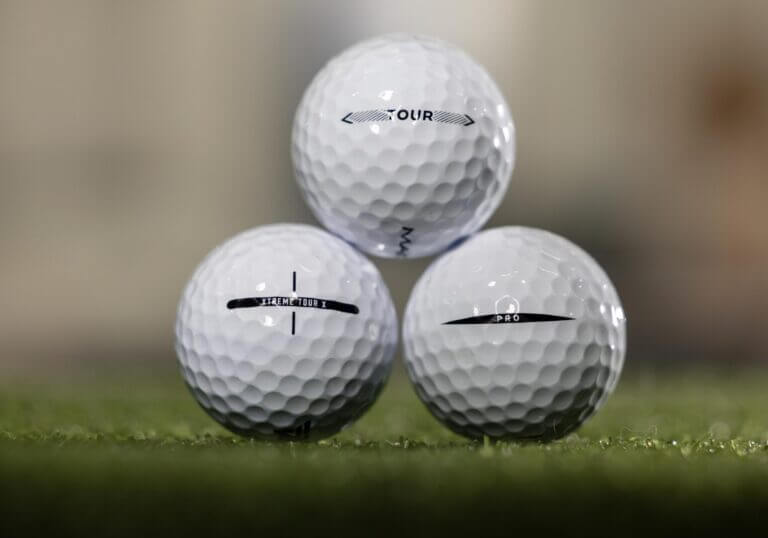
I get it. Non-urethane golf balls are easier to justify buying. They cost less, they sting the wallet a little less when one ends up in the pond or the trees and, in some cases, they can even look surprisingly good on a launch monitor. This breakdown isn’t about telling you those balls are “bad.” It’s about making sure that if you choose a lower-priced, non-urethane option, you understand exactly what you’re giving up in performance. After that, the decision is yours.
After digging through the 2025 MyGolfSpy ball test data, you can clearly see that the decision to play urethane versus non-urethane is all about fit and tradeoffs.
We’ll start with driver and iron performance across swing speeds and then work our way closer to the green. By the time we get to wedges, the story probably won’t surprise you.
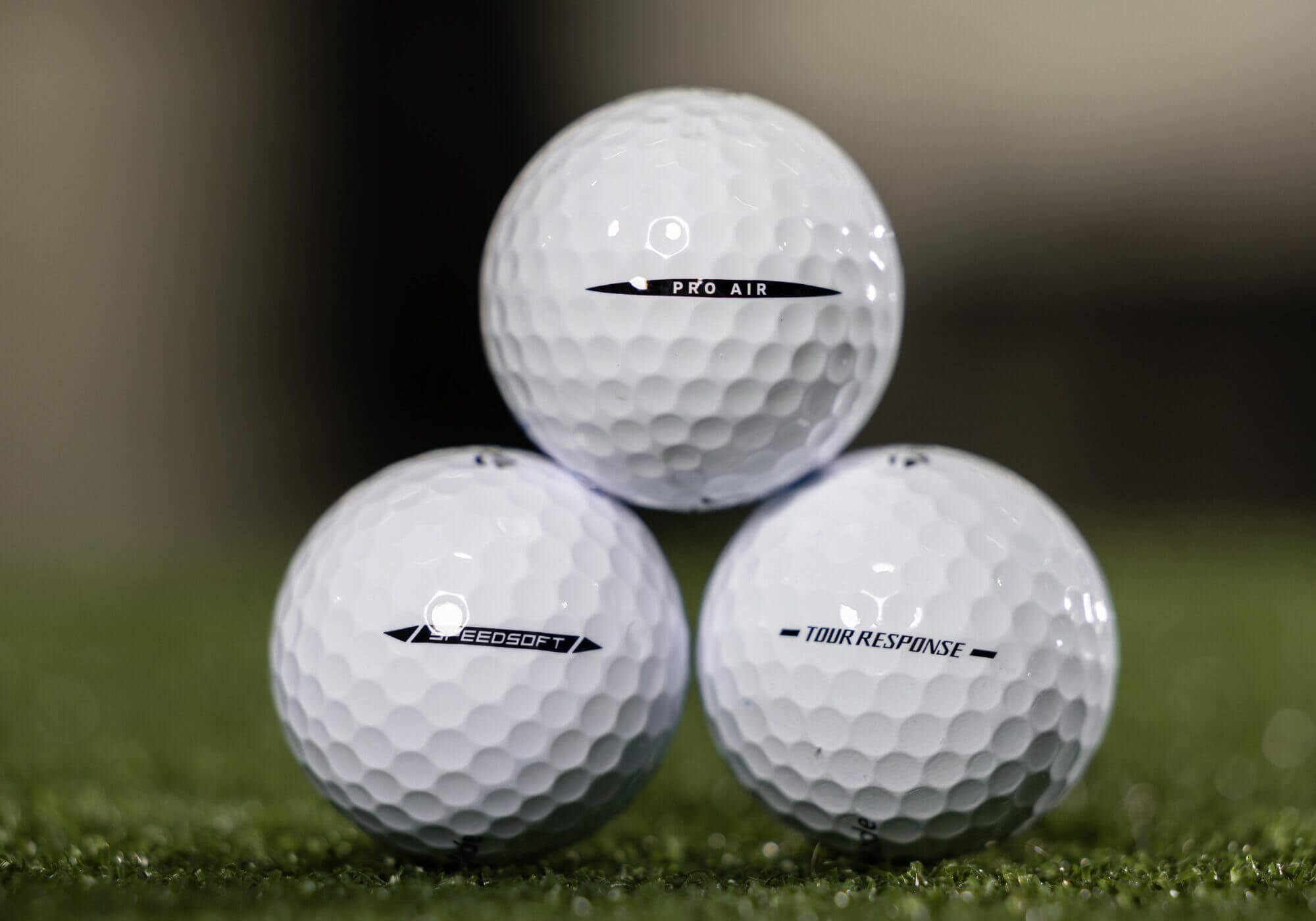
High swing speed data
At high swing speeds, non-urethane balls can keep up in total distance. In the 2025 test, models like Titleist Velocity and Tour Soft pushed past 320 yards by lowering spin and relying on rollout.
The main difference shows up with irons. Urethane balls consistently produced higher spin and steeper descent angles, giving high-speed players more control into greens. Balls like Srixon Z-STAR Diamond (7,151 rpm), Callaway Chrome Tour X (7,118) and Wilson Staff Model X (7,090) generated significantly more spin than most non-urethane options while maintaining similar carry distances.
At high speed, non-urethane can deliver distance. Urethane delivers distance without giving up control.
High swing speed takeaways
- Non-urethane balls can be long off the driver, often by reducing spin and relying on rollout
- Urethane dominates the longest balanced driver performances
- Iron spin and descent angle consistently favor urethane at high speed
- The tradeoffs with non-urethane are flatter landings and less predictable stopping power
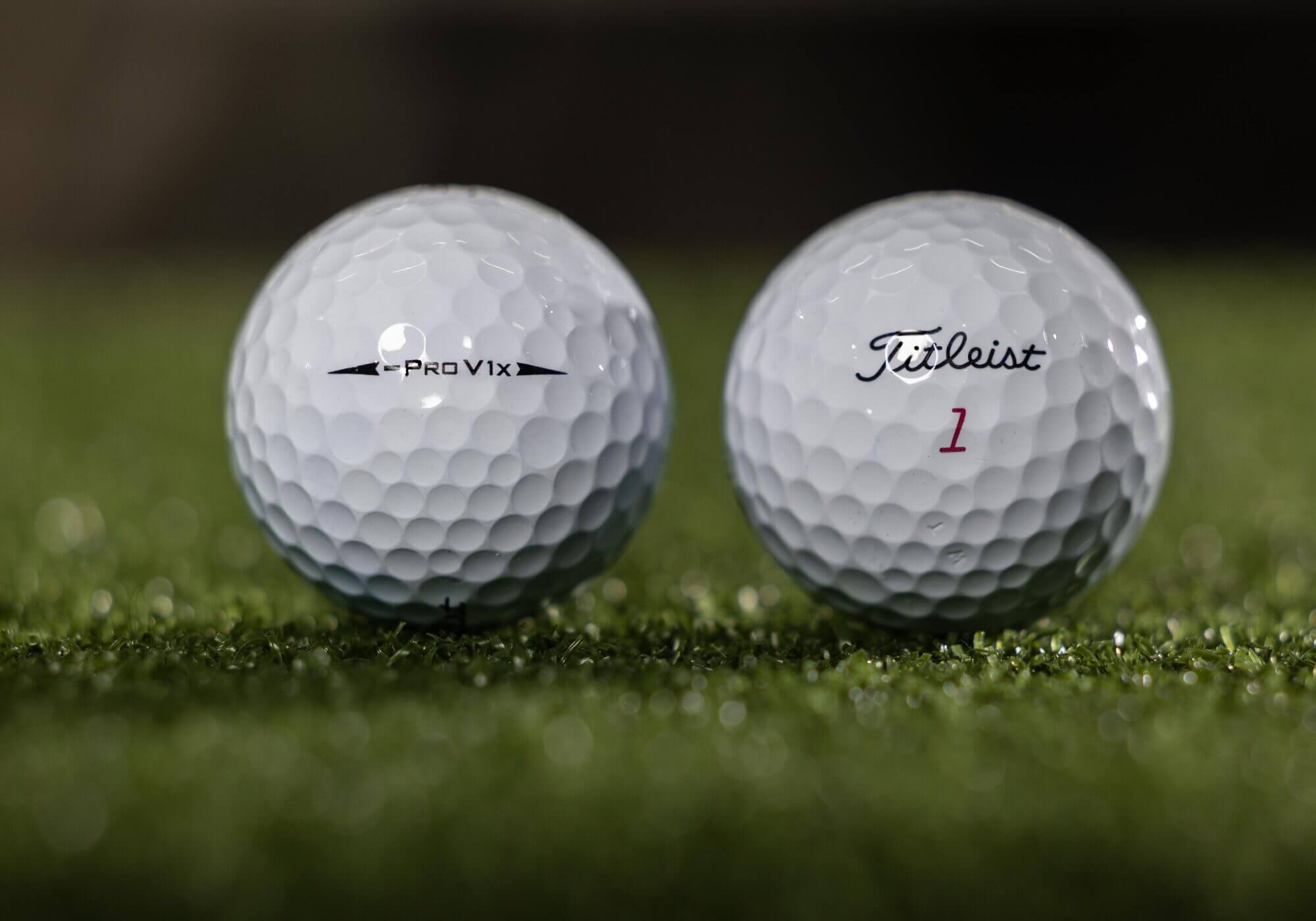
Mid swing speed
In the 2025 test, total driver distance clustered tightly in the low to mid 280-yard range across most models. Urethane balls such as Titleist Pro V1x, TaylorMade TP5x and Vice Pro, along with non-urethane options such as Titleist Velocity, Tour Soft and ERC Soft, produced similar total distance under these conditions.
The separation becomes clearer with irons. Urethane balls consistently generated higher spin and steeper descent angles, improving control into the green. Srixon Z-STAR Diamond (6,735 rpm), Wilson Staff Model X (6,644) and Callaway Chrome Tour X (6,634) were among the highest-spinning mid-speed iron performers. Many non-urethane models clustered lower with iron spin values commonly falling between 5,400 and 5,900 rpm, producing flatter landing angles and more forward release after landing.
At mid swing speeds, non-urethane golf balls do not consistently travel farther with irons. Pinnacle Rush and Callaway Supersoft were among the longest non-urethane options but urethane balls such as Vice Pro and TaylorMade TP5 matched or exceeded their total distance under the same conditions.
Mid swing speed takeaways
- Driver distance is tightly grouped across urethane and non-urethane balls
- Several urethane models match or exceed non-urethane distance at mid speed
- Iron spin and descent angle favor urethane constructions
- Non-urethane balls typically achieve distance by sacrificing some approach-shot control
Slow swing speed
Driver total distance clustered tightly between roughly 218 and 223 yards, regardless of cover type. Several non-urethane balls including Callaway Supersoft (223.66), Titleist TruFeel (223.16) and Srixon Q-STAR Ultispeed (223.68) sat at the very top for total distance.
With irons, a similar pattern appears. Some non-urethane balls are slightly longer, again by a yard or two, but urethane balls separate themselves through higher peak height and steeper descent angles. Models like Vice Pro, Maxfli Tour S, PXG Xtreme Tour and Titleist AVX consistently produced descent angles above 41–42 degrees, helping slower swing speed players stop the ball more reliably on approach shots.
The distance advantage to non-urethane golf balls is small while the control advantage of urethane is more consistent from tee to green.
Slow swing speed takeaways
- Driver distance is tightly grouped across all cover types
- Some non-urethane balls are among the longest off the tee
- The biggest trade-off is green-holding, not raw yardage
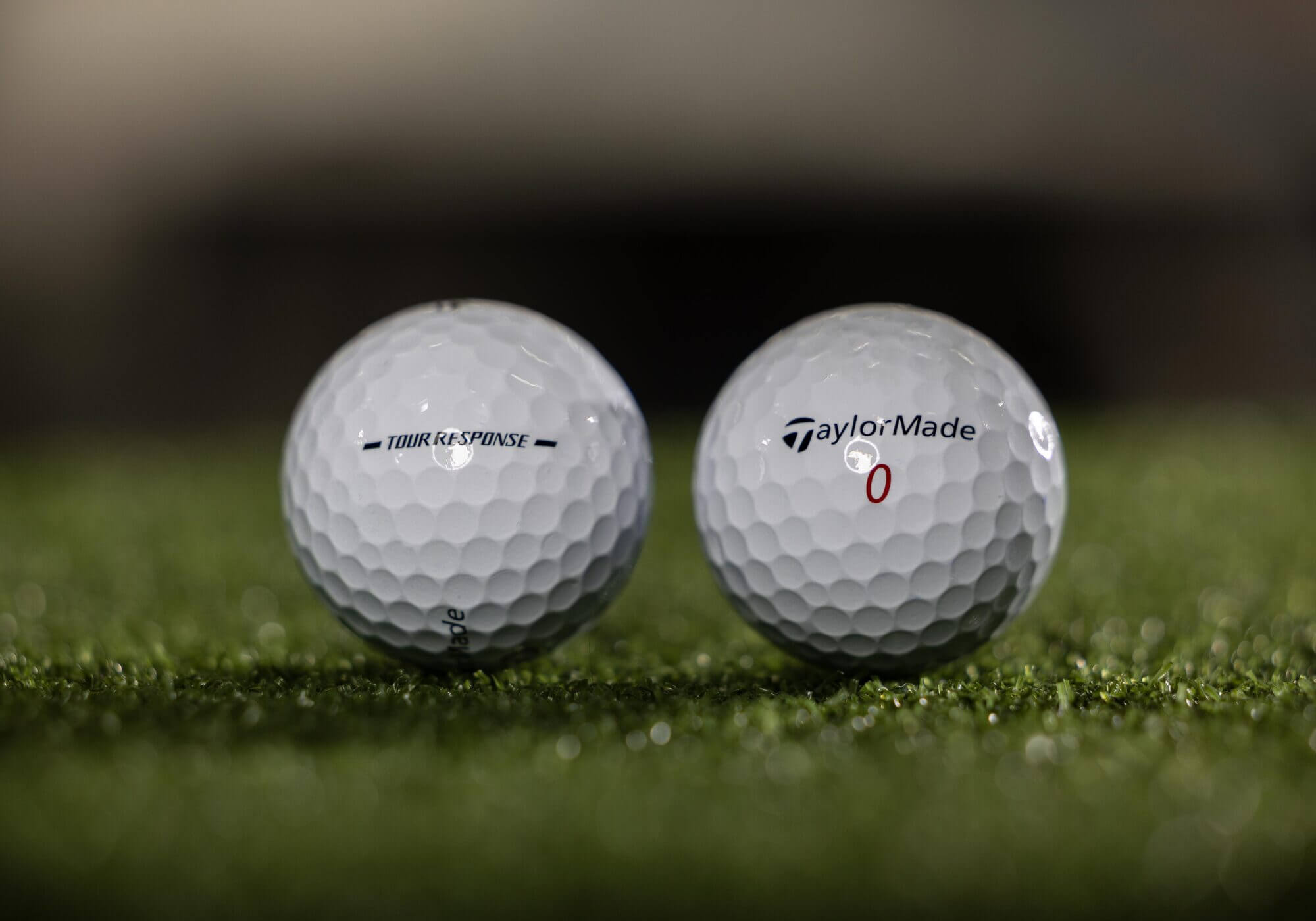
Wedge performance
If you’ve been paying attention, the spin story hasn’t come out of nowhere. It’s been creeping in the entire time.
We saw it first in the driver data where lower spin helped some non-urethane balls hold their own on total distance. It showed up again in the iron data where certain models gained a little extra run but started to lose consistency on descent and stopping power.
At 35 yards with a sand wedge, the differences are clear.
Urethane balls consistently produce higher spin and steeper descent angles, giving golfers more control over where the ball lands and how quickly it stops. Non-urethane balls spin about a few hundred rpm less on these short shots.
That doesn’t mean non-urethane balls are “bad” around the green. Some still deliver usable results, especially for golfers who prefer landing the ball short and letting it release. Here’s the point where whatever spin you gave up earlier to gain distance or save money is fully exposed.
Wedge takeaways
- The spin gap that started with drivers and irons becomes undeniable at wedge distances.
- Urethane balls cluster tightly at the top for spin and descent angle consistency.
- Non-urethane balls can work but they require more rollout planning and margin.
- This is the clearest example of what you give up when you choose price over performance.
Final thoughts
At high swing speeds, we saw some of the shortest balls off the tee come from non-urethane models while urethane options delivered a more balanced profile across the bag. As swing speed drops, that tee-shot penalty becomes less noticeable but the issues with iron descent angles, approach control and wedge spin are still there. If you value stopping power and predictability into greens, you’ll need urethane. If you’re comfortable giving up some control to save money or gain a little extra run, that choice can make sense, too.









roger
8 months ago
Have seen all kinds of ad’s for the Maxvert 2 aimed especially for the senior golfers. Have you ever run tests on them. I see hundreds of the mainlin stuff but not that one.