


Mid Swing Speed And Can’t Hold Greens? These Golf Balls Could Be Why
Buyer's Guide

Mid Swing Speed And Can’t Hold Greens? These Golf Balls Could Be Why

Support our Mission. We independently test each product we recommend. When you buy through our links, we may earn a commission.

Mid Swing Speed And Can’t Hold Greens? These Golf Balls Could Be Why

Sometimes, the reason iron shots won’t stop on the green has less to do with your swing and more to do with the golf ball you’re playing.

Distance off the tee and greenside spin tend to dominate golf ball conversations. What often gets overlooked is iron performance, specifically how the ball flies and how it lands.

If you’re struggling to hold greens with irons, these golf balls could be making matters worse.

TaylorMade Tour Response
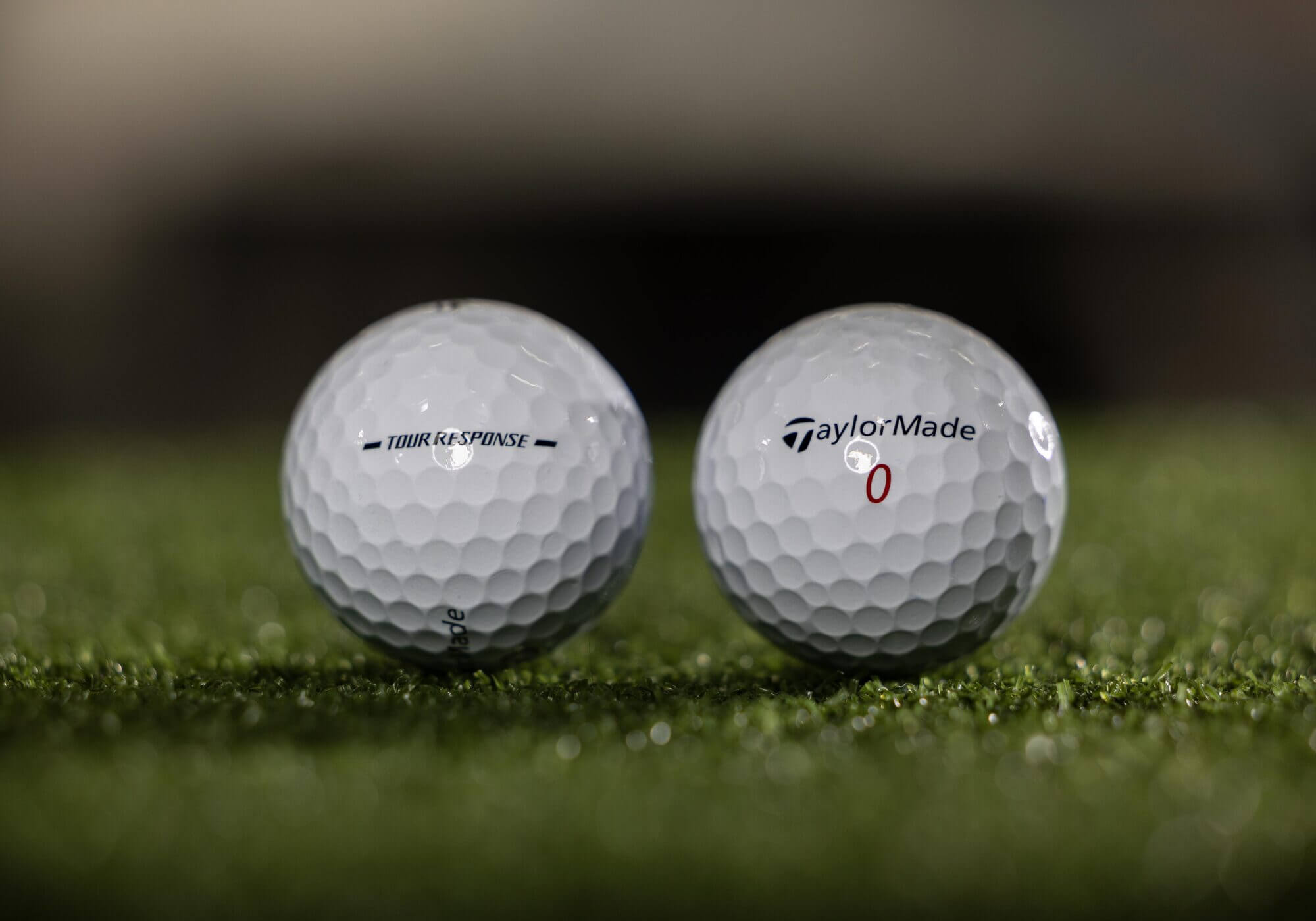
In the mid swing speed iron test, Tour Response produced below-average peak height and a shallower descent angle compared to higher-flying urethane models.

While iron spin is already on the lower end for this category, the bigger issue is how the ball arrives. A flatter landing reduces the ball’s ability to convert spin into stopping power, especially on firm greens.

Compared to higher-trajectory balls such as Pro V1 or Pro V1x, Tour Response gives up several degrees of descent angle.

Callaway Supersoft

Supersoft generated strong iron distance in testing but that distance comes with trade-offs.

In the mid swing speed iron data, Supersoft produced one of the lowest spin rates and a shallower descent angle than most urethane balls. Even when peak height was acceptable, the flatter landing angle made it difficult for shots to stop quickly.

For players who already struggle with rollout, Supersoft can exaggerate the problem rather than solve it.

Srixon SOFT FEEL
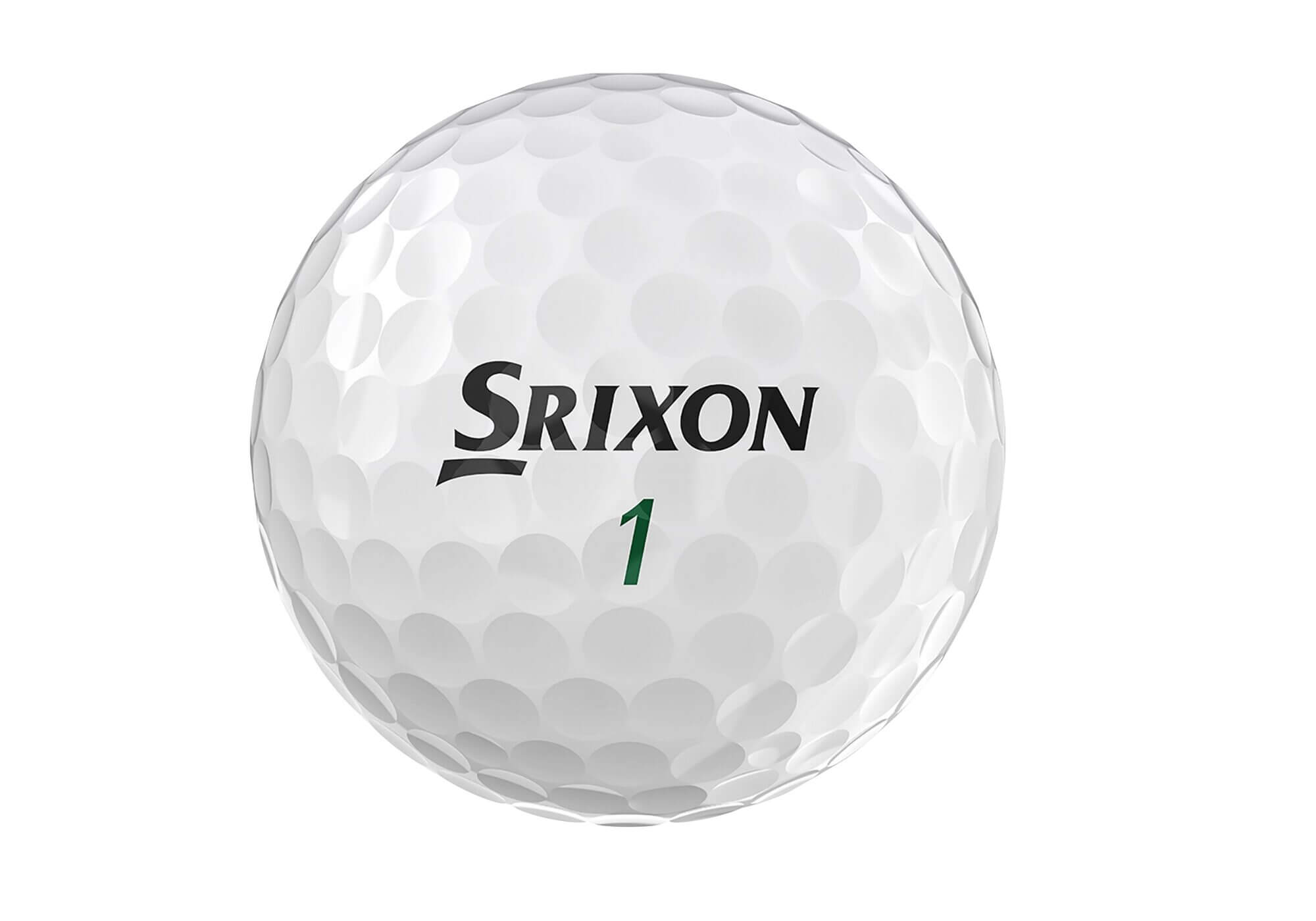
SOFT FEEL produced lower spin and a flatter overall flight than many alternatives.

When you compare descent angle differences of just a few degrees for example, low-40s versus upper-40s, the result on the green is noticeable. Shots land with more forward momentum and release.

Titleist Tour Soft
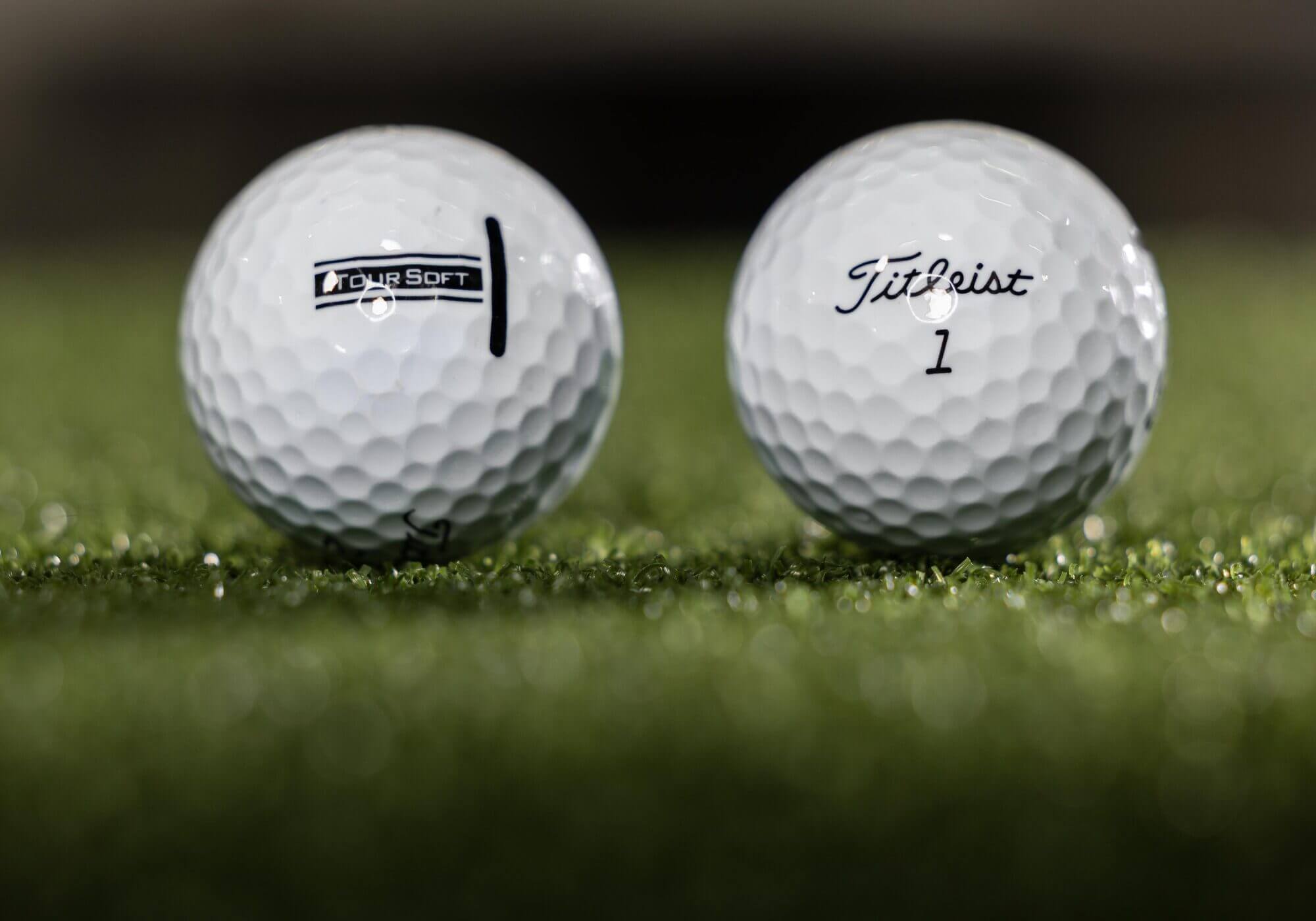
Tour Soft performs better than many ionomer options but iron stopping power can still be inconsistent for mid swing speed players.

In the test data, Tour Soft produced moderate peak height and descent angle, well behind the steeper-landing urethane models. The result is a ball that can feel solid off the face but doesn’t consistently create the landing conditions needed to stop iron shots quickly.

It’s a playable option, just not one that prioritizes iron stopping power.

TaylorMade SpeedSoft
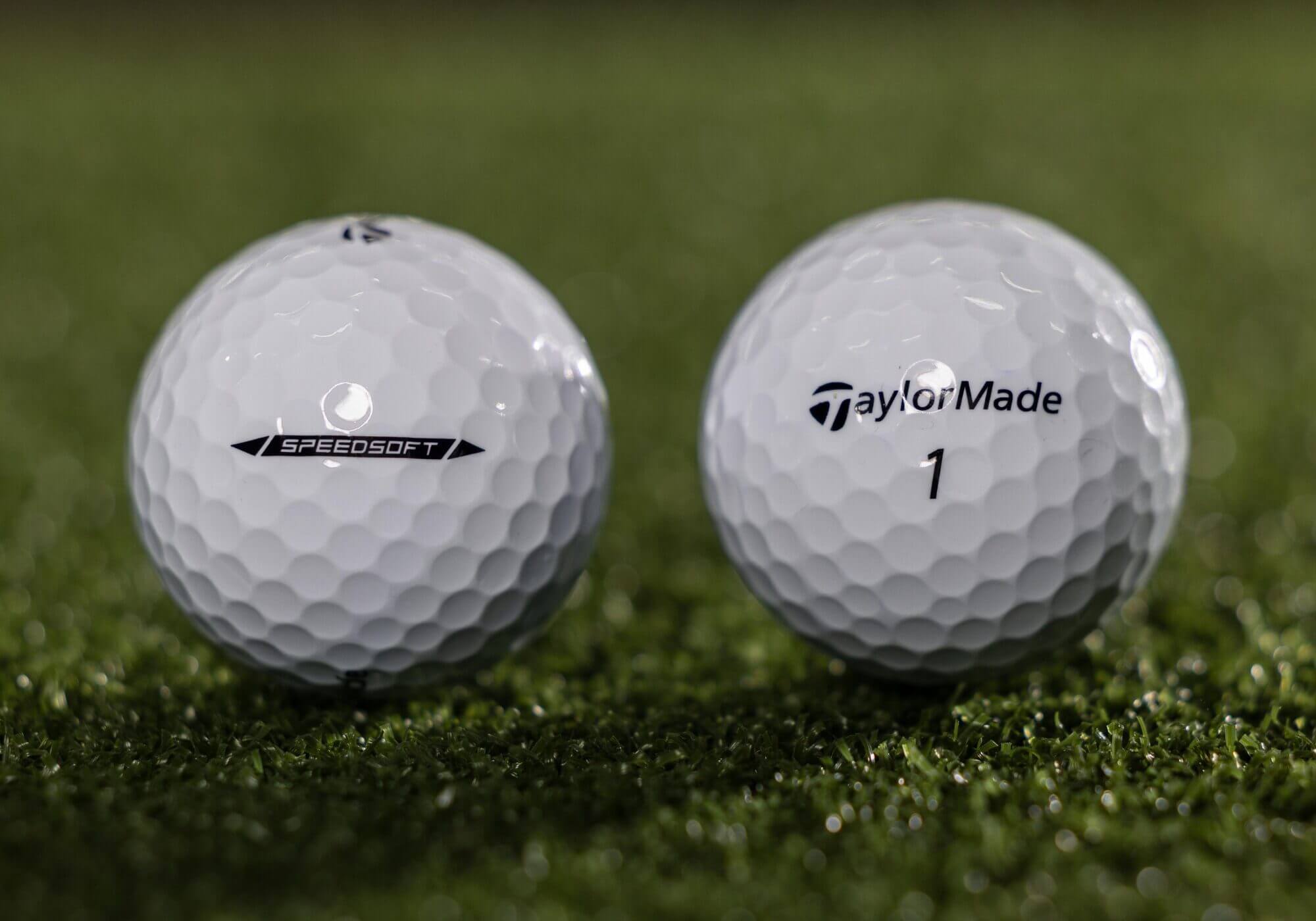
SpeedSoft is designed around efficiency and feel.

At mid swing speed, SpeedSoft produced lower peak height and a flatter descent angle than many balls built for higher trajectory. Even when spin numbers appear reasonable, the flatter landing angle reduces stopping power.

This is the type of ball that can look fine on a launch monitor but still struggle on approach shots into firm greens. It’s a soft-feeling ball but you may notice there’s a downside to that when trying to get your ball to stop on the green.

Wilson Triad
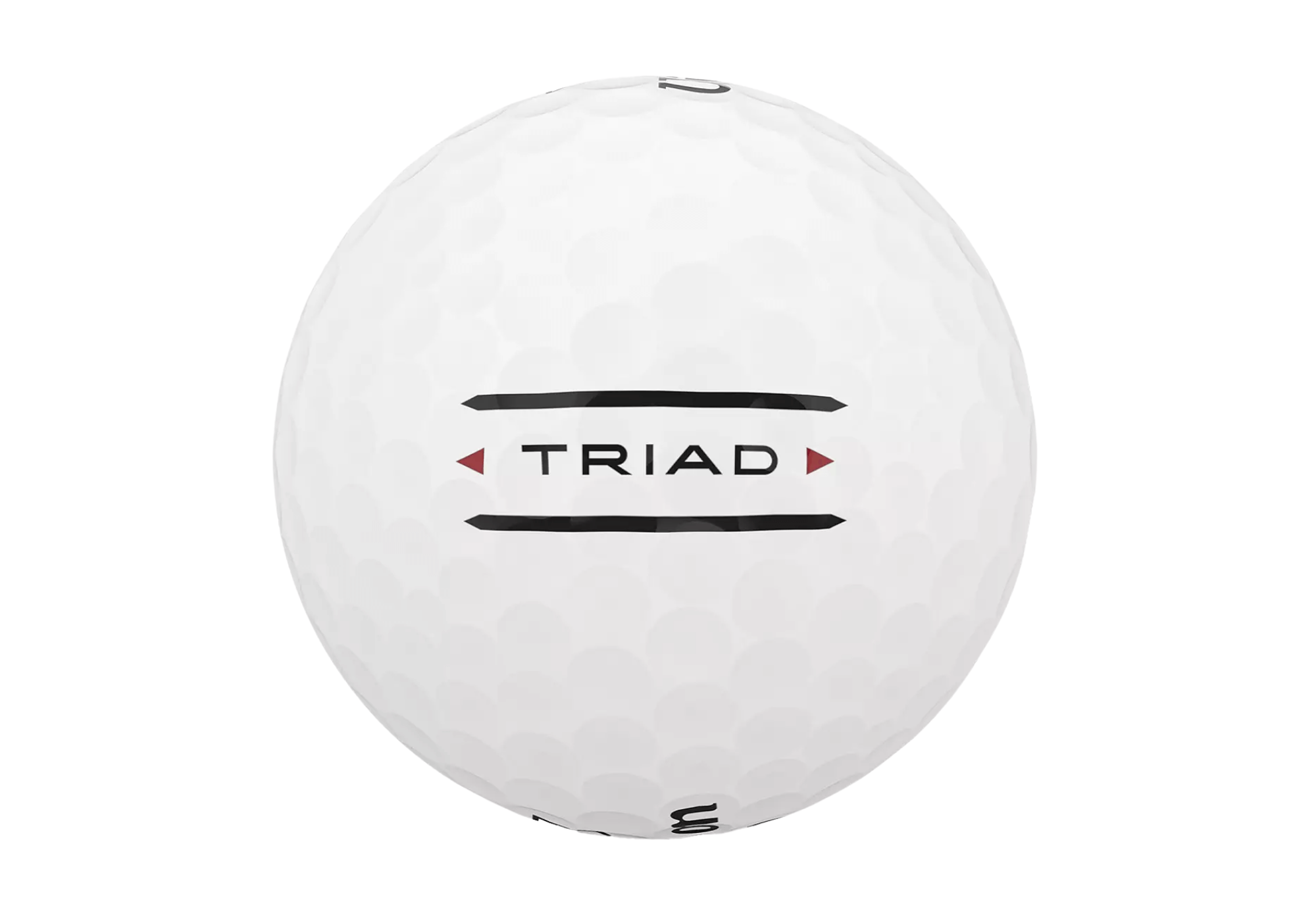
Urethane alone doesn’t guarantee stopping power.

Despite its urethane cover, Triad produced a flatter iron trajectory than many premium urethane options in the test. Its descent angle was closer to distance-oriented designs than to higher-flying balls like Z-STAR Diamond or Pro V1x.

For mid swing speed players who rely on descent angle and height to help the ball stop, Triad may not provide enough.

Want to fix the issue?

If iron shots are landing pin-high and still releasing, switching to a ball that produces higher peak height and a steeper descent angle can help. That may come with tradeoffs elsewhere including slightly higher spin rates or less total iron distance compared to flatter, distance-focused designs. For many mid swing speed players, that tradeoff is worth it if the goal is stopping power. Here are a few to try:

Final thoughts

If you’re a mid swing speed player who can’t get iron shots to stop, the issue often isn’t just spin. It’s how the ball lands. Balls that:

  • produce lower peak height
  • arrive with shallower descent angles
  • prioritize distance over trajectory

can make it harder to hold greens, even with solid contact.

If you want to identify golf balls that produce higher peak height and steeper descent angles, the full dataset tells that story clearly. (2025 MyGolfSpy Golf Ball Test)

img

MyGolfSpy Testing Toolkit

World-class testing requires world-class equipment. This is the gear we trust to help us fulfill our Most Wanted testing.

For You

For You

Instruction
Jun 9, 2026
If You Still Play Long Irons, Copy This Thought From Ludvig Åberg
PLM 2025_Most Wanted_Foresight GC3 PLM 2025_Most Wanted_Foresight GC3
News
Jun 9, 2026
College Golf Tournament Prep Looks Nothing Like It Did When I Played
News
Jun 9, 2026
The Best Father’s Day Golf Gifts That Won’t Break the Bank
Brittany Olizarowicz

Brittany Olizarowicz

Brittany Olizarowicz

Britt Olizarowicz is a scratch golfer, former teaching professional and one of MyGolfSpy’s leading voices on equipment testing and golf performance. She has spent more than 15 years working at private clubs in New York and Florida and now specializes in translating test data and swing mechanics into practical advice for everyday golfers. Britt began playing at age 7 and has never left the game. When she’s not writing, you’ll find her on the course, playing pickleball, cooking, running or out on the boat with her family.

Brittany Olizarowicz

Brittany Olizarowicz

Brittany Olizarowicz


    This site is protected by reCAPTCHA and the Google Privacy Policy and Terms of Service apply.

      John M.

      4 months ago

      This article was timely for me because I was considering moving to the Tour Response for more distance off the tee. I rely a lot on spin for my short game, looks like the TR isn’t the ball for me. Waiting to see what the new Bridgestone B RX looks like.

      P.S. Brittany, your posts are very informative – thanks.

      Reply

      Mackdaddy

      4 months ago

      I am not saying you are wrong. In my case I was playing PXG gen 6 irons and could not stop the ball. I had my PXG Forged III irons regrooved and chromed and without changing my ball got all the stopping power I needed. Sometimes it is the irons not the ball. I play the Pro V1 left dot or the Chrome Soft depending on the temperature, Chrome Soft below 55*. I can stop the ball on one hop with either one and spin back my wedges when I am being aggressive.

      Reply

      WhoaNellie

      4 months ago

      Burying the lede? Mixed message?
      These balls are a problem. Don’t use these balls.
      Click on the “To Buy” link to use these balls.

      Reply

      Momo

      4 months ago

      Ron is correct.

      If we double the price of the ball we use, it MAY stop better with a long iron. Seems to me more often than not, when I want it to release it doesn’t, when I want it to stay it releases. Golf God curse.

      It normally doesnt matter to me as I’m typically short of the pin on my approaches, I’d like it to release more….

      Reply

      Ron

      4 months ago

      In summary, maximum stopping power costs an extra $25 a box.

      Reply

      Golfinnut

      4 months ago

      Ha! Good thing I don’t play any of those balls. :)

      Reply

      Jim R

      4 months ago

      Maxfli Tour X. Replace your wedges if the grooves are worn.

      Reply

      Mike Cross

      4 months ago

      Which ball do you recommend for a +20 senior golfer with a slow speed ?Want all the distance I can get but able to stop on green.

      Reply

      Tom S.

      4 months ago

      Golf is a lot like life. It is a series of trade-offs, and the key to both is how well you recover from your failures.

      Reply

      Willie T

      4 months ago

      All this could be taken with a wee bit grain of salt- let’s see: firm or receptive greens (article doesn’t say); tight lies or lush rough (article doesn’t say); does the person pick the ball or take a divot (article doesn’t say). What it does say is that most balls with “soft” in its name don’t spin well enough to hold the greens. Still a good reminder to get ball fit for your game….

      Reply

      Tom S.

      4 months ago

      A good point. My home courses have soft, well-watered greens so I can stop a 4 iron with any ball. Other courses, maybe not so much.

      Reply

      Steve

      4 months ago

      I have a moderate swing speed and game the Maxfli Tour S. How does that compare?

      Reply

      Fake

      4 months ago

      I used to play the Tour Response because I liked the alignment aid, but I really doesn’t play like a urethane ball. I recommend the Maxfli Tour X. Nice launch angle and high spin.

      Reply

      Hopp Man

      4 months ago

      I am only playing the Tour Response balls I have left when I need to change something up or I am having a bad round and don’t want to lose anymore Maxfli Tour X balls, but my preference is the Maxfli Tour X for sure.

      Reply

    Leave A Reply

    required
    required
    required (your email address will not be published)

    This site uses Akismet to reduce spam. Learn how your comment data is processed.

    Instruction
    Jun 9, 2026
    If You Still Play Long Irons, Copy This Thought From Ludvig Åberg
    PLM 2025_Most Wanted_Foresight GC3 PLM 2025_Most Wanted_Foresight GC3
    News
    Jun 9, 2026
    College Golf Tournament Prep Looks Nothing Like It Did When I Played
    News
    Jun 9, 2026
    The Best Father’s Day Golf Gifts That Won’t Break the Bank