




If you think 3D printing in golf is a passing fad, think again.
Callaway is announcing a new $15-million facility in Fort Worth, Texas, dedicated solely to 3D printing.
“The next great breakthroughs in golf equipment require more than further optimizing manufacturing techniques,” Callaway said in its prepared statement. “They will require entirely new ways of making products.”
“3D printing represents one of the most significant opportunities to advance golf club performance in decades,” says Callaway CEO Chip Brewer. “We’re investing to lead that future.”
The new facility will enhance Callaway’s R&D efforts and, eventually, its advanced manufacturing capabilities.
Seven years in development
Callaway says it’s been working towards this moment since before COVID (2020). All the major OEMs and several minor ones use 3D printing today to develop prototypes. Callaway has been 3D printing prototypes and custom models internally since 2022. The company says it’s been developing specialized expertise in titanium-based 3D printing. That suggests Callaway’s initial focus will be on metalwoods.
The new facility will be adjacent to Callaway’s North American Distribution Center in Fort Worth, which opened in 2020. The company says it should be operational by the middle of next year. Callaway expects to be producing product by 2028.

The company says it will focus first on custom titanium products. We can presume those will be Tour-specific products. Whether the new facility will be used to create consumer products is unknown. Currently, Asian club factories are aggressively growing their own 3D-printing manufacturing capabilities.
What COBRA started …
… Callaway appears to be taking to the next level.
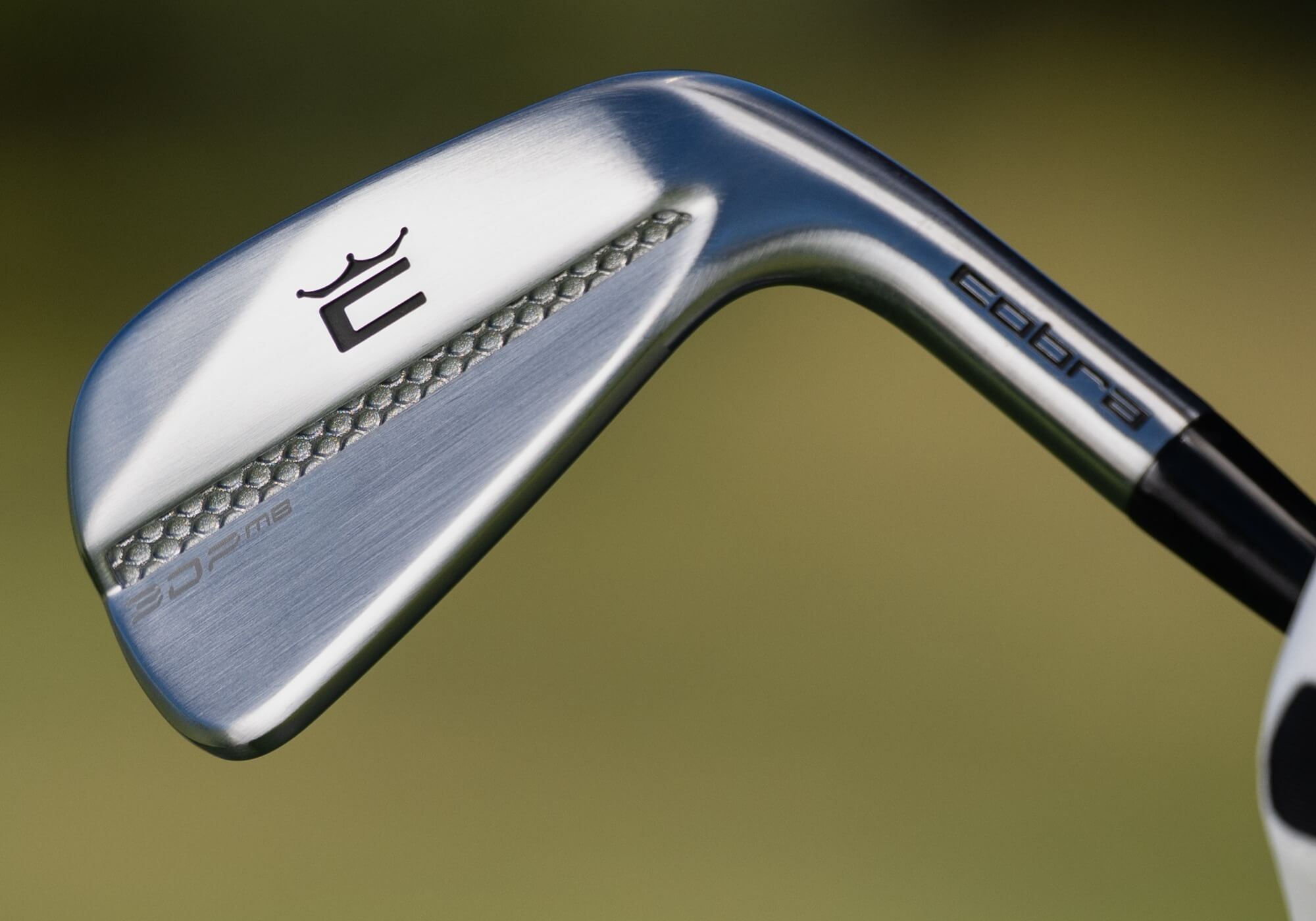
COBRA can rightfully claim leadership in 3D printing. It 3D-printed one-off clubs for its Tour staff as far back as 2018. Its first fully 3D-printed product, a putter, launched in the fall of 2020. Its first 3D-printed iron set came out in May 2024 and the product line went mainstream the following year with the COBRA 3DP Tour iron set. This past January, it added two more iron sets to the 3DP family.
In July, Sub 70 launched what we believe to be the first commercially available 3D-printed driver, the TAIII 3D. The club body and face are printed as a single, high-strength piece of titanium, with the carbon fiber crown and sole pieces added later. Sub 70 designed the club and worked with its Asian manufacturer to maximize the 3D-printing benefits.
Does 3D printing make a golf club better?
Yes and no. It depends on how you keep score.
There’s no secret mixture of ones and zeroes that will help a 90-mph swing speed carry it 275. That’s fantasyland stuff. What 3D printing does is allow designers to separate form from function. They can create structures they could not otherwise make using standard casting, milling or forging.
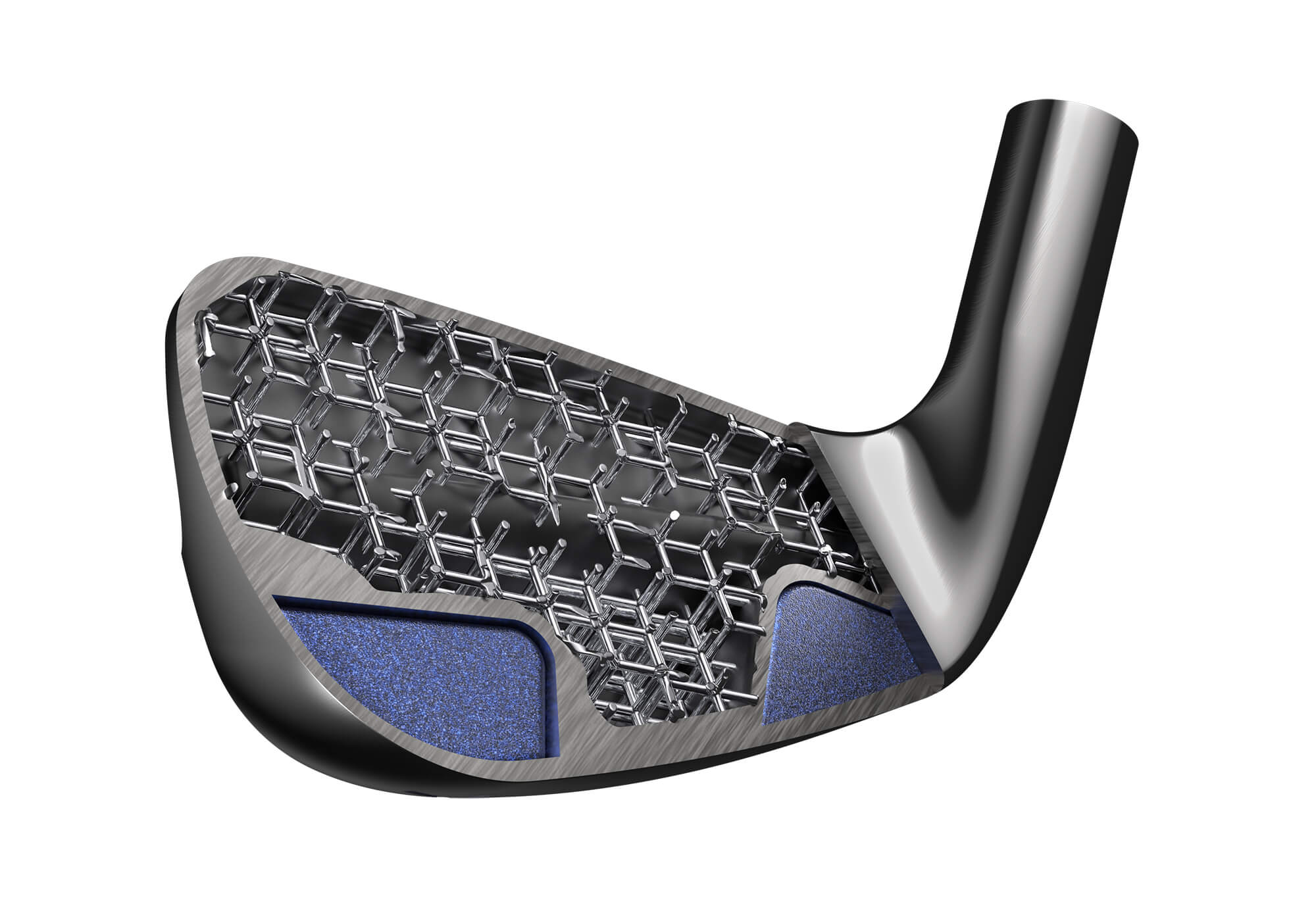
“That allows us to get more forgiveness into an iron without sacrificing shape or impact feel to get there,” COBRA Innovation Director Ryan Roach told MyGolfSpy earlier this year. “We can affect CG (center of gravity) and MOI (moment of inertia) without having to change the head shape.”
In other words, 3D printing allows designers to create an iron with game-improvement-level forgiveness but with the size of a traditional muscle-back blade. For drivers, the benefit is twofold. First, 3D printing can do away with face weld lines. That allows for a bigger face with a larger high CT area. That’ll do wonders for ball speed preservation over a wider area of the face. 3D printing allows for even more options for CG placement. That maximizes forgiveness, launch and MOI. The Sub 70 TAIII 3D is a compact 440cc head and is as forgiving as any OEM’s core 460cc drivers. It’s still, however, workable for players who can actually hit a high draw or cut fade on command.
Sub 70 adds that its upcoming 460cc line of drivers, the 869 series, will be 3D-printed.
“We’ll have a standard and a Max model,” says Sub 70 owner Jason Hiland. “Once you do a Max model with 3D printing, it’ll be pretty wild to see how straight we can make it go.”









Leave A Reply