


I don’t know about you but every time I look at a set of blades, I get a tingling sensation in parts of my body that probably shouldn’t be tingling in a PGA TOUR Superstore.
Even typing that sentence makes me a little uneasy.
I do love me some blades, though. But as that great diplomat Harry Callahan once said, a man’s got to know his limitations.
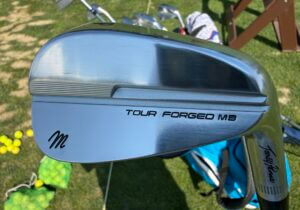
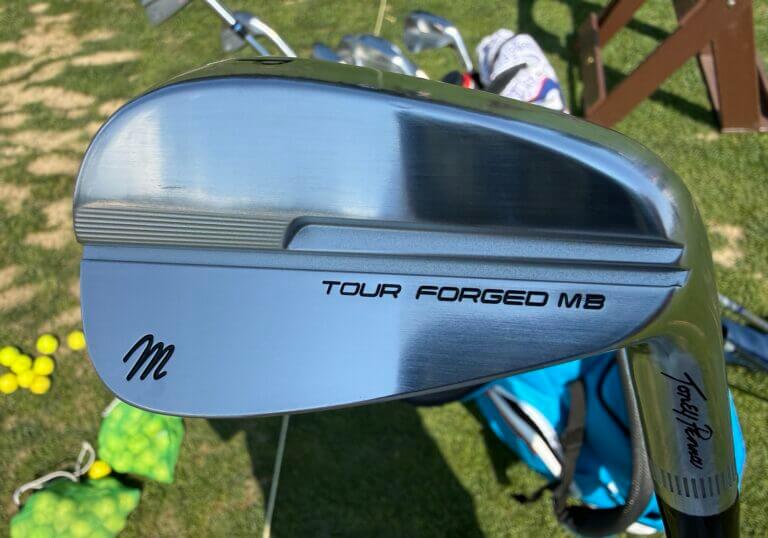
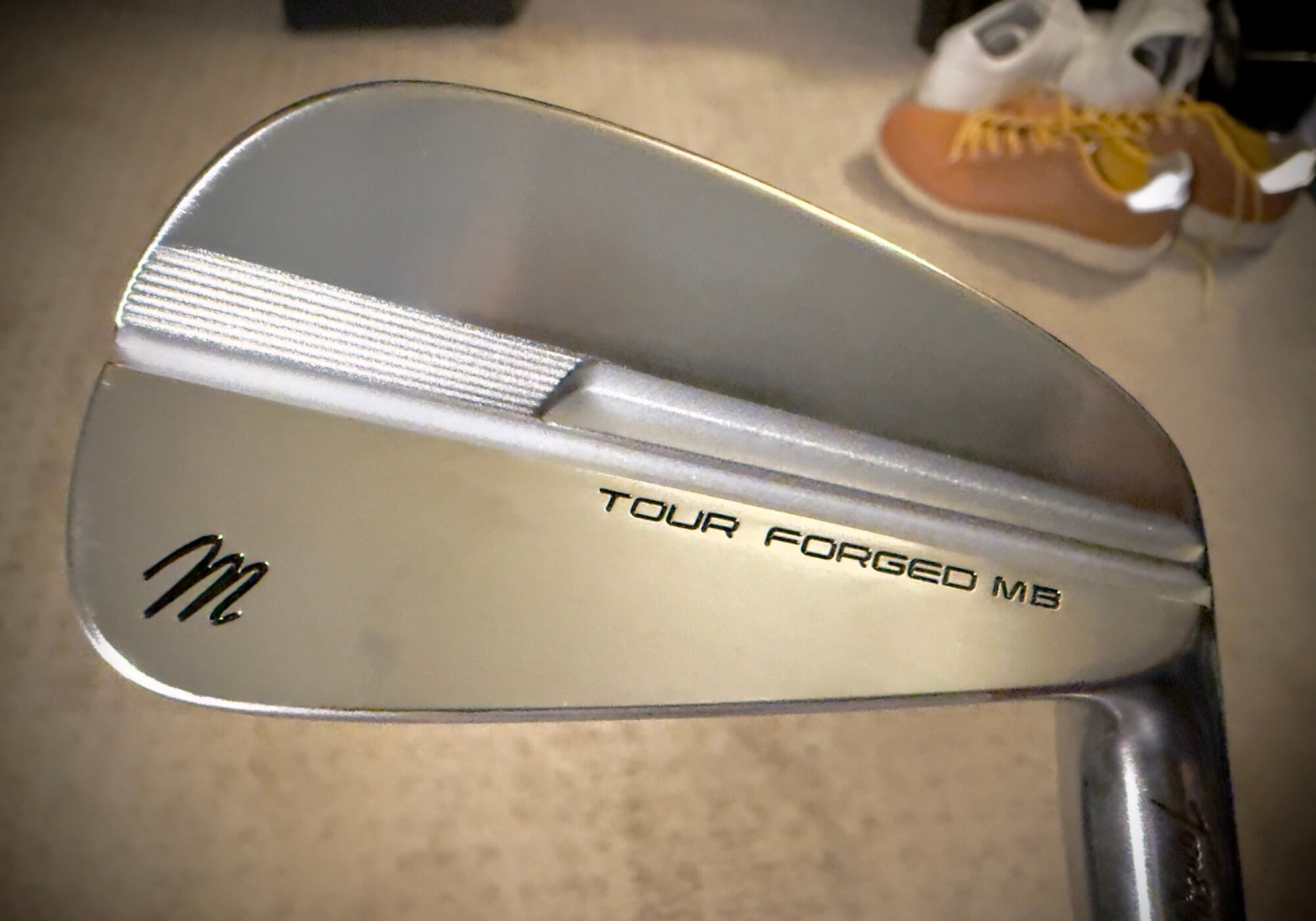
So, when a lovely set of the new MacGregor Toney Penna Tour Forged MB irons showed up on my doorstep, this faithful correspondent faced a moral dilemma. Do I keep them safe in my office where they can’t hurt anybody or do I put them into play because I think I can game them?
Well, since you’ve read this far, I’m pretty sure you know which path I chose.
Truth be told, this experiment went better than I thought it would. No one got hurt and I didn’t break a 5-iron over my knee. And, no, the entire playing field didn’t stop what they were doing to laugh hysterically at me.
Although there were a couple of occasions where they could have.
Join me, my friends, on this little journey. We’ll have some laughs together and, if we’re not careful, we might just learn something, too.
Blades? Are you insane?
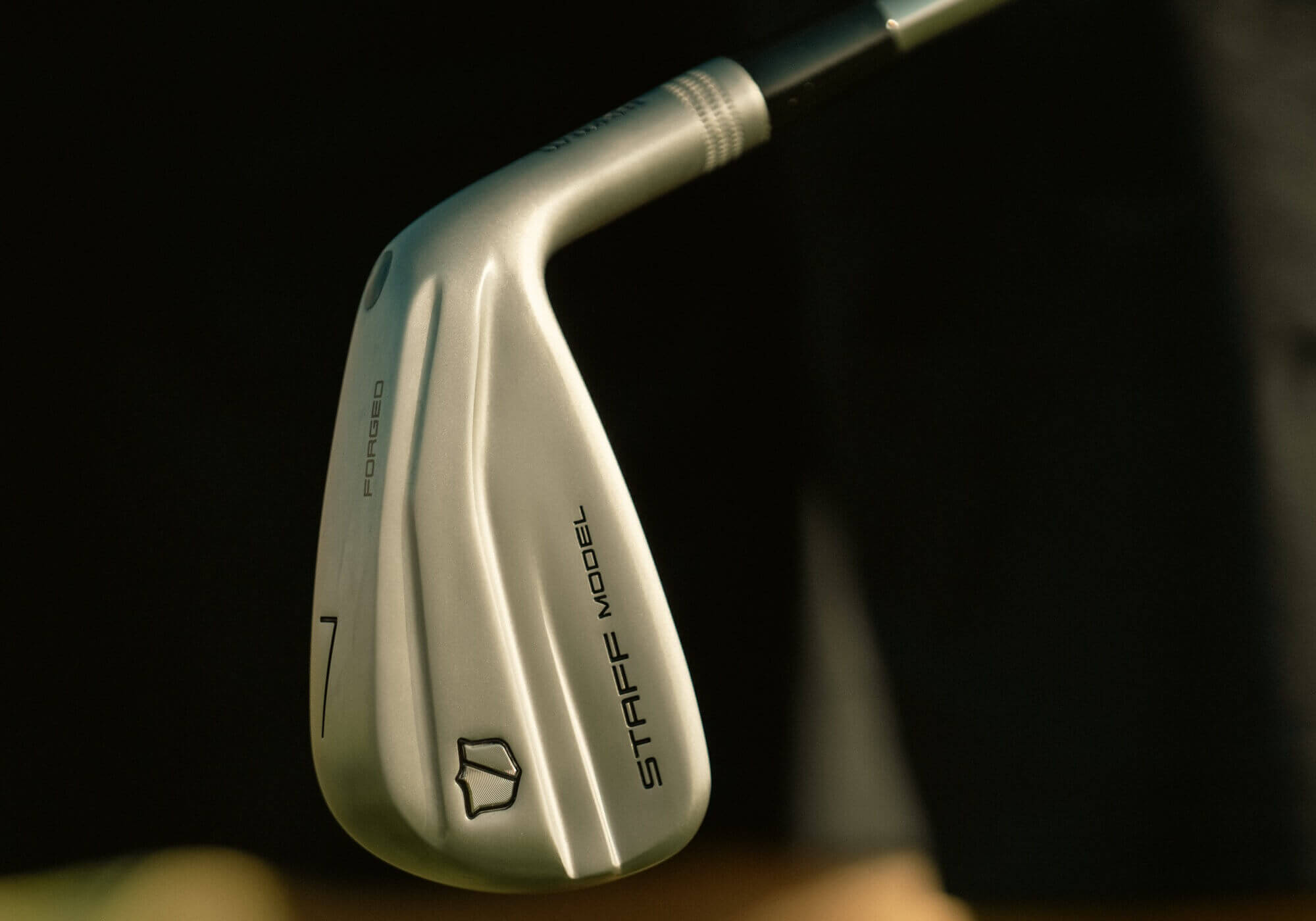
Let’s get one thing on the table. “Crappy,” as stated in the headline, might be a little misleading (it was the editor-in-chief’s idea, not mine). I’m a solid enough single-digit handicap with healthy self-esteem, so I like to think I’m a bit removed from “crappy.” However, at the merry old age of 66, any help an iron can give me is a good thing. My go-to set this year has been the Wilson Staff Model XB irons, a marvelous combination of playability with some juice. The backups have been the Tour Edge Exotics Forged CB irons. They feature a truly pleasing feel with more forgiveness than you’d expect in a player’s cavity-back.
However, according to Arccos, my most nagging weakness this season has been my approach game (putting hasn’t done me any favors, either). On rounds that I’ve broken 80, approach has been acceptable. On those that I haven’t, well …
So why, then, even try an iron that’s going to be harder to hit? Shouldn’t I be going in the other direction?
A reasonable person might certainly make that decision. But that would make for a rather boring article, wouldn’t it? I like to live life on the edge, baby. That’s how I roll.
So, blades it is!
Where did this potential golfing nightmare take place?
Say what you will but I’m not totally stupid. I wasn’t going to try this harebrained experiment with anyone I know. That includes my golfing arch-rival, aka cousin Paul. There’s no need to give him any more trash-talk material. He has more than enough already.
No, the ideal spot was a day job work trip to Whitefish, Mont. That’s most of a continent away from anyone who knows me. Even better, since it was a work trip, it would be customer golf. You’re supposed to let customers win, right?
Hacking it up with blades should do the trick.

This experiment took place over three days on the marvelous North Course at the Whitefish Lake Golf Club. It involved three lengthy range sessions (mats only, which complicated things), one nine-hole round and two 18-hole rounds. My bag included the standard tools: Callaway Quantum Triple Diamond Max driver, TaylorMade R7 Quad mini driver, Wilson Dynapower Carbon 4-wood, Cleveland RTZ wedges. The new additions, along with the MacGregor blades, included the Tour Edge Exotics TI-Utility 4-iron (a splendid little club) and a new putter from a company called Chamber (more on that in the coming weeks).
Whitefish, Montana is, in a word, spectacular. It’s on the doorstep of Glacier National Park and the mountain landscape will take your breath away. More golf-specific, its elevation of nearly 3,000 feet above sea level will make you feel young again. My home course, Breakfast Hill in Greenland, N.H., is so close to the Atlantic that it’s essentially at sea level. That extra Montana elevation is worth roughly five to seven more yards of carry, slightly higher flight and a little less curvature. For the most part, that’s about one less club.

Enough with the foreplay! Tell us what happened!
OK, OK.
As we all know, mats are liars. My first practice bucket had me thinking I had somehow found my inner Seve Ballesteros or, more appropriately, my inner Toney Penna. I was hitting gorgeous high draws, serious low cuts and laser-accurate fades. The forged MacGregors had a throwback feel. At $599 per set, they’re a virtual no-brainer.
Modern forgings feel wonderful but a little on the firmer side and, frankly, not totally indistinguishable from a top-shelf casting. I have an older set of MacGregor VIP MB/CB irons (circa 2001) that I dearly love. Those have a noticeably softer, smooshier, feel compared to any of today’s forgings, regardless of manufacturer. These Toney Penna Tour Forged MBs were more reminiscent of those old VIP irons or even the 1999 Hogan Apex blades.
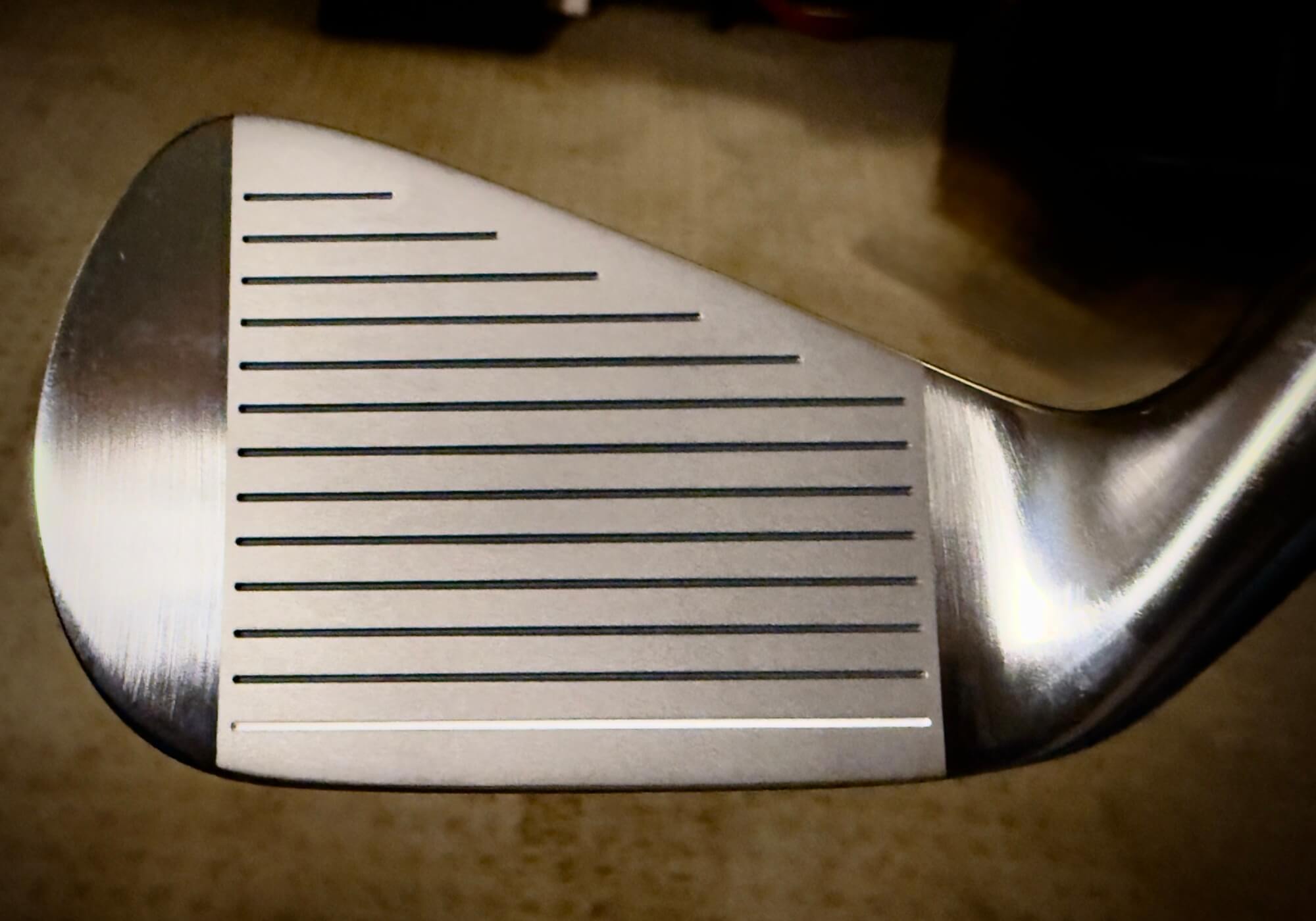
After falsely believing I had unlocked a new level to my game on the range, I teed off and soon learned that reality has a way of crushing your dreams. The first two holes at Whitefish North are driver-wedge so it wasn’t until the third hole that I actually had to hit a blade for real. It’s a long par-4 and while my drive wasn’t horrible, I had a 5-iron to the green. It got most of the way there. As you’d expect, blades don’t give you much love if you miss the center by even a little.
The fourth hole is a par-3 that played 178 that day. I hit the 5-iron again and, again, missed the center. The shot went straight and actually made the green but left me with a long, long birdie putt. The rest of the round was more of the same but I was able to scramble to keep from collapsing.

Second verse, same as the first
The next day was a full 18 on the North course (if you get the chance, play it. The back nine is spectacular!).
I scraped together twin 41s for a total of 82. Here’s what Arccos had to say:
“Your iron play came in 0.3 strokes ahead of your skill today – the breaks landed in your favor. Putting came in 2.6 strokes behind your skill today – some of those breaks did not go your way.”
Arccos has a very subtle sense of humor.

Iron play improved as the round went on which was good news. Front-nine performance was a lot like the day before with the exception of a pitching wedge on the eighth hole to about two feet for birdie. After being reminded that mats are lying sacks of mule excrement, I stopped trying to hit a fade or draw and just focused on making good swings.
A man’s got to know his limitations.
The 14th and 16th holes showed why blades aren’t for everyone. I hit good drives on both holes but I mishit a 7-iron slightly on 14 (you can tell by the crack sound) and put it in the left front bunker. A foozled 5-iron on the par-5 15th left me in a bad spot to hit the green. I settled for bogey on both. The par-4 17th, however, was a highlight. I badly pulled my drive left, leaving me no way to reach the green other than going over the pines. I was able to open up a pitching wedge enough to get over and the ball ended up 20 feet from the pin.

Final round: A dose of redemption
I’m not sure what to make of the final round at Whitefish. It could be an indicator that blades might not be a bad idea after all. It could just as easily be a false promise that will suck me into a vortex of doubt, self-loathing and a terminal case of the shanks.
As an eternal optimist, I’m going with the former.
The final-round 77 featured two birdies (one thanks to a 9-iron to inside four feet on 12) and a 78 percent GIR stat. Arccos summed it up thusly:
“Your usual weakness was today’s hero. Approach – of all things – carried this round.”
Sounds like a snarky, back-handed compliment, doesn’t it? Arccos and I might need to have a little chat about its attitude.

“Your approach game was the engine, gaining over a stroke and getting quality looks all day,” said the Arccos AI-generated summary. Putting, however, remained a bugaboo, with three three-putts.
What does this experiment mean?
For starters, it means I’m going to continue the experiment. And work on my putting.
Golf is about two things: making the most of your bad shots and making the most of your good ones. Everyone is going to hit bad shots, especially those of us who play golf for fun. In that sense, a more forgiving iron is your friend and ally. Forgiveness, in that sense, is about making the most of your mishits. It can be the difference between making the green or landing in that deep, nasty left front bunker. Those six to 10 feet of distance differential can be the difference between a two-putt par and two shots out of the bunker plus another two putts for a double bogey.
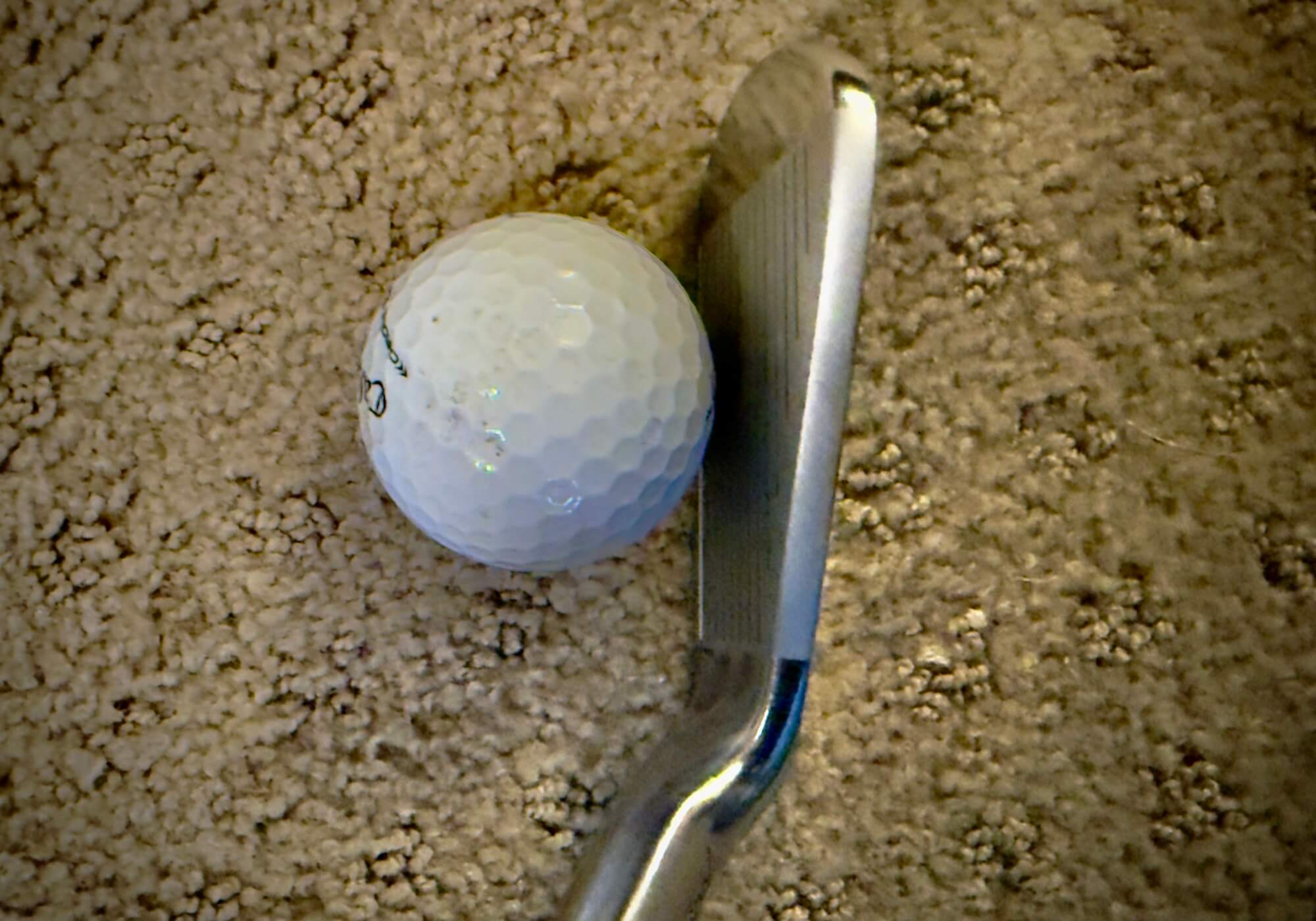
Blades, on the other hand, are first-wife-level forgiving. However, when you hit blades pure and they end up close to the pin, it’s a sensation like very few others. It’s all purely subjective but those Toney Penna Tour Forged MBs have the feel I remember from the old days. And while it’s hard to quantify, I think the Arccos data backs up a certain level of precision that maybe I wasn’t getting before.
This, friends, is where reliable data from an Arccos or Shot Scope tells you the truth as opposed to the story you want to hear. Four and a half months of data say my approach game has been, well, shitty. Two-and-a-half additional rounds suggest potential improvement, but more data will tell us the truth.
This experiment is continuing so we’ll see if Whitefish was an anomaly. A larger sample size should provide more meaningful data.
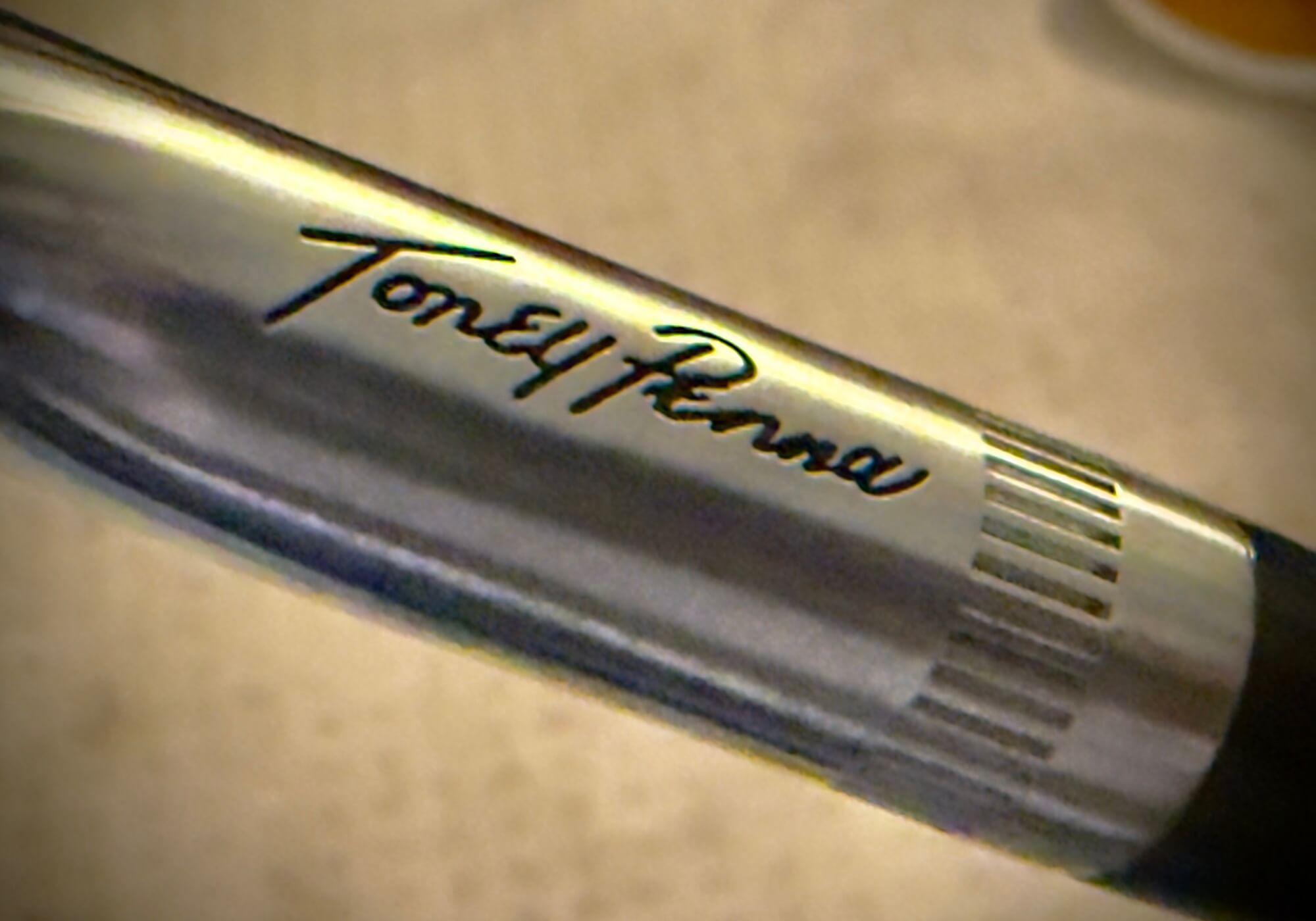
As for meaningful professional feedback, my teaching pro Steve Thomson from Golftec in Danvers, Mass actually saw some wisdom on the decision and provided some sound guidance.
“For a golfer who tends to hit it low and left (that’s me!), blades can help. You’ll hit it higher with more loft and you’ll spin it more with the higher CG,” he said.
“Provided, of course, you find the center every once in a while.”
He’s funny. Maybe not Arccos funny, but funny, nevertheless.
So, let’s hear from you out there in MyGolfSpy land. Have you tried a similar experiment? What have your results been?








Eel
1 month ago
What we need is an actual Mygolfspy scientific test to tell us the truth about blades.