

Welcome back, fellow GolfSpies, to the latest edition of History’s Mysteries.
This bit of time travel is a little different, as we explore one of golf’s great disappearing acts. No, we’re not talking about Jordan Spieth’s game. This one is about something that saved professional golf tournaments when money was short and Tour pros were looking at alternatives to the status quo.
This movement, if you will, started in the mid-‘60s and lasted well into the 1980s. Ironically enough, it ended for the very same reason that it began.
We’re talking about celebrity golf tournaments.
You young’uns won’t remember but those of us of a certain age recall fondly the Bob Hope Desert Classic, the Andy Williams San Diego Open Invitational and the Sammy Davis Jr. Greater Harford Open.
We also had the Ed McMahon Jaycees Quad Cities Open and the Joe Garagiola Tucson Open.
Sit back, friends, and join us on this trip back in time when celebrities loved golf and golf loved celebrities.
And it all started with a clambake.
History’s Mysteries: The Big Bing Theory
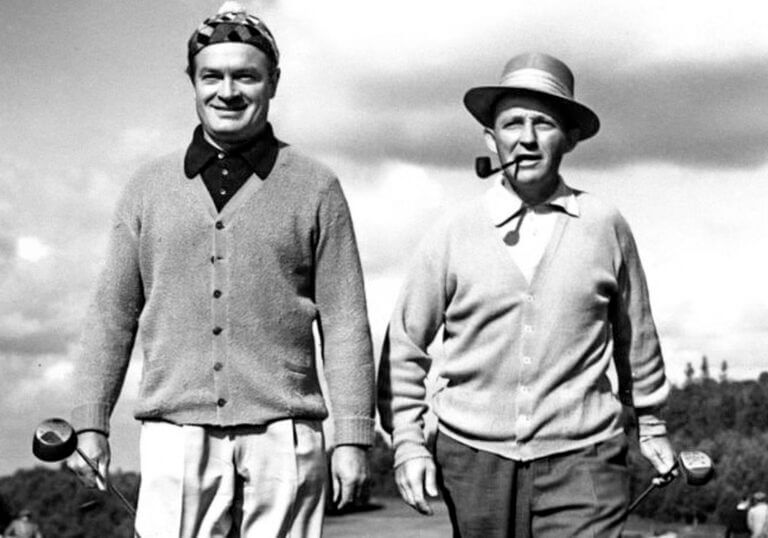
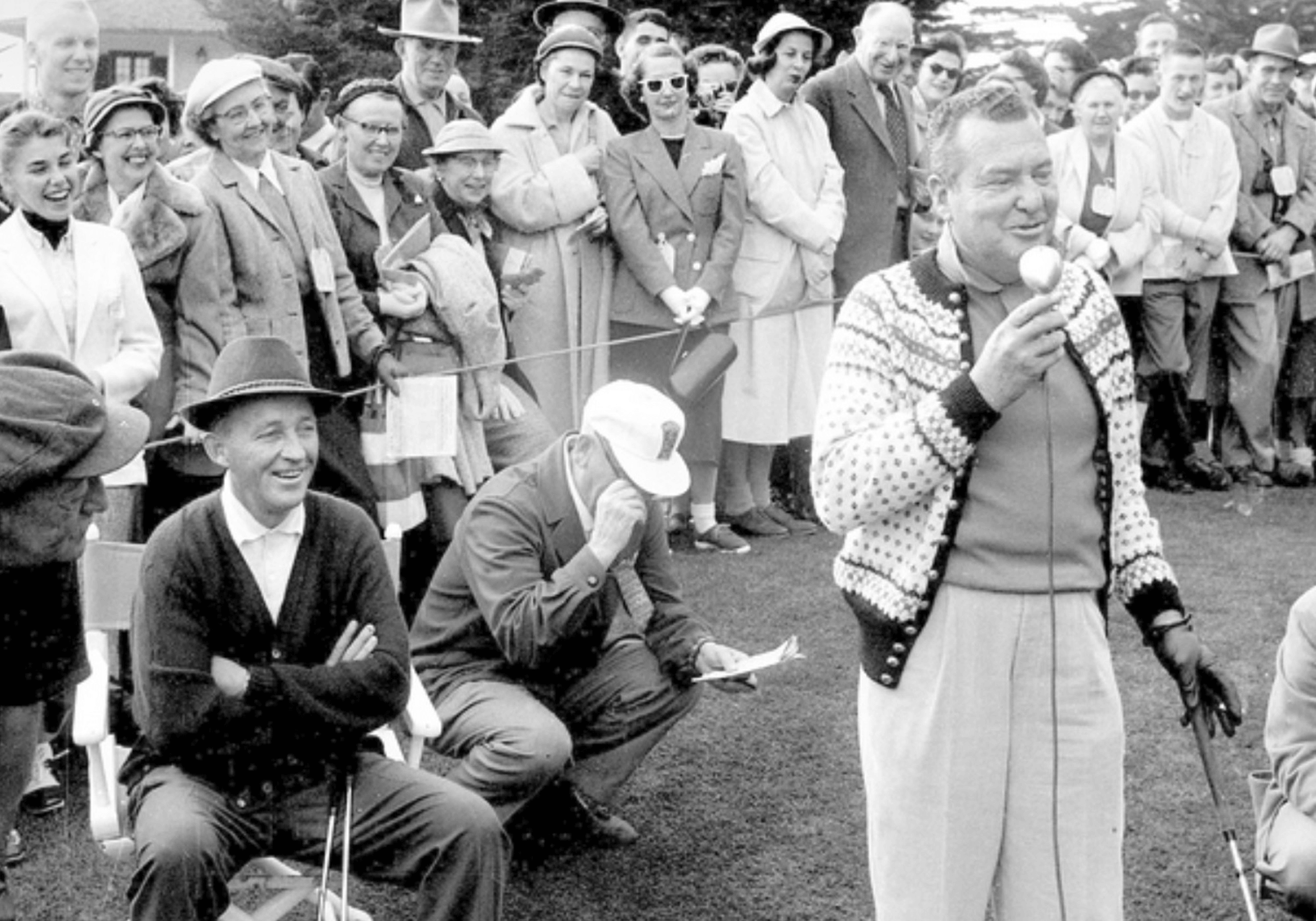
The Bing Crosby National Pro-Am at Pebble Beach is both an outlier and a blueprint for what was to follow. Known more informally as “The Clambake,” the Crosby was the first event to be associated with a celebrity. That made it the blueprint. What made it an outlier was its origin.
It’s impossible to overstate how big a star Bing Crosby was in the ‘30s and ‘40s. He remains to this day one of the best-selling recording artists of all time with more No. 1 hits than the Beatles and Elvis combined. He was also an Oscar-winning actor, co-starred with Bob Hope in the classic On The Road movies and was a certified global icon.
Additionally, Crosby was a stick who once qualified for the British Amateur. He also liked to party with his buddies and, in 1937, decided to put those two together.
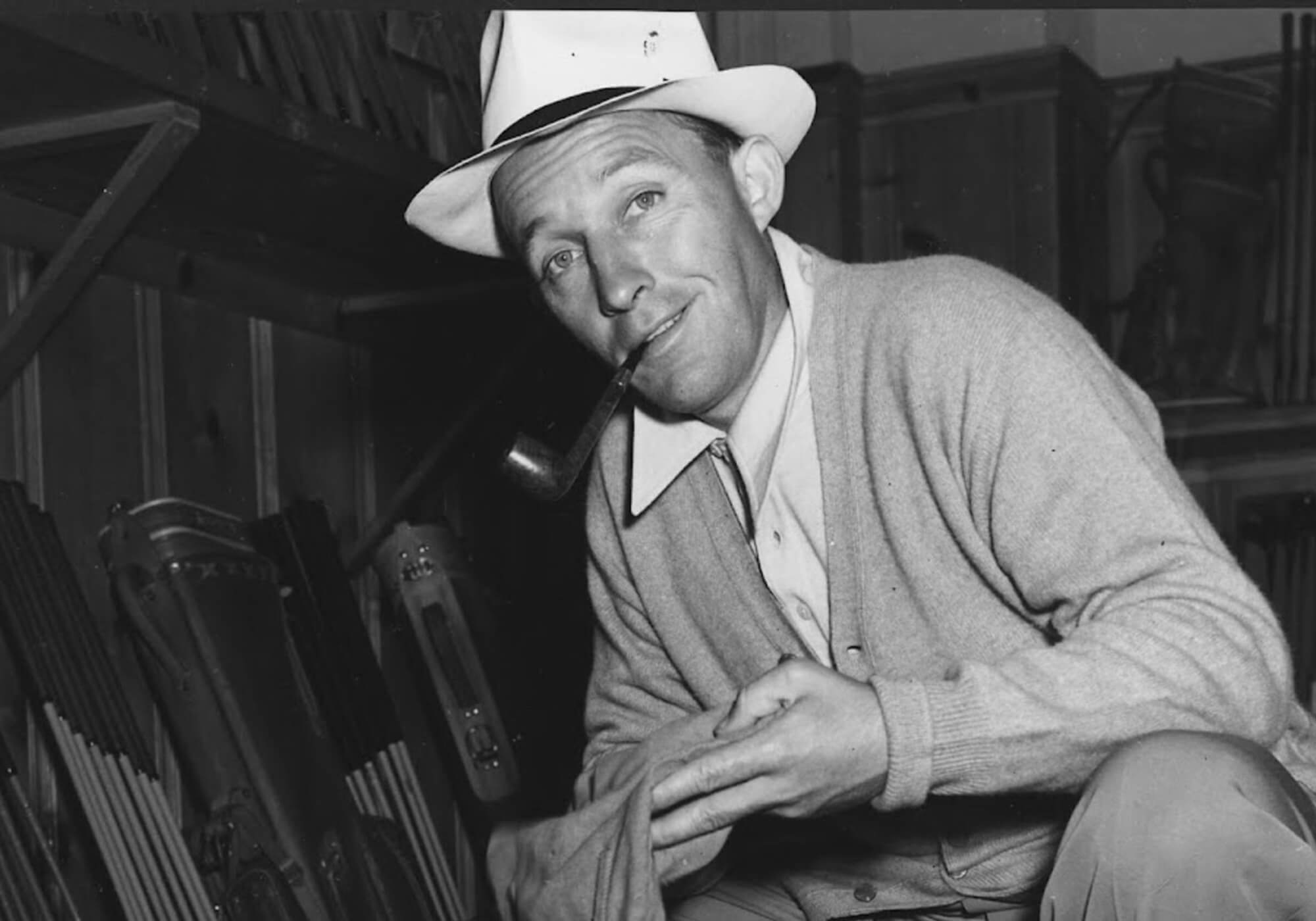
“There was a free weekend on Tour then,” Crosby told Sports Illustrated in 1961. “I thought it would be fun to get a bunch of pros together with some top amateurs for a couple of days of golf.”
The first Crosby was in San Diego, near Bing’s Del Mar racetrack. It was nicknamed “The Clambake” because they literally had a clambake to kick off that first event. Crosby bankrolled the $10,000 purse himself but rain shortened the tournament to just one round. Bored pros and Crosby buddies passed the time by shooting ducks on the pond by the 18th green. When the ducks flew away, they shot at a hat belonging to Bing’s brother Larry.
Alcohol may have been involved.
In 1947, The Clambake moved north to Pebble Beach.
“Ain’t this a blow to clean living?”
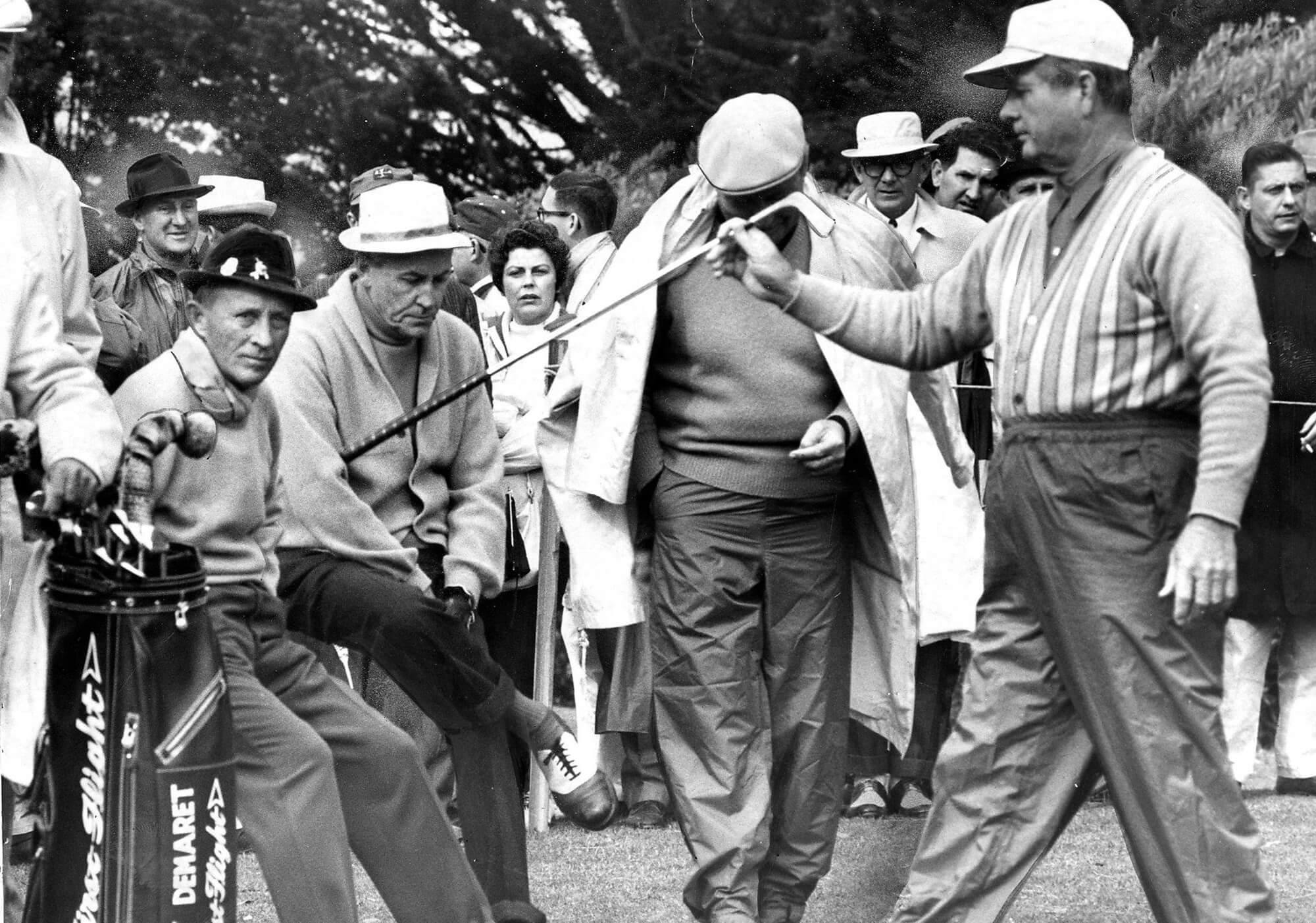
The Crosby, like its current descendent the AT&T Pebble Beach Pro-Am, was an early-season event. Tour pros would be starting their West Coast swing and the celebs would trek up the coast to Monterey. The competition was fierce as was the merriment. Singer Phil Harris (the voice of Baloo in Disney’s original Jungle Book movie) would announce himself as the golf pro from the “Jack Daniels Country Club.” After sinking a long putt to win the Pro-Am in 1951, Harris told Crosby, “How about that Bing! Ain’t this a blow to clean living?”
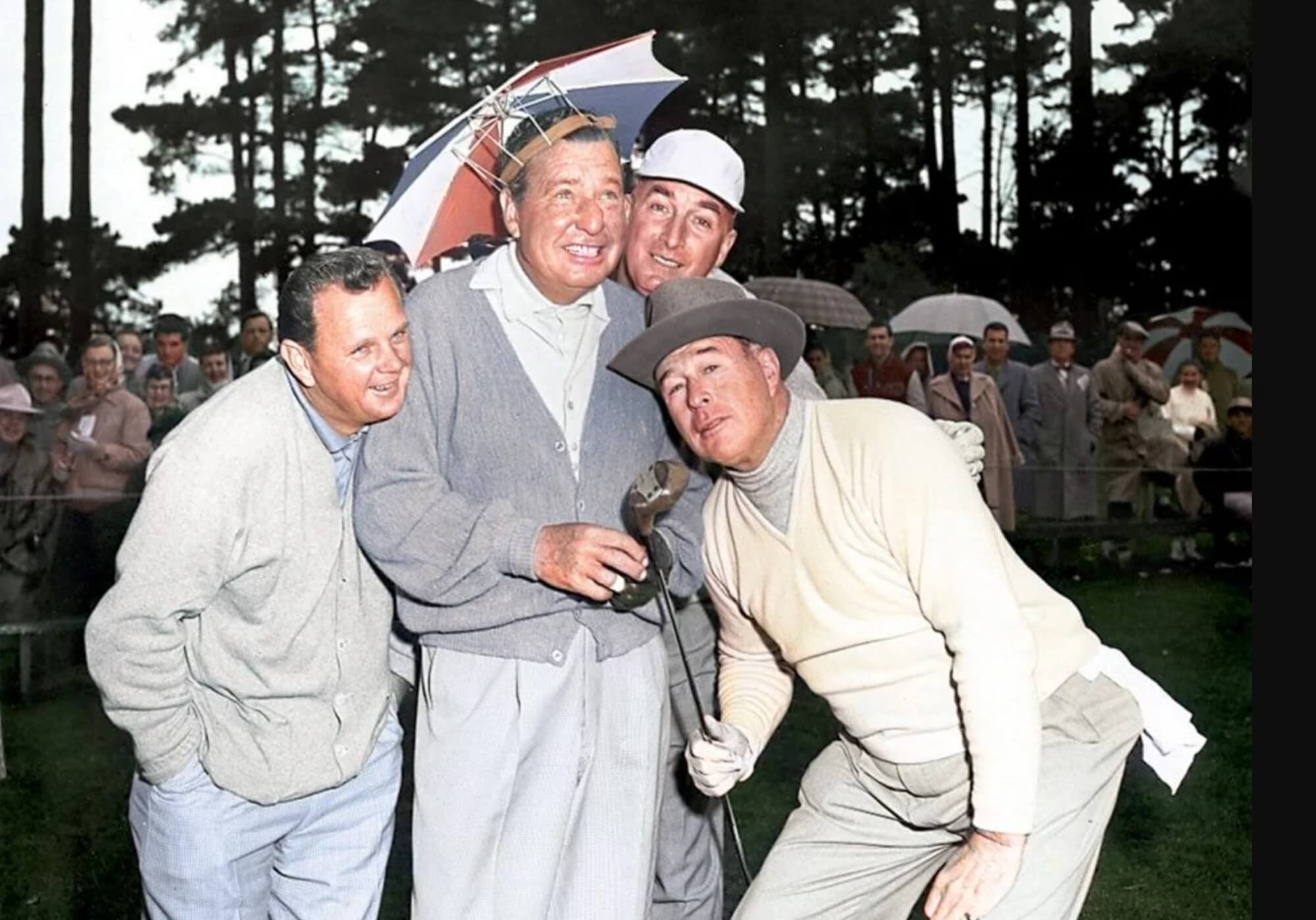
Past champion Jimmy Demaret was known to enjoy himself as well. When the final round in 1962 was postponed due to a freak snowstorm, Demaret woke up, looked out his window and said, “I know I got loaded last night but how the hell did I end up in Squaw Valley?”
Crosby died of a heart attack in 1977 after a round of golf in Spain. His tournament, however, was on borrowed time. Golf became a big business as the ’80s wore on with growing TV coverage and expanding purses. Corporate America was taking notice.
Mark O’Meara won the last Crosby in 1985. The following year it became the AT&T Pebble Beach Pro-Am.
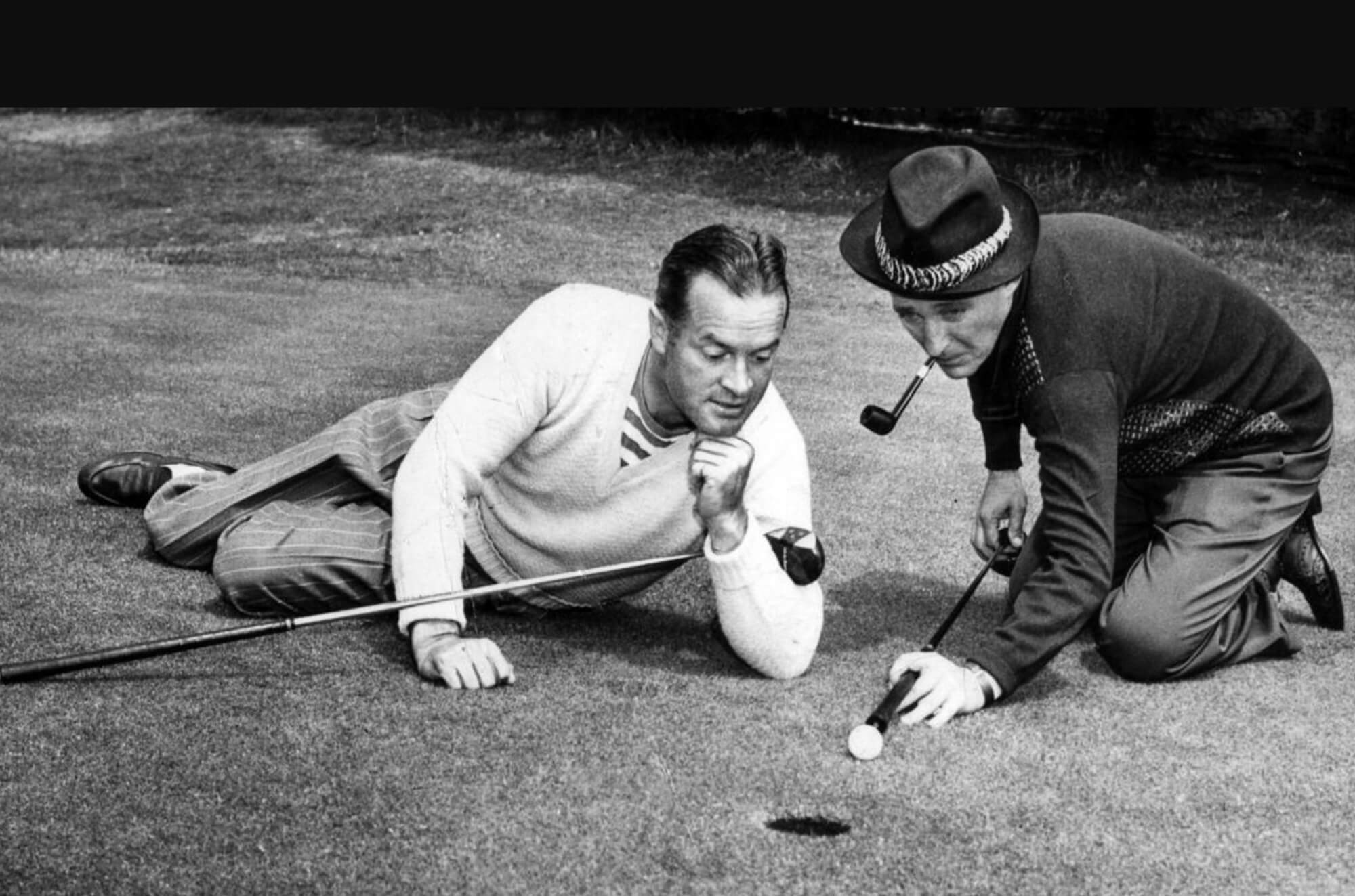
The Bob Hope Desert Classic
Crosby’s running mate Bob Hope would be the next celebrity to lend his name to a golf tournament. However, it didn’t happen until 1965 and for a very different reason.
Palm Springs and the Coachella Valley were booming in the late ‘50s and early ‘60s. The area had already hosted two Ryder Cups and in 1960 hosted its first official PGA Tour event, the Palm Springs Golf Classic. Like most tournaments at the time, it was entirely locally run and funded but it was having trouble getting off the ground.
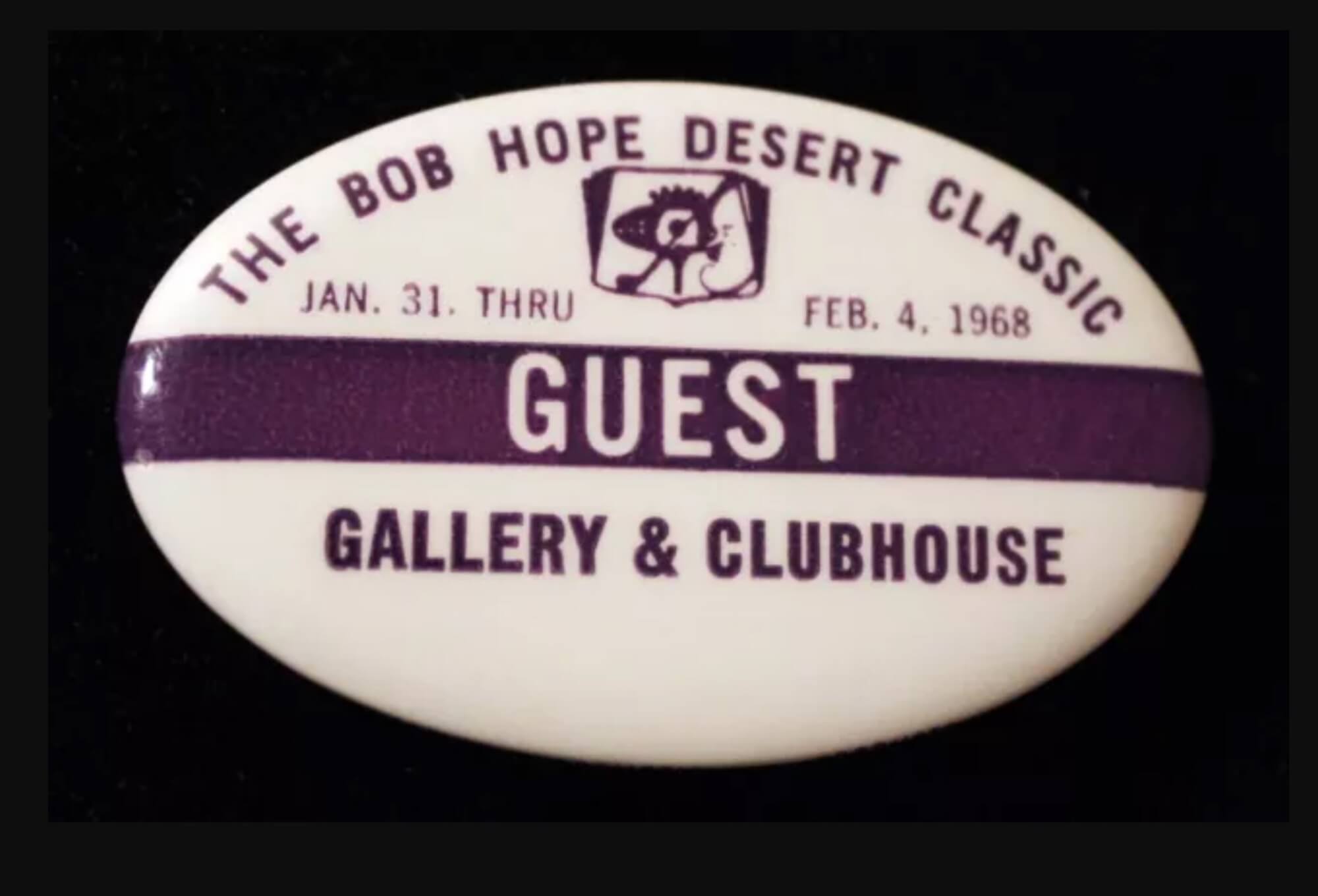
Enter Bob Hope and former president Dwight Eisenhower.
Ike was an avid golfer. During a round at the Thunderbird Country Club in Rancho Mirage, Ike’s playing partner had a heart attack. There wasn’t a hospital close by and his friend died. Weeks later, Ike was having dinner with Hope, another avid golfer. Ike persuaded Hope to put his name on the tournament so they could raise money to build a hospital. That hospital would become the Dwight Eisenhower Medical Center in Rancho Mirage.
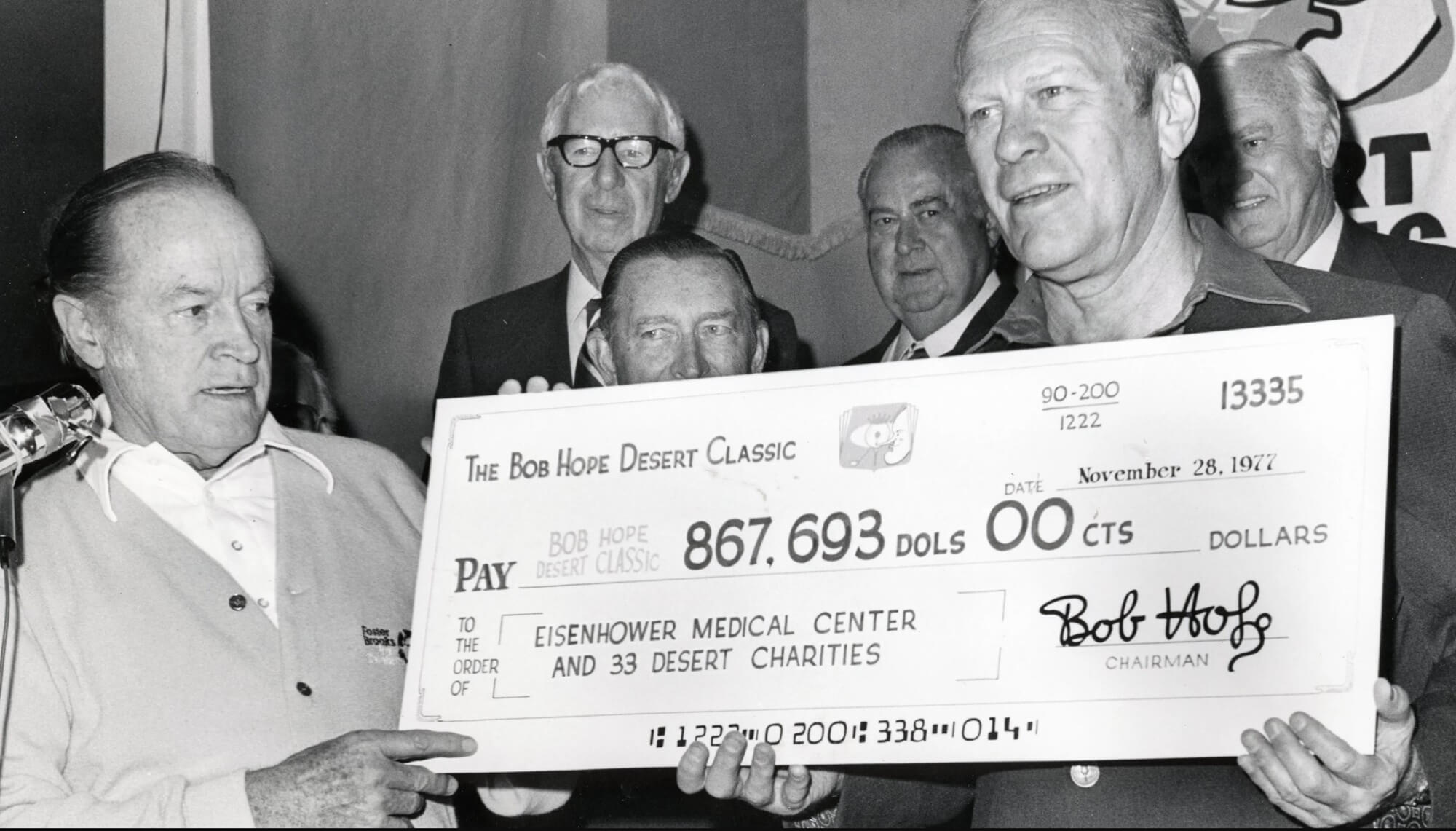
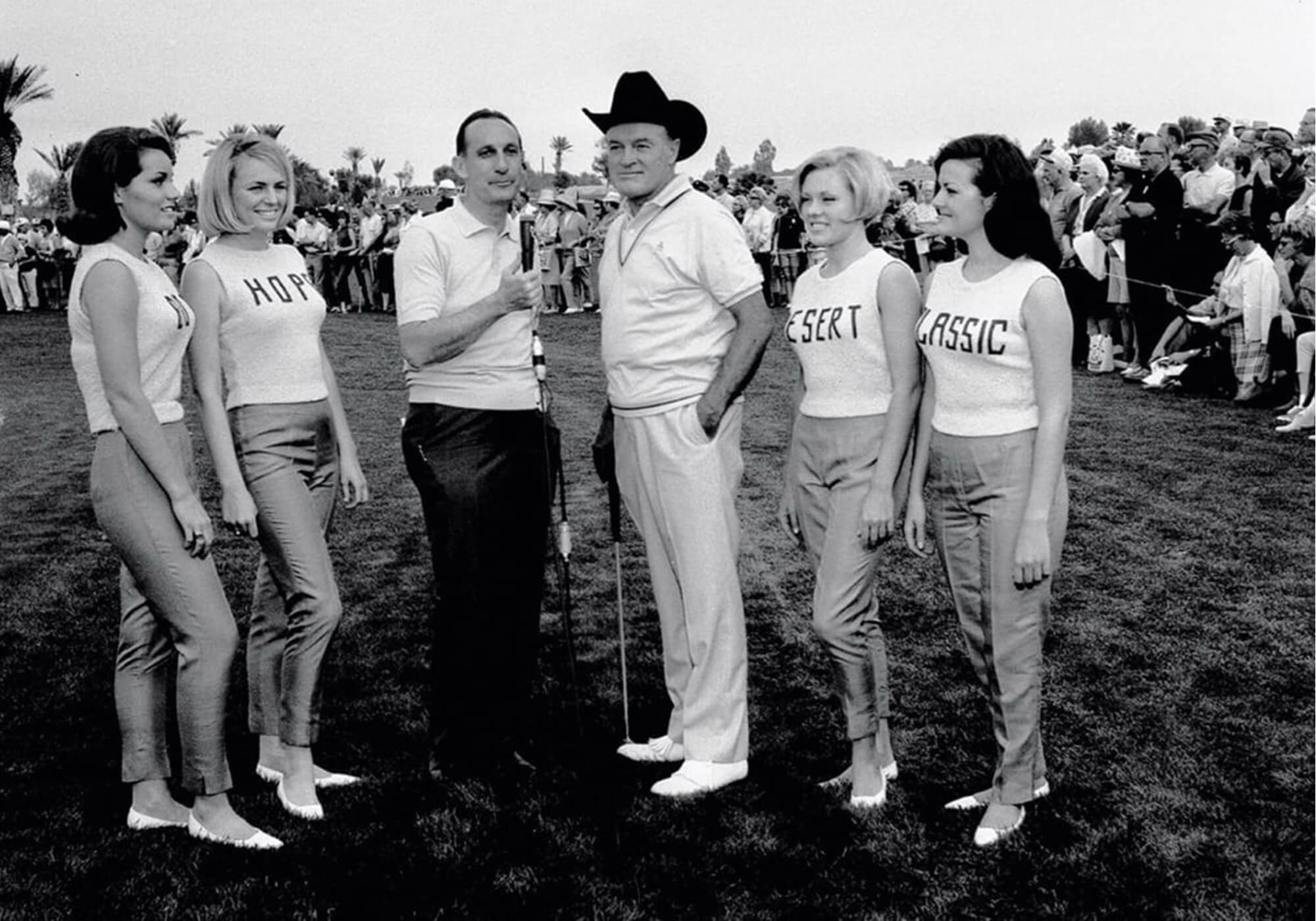
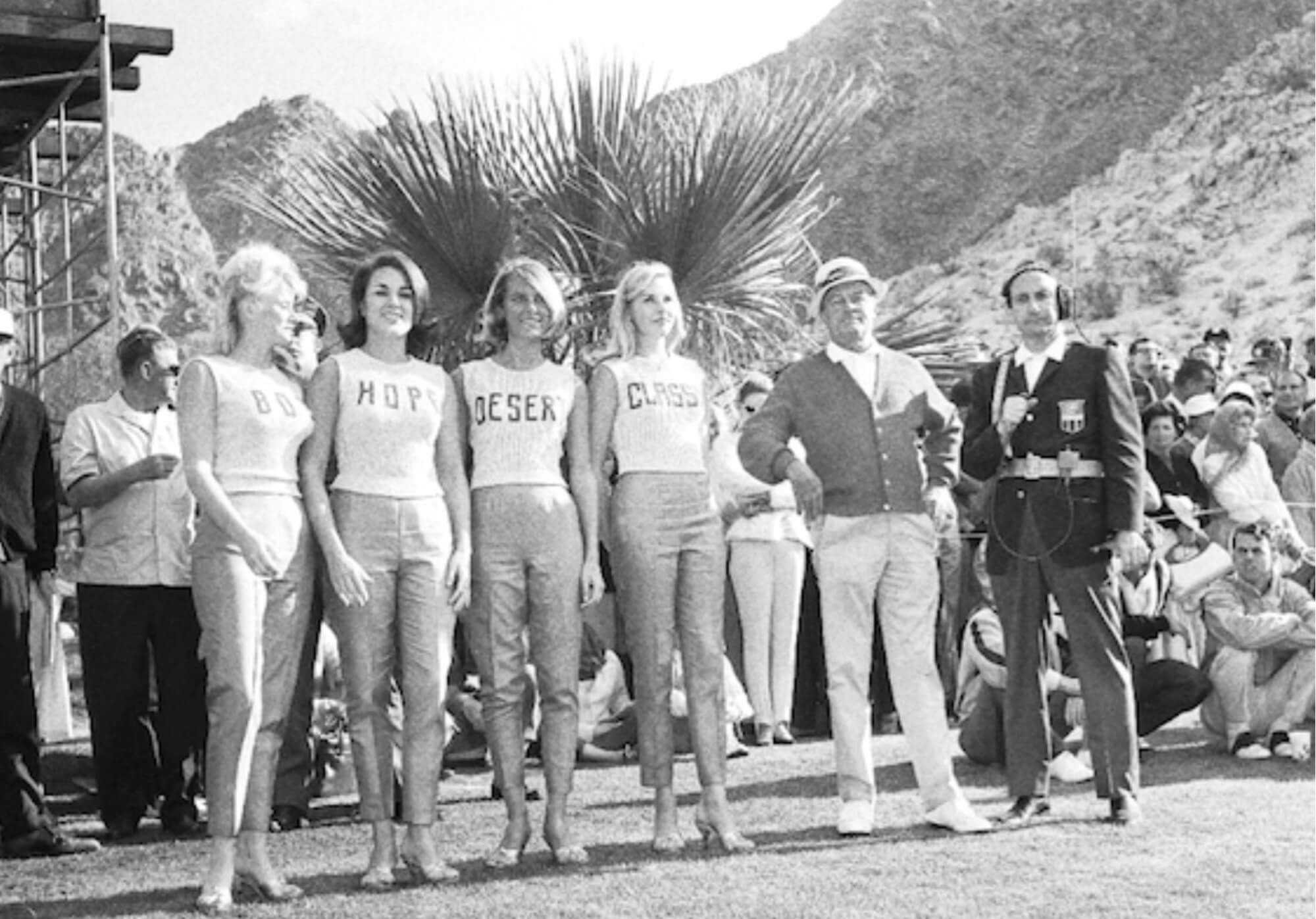
The first Bob Hope Desert Classic was in 1965. It was patterned after the Crosby but with a Bob Hope flair. It was a five-round affair. The first four rounds were pro-am and the final round was pro-only. The Hollywood types showed in force for the party and Hope would add some pizazz with celebrity “Classic Queens.” Among them over the years were Debbie Reynolds, Jill St. John, Barbara Eden and the original Wonder Woman, Lynda Carter.
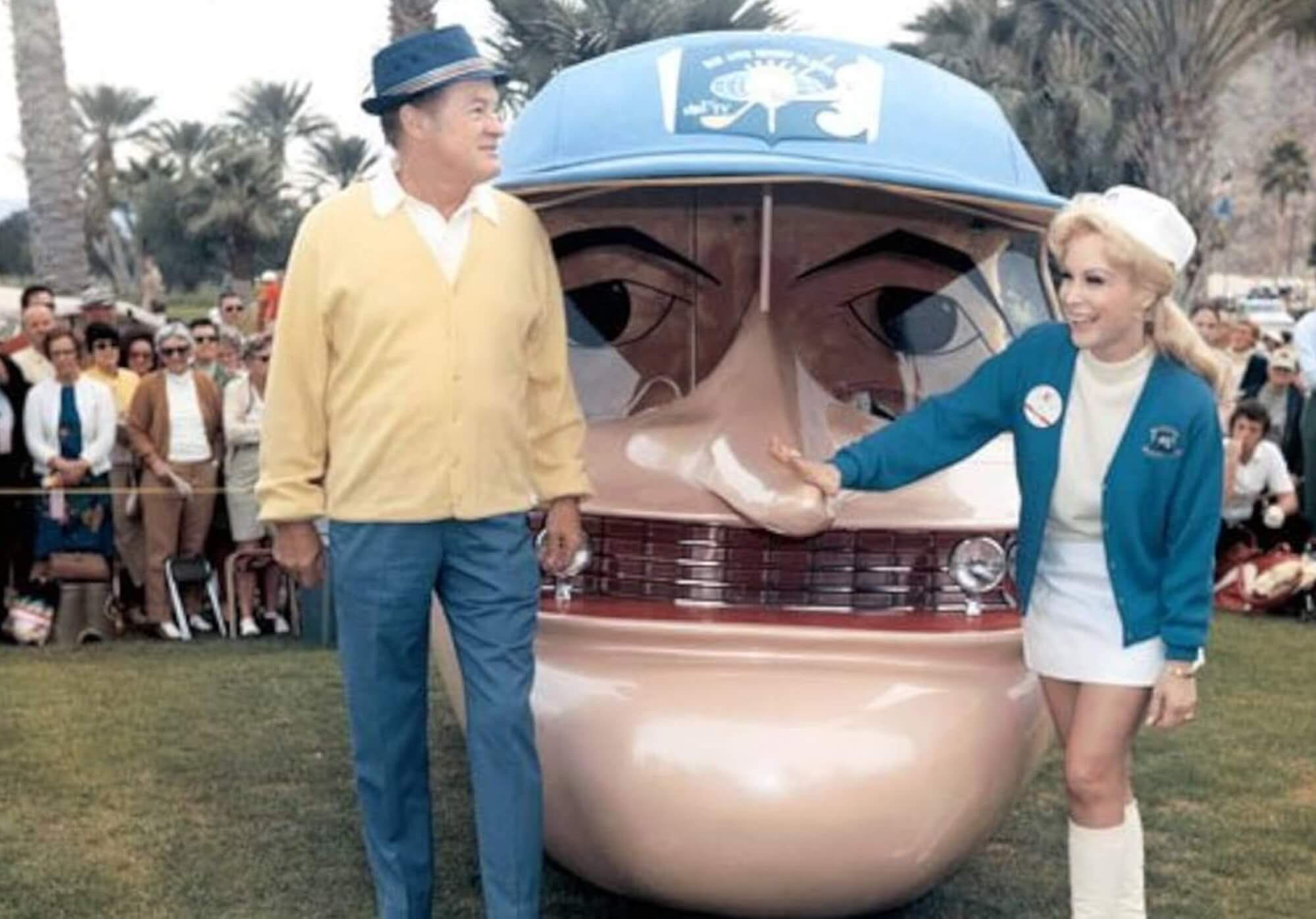
Hope evolves
By the ’90s, however, the Hope was losing some luster. What used to be a local, self-sufficient event could no longer offer top-tier prize money. Corporate America came to the rescue and the Desert Classic became the Bob Hope Chrysler Classic in 1994.
Hope died in 2003 but the event kept his name until 2011 when it became the Humana Challenge. Today, it’s known as the American Express and is the first Tour stop after Hawaii. The event has altered its format over the years, as well. Five rounds (four with celebrities and amateurs), and low-end prize money kept top pros away. Tiger Woods famously never played when it was the Hope.
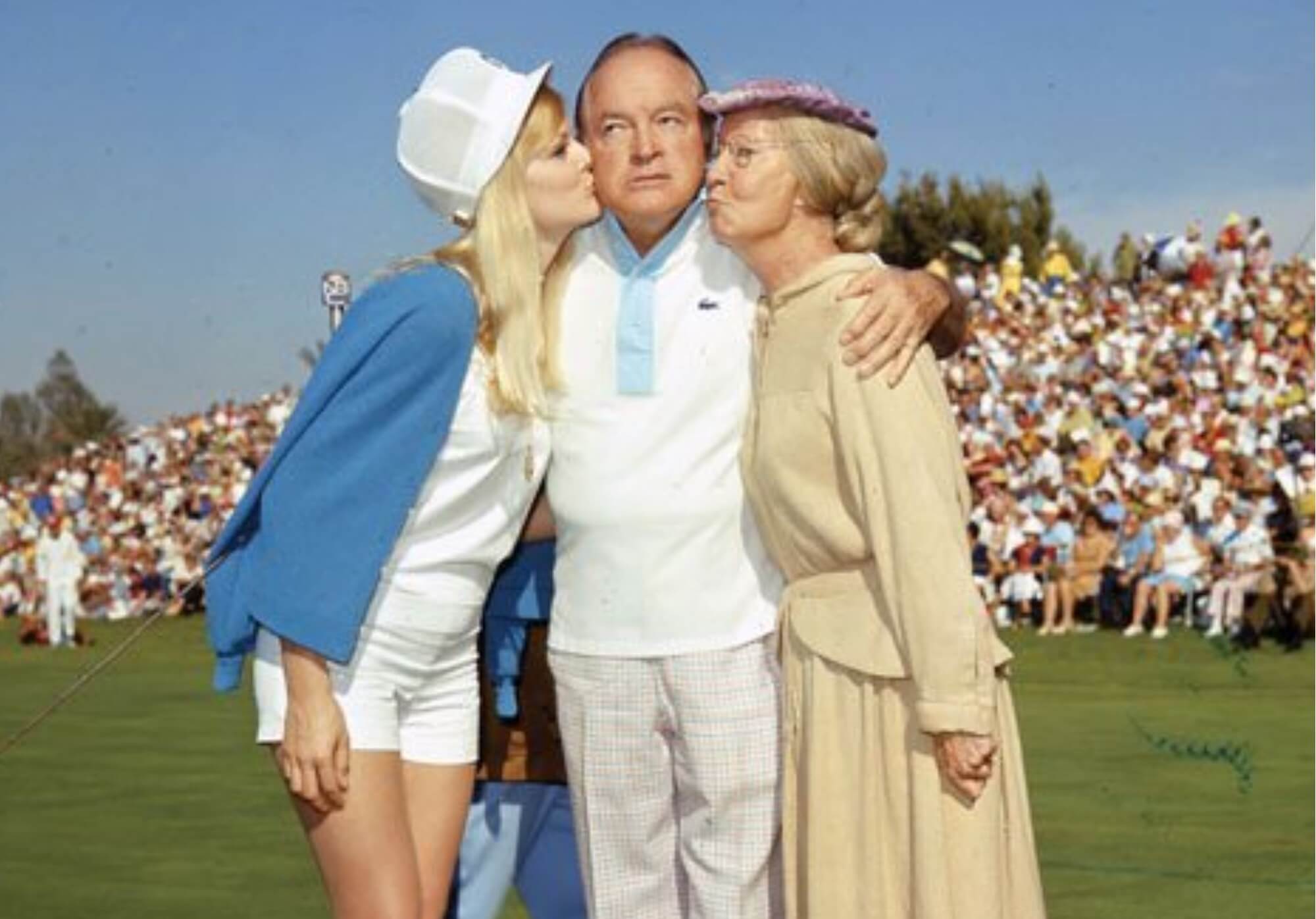
Now it’s an American Express event with corporate invitees filling the amateur ranks. Celebrities still play but only one day.
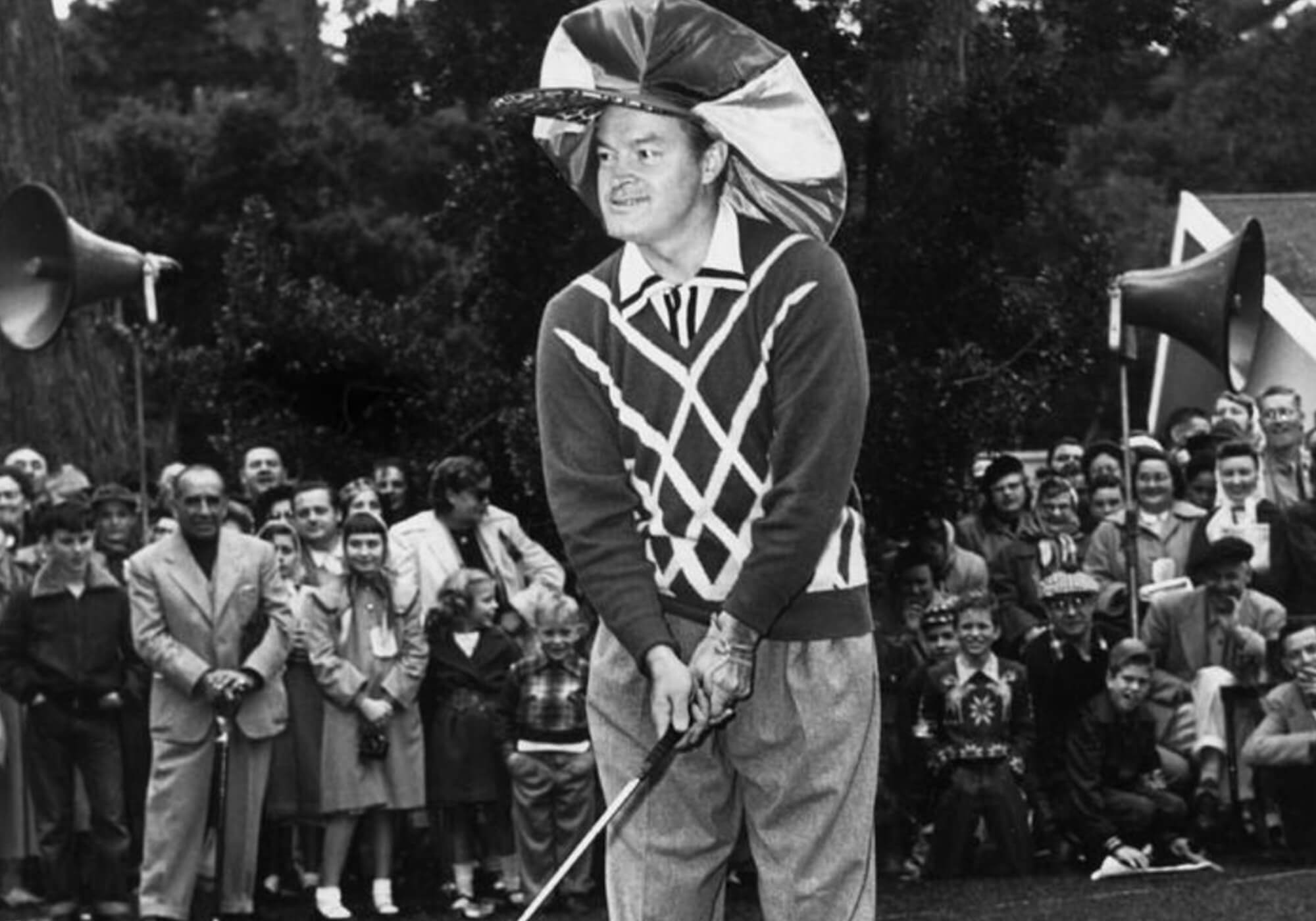
In its prime, however, the Hope was the rival of the Crosby for fun and great golf. Arnold Palmer won the Hope five times, including his final PGA Tour victory in 1973.
From 1965 through 2011, the Hope raised more than $60 million for local charities.
The Andy Williams San Diego Open Invitational
The next event to get a celebrity host was the San Diego Open. In 1967, the San Diego Open was struggling. The purse was low, the course was boring and the entire event was becoming a bit of a dud.
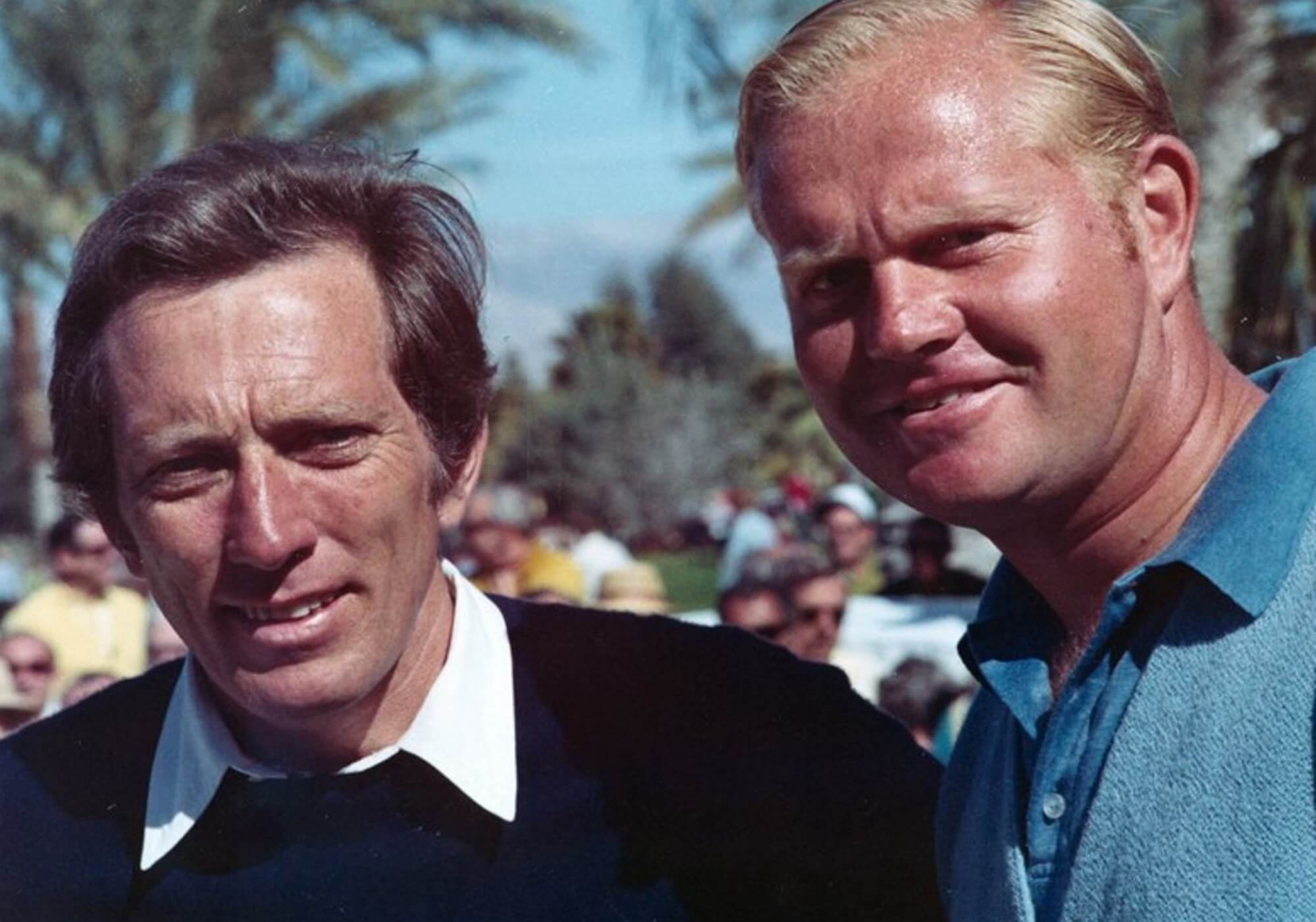
But what got singer Andy Williams involved wasn’t any of that. It was the Salk Institute of Biological Research. The institute approached Williams, a major recording star and host of his own TV variety show, to help raise funds. Williams agreed to donate some revenue from his albums and he suggested a golf tournament modeled after the Hope and Crosby.
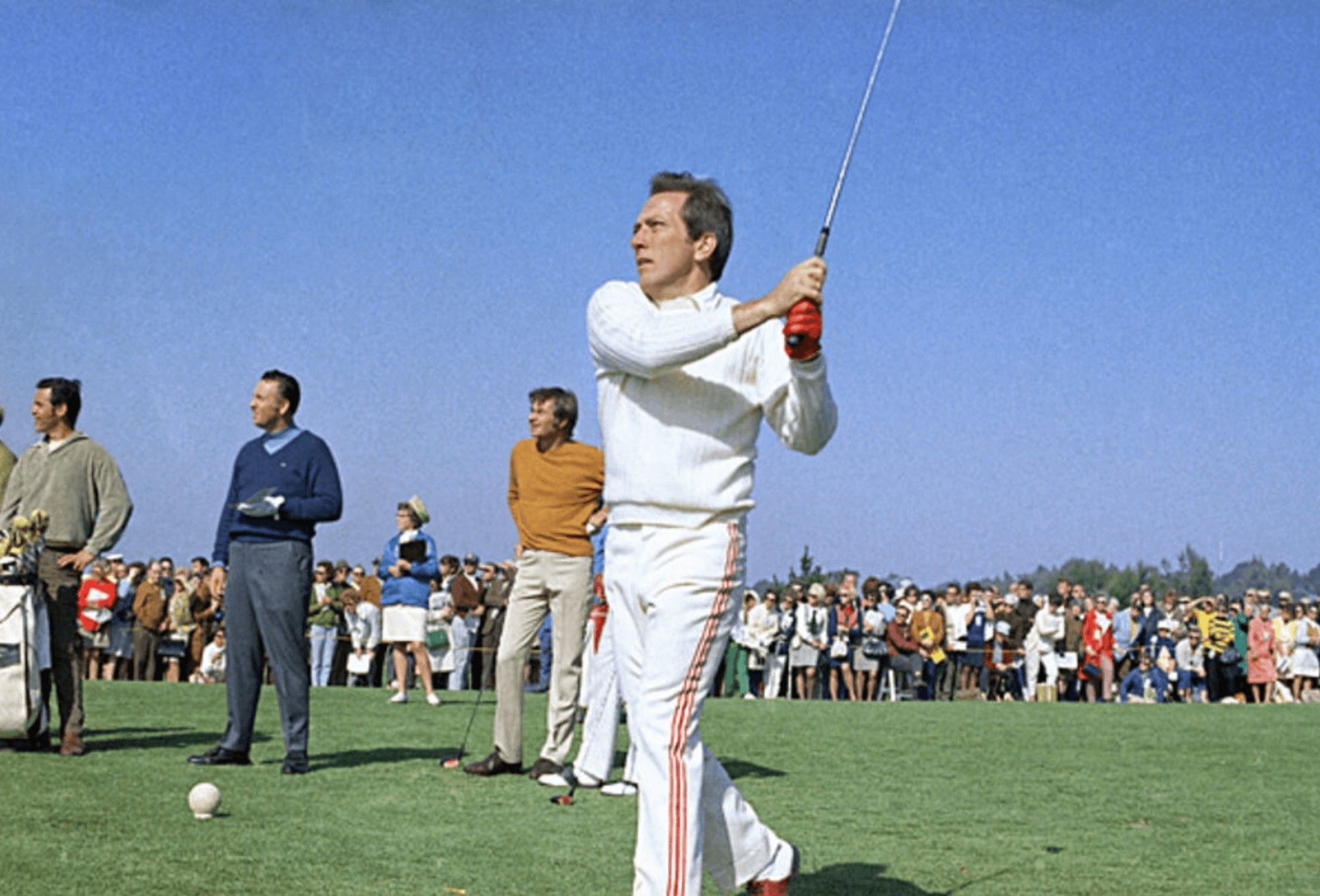
Williams injected life into the event. It was moved to Torrey Pines and Williams recruited Jack and Arnie to play (they routinely skipped San Diego). He also packed the Wednesday pro-am with celebrity buddies such as Hope, Crosby, Danny Thomas, Tennessee Ernie Ford, Jack Lemmon and Chuck Connors.
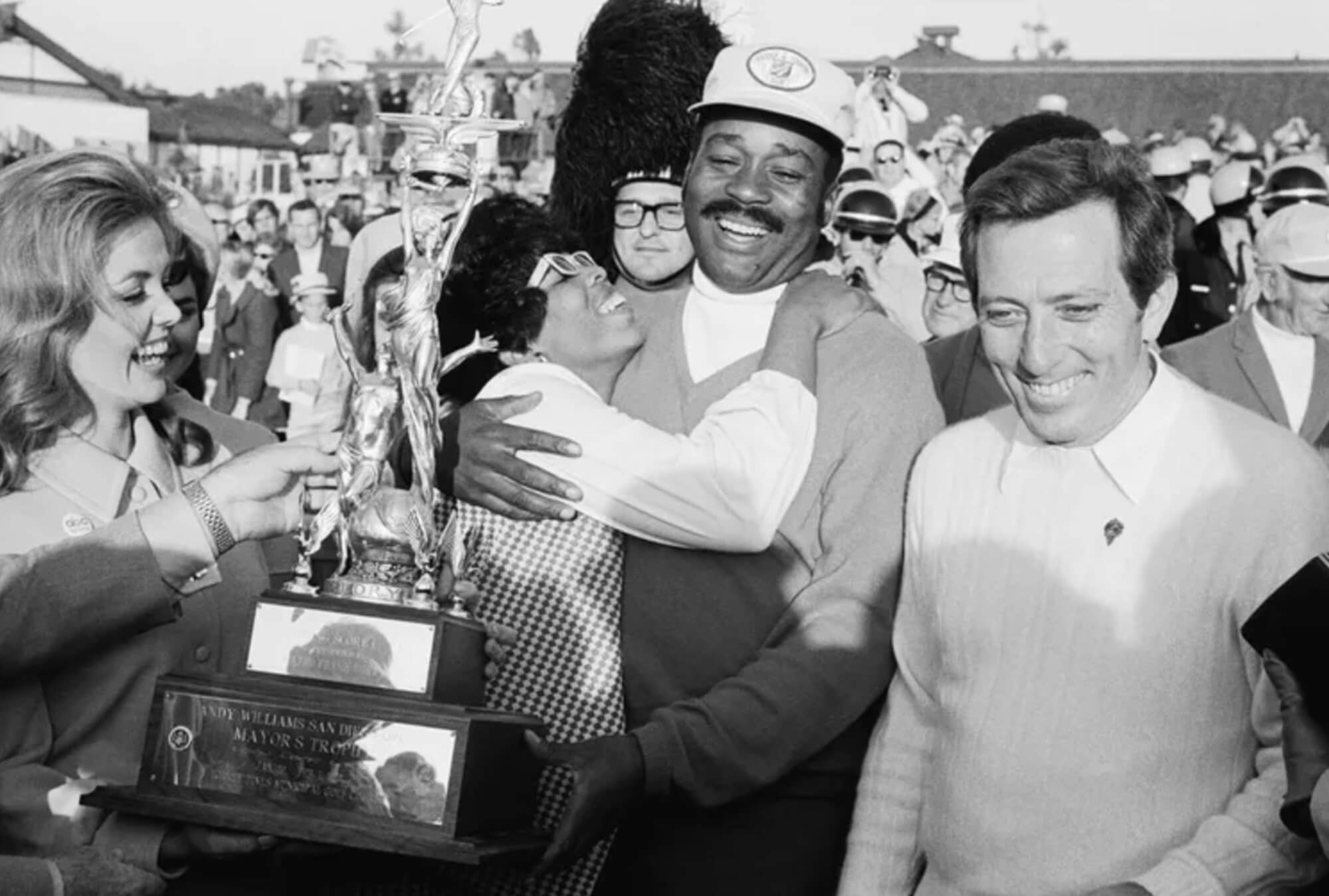
The event remained the Andy Williams San Diego Open Invitational through 1980 but it was an early victim of the times and needed corporate sponsorship to keep up. Wickes Lumber, which owned MacGregor Golf at the time, sponsored the event in 1981. Subsequent sponsors included Isuzu, Shearson Lehman Brothers and Buick. It became the Farmers Insurance Open in 2010.
Glen Campbell and Jackie Gleason
On the face of it, you can’t get any farther apart than country-pop star Glen Campbell and The Great One, Jackie Gleason.
But both men loved golf and both men saved tournaments.
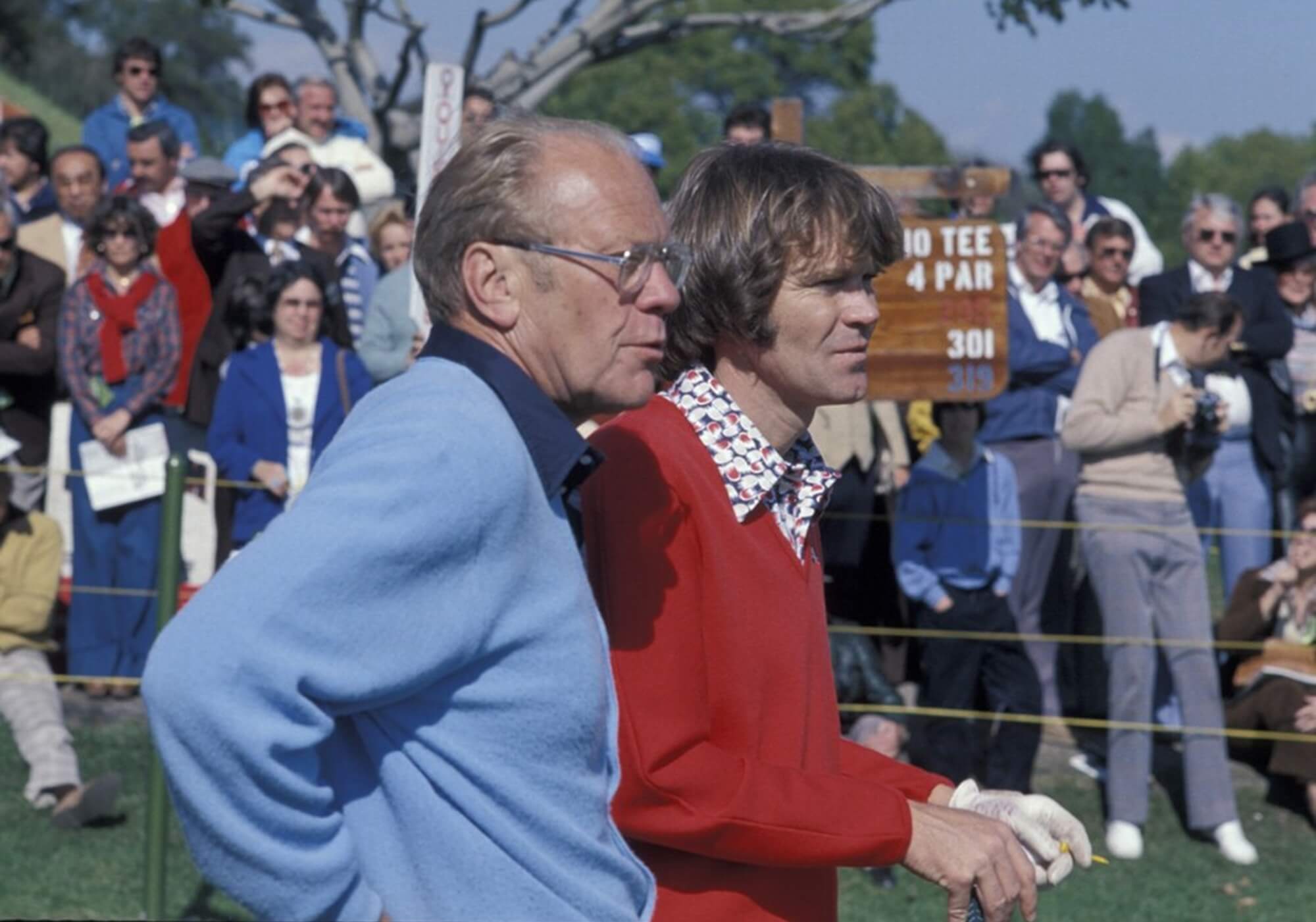
In 1970, the Los Angeles Open was another struggling West Coast PGA Tour stop. Run by the L.A. Junior Chamber of Commerce, the L.A. Open offered little prize money and was feeling the squeeze from the Andy Williams in San Diego. The event did have history, though. Hogan and Palmer both won it and Jack cashed his first check as a professional there – $33.33 – in 1962. However, like the others we’ve discussed, it had grown tired and stale and badly needed energy, glitz and attention.
Not to mention money.
Enter Glen Campbell.
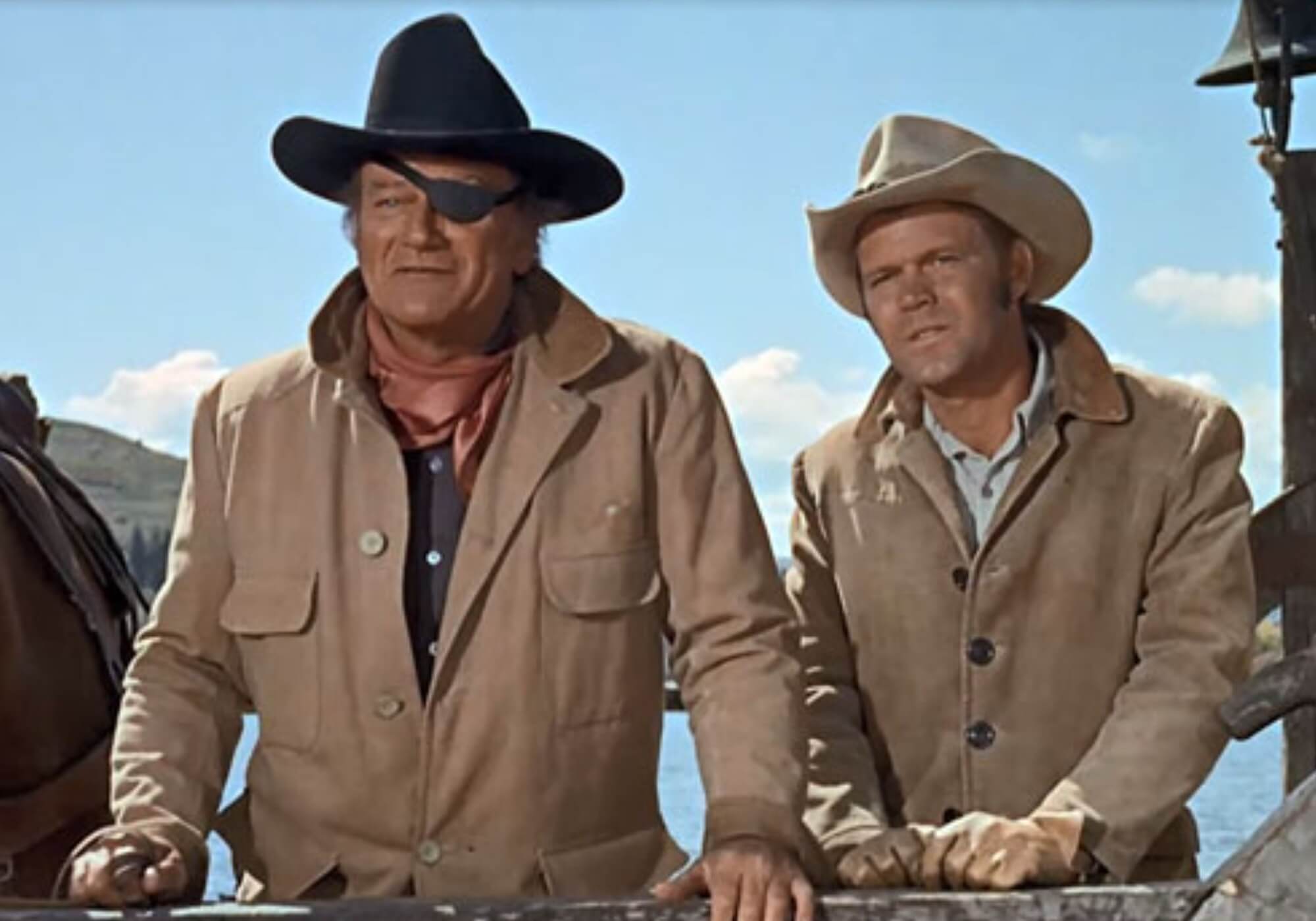
Campbell was an A-list celebrity in 1970. An outstanding guitar player, he’d had a string of hits, starred with John Wayne in True Grit and hosted the popular Glen Campbell Goodtime Hour on CBS. He was also a stick, carrying a 3 handicap at his peak. Campbell teamed with the Junior Chamber of Commerce and CBS to create the Glen Campbell Los Angeles Open in 1971. The event moved to Riviera two years later.
It remained the Campbell until 1983 when Nissan took over sponsorship. Today it’s the Genesis Invitational.
Big money in Fort Lauderdale
While Campbell was saving the L.A. Open, Jackie Gleason was bailing out the National Airlines Open Invitation in Miami. As the name suggests, the event had corporate sponsorship but that was about it. As with the others, the purse was small, the venue unexciting and the best players skipped it. Gleason was a golf lover and lived in Miami where he hosted his popular variety show. He also owned a house on the Inverrary Country Club, which would soon host the Jackie Gleason Inverrary Classic.
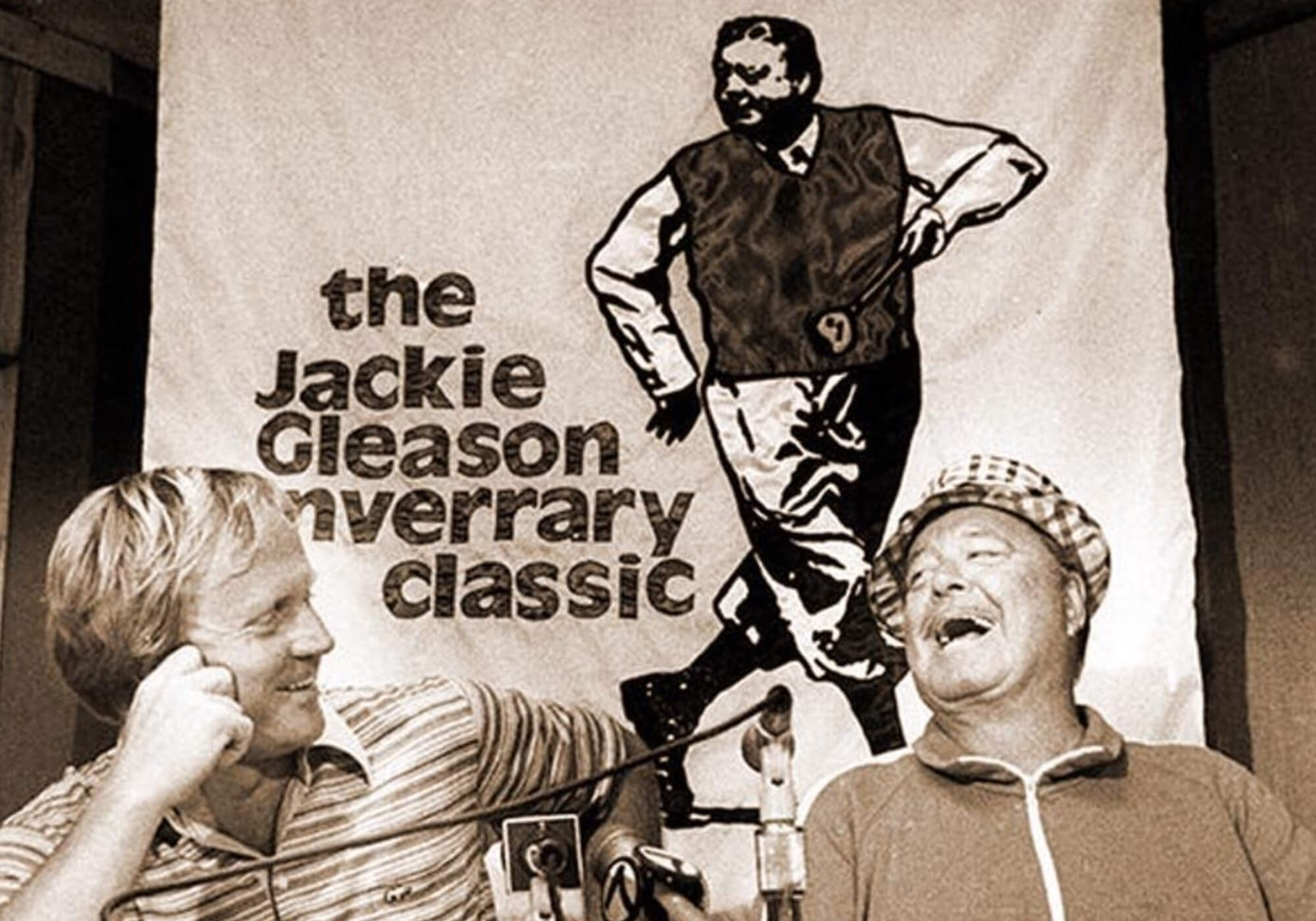
With Gleason aboard, the Inverrary Classic became one of the biggest money events on Tour, with a $52,000 first prize in that first year. The Gleason ran from 1972 to 1980, raising millions for the Boys and Girls Clubs of America.
Unfortunately, the PGA ran afoul of Gleason, most likely over the 1976 event. The Tour scrapped the Gleason that year, instead bringing the Player’s Championship to Inverrary. Gleason ended his relationship after the 1980 event. American Motors took over sponsorship for one year. In 1982, the event became known as the Honda Classic. Today it’s the Cognizant Classic.
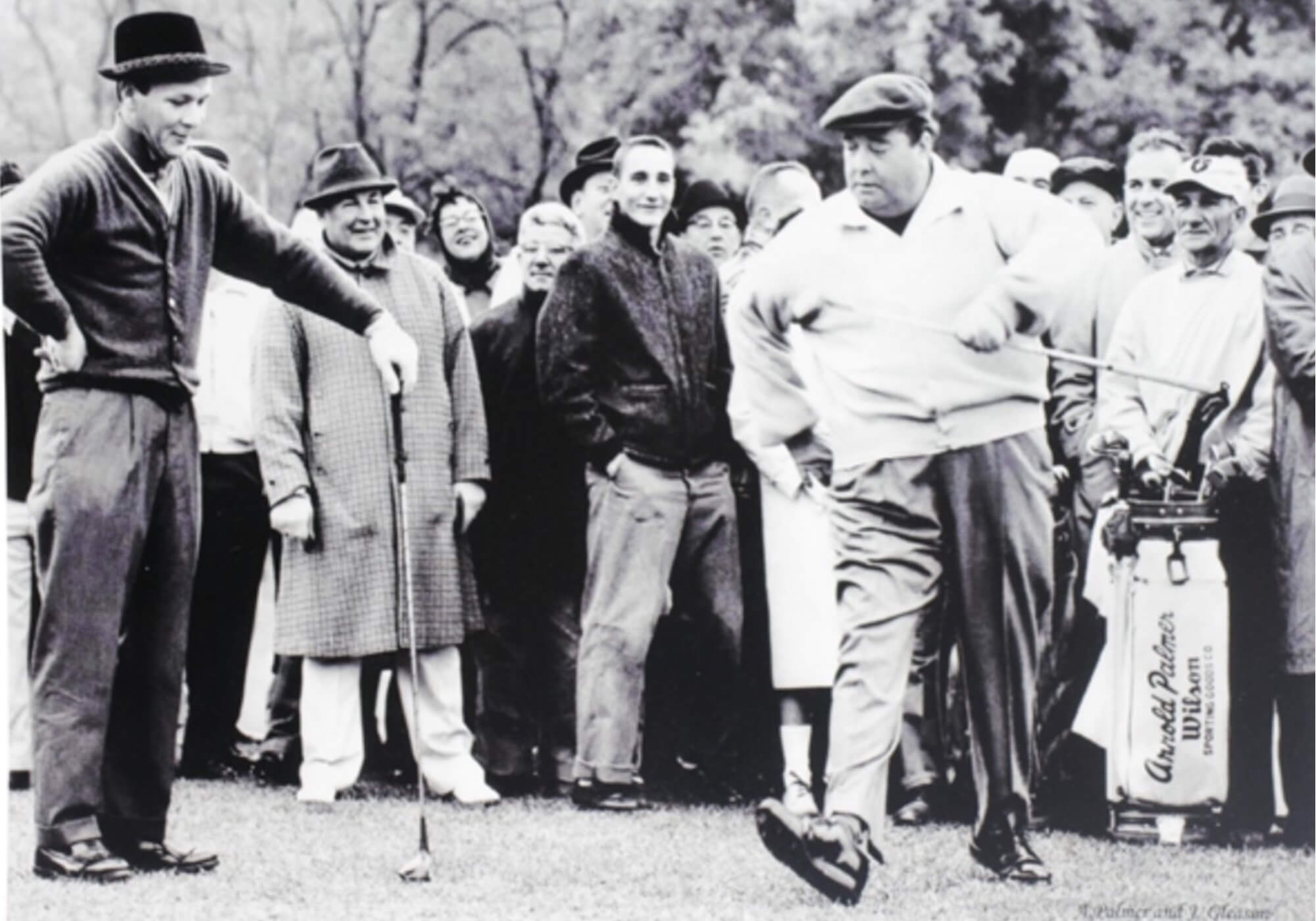
Gleason died in 1987. Inverrary itself, home of two 18-hole Robert Trent Jones courses, closed in 2020.
Sammy Davis Jr. Greater Hartford Open
This one wasn’t as out of left field as it seems and follows the same pattern as the Williams, Campbell and Gleason. The Greater Hartford Open had been around since 1952, starting as the Insurance City Open. As with the others, it had run into tough times. The Greater Hartford Jaycees organized the event and it was all volunteer work. The PGA Tour, having learned lessons in San Diego, LA and Miami, worked with tournament organizers to get a celebrity involved to help out.
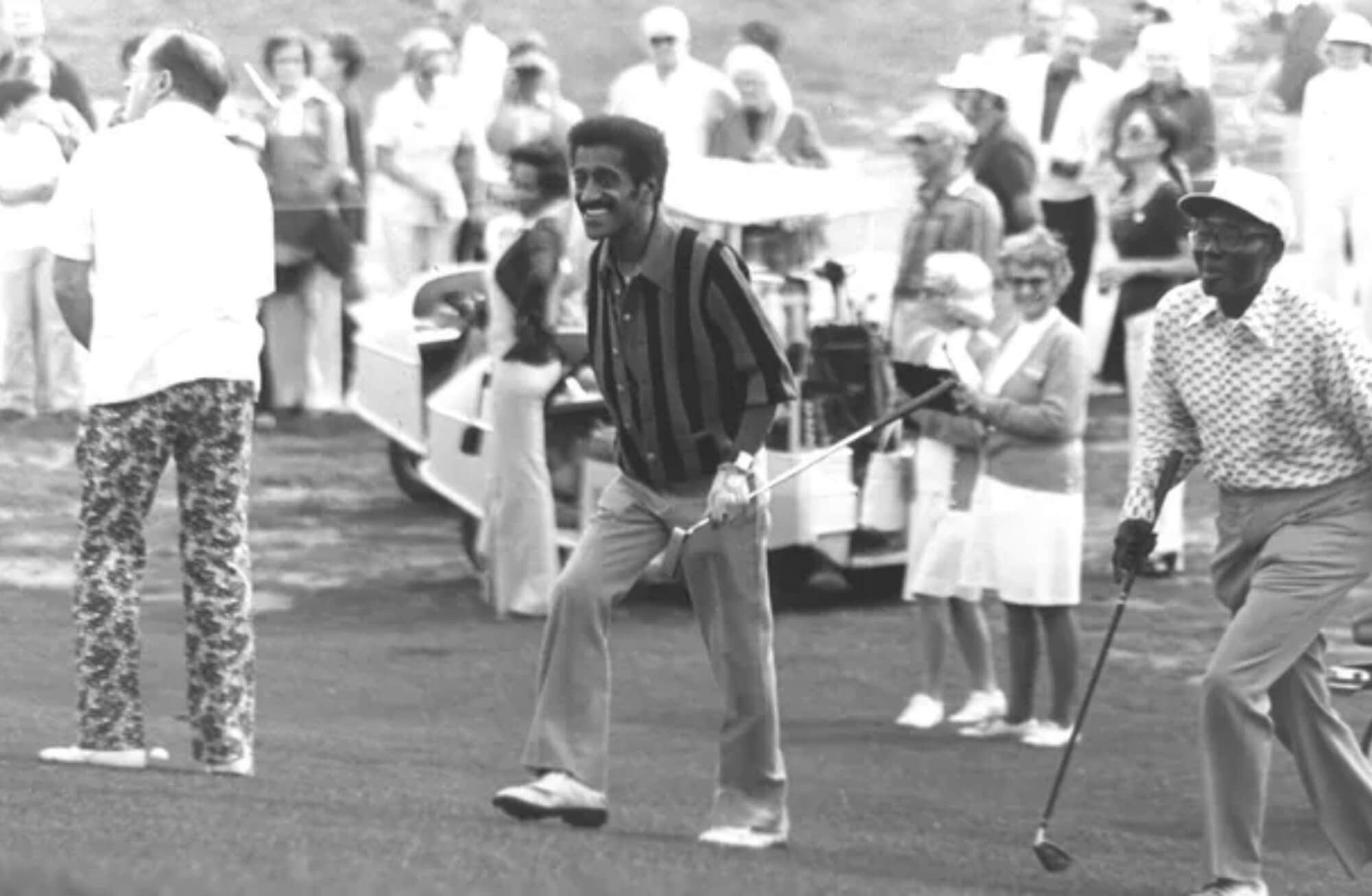
Davis had ties to Hartford, having performed there as a child at the Grand Theatre, and jumped at the chance. He became the first African American to have his name associated with a PGA Tour event. At his insistence, the event would benefit the Highway Safety Foundation. The cause was personal for Davis as he had lost an eye in an auto accident.
The event had only been shown on local TV before Davis’s arrival. Afterward, however, CBS broadcast it nationally and the prize money almost doubled with $40,000 going to the winner.
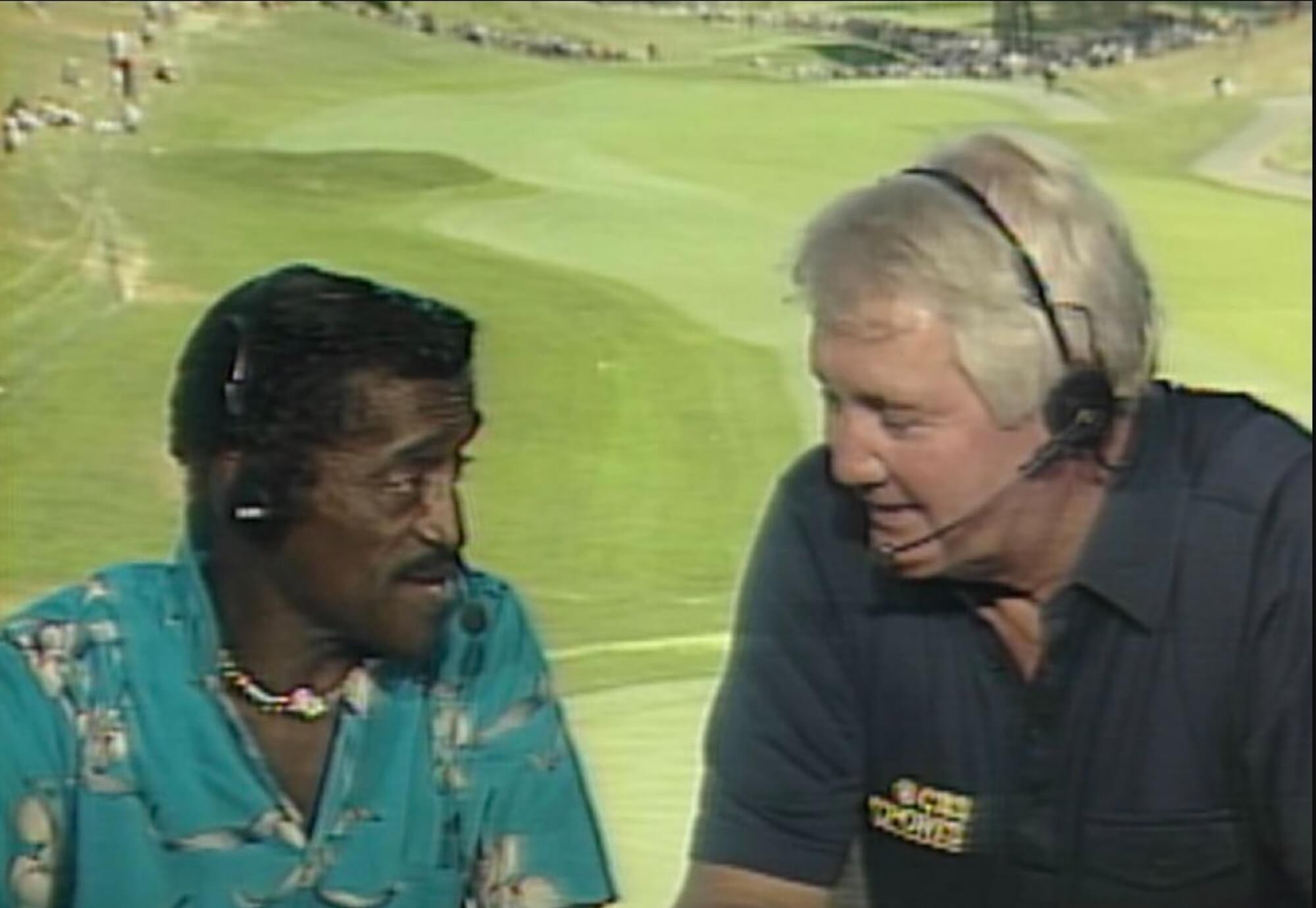
As with the other events, the highlight was the celebrity pro-am. Davis and his pals would put on a show every year for the golfers, their families and the caddies. He routinely gave up a week of paid performances in Vegas to host in Hartford and he and his fellow celebrities all performed for free.
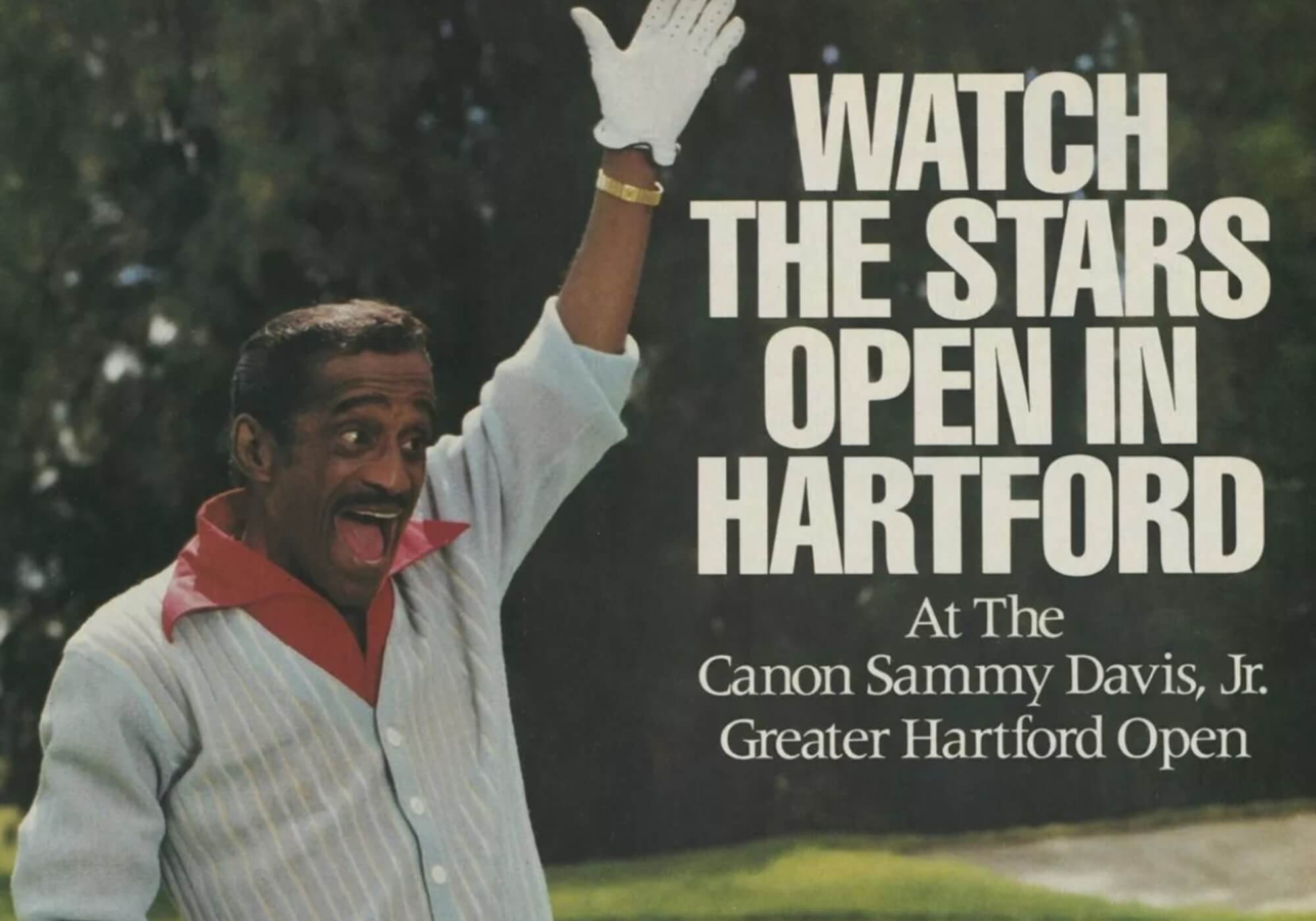
Davis remained the headline host from 1973 through 1988. Toward the end of the run, Corporate America joined in and the event became known as the Canon Sammy Davis, Jr. Greater Hartford Open. Canon took over sole sponsorship in 1989. Today, it’s The Travelers, after the insurance company.
A tradition unlike any other …
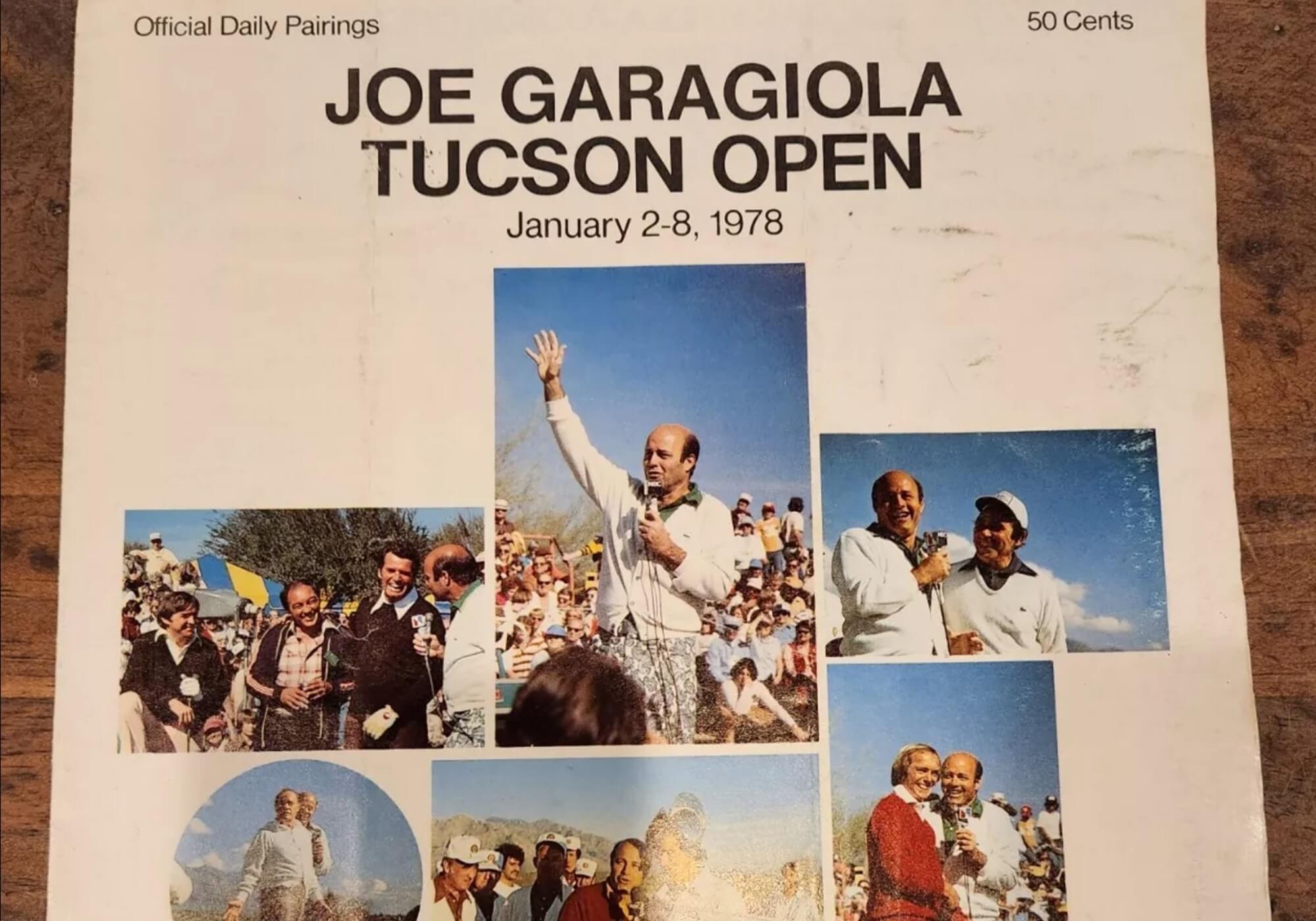
Plenty of other celebrities headlined events in the ‘70s. There was the short-lived Dean Martin Tucson Open from ’72 to ’75, which later became the Joe Garagiola Tucson Open until 1983. The Ed McMahon Jaycees Quad Cities Open ran from 1975 through 1979. Today, you know it as the John Deere Classic.
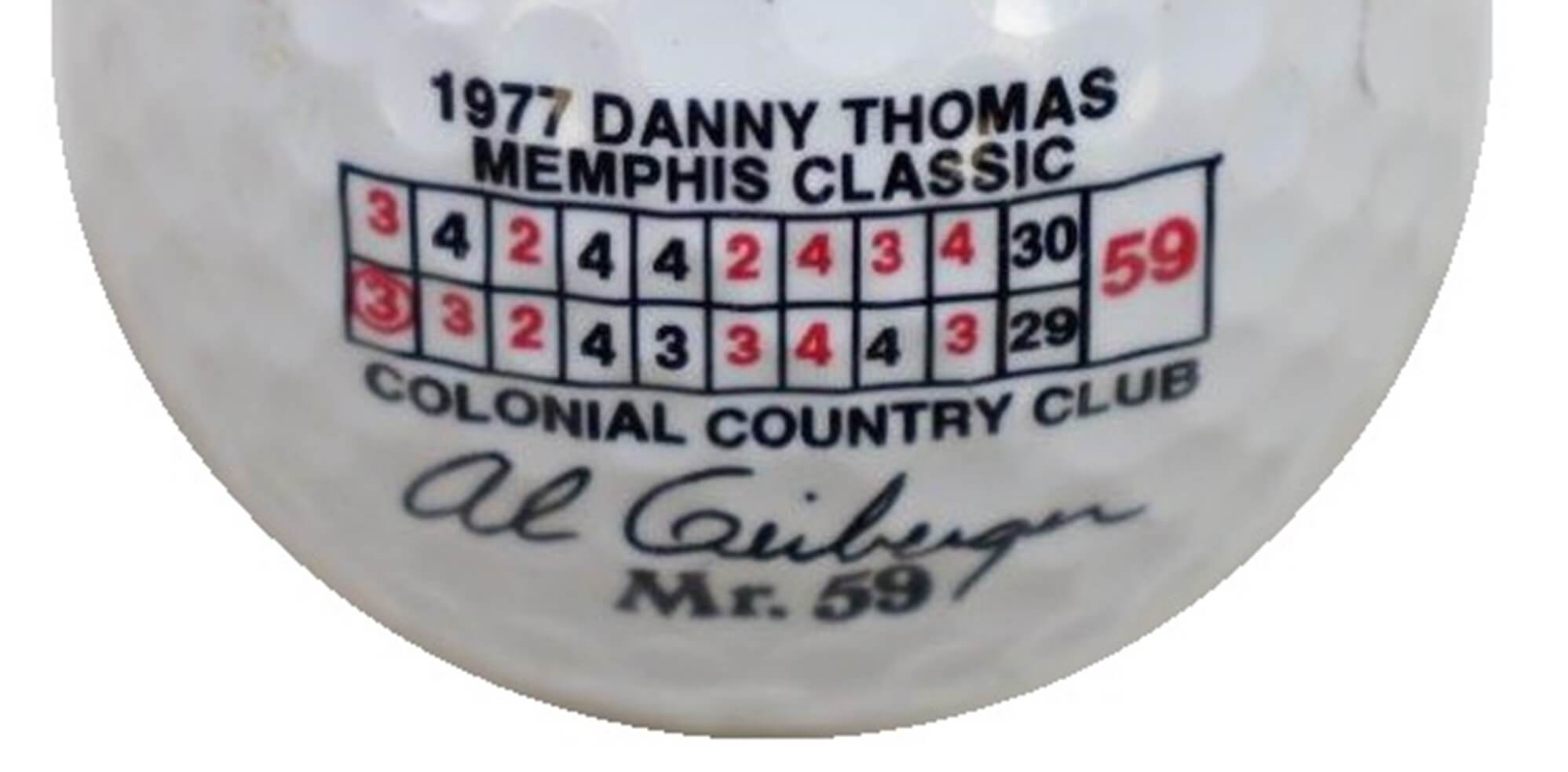
Then there was the Danny Thomas Memphis Classic. From 1970 through 1984, Thomas hosted the event to raise money for his St. Jude’s Children’s Research Hospital in Memphis. Thomas founded the hospital in 1962 to fulfill a promise he made to himself years before. As a starving actor, the deeply religious Thomas promised if he ever found success, he would open a shrine to St. Jude, one of the patron saints of lost causes.
The 1977 Thomas was notable for two specific events. First, ex-president Gerald Ford (a regular guest at all these celebrity events in the late ’70s) made a hole-in-one during the celebrity pro-am. Two days later, Al Geiberger made history by being the first PGA Tour pro to shoot a 59 during a competition. He would win the tournament by three strokes.
Today the Thomas is known as the FedEx St. Jude Championship.
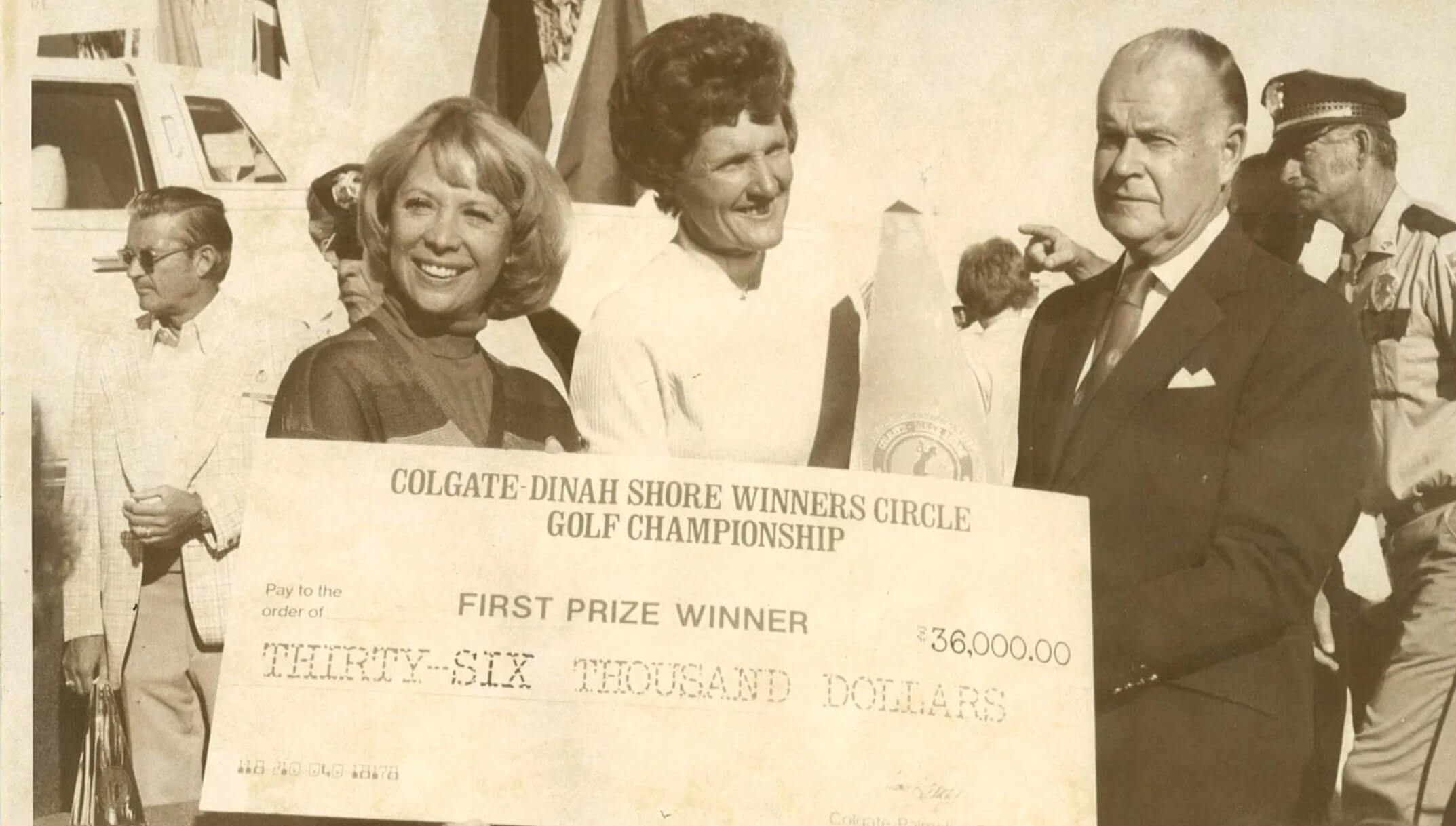
The LPGA had its own celebrity event, the Colgate-Dinah Shore Winner’s Circle in Rancho Mirage. The Shore was different in that it had a corporate sponsor from the get-go. Colgate-Palmolive sponsored Shore’s popular daytime talk show and asked if she would be interested in co-sponsoring a golf tournament. The first “Dinah,” as it would be known, was in 1972. It became a women’s major in 1982.
Shore died in 1994, but her name was associated with the event through 1999. Kraft-Nabisco took over sole sponsorship in 2000. The event eventually became known as the ANA Inspiration, and it’s now sponsored by Chevron. It moved to Houston last year.
History’s Mysteries: Done in by irony
Ironically, celebrity-hosted golf events faded for the very same reason they came to be: cash. As we mentioned, the Crosby is the outlier as it started as a buddy weekend for Bing and his pals. Each of the subsequent celebrity events, from the Bob Hope Desert Classic to the Dean Martin/Joe Garagiola Tucson Open, were struggling Tour stops that needed that dash of energy and glitz only a celebrity can bring.
It’s important to note this rise of celebrity tournaments coincided with the establishment of the modern PGA Tour in December of 1968. Before then, the Tour was run by the PGA of America. The dispute between the tournament players and the PGA of America was started, ironically, over a celebrity golf tournament. The Frank Sinatra Open Invitation was due to be played in Palm Springs, just two weeks ahead of the new Bob Hope event. The draw? A $200,000 purse. The PGA Executive Committee used its veto power to prevent its players from playing in the Sinatra.
Does any of this sound familiar?
The eventual players split meant PGA Tour stops needed to be attractive to get the best players to show up. By “attractive”, we mean “lucrative.” Virtually every tournament mentioned offered substantially larger purses once celebrities attached their names.
But by the mid- to late-‘80s, two changes were coming. First, celebrities like Gleason, Campbell, Hope, Williams, Davis, Thomas and Crosby were no longer the big deals and big drawing cards they were a decade prior. Second, and maybe more importantly, golf was becoming a bigger game than even celebrities could handle. Once Corporate America started sponsoring tournaments and finding it a great way to spend their marketing dollars, the celebrity tournament’s days were numbered.
History’s Mysteries Epilogue: All you need is cash …
While we old-timers look back with fondness at the Sammy Davis, Jr. Greater Hartford Open and the Bob Hope Desert Classic, it’s important to remember one fundamental truth.
Yes, these celebrities made the events fun. By lending their names, they raised millions for charitable causes. But the sole reason all of these events existed, save for Crosby, was money. For the events to be successful, they needed the best players to play. To get the best players to commit, there had to be cash.
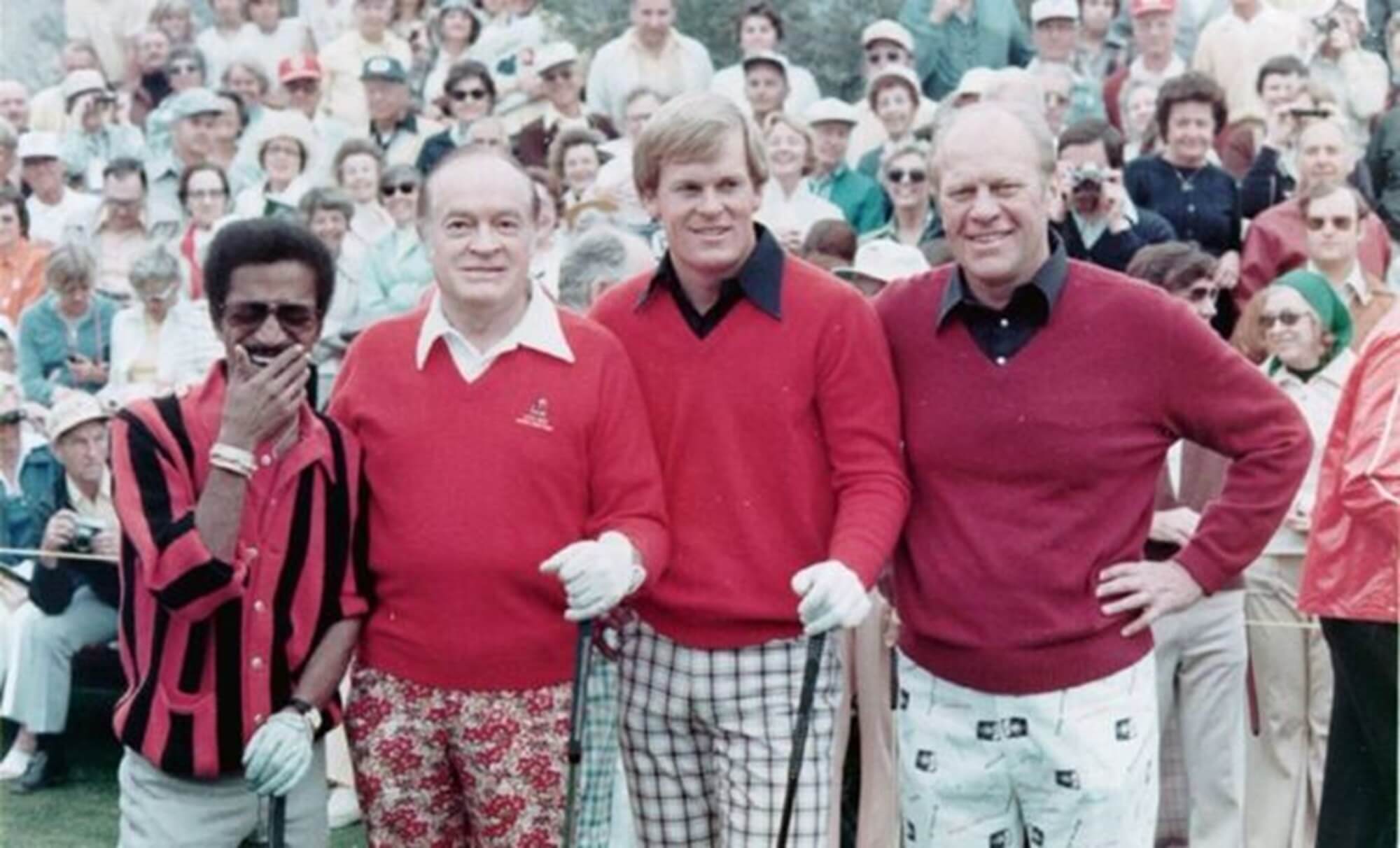
As we wait for the PGA, PIF and LIV to hammer out a deal, let’s remember that while the dollars are unprecedented, the dynamics are not.
Then, as now, it’s all about the Benjamins.





Ken
2 years ago
Is anyone aware that the Las Vegas National Golf Club attempted to hold the 1st Annual Sammy Davis Jr. Charity Classic in 2013 but just weeks before the event, it was determined that the necessary 501c paperwork had not been filed and the event was cancelled. I have a drinking glass with Sammy’s portrait etched in the glass along with Logo Balls from the “golf event that never happened”