



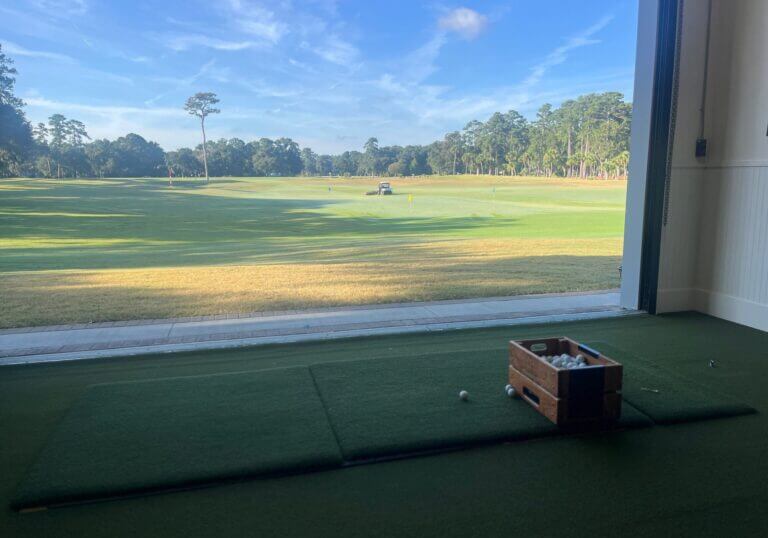
I recently went through a driver fitting and I can’t emphasize enough the importance of knowing a few things ahead of time to make the most of the experience. Fittings can be a bit overwhelming, trying to soak in all the numbers and options at once. And while some fittings are free, most are not, so it pays to get the most out of the time you have. These five keys will help you make sure your driver fitting is worth it.
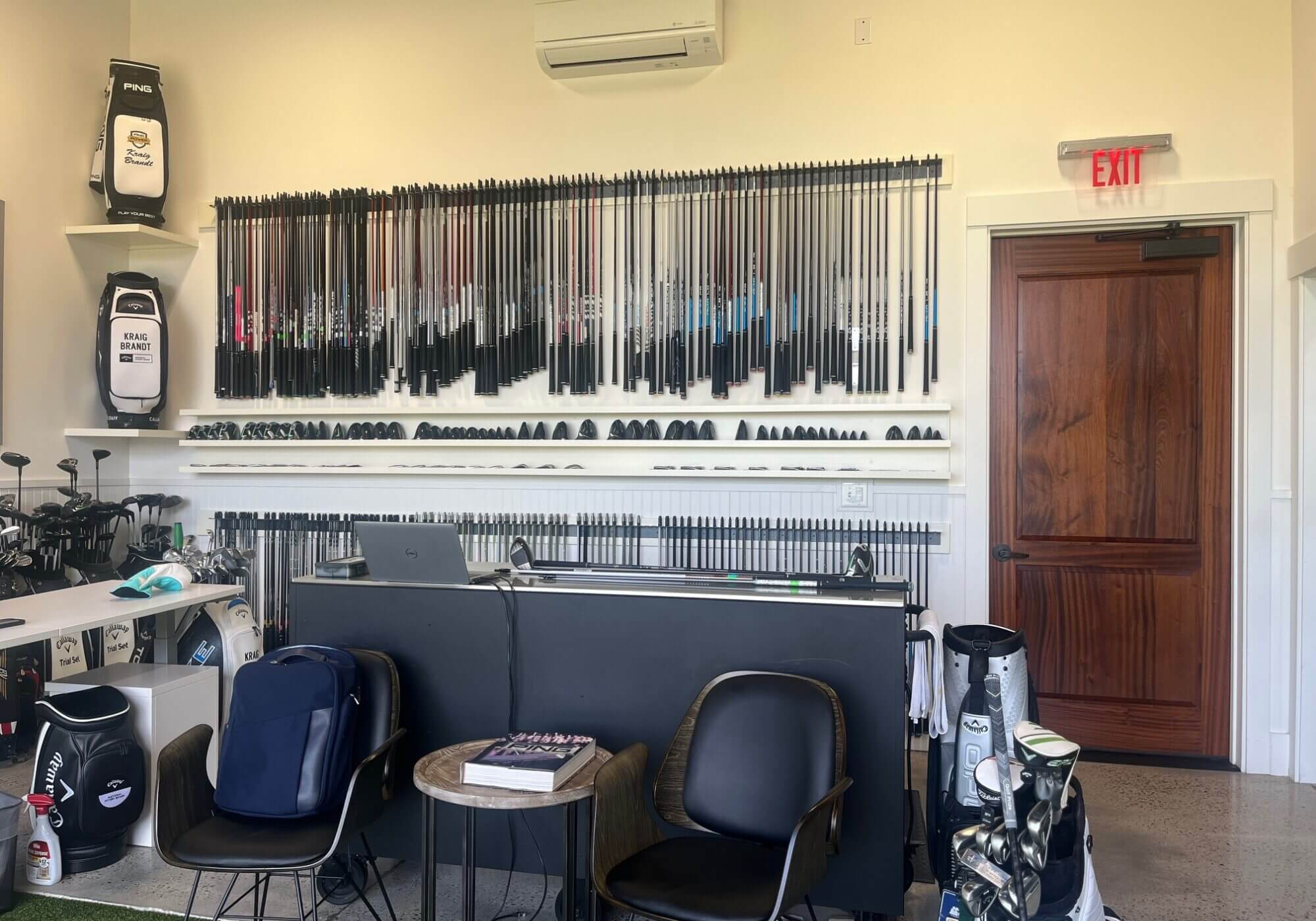
1. Test a variety of shafts
The same driver head can feel completely different depending on the shaft. That’s why you should never limit yourself to just one. Once you find a shaft profile that feels good, test it in multiple heads.
This way, you’ll know if you’re actually comparing drivers or just shafts. Keep an open mind, because some of the biggest changes in performance come from shafts you might not have picked yourself. Don’t go into a fitting thinking you’re “stiff flex only” or “low-spin head only.” The numbers may surprise you.
2. Go beyond “standard” length
Driver length isn’t one-size-fits-all. I’ve always played a driver that’s technically too long for me but it works. When I test shorter drivers, I lose distance. When I test longer drivers, I struggle with control. The point: don’t assume a standard length or a measurement based on height is automatically right. Test different lengths and see how they actually affect your game.
3. Pay attention to strike location (and lie angle)
It’s tempting to chase the longest shot on the screen but where you strike the ball on the face is what is most important. I found lie angle had more influence on strike pattern than I expected—some drivers kept me centered while others had me drifting off the toe or heel.
Pay attention to this detail during your fitting. It won’t always show up in maximum distance but it makes a difference in consistency on the course.
4. Compare spin rates
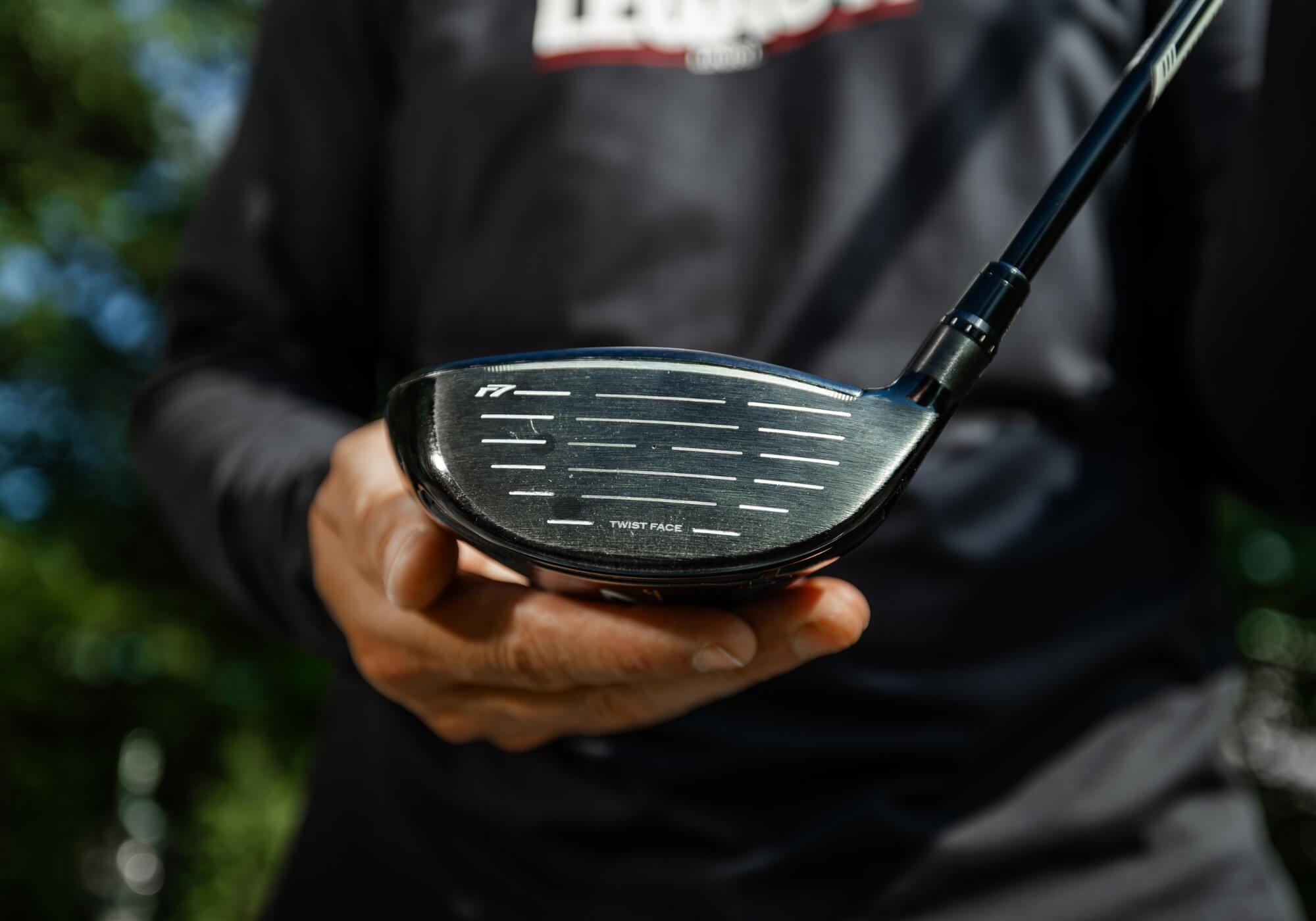
Spin rates are one of the most useful data points in a driver fitting. Too much spin and you lose distance. Too little spin and you can’t keep the ball in the air.
Here’s a quick Trackman reference for driver spin. You’ll want your spin rates to be close to these ranges.
| Swing Speed | Ideal Spin Range (rpm) |
|---|---|
| 105+ mph | 2,000–2,500 |
| 95–105 mph | 2,200–2,700 |
| 85–95 mph | 2,400–2,900 |
| <85 mph | 2,600–3,200 |
In my case, I knew my current driver was spinning too much and that was one of the main reasons I upgraded. Comparing those numbers to new options showed me exactly which head/shaft combination solved the problem.
5. Focus on one club at a time
It’s tempting to schedule a full bag fitting and try to solve everything at once but driver fittings are complex. I went in planning to test a driver and a mini driver but we never even got to the mini. We spent the entire session dialing in driver shafts and heads and it was time well spent. If you really want results, focus on one club at a time. You’ll walk away with more clarity and better results.
Final thoughts
Driver fittings can feel like information overload but if you go in with a plan, you’ll get more out of the session. Test a variety of shafts, track strike location, compare spin rates and focus on one club at a time. Don’t go into the fitting to walk out with the longest driver. You’ll miss the whole point.









DougJ
1 year ago
Thanks for driving fitting suggestions.
My experience (last month) was, that after getting dialed in on the driver , my average drives were longer and straighter than my usual play. Then I tried my old driver on the fitting machine and the final numbers were pretty close to the $600 newly, and no I did not buy the new one.