




Here’s something that might surprise you: the difference between a good golf ball and a great one isn’t always about the latest technology or whatever performance claims are printed on the box. It’s about consistency. And consistency—the thing that separates a ball that performs the same way shot after shot from one that leaves you guessing—boils down to manufacturing quality.
Most golfers can’t tell you why one ball flies straighter than another or why some models seem to perform differently from one dozen to the next. That’s not their fault. Identifying quality defects in golf balls is extremely difficult without specialized equipment. A ball that’s slightly out of round or has an inconsistent core might look identical to a perfectly manufactured one but the performance differences can be significant.
The reality is this: while there are plenty of good golf balls on the market today, there’s a substantial gap between the best-made balls and the worst. Understanding what separates them can help you make smarter equipment decisions and, more importantly, play more consistent golf.
So what determines whether a golf ball is made well or made poorly? It comes down to four key factors, each playing a critical role in the consistency and performance of the finished product.
1. The Factory: Ground zero for quality
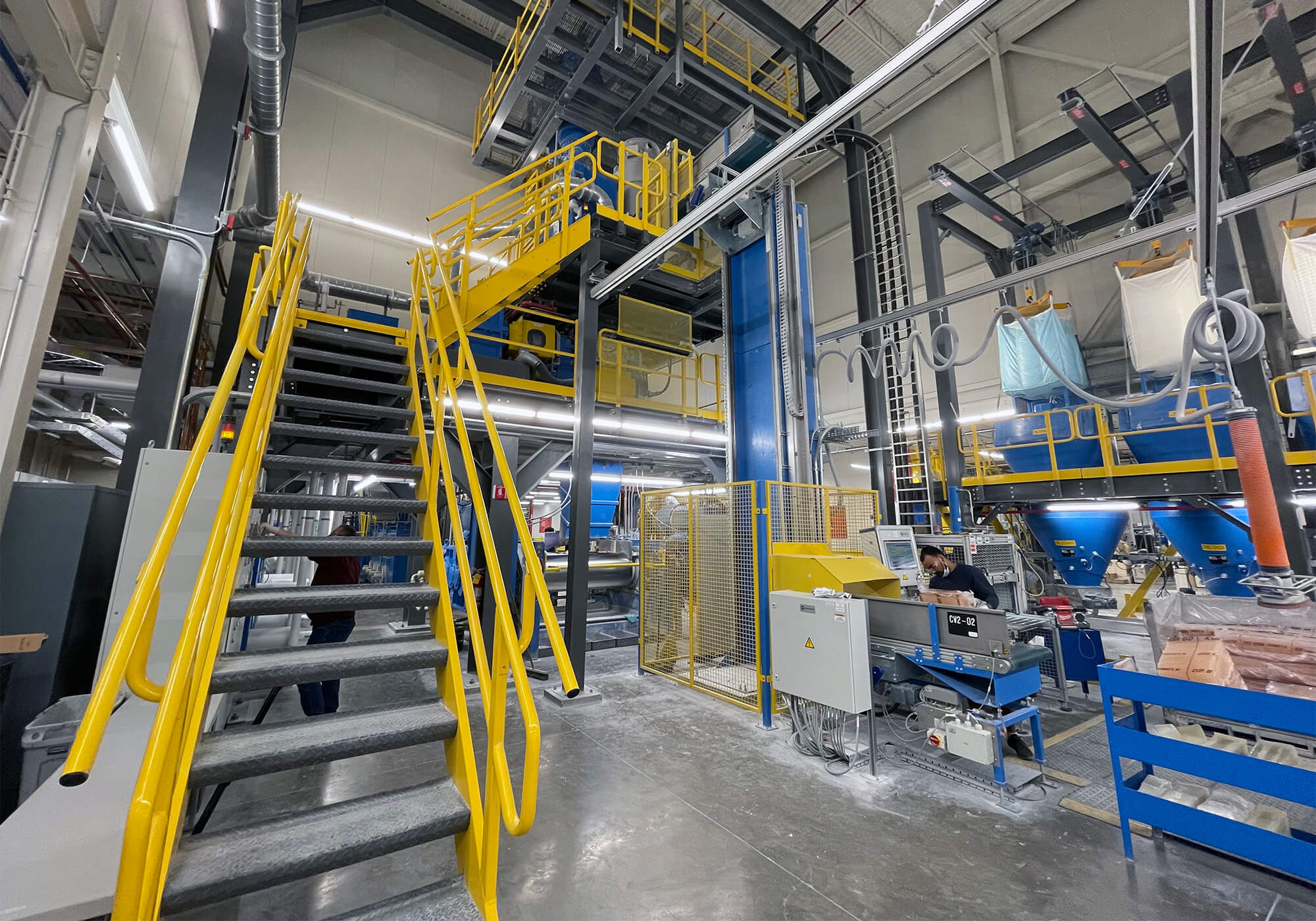
If there’s one thing that matters more than anything else when it comes to golf ball quality, it’s where the ball is made. Not all factories are created equal—not even close.
Titleist Ball Plant 3 in Massachusetts is widely considered the benchmark for golf ball manufacturing but all quality facilities share certain characteristics: climate-controlled storage for raw materials, rigorous process controls throughout production, well-maintained equipment (misaligned or worn parts create inconsistency) and systematic quality assurance at every step. These aren’t luxuries—they’re necessities for producing consistent golf balls.
On the other end of the spectrum, you’ll find factories where quality is more of an afterthought than a priority. I’ve heard stories of lower-tier facilities storing raw materials in parking lots, exposed to the elements. You can imagine how that affects consistency. When your rubber compounds are being cooked by the sun or soaked by rain before they even make it into the building, you’re already fighting an uphill battle.

Between these extremes, there’s a clear hierarchy. Among overseas contract manufacturers, Foremost in Taiwan stands out as the best of the third-party factories. Our Ball Lab testing consistently found that balls from Foremost—brands like Vice, Maxfli Tour and OnCore—can compete with products from many of the major OEMs in terms of quality and consistency.
It’s worth noting that no factory is perfect. Even the best facilities occasionally have a defective ball slip through—that’s just the reality of manufacturing. But some factories are inarguably better than others at minimizing mistakes and maintaining consistent quality standards.
The takeaway? While most of the bigger golf ball brands maintain pretty good manufacturing standards, there can be a significant drop-off when you move to smaller, lesser-known manufacturers.
When it comes to golf ball quality, the factory matters more than almost anything else.
2. Construction: Layers add complexity

The more complex a golf ball’s construction, the harder it is to make consistently. This isn’t opinion—it’s manufacturing reality.
Making a two-piece ball should be relatively straightforward to produce. You’ve got a solid core and a cover. That’s it. The manufacturing process is simpler, there are fewer potential failure points, and maintaining consistency from ball to ball is more manageable. But as you’ll see in a bit, two-piece balls are often the exception to the complexity rule.
Move to a three-piece construction and you’ve added a literal layer of complexity. Now you need to ensure that the mantle layer is perfectly centered around the core and that the cover bonds properly to the mantle. More parts mean more things that can go wrong.

Four- and five-piece balls push this complexity even further. Each additional layer increases the difficulty of maintaining concentricity—keeping everything perfectly centered. Not surprisingly, we’ve found bigger … let’s call them mishaps … with four- and five-piece balls than with most three-piece offerings.
Within that sub-category, dual-core constructions are harder to manufacture than dual-mantle designs. It’s the biggest reason why, despite performance benefits, most manufacturers have shifted to dual-mantle architectures in their multi-layer offering. It’s simply easier to control the manufacturing process when you’re adding layers outside the core rather than trying to create a complex core structure.
The more layers you add, the more precise everything needs to be. A small imperfection in layer alignment can affect aerodynamics, spin rates and overall performance.
3. Cover material: What’s on the outside counts

The golf ball’s cover might seem like a simple outer shell but it plays a crucial role in both performance and manufacturing consistency. And here’s something that might surprise you: ionomer (Surlyn) covers are actually less consistent than urethane covers in several key areas.
Our testing has revealed some interesting findings about cover materials. In wet conditions, ionomer-covered balls show less consistency than their urethane counterparts. When we put balls through bench testing, we often find ionomer covers that are noticeably thicker on one portion of the ball than another. These thickness variations might be invisible to the naked eye but they’re going to impact speed, spin and accuracy from tee to green.
Think about it this way: if one side of your golf ball has a slightly thicker cover than the other, you’ve essentially created an unbalanced ball. That imbalance will affect the ball’s flight characteristics, potentially causing it to fly offline even when you’ve made a perfect swing or rolled a perfect putt.
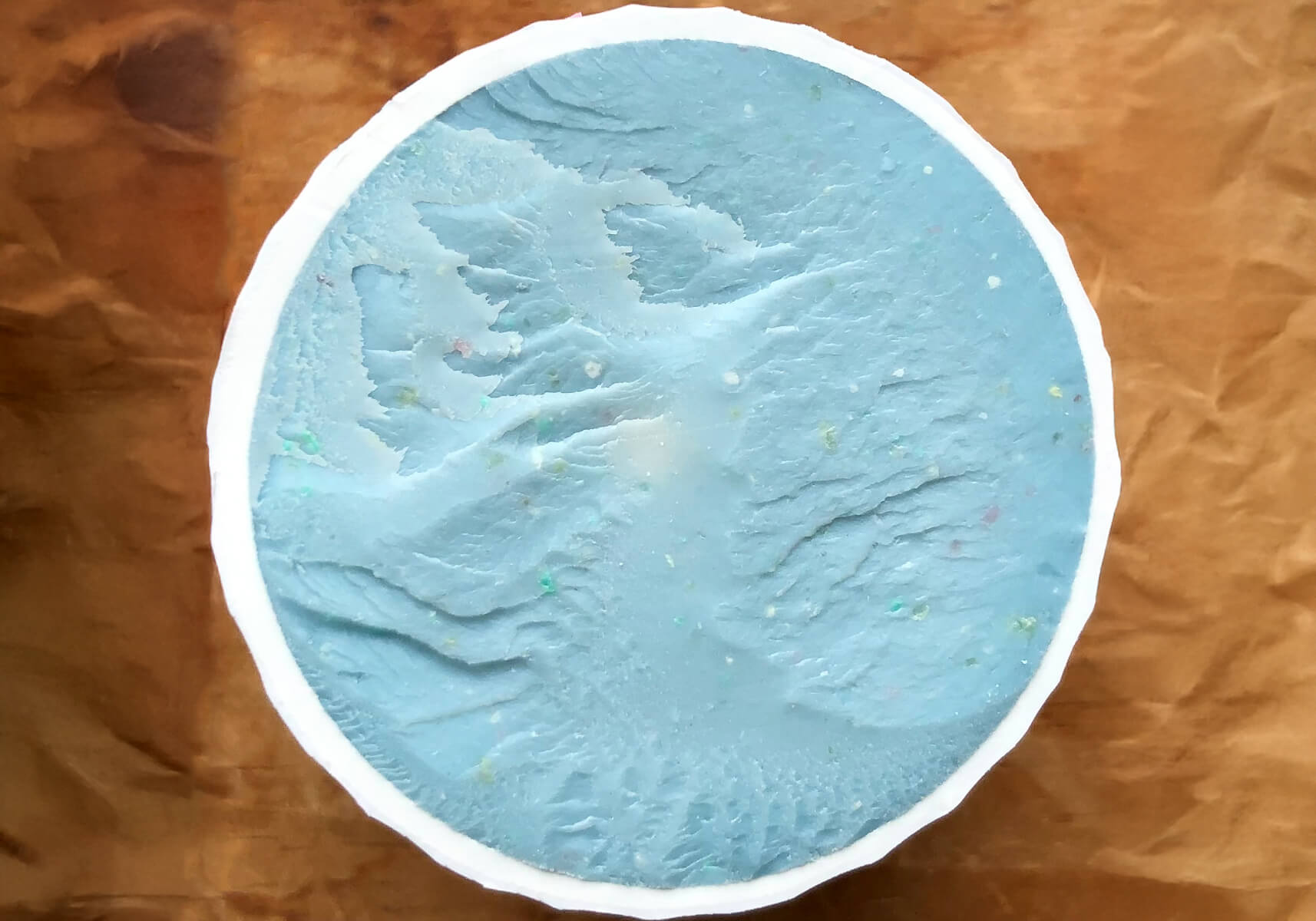
Urethane covers, while more expensive to produce, offer better consistency in manufacturing. The material properties of urethane allow for more uniform coverage and the manufacturing processes used for urethane covers have been refined to deliver more consistent results.
This isn’t to say that all ionomer-covered balls are bad. There are plenty of well-made two-piece balls on the market. But when you’re looking at cover consistency as a quality measure, urethane generally wins.
Regardless of the material, consistent coverage is crucial for consistent performance.
Compression: Soft is hard
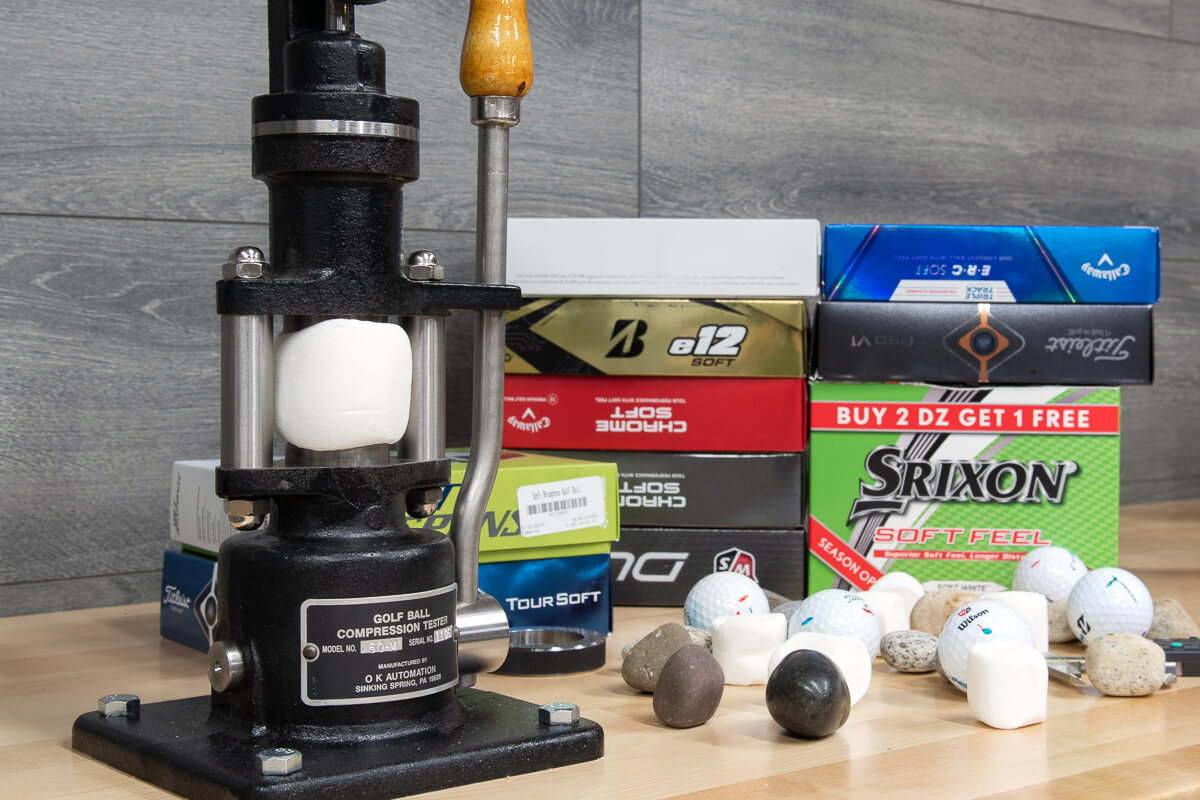
Here’s a counterintuitive truth that might surprise you: low-compression (soft) golf balls are more difficult to manufacture consistently than firm ones.
It comes down to the material properties. Softer materials are more pliable during the manufacturing process. They want to move around more, shift position, and generally make life difficult for the manufacturing equipment. This makes it significantly more challenging to keep everything perfectly aligned and ultimately centered during production.
When you’re trying to maintain concentricity—that critical alignment of all the ball’s components—softer materials are working against you. The core might shift slightly during the molding process or the layers might not align perfectly because the materials are more prone to deformation.

Firmer golf balls, while they might feel harder when you hit them, are actually easier to control during manufacturing. The stiffer materials hold their shape better throughout the production process, making it easier to maintain the precise tolerances required for consistent performance.
This is why, generally speaking, the softest balls in any manufacturer’s lineup are likely to be the least consistent from a manufacturing standpoint. There can be exceptions, of course, but the physics of the materials involved make soft balls inherently more challenging to manufacture.
The bottom line: Choose wisely
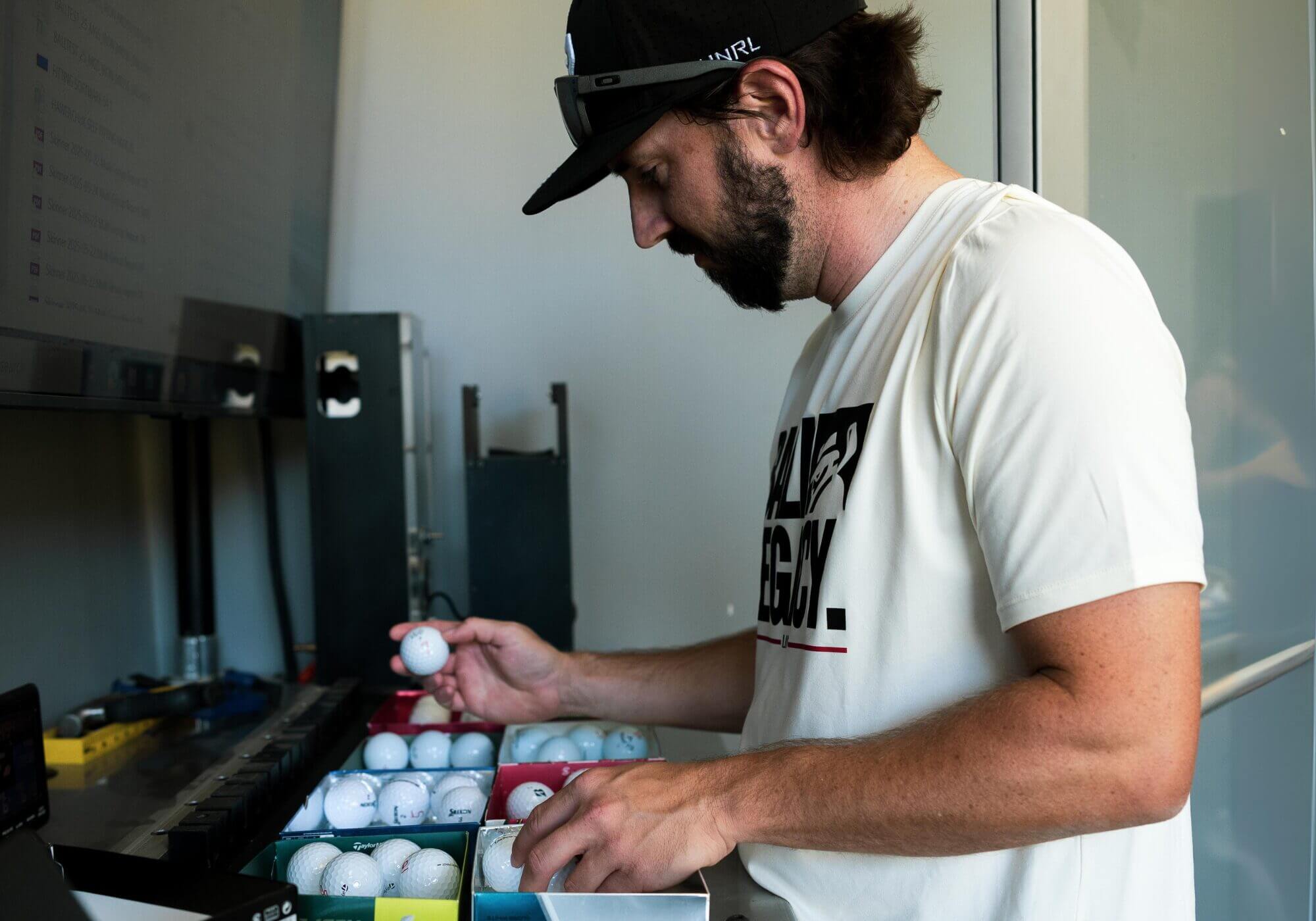
Understanding these four factors puts you in a much better position to make informed decisions about golf balls. While you can’t always know which specific factory produced a given ball or exactly how it was manufactured, you can make educated choices based on brand reputation, construction complexity and your own performance needs.
Here’s what this all means for you as a golfer: consistency trumps everything else. A perfectly manufactured ball that doesn’t have the latest dimple pattern or the most advanced core material will almost always outperform an inconsistently made ball with all the bells and whistles.
Look for brands and models that have proven track records for quality. Pay attention to how balls perform for you over multiple rounds—if you notice significant variations in distance or accuracy with the same model, it might be a quality issue rather than a swing issue.
Don’t assume that “more expensive” automatically means “better made” but also don’t expect that the cheapest option will perform consistently. There’s a reason why balls from established manufacturers with their own factories typically cost more than those from contract manufacturers.
Most importantly, once you find a ball that performs consistently for your game, stick with it. Consistency in your equipment choices is just as important as consistency in manufacturing. The best golf ball for you is the one that performs the same way every time you tee it up—and that starts with how well it’s made.









Killer Carton
1 year ago
So which brands and balls had the best manufacturing quality? Which had the worst? Disappointed that there is no data supplied with this acticle. Only guidance we have this year from a manufacturing quality perspective is this blurb form the “2025 MyGolfSpy Golf Ball Test” that states you did not recommend any “cuckoo balls.”
“We should also note that any models that produced severe cuckoo balls (shots that flew too far offline to be reasonably explained by environmental conditions or where trajectory was visibly different from the larger sample) were excluded from consideration.”
Ideally we would know which brands and/or models where labled as a “cuckoo balls” to avoid playing them. Right now, the only thing us readers can differ from a manufacturing quality standpoint is that if the ball was on the recommendation lists then it was acceptable.