


I love reading golf OEM financial reports. They are, in a very real way, figurative semaphore flags into the health and direction of the golf industry.
(It also makes me fun at parties. At least, I think so. If I ever get invited back to one, I’ll let you know.)
Anyway, Callaway and Acushnet released their Q3 financials last week. As always, they’re full of fascinating tidbits inside the sales and profit headlines.
So, for those of curious, these reports offer more insight than you’d think. As is our quarterly routine, we’re going to take a deep dive into what these reports say and try to decipher what, if anything, they mean for people like you and me.
First, however, it’s time for our standard, corporate-mandated disclaimer.
We are not, nor do we claim to be, financial experts, investment counselors or Wall Street-level business analysts. We’re simply golf industry geeks who like to read.
If you’ve read this far, you’re clearly a golf industry geek, too. So let’s do this together, shall we?
These guys are BIG. I mean really BIG
We throw a lot of numbers around in these financial report articles but it’s important to put those numbers into perspective. Callaway is reporting Q3 sales of $436.9 million while Acushnet is posting $649.2 million. Year-to-date (the first nine months), Callaway sales stand at $1.736 billion while Acushnet is at $2.222 billion.
Keep in mind that these figures are almost all wholesale pricing. Retailers mark these prices up to cover their costs and profit. Annual global golf equipment, accessories and apparel retail sales are estimated in the $20-billion to $24-billion range. By applying estimated markups (based on varying reports by industry groups, such as the Association of Golf Merchandisers) to each company’s projected 2026 sales, it’s reasonable to presume that Acushnet and Callaway make up somewhere around 25 percent of annual equipment, accessory and apparel sales worldwide.
Throw in PING and TaylorMade (estimates only, both are privately held) and it’s fair to say those four companies make up nearly 50 percent of the global golf retail market.
That’s not necessarily news but it’s important to state how staggeringly big these guys are. That’s why what we’re going to discuss next matters a lot.
Longer product cycles are good, aren’t they?
Titleist is a two-year product cycle brand and has been for as long as we can remember.
Callaway hasn’t committed to two-year product cycles for its core lines yet (TaylorMade has) but in the Q2 report last August, CEO Chip Brewer said Callaway’s margin improvement plan “included extending product life cycles in our irons business.” Last week, he said Q3 results reflect “strategic changes to our launch cadence, which we believe will benefit us in the long term.”
He did not, however, say anything about drivers.
The rest of the golf industry is backing away from one-year cycles. Based on what we hear you demanding every January during launch season, that should be a good thing. Right?
Let these words from Titleist CEO David Maher sink in.
“It invites a healthier marketplace. You’re going to have fewer periods of discounted, prior-generation product on the market and you’re going to have more periods where it’s principally about performance rather than generation new versus generation old.”
To me, that says if you’ve come to rely on end-of-year discounts for a specific driver, you’re going to have to wait. And, due to inventory belt-tightening, those discounts probably won’t be as steep, either.
That’s life in the big city, gang.
Both sell a lot of clubs and balls
One of the cooler elements of these quarterly reports is the breakdown of club and ball sales. If nothing else, you get a crystal-clear look at just how golf ball-dominant Titleist is.
Acushnet reports $209 million in golf ball sales for Q3 (up nearly four percent) and $717.5 million year-to-date (up nearly six percent). Callaway reports $68.2 million in Q3 ball sales (down four percent) and $287.6 million year-to-date (up five percent).
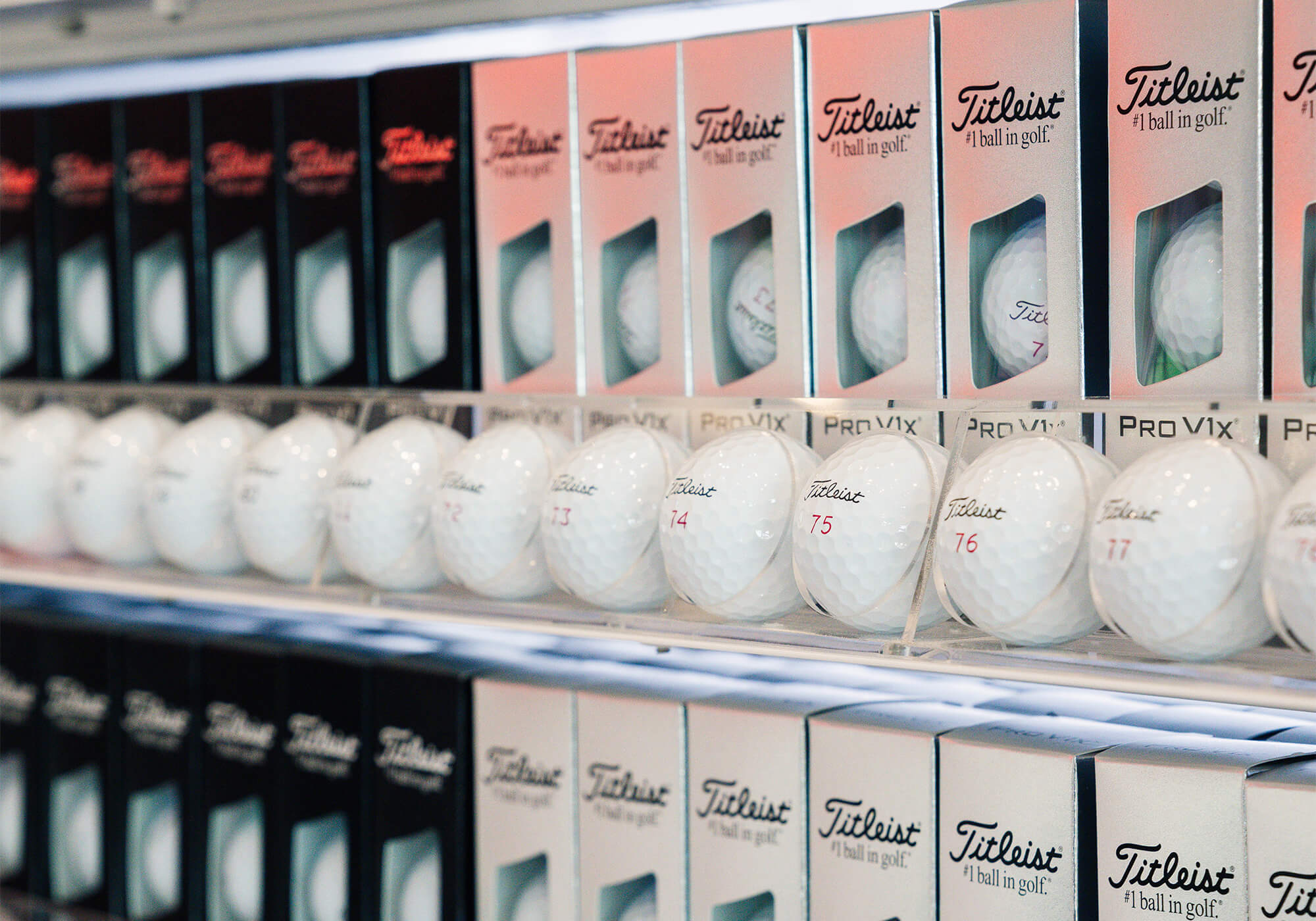
Callaway says it has the biggest market share it’s ever had yet it’s still so far behind it can barely see Titleist’s taillights.
Industry estimates suggest Callaway and Titleist combined sell well north of 50 percent of all the golf balls sold on this here planet. TaylorMade, Bridgestone, Srixon, Wilson, Kirkland, Vice, Snell, Seed and every other brand and off-brand are fighting for whatever’s left.

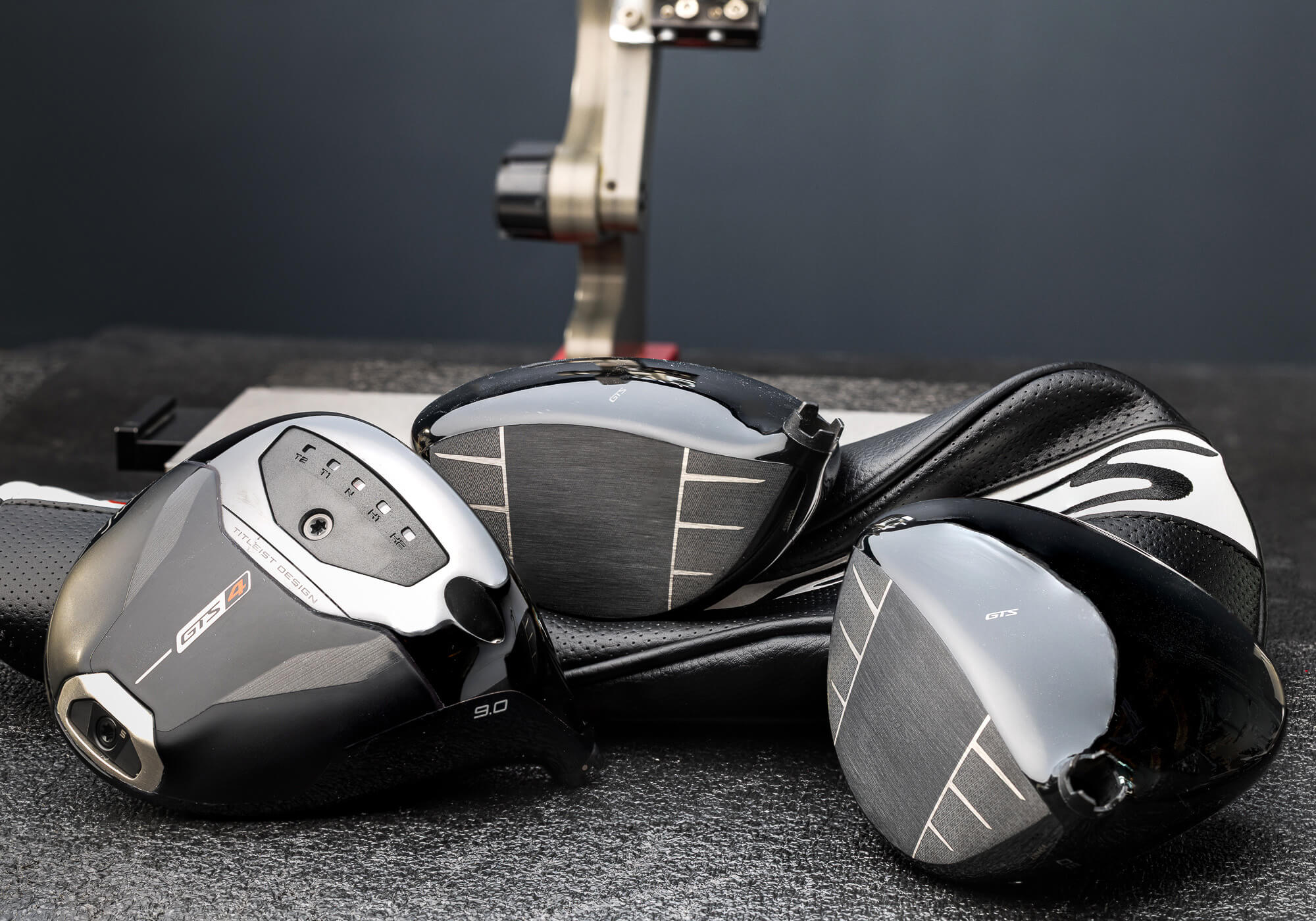
Club sales paint a similar picture. Acushnet reports $220.7 million in Q3 club sales (down slightly from last year) and $716.7 million YTD (up nearly 15 percent). Callaway’s Q3 club sales reached $213.3 million (down nine percent) and $910.4 million YTD (up three percent).
Remember, friends, these are wholesale prices.
And just for giggles and grins, Mizuno’s fiscal 2025 club sales are estimated to be in the $150-million to $170-million range wholesale for the year. Titleist beat that in Q3 alone.

Bigger doesn’t mean better
Bigger is, however, bigger. And bigger can do things, like spend on R&D.
Callaway’s P&L statement shows it spent $15.7 million on R&D in Q3 and $46.7 million YTD. Acushnet, being the bigger company, spent nearly $19.5 million on R&D in Q3 and nearly $60 million so far this year.
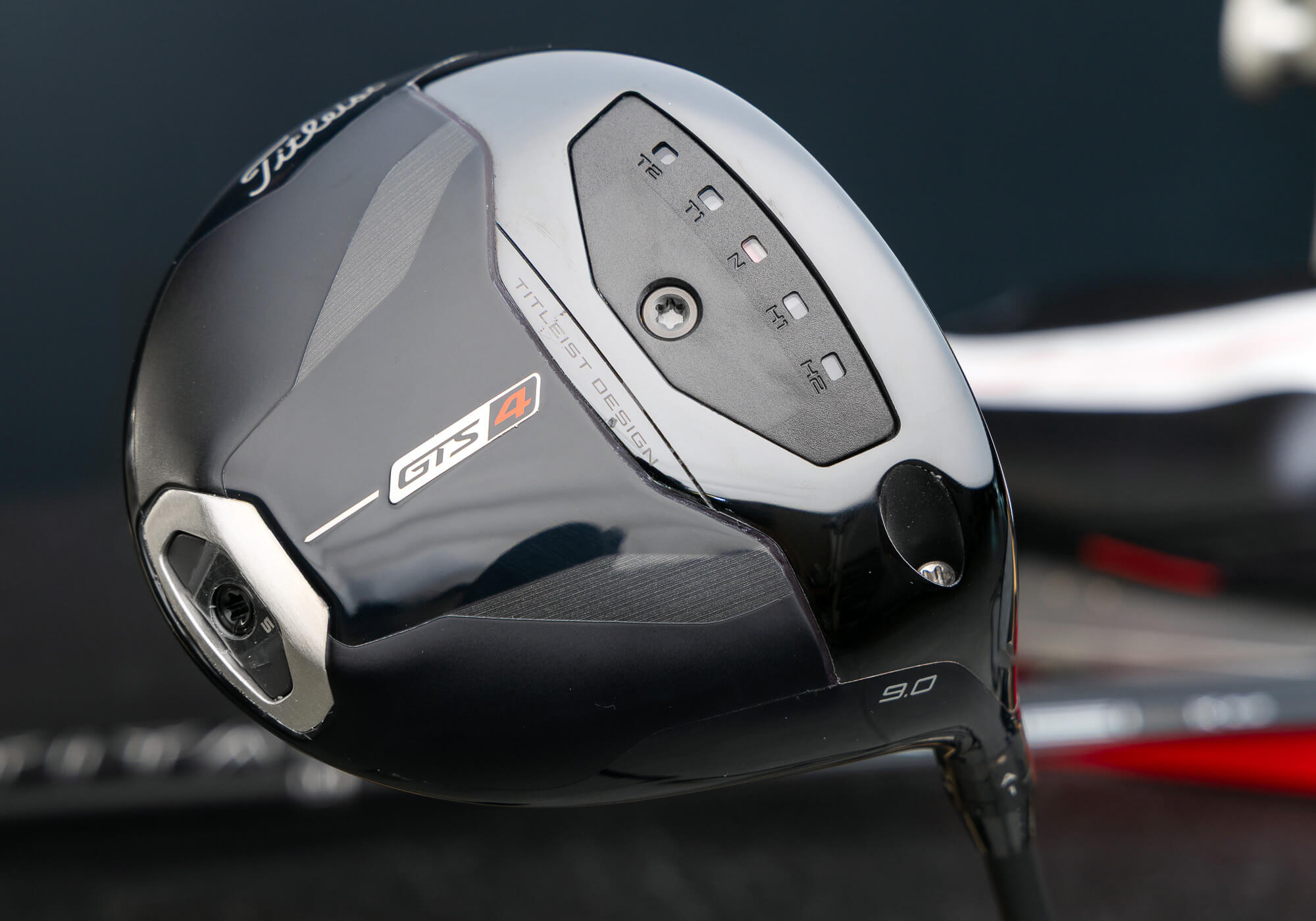
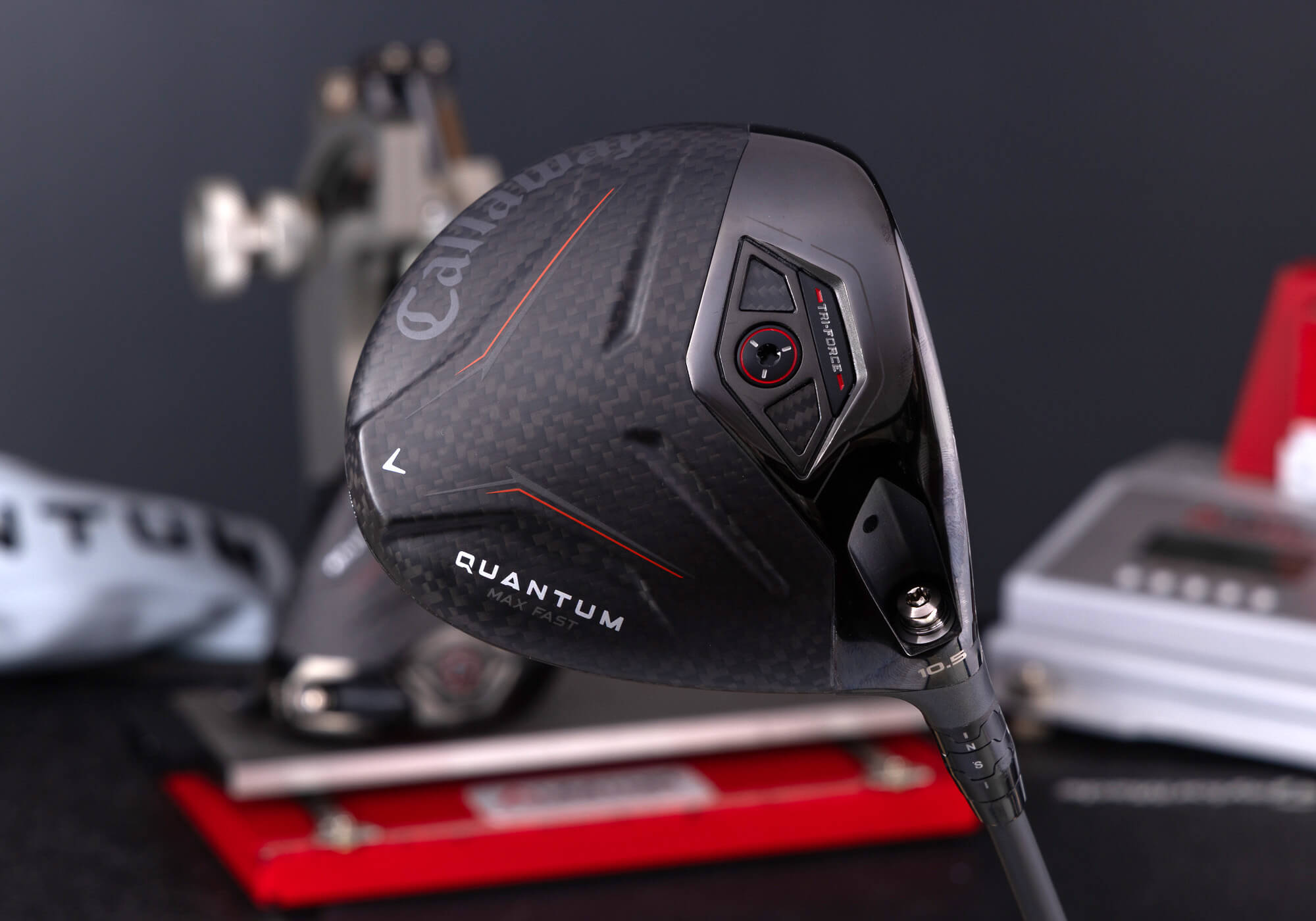
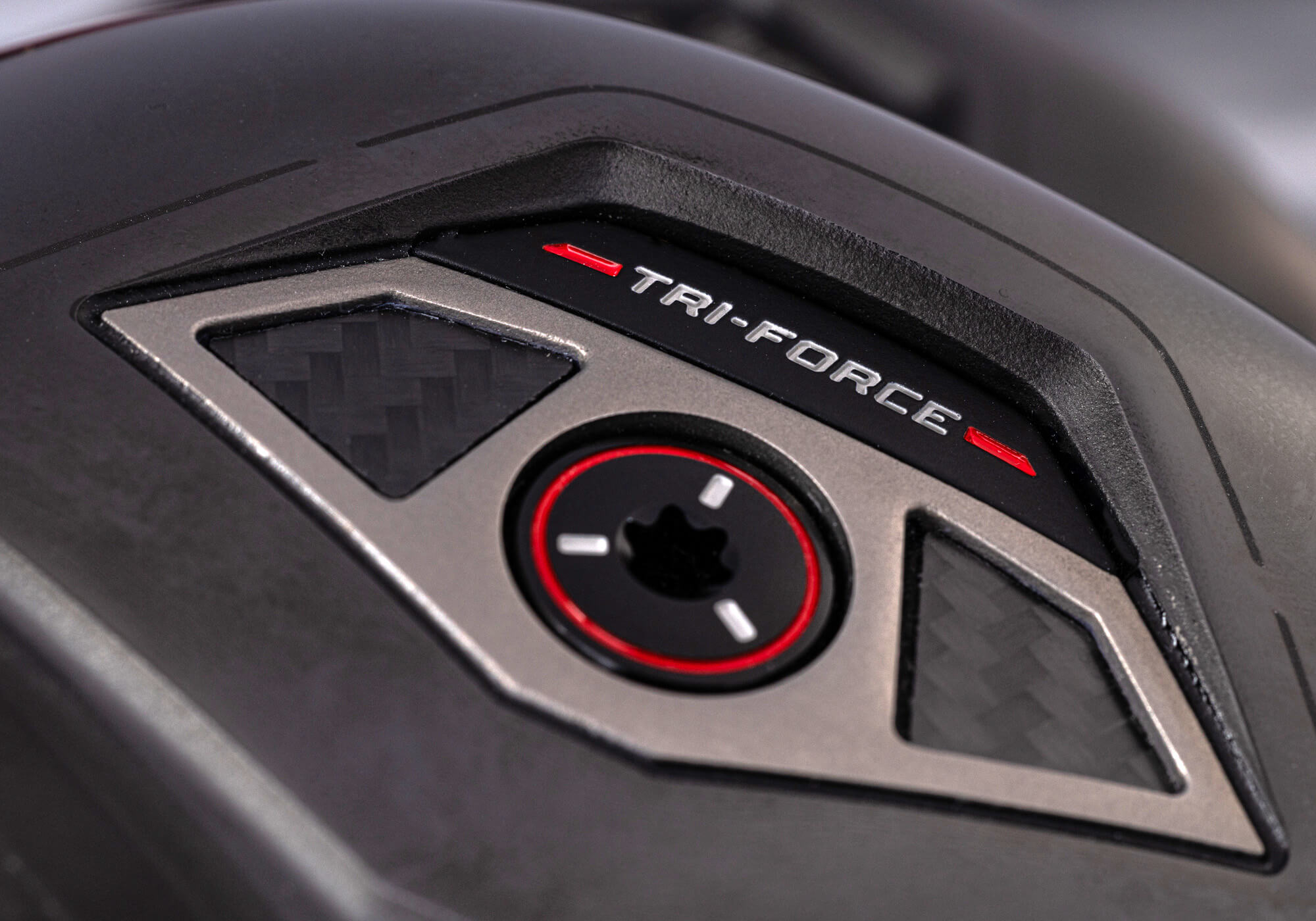
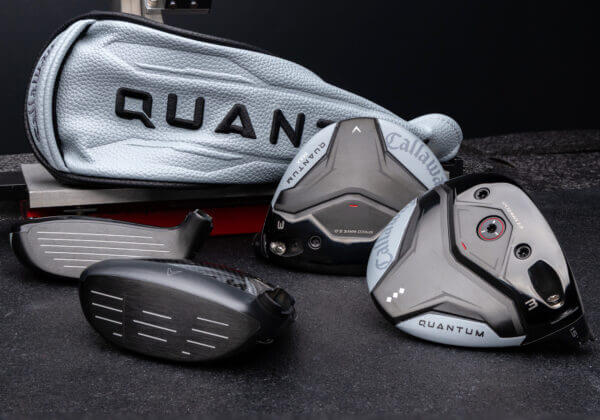
That money gets you things like Callaway’s Tri-Force Face technology that propelled the Quantum line to take three of the top five slots in this year’s MyGolfSpy driver test. That’s also how Titleist drivers went from slow and spinny a decade ago to speedy and long today.
Speaking of money, neither company discloses what it spends on your favorite topic: marketing. That’s wrapped into their Sales, General and Administrative budgets which include everything from office and sales salaries, general office overhead, IT and other costs. We scoured the internet for various sources on what each company spends on its PGA Tour players (including their vans and support staff) but could only come up with “estimates.” Translated, that means “educated guesses.”
Either way, those “estimates” agree it would be a surprise if either company spent more than $100 million altogether on their Tour operations. A more realistic estimate might be in the $60-million to $80-million range. That’s less than three percent of either company’s total revenue, not nearly enough to dramatically impact what you pay for clubs or balls at retail.
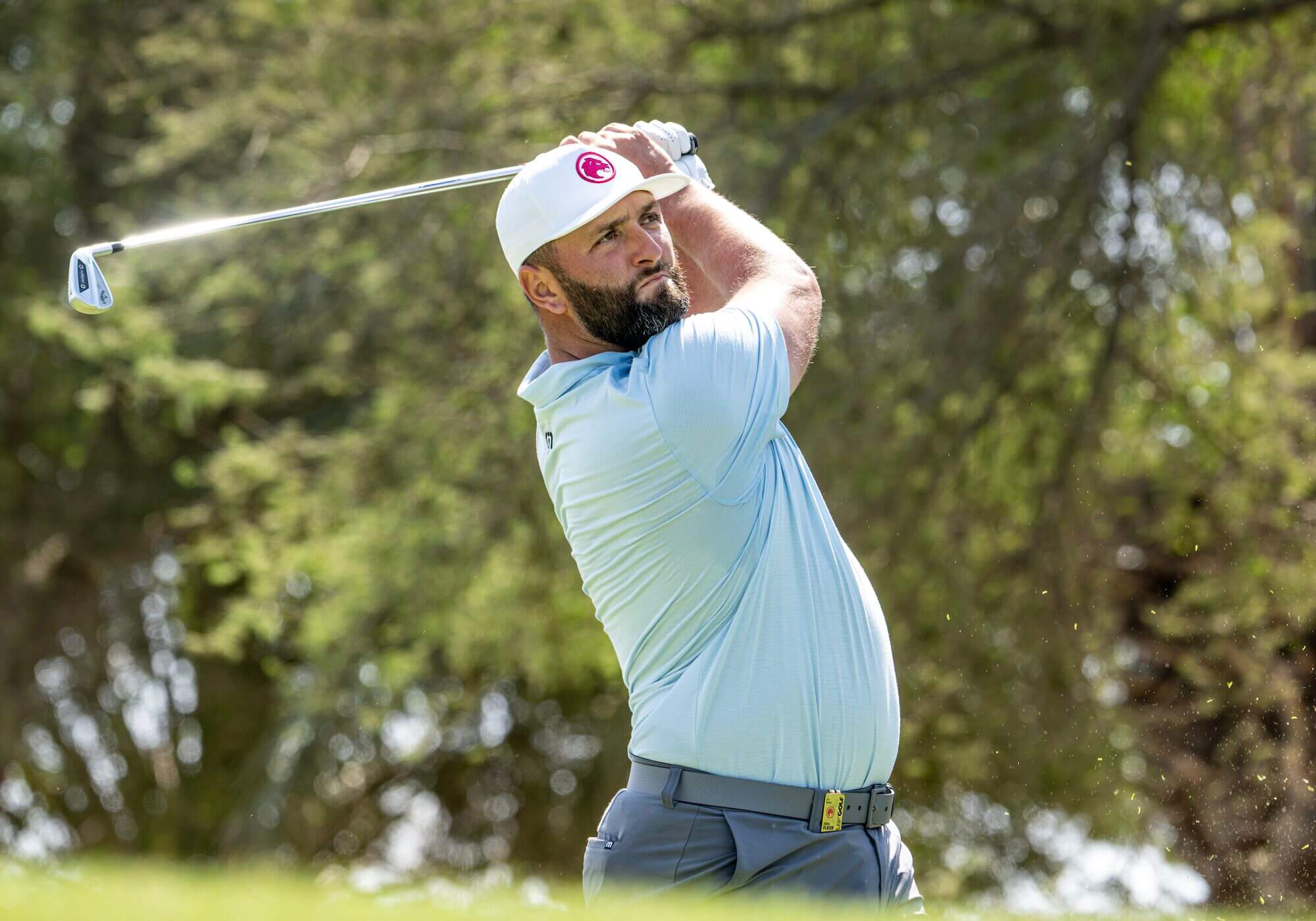
So that line DTC brands like to dish out, saying we’re-less-because-we-don’t-pay-Tour-players is technically true. In reality, however, it’s red meat to satisfy the masses more than it is a substantive point of cost differentiation.
What the fringes tell us
I love digging into minutiae and quarterly reports are filled with it.
For example, Acushnet doesn’t just tell you that year-to-date sales are up nearly seven percent; it gives you the recipe. It’s due to higher sales volume of drivers, fairways and wedges (GTS and Vokey SM11), coupled with higher volumes and higher selling prices for golf balls. Those increases are offset by lower volumes of second-year model T-Series irons and GT hybrids.
Acushnet’s ongoing FootJoy problem doesn’t appear to be going away. The company has reported declining FootJoy sales in 10 of the last 14 quarters including a seven-percent drop in Q3. The reason sounds like a broken record: lower volumes partially offset by higher selling prices.
Year-to-date FootJoy sales are $465.5 million. While that’s still a lot of cabbage, it is down 1.6 percent compared to last year. Maher has said FootJoy has been harder hit by tariffs than other Acushnet business units and that it has gone through a long post-COVID inventory adjustment. In the bigger picture, the simple truth is there are more shoe and apparel competitors out there today than there were four years ago.

They gotta be taking a bite out of someone’s hide.
Additionally, Acushnet’s Golf Gear division bears watching. Sales are up slightly for the year but for at least for the second report in a row, we’re learning of lower volumes in the travel product category. That’s Club Glove which Acushnet purchased in 2023.
Both FootJoy and the Golf Gear categories reportedly dealt with custom order delivery issues in Q3. Acushnet says that was due to a new ERP system implementation. If you’ve ever been part of one of those, you know they never go smoothly.

Callaway and Acushnet financial reports: Final thoughts
Both companies are approaching 2027 on solid footing.
Acushnet remains a steady, just-keep-swimming type of company (its YTD net profit is $255.4 million, up 14.3 percent from last year).
Callaway, on the other hand, continues to love its post-divorce life after splitting with Topgolf. Its Q3 net profit of $45.7 million is a $60-million swing from last year’s $14.7-million loss. YTD net profit of $214 million is up from only $7.7 million last year.
The outlook for 2027 looks interesting. We’ll see the new Pro V1 series in January and new Titleist irons. Those will likely drop in May-June since that approach worked so well for the GTS line. New hybrids are expected as well.

Callaway should be more intriguing. We’re expecting a new driver and iron family, continuing the one-year cadence. There will no doubt be additional drops throughout the year. We’re very excited to learn what will come from Callaway’s new 3D printing facility in Fort Worth. The company is clearly going all in on the technology. It’ll be fascinating to see how that develops.





Leave A Reply