




Putter fitting is misunderstood and underappreciated.
Wedge fitting is a close second, but a good putter fitting can save you strokes.
The reason most golfers dismiss putter fitting is that it’s not what you call easy. Iron fitting is easy. You pick you category, find the shaft, get the numbers and off you go. Drivers are easy, too. Find the head and shaft combo you can hit the ever-loving snot out of and call it a day.

But putters? Man, you can get lost. Do you need a blade, a double-wide blade, a mini-mallet, a mallet, zero torque or low torque? What about heel-shafted vs. center-shafted? Do you need a plumber’s neck, a slant neck or a flow neck?
Don’t even start with grips. Or toe hang.
Is it any wonder we throw up our hands, call it a scam and dismiss it all with one of golf’s great tired and trite cop-outs?
“Just find one that fits your eye.”

As it turns out, friends, there’s more to that tired and trite cop-out than most of us realize. The hard part, and the part that a gent named Vikash Sanyal and his company, Chamber Putters, is trying to unravel, is understanding why something “fits your eye.”
And, more importantly, how to find it.
Buckle up, friends. This promises to be a good ‘un.
Vikash Sanyal and his journey to Chamber Putters
Vikash Sanyal’a first job out of college was one for the ages. It was 1990 and he joined a fledgling putter company with a unique polymer face insert. You may have heard of this little company.
It was called Odyssey.
“I was 23 and was the first sales rep,” Sanyal tells MyGolfSpy. “I did telemarketing, collections, public relations and advertising. It was my job to go out on Tour and get players into Odyssey.”
It was on the putting green that Sanyal had a light bulb moment that would ultimately lead to Chamber. Perception of aim and actual aim, he learned, were not always aligned.
“I would have them line up their putter to their target. Then I’d place a golf tee perpendicular to the putter face. We’d then back off and they could see where they were lined up.”
Sanyal says he’s tested thousands of PGA, LPGA and Champions Tour players since the early ‘90s. One of the things he’s learned over that time will shock you.
“Less than one percent of them line up accurately,” he says. “They don’t believe the extent of how far they’re off.”
Not long after Odyssey was acquired by Callaway, Sanyal decided to strike out on his own. In 1997 he and two partners started their own fledgling putter company: Never Compromise.
“We became the No. 3 putter in golf within 16 months. We had a really cool technology (a patented, multi-density club head), and we had good intellectual property to protect it.”
Sanyal and partner Brad Adams (son of TaylorMade founder Barney Adams) sold Never Compromise to Cleveland Golf in 2003. By that time, Sanyal had already laid the groundwork for what would eventually become Chamber Putters.
Legendary partnerships
Sanyal counts Barney Adams and Ely Callaway as high-profile mentors.
“They took me under their wings and formed all of my business, product development, marketing and corporate culture philosophies,” he explains. “They taught me how to succeed in the golf industry.”
Their lessons were simple. First, come up with a real technology that will help golfers play better. Second, make sure it’s something you have and your competition doesn’t. Third, protect the hell out of it with intellectual property.
“If you have something that really helps golfers play better that no one else can copy, you can create something special.”
At Chamber, Sanyal has another legendary partner, Joe Barrow. A longtime CEO of First Tee and golf industry veteran, Barrow is also the son of another legend, boxer Joe Louis. Tapping into his industry Rolodex, Sanyal also has LPGA Hall of Famers Beth Daniel, Julie Inkster, Laura Davies, Meg Mallon, Judy Rankin and Karrie Webb on his Board of Directors.
“They’re all investors,” he says. “Not paid endorsers.”
Chamber is all about the aim
A putter has two jobs. First, it’s an alignment system. You need to be able to aim it correctly. Second, it’s a motion system, since it has to put the ball into motion.
The second part, however, is useless unless you get the first part right.
“The foundation of any successful putt is that it starts on the right line,” says Sanyal. “Finding the right line is green reading. Starting it on that line is alignment. One hundred percent of misaligned putts don’t go in.”
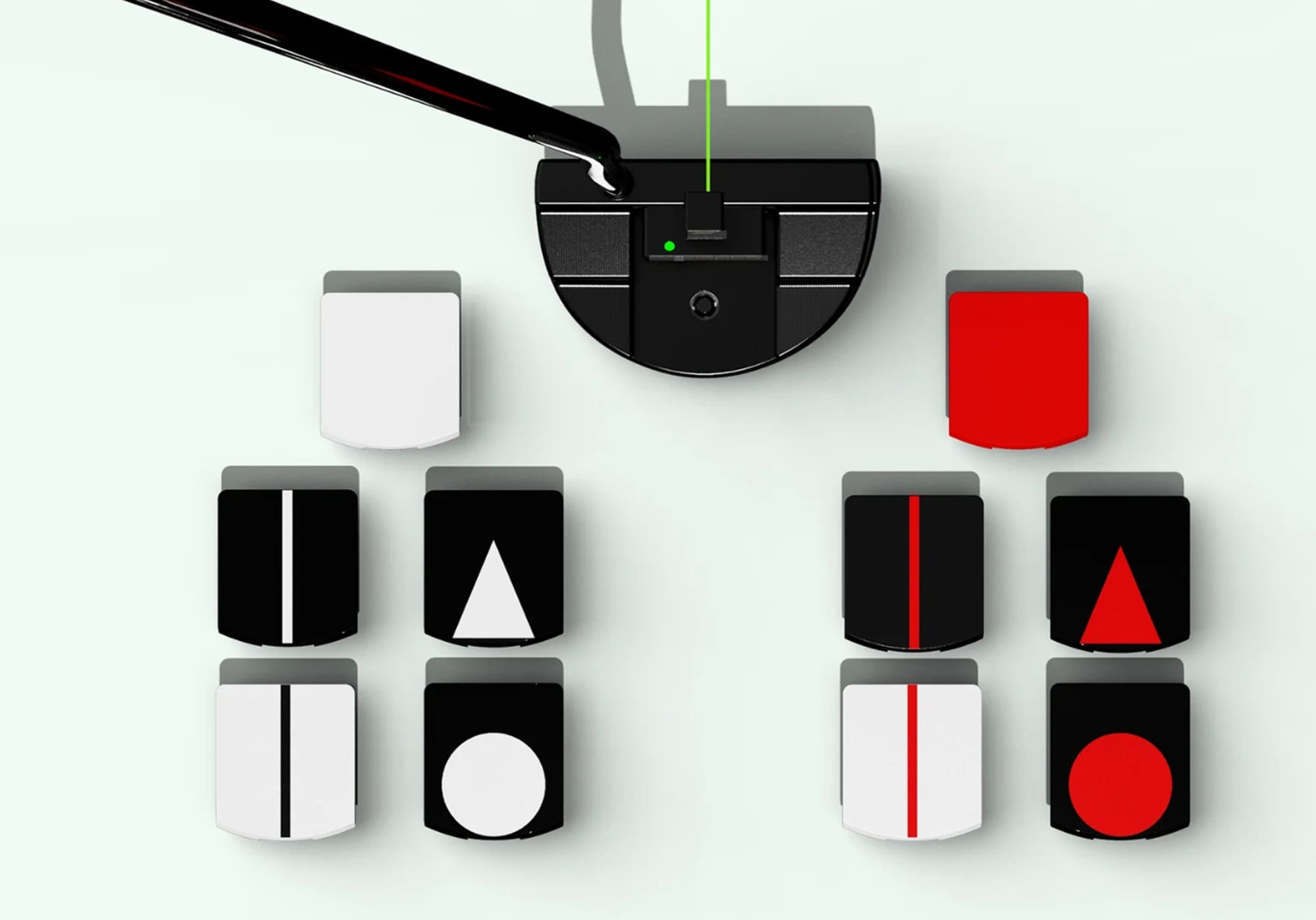
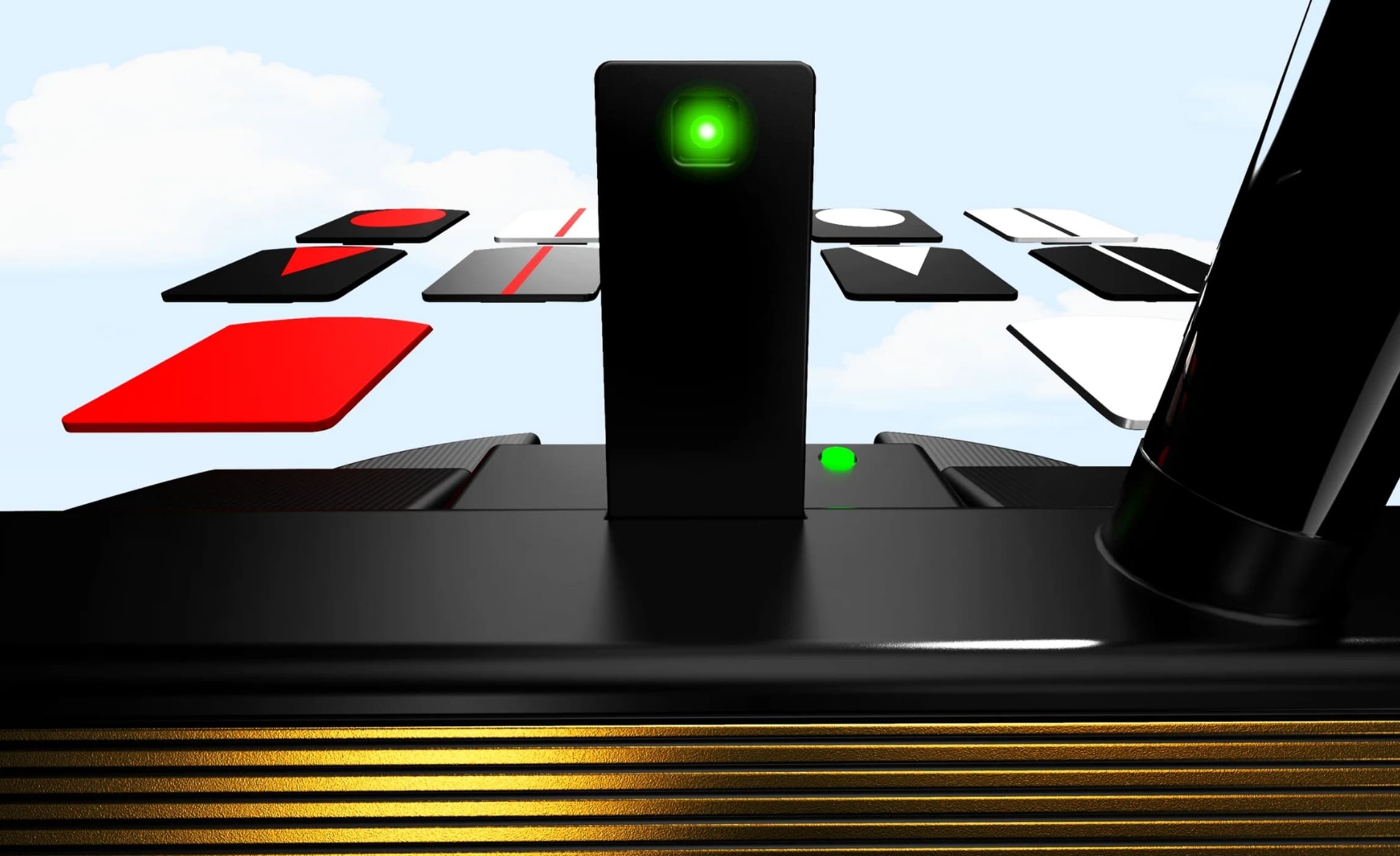
The Chamber A-LOC (Alignment – Laser Optic Confirmed) fitting system is based on decades of Sanyal’s alignment testing. When it comes to alignment aids, he’s found that golfers fall into one of four buckets: white lines, white shapes, colored lines or colored shapes. Chamber’s fitting system is designed to help you figure out which helps you line the putter up properly.
“You may not be perfect, but you’re going to line up one of those four guides better than the others,” he explains. “We give you 10 guides. At the end of the day, you’re going to know whether you square up the putter best with a black aid with a red or white line, a white aid with a red or black line, a black aid with a red or white circle or triangle, or just a plain red or white insert.
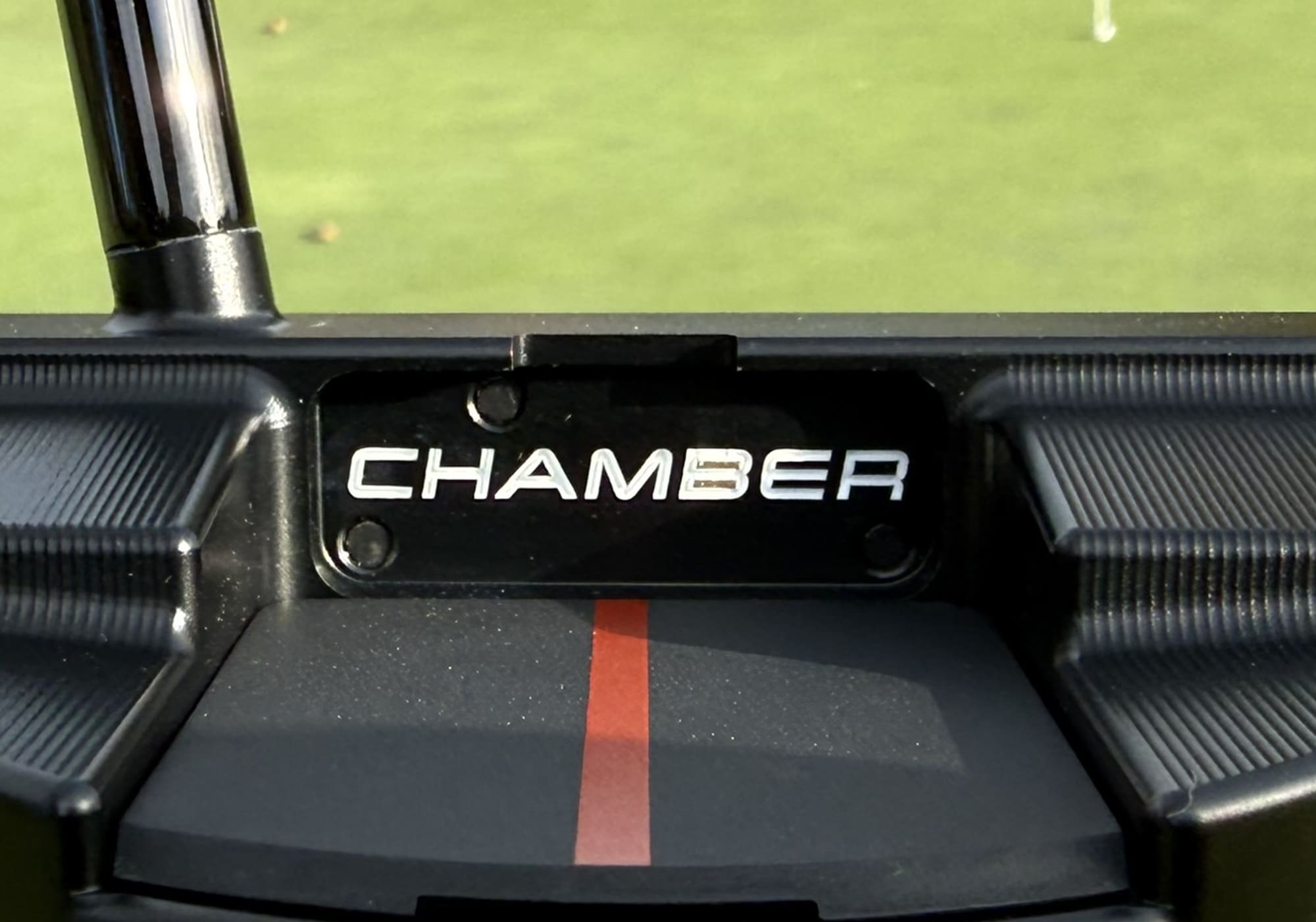
“People’s eyes are like fingerprints. They’re all different and we’re trying to help golfers understand how they perceive things. We can give a golfer a putter that works with their vision as opposed to something that doesn’t really fit their eye that they’re just trying to make work.”
How does the Chamber Putters fitting process work?
The Chamber A-LOC fitting process is very similar to the Edel fitting process in that it uses a laser to determine where you are aiming. Where the Edel system points a laser at your putter and uses the reflection to determine aim, Chamber actually connects a magnetic laser to the putter to show you where you’re aiming.
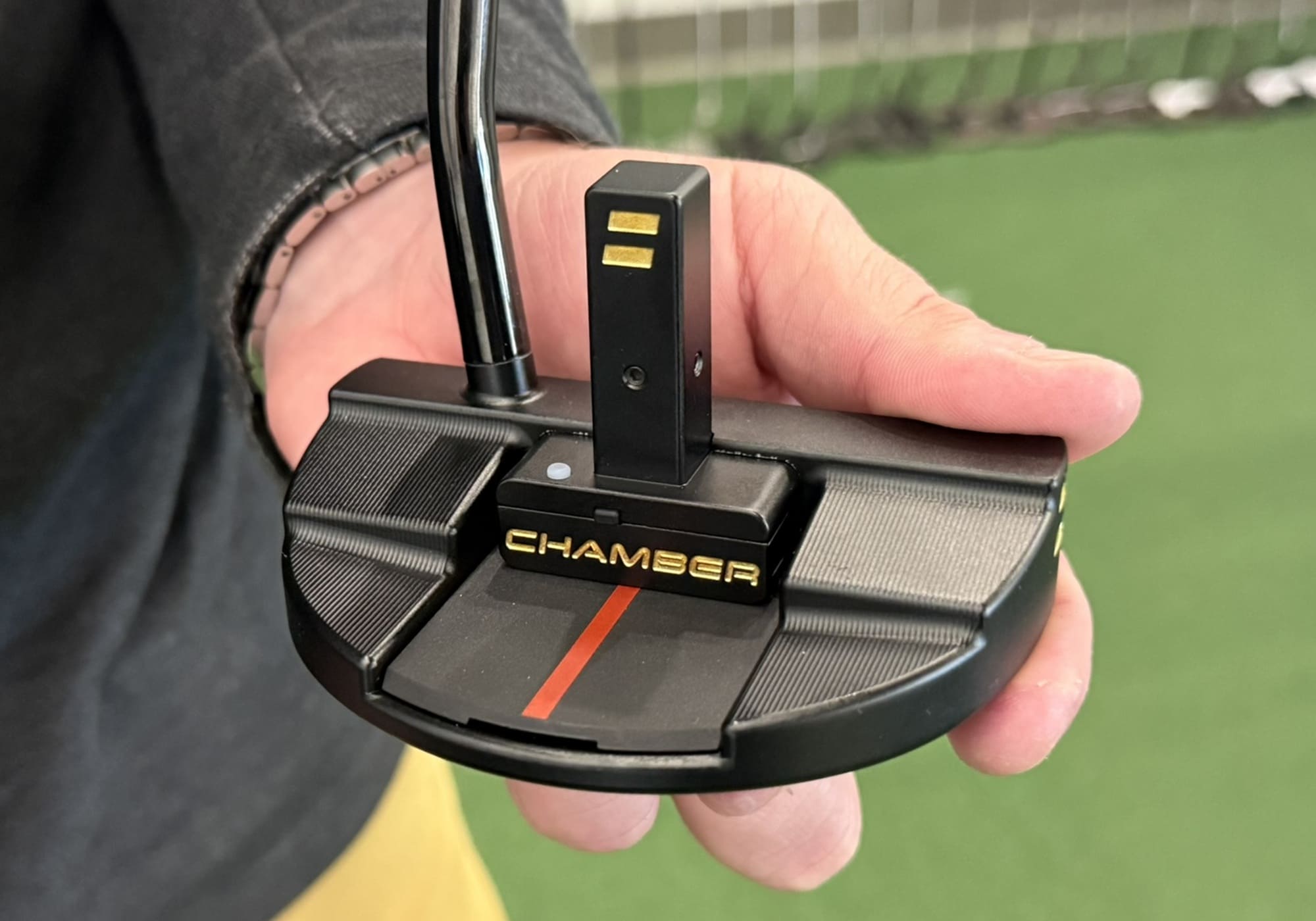
(Don’t worry, the putter is conforming as long as you don’t use the laser during sanctioned play)
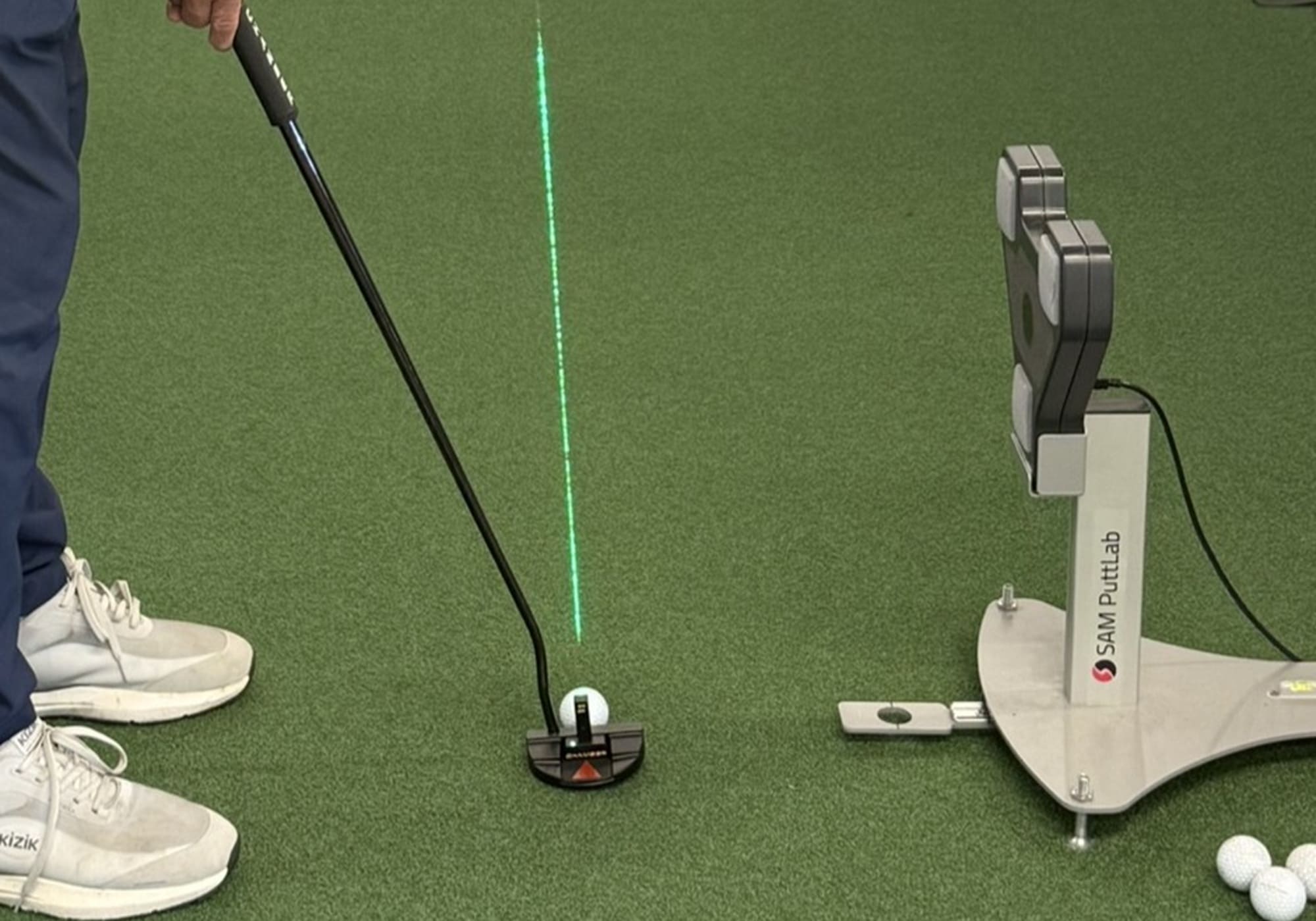
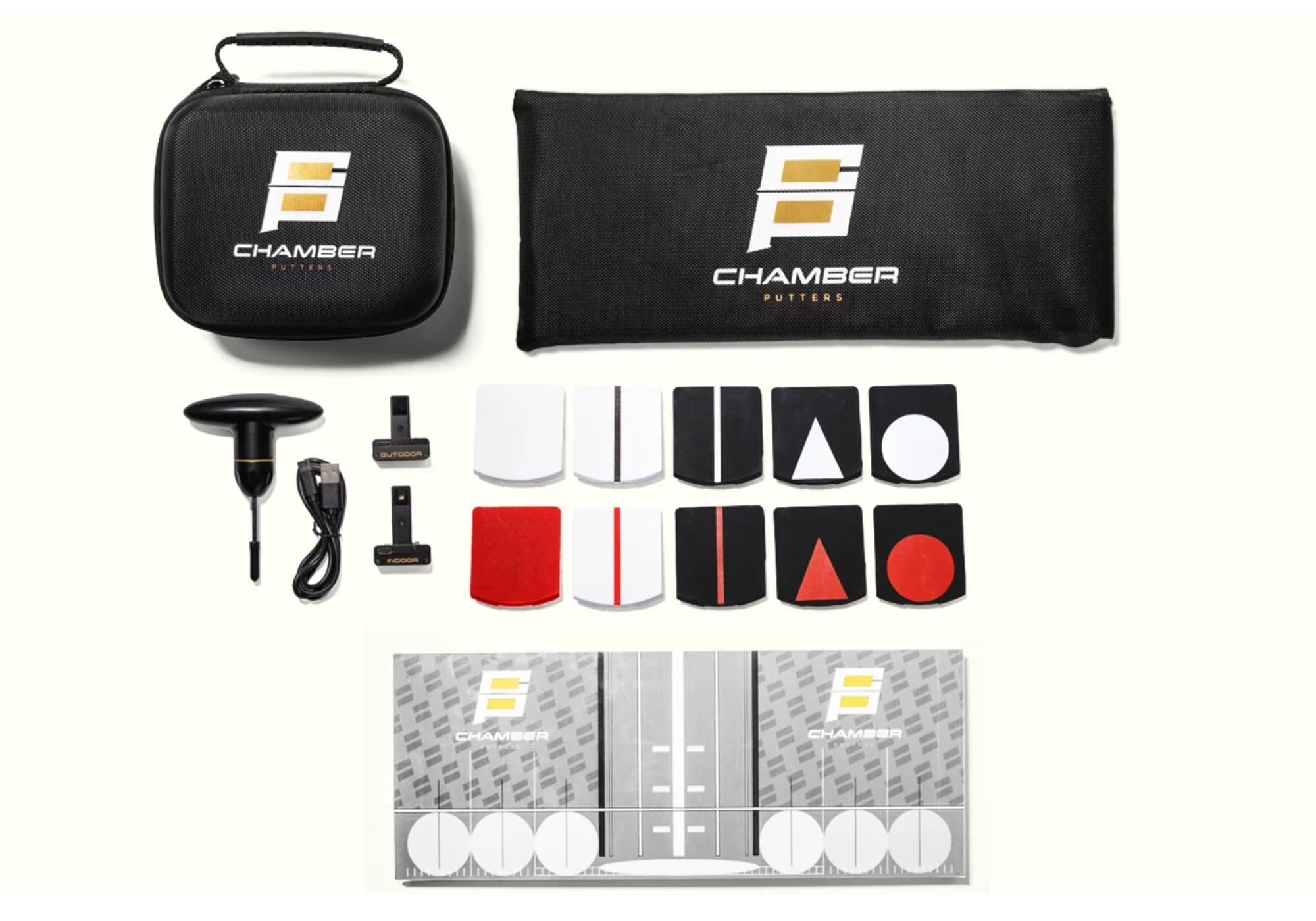
The A-LOC fitting kit contains two magnetic lasers (one for indoors, one for outdoors), 10 alignment aids and a torque wrench. You start with the laser in the assessment mode. It’s off while you line up the putter with the alignment aid of your choosing. The laser then turns on automatically so you can see where you’re lined up.
Alignment aids can be swapped quickly using the torque wrench. You keep trying until you find one you can line up squarely virtually every single time.
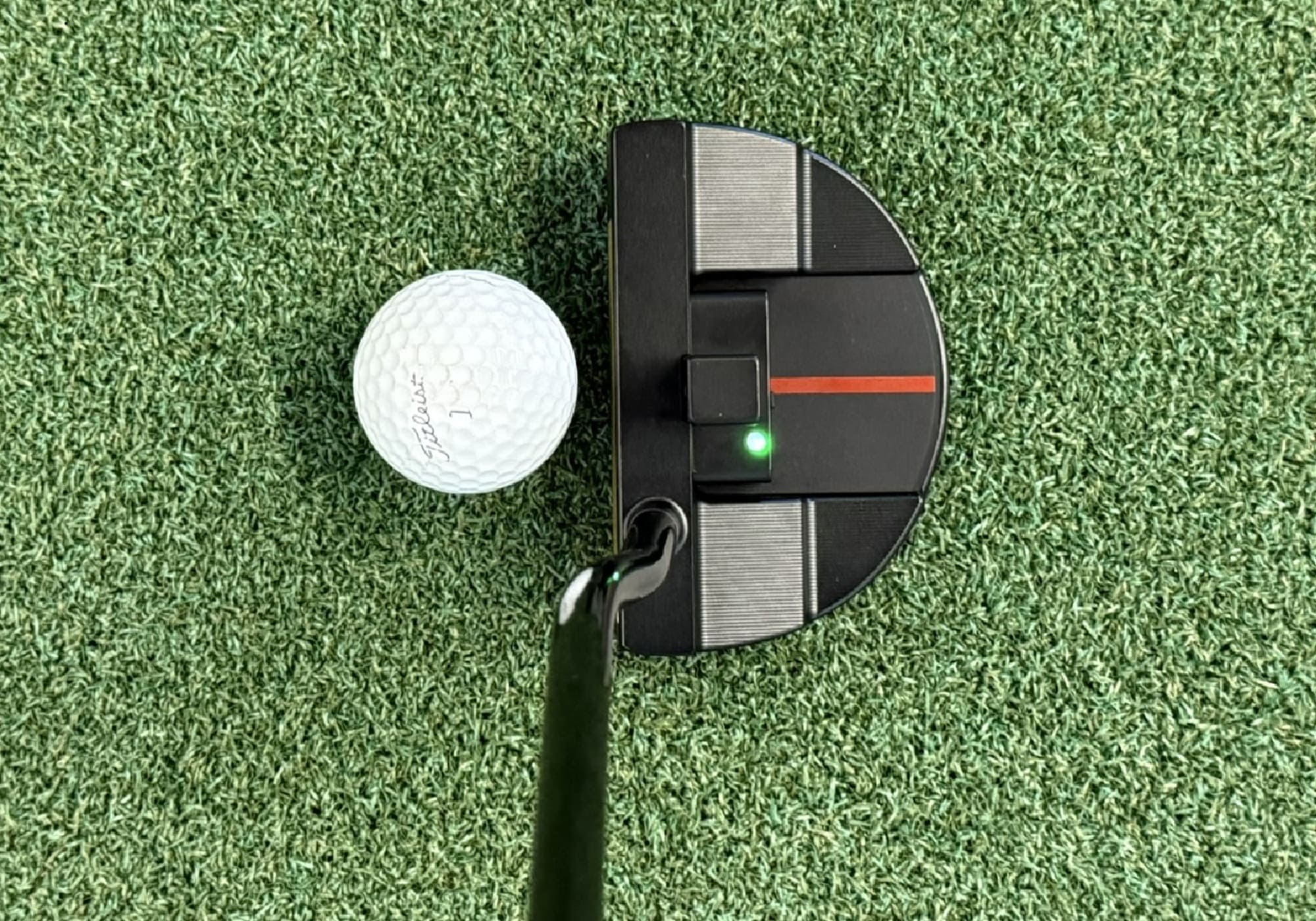
“One of the aids will be better for you than the others,” says Sanyal. “Once you figure it out, you can fine-tune by leaving the laser on while you practice. It’ll teach you what your putter looks like when it’s lined up accurately.”
Does it work? We tried it out…
While the Chamber fitting process is similar to the Edel fitting system, it is simpler. I went through the process with fitter Michael Hurley at the Club Champion location in Portsmouth, NH.
“There are a lot of different alignment aids and colors out there in the golf industry,” says Hurley. “But no one really does a good job of explaining how they’re going to change your vernier acuity.”
The process was simple and took no more than 10 minutes. Michael set me up first with a plain white insert and asked me to square up a 10-foot putt. When the laser turned on, I was amazed to find I was aiming nearly three-quarters of a cup to the left. We then switched to a white insert with a black line. The aim was closer, but still off to the left.
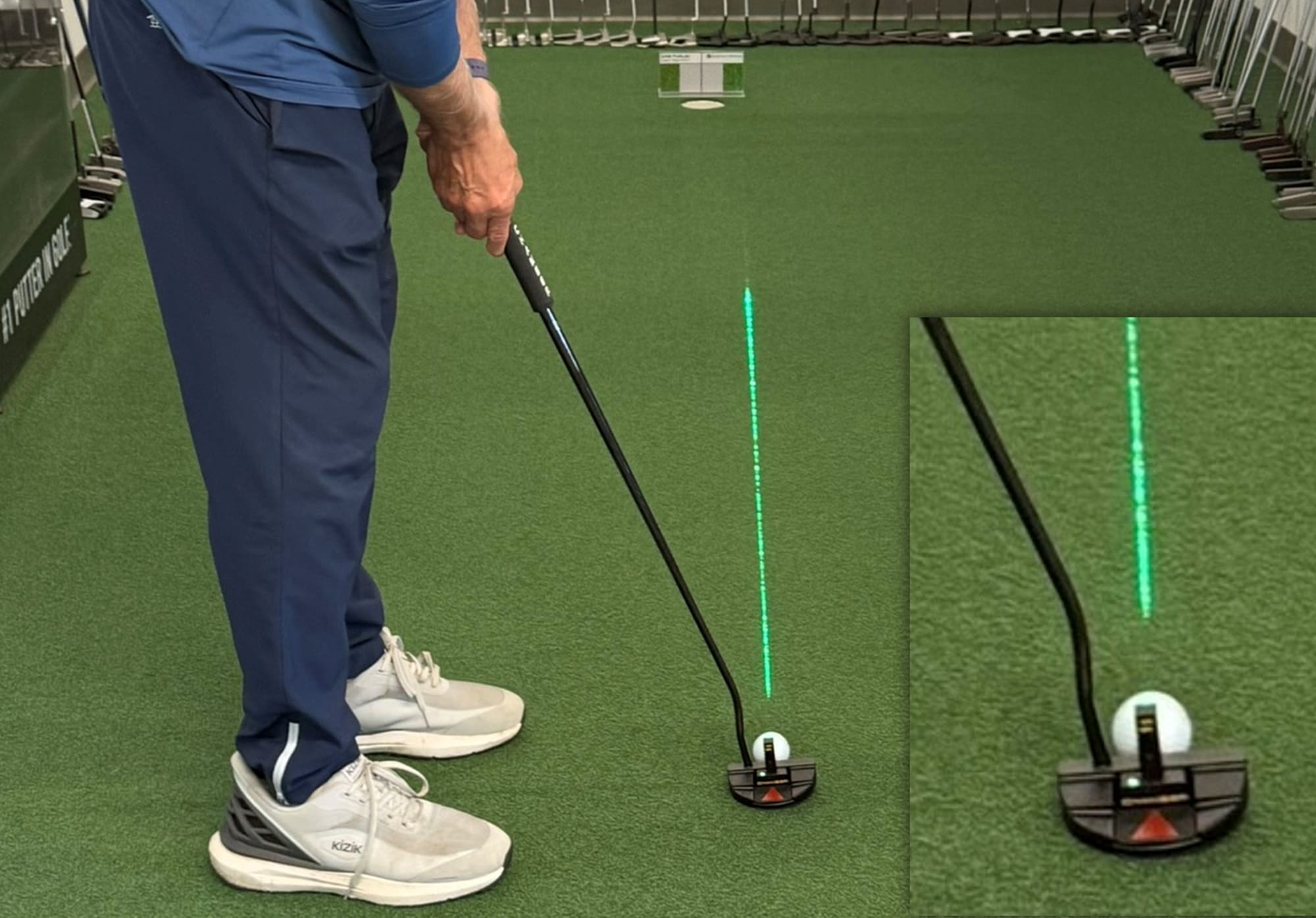
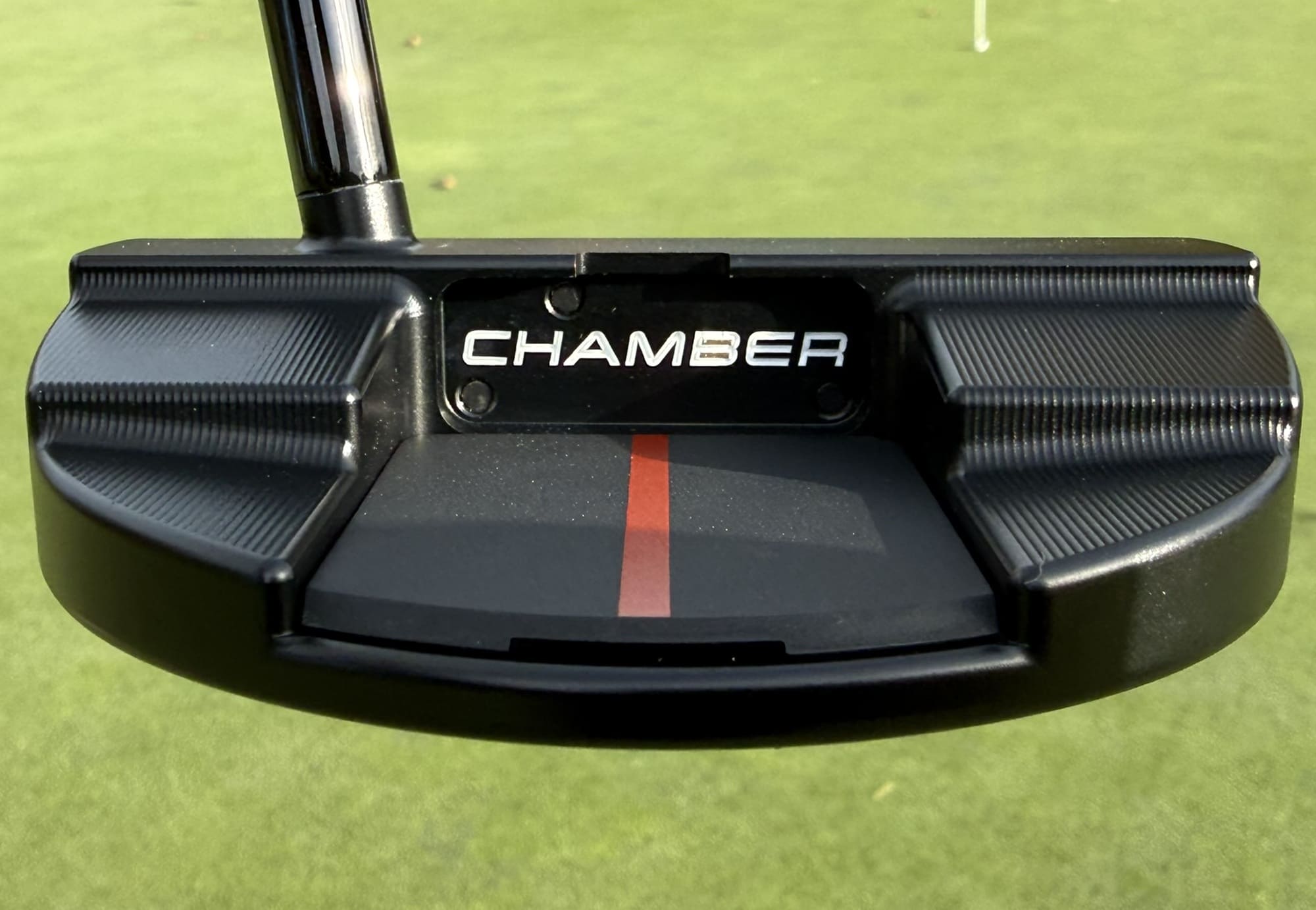
Next up was a plain red insert, which left me wide right by nearly a cup. We switched to black with a red triangle, as shown above. That was better, but still a shade right. The fifth try nailed it: a black insert with a single red line. The aim was dead-on perfect and, most importantly, I was able to repeat it (the intermittent laser kept me from cheating).
Club Champion’s SAM PuttLab machine validated what the laser show showing.
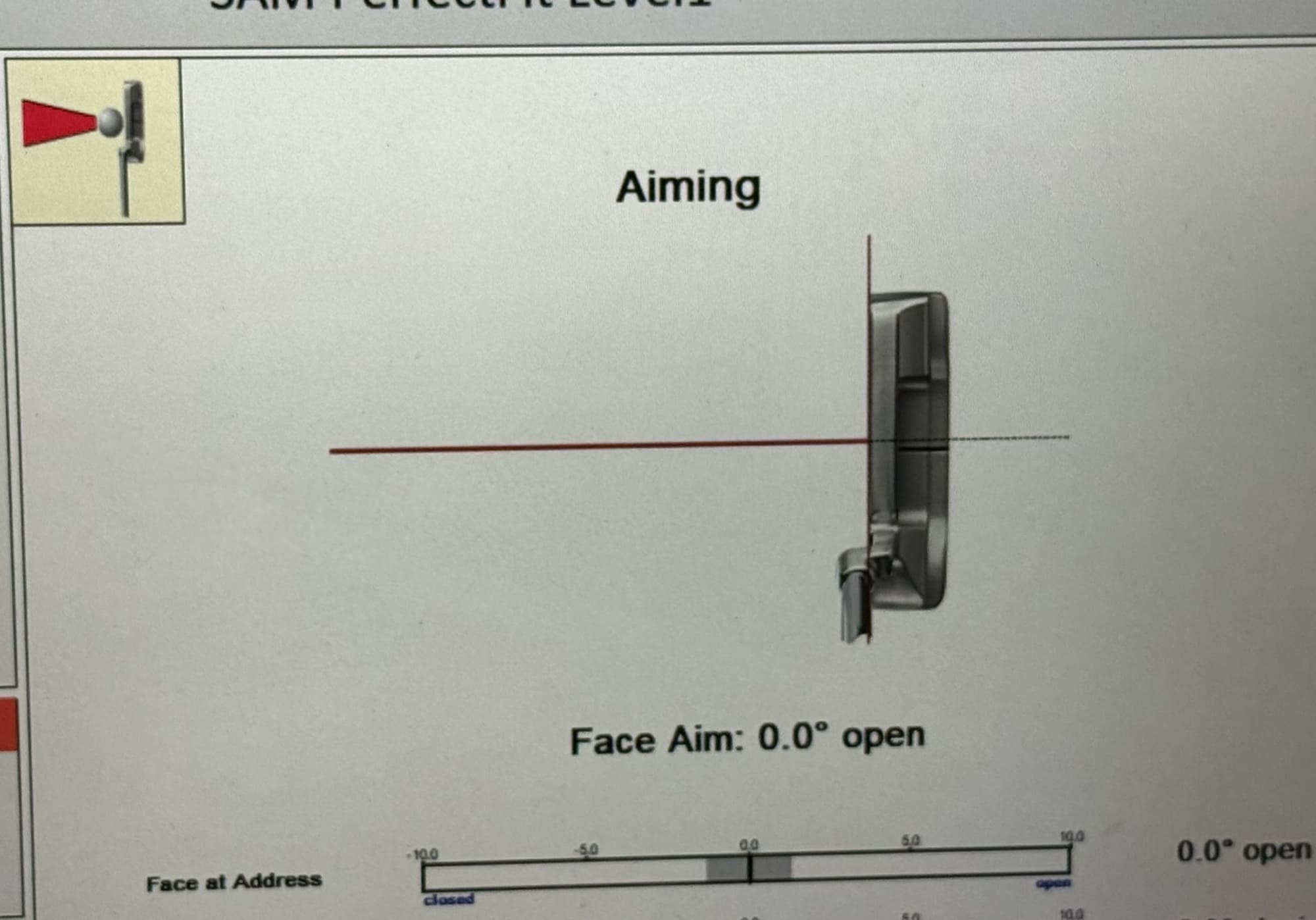
“SAM PuttLab is great for identifying blade vs. mallet vs. square-to-square, lie angle and loft,” says Hurley. “But if you struggle with alignment, you’re not going to be able to get the ball to roll into the hole, or you’re going to instill a bad habit to make it go in.”
“Just find one that fits your eye, and then practice”
It turns out that the simplest recipe for better putting is to find a putter that fits your eye and then practice.
What the Chamber system promises is that you don’t have to take a hit-or-miss approach to finding one that fits your eye. Why guess when you don’t have to?
“You need a good stroke, you need to read the putt properly and you need to line it up properly,” says Sanyal. “You can have zero-torque, low-torque or high MOI, but zero-torque has zero chance if you’re not lined up properly.”
As it turns out, finding the putter that fits your eye makes practice more meaningful, too.
“One of the worst sayings ever is ‘practice makes perfect,’” Sanyal says. “Practice does not make perfect. Practice makes permanent. If you practice putting poorly, you’re going to putt poorly permanently.
“Using the laser during practice will help you practice lining up properly. You train your brain and your eyes to be on the same page, so the brain will accurately interpret what your eyes are seeing. You start to understand what ‘square-to-target’ looks and feels like. That’s when the putter will fit your eye.”
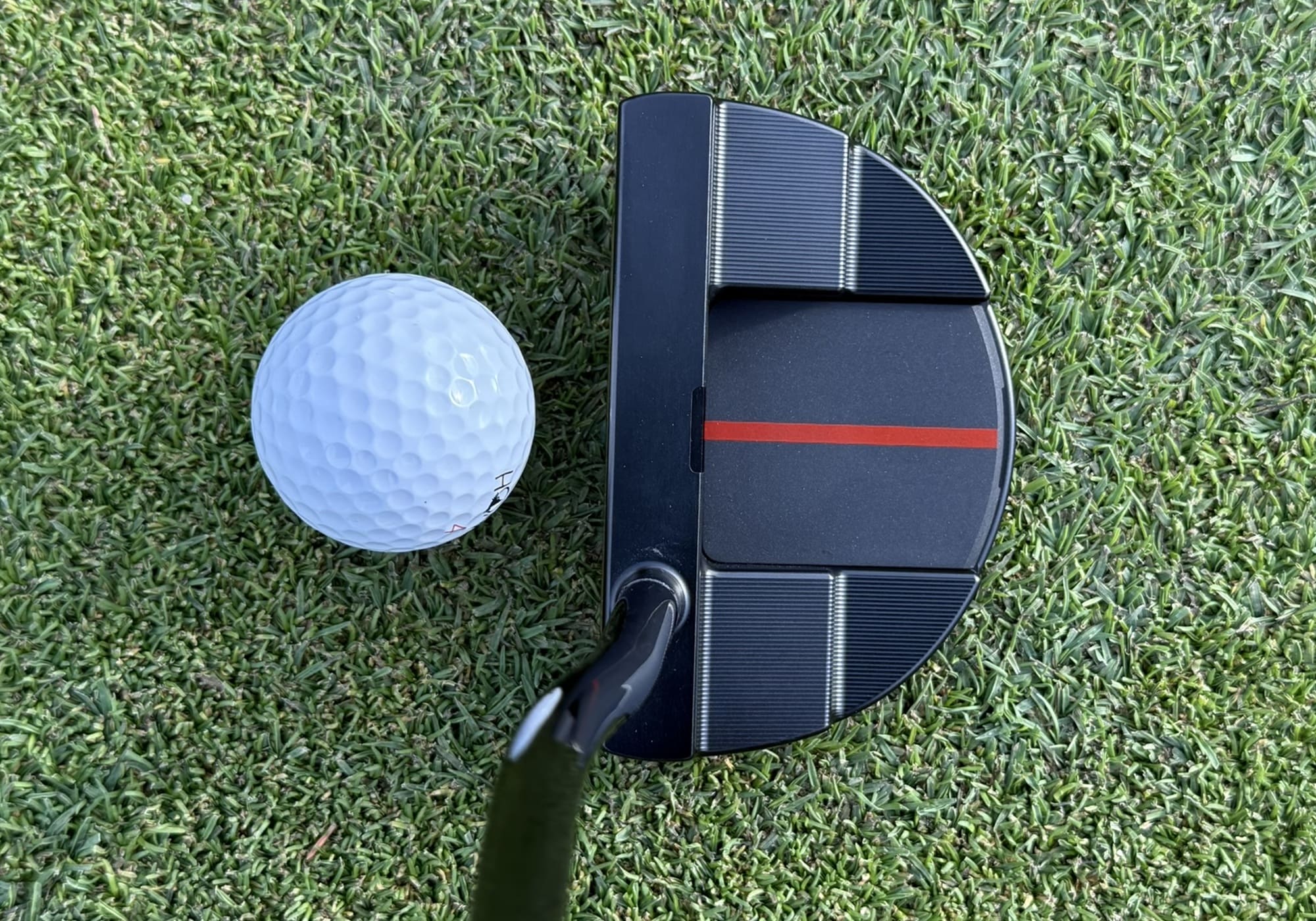
Here’s another way to look at it. Left to their own devices, your eyes and brain will lie to you like it’s their job. Lasers don’t lie. Where you’re aiming is where you’re aiming. Arguing with a laser is like arguing with the truth.
Final thoughts on Chamber Putters and the fitting system
Another sad, old trope that needs to be retired is that a good putter can putt with anything. I doubt anyone reading this article can putt as well as Scotty Scheffler. We have seen, however, that Scotty can’t “putt with anything.” He reached No. 1 in the World Golf Rankings only after he switched to a Spider.
Clearly, the Spider “fits his eye.”
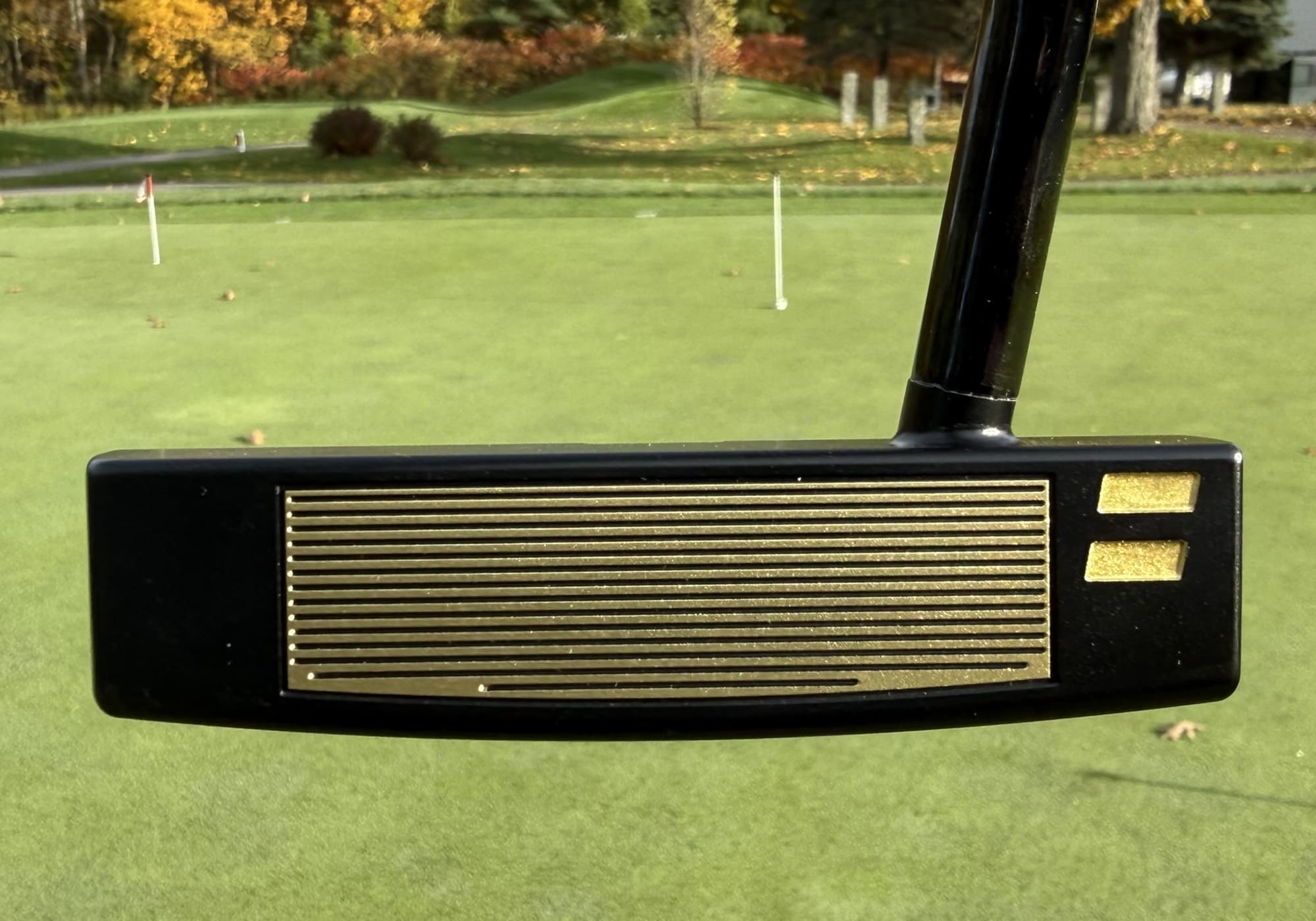
You could be the Michelangelo of green reading, the Houdini of distance control and have a stroke of genius. However, if you can’t line up your putter properly, the world will never learn of your gifts because you won’t be sinking that many putts.
The archer and the arrow, my friends, have to be on good terms.
We tested the Chamber Putter and its fitting system earlier this year at MyGolfSpy headquarters. The results were interesting. The putter outperformed its head-to-head competitors on short putts but was less imposing on longer putts. Sanyal says that’s no surprise and is very consistent with his own findings.
“That’s because short putts are easiest to fix. When the putts get longer, more things come into play like reading greens. You fix that by practicing with the laser.”
Chamber Putters: Specs, pricing and availability
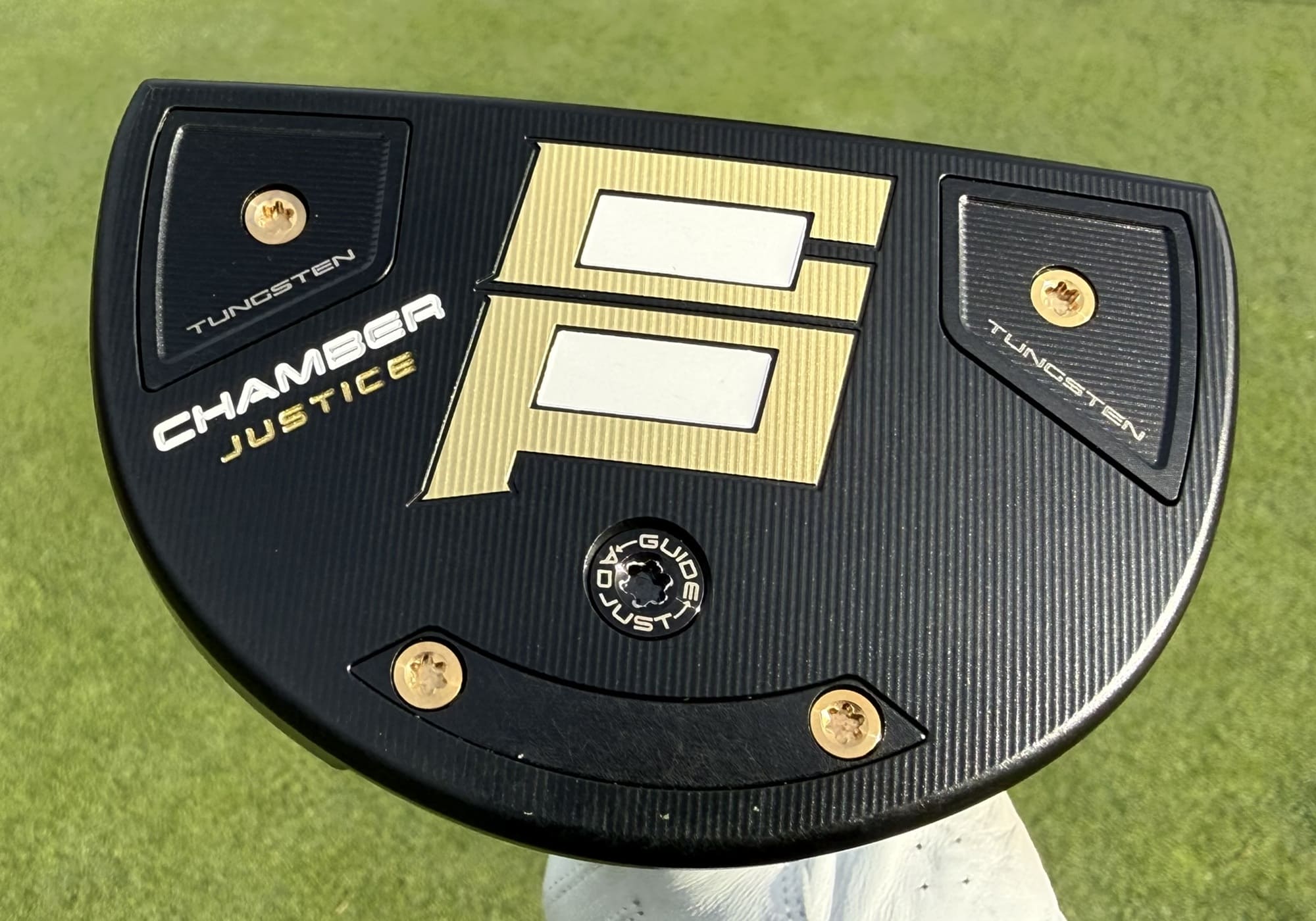
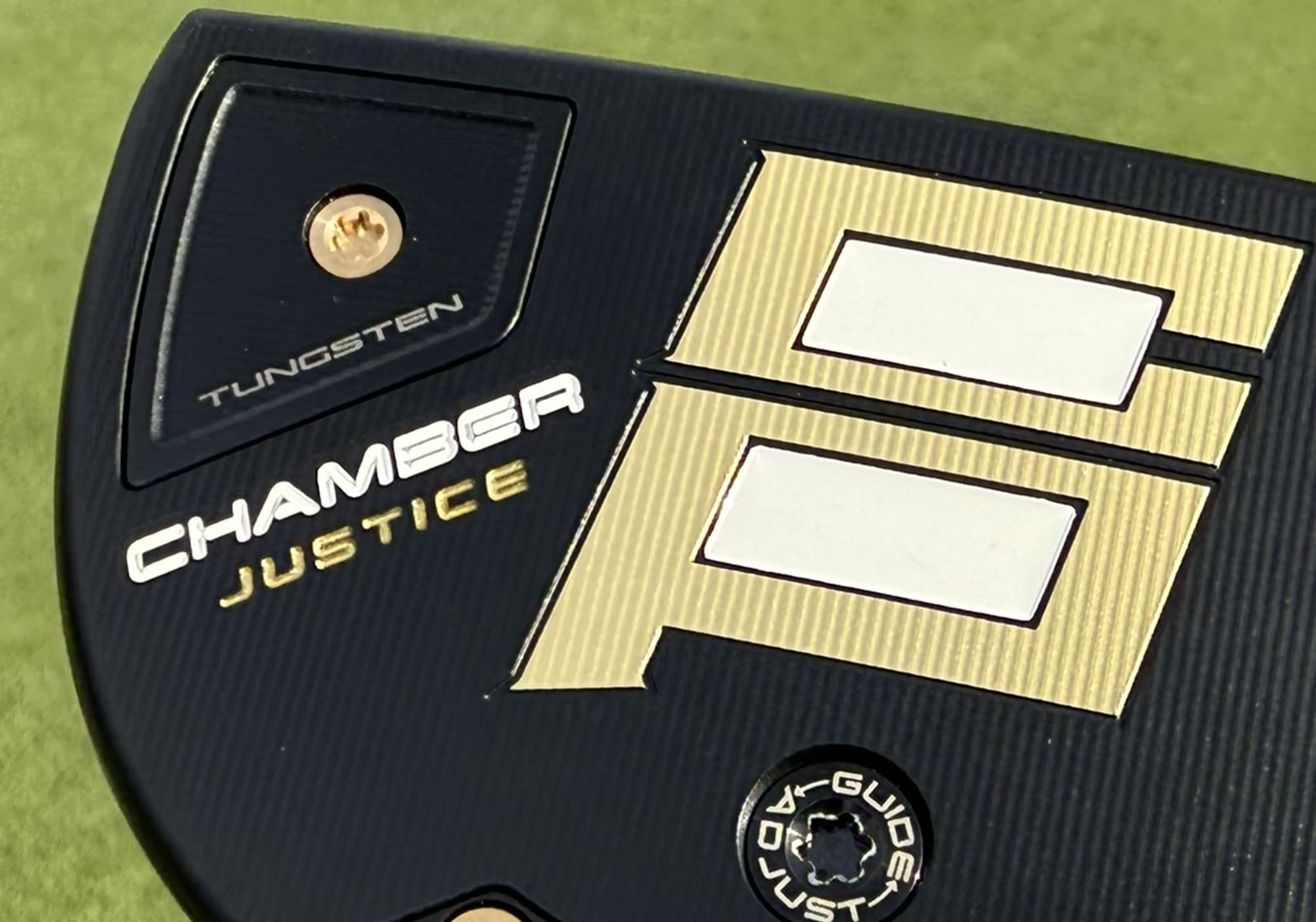
The Chamber Justice Mallet with the A-LOC fitting system is available in either heel- or center-shafted models for both righties and lefties. It’s sold in 33-, 34- or 35-inch lengths.
The heel-shafted model is only available with a double-bend shaft, although Sanyal says additional hosel and toe hang options will be available in 2017. The mallet itself features two 90-gram tungsten weights (one in the heel, one in the toe) for stability and high MOI. In my own testing, I found it to be very stable, with off-center hits losing little distance, if any.
Chamber is available for fitting at select Club Champion locations. If you can’t find one near you, the system can be used on its own. The A-Loc fitting kit comes with the putter. It includes a padded carrying case with 10 alignment inserts, two lasers, a charging cord, a torque wrench and a target stand. The kit includes a QR code for detailed instructions on how to fit yourself.
The putter and the kit sell for $700, with a 60-day “Demo and Decide” return program. Chamber wants you to play at least six rounds with its putter to really see if its working for you. If not, they’ll take it back and offer a full refund.
“Our data suggests people can improve by at least two putts per round,” says Sanyal. “But all we can really promise people with 100 percent accuracy is that what we offer will help them line up putts better. We can help them find a guide that naturally fits their eye so that their eyes work with their putter rather than against it.”
After that, friends, it’s up to you. As it should be.
For more information, visit the Chamber Putters website.









Leave A Reply