


For Honma to be any more of an under-the-radar brand than it already is, it would have to be subterranean.
In fact, Honma is so far off the radar (in North America, at least) that calling it an “underground” brand wouldn’t be an understatement. That’s actually somewhat intentional. The brand tried like hell to be a breakout mainstream brand in North America but it never could find its footing. Missteps, bad luck and an already crowded market all conspired against Honma.
It’s a couple of resets later and Honma is now re-emerging as a luxury niche brand. How luxury? How about a 5-Star limited-edition collab with Bugatti (yes, the car maker) that tops out at $72,000?
That’ll put some gravy on your cheese curds, won’t it?
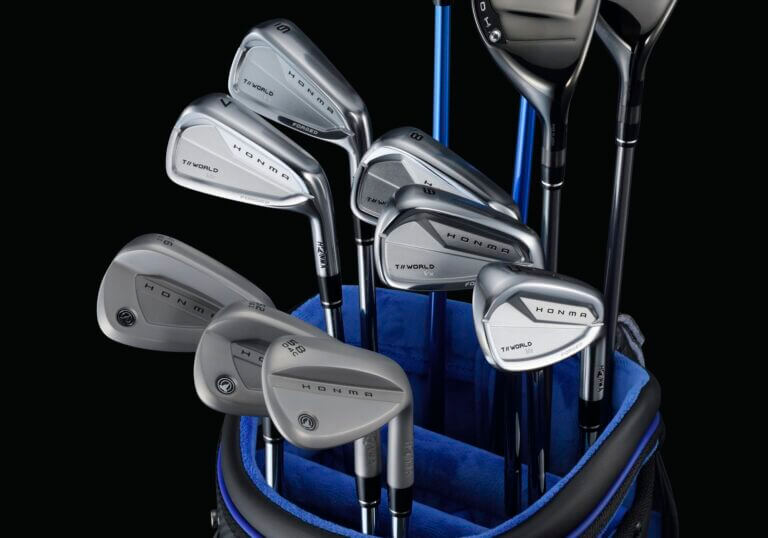
This, however, isn’t that. The updated-for-2027 Honma T//World forged irons and wedges have hit the streets. We haven’t seen them in the flesh yet but there’s one thing we can say quite confidently. Honma’s under-the-radar market share in North America has little, if anything, to do with the quality of its equipment. It consistently brings high quality, solid performing gear to the picnic. As is its habit, Honma also brings a curve ball or two to the table that’s compelling enough to make you wonder why everyone else doesn’t try the same thing.
So here are three quick thoughts about Honma’s new T//World forged irons as well as its forged wedges.
First Quick Thought: More of the same but a whole lot different
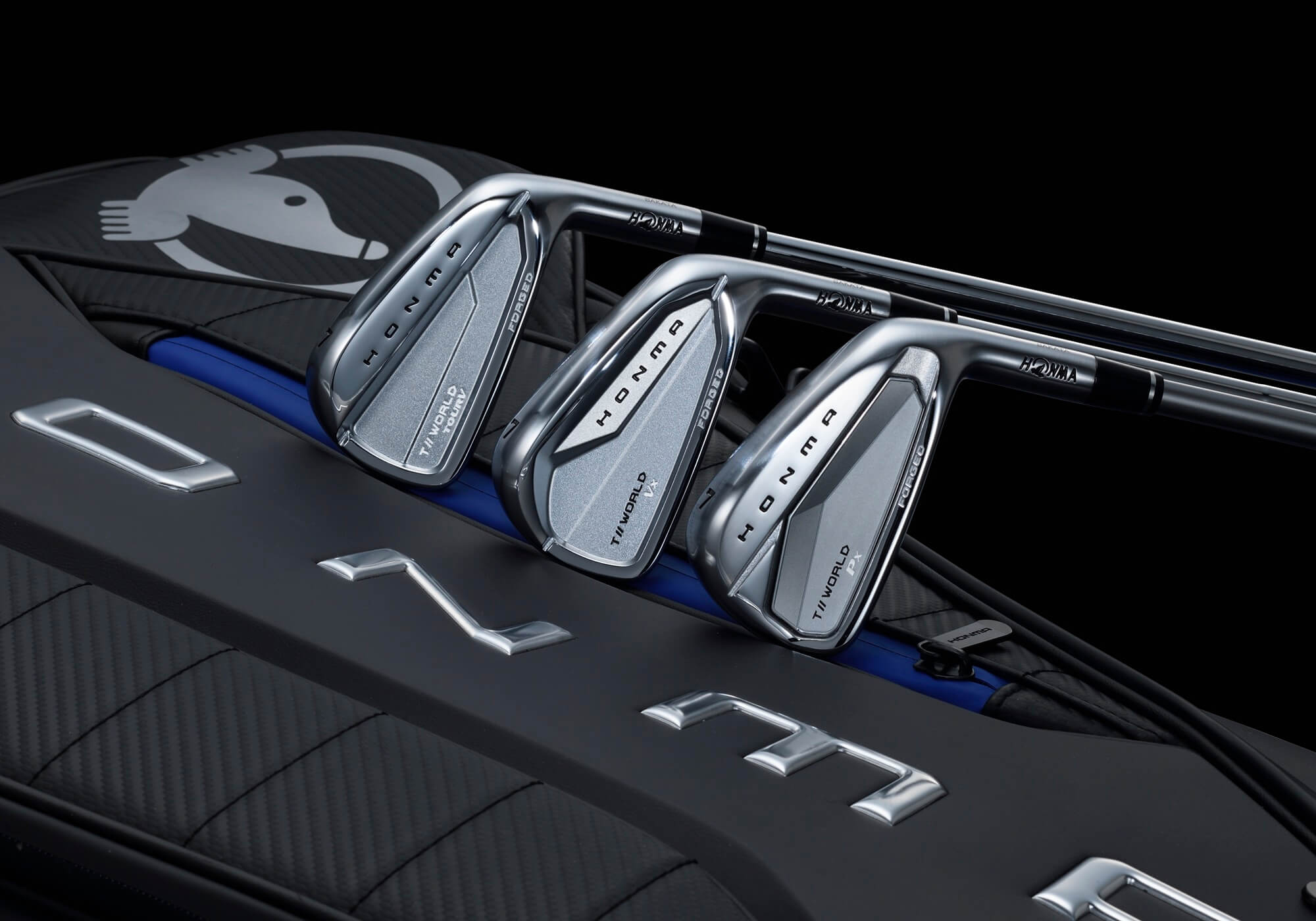
While the names for Honma’s new T//World irons remain the same, there are enough differences in the new models to matter.
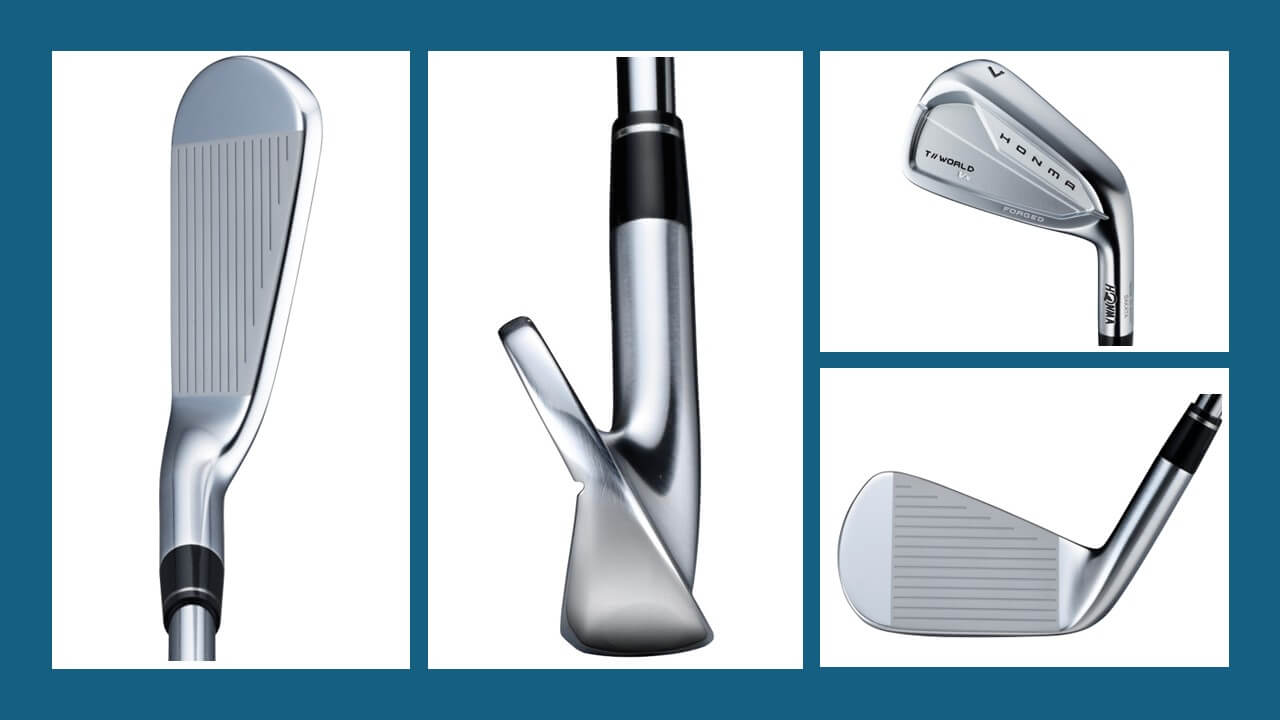
The Tour V and the Tour Vx are single-piece forgings. The Tour V qualifies as a semi cavity-back while the Tour Vx is more of a classic cavity-back with internal tungsten weighting. Conversely, the Tour Px features two-piece construction with a high-strength L-cup face in the long irons along with variable face thickness and a forged carbon steel body. It fits more into the player’s distance category than anywhere else.
What makes these models different from what came before is the design intent. For the Tour V and Tour Vx, Honma partnered with Nippon Shaft to co-engineer a proprietary line of N.S. Pro Modus3 shafts to work specifically with each iron.
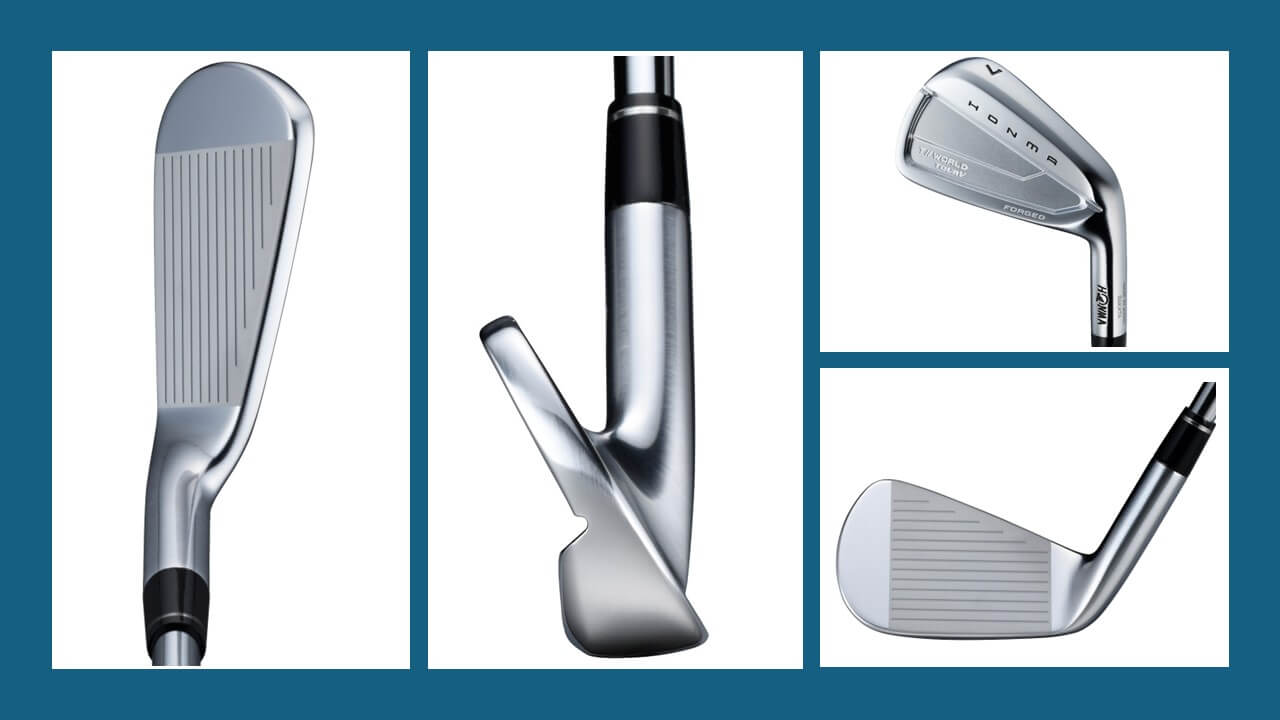
The Tour V features sole bounce designed for golfers who deloft the club at impact and strike down aggressively. It uses what Honma and Nippon are calling the Modus3 Black shaft. The company says it plays similarly to Nippon’s Modus3 120: mid-high launching, mid spin that offers control without feeling boardy. The big difference? It’s only 108 grams.
The Tour Vx features a much lower bounce than the Tour V and is designed for golfers with a shallower angle of attack. Its shaft is the Modus3 Red. It weighs only 106.5 grams and features a mid-kick point. Honma says its performance is most similar to the much heavier Modus3 130, one of the more unique shafts in the Nippon lineup. Despite its weight, it tends to be higher launching and higher spinning than the 120.
If you want to be overly cynical, you could dismiss them as watered-down made-fors. That doesn’t hold up under scrutiny, however. Honma has long made its own proprietary shafts and besides, there’s never been any indication that Nippon is, or wants to be, in the watered-down made-for business.
Sometimes things are what they are.
Quick Thought Two: Forging and heat treatment are big parts of the story
Honma has always prided itself on its craftsmanship and its forgings. As mentioned, the new Tour V and Vx irons are both single-piece forgings made from S15C carbon steel (the Japanese equivalent of 1015 carbon steel).
The big difference is a new, proprietary heat treatment process that Honma says increases the overall rigidity of each clubhead. Rigidity in a forged head does a couple of things, both of them good. It gives a single-piece forging a ball-speed kick not often seen in single-piece forgings. At the same time, it reduces vibrations which improves feel.
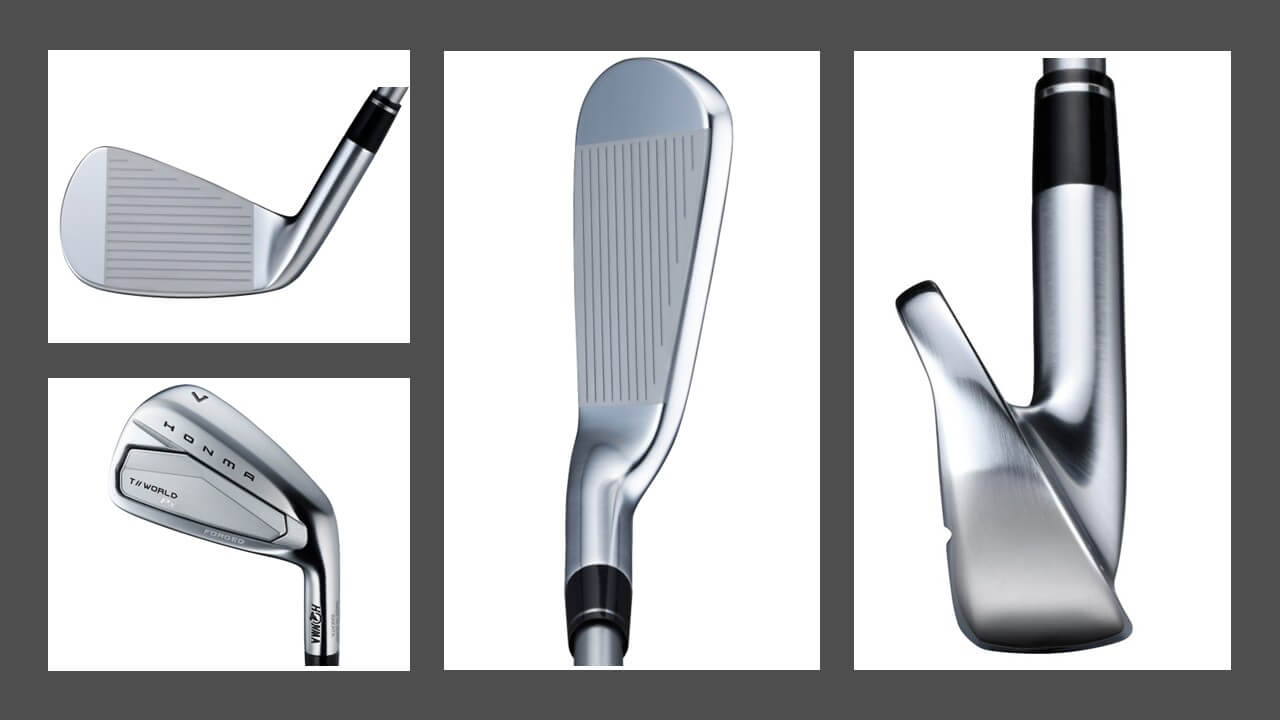
The new Tour Px iron is a two-piece construction. The 5- through 8-irons feature a high-strength chromium molybdenum L-Cup face while the scoring irons have a flat face made from the same material. Chromium molybdenum is very similar in makeup to Mizuno’s Chromoly steel. It allows engineers to design thinner, variable thickness faces with larger unsupported areas. In multi-piece construction, this allows for greater face flex which translates to ball speed.
That thin, flexible face is, by design, less rigid which brings excess vibration back into the equation. Honma addresses that with a vibration absorbing rear badge, leaving the body itself free of foam or goo. The company says it produces a pleasing feel at impact. We can’t say for certain but we do know that the previous Px irons have offered that signature Honma feel.
Quick Thought 3: Simplifying wedge selection
Thankfully, Honma is dropping the T//World nomenclature for its wedges (seriously, what’s with the “//”???). They’re just going to be known as “Honma Wedges.”
Simple, right?
Wait, it gets better.
With Honma, you can get whatever wedge grind you want, as long as it’s either a C-sole or an S-sole. Hey, if you want to make wedge selection simpler, just don’t offer so many choices, amiright?
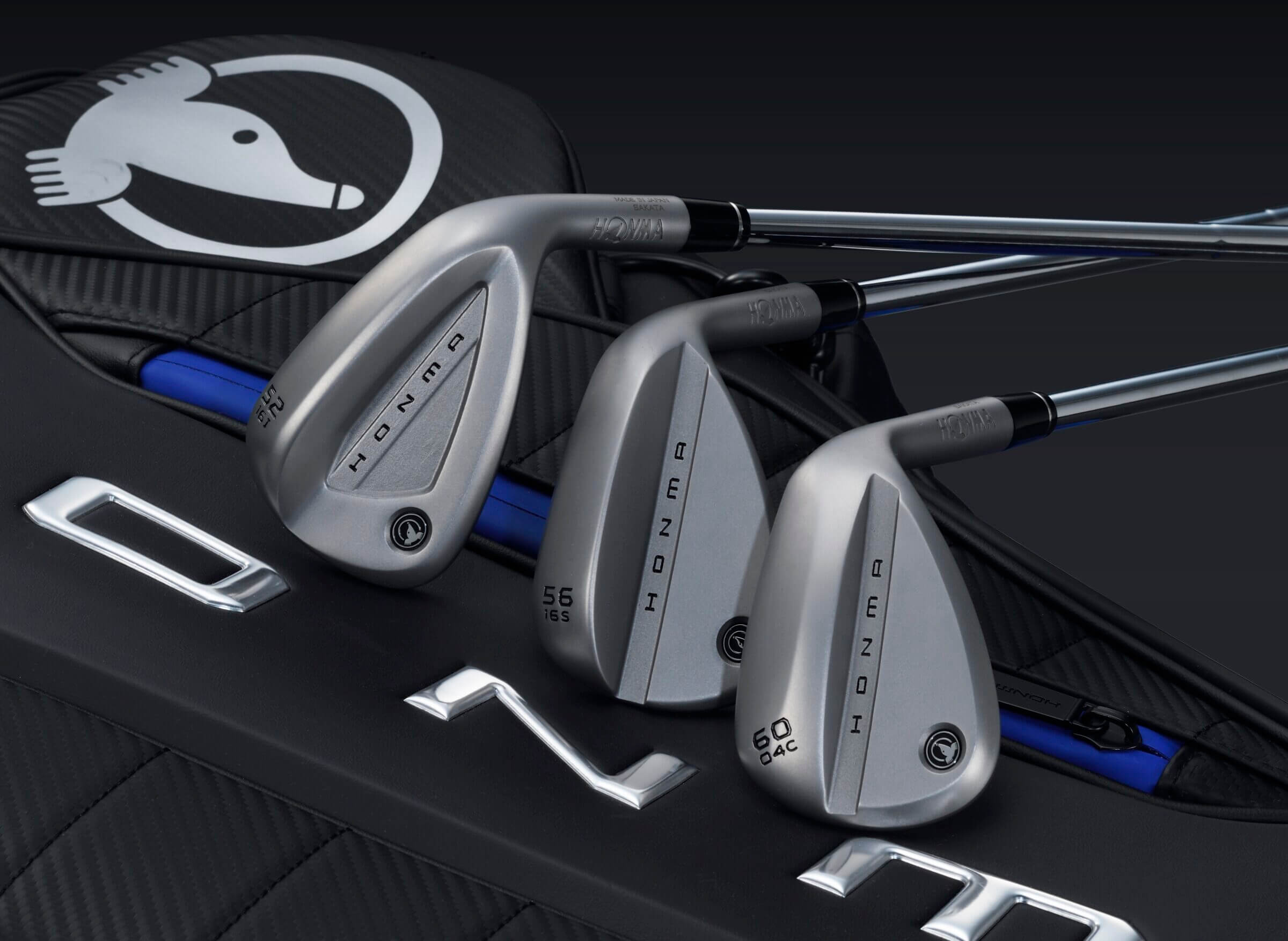
Technically, there are three sole grinds but only two you can actually choose. The 46- through 52-degree gap wedges come with what Honma calls its “I-sole.” The “I,” we presume, stands for “iron” and the sole is in line with Honma irons as those wedges are most often used for full swings.
The S- and C-sole grinds are available in the 54- through 62-degree models. The S-sole is a full sole with slight trailing-edge relief. It’s ideal for square-faced full or three-quarter swings and for golfers with moderate to steep angles of attack. If you don’t manipulate the face much, this one is for you.
The C-grind is more versatile, featuring aggressive heel and toe relief (it literally looks like a “C” from the bottom). That relief makes it easier to open the face without raising the leading edge. It’s the more versatile of the two grinds, especially if you like hitting flop shots, cut-spinners, delicate pitches and shots from tight lies. It’s a bit less forgiving on errant strikes and it’s definitely not for you if you tend to take deep divots.
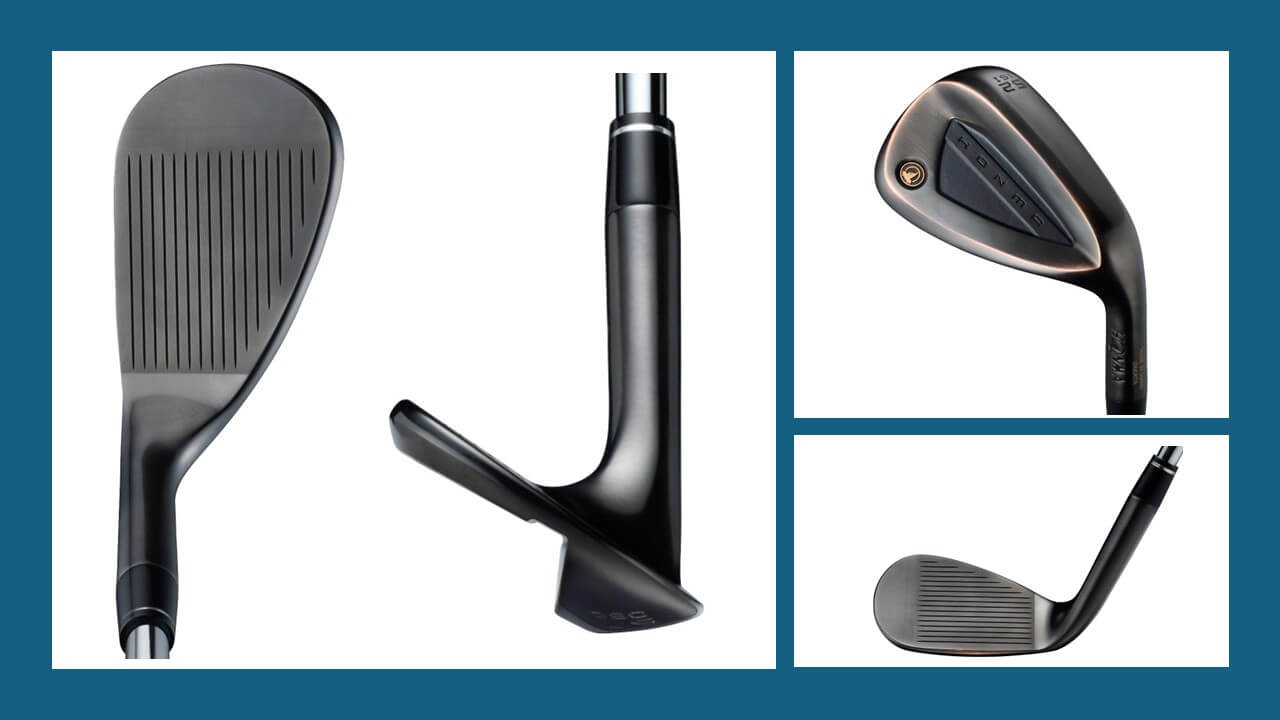
Additionally, Honma says the new wedges are made from what it calls HMSS, Honma Soft Stainless. Unlike the T//World irons, these wedges are cast from stainless steel. The company says they still feel plenty soft and, in the raw finish option, they won’t rust.
Honma T//World irons and Honma wedges: Final thoughts, specs, price and availability
Honma isn’t going to put a dent into anyone’s market share but that doesn’t mean the equipment isn’t worthy of your attention. The downside is that if you want to demo Honma, you’re going to have to work for it. For most of the U.S., it’s Club Champion or bust.
All three Honma T//World iron sets are being sold in five-club sets (6-10 iron – Honma doesn’t believe in pitching wedges). The 4- and 5-irons are sold separately. The Tour V and Tour Vx five-piece sets sell for $875 with the standard co-designed Nippon shafts. Single clubs run $175 each.
The Tour Px irons comes with Nippon’s N.S. Pro 950GH neo shafts, specially developed by Nippon to work with strong-lofted player’s distance irons. They’re $950 for the five-club set with a single iron going for $190. Additionally, the Tour Px has a graphite option, Honma’s proprietary Vizard Iron Lite. That will run you $1,150 for five pieces and $230 for a single club.
The Honma wedges are available in 46- through 62-degree lofts in an unplated raw finish or a slick looking copper-plated one. For no obvious reason, Honma is offering raw wedges with the N.S. Pro Modus3 wedge 105 shaft while the copper-plated models come with the N.S. Pro 950GH neo shaft.
The raw versions sell for $160 each. The copper-plated models go for $180 each.
The new Honma irons and wedges are on sale now. For more information, hit up the Honma website.









FlushEm
4 weeks ago
So happy to see Honma coming back. I had gamed V series and P series irons along with driver, fairways and hybrids. They are super overlooked clubs. Once you go Honma, you dont look back.
Steve
4 weeks ago
They do make high quality clubs, no doubt. Distribution is a problem though and Club Champion might fit you for them if they make an acceptable profit on the fitting. As for “Once you go Honma, you don’t go back”? Justin Rose just said, “hold my beer.”