


Titleist’s performance golf ball lineup (ironically, the name given to the stuff without urethane covers) is interesting for a few reasons. First, there’s the lifecycle. In the ball market, nearly anything that moves any kind of volume gets updated every two years but recent iterations of Velocity and TruFeel have effectively been on a four-year replacement plan. Think of Velocity as the Winter Olympics and TruFeel as the Summer Games. Something is happening every two years but if you’re a big fan of platform diving, it’s a four-year wait between events.
Broadly, replacement cycles have stretched out across most equipment categories and with that comes a tacit admission that improvements aren’t easy to come by, particularly in a category where the opportunities to meaningfully iterate are limited by material and cost constraints.
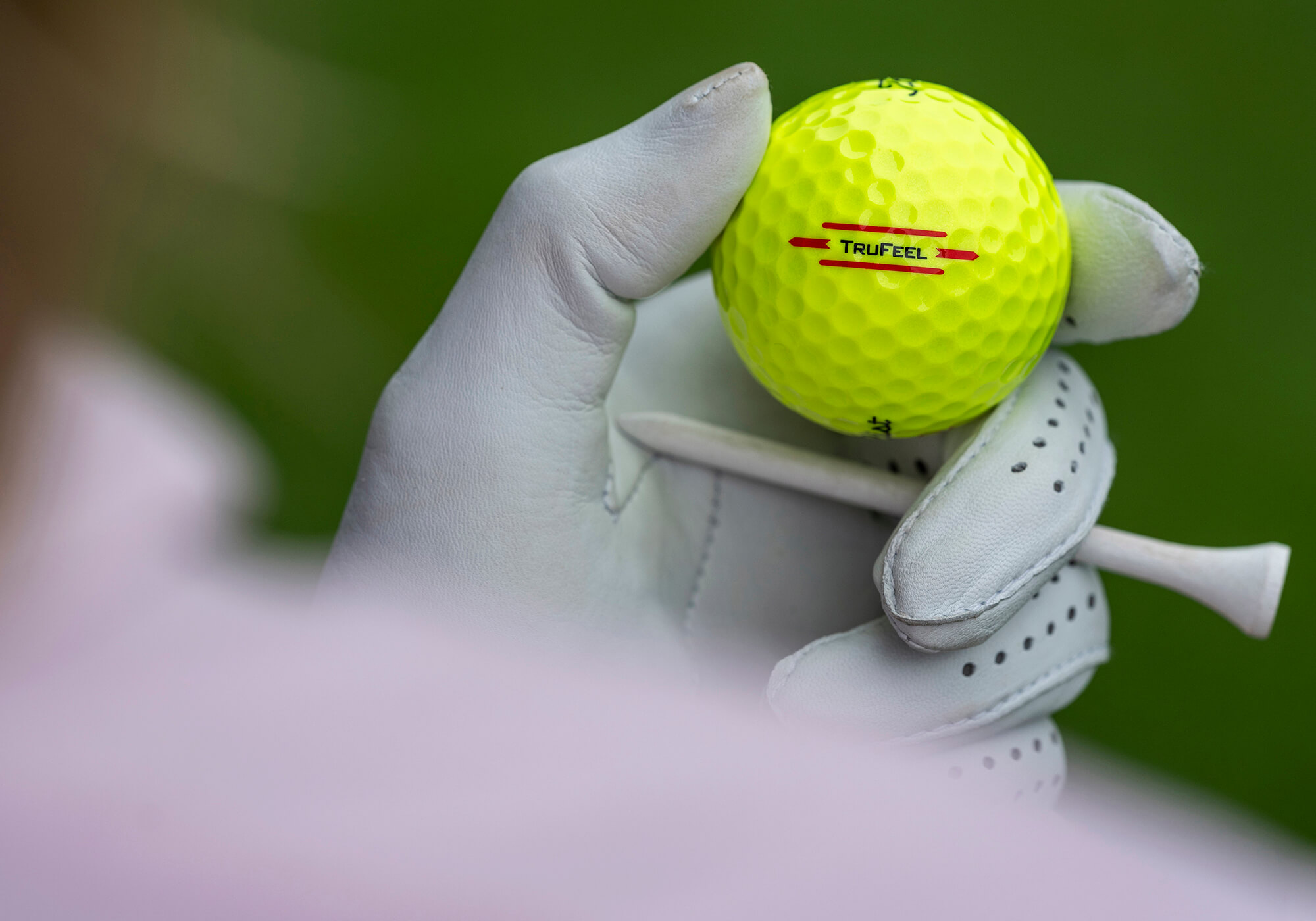
It’s also true the performance briefs for Velocity and TruFeel have tightened up and become more focused. The current generation of each is more purpose-built than any version before it. The idea is to lean heavily into what makes each model unique. The tradeoff for that hyperfocus is that it makes year-over-year (or two-year-over-two-year) improvement much harder to achieve.
This stuff takes time so why not let it?
The exception with the performance lineup is Tour Soft. While it’s produced alongside Velocity and TruFeel at Titleist’s Ball Plant 2, Tour Soft is an outlier in Titleist’s ionomer/Surlyn lineup. Titleist describes Tour Soft as the best-kept secret in the golf ball category and, unlike the other two, it remains on a two-year cycle. Where Velocity and TruFeel are built to deliver on a near-singular promise, the objective behind Tour Soft looks to be that of an ionomer ball that convincingly masquerades as high-performance urethane at a lower price (at least within the Titleist ecosystem).
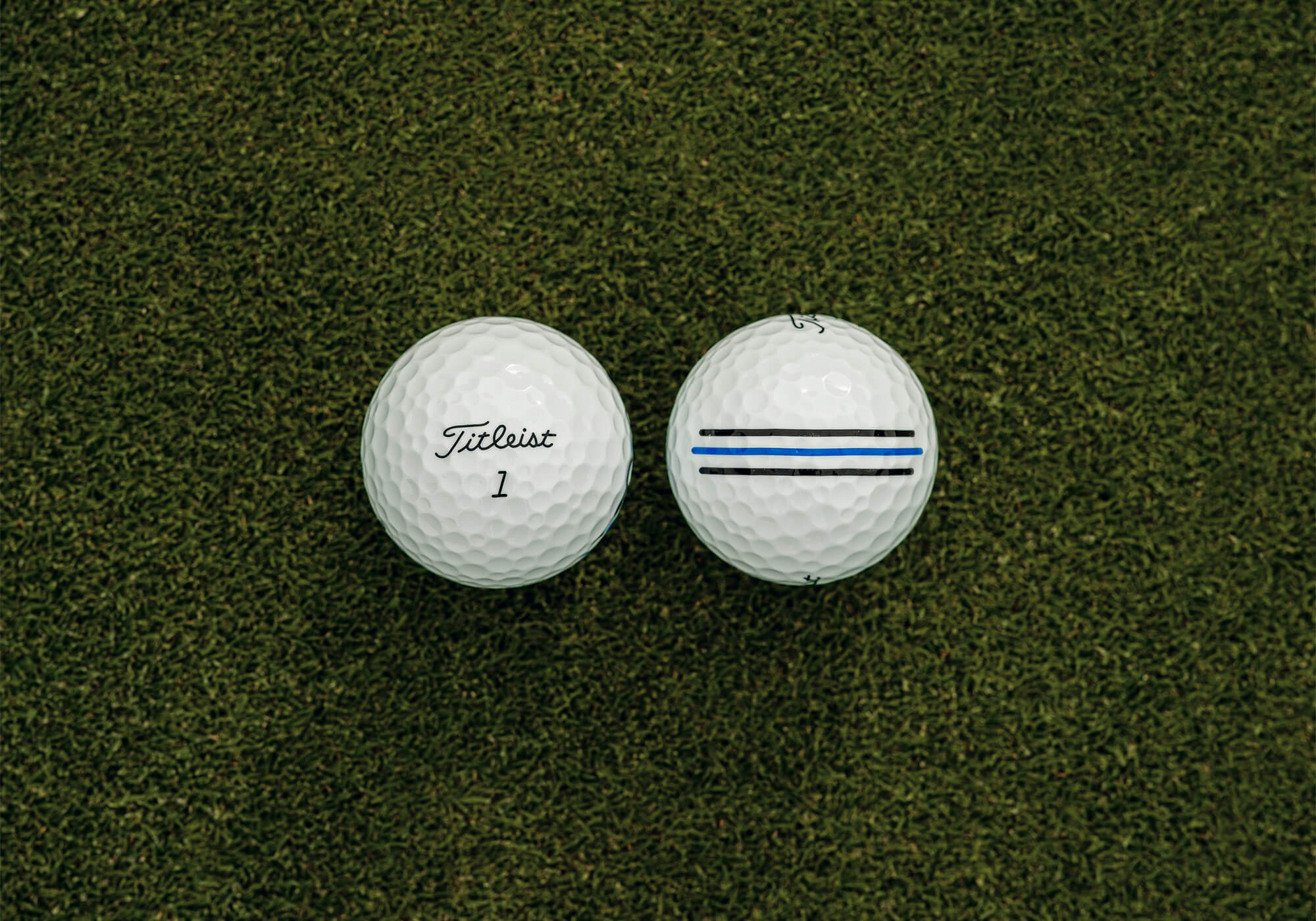
For the most part, Tour Soft’s chameleon act holds up. It consistently defies expectations (at least until it gets close to the green). Two iterations of testing make a compelling case that Tour Soft is among the most complete performance options in the ionomer space.
With introductions out of the way, let’s look a bit more closely at each of the three options within the Titleist performance golf ball lineup.
A quick footnote: the compression values displayed come from our in-house measurements.
Titleist Velocity (90 compression)
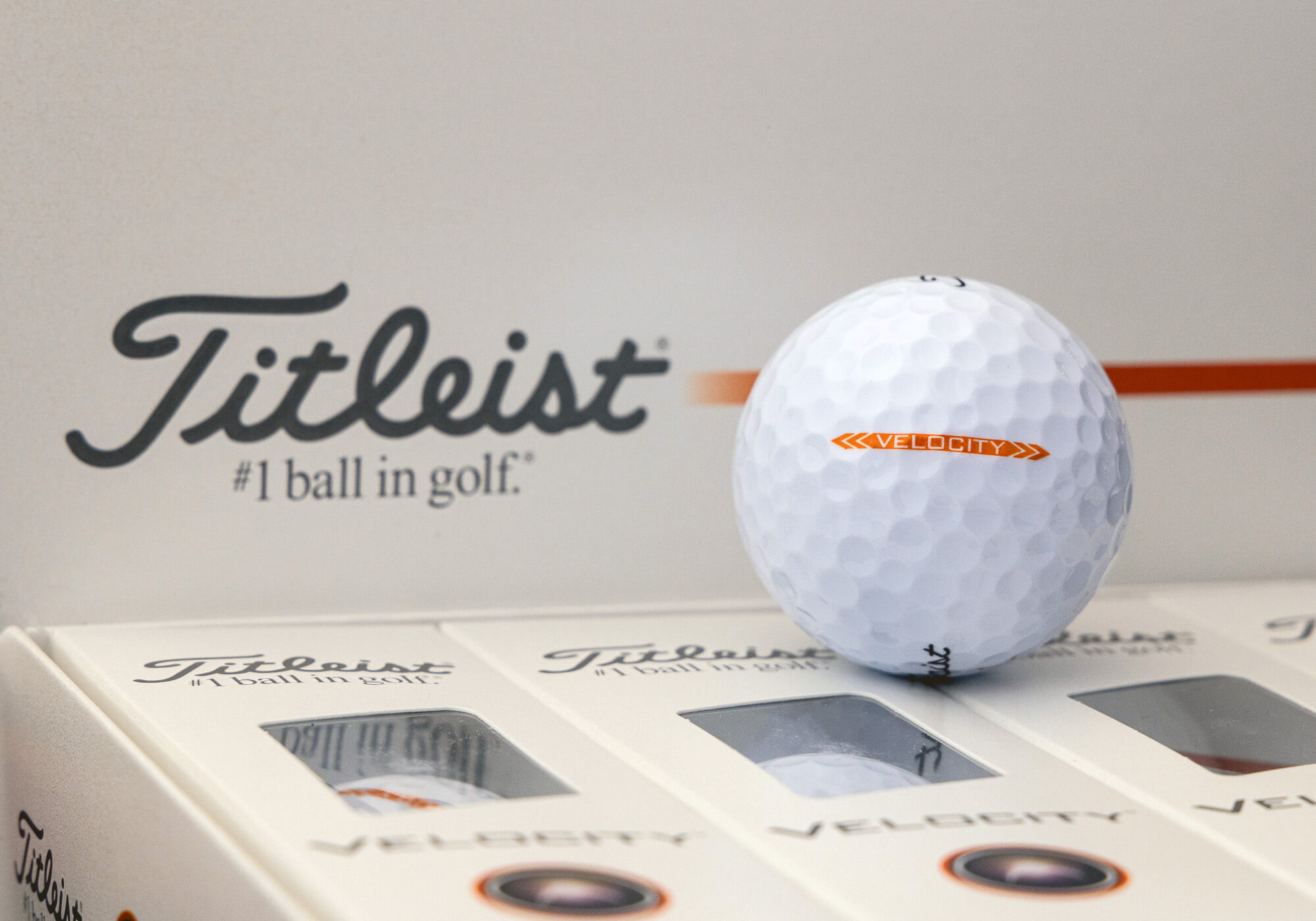
Velocity chases distance through speed and lower spin. Compression is speed and in a category that has become increasingly dominated by soft offerings in recent years, Velocity is unapologetically among the firmest ionomer offerings on the shelf. It’s singularly built for distance and that showed at our 100-mph driver condition where Velocity was the longest ball in the field.
Off irons, Velocity is, to an extent, unremarkable, which isn’t a bad thing. Relative to the other models in our 2026 ball test, Velocity is middle of the pack for spin and generally in the upper third for peak height. It’s not a stopping-power machine but it’s not entirely a liability, either.
Like other ionomer offerings, the consequences of the Velocity design show up around the green where the data suggests it creeps up the face a bit more than most and spin is on the low end of the category. For some, that’s disqualifying but, again, Velocity is built for distance (and more distance) and we’ve heard from plenty of golfers who are all but indifferent to greenside spin. Bump and run (and run some more) is how they play the game and, with that approach, Velocity can work.
Titleist TruFeel (70 compression)

TruFeel is, in some respects, the opposite of Velocity. It’s built for feel (specifically, soft feel) but it’s worth mentioning that it’s not among the absolute softest balls on the market. To put numbers on it, at 70 compression, TruFeel sits roughly halfway between Velocity and Callaway Supersoft (on our gauge). The latter is about as soft as a golf ball gets.
How much golfers perceive a 20-point compression difference at the soft end of the market is admittedly a bit of an unknown. Maybe it matters. Maybe it doesn’t. You tell me.
The Titleist approach is one where what you give up at the extreme end of soft feel, you make up for in speed and distance. Under most of our test conditions, TruFeel qualifies as middle of the pack off the driver and it gets longer (relative to the field) as speed drops. At the 85-mph condition, TruFeel finished fourth in total driver distance and third in iron carry. I suppose you could argue that makes it a legitimate distance option for slower swingers who still want something on the softer side.
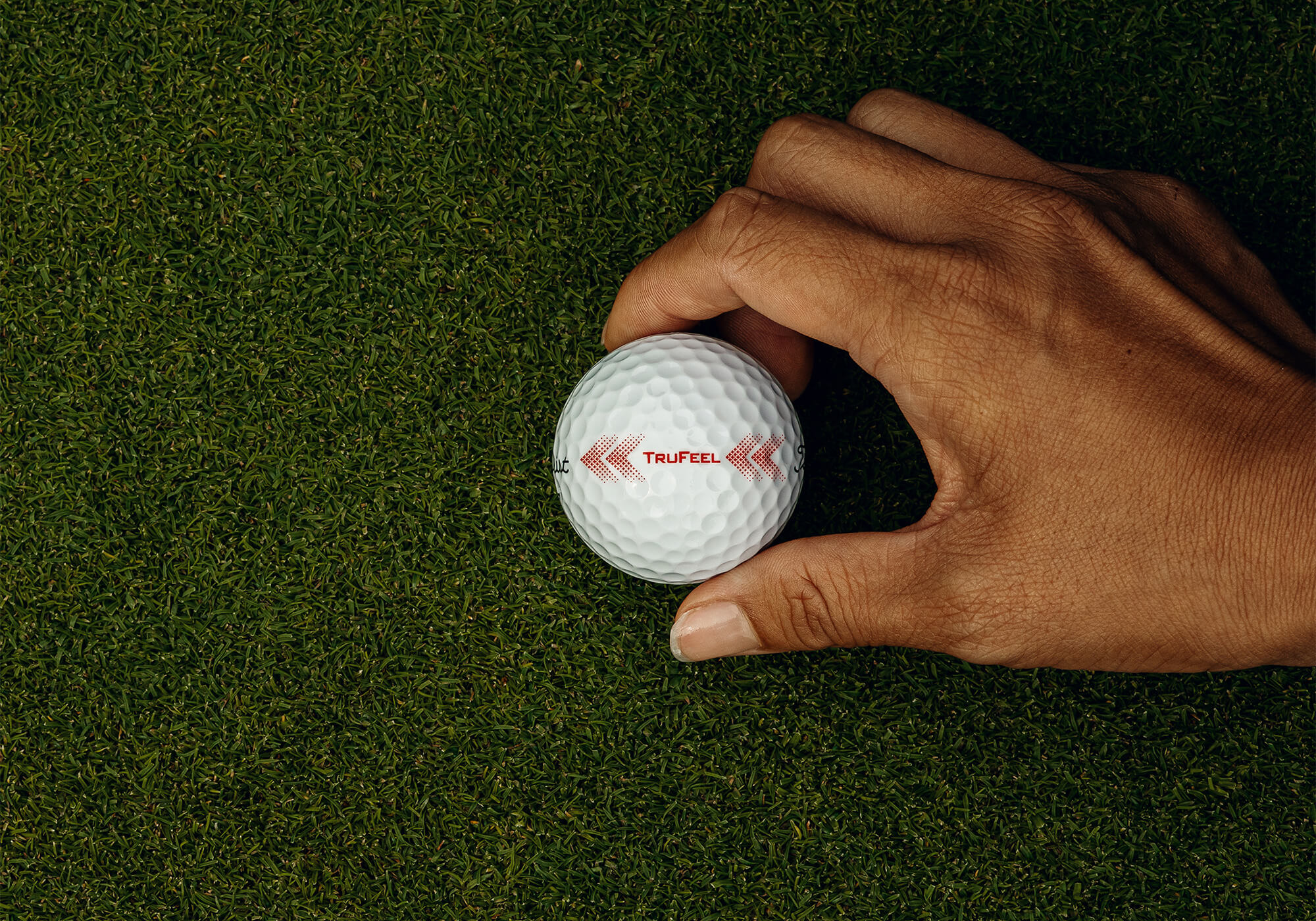
The other compelling feature of TruFeel is that it flies high. At our high-speed 7-iron condition, it produced the highest peak height of any ball in the test and came down at nearly the steepest angle in the field. Iron spin is generally a tier higher than what the lower-compression stuff produces which suggests TruFeel could be viable for golfers looking for some stopping power on approach shots.
As with the other ionomer offerings, greenside spin is either low or a liability depending on your perspective. For what it’s worth, on our 35-yard shot, TruFeel was the highest-spinning of Titleist’s three ionomer options.
Titleist Tour Soft (88 compression)
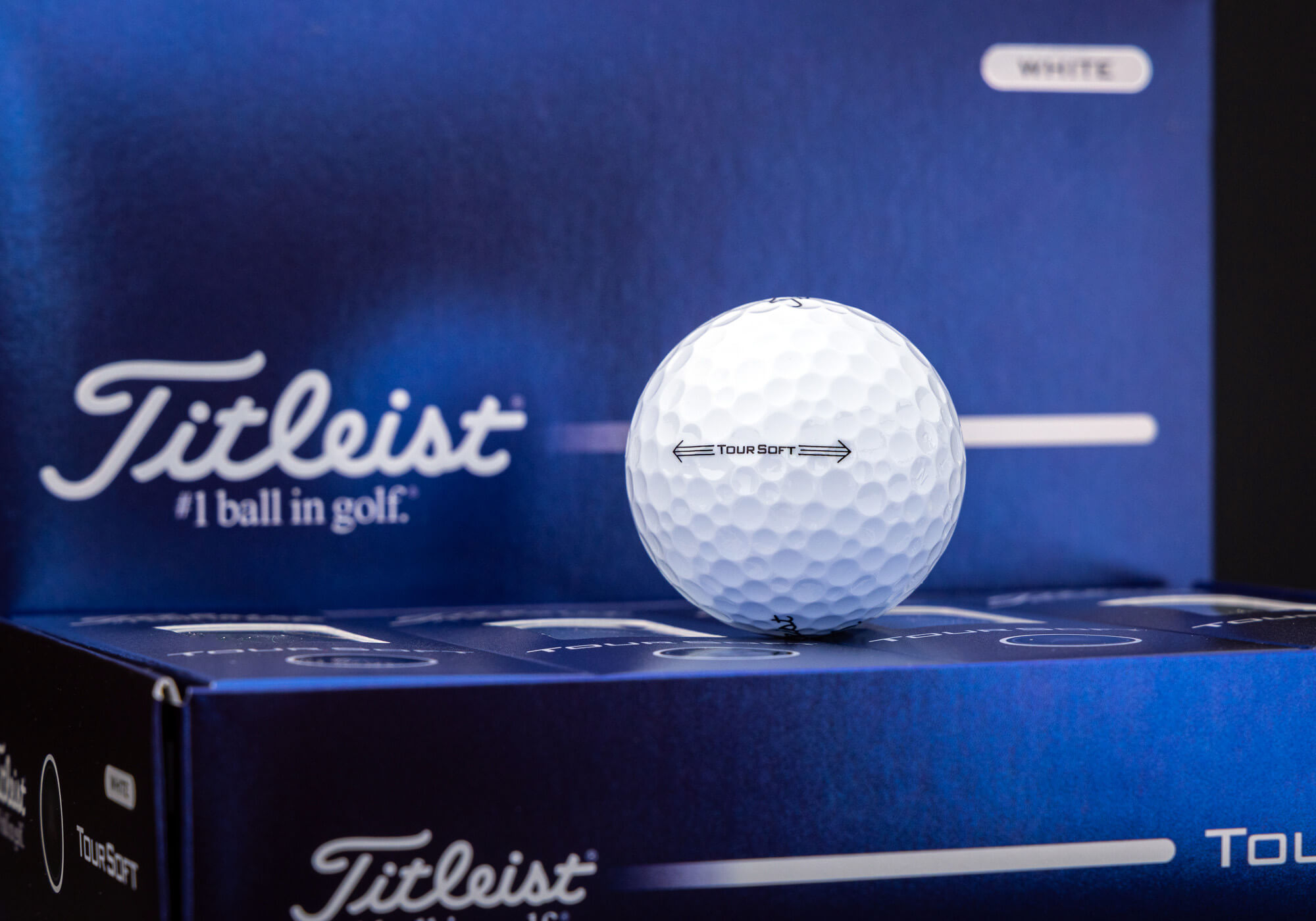
Tour Soft captured our attention in the 2025 ball test. In every test, there’s at least one ball that does something that surprises us. Some of those surprises have not been pleasant but in the case of Tour Soft, what we saw was eye-opening (in a good way).
It performed in ways we didn’t think a ball with an ionomer cover could.
Our takeaway is that Tour Soft plays like every bit of a tour ball until the last 100 yards or so (give or take). It occupies the same general compression space as Pro V1 and, for the most part, it behaves like a 90-compression urethane ball. With that, it’s not unreasonable to suggest Tour Soft is, pound-for-pound, the most complete ionomer ball on the market.
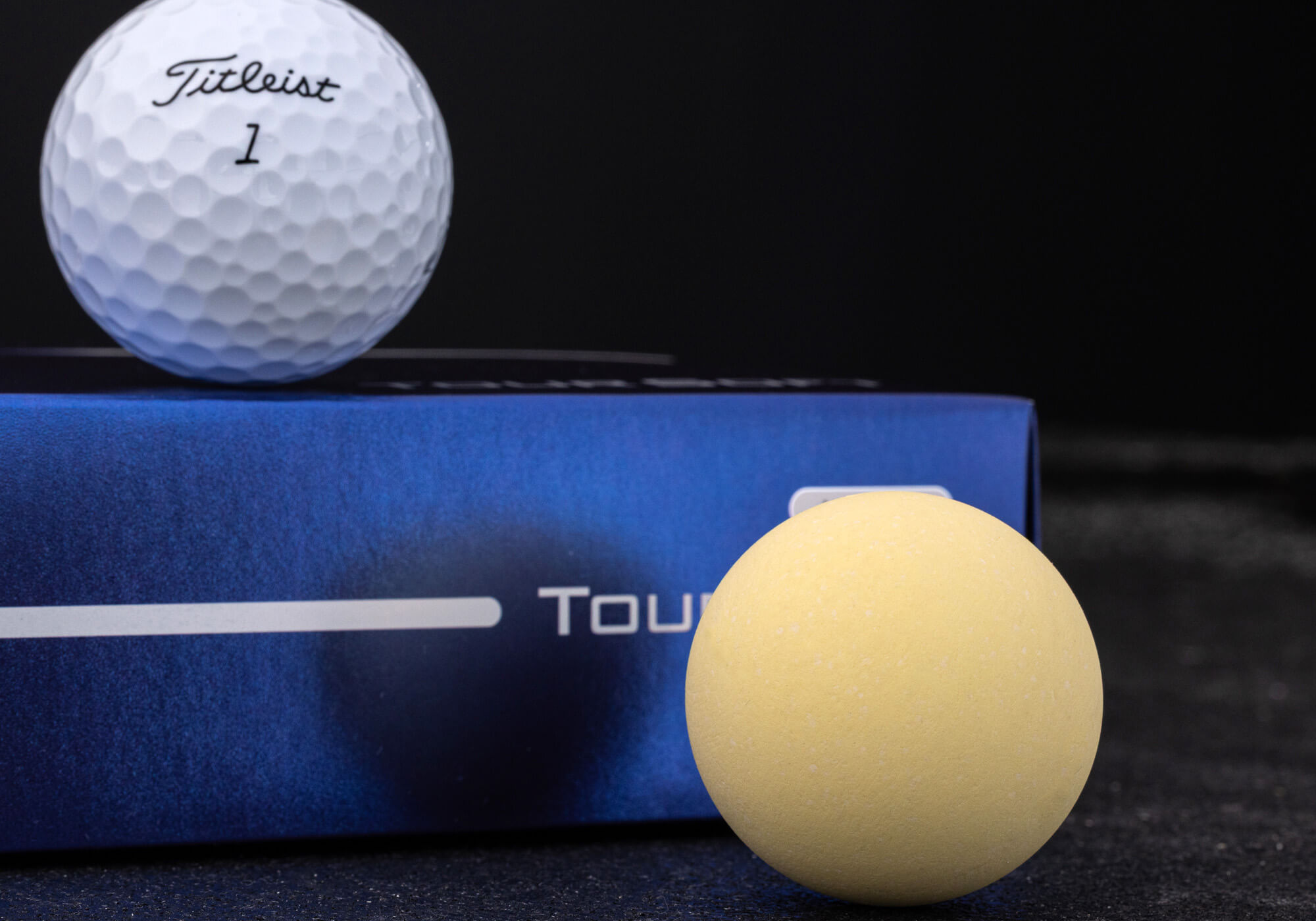
Five iterations of ball testing have shown us there’s plenty of difference between models so the point isn’t that everything around 90 compression is the same. The point is that, in most conditions, Tour Soft blends in easily with the top urethane models. There’s nothing in the data to suggest it isn’t one of them, at least not until you get closer to the green.
Across all three driver speeds, Tour Soft was among the fastest and highest-flying ionomer balls we tested. Off high-speed 7-irons, it spun 6,700 rpm, sixth in the field. We saw similar results at other speeds. No other ionomer ball we tested is doing that.
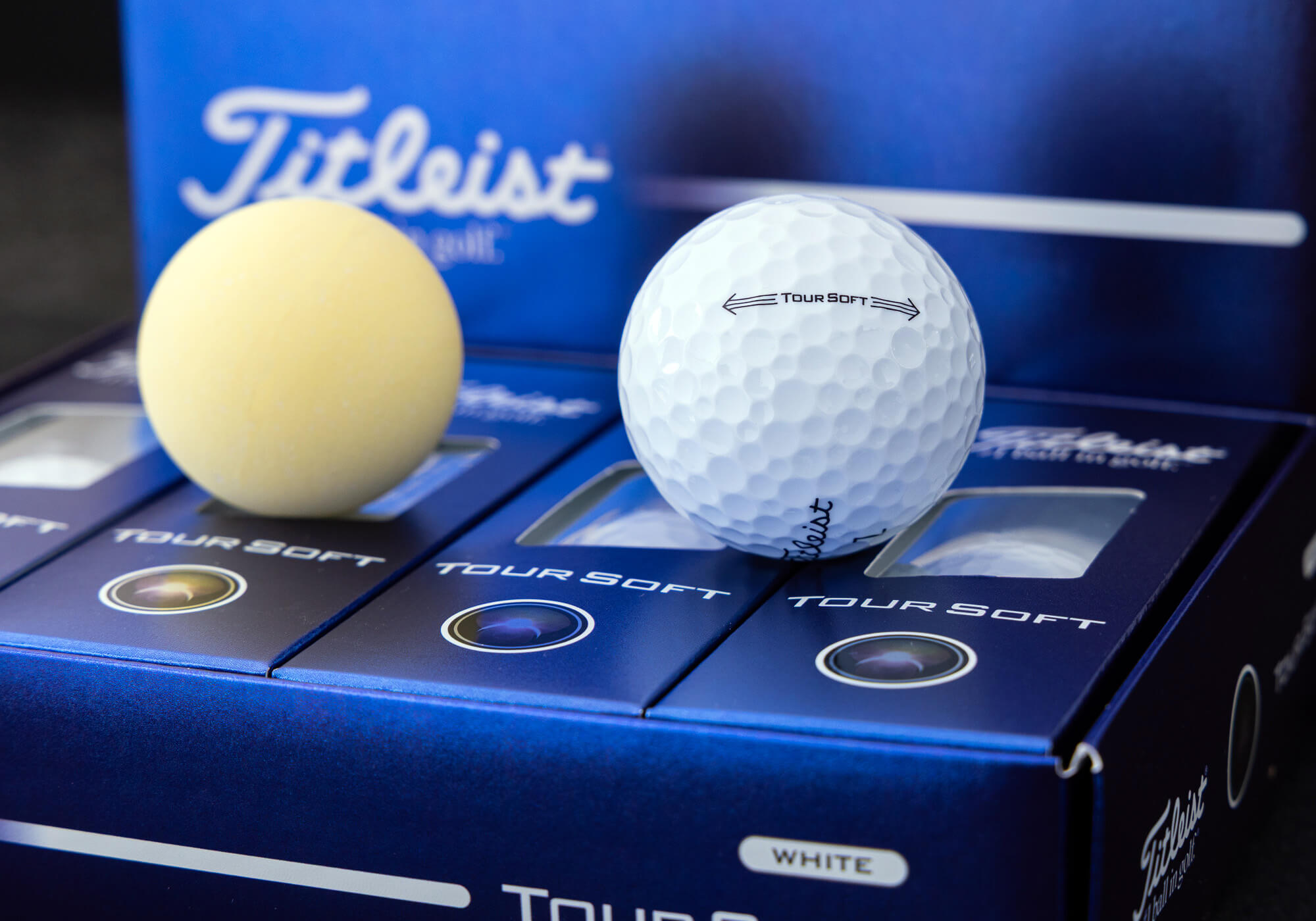
As usual, the ionomer tax comes due with the wedge. A full sand wedge doesn’t match the average urethane ball although it is notably higher than the typical ionomer offering. From 35 yards, Tour Soft spun 4,231 rpm and while I suppose you could argue that’s pretty good for an ionomer ball, it still trails the top urethane models by a good amount.
As I said after our 2025 test, if Tour Soft had a urethane cover, it would be a Pro V1. The greenside performance that can only be achieved with a urethane cover is the only thing missing.
The bottom line is that Tour Soft is for the golfer who wants a quality product with urethane performance through most of the bag and is willing to give up some greenside spin to save 20 bucks.
The quality piece
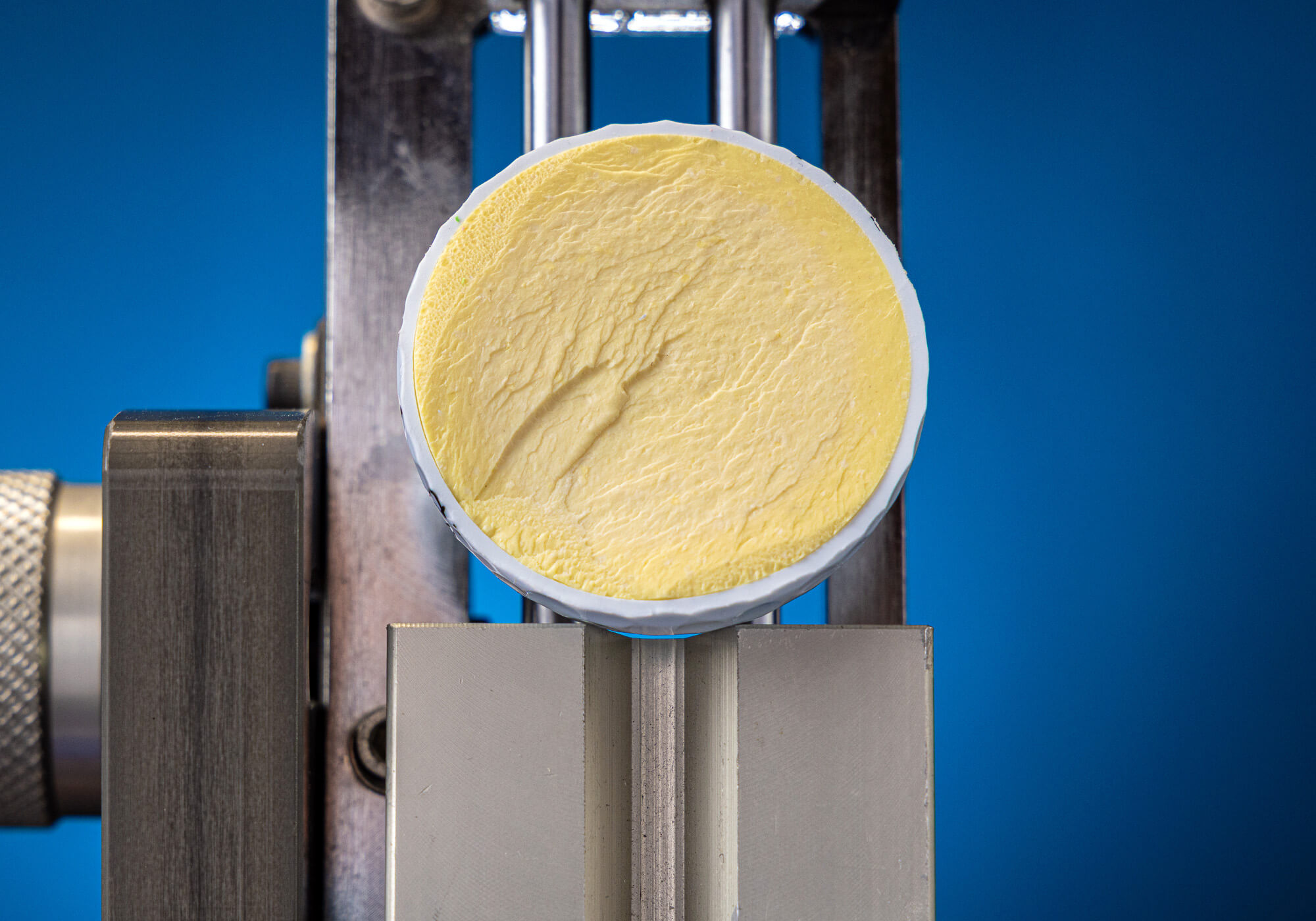
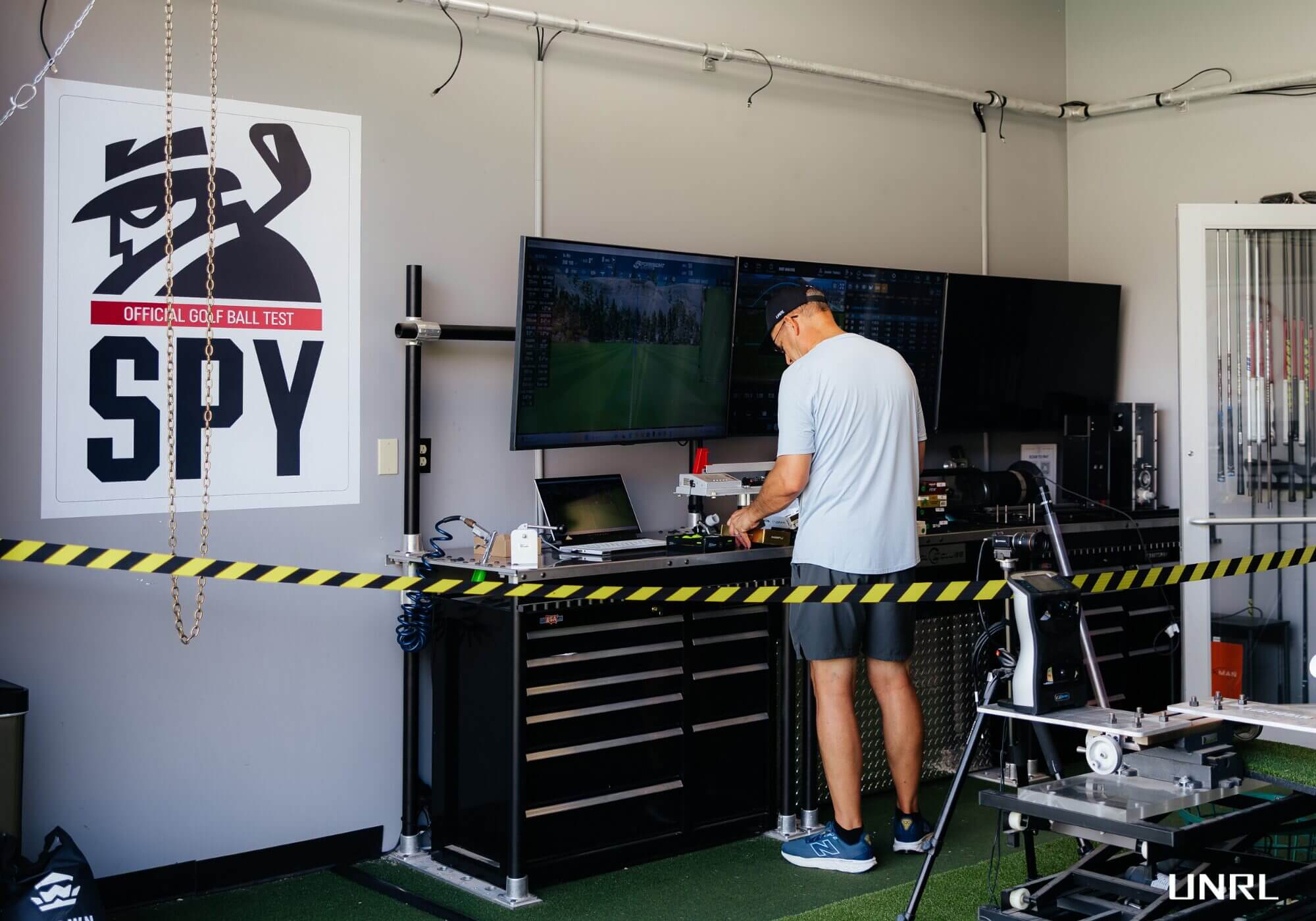
Most golfers have some inherent sense of performance, even if it amounts to nothing more than being just aware enough to claim they can’t tell the difference. Quality differences are harder to spot. That’s what our Ball Lab is for and it’s where we quantify the quality and consistency of the golf balls you’re buying.
Full disclosure: We haven’t run the current generation of the performance line through Ball Lab but half a decade has taught us that quality is a factory-level feature so there is data we can point to. The headline is that Titleist’s ionomer offerings have historically been best-of-breed relative to the competitive set.
Ball Lab data also suggests a strong correlation between price and quality. Said another way, while we occasionally find a bad urethane offering, the lower portion of our quality rankings is dominated by ionomer models. Manufacturers have admitted that soft balls (more pliable core materials) are more difficult to work with, which leads to more inconsistency. There’s also some suggestion that ionomer as a cover material is harder to mold consistently.
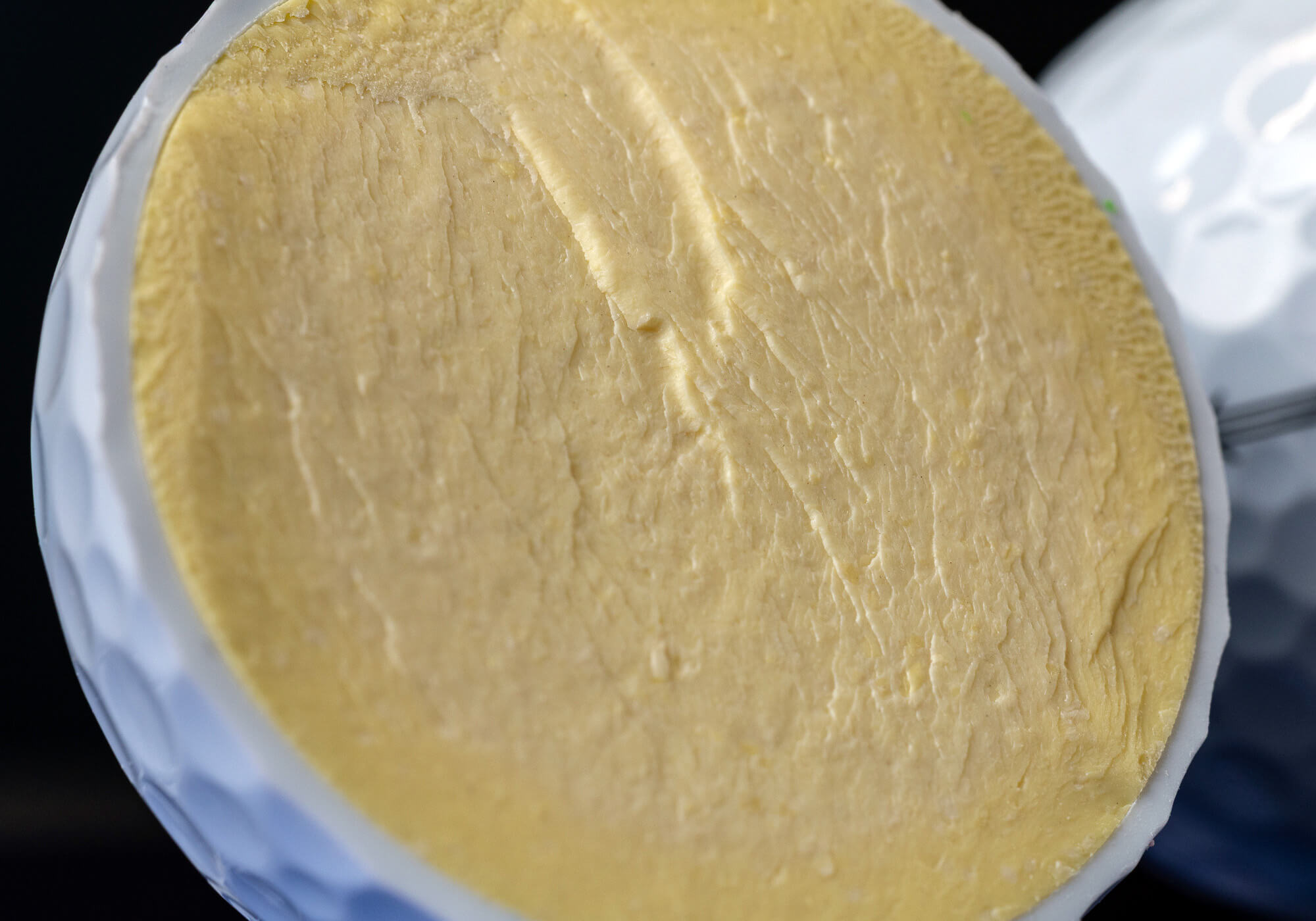
Historically, Titleist’s ionomer has been the exception. Across everything we’ve gauged, Titleist’s ionomer models grade as above average. Most everything else in the ionomer category rates as below average. The reality is that industry-wide, ionomer quality lags behind that of urethane. I won’t go so far as to say Titleist’s ionomer offerings match the consistency of its urethane offerings but the worst balls we’ve measured from Titleist are better than average by the totality of industry standards—urethane included.
This conversation isn’t strictly about performance, even though this is the performance line. The reality is that price invariably brings compromise but with the performance line, Titleist seeks to make the highest-quality, most consistent product at any given price point. Nobody is pretending TruFeel or Velocity is a Pro V1. The point is you’d be hard-pressed to find better-made options below $28. What we’ve seen in the urethane market over the last few years suggests competitors have narrowed the quality gap at the top end. The same can’t be said at the lower end of the market.
That’s not particularly surprising when you consider that Titleist manufactures the performance line in Titleist-owned factories while most of its competitors still outsource their low-cost models to third-party overseas factories.
It doesn’t much matter what industry you’re in, nobody is going to care as much about your product as you do and it’s difficult to control a process you don’t own.
Where each one fits
As we noted in our 2026 Ball Test report, there’s a strong correlation between the price of the ball and greenside spin. It’s the tangible thing that costs more money to bundle in the design.
With that, if your game thrives on short-game spin, none of the three is your answer, and I suspect Titleist would be perfectly happy to tell you as much.
The key takeaway is this: With the lower-cost performance line, Titleist isn’t selling you three versions of the same golf ball at three price points. It’s giving you three unique design options and, to an extent, three sets of compromises. The only question that matters is which compromise you can live with. If the answer is none of them, well, that’s the reason Pro V1, Pro V1x, Left Dash and AVX exist.
Titleist TruFeel, Velocity and Tour Soft are available now. Titleist AIM alignment features are available on every ball in its lineup.









Patrick
1 month ago
After developing a short game and learning to spin the ball, I will never use an ionomer ball again. For casual rounds, practice, and overall performance VALUE, I’d rather play Kirkland or Member’s Mark balls that have a urethane cover.