


Our testing always includes a variety of handicap levels and swing speeds so in every putter test there are great putters and there are golfers who struggle. I found the golfer with the worst overall results in putting and took a deeper dive into what helped him succeed.
I’ve said it before and I will say it again: zero-torque putters are not magic. But results like this should make you stop and think.
Every buying guide at MyGolfSpy is informed by independent testing and millions of equipment data points, helping golfers separate marketing claims from measurable performance.
The numbers nobody wants to own
Across our Blade, Mallet and Zero-Torque tests, 17 testers played all three categories. On blades, the pool averaged a -2.47 PV handicap. On mallets, -3.80. One tester’s blade average was +4.55. His mallet average was +3.98. He is the only tester in that group of 17 with a positive handicap in either category, meaning by our measure he was worse than scratch on both.
Then we handed him a zero-torque putter
His zero-torque average came out to -0.97, a swing of more than 5 1/2 strokes from his mallet number alone. Saving five shots with a club change is huge.
But I want to be careful with what that number does and does not mean.
A -0.97 is not this tester climbing to the top of our leaderboard. The 17-tester Zero Torque average was -6.57 so he was likely still below the pack even at his best. Zero-torque does not make him elite. However, we can see that whatever was breaking down in his stroke on a blade or a heavier mallet largely disappeared once his putter stopped twisting through impact.
What the distance data shows
On mallets, his medium-range putts, the eight- to 15-foot zone that decides more rounds than most golfers want to admit, cost him 8.82 strokes above the field average. With zero-torque, that same zone cost him 2.28. Short and long putts improved, too, but the medium-range gap is where decisions about switching putters should be made.
His best in each category
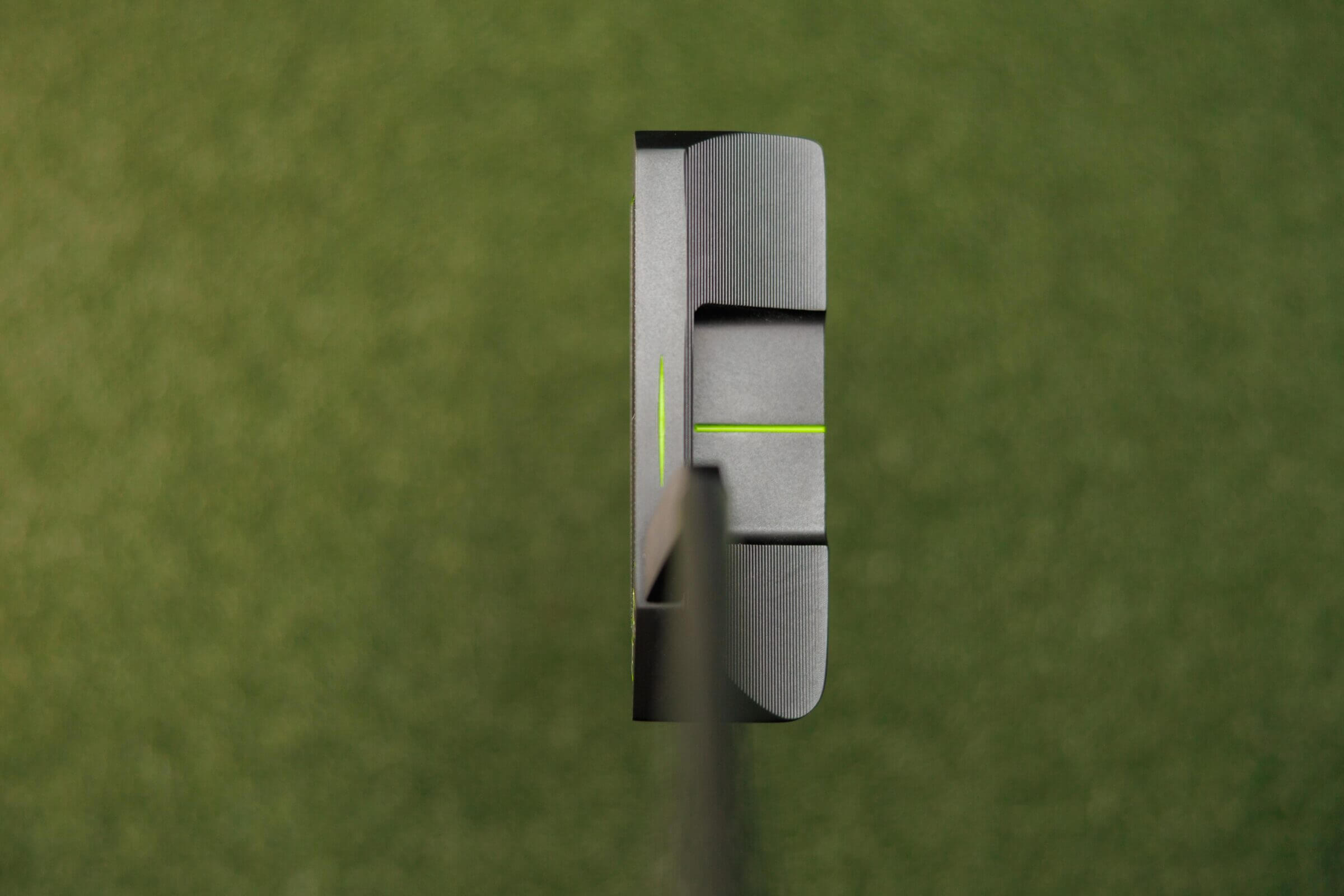
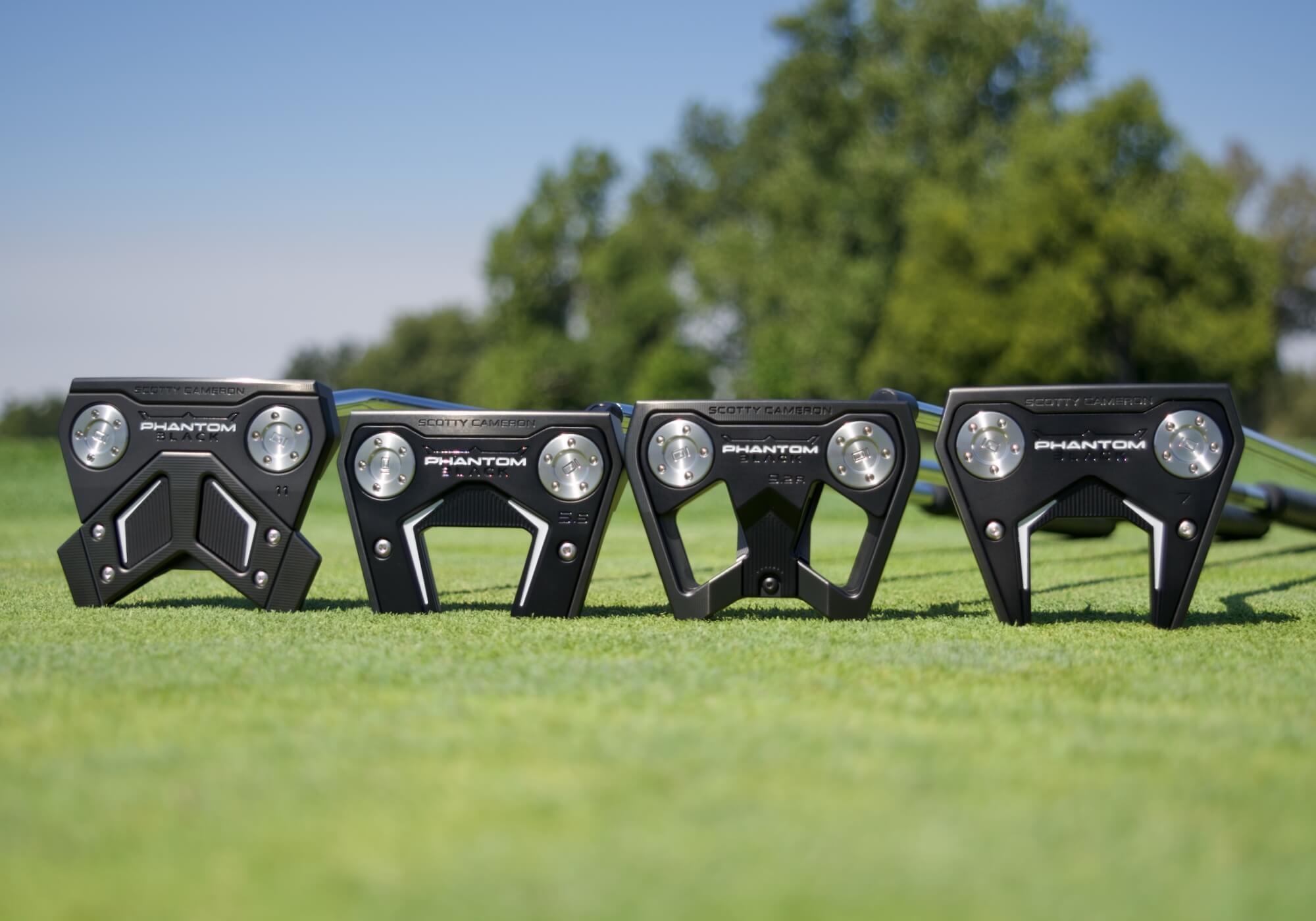
The numbers we’ve been looking at up to this point have been averages. It’s also interesting to break down his best putter in each category. I like seeing the Scotty Cameron putts show up on this list twice. The Cameron name has always been associated with better players but you can see here that the SS Newport 2 and Phantom 11 OC were top performers for a golfer who needs some help on the greens.
| Category | Putter | PV HCP | Short | Medium | Long |
|---|---|---|---|---|---|
| Blade | Scotty Cameron SS Newport 2 | -6.9 | -8.0 | -3.6 | -8.1 |
| Mallet | Wilson Staff Model TM22 | -3.5 | -4.5 | -0.6 | -4.5 |
| Zero-Torque | Scotty Cameron Phantom 11 OC | -9.3 | -9.6 | -10.1 | -7.7 |
What this means for your own fitting
What a zero-torque head is engineered to do is keep the face square through impact without your hands correcting for it. For this golfer, it fixed something that helped him save strokes instantly. Have you tried a zero-torque putter yet?









Stephen
3 months ago
FWIW I bought the Phantom 11R OC in May and broke 80 twice in June as a 16 handicap, including my best ever handicap-adjusted round (now 13 handicap)