



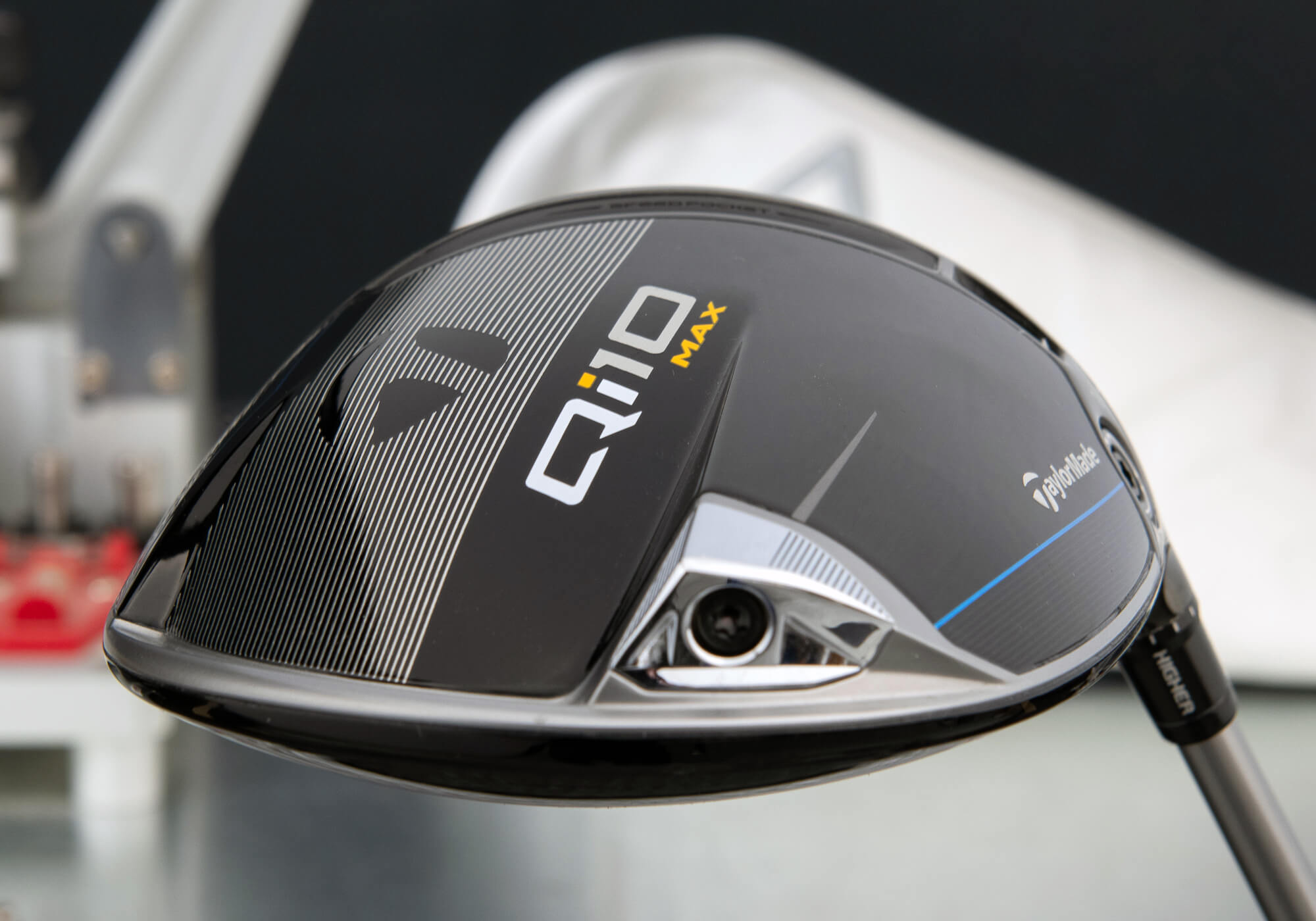
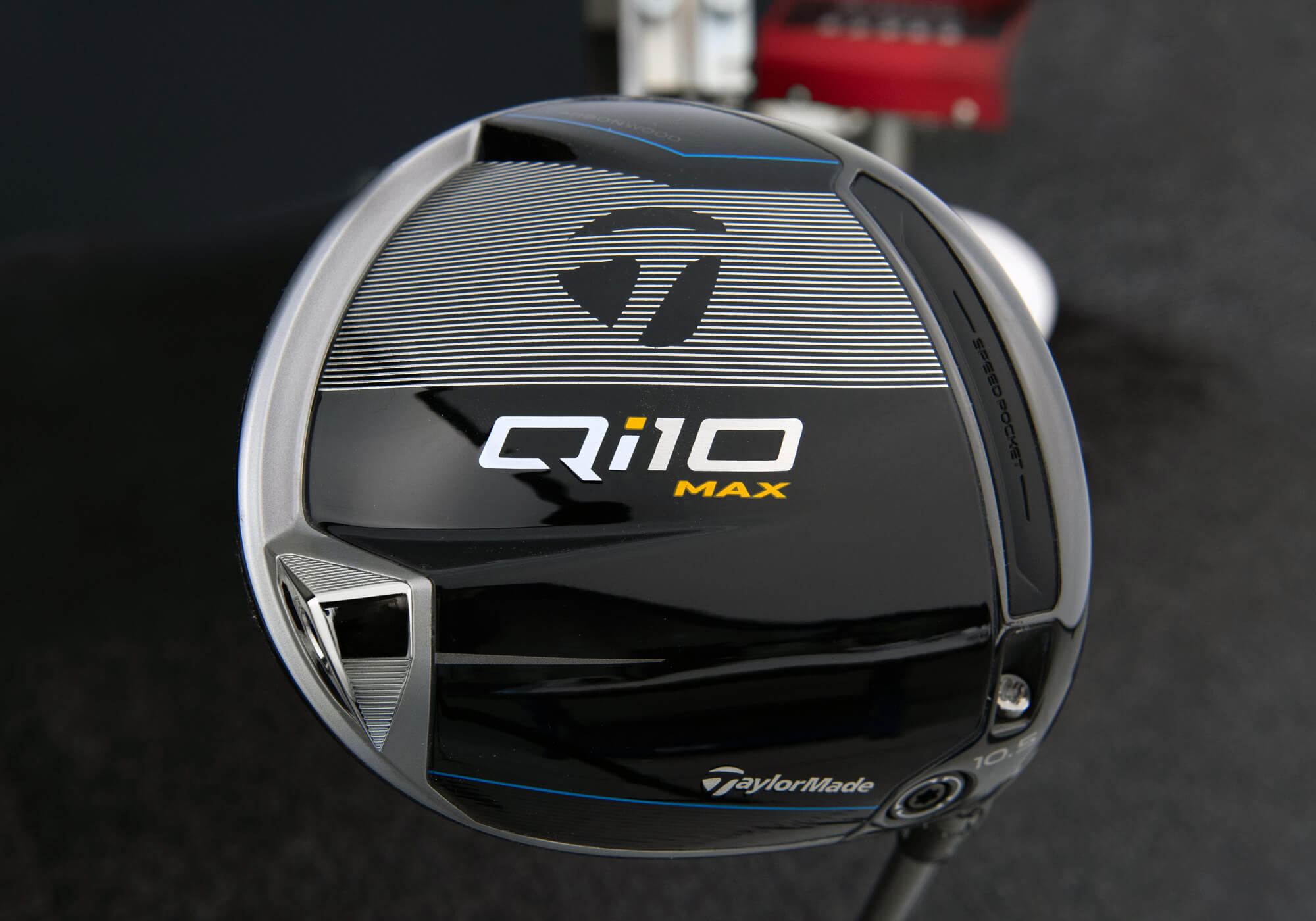
“10K” is the hottest buzzword (or maybe buzzabbreviation?) in driver design this season.
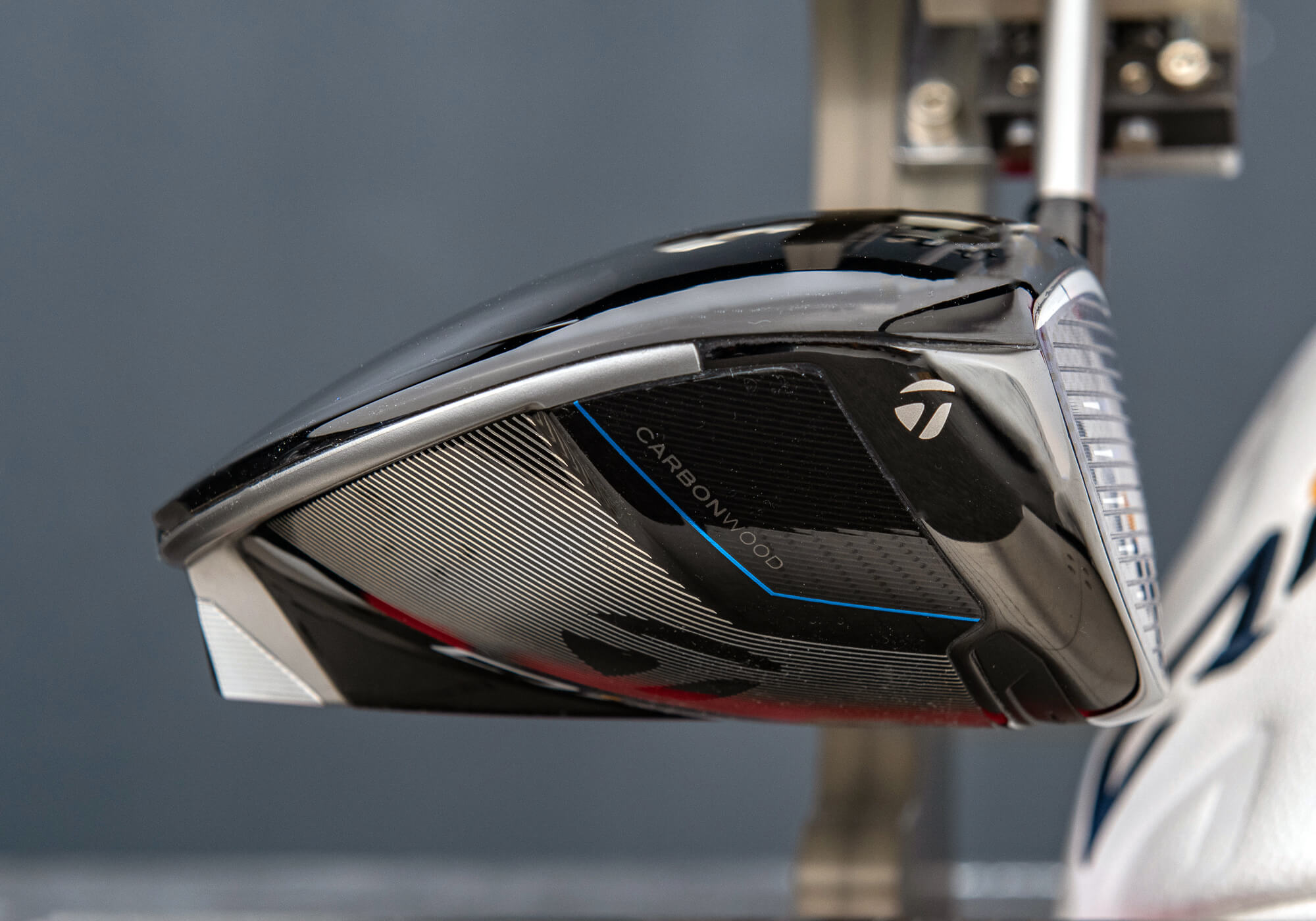
PING and TaylorMade launched their 10K designs as part of the annual January frenzy. PXG wasn’t far behind and, in recent weeks, Tour Edge and Honma have released drivers with claimed MOI values above 10K. As we roll into 2025, I can promise you there will be more 10K MOI drivers on the market.
With that, you might be wondering …
WTF is 10K?
Simple questions often have simple answers. In this case, 10K refers to golf clubs (specifically drivers) with total/combined MOI values of 10,000 or more.
And that brings us to the next question.
WTF is MOI?
In the golf world, MOI is a measurement of a golf club’s resistance to twisting on off-center strikes. More precisely, its twisting when impact doesn’t align with the center of gravity, but let’s not jump down that rabbit hole today. Just understand that when you miss the sweet spot, a driver is going to twist or deflect. It is inevitable.
A golf club’s MOI is calculated within CAD tools during the design process but the real value can be measured on a gauge. MOI measurements are expressed in grams per centimeter squared (g-cm2). With that said, you don’t need to get bogged down by the particulars. What matters is that the higher the MOI, the more resistant the club is to twisting along a given axis.
It’s the reason why high MOI drivers are classified as more forgiving.
And that brings me to my next point. A golf club has multiple axes.
For the better part of my career writing about golf clubs, the only one anybody seemed to care about was the y-axis. That’s your heel-to-toe measurement and the one that has been traditionally used when making MOI claims.
In the past, when golf companies talked about pushing MOI to the USGA limit, they were referring to heel-to-toe (y-axis) MOI.
Here’s the ripple that makes 10K drivers possible.
That oft-quoted USGA maximum MOI of 5,900 applies to a single axis. By combining the MOI measurements of multiple axes, golf companies can claim MOI values well above 5,900 without running afoul of the rules.
What that means is that to get to our magic number of 10K, golf companies are starting with heel-to-toe values at or near the single axis limit of 5,900 g-cm2. The rest comes from x-axis (top-to-bottom) MOI measurements.
A simple example: With a maximum allowable y-axis value near 5,900 and an x-axis value of 4,200, you’re comfortably around 10,100 total MOI. For the sake of tolerances (and marketing), let’s round that down to 10K. That also leaves us room to claim 10.1 or 10K-plus next year.
With the basics out of the way, let’s look at some things to consider before determining if a 10K driver is right for you.
10K isn’t entirely new
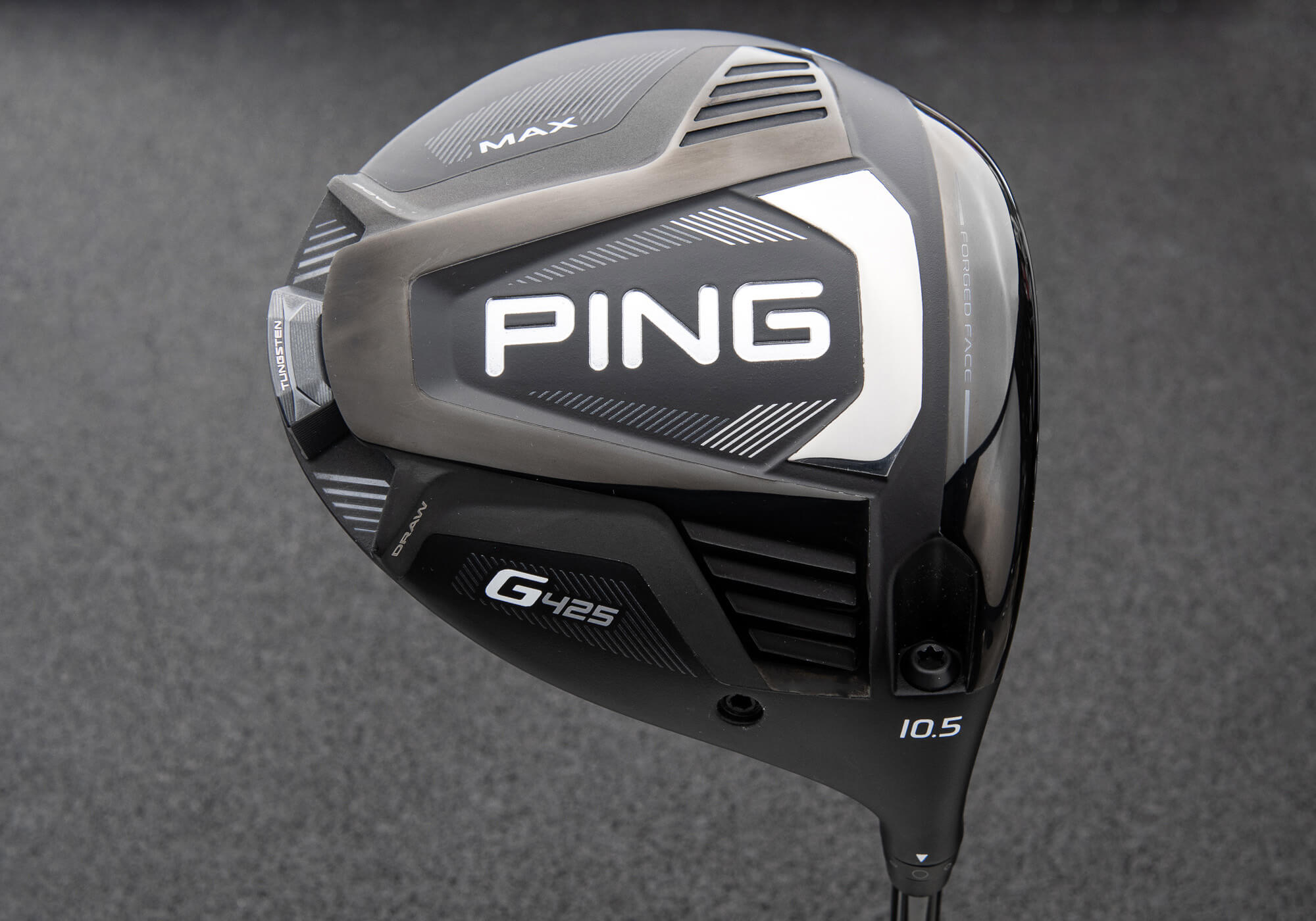
Despite the emergence of marketing around 10K, drivers aren’t much more forgiving than they were a few years ago. While the company didn’t claim 10K at the time, the PING G425 MAX measured above 10K total MOI. PXG wasn’t far off with its XF drivers.
So while golfers may see 10K as some kind of breakthrough in forgiveness, one might argue that crossing the 10K barrier represents a bigger leap forward in marketing than it does actual performance.
I point this out because if you bought a really forgiving driver within the last few years, it’s unlikely you have much to gain by crossing the 10k barrier.
10K is math+marketing
Getting to 10K requires golf companies to combine two similar but not entirely related numbers. That is to say y-axis and x-axis MOI do different things. Heel-to-toe (y-axis) MOI protects ball speed while top-to-bottom (x-axis) MOI has some impact on ball speed but primarily works to provide consistent spin.
Combining the two provides a big number that golfers can wrap their heads around. Marketing teams love it, golfers have embraced it, but many of the R&D guys I’ve spoken with aren’t entirely comfortable with the math that gets us there.
10K doesn’t come for free
As with anything in golf club equipment designing an extreme MOI driver requires some tradeoffs.
They’re bigger
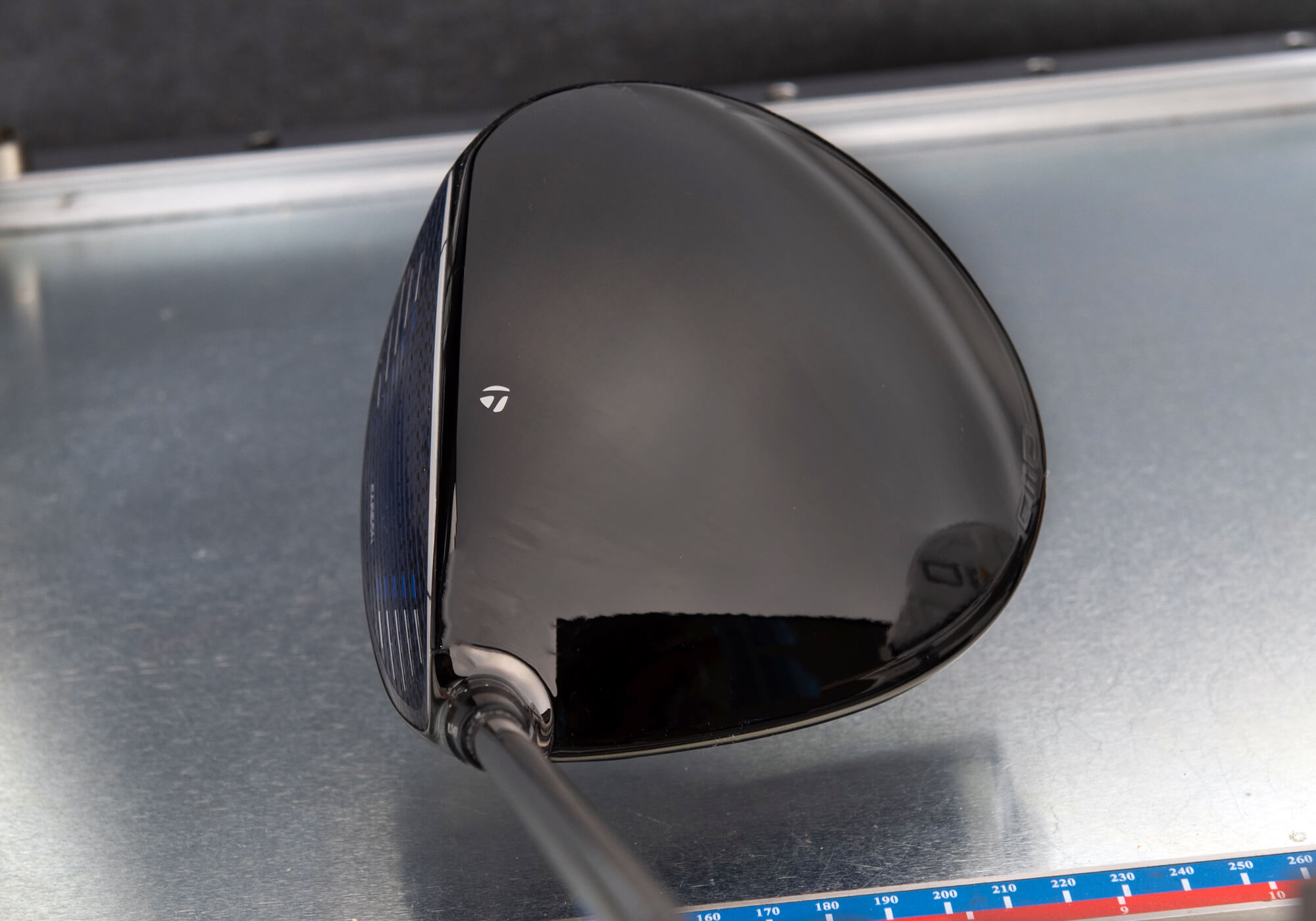
10K drivers invariably have larger address footprints because maximizing MOI means pushing the shape of the driver to the edges of the USGA’s allowable dimensions. This isn’t inherently bad as some golfers feel more confident with the larger shapes. Others find them off-putting.
My two cents here: big or not, if it works for you, you’ll learn to love it.
There are often speed penalties
Extreme MOI often comes at the expense of speed. Because the center of gravity is farther from the impact position (the face), max MOI drivers don’t transfer as much energy to the golf ball as more forward center of gravity designs. With that, at equivalent lofts, maximum ball speeds aren’t typically as fast as drivers with more forward centers of gravity.
On a related note, there’s a chance you’ll swing a 10K driver a little slower than a more traditional design. The drop in swing speed can happen for a couple of reasons.
First, with larger shapes and flatter crowns, 10K (and other high MOI) drivers are less aerodynamic. This primarily impacts faster swingers (roughly 100 mph and above) but it’s something every golfer should consider.
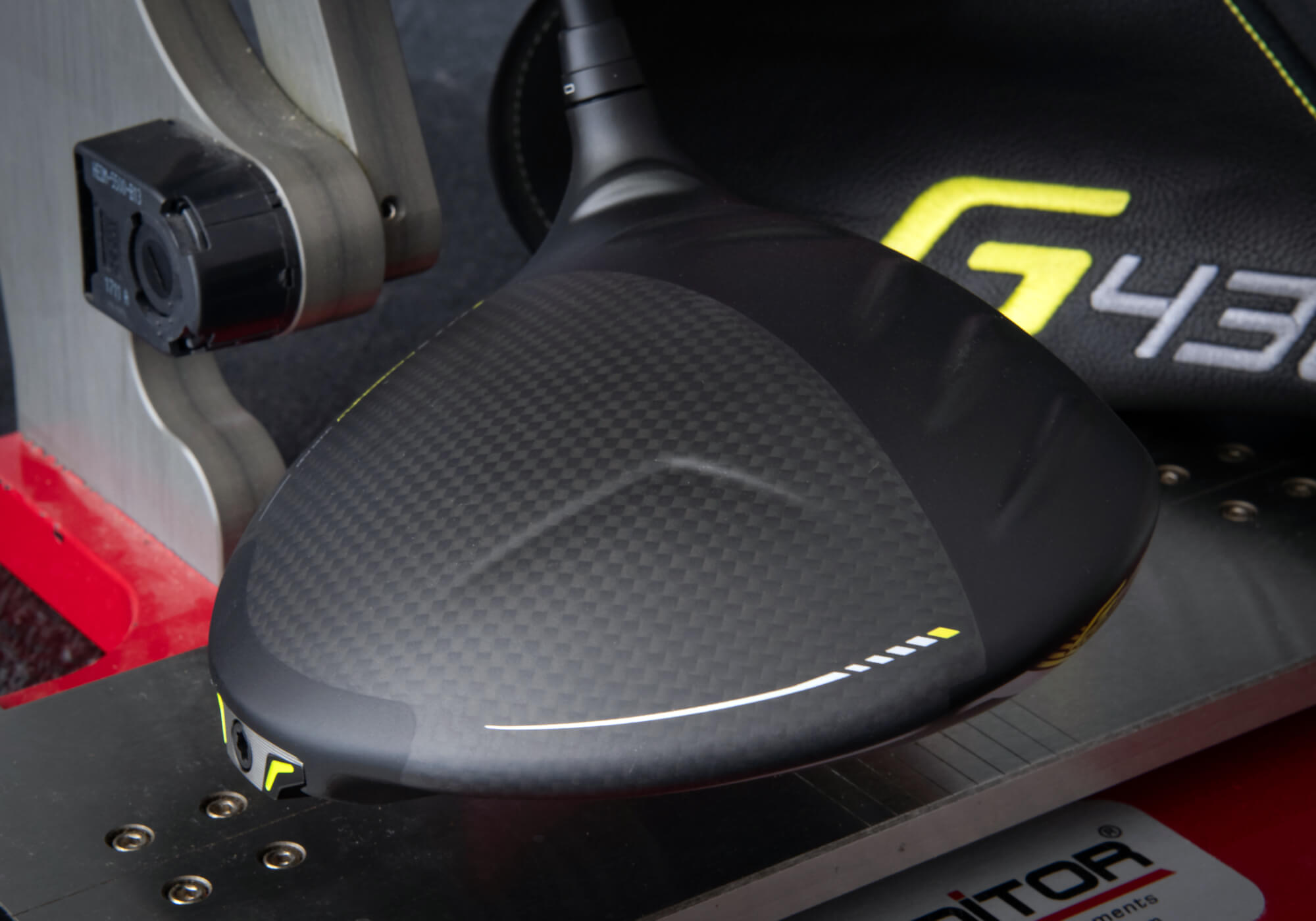
Second, the back CG positions inherent to high MOI designs don’t agree with every golfer. While it isn’t talked about often, many golfers have what you might call a center of gravity sweet spot – a general CG location that works best for them. For some golfers, that means forward (low-spin) CGs can be ideal while, as you might expect, many golfers find their best results somewhere in the middle.
And, yeah, for some, back CG like you’ll find in 10K designs is best.
Golfers who don’t get along with back CG might see a measurable drop in swing speed. That’s going to lead to lower ball speeds and a dip in distance. Some golfers may see no meaningful speed changes. At a minimum, it’s worth experimenting to see how much, if any, speed you’re giving up in pursuit of maximum forgiveness.
They spin more
Back centers of gravity also contribute to higher spin rates which is why higher MOI drivers are often among the spiniest on the market.
Golf companies leverage a variety of techniques to mitigate spin. Some manipulate loft (a 10-degree may measure closer to 9) or leverage face design to reduce spin. This is a case where some companies are inarguably more successful in this regard and it’s also worth pointing out that higher spin rates can be helpful for some golfers.
MOI has a point of diminishing returns
I hope to put some data and cool charts to it in future but, for now, just understand that there are diminishing returns as MOI increases. To put some loose numbers on it, jumping from 4,000 (low MOI by today’s standards) to 4,900 will have significantly greater performance implications than what you get from increasing MOI-y from 5,000 to 5,900 or from 9,000 to 10,000 total MOI, for that matter.
MOI is just one part of forgiveness
While MOI and forgiveness are often used interchangeably, MOI is just one of several factors that contribute to what golfers broadly think of as forgiveness.
At the most basic level, MOI is a preserver of ball speed. That is to say that the higher the MOI, the more ball speed is retained (because the club will deflect less) on off-center strikes.
Other factors, such as face topologies (and technologies), also work to retain off-center speed thereby, contributing to what we generally regard as forgiveness. The same could be said for bulge-and-roll radii (the curvature on the face itself) which work to create better launch conditions and directional control on off-center strikes.
Likewise, it can be argued that technologies like movable weights and adjustable hosels that provide shot-shape correction also contribute to the total forgiveness of a driver.
High MOI doesn’t guarantee straighter flight
It’s true that because higher MOI drivers will deflect less on off-center strikes they can contribute to straighter flight. However, if other factors (bulge radius, CG position, etc.) don’t come together for you, then straighter flight is anything but guaranteed.
In fact, in our years of driver testing, we’ve seen many high MOI designs that achieve excellent ball speed consistency while still hitting comparably few fairways.
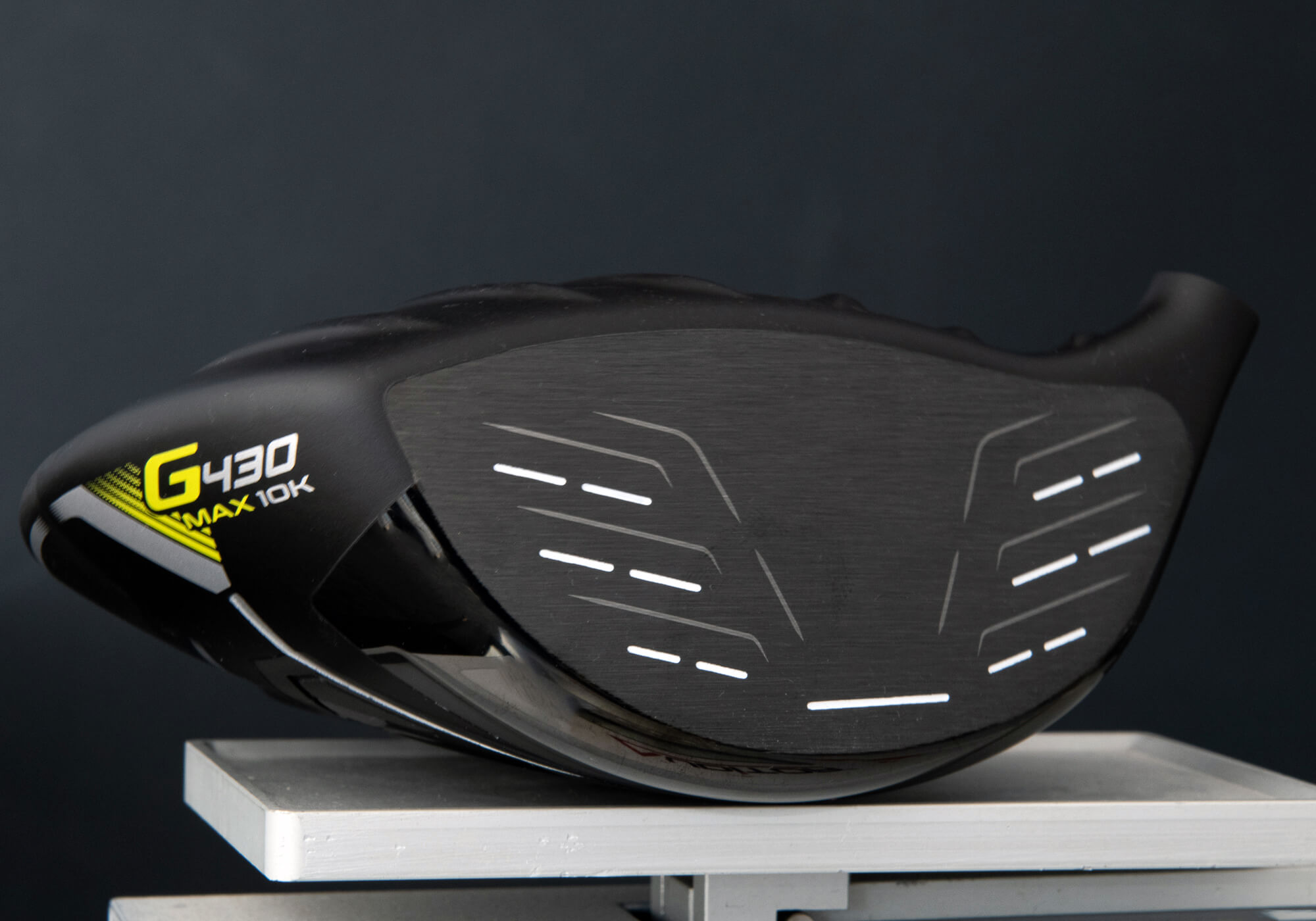
The bottom line is that 10K matters if the other elements of the design come together. That was the case with the PING G430 MAX 10K in this year’s Most Wanted test. PING did an outstanding job of bringing high MOI together with a bunch of other important stuff to create a 10K driver that works well for a lot of golfers. That being said, everything above still applies. As good as the MAX 10K is, it’s not the ideal driver for everyone. There’s a reason why PING makes three other drivers and most of its competitors make three or four of their own.
And so, you may be wondering …
Is 10K right for me?
First, the existence of 10K drivers shouldn’t change your approach to driver fitting. I’m always going to recommend working with a good fitter.
If that’s not an option, the 10K decision ultimately comes down to what you’re trying to achieve and, by no small measure, your impact pattern with the driver.
Forgiveness versus distance
If the goal is to maximize forgiveness, then, yeah, 10K is a good place to start though, as I said earlier, there’s more to forgiveness than MOI. Don’t sweat the finer points. If you happen to end up closer to 9K, I promise you that you’re not giving up much.
If distance is the objective, odds are you’ll get the best results by sacrificing a bit of MOI for the faster speeds that come from more forward center of gravity locations.
That doesn’t mean giving up forgiveness entirely in favor of a low-spin, low-MOI head.
Many golfers will get the best result by balancing the two which means a driver that falls somewhere between low MOI and 10K. After all, there’s a reason why every driver manufacturer has a standard model that promises a happy little blend of speed and forgiveness.
At a minimum, the middle is safe.

Other considerations
While 10K worth of MOI may sound appealing for slower swingers looking for more distance, the truth is that you probably don’t need it. For many, an ultralight design is going to provide a speed bump and the reality is that as your club speed drops so does the real-world importance of MOI.
The slower you swing, the less MOI matters.
The final consideration I’ll mention today is impact location.
If your impact pattern is truly all over the face, you are the ideal candidate for a high MOI (10K, baby!) driver. While it won’t guarantee straighter flight, boosting MOI to the fullest extent possible should help bring more consistent results to your otherwise inconsistent impact pattern.
If you have a consistent miss (I live on the toe), more MOI can be helpful but you may be better served by leveraging a combination of hosel adjustability and movable weights to tune the driver to match your reliable miss.
I’m not saying you should rule out 10K drivers entirely but I wouldn’t prioritize MOI. If you can increase peak speed, MOI becomes a bit less important.

Finally, if you are that rare middle-of-the-face player, congratulations! You need less MOI than the rest of us. While I’m not suggesting you find a gently used SLDR on eBay, maximizing speed while dialing in launch, spin and descent angles is what’s going to deliver the best performance. In many cases that will mean moving CG forward and sacrificing MOI.
Chances are you won’t miss it.
Keep in mind that these are just general guidelines. As with just about everything else in the golf club fitting world, there will be exceptions. The best way to find out if 10K is right for you is to work with a qualified and competent fitter in your area.
Feel free to tell them I sent you.




Jay
2 years ago
Great article. Now I get the 10K picture. I am still playing a 20 yr old Cleveland Launcher driver(inverted crown). I have taken it in and compared it against new models on a couple of occasions and actually got similar results. I love the graffaloy shaft I have in it(lower kick point) so I haven’t seen the $500-600 reason to switch. I am interested in the Callaway triple diamond max that is now avail to compare it too. Soon I hope. I think the CG is low and mid close in my Cleveland. So I actually feel better about where I am and what I am looking at after reading this article. I can’t stand looking at a show on the end of my driver so I am happy to hear everyone doesn’t need to get this new 10k craze.