


If you’ve ever worked in or for a family business, you know there’s one of two ways it can go.
It can be the best possible situation for all involved. Or it can be the worst. There’s usually very little in between.
That’s true for employees but it’s doubly true for family members.
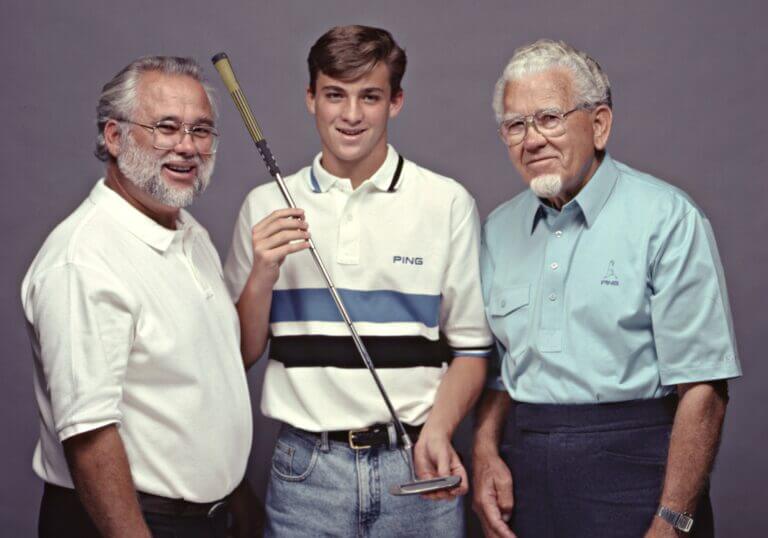
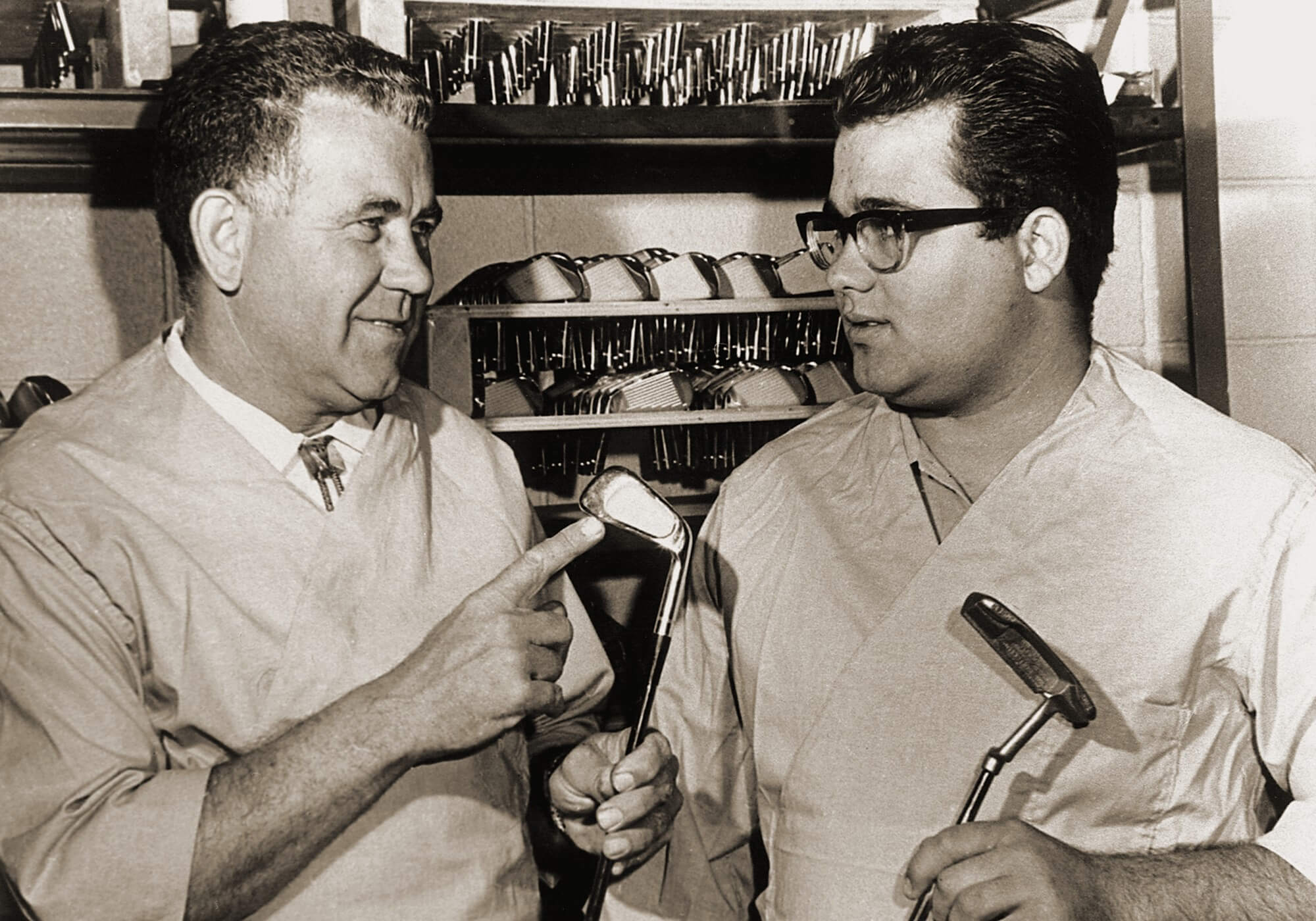
For the Solheim family, PING is its empire. Over the 67 years of its history, there’s been a Solheim at the helm. Founder Karsten Solheim, with his wife Louise, ran the company into the mid-‘90s when son John A. Solheim took over. John A. ran the show until 2017 when his son John K. became president.
How does a family business sustain itself for more than half a century? How is the next-generation leader chosen and how has PING navigated the kind of change? MyGolfSpy was fortunate to enjoy an exclusive sit-down with John A. and John K. Solheim to explore how the PING story and the Solheim family story intersect.
All we can tell you is it’s a fascinating combination of golf history, the blending of generations and the complexities of family operations.
PING: Family-run vs. family owned
John K. Solheim is 52 and succeeded his father as PING president in 2017. He was named CEO in 2022. Having been part of a family business, I had to ask him if he ever felt like his dad was looking over his shoulder and if he ever wanted to just say, “Dad, I got this.”
“Oh, every day,” John K. replied. “But I’ve learned how to use it in a good way. I’ve matured a lot and now see he’s just trying to help. Where I felt like he was always critiquing, now I see it as how much he cares about this business, just like I do.
“Sometimes we’re going to disagree but we work through it. It doesn’t need to be smooth for us to be successful.”
Therein might lie the disconnect between a family business that lasts and a family business that doesn’t. History is littered with tales of family businesses that rarely survive the second generation. And if they do make it, the third generation usually manages to finish it off.
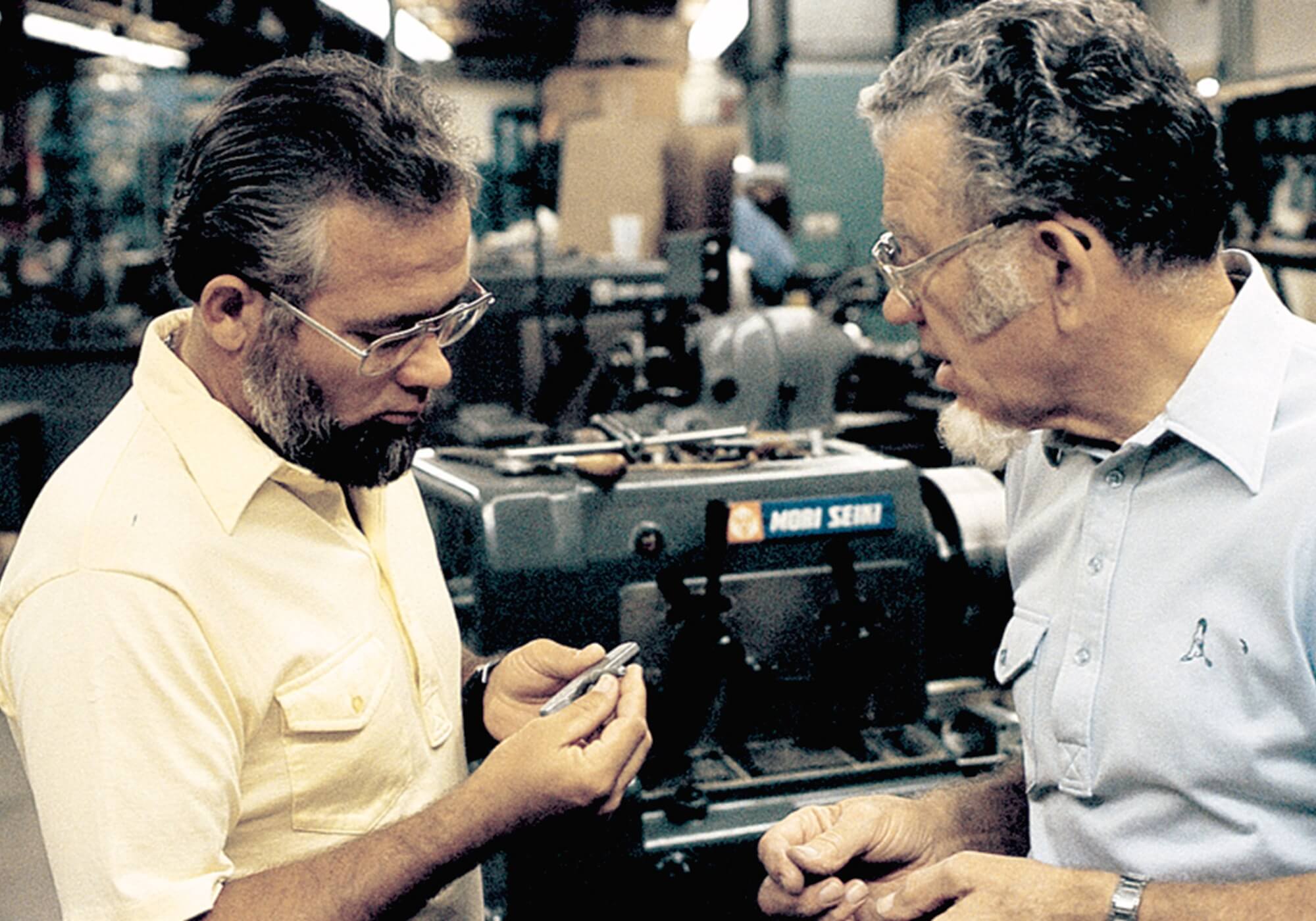
To survive, let alone thrive, a family-run business needs three elements that tie the generations together. First, there needs to be shared values and vision from one generation to the next. Second, the generational successor needs both the desire and the ability to lead. In other words, he or she needs to both want and deserve their role.
Finally, there needs to be trust. Even when things get bumpy.
“We’ve always been aligned in that we all want the best things for PING,” says John K. “We want our products to be the best, so we’ve always had the same vision of where we want to go, just maybe not the exact same process to get there.”
Succeeding a legend isn’t that easy
John A. Solheim turns 81 this year. He was 49 when he took over for his dad in 1995 and he learned first-hand how difficult a family transition can be.
“With my dad, it was not easy,” he tells MyGolfSpy. “He didn’t want to let anything go for a long time but his health was declining and my mom was getting a lot of things done. I was advised that I was going to run the place but wasn’t allowed to say anything to anybody.
“It wasn’t easy and he didn’t want to change things but, you know, things needed to change. I asked if I could work with him in his office so we worked together.”
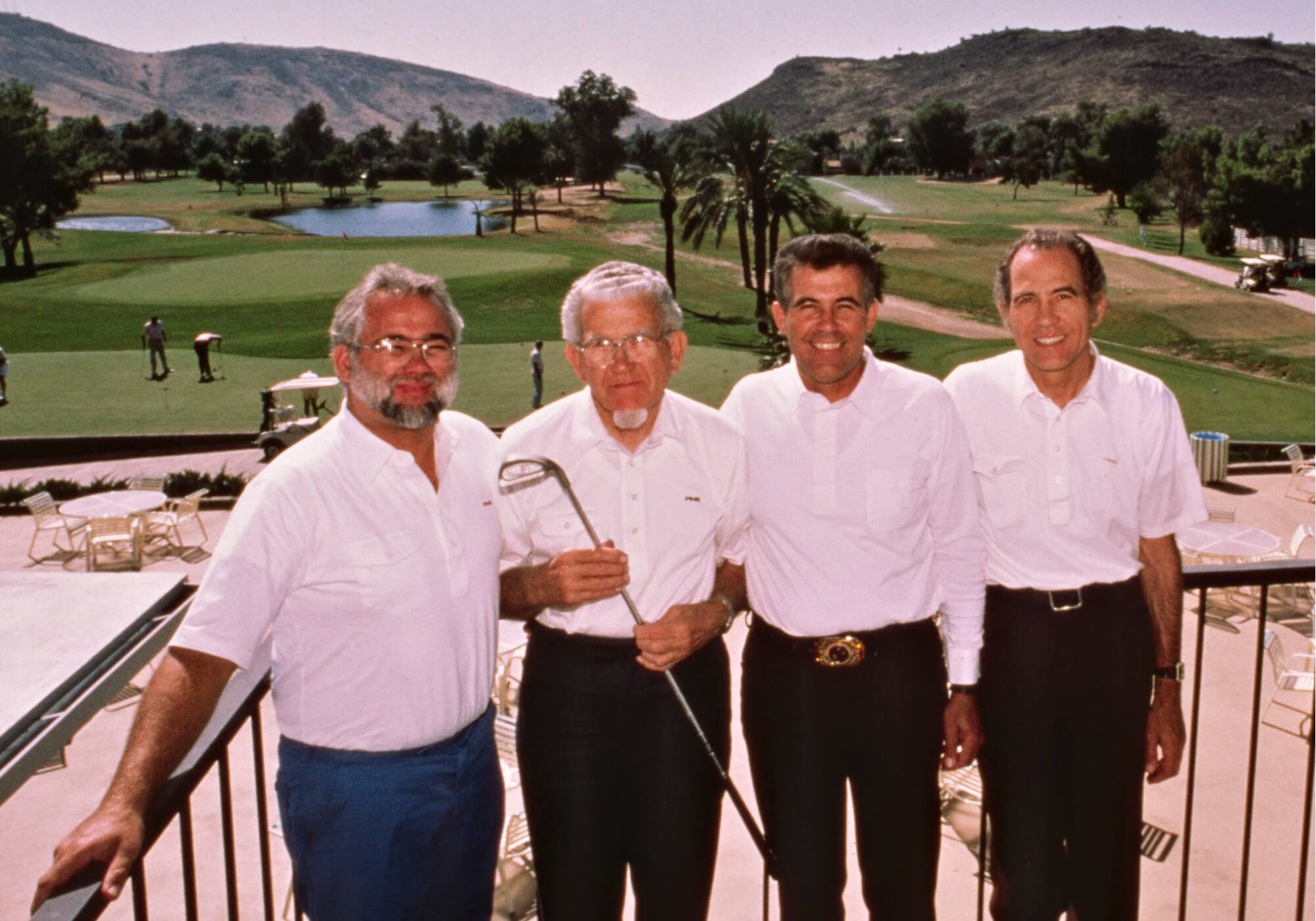
The transition became official at a three-generation board meeting. John A. nominated his father for the role of chairman (a new position for PING) and asked his father to nominate him as president. By this point, Karsten was feeling the effects of Parkinson’s disease (he would die of the disease in 2000) and had spent the previous several years battling the USGA and PGA Tour over the grooves in the PING Eye 2 irons.
“The timing was right,” says John A. “I knew we needed change because a lot of things had changed and my dad wasn’t up on that at the time, just like I wasn’t up on a lot of the things the youth were. That’s why I depended on them more than they may have realized.
“It won’t be long before John has that problem, too.”
“Oh, I’m already there,” replied John K. “But I do know more about AI than he does. I think.”
Lessons learned
The transition from John A. to John K. was, on one level, considerably smoother. It was also considerably more gradual, something John K. admits has wasn’t a fan of at the time. He was admittedly impatient for the transition to take place. His dad, having lived through one abrupt change, had other ideas, so he sent John K. to Japan to run PING’s Asia operations.
For three years.
“It definitely slowed me down and I learned a lot about doing business,” admits John K. “There was a lot of personal growth and learning the value of patience and understanding that you don’t know everything.”

Father eventually called son home to start the transition.
“I didn’t want him to go through what I went through with my dad,” says John A. “But I knew the younger generation is more in tune with the marketplace, so that’s why I tried to get things done earlier.
“I’m still executive chairman, but I’m trying to ease off and do what I enjoy. I’m still working with the engineers, critiquing their work and giving them ideas.”
“I would say we’ve done a much better job from generation two to generation three,” says John K. “I was not a fan of this gradual transition idea when I was younger, but I definitely see the wisdom in it now. It’s been much more seamless. That first transition was pretty abrupt and wasn’t great for the business overall.”
The benefits of family-owned and family-run
Businesses are about dollars. They may get started as acts of love, but they can’t survive without dollars. Family businesses, however, exist in a funny space where, while it’s all about the dollars, it’s also not all about the dollars.
“The Solheim family owns the whole thing,” says John K. “There’s no private equity, no outside shareholders or anything like that. That gives us the control to make long-term decisions. Sure, we like short-term results, but we focus on the long haul.”
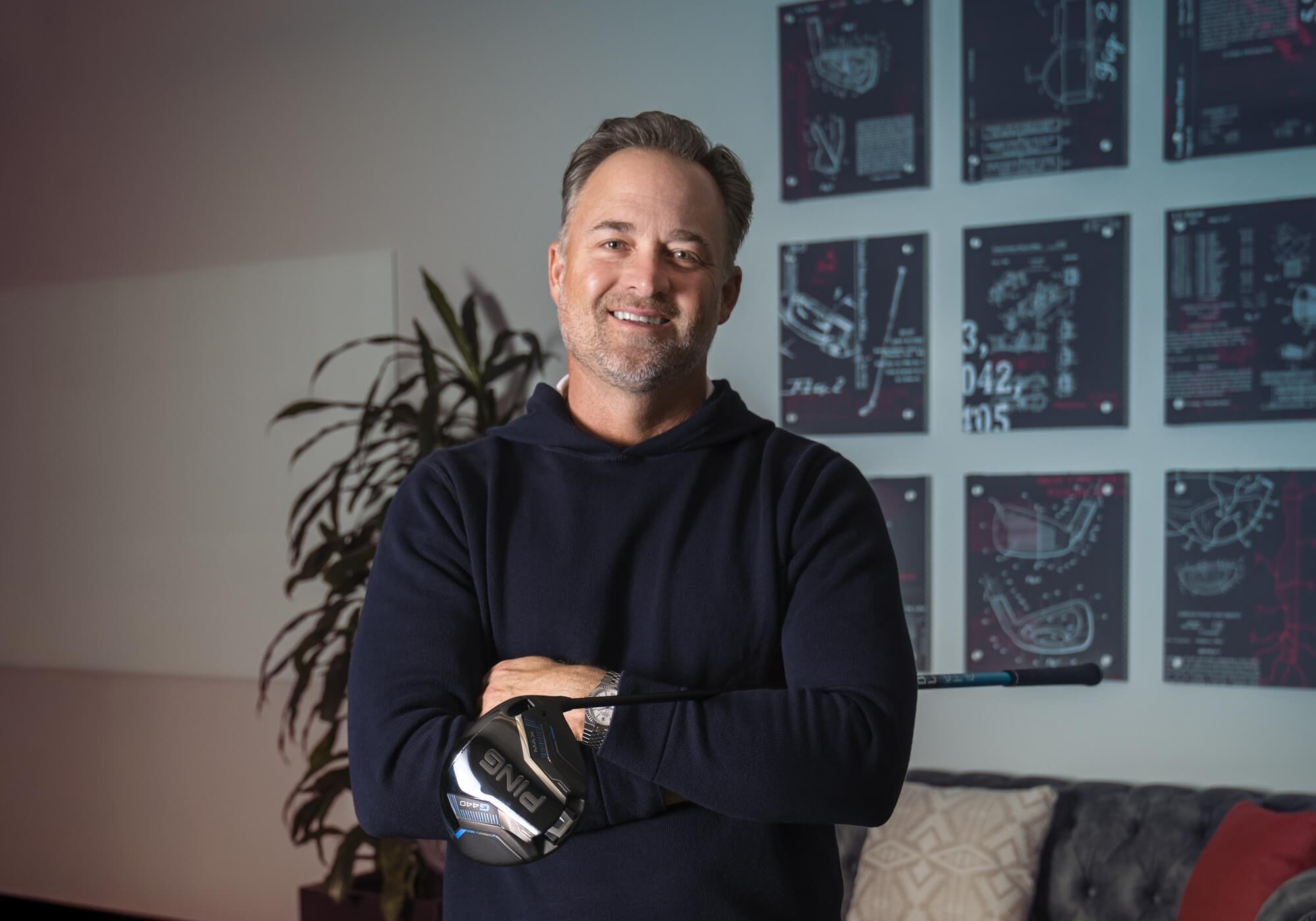
“We care for things differently,” adds John A. “We want to look after the family and we want to look after our employees. There are things that we do because we believe they’re the right thing to do.”
One of those is PING’s dedication and financial support for the Wounded Warrior Project, a non-profit that provides programs and services for veterans wounded during military service.
“I’ve spent many dollars on the Wounded Warriors Project,” says John A. “I’ve never looked at how much; we just did what we felt was right. We have many employees with family in the military, and this is how we look after them.”
PING’s employee retention is indicative of a well-run, family-oriented business. The average tenure is nearly 12.5 years. More than 250 employees have been there for at least 20 years. Those figures make PING a bit of an outlier, as the U.S. average tenure is approximately five years.
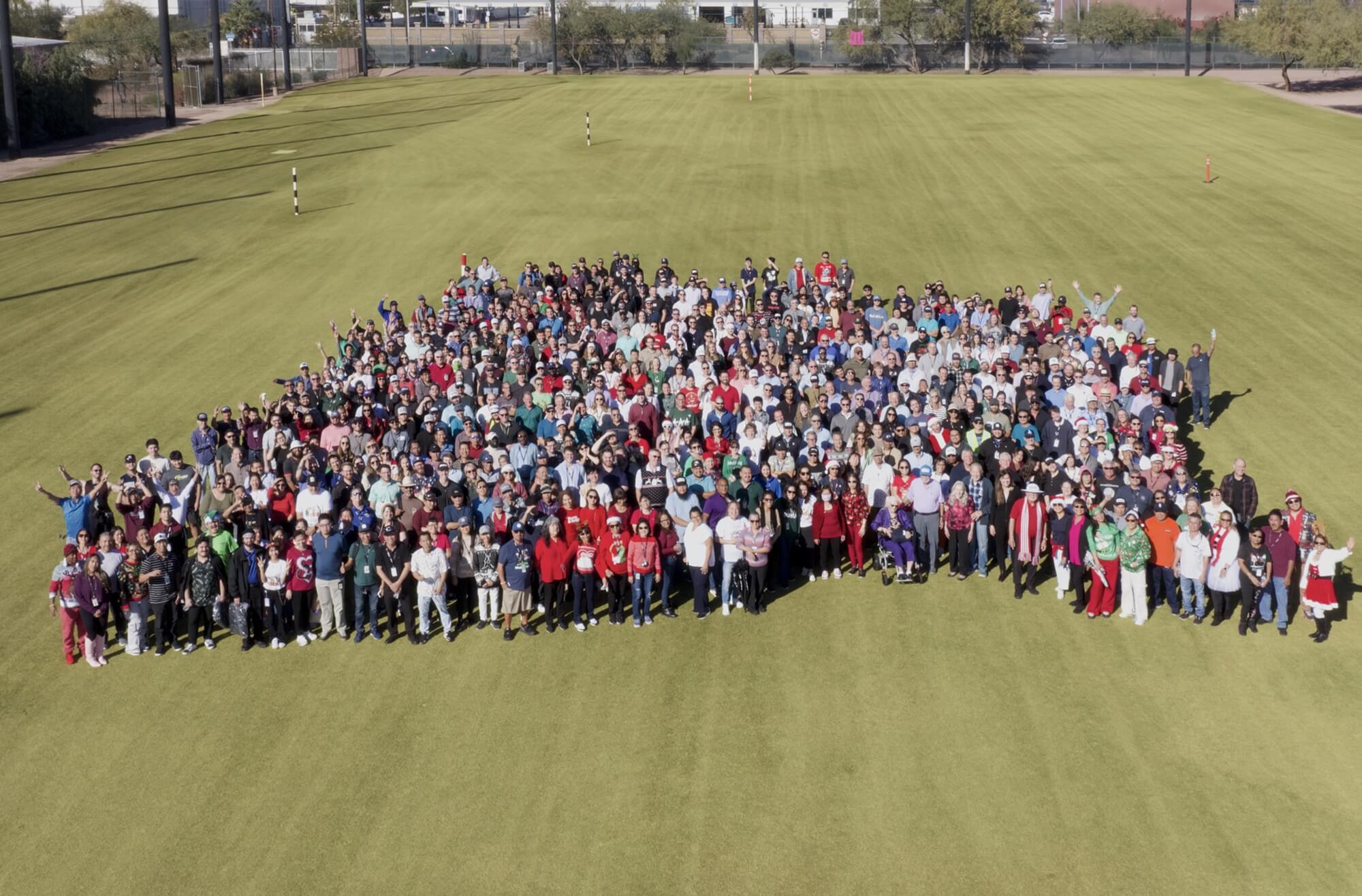
“I think Karsten and Louise set the standard of what we do and how we look after people,” says John A of his mom and dad. “From the way we do bonuses to our insurance program, we just try to do what’s right. It’s what Karsten and Louise set up long ago.”
Where will the next generation take PING?
“One of our goals is to be the oldest company in golf,” says John K. “We see a lot of companies come and go, but having full ownership with no debt, we have a lot of leeway to make the right decisions.”
Over the past decade, we’ve seen a generational shift in PING equipment. The company still carries Karsten’s original mission of making the game easier and more enjoyable, but it’s also addressing issues such as aesthetics that interact with performance. This has all happened with a concurrent generational shift in PING leadership.
It’s still, however, all in the family. And it doesn’t look like they’ll be running out of Solheim heirs any time soon.
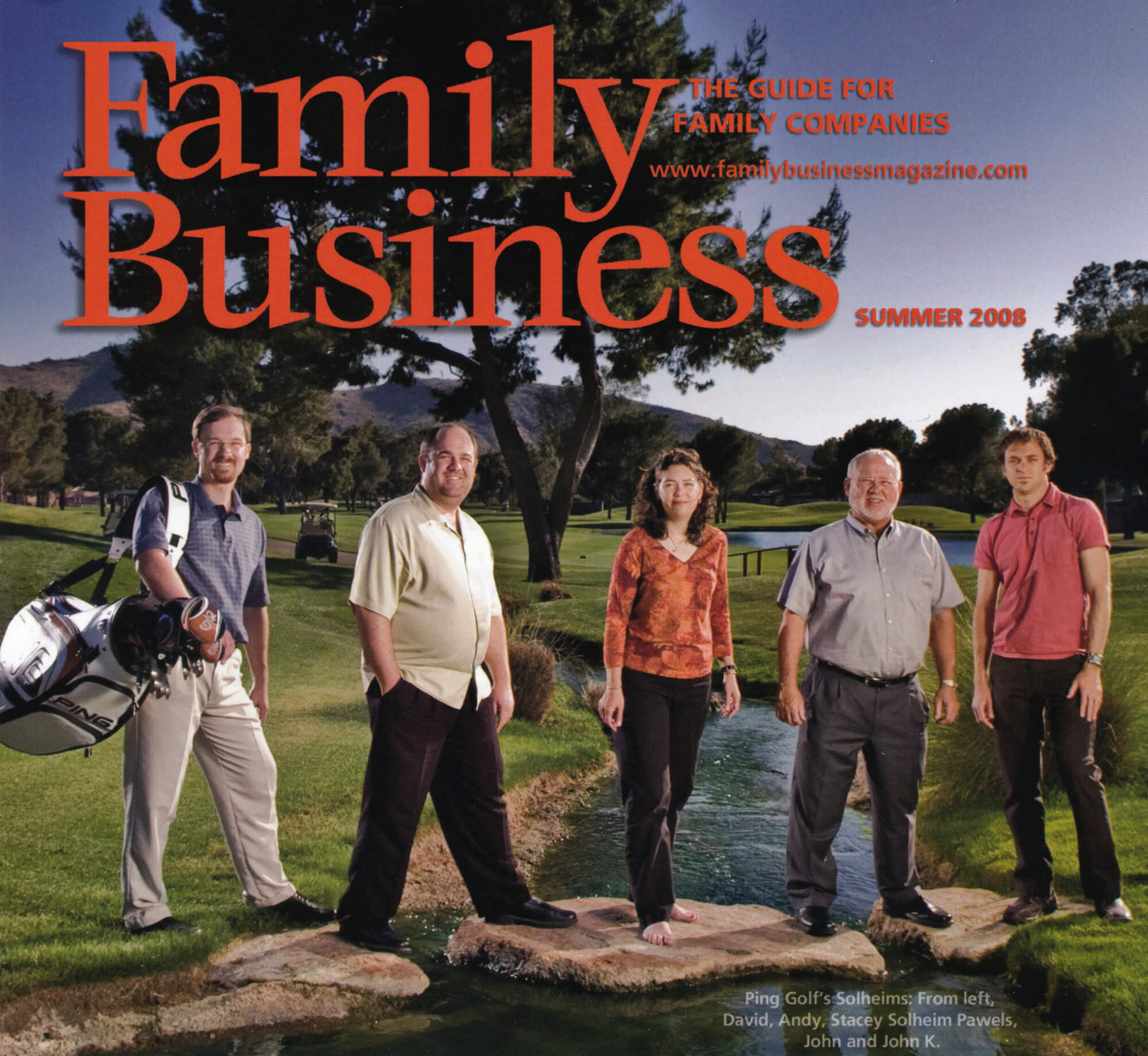
“We have several of the next generation,” says John K. “There are about 10 of the cousins’ kids working here. My brother’s daughter works in our Tour department, and my daughter works in golf sciences. My cousin Stacy has two sons and a daughter-in-law working in software engineering.”
John K, at 52, still has plenty of road ahead of him, but he does admit to being curious as to who the next generation leader might be. For what it’s worth, his father says John K. wasn’t anointed at birth.
“I didn’t pick him early on; I just tried to leave it open,” says John A. “But put it this way: John’s far above anybody else for running a business. He’s doing awfully well.”
“My son Sutherland just took his last final in college at St Andrews in Scotland,” adds John K. “So, yeah, it’s exciting to think about who’s choosing to come and work here, and what their roles will be in the future.”
Family-owned vs family-run: a postscript
John K.’s choice of wording there isn’t accidental. If a family business is to be successful, working there has to be a choice, not an expectation or mandate. In the right circumstances, that choice shows shared values and a shared vision. Also in the right circumstances, the family members making that choice understand that the only thing promised is an opportunity. Everything else had to be earned.
The last element, trust, is also earned based on what you do with the opportunity given. It’s not always smooth and it’s not always easy, but the family-run businesses that last realize that that’s how families work, regardless of whether they’re in business together.
“We can disagree on things,” says John K. “When we do, we actually wind up getting to a better place. So you have to embrace the friction, I guess.”









pineneedlespro
3 months ago
Great article John.
I was on Ping staff in the 1980’s, great clubs then and the same for now.