



Support our Mission. We independently test each product we recommend. When you buy through our links, we may earn a commission.
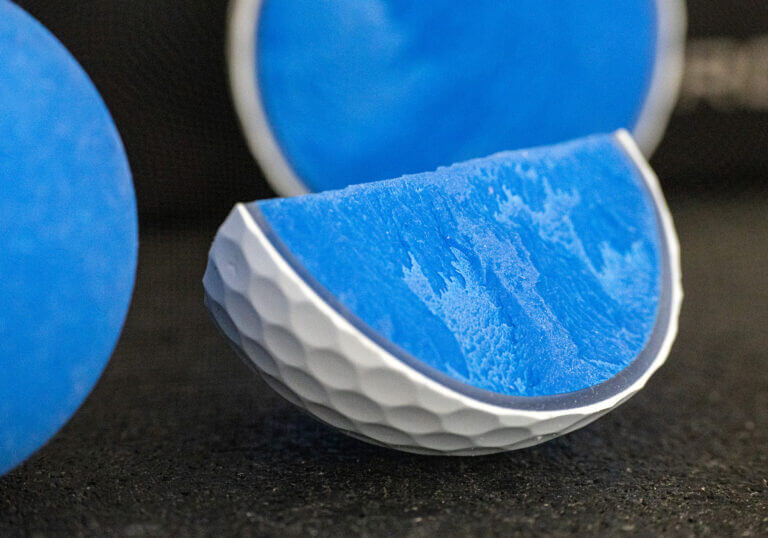
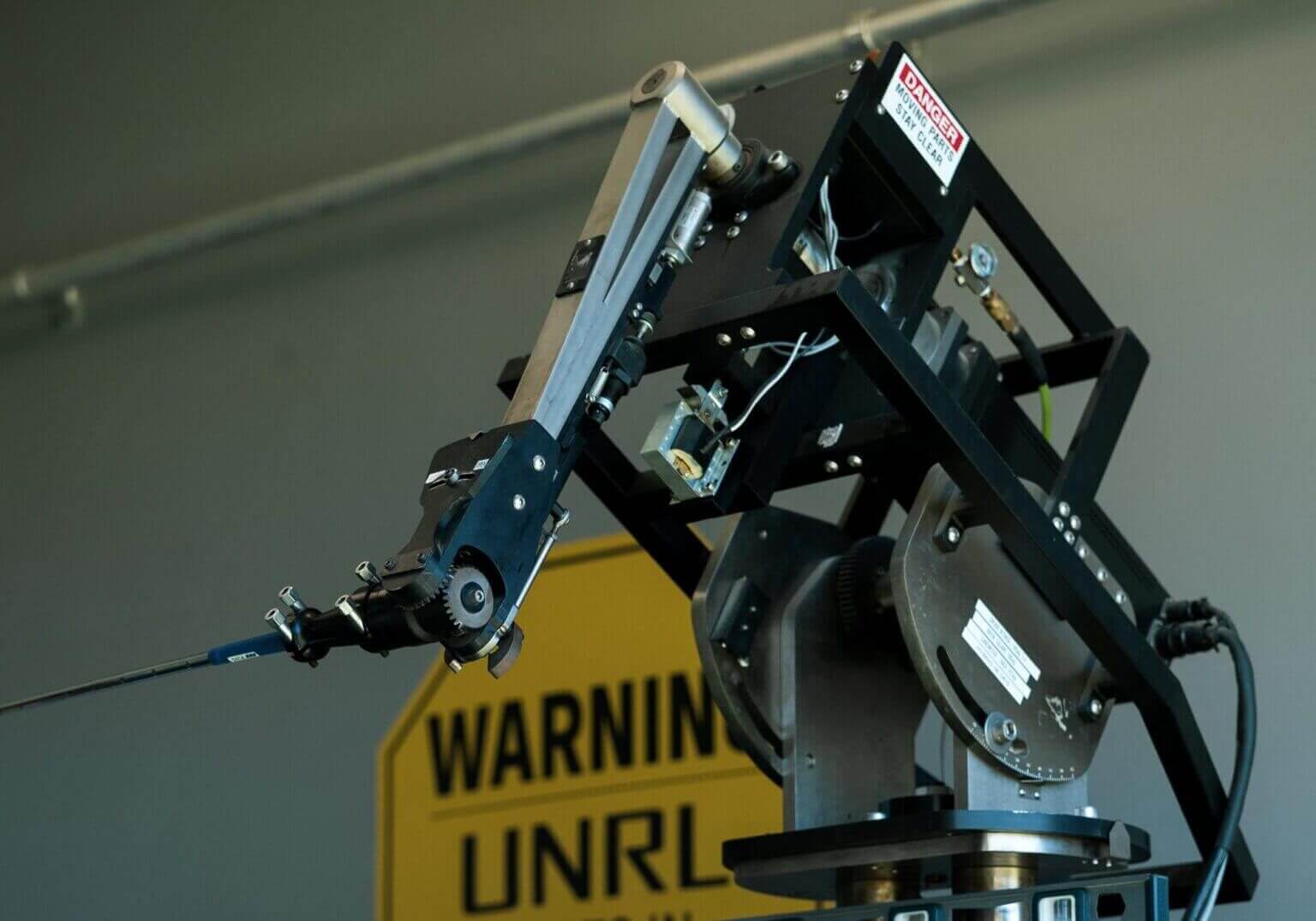
Our 2025 Golf Ball Test presented by UNRL revealed how dozens of models perform under high swing speed conditions. While the robot swung at 116 mph with the driver, 90 mph with the irons and 42 mph with wedges, the real story isn’t just about distance. It’s about how each ball’s trajectory, launch and spin shape performance. Here’s what the data shows and how to use it to find a ball that matches your game.
Want a quick summary of this helpful article? We’ll send the tips to your inbox, just click HERE.
We measured ball speed, launch, spin and distance, but the key takeaway is how those numbers create different flight windows. That’s where the real separation comes in.
At the top end of our test, we saw that most of the longest balls were also among the fastest, but spin and flight ultimately decided who stood out. What really separated models wasn’t raw ball speed but how launch and spin combined to create either a flatter, rolling flight or a higher, more controlled trajectory.
The Callaway Chrome Tour Triple Diamond and Titleist Pro V1x launched flatter and lower, producing penetrating drives that rolled out. The Srixon Z-STAR Diamond and Bridgestone TOUR B X launched higher, emphasizing carry distance and softer landings.
Golf balls to try: Chrome Tour Triple Diamond, Pro V1x (low flight) · Z-STAR Diamond, TOUR B X (high flight), Titleist Tour Soft (longest ionomer in this test, flatter flight, lower cost)
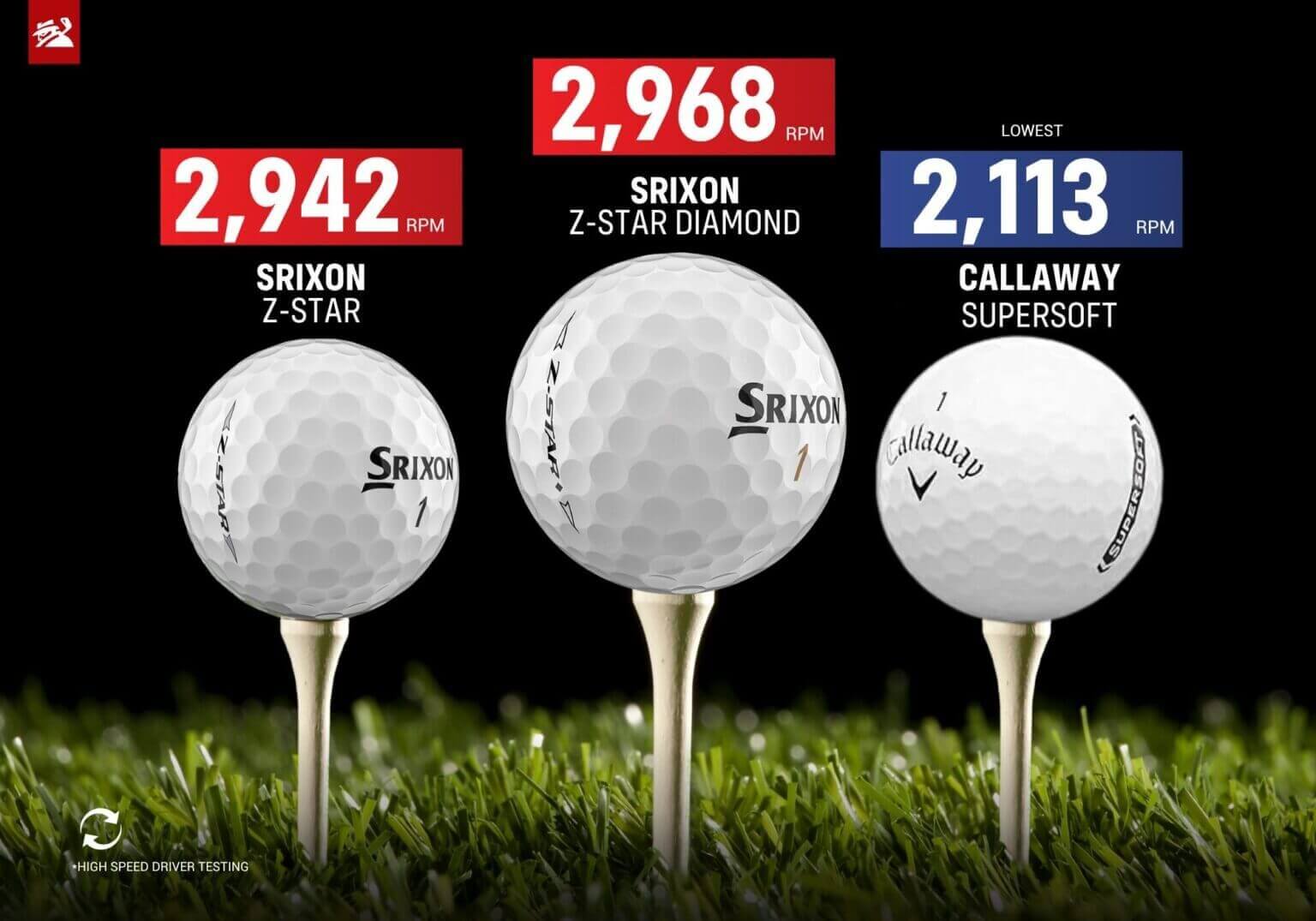
The Srixon Z-STAR Diamond, Z-STAR and TOUR B X spun more off the driver, creating higher flight but also more potential curvature. The TaylorMade TP5x and Mizuno Pro S sat on the low end, flying straighter and flatter.
The lowest-spinning balls are, by and large, ionomer, including the Titleist Tour Soft or Q-STAR ULTISPEED.
Golf Balls to Try: Z-STAR Diamond, TOUR B X (higher spin) · TP5x, Mizuno Pro S (lower spin), Maxfli Tour S (low spin urethane at lower price) · Kirkland Performance+ v3.5 (mid spin, affordable).
Iron testing at 90 mph told a different story than the driver. Some of the longest balls off the tee, like Chrome Tour Triple Diamond and Wilson Staff Model X, fell toward the bottom with irons. Some softer urethane and mid-compression models, such as Tour Response and TOUR B RXS, climbed to the top. The separation here came less from speed and more from how compression, launch and spin combined to influence carry distance and stopping power.
With irons, softer urethane models like the TaylorMade Tour Response and Bridgestone TOUR B RXS added height and carry. Firmer models like the Srixon Z-STAR XV and PXG Xtreme Tour produced strong, more predictable flights.
Golf Balls to Try: Tour Response, TOUR B RXS (higher flight) · Z-STAR XV, PXG Xtreme Tour (flatter flight)
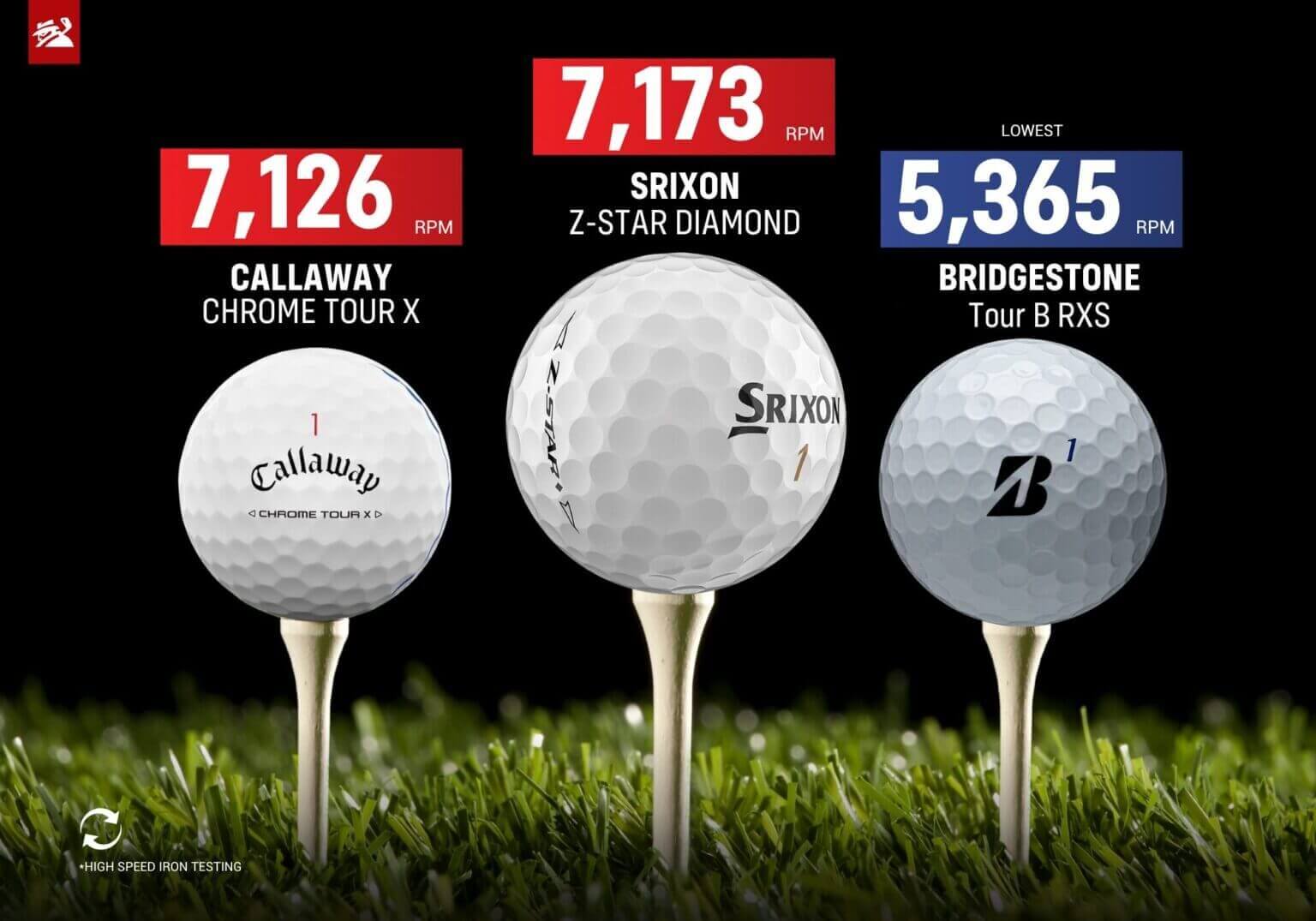
The Srixon Z-STAR Diamond and Callaway Chrome Tour X ranked among the highest in spin, helping shots stop quickly on greens. Lower-spin models like TOUR B RXS and Supersoft generated more distance but rolled out further after landing.
Golf balls to try: Z-STAR Diamond, Chrome Tour X (higher spin) · TOUR B RXS (lower spin)
The 35-yard wedge test revealed the biggest performance gaps of all. Spin rates varied dramatically, with the highest-spinning urethane balls producing nearly three times as much spin as the lowest-spinning ionomer models. Launch angles also separated balls by as much as seven degrees. Short-game shots aren’t just about stopping power but also how high the ball comes off the face.
The TaylorMade TP5, Bridgestone TOUR B XS and Wilson Staff Model X generated the highest spin, ideal for one-hop-and-stop shots. Balls like the Chrome Tour X, Maxfli Tour X and Z-STAR Diamond offered solid spin but a touch less bite while Mizuno Pro S, Kirkland Performance+ and ionomer models like Velocity spun the least.
Golf Balls to Try: TP5, TOUR B XS, Staff Model X (highest spin) · Chrome Tour X, Z-STAR Diamond, Maxfli Tour X (moderate spin), Kirkland Performance+ v3.5 (lowest-cost urethane, mid spin)
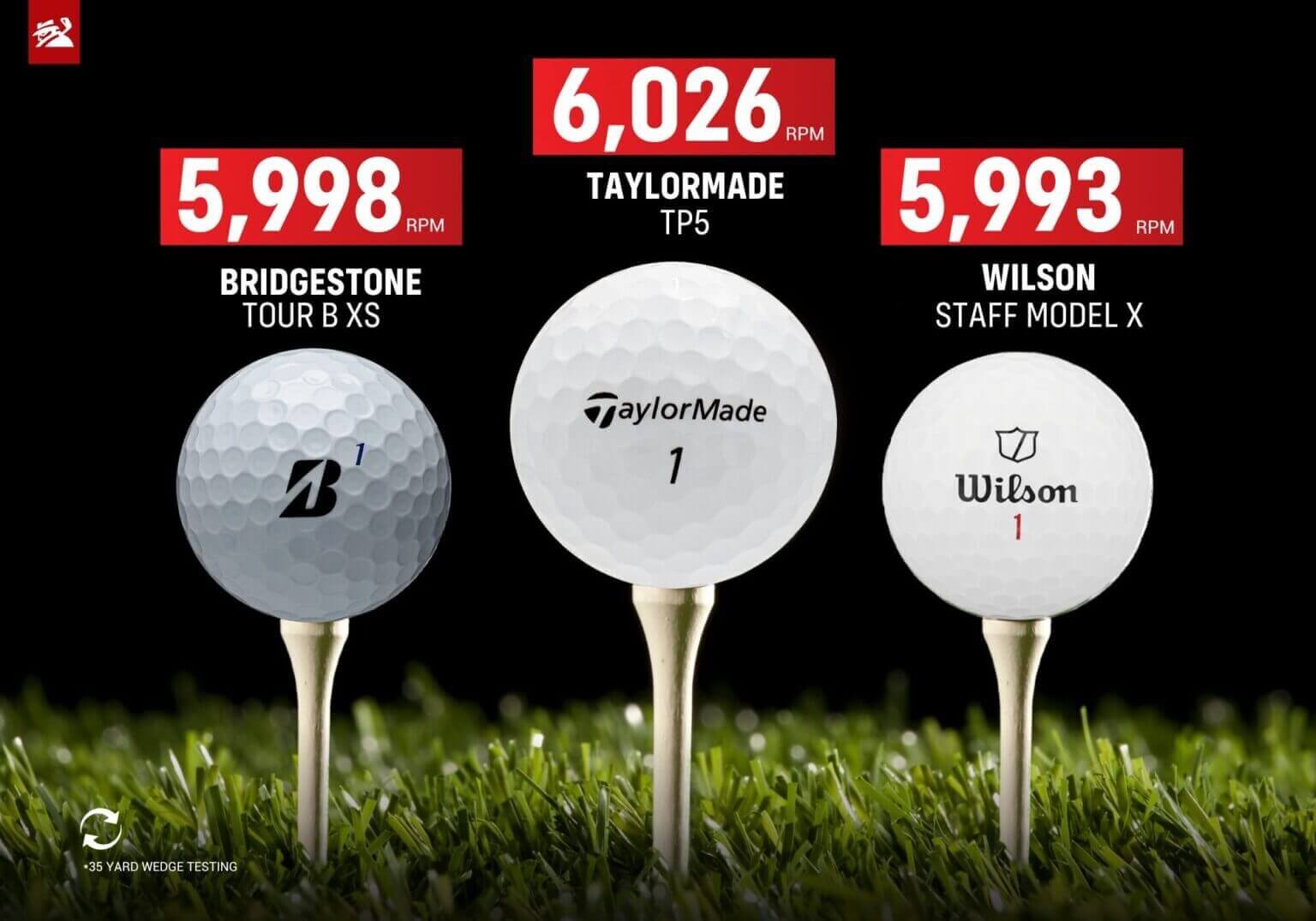
Launch varied by nearly seven degrees. Low-launching, high-spin balls like TOUR B XS, TOUR B X and Chrome Tour X stayed flatter and checked quickly. High-launching, lower-spin balls like Velocity and Speed Soft floated higher and rolled out more. TP5 was a unique mix, pairing mid launch with high spin.
Golf Balls to Try: TOUR B XS, Chrome Tour X (low launch) · Velocity, Speed Soft (high launch) · TP5 (balanced)
At high swing speeds, the right ball isn’t just about distance; it’s about finding the flight window that works for your game.
| Player Need | Ball Types / Examples | Why It Works |
|---|---|---|
| Max speed with straighter flight | Chrome Tour Triple Diamond, Pro V1x, TP5x, Maxfli Tour X | Lower-spin, high-compression models that produced flatter, more penetrating driver flights with reduced curve. |
| Higher launch with more carry | Srixon Z-STAR Diamond, Bridgestone TOUR B X, Titleist Pro V1 | Extra spin and height added carry distance and softer landings in testing. |
| Greenside control and spin | TaylorMade TP5, Bridgestone TOUR B XS, Wilson Staff Model X | Among the highest wedge-spin balls tested, ideal for one-hop-and-stop control. |
| Best value options | Kirkland Performance+ v3.5, Titleist Tour Soft, Srixon Q-STAR ULTISPEED, Pinnacle Rush, Srixon SOFT FEEL | Budget urethane and ionomer models that stood out for distance, speed or consistency at a lower price point. |
Take a look at our complete 2025 Best Golf Ball testing here: 2025 Golf Ball Test

World-class testing requires world-class equipment. This is the gear we trust to help us fulfill our Most Wanted testing.

Britt Olizarowicz is a scratch golfer, former teaching professional and one of MyGolfSpy’s leading voices on equipment testing and golf performance. She has spent more than 15 years working at private clubs in New York and Florida and now specializes in translating test data and swing mechanics into practical advice for everyday golfers. Britt began playing at age 7 and has never left the game. When she’s not writing, you’ll find her on the course, playing pickleball, cooking, running or out on the boat with her family.
| Driver Callaway Triple Diamond Max | 5 Wood Callaway Epic Speed |
| 4 Hybrid Titleist TSR2 | Irons Titleist T-250 (6-PW) Titleist T-350 (5) |
| Wedges Titleist Vokey SM10 (52, 56, 60) | Putter Scotty Cameron Newport |
9 months ago
I still would like to to acknowledge that the new yellow Kirkland ball is NOT the same as the new white Kirkland ball.





Jim R.
9 months ago
It’s interesting how different balls have their strengths and weaknesses resulting in total ball performance being more similar than different. For example, distance is interesting in that some of the longer balls in drivers being some of the shorter balls off irons. Adding up driver+iron distance shows very little difference between balls. The short wedge data shows how spin is inverse to launch, so I wonder how much the rollouts (in feet) would actually differ between balls.