



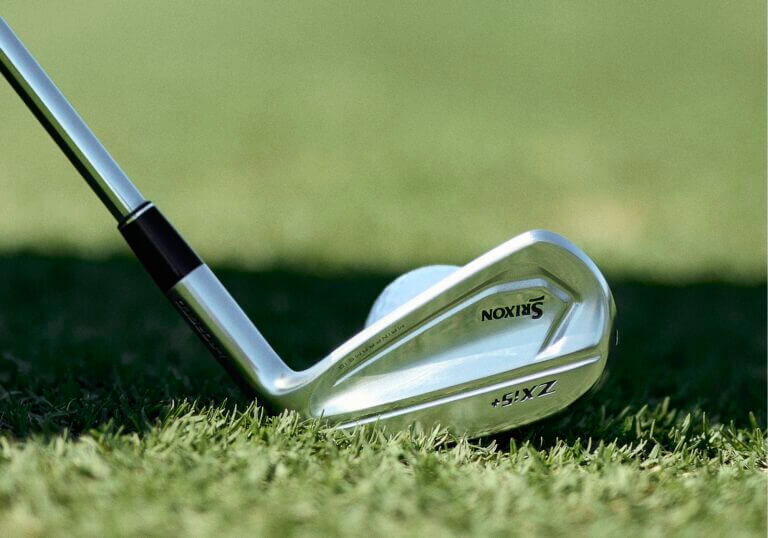
One really good iron shot can keep you on the range longer than you planned. It comes off the face cleanly, flies the way you pictured and lands about where you expected. You pull another ball over because you want to do it again.
That next shot is the one that interests me more. As is the third. A golfer who knows roughly what the next iron will do has something far more useful than an occasional perfect strike.
That doesn’t mean every ball has to fly straight. I’d happily work with a dependable fade. Nor does it mean trying to copy the swing of the best player at your club or the tour pro who won last week. You can make progress by paying attention to four things that happen at the ball, no matter what your swing looks like in getting there.
1. They find the middle of the face more often
I’d ask where on the face you caught your last iron. “It went straight” doesn’t quite answer that. You can hit one toward the heel and watch it finish on a perfectly acceptable line. The disappointment comes when you walk up and find yourself short of the green again.
Try some impact tape or a clubface-safe impact spray on an 8-iron. Hit a few balls from a level lie and inspect the face after each shot. Keep a picture of the marks before they overlap too much to read. I give this advice often because it is your most useful clue when working on better ball striking.
You’re looking for several strikes near the middle. One centered shot surrounded by marks all over the face tells a different story. The useful question is whether you can repeat the contact often enough to trust the distance.
If the pattern is scattered, try a shorter, more comfortable swing. Build back toward your normal length as you find the middle more often. You may discover that contact becomes difficult at a particular swing length or effort. That’s something you can show your instructor.
For repeated heel strikes with irons, resist the urge to simply stand farther away. Where you stand is worth checking but the mark doesn’t tell you the whole cause.
2. They get to the ball before taking turf
With a normal iron shot from a clean lie, the club meets the ball while traveling downward and then reaches the bottom of its arc just past where the ball was and toward the target. You don’t have to make a huge divot to do that. Some good strikes leave very little evidence in the grass.
What I’d look at first is where the turf disturbance begins. If it starts behind the ball, the ground got in the way before you reached the shot you intended to hit.
On a grass practice area, put a tee well to the side of the ball, safely outside the swing area, to mark its original position. Hit the shot and compare the start of the divot with that reference. Do this for several balls. A single mark won’t establish a pattern and you need patterns to help improve your game.
Leave the ball out for a moment if you keep catching the ground early. Make a little swing and try to brush the grass beyond that reference point, toward the target. Once you can do that, put a ball back. I wouldn’t ask you to dig a deeper hole or hit down harder.
My guide to reading your divot goes into the clues a mark can provide. Take those clues to your coach if the trouble persists. A divot alone won’t identify which movement needs changing.
3. They have a starting line in mind
You can hit the middle of the face and still miss a green badly. Good iron play also asks you to send the ball in a direction that suits the shot.
Choose a specific starting line before you address the ball. If you like to play a small curve, that line may be to one side of the flag. Aim the clubface and then settle your feet into position. Otherwise, you will often build a comfortable stance that is aimed somewhere you never intended.
Pay attention as the ball leaves the club. Is it starting where you meant it to? The face direction at impact has the biggest say in that with the path and strike contributing as well. Before working on any of them, I’d check that you’re aimed where you think you are.
If you normally play a fade, keep that shot in mind when you pick your starting line. You’re looking to give the ball room to curve toward the target. Learning to read your ball flight helps you notice whether a miss started off line or started where you wanted and curved too much. That gives you something specific to work on without rebuilding a shot you already trust.
4. They allow for the lie
The 7-iron you hit from a level range mat doesn’t tell you exactly what to expect from rough or an awkward slope. Before choosing the shot, look at the grass behind the ball and how comfortably you can stand.
A ball sitting down may call for more loft and a shorter target. With awkward footing, a smaller swing and a generous landing area may give you a better chance of making useful contact. You don’t have to produce your normal distance from every lie. Many times, you won’t be able to.
For your next practice session, choose whichever of these four areas is costing you the most. Start there. As it improves, add a target or a more demanding lie. I’d rather see you leave with one part of your iron play becoming dependable than four new swing thoughts competing for attention.







Darren
15 seconds ago
Look up how and when to get onto your lead side. Without doing so correctly will inevitably lead to all the issues outlined above. It is the no.1 to compressed iron striking.