


Low spin off the driver and high spin with a wedge sounds like the ideal combination. It’s also something we hear quite a bit when golf balls are marketed. The idea is that you can keep driver spin under control without giving up the stopping power you need as you get closer to the green.
But can one golf ball really do both?
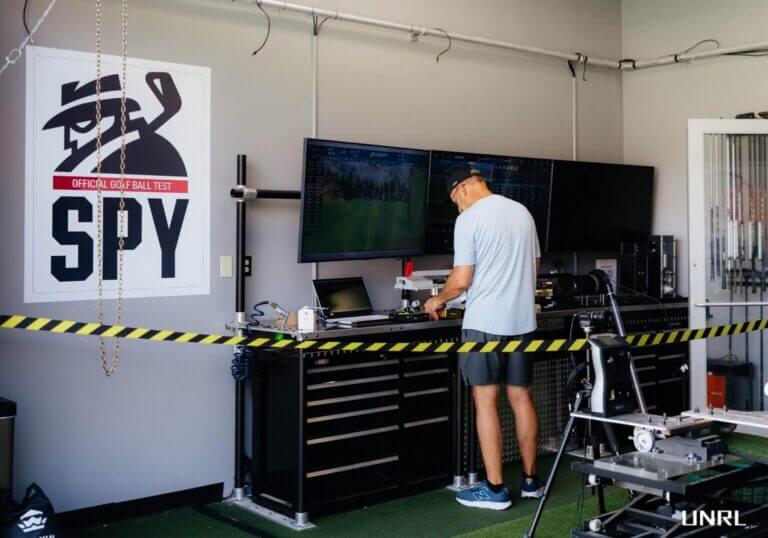
The 2026 MyGolfSpy Golf Ball Test gives us a good way to find out. We have driver spin data at 85, 100 and 115 mph along with spin from a 35-yard wedge shot and a full wedge in dry and wet conditions.
You can find golf balls that produce relatively low driver spin and relatively high wedge spin. What you won’t find is a ball that sits at the very bottom of the driver spin chart and the very top of the wedge spin chart. There is still some give and take.
What I looked for
I wanted to avoid simply picking balls labeled “low spin,” so I started with the median from the entire test.
Driver spin medians were 3,092 rpm at 85 mph, 2,770 rpm at 100 mph and 2,311 rpm at 115 mph. The median for the 35-yard wedge shot was 5,391 rpm.
For the initial cut, I looked for golf balls that were below the driver spin median at each speed while remaining above the median from 35 yards. From there, I used the dry and wet full wedge results to get a better idea of which balls were giving you the best combination.
Every ball that passed that initial driver and wedge spin filter had a urethane cover.
Use the MyGolfSpy Golf Ball Selector to compare 48 golf balls using data from our 2026 robot test. Filter by swing speed and see how each ball performs from driver to wedge to find the best fit for your game.

Best options for low swing speed golfers
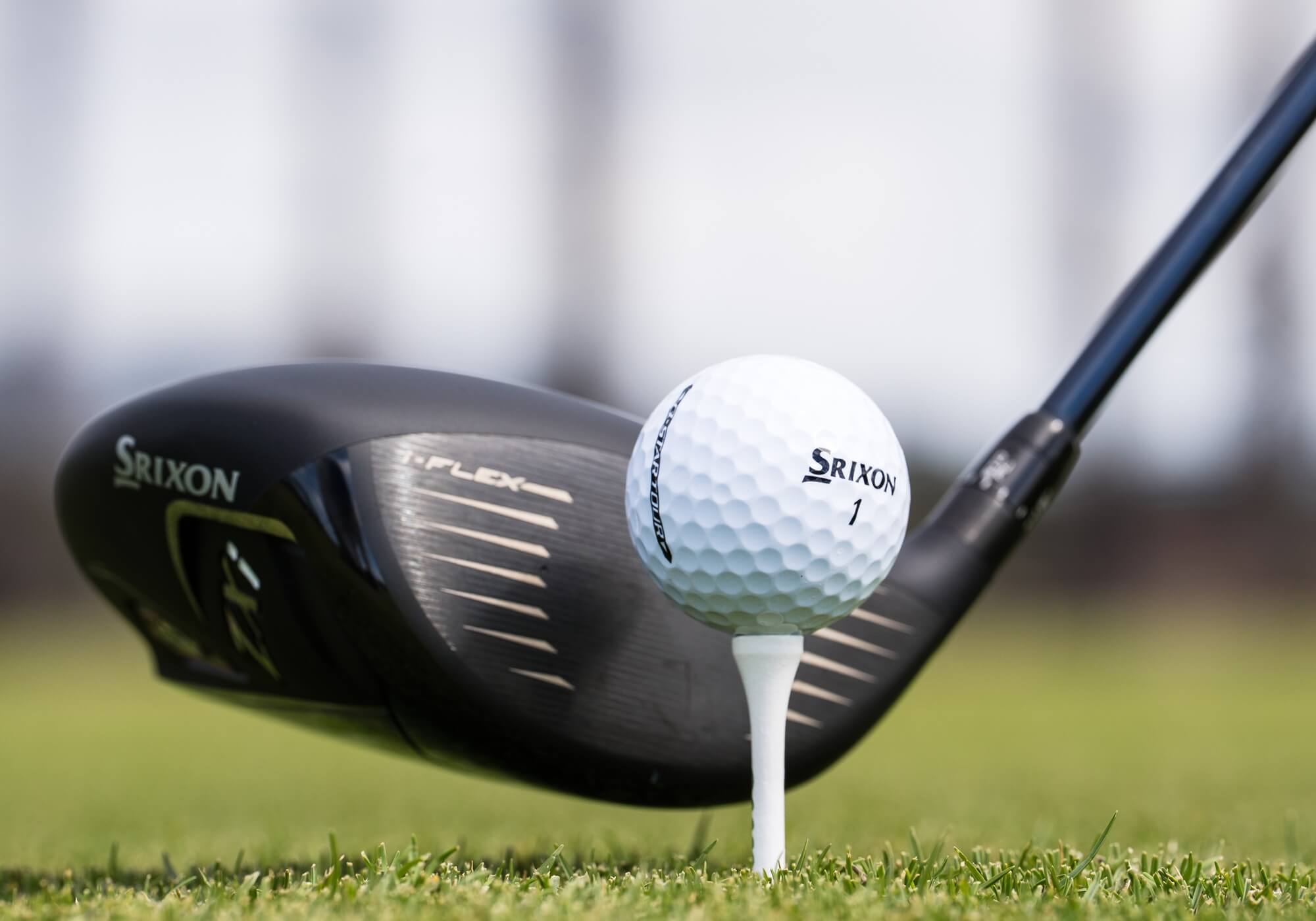
The Q-Star Tour is probably where I’d start. It kept driver spin below average while producing plenty of spin from 35 yards and it held onto almost 95 percent of its full wedge spin when wet. Tour B RXS gives you a little more spin on the shorter wedge shot while Maxfli Tour S brings driver spin down a little further.
| Ball | Driver Spin | 35 Yard Spin | Dry Wedge | Wet Wedge | Best For |
|---|---|---|---|---|---|
| Srixon Q-Star Tour | 2,905 | 5,702 | 10,169 | 9,647 | Best balance |
| Bridgestone Tour B RXS | 3,016 | 5,848 | 10,207 | 9,572 | More 35 yard spin |
| Maxfli Tour S | 2,889 | 5,513 | 10,343 | 9,249 | Lower driver spin |
Best options for mid swing speed golfers
Tour B RXS is the standout here. Its 2,563 rpm of driver spin was more than 200 rpm below the test median yet it still produced 5,848 rpm from 35 yards. Q-Star Tour was close behind. If you don’t need driver spin quite as low, Maxfli Tour gives you excellent full wedge performance, particularly when wet.
| Ball | Driver Spin | 35 Yard Spin | Dry Wedge | Wet Wedge | Best For |
|---|---|---|---|---|---|
| Bridgestone Tour B RXS | 2,563 | 5,848 | 10,207 | 9,572 | Best balance |
| Srixon Q-Star Tour | 2,622 | 5,702 | 10,169 | 9,647 | Low driver spin and strong wet performance |
| Maxfli Tour | 2,742 | 5,630 | 10,518 | 10,297 | Full wedge spin |
Best options for high swing speed golfers
Q-Star Tour and Tour B RXS separate themselves again at the highest speed. Both were comfortably below the 2,311 rpm driver spin median while staying well above the 35-yard wedge spin median. Maxfli Tour X sits much closer to average with the driver but gives you considerably more spin from the 35-yard and full dry wedge shots.
| Ball | Driver Spin | 35 Yard Spin | Dry Wedge | Wet Wedge | Best For |
|---|---|---|---|---|---|
| Srixon Q-Star Tour | 2,157 | 5,702 | 10,169 | 9,647 | Best balance |
| Bridgestone Tour B RXS | 2,180 | 5,848 | 10,207 | 9,572 | More 35 yard spin |
| Maxfli Tour X | 2,294 | 5,850 | 10,723 | 9,286 | More dry wedge spin |

Can one ball really do both?
This is where the data gets interesting. I took the lowest 25 percent of the test for average driver spin and compared it to the highest 25 percent for average wedge spin.
Not a single golf ball made both groups.
Look at some of the highest-spinning golf balls from 35 yards. Callaway Chrome Tour X produced 5,992 rpm, Titleist Pro V1x 5,967 and Srixon Z-Star Diamond 5,953. All three also created more driver spin than the median at every speed we tested.
Go too far in the other direction and you start making sacrifices as well. TaylorMade Tour Response, for example, was one of the lower-spinning urethane balls off the driver at all three speeds. Its 35-yard spin was still above the test median but its wet full wedge spin dropped to 7,859 rpm.
That’s the tradeoff.
You can get low driver spin and high wedge spin in the same ball. You just can’t expect to get the lowest driver spin and the highest wedge spin at the same time.
The bigger takeaway
One of the more interesting findings was what happened when I isolated the urethane golf balls. Among those 38 balls, driver spin had very little relationship with spin on the 35-yard wedge shot.
That tells us manufacturers really can separate performance at the two ends of the bag. A ball does not have to be high spin everywhere just because it spins around the green.
It also reinforces why simply looking for the lowest-spinning golf ball off the tee isn’t necessarily the best way to choose one.
If you already create too much driver spin, look for a ball that helps bring it down but then check what you’re giving up with the wedges. The Q-Star Tour, Tour B RXS and several of the Maxfli Tour models show that you don’t have to give up much.






Donn
3 weeks ago
No Volvik? Why?