


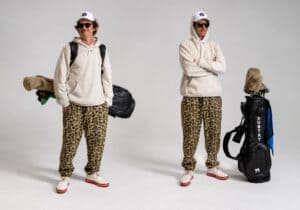
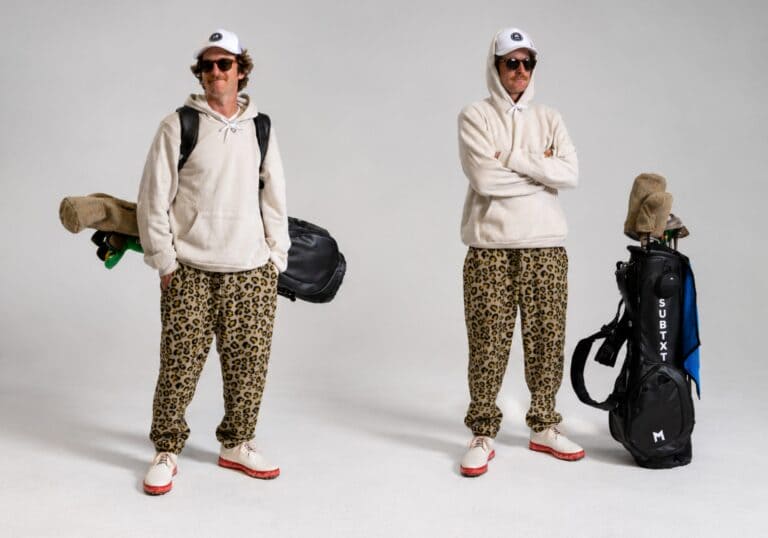
Every once in a while, I need to be reminded that there are still kick-ass American success stories happening each and every day. So first and foremost, I would like to thank Jake Hexberg, founder of SUBTXT, for giving me a glimpse of one and restoring my faith in the American dream.
In 2019, Hexberg, a native of Laguna Beach, Calif., was faced with a tough decision: go work with his dad in the lumber industry for a solid salary and job security or get out there and build something himself.
Mulling his upcoming MBA at Concordia, he was given advice by Blumaka founder Stuart Jenkins who said “when you are given a four-leaf clover, you don’t waste it; you take it and run with it.”
Jenkins and the Blumaka team make insoles that not only help optimize performance but focus on sustainability by using up to 85 percent recycled foam. Hexberg comes from a background in which he was constantly on the beach or on a skateboard and with that came the opportunity to get involved with organizations such as Surfrider Foundation and Heal The Bay.
What happens when a skater who loves the environment brings together golf and skateboarding?
SUBTXT.
Early days
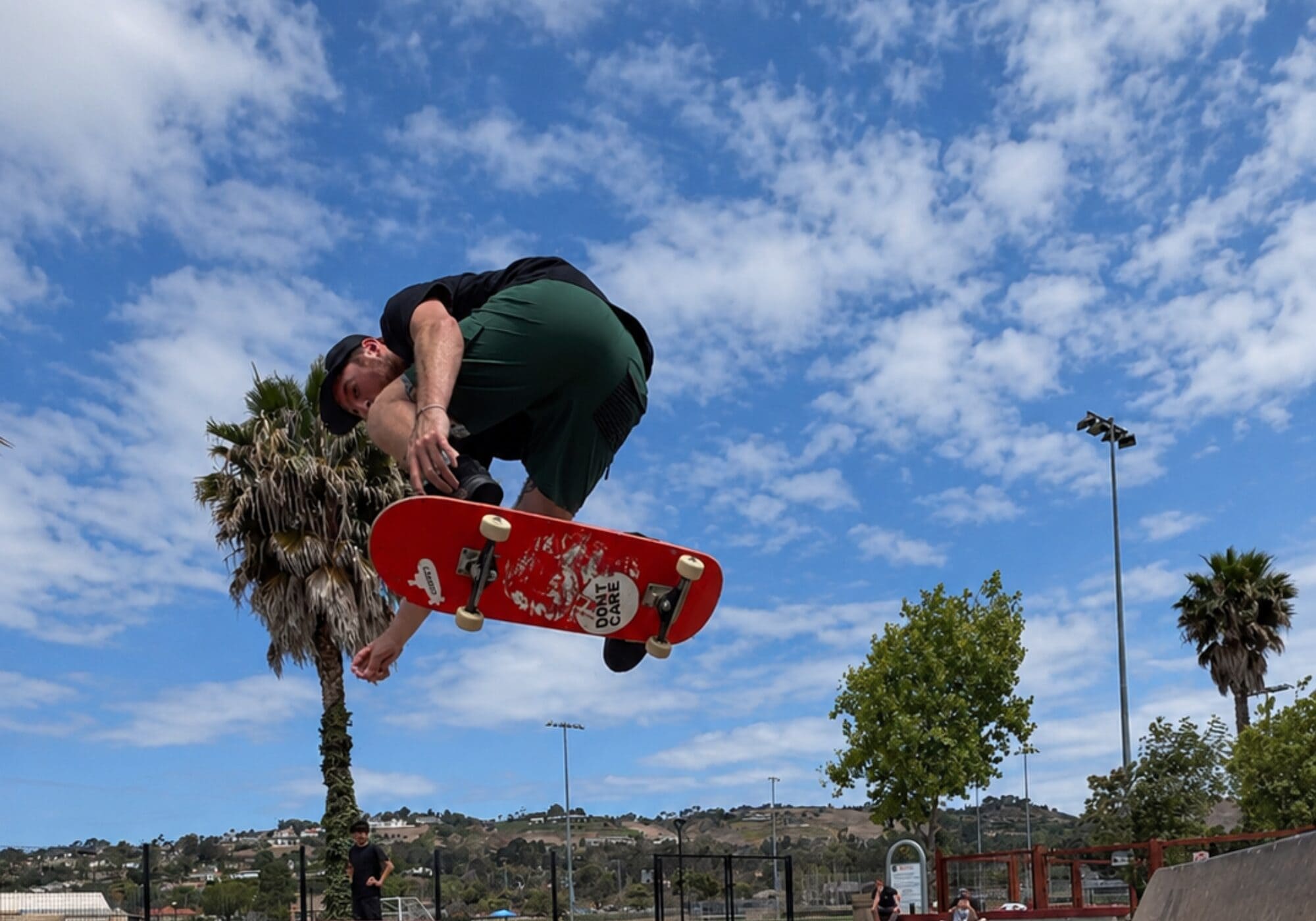
Like a skater in a halfpipe, Hexberg took SUBTXT airborne, passing on the stability that lumber offered to build something that he was passionate about and could call his own.
Hexberg initially intended to make a skate-style shoe, drawing inspiration from the NIKE Janoski which was flying off the shelves in the 2010s.
“This project started as an idea behind skateboarding and using a better foam that was used in running shoes and had all this cushion to provide a better skate shoe, or a shoe for someone who likes to wear a skate-style shoe, more support, etc.,” he says.
Take notes, people: this type of innovation moves the needle. Running shoes have been the standard for quite some time when it comes to comfort and stability so the idea of bringing that technology to a skate/lifestyle shoe makes sense. He broke his fibula in three places and this led to a major emphasis on cushion.
Lucky for us golfers, Hexberg decided golf should also be included on his quest to change the shoe game. For starters, he had to learn how to create a shoe.
“From a consumer standpoint, which is all I had been in footwear up till then, I think I knew what made a good shoe. But now we’re talking about actually designing and building out CADs and doing patterns and inventory, and all these things started racing in my head.”
Many outside voices convinced Hexberg to wait until things were near perfect to start posting and documenting the journey, and he calls it one of his biggest regrets. “If I could go back, I would have been building the brand while I was in school.”
The word “start” scares a lot of people but one thing he learned from his MBA was that “school really tries to make you perfect everything and hold you accountable to getting the job done, getting that A or whatever. But you can’t be afraid to just throw shit on a wall at an early stage and see what people like.”
The goal was simple: hit all three of Hexberg’s most important pillars.
- Sustainability
- Performance
- Comfort
SUBTXT spent an “arm and a leg” to get to market and faced early failure. “I had a fully recycled upper that was cheap as hell, that fell apart quickly and didn’t last well in water … but it was 100 percent recycled. That’s not sustainable to me, even though it says 100 percent recycled …
“It has to perform first. The sustainability is your cherry on top.”
Sustainability is nearly meaningless if the product is terrible and there’s something to be said about a product being just as useless if it’s harming the environment. There’s a balance and he’s improving things as he goes.
After that, they decided to replace the failed upper with suede and leather that can out-duel typical wear and tear, isn’t stiff and has a lightweight feel. Why leather?
“Leather is a byproduct of the cattle industry. With leather, you’re taking the skin of an animal that you use for food and now you are making long-lasting products out of it. There’s an old Japanese word called mottainai and that means use the whole fish.”
Sustainability is a gimmick for some but not for SUBTXT. It’s a core value on which they’ve built their brand. This was a point of reflection for me as I realized that delicious burger I had last weekend may have also led to a sustainable piece of leather. “Mottainai” may become my favorite concept of all time.
Hexberg had a plan in place but he still needed the shoes to be made. He considered moving his manufacturing to China to cut costs but he decided to remain true to his sustainability mantra as SUBTXT eventually found a home in the Dominican Republic with DMG International.
SUBTXT’s brand story on their website details Hexberg “skating down the assembly line, high-fiving workers and feeling the energy of something real. These people care. About their craft, their community and the shoes we’re building together.”
From mulling his future before his MBA to skating down the assembly line, watching his vision come to life … it doesn’t get more kick-ass than this.
The shoes
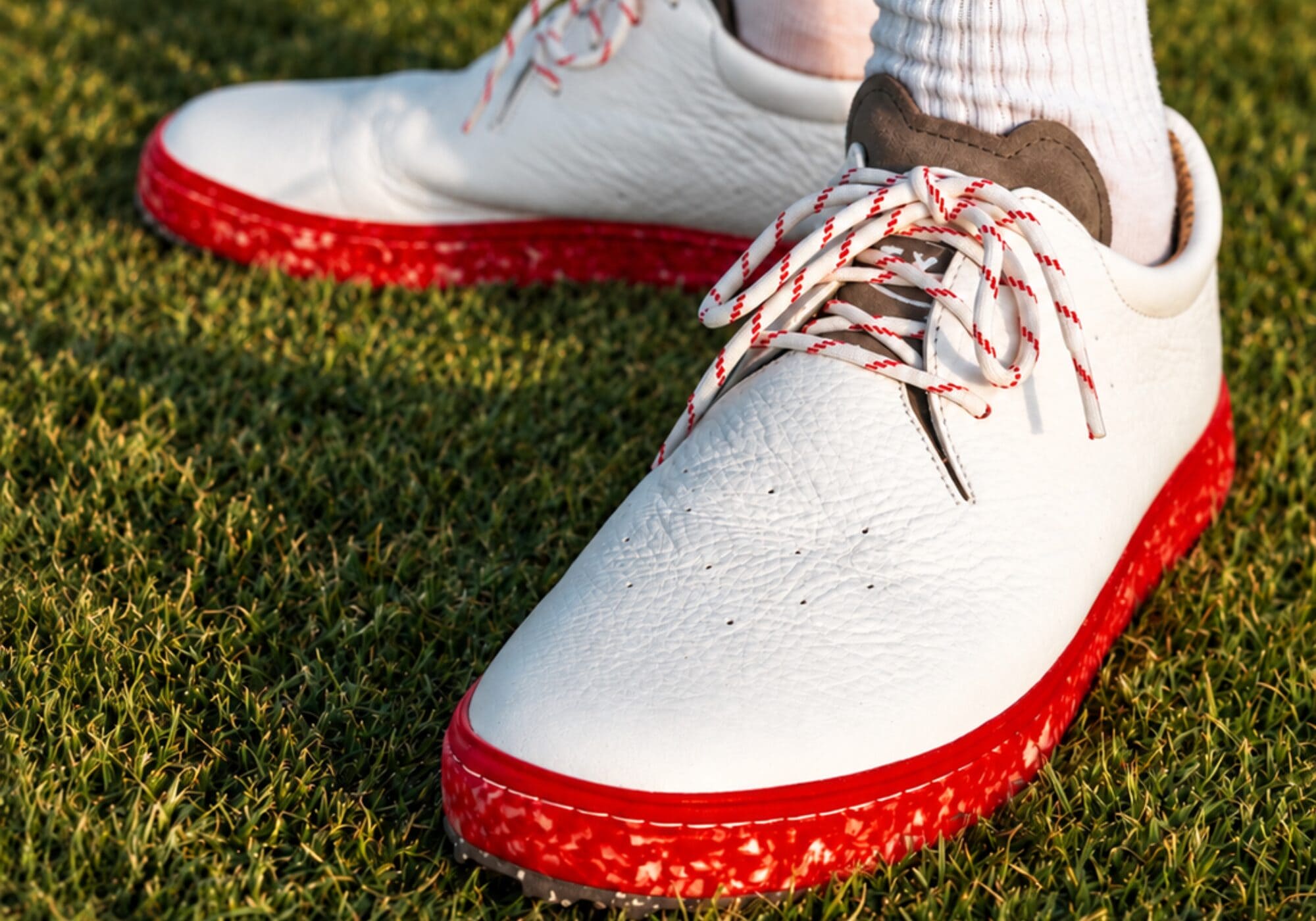
SUBTXT kicked things off by making 1,500 pairs of shoes, he says. “750 golf shoes, 750 of our skate lifestyle shoes.”
The current skate/lifestyle shoes: the Macaw Skate and the Macaw Local.
The golf shoe: the Macaw Golf, landing at $210.
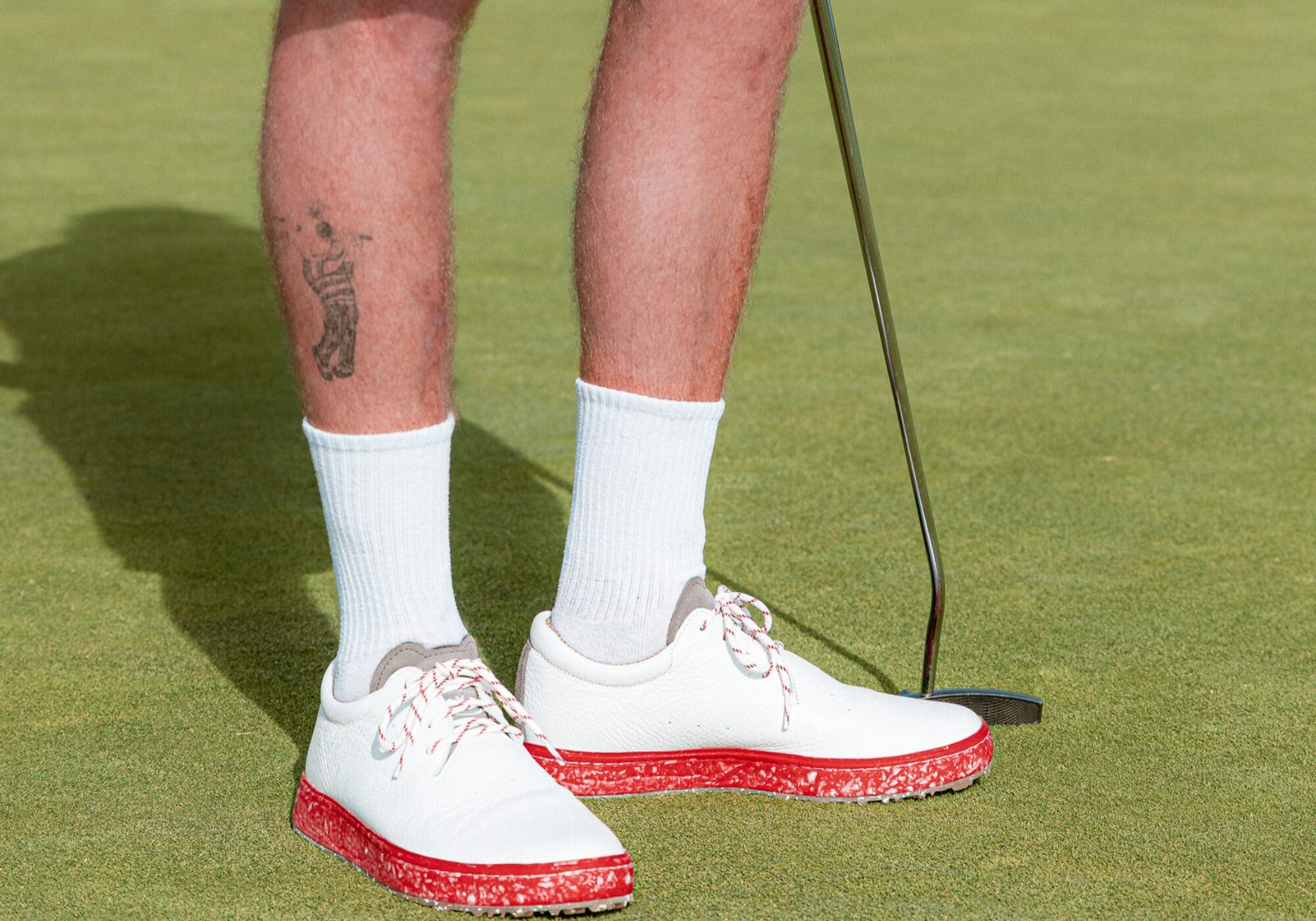
The Macaw Golf is designed in the U.S., “assembled by hand in the Dominican Republic” and built with Blumaka foam and a Vibram Ecostep outsole. The leather comes from a “gold-rated” tannery in the Dominican Republic.
When you consider the materials used and the heavy emphasis and commitment to sustainability, $210 is a great price for the golfer looking for a premium golf shoe. Having tested dozens and dozens of golf shoes over the last 36 months, I can assure you that you’ll be hard-pressed to find something this good that is also more affordable.
Seeing as we are golfer first, it’s also important to note the main pitfall: traction.
Many spikeless golf shoes offer premium traction that can keep up with some of the top spiked options but the Macaw Golf is lagging behind in this aspect. Sacrificing elite traction seemed to be intentional, with Hexberg noting, “We’re there for the walker, the person that just wants comfort.”
The good news is Hexberg is a founder who actually listens to feedback and I wouldn’t be surprised to see better traction in future releases.
The golfer who will benefit from playing in the Macaw Golf is the one that is looking for a shoe that can be worn to and from the course, has top-notch comfort, offers better durability from the genuine leather and appreciates the commitment to preserving this beautiful planet. I mean, after all, we can’t golf if the world is on fire (someone put that on a plaque somewhere, please).
Hexberg’s tips and tricks to starting your own brand
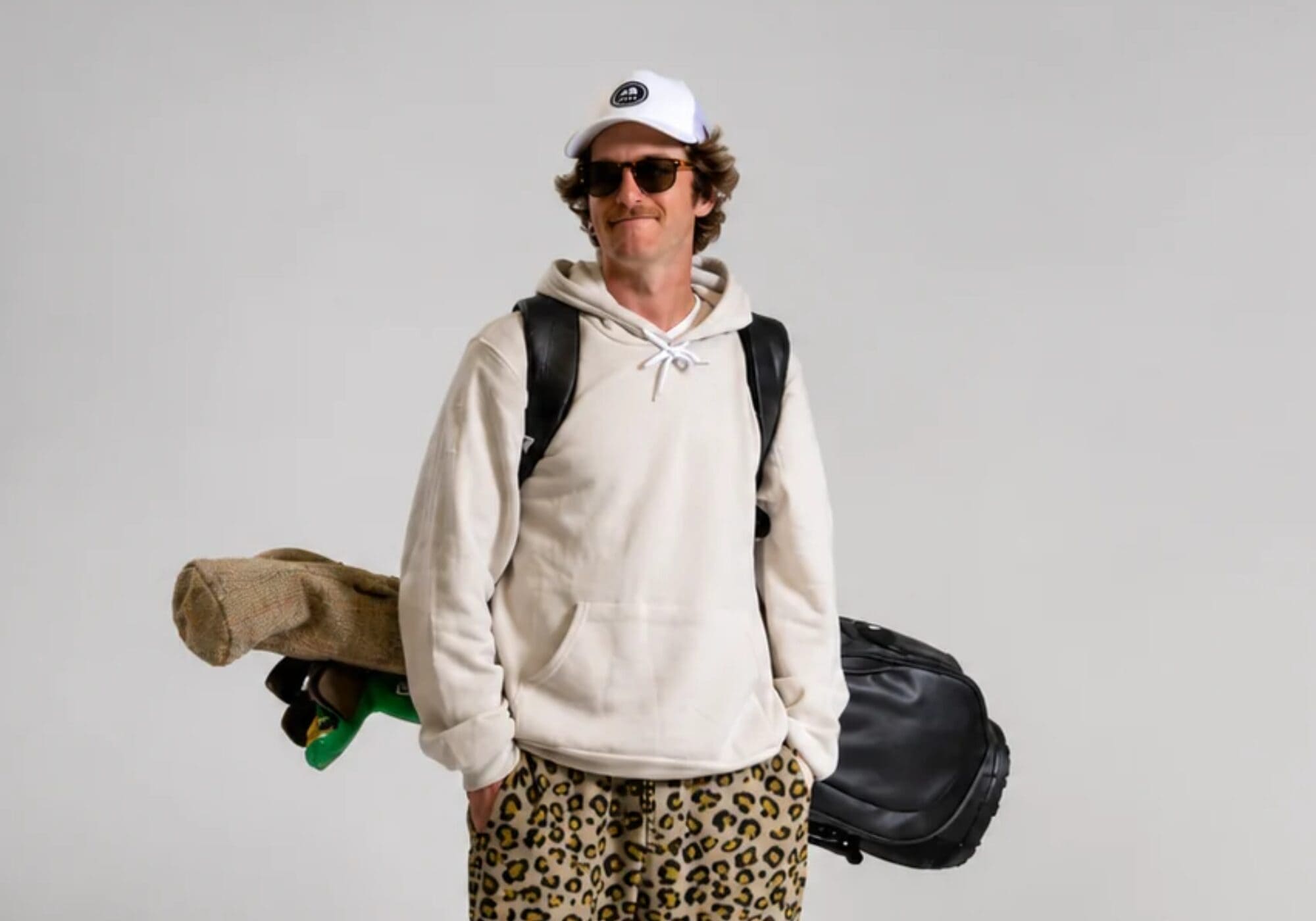
If you’re mulling your future and the opportunity of building something, Hexberg offers these tips and tricks.
- Let go of the “it needs to be perfect” mentality.
- Don’t be afraid to post in the early stages. “You can always remove a post from Instagram. You can always archive stuff but people want to learn about the process.”
- There will be growing pains. “Show the stuff that doesn’t necessarily look super pretty early on.”
- Stick to your plans. “There’s been so many times where I’ve been told, ‘oh, you should pivot here, pivot there’ and I’ve just stuck to my guns … There’s a reason you built something, did it the way you did. Stay behind it.”
Hexberg wants to “boost up the people making stuff better, cleaner, better for the planet.” So in the true spirit of sustainability, he wants to give back and highlight more brands that deserve a share of the spotlight.
Next up:
Blumaka, because SUBTXT relies heavily on their foam.
If SUBTXT piqued your interest, click the link below to give the Macaw Golf a gander.










Max
5 seconds ago
Must be nice to have daddy build you a business. Just search Laguna beach and the last name to uncover the mystery