


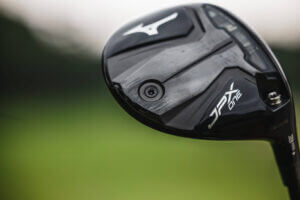
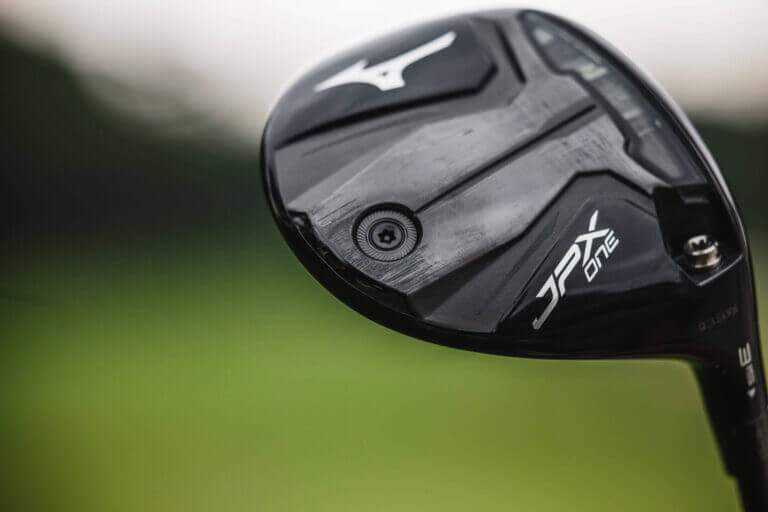
When you think of Mizuno golf clubs, irons probably come to mind first.
That reputation is well earned but Mizuno’s biggest equipment story of 2026 has nothing to do with irons. The Mizuno JPX ONE finished first overall in both MyGolfSpy’s hybrid and fairway wood testing.
That’s an impressive sweep for any manufacturer.
The way Mizuno won may be the most interesting part. Neither JPX ONE was the longest club in its category. Instead, Mizuno produced two clubs that combined accuracy, forgiveness and dependable distance better than the rest of their respective fields.
| Club | Overall Score | Accuracy | Distance | Forgiveness |
|---|---|---|---|---|
| Mizuno JPX ONE Hybrid | 9.3 | 9.8 | 8.8 | 8.9 |
| Mizuno JPX ONE Fairway Wood | 8.9 | 9.2 | 8.5 | 9.4 |
Every buying guide at MyGolfSpy is informed by independent testing and millions of equipment data points, helping golfers separate marketing claims from measurable performance.
How the Mizuno JPX ONE hybrid won
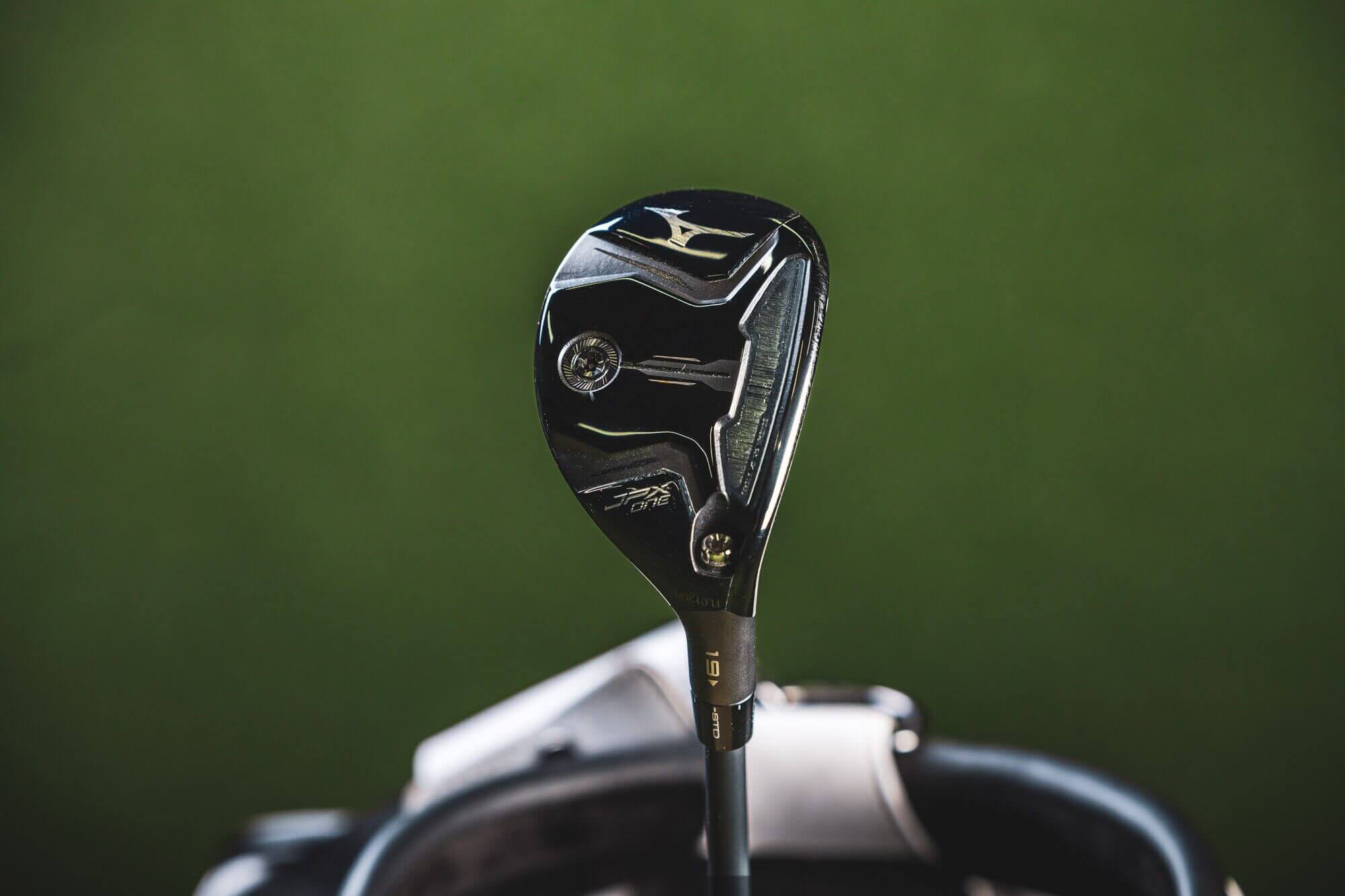
Accuracy carries the most weight in MyGolfSpy hybrid testing and that is where the JPX ONE separated itself.
It earned a 9.8 accuracy score, the best in the test. In the underlying data, it also produced the smallest shot area and the highest percentage of playable shots.
Its 1,675-square-yard shot area was approximately 15 percent smaller than the average in the raw test data. Nearly 96 percent of its shots were considered playable.
Its 168.76-yard average carry placed it around the middle of the group. Ball speed was competitive but not class-leading.
The JPX ONE is not necessarily a hybrid that will produce a dramatic distance jump. It is a hybrid designed to make your long-game distances and misses more predictable. It was one of the higher-spinning hybrids tested. If you already generate a lot of spin, it may not be the best fit.
The fairway wood won differently
The Mizuno JPX ONE fairway wood did not finish first in any individual scoring category.
Instead, it put together the most complete overall performance.
Its 9.2 accuracy score ranked second as did its 9.4 forgiveness score. That combination was enough to overcome an 8.5 distance score and push Mizuno into the top overall position.
The raw numbers show just how much consistency drove the result.
The JPX ONE produced the best proximity number in the test at 36.3 yards, almost nine yards better than the average of the 20 fairway woods in the data.
Its shot area was approximately 18 percent smaller than the field average. More than 91 percent of its shots were considered playable.
Once again, distance was not the standout trait. The Mizuno averaged 202.58 yards of carry, 12th in the field, and 214.14 yards of total distance, ranking 14th.
This is not the fairway wood for a golfer who only wants the longest option. It is for the golfer who wants to know where the ball is going and how far it will carry.
The technology connecting both wins
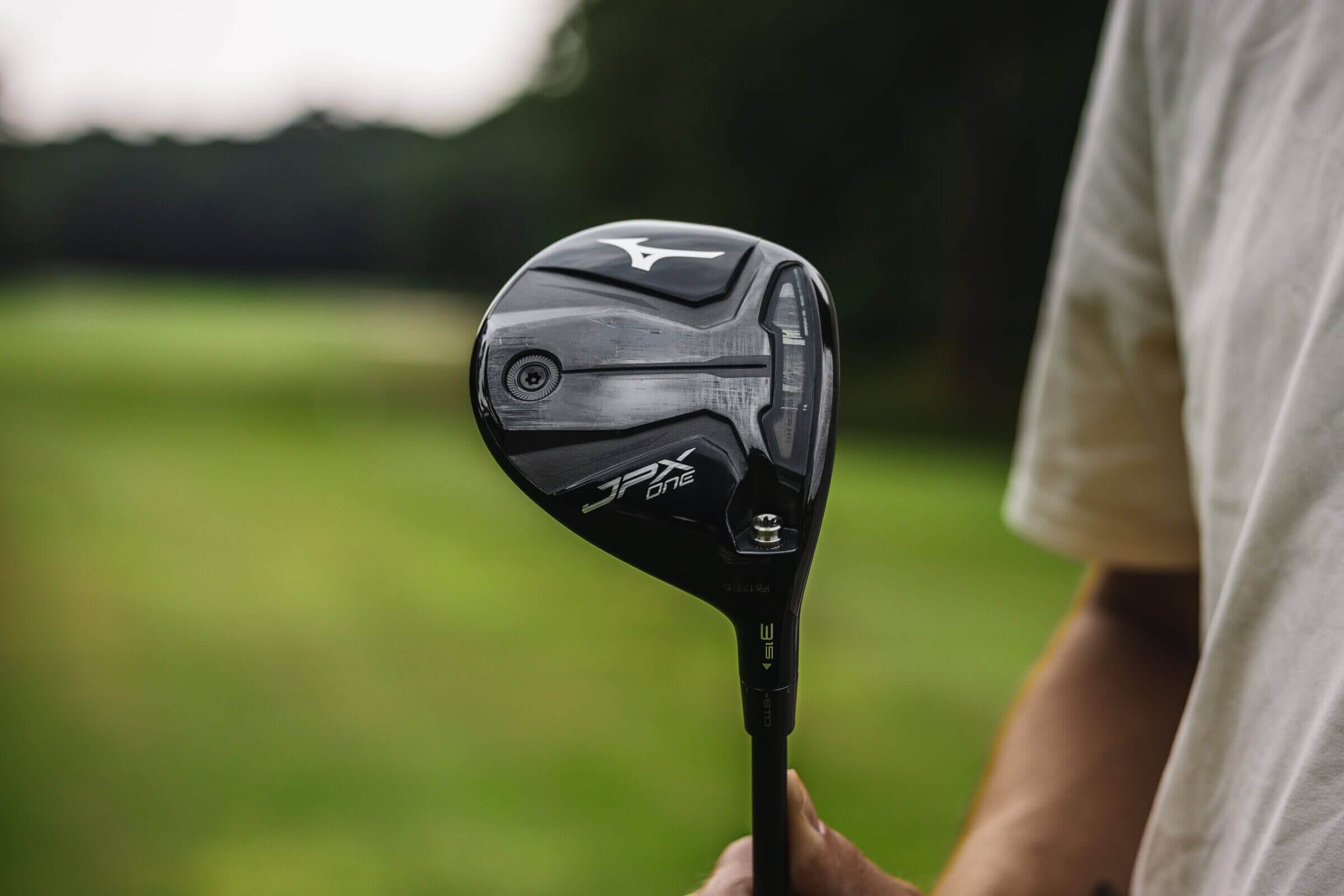
The JPX ONE hybrid and fairway wood share several important design elements.
Both use Mizuno’s improved CORTECH Chamber. Mizuno widened the internal gap between the chamber and the body toward the heel and toe. The goal is to allow more face deformation away from the center without sacrificing center-face performance.
The design goal lines up with what we saw: average overall distance accompanied by tighter shot patterns and more playable misses.
Both clubs also have Mizuno’s new Speed Bevel sole. The shaping is intended to improve turf interaction, create cleaner contact and maintain more consistent ball speed from different lies.
That is particularly relevant for hybrids and fairway woods. These clubs are often hit from uneven lies, light rough and directly off the turf. A sole that moves through the ground more efficiently could help limit the distance loss caused by contact low on the face.
The overall objective for the clubs is similar: preserve speed, improve launch and produce more consistent results when contact is less than perfect.
Who should try the JPX ONE hybrid and fairway wood?
The JPX ONE hybrid and fairway wood are best suited to golfers who want dependable long-game clubs rather than the absolute longest options available.
The hybrid makes sense for players who struggle with the consistency of their longer irons. It launched easily, kept a high percentage of shots playable and produced the tightest dispersion in the test.
I’ve spent some time with the JPX ONE hybrid on the course. The look, feel and ease of use stood out immediately.
The fairway wood should appeal to golfers who have enough speed but struggle to produce predictable results from the top of the bag. It may not give you the longest carry number during a fitting but its combination of accuracy and forgiveness could make it more useful on the course.
Golfers who naturally create a lot of spin should test both carefully. Players who prioritize maximum distance above everything else will also find longer options in each category.
What about the JPX ONE driver?
The JPX ONE driver did not complete the sweep.
The standard JPX ONE finished 27th out of 42 drivers in our 2026 driver testing. It earned an 8.4 overall score with an 8.8 for accuracy, 8.2 for distance and 8.4 for forgiveness.
The more compact JPX ONE Select finished 41st with an 8.0 overall score.
So Mizuno has not completely taken over the metalwood category. The driver still has some catching up to do, particularly in overall distance and performance balance.
However, winning both the hybrid and fairway wood tests is more than one isolated result.
If you thought Mizuno was just in the iron game, it’s time to reconsider.








Leave A Reply