



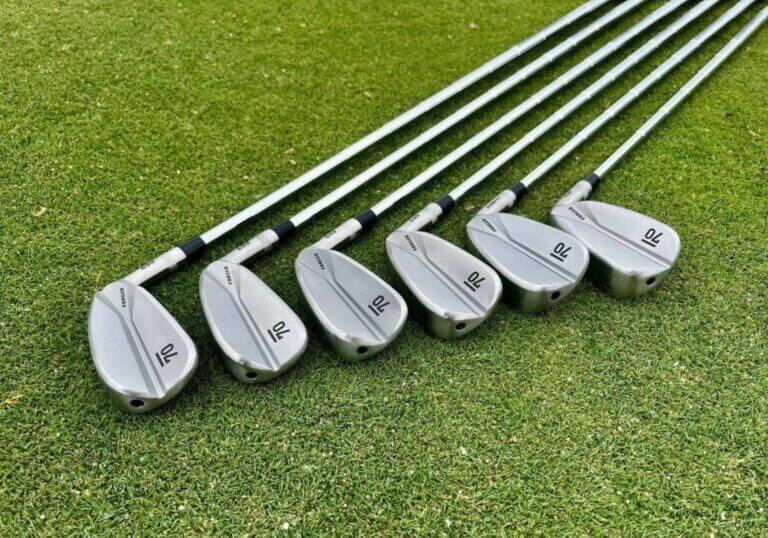
Every good fitting ends the same way. You walk out thinking this is it. The numbers look great. The clubs feel good. You start imagining how much better golf is about to be.
Then you put those new clubs in the bag, take them to the course and things do not work out the way you expected.
I replaced some equipment this year and while I still like how the fitting process went, the transition to playing that equipment was not immediate. That experience reminded me of something we do not talk about enough.
Any change in golf creates disruption. New equipment is no different. There is always a learning curve and that does not mean something is wrong or you made a mistake.
Here are the things that helped me most while adjusting to new clubs.
Don’t panic. You didn’t make a mistake.
When new clubs do not perform right away, the first instinct is to assume something went wrong.
You start wondering if you bought the wrong club, if there is a manufacturing issue or if the fitter missed something.
Most of the time, none of that is true.
A fitting is designed to match equipment to your swing. It cannot eliminate the adjustment period that comes with change. New feel, new ball flight and new visuals take time to process.
Don’t spend too much time on the range
The driving range can create false confidence. On the range, you hit the same club over and over and dial in performance. The course does not work that way. It forces you to commit to a shot and live with the result.
I struggled early with my new 5-iron. It fitted me well but it was very different from my old one. Any time I had a 175-yard shot, I tried to find a way around using it.
Once I stopped avoiding it and forced myself to use it on the course, things started to change.
One good range session does not always teach you how to incorporate the club into play. Learning how a club performs in real situations is what builds trust. Now I know how that 5-iron works for me and I have those feels (and visuals) stored for future rounds.
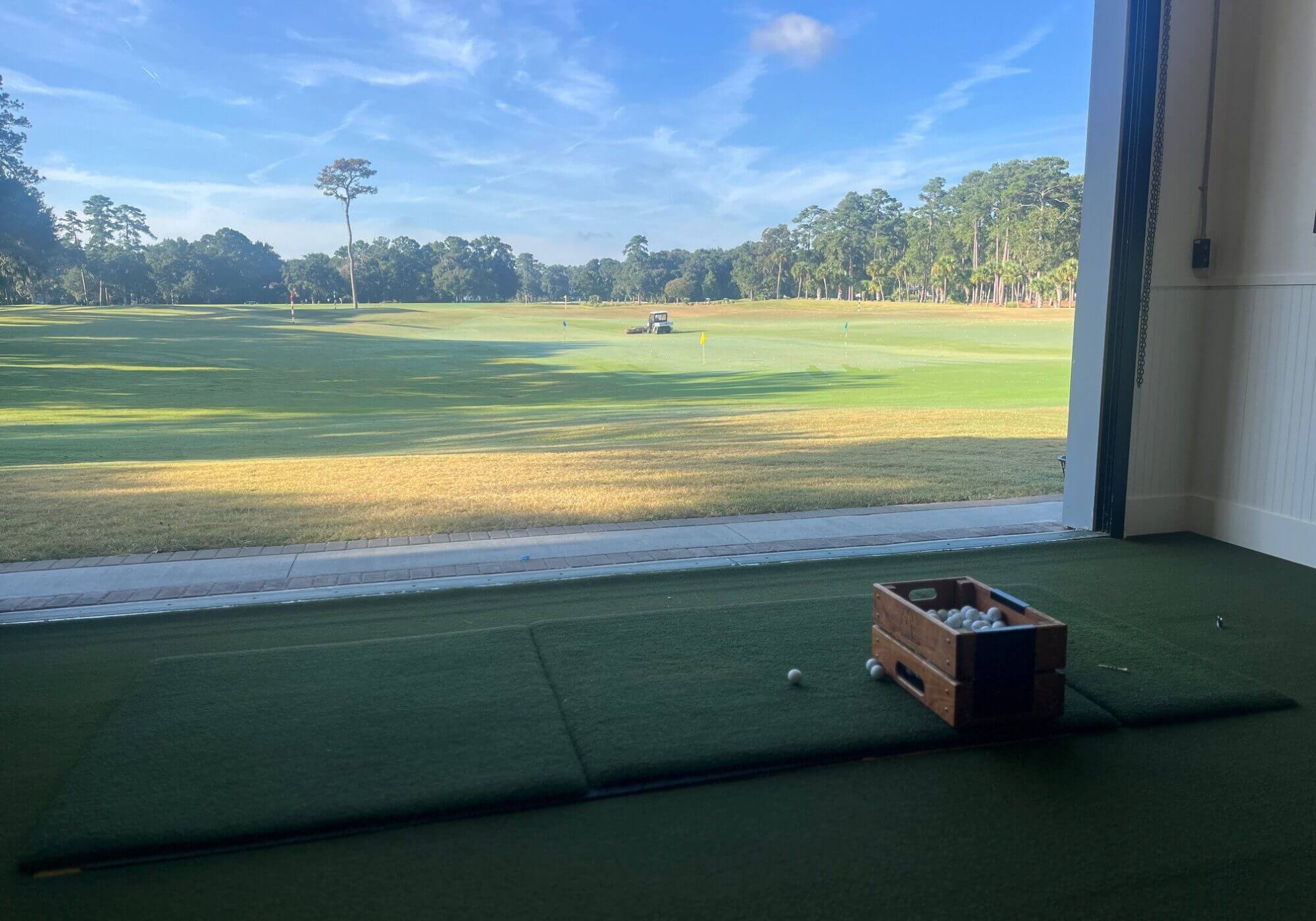
Give yourself time to learn ball flight and miss patterns
New equipment changes how the ball flies and where misses go.
Your old clubs had familiar tendencies. You knew what your miss looked like and how to manage it. With new clubs, that information is gone at first. When you first put the new equipment into play, all you can do is learn.
Learn what the ball does when you miss. Learn how the club reacts from different lies.
Be prepared for yardage changes
During my fittings this year, there was no meaningful distance loss. In fact, at times, there were distance gains. But when I took the clubs to the course, I saw a small drop.
For me, it was all about being hesitant. A little bit of caution coming through impact makes it hard to get that perfect strike-and-speed combination. As you get used to the new clubs, these kinds of things will work themselves out.
Also, if you lose five yards with your irons but hit five more greens in a round, you are a better golfer for it. Consistency matters more than raw distance so try not to get hung up on small distance changes as an overall factor in your equipment choices.
Don’t change your swing to match the clubs
You were fitted for those clubs with your swing.
Trying to slow down, speed up or adjust tempo to help the club usually creates new problems. Let the clubs work with the swing you brought to the fitting.
Stay committed to how you play golf. If something is not working after enough time, adjustments can be made. Early on, patience is the better approach. You don’t need to accommodate your new equipment.
Final thoughts
New equipment does not fix golf overnight. Sometimes, it exposes things you did not notice before. Sometimes, it just feels unfamiliar. It’s taken me months to feel like my new clubs are not foreign objects. This learning curve is all part of the process.








JIm Shaw
9 months ago
over the last 4 years I have basically replaced my whole bag. the biggest adjustment for me has been learning the nuances of the new shafts. Being able to “save” a bad swing comes with confidence which comes with reps under all sorts of pressure. guess what, it just takes time…