

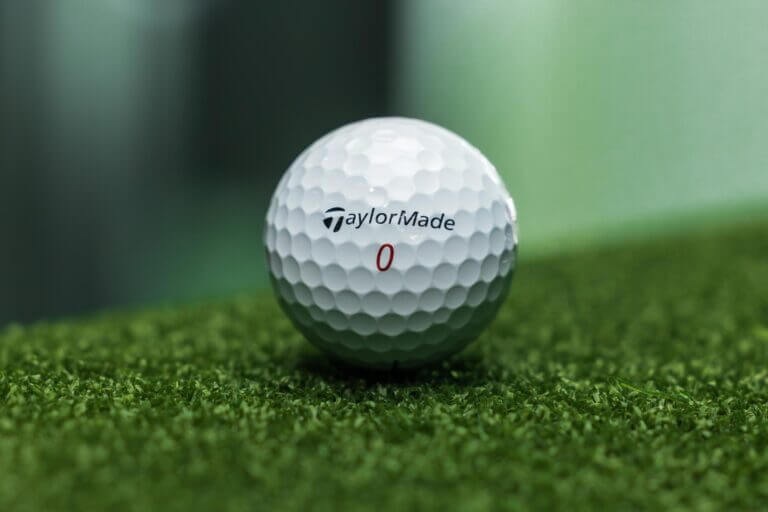
“Pro V1” is in the title because it’s shorthand for “the expensive one,” the ball everyone measures against and still the calibration ball MyGolfSpy uses for its own robot testing. But it’s not really about one ball. Chrome Tour and Chrome Tour X, TP5 and TP5x, Tour B X and XS are all sitting in that same $50 to $60 bracket, chasing the same golfer.
Those balls are mostly worth it. MyGolfSpy’s 2026 test backs that up, especially in wet conditions. This isn’t an argument that the “tour ball” tier is a ripoff.
This is instead a look at the alternatives if you don’t want to pay $50-plus for a dozen golf balls.
So I went through MyGolfSpy’s 2026 robot test data (48 balls tested with driver, 7-iron and a 35-yard wedge), looking for the ones that close most of that gap for a lot less money.
TaylorMade Tour Response
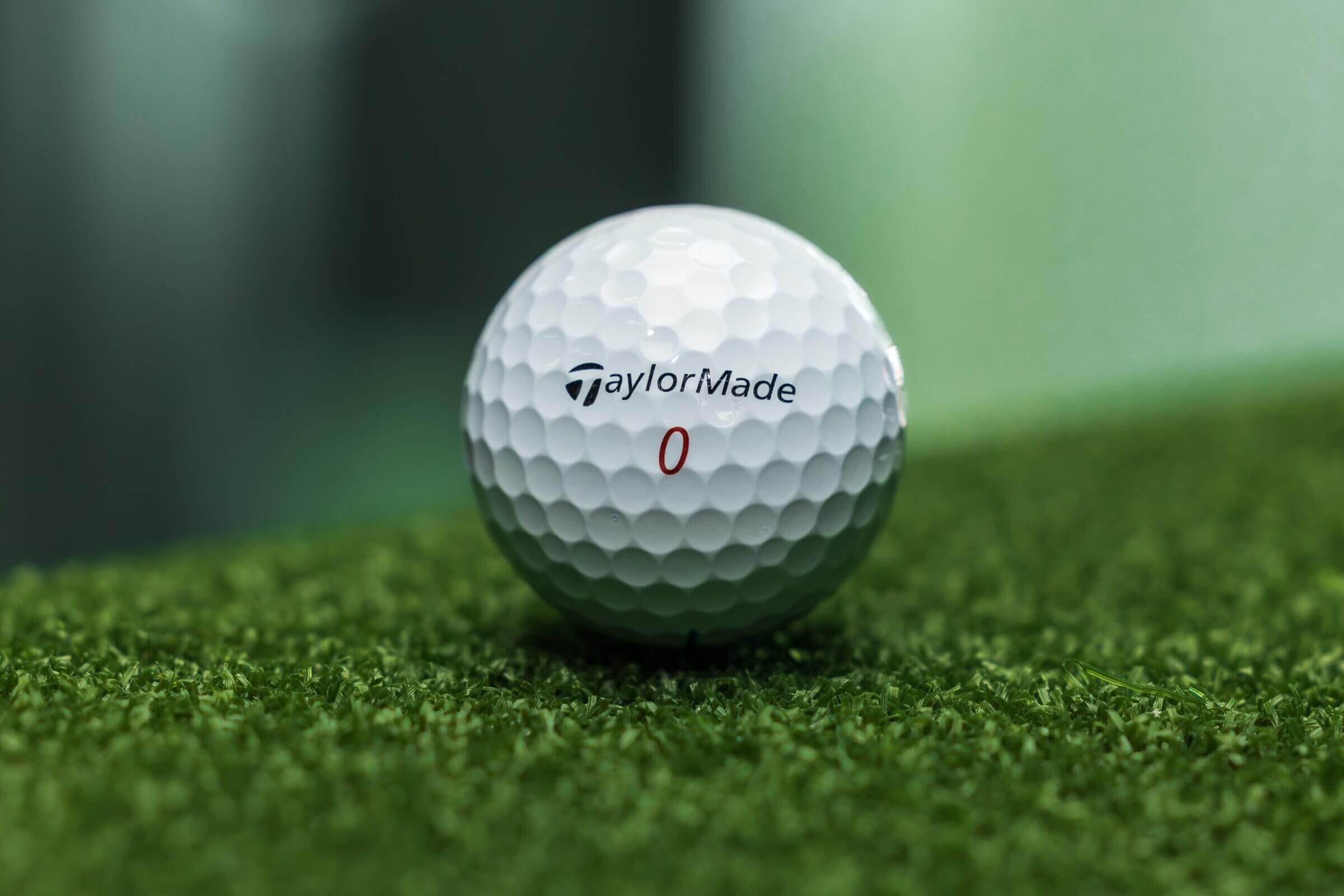
At $42.99, Tour Response is about as close as you’ll get to “just play this instead and stop thinking about it.” In MyGolfSpy’s data, it out-carries and out-totals Pro V1 off both the driver and the 7-iron. It gets there by being one of the lowest-spinning urethane balls in the whole 48-ball field.
The tradeoff is what you’d guess. It gives up wedge spin. So if your scoring clubs are doing a lot of the heavy lifting in your game, know that going in. But if you swing it fast and want distance without a fight, this is a strong option.
Maxfli Tour S
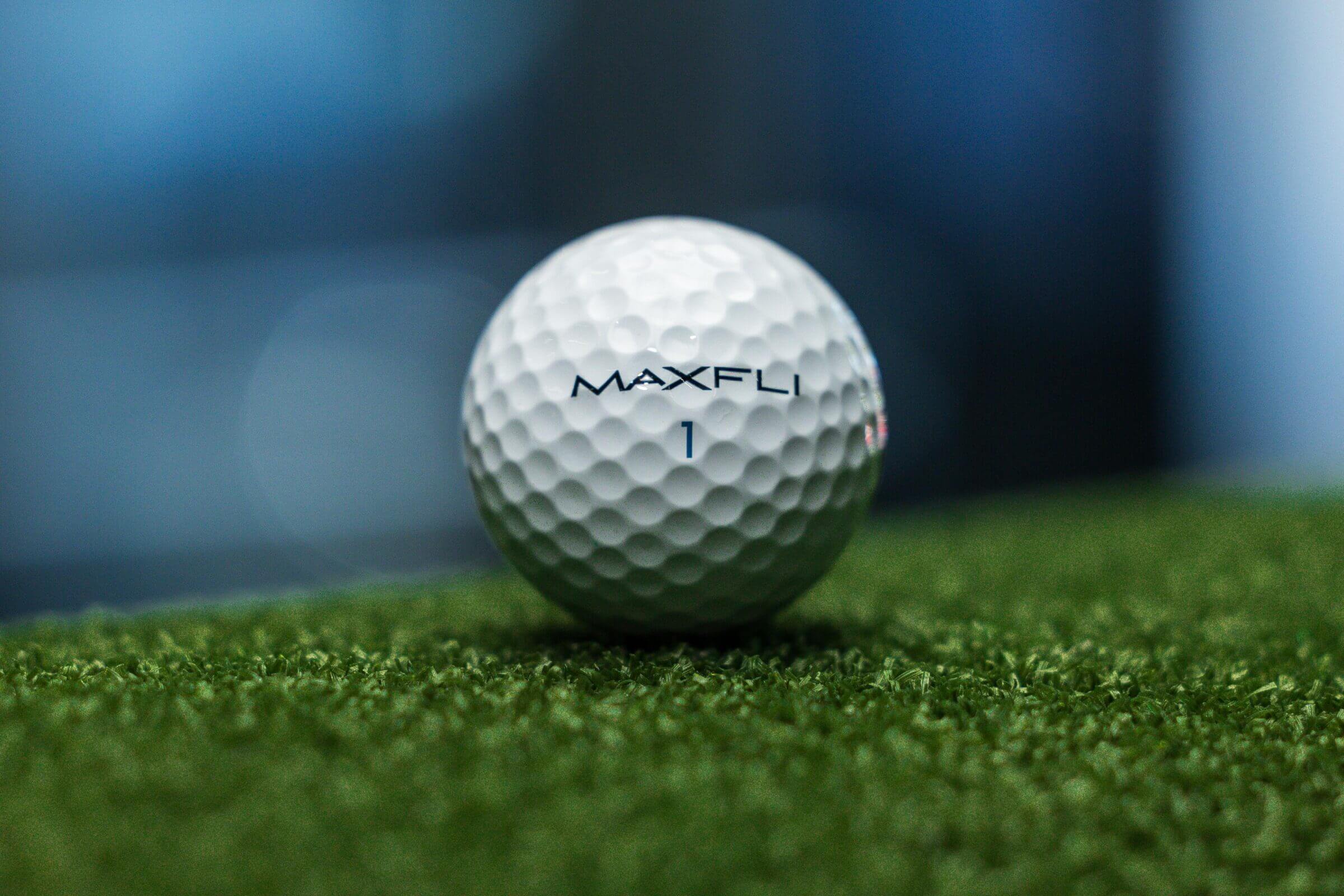
Tour S is the pick if your miss is a bigger problem than your carry number. At $39.99, it posted a tighter dispersion number than any ball on this list and several premium-priced models. It’s not the longest ball off the tee here, giving up a couple of yards to the field leaders, but that’s a fair trade for a ball that finds the fairway. It was named a “Great Buy” pick for slower swing speeds in the 2026 test and that lines up with what the numbers show. This is a ball built for control over speed.
Srixon Q-Star Tour
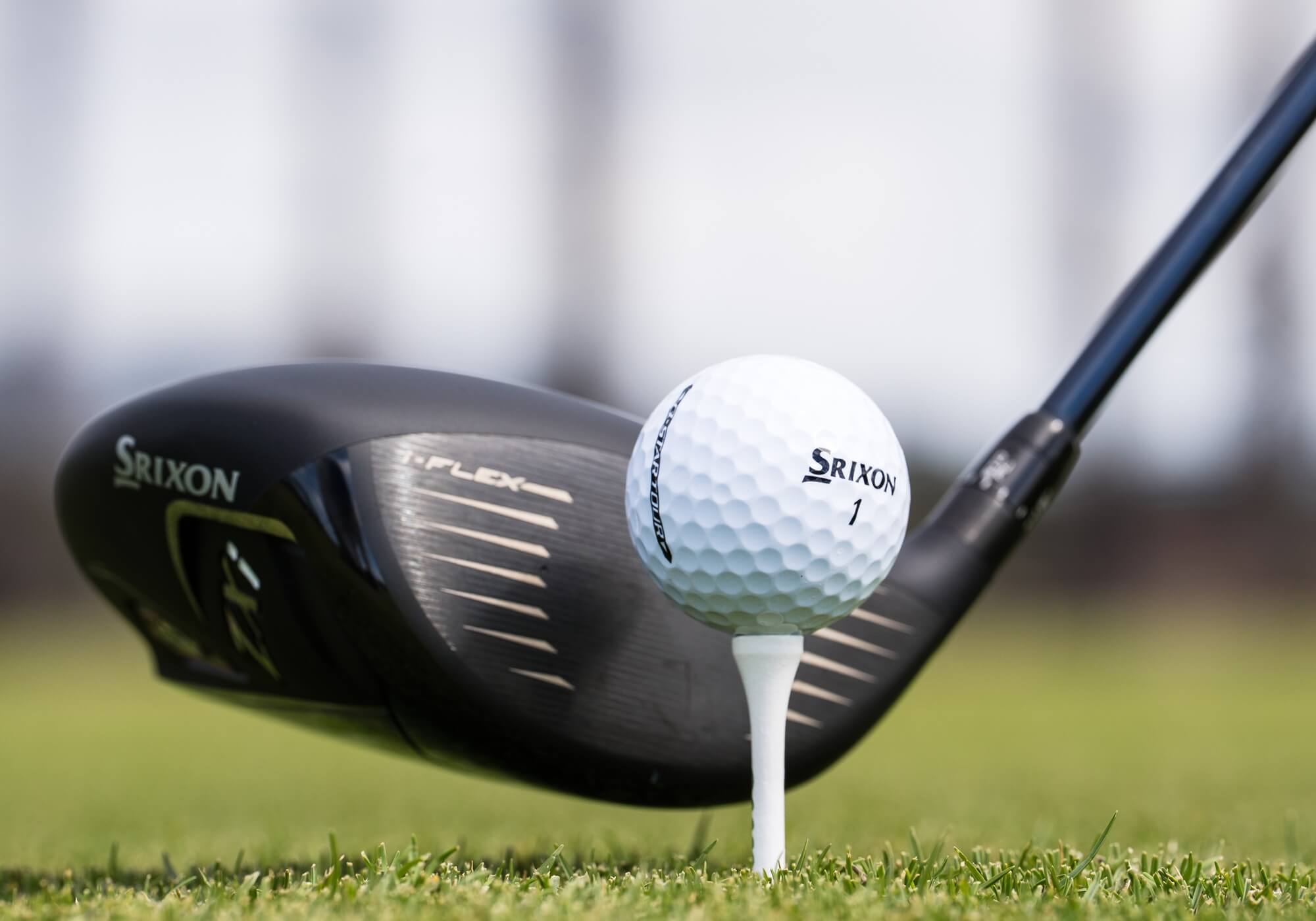
At $39.99, Q-Star Tour is built for golfers who want a flatter, more predictable ball flight without fighting excess spin off the tee or through the irons. It’s a deliberately lower-spinning design. It was one of the flattest-spinning urethane balls in the whole field and that shows up in the numbers.
The one place it pulls back is greenside. If you want a ball that flies straight and predictable from tee to green and don’t need to squeeze every rpm out of a wedge shot, this could be a good choice.
Vice Pro
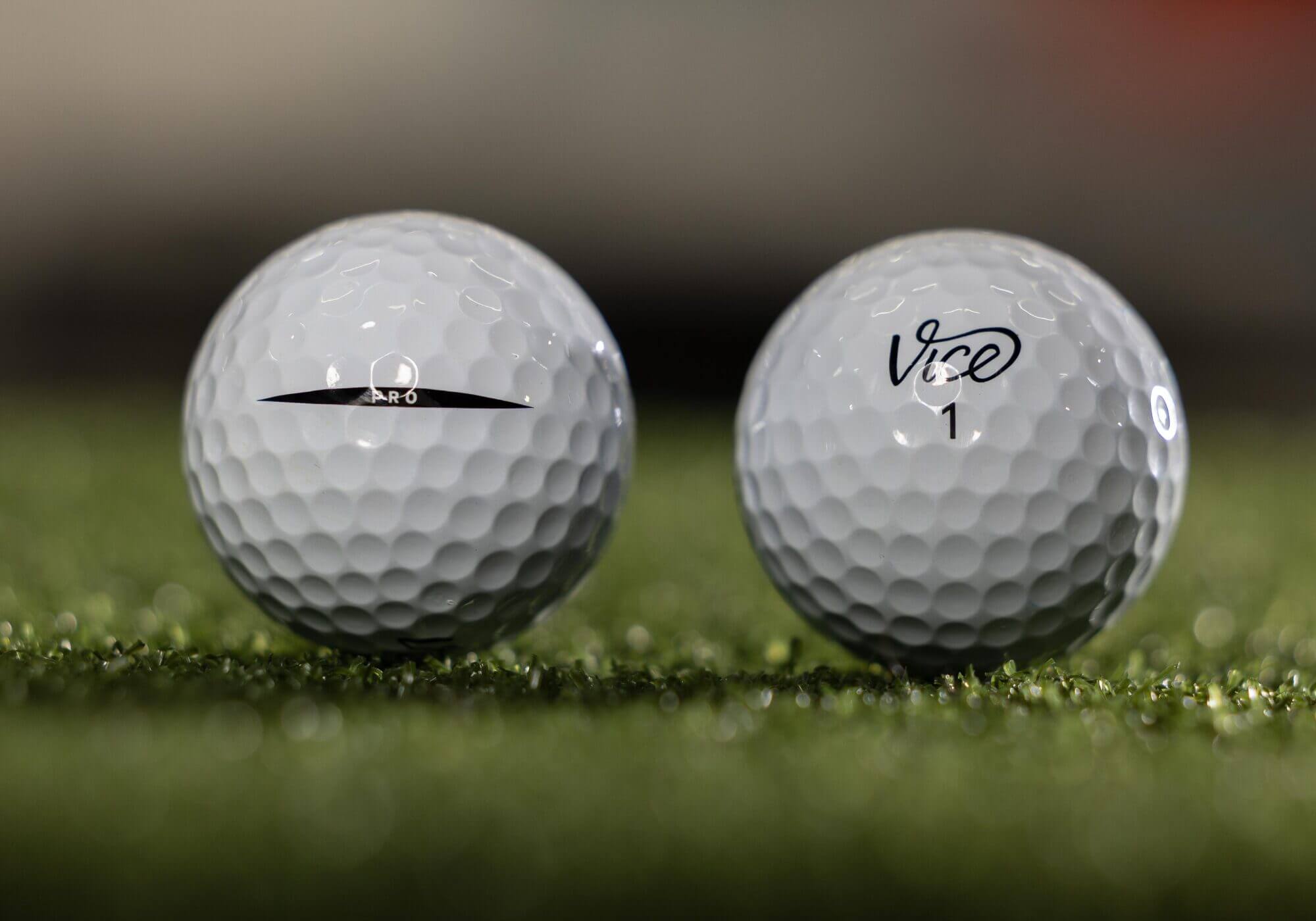
Vice Pro doesn’t win a single category outright and that’s kind of the point. At $39.99, it’s the generalist of the group: solid off the tee, ahead of Pro V1 on 7-iron distance at 170.9 versus 167.6.
It’s not going to top a distance chart or a spin chart. It also doesn’t have a weak spot you need to plan your round around. If you don’t want to think hard about which category you fall into and just want a normal, complete, direct-to-consumer urethane ball, grab this one.
Kirkland Performance+
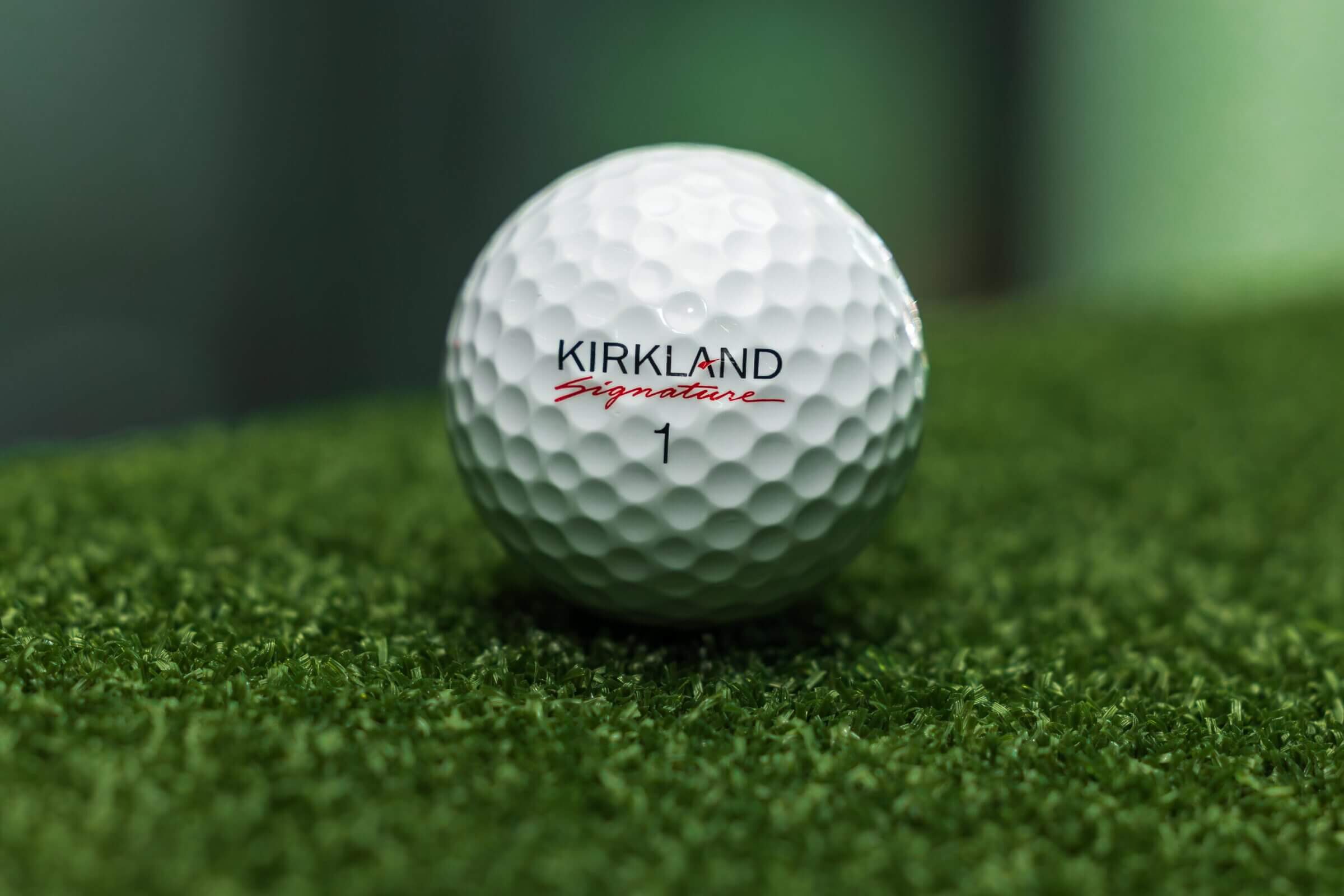
This is the honest budget pick, not the secret value pick. Kirkland only sells in two-dozen packs and, at $39.99 for 24, that works out to roughly $20 a dozen, half what the other balls on this list cost. It’s still the cheapest true urethane ball in the test and it earned its reputation as the ball that proved you didn’t need a big name to get a urethane cover.
Its greenside spin has dipped in recent tests and the 2026 numbers back that up. It’s giving up more than 1,200 rpm of wedge spin to a Pro V1, along with real ground on driver and iron distance. The case for Kirkland was never “plays like Pro V1 for less.” It’s “I lose two sleeves of golf balls a round and would rather not do that at $58 a dozen.” If that’s you, this is still one of the first places to look.
Use the MyGolfSpy Golf Ball Selector to compare 48 golf balls using data from our 2026 robot test. Filter by swing speed and see how each ball performs from driver to wedge to find the best fit for your game.





Papa Bogey
4 days ago
Kirkland balls are only available in the warehouse or online to members. The in-warehouse price is $30 for 2 dozen. Why continue to report only the online price?