


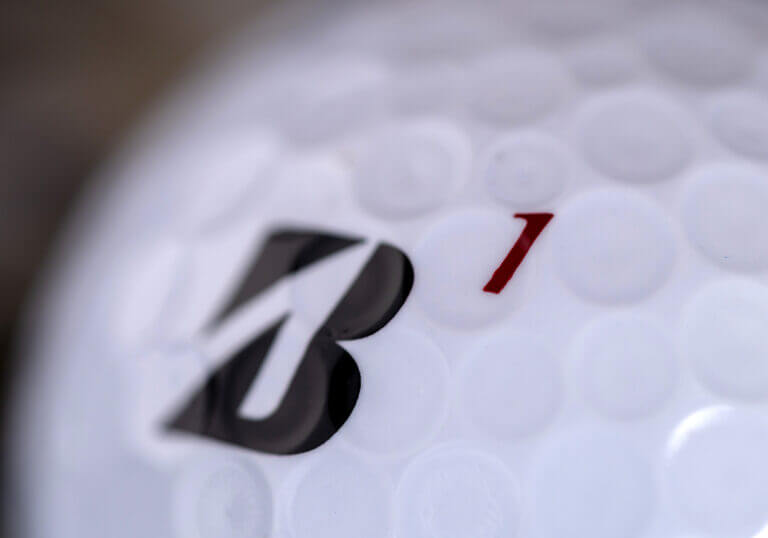
I’m sure most of you know that Bridgestone Golf is part of Japanese rubber giant Bridgestone Tire. But here are a few tidbits I’ll bet you didn’t know.
For instance, did you know that, depending on exchange rates, Bridgestone is close to a $40 BILLION global entity? Only around $270 million of that is golf-related, but still, that’s a lot of sashimi.
Did you also know that Bridgestone itself started as a family sock business? I didn’t know that, either. Bridgestone founder Shojiro Ishibashi’s family owned a company that made traditional Japanese split-toe socks, called tabi. Looking to make the product better, Ishibashi applied rubber soles to the tabi, creating a new category of footwear called jika-tabi.
Category creation. Keep that in mind.

By 1931, the company morphed again, this time into tire manufacturing, and was christened “Bridgestone.” For the record, “Ishibashi,” translated into English, means “stone bridge.” Ishibashi, perhaps with international aspirations and inspired by the American company Firestone, ultimately switched the wording to the now-familiar “Bridgestone.”
Keep that in mind, too.
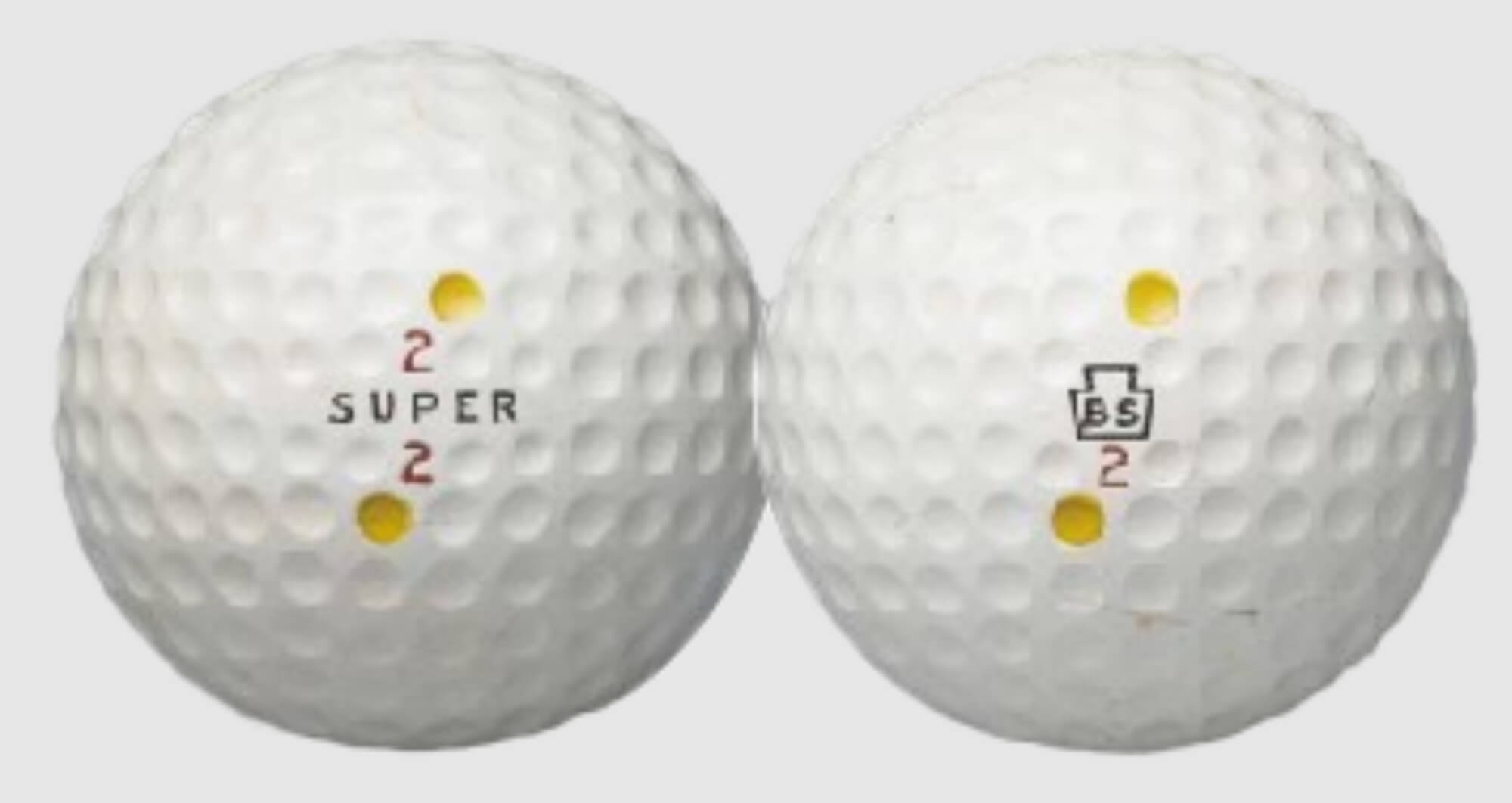
Four years later, Bridgestone took the next logical step and started making golf balls. Its first was called the Bridgestone Super.
As we’ve done with other OEMs, our goal today is to give you an idea of what makes Bridgestone Bridgestone. I don’t care who you are, the story of a company evolving from split-toe socks to tires, golf equipment, industrial rubber products and even bicycles is pretty fascinating.
And you don’t get from Point A to Point B without at least a little innovation in your DNA.
What makes Bridgestone Bridgestone?
Like fellow rubber industrialist (and Titleist founder) Phillip Young, Shojiro Ishibashi was an avid golfer. Like Young, he was dissatisfied with the golf balls of the day and was convinced he could build a better one. That, in a nutshell, is how Bridgestone got into golf back in 1935.
Bridgestone Tire started spreading into North America in the 1980s, culminating, somewhat ironically, with its acquisition of Firestone Tire in 1988. The company opened its North American golf ball plant two years later in Convington, Georgia. Also somewhat ironically, MacGregor had closed its long-time ball plant in Covington a year earlier.
“Since the beginning, technology and innovation have always been at the core of our brand,” Bridgestone Marketing Director David Vogrin tells MyGolfSpy. “We’ve always been about tech and innovation more than marketing.”
Bridgestone’s latest innovation, the new Tour B golf ball line with VeloSurge technology, has been the story on Tour so far this season, thanks largely to Chris Gotterup. The company is still duking it out with Srixon for fourth place in U.S. market share, but the early returns show VeloSurge is more than just an incremental advancement. We dove into the new Tour B back in January and will revisit the tech shortly. However, as we like to share these kinds of backstories, it’s helpful to get an idea of some of Bridgestone’s milestones. The list is longer and deeper than you might think.
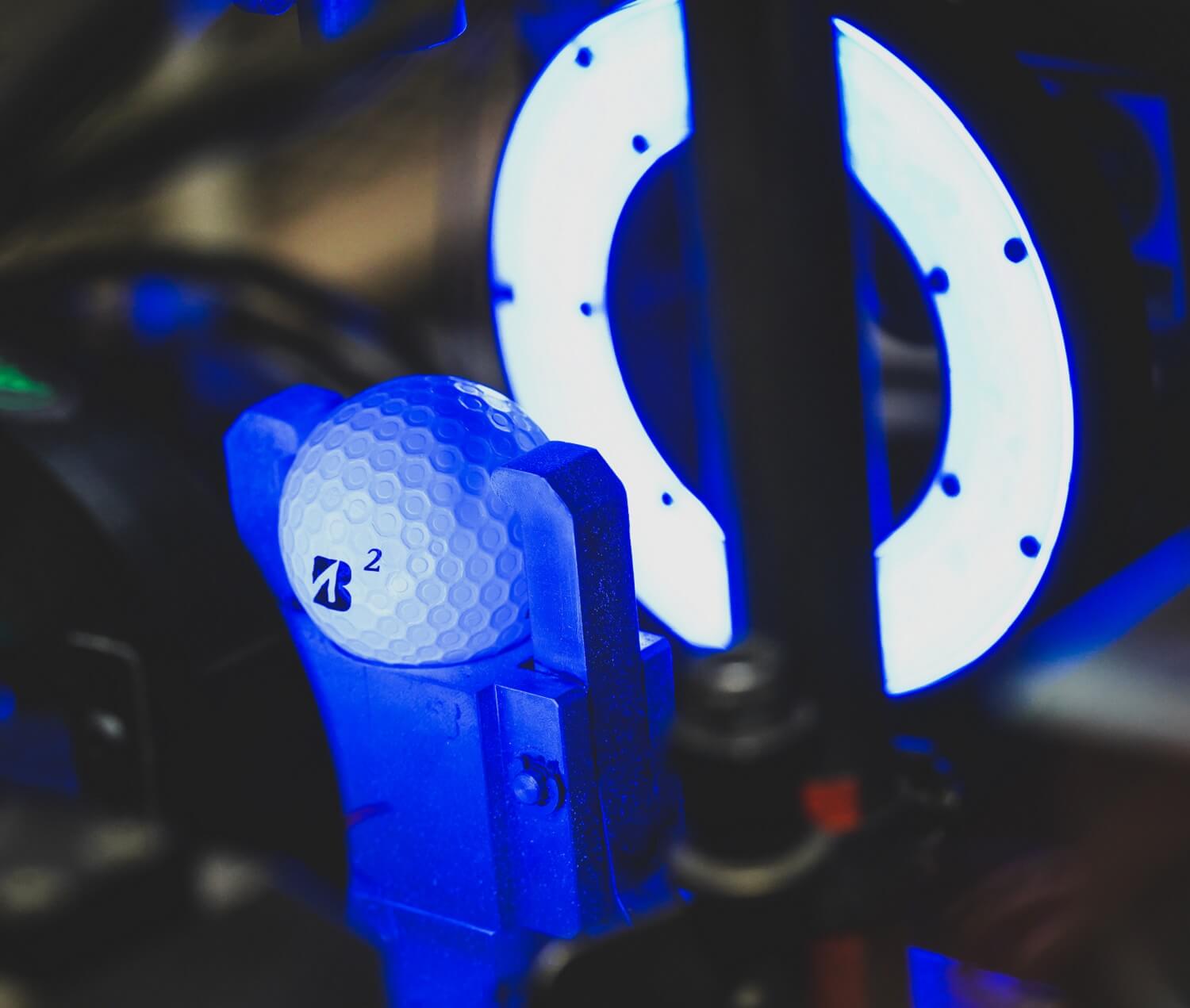
Did you know, for instance, Bridgestone’s first golf balls in North America weren’t Bridgestones at all?
Hitting the ground with Precept
In 1990, Bridgestone Golf operated three global sub-brands. There was Bridgestone, TourStage and Precept. Bridgestone decided to launch in North America as Precept, as it was the company’s value and performance brand.
For you linguists, a precept is a guiding rule or principle meant to influence behavior, moral conduct or thinking. As a golf ball, Precept’s precept was to guide amateur golfers to choose the right ball for their game. It was, in essence, a precursor to ball fitting.
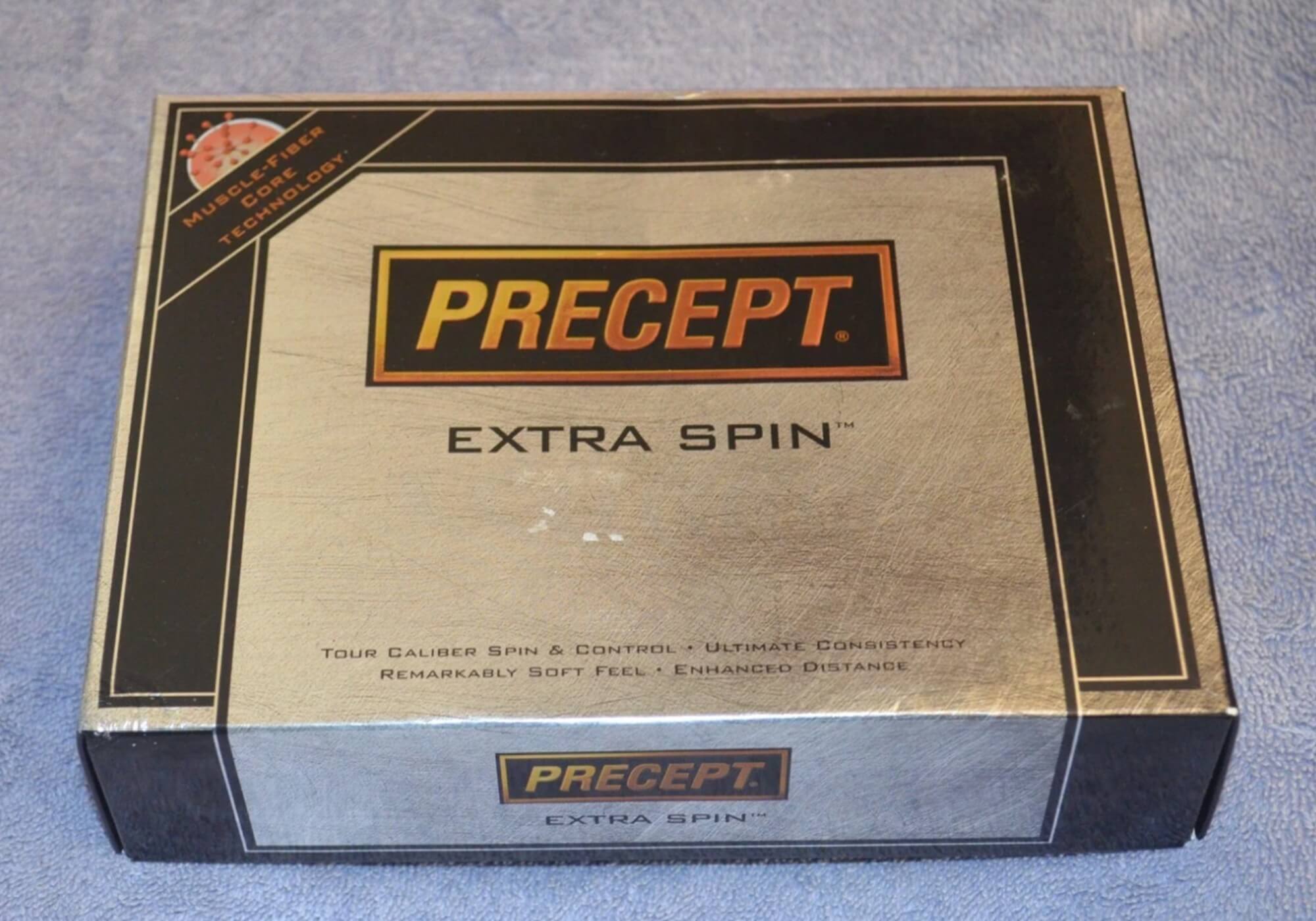
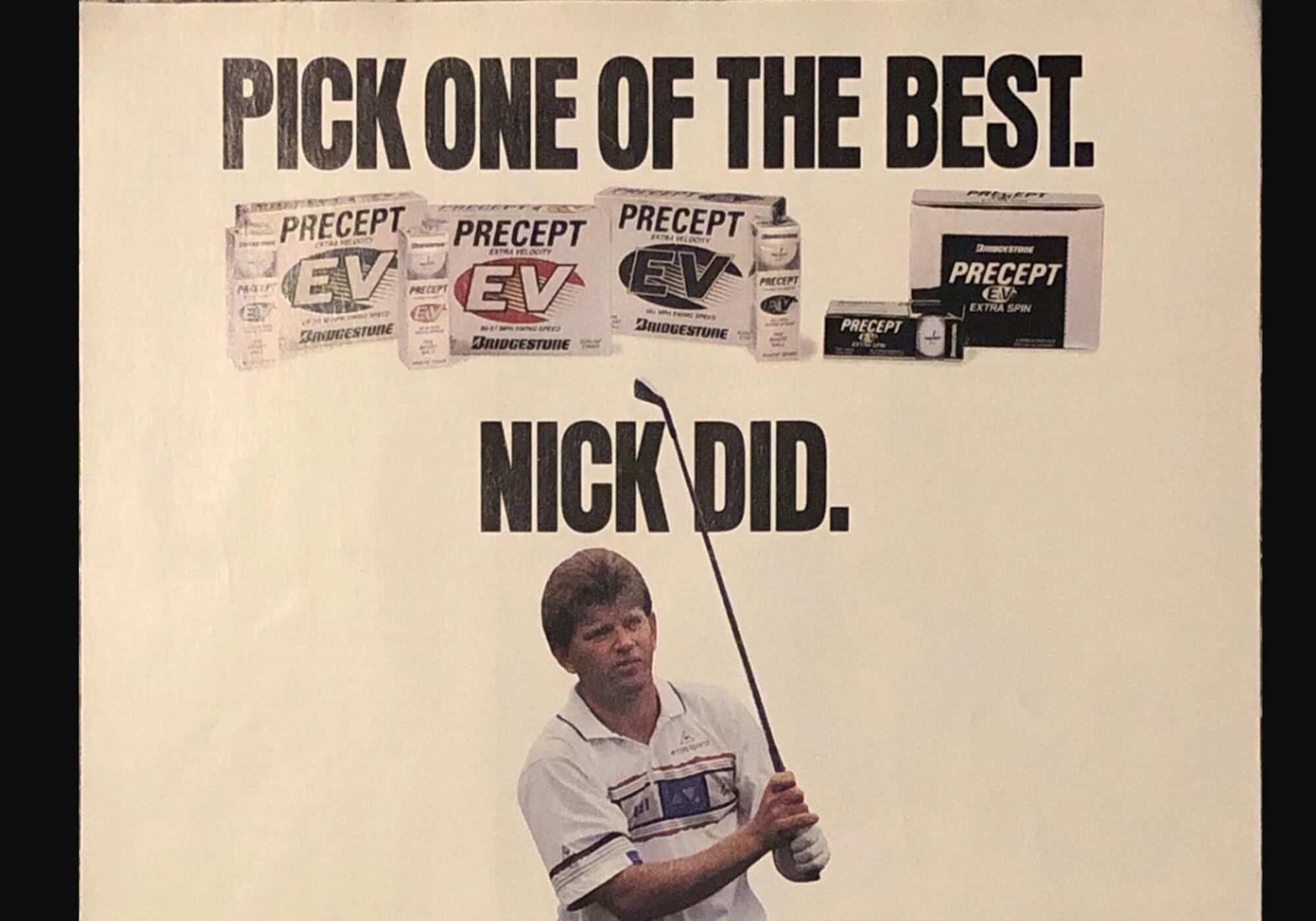
“Ironically, Nick Price won two of his three majors in 1994 using the Precept EV Extra Spin ball,” says Vogrin. “It was a two-piece, solid-core ball. I don’t think too many people realize that.”
The Precept EV Extra Spin had a solid core and a urethane cover. Spin was comparable to a balata ball, but it was firmer. Price in those days could compress a rock if you asked him to hit it, so the EV Extra Spin fit his game perfectly. Price won both the Open Championship and the PGA in ’94 and spent 44 weeks at No. 1 in the world golf rankings.
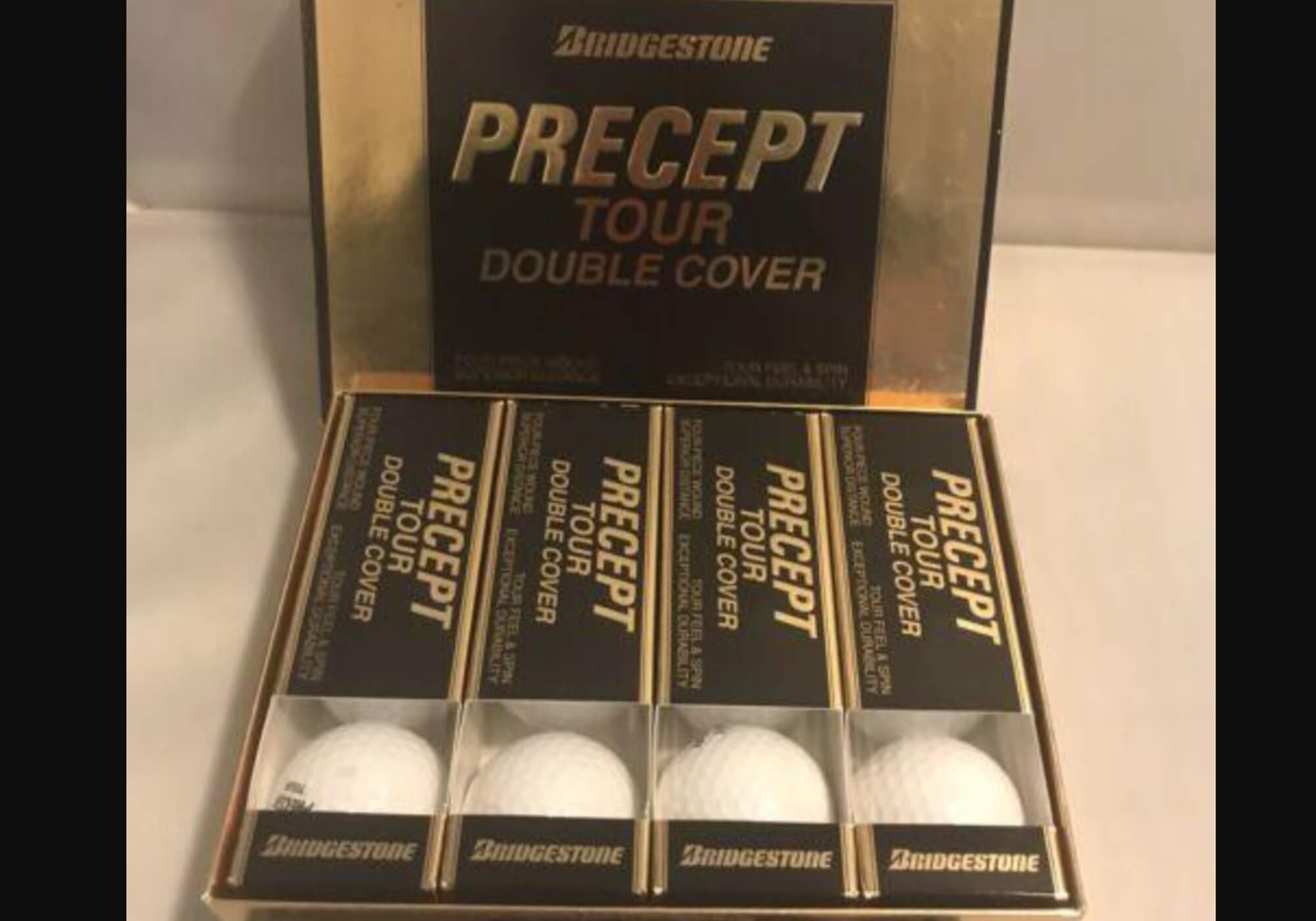
Two years later, Nick Faldo won the ’96 Masters using a Precept Tour Double Cover ball. It was his second major using that ball (the first was the ’92 Open Championship). At the time, it was the first ball to feature a firm ionomer mantle layer, hence the “double-cover” moniker.
“Those wins put Bridgestone on the map,” explains Vogrin. “At the time, we were known only as an engineering and production company. We didn’t really market our golf balls.”
The solid core revolution
Most of you know the story of how Nike and Bridgestone partnered to make the Nike Tour Accuracy, the ball Tiger used to blitz the field at the 2000 U.S. Open at Pebble. It was the ball that kick-started the switch away from wound balata and headlong into solid core, multi-layer urethane construction. Bridgestone provided manufacturing technology, solid-core/multi-layer know-how and mass-production expertise to the project.
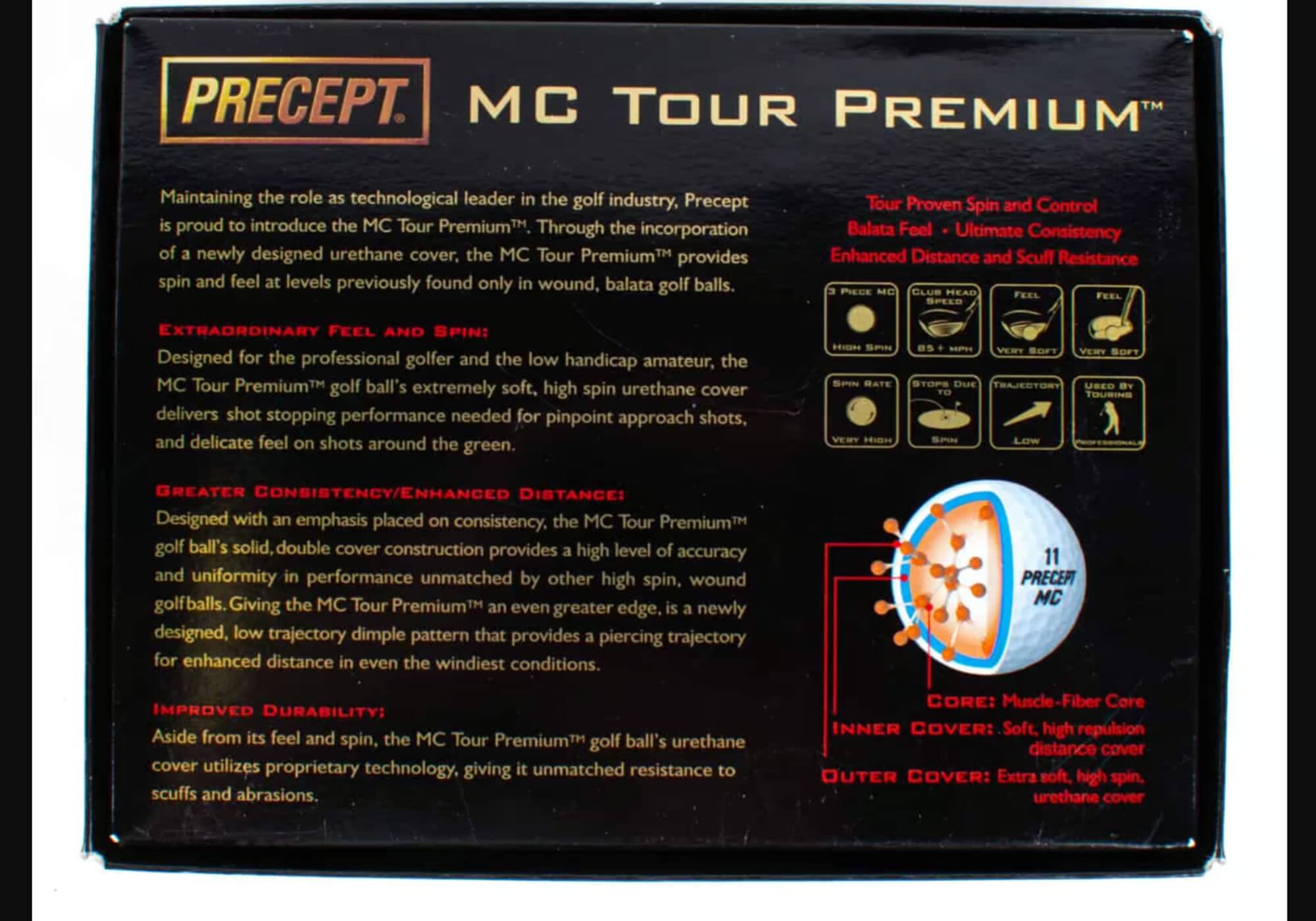
I’m guessing fewer of you know that several months earlier, in January of 2000, Bridgestone introduced its own multi-layer, solid-core urethane-covered golf ball, the Precept MC Tour Premium.
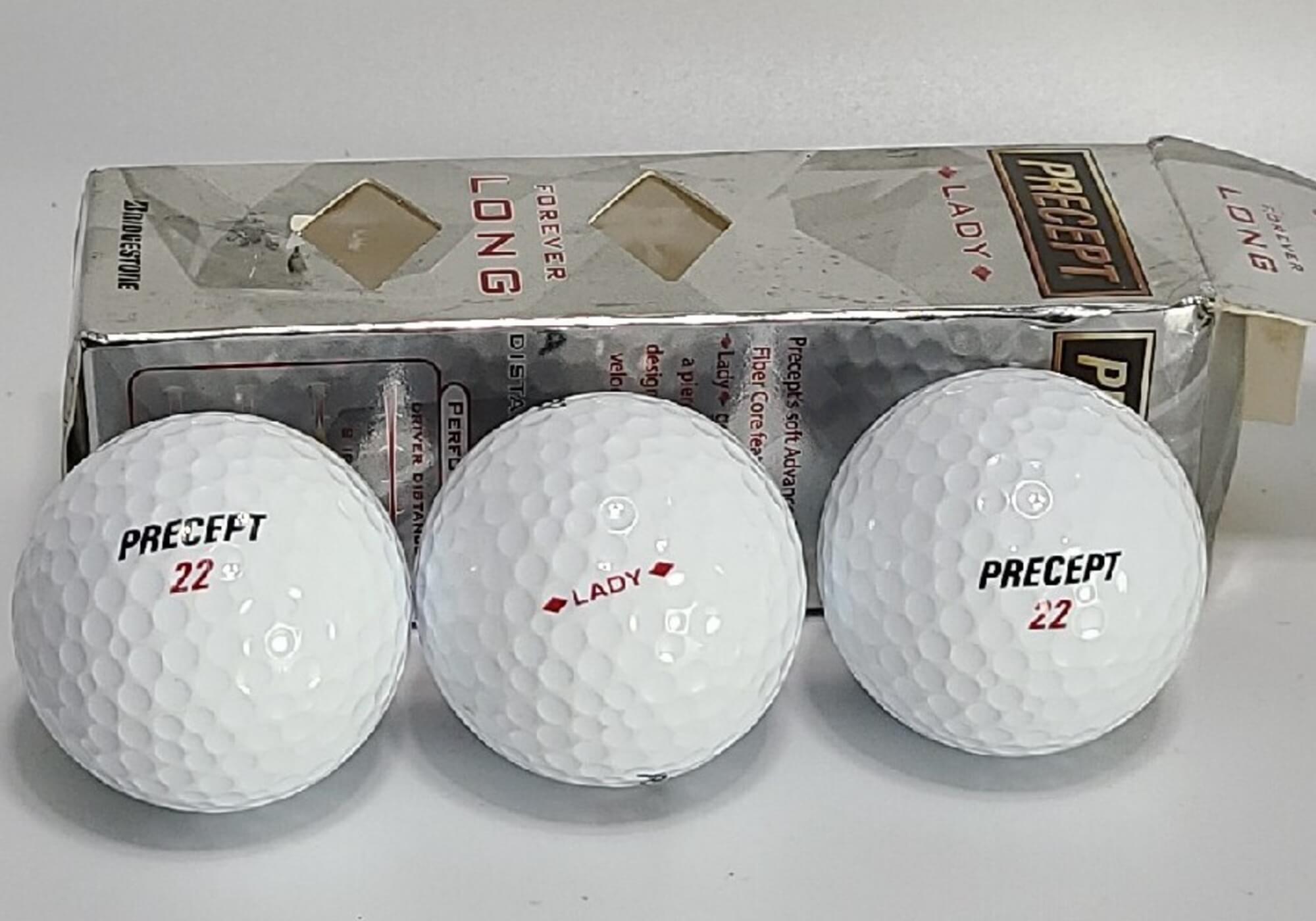
At this same time, the Lady Precept started making noise. It was a low-compression, low-spinning ball that felt soft and launched high. Lady Precept was originally marketed for women, but pretty soon the guys found that it would fly straight and roll plenty for their games, too.
“It became a secret kind of deal,” Vogrin says. “I was at Maxfli at the time and we responded with our own low compression ball, the Noodle. We needed to compete with the Lady because it was a phenomenon that functionally created a category.”
Also at this time, Bridgestone decided it was time to rebrand in North America. The Precept name stayed as a brand for recreational golfers. The name did serve its purpose, however, as a “bridge” brand. It allowed the company to enter the U.S. market without competing head-to-head with Titleist right out of the gate.
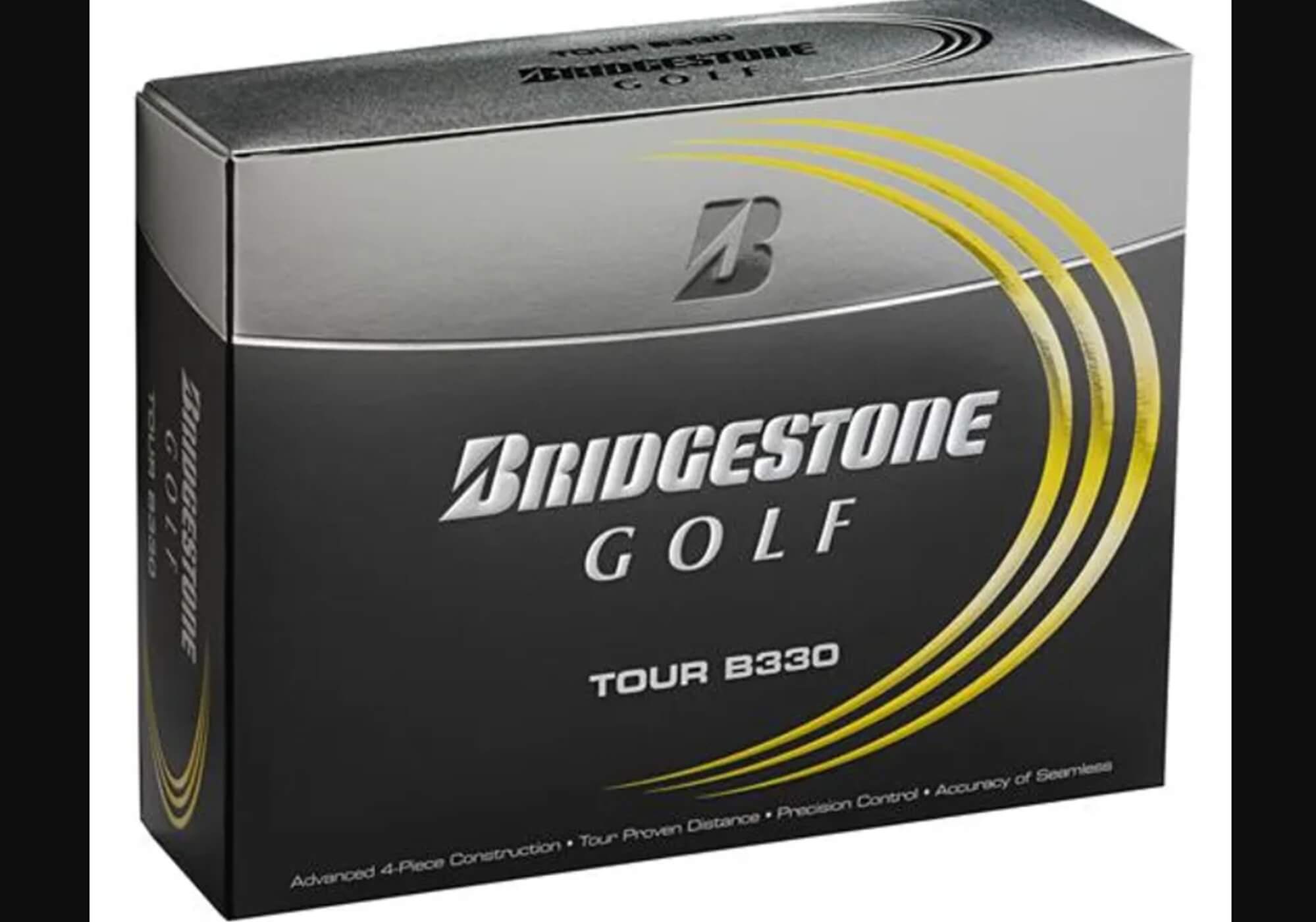
The new premium line, of course, would now be Bridgestone. The first Bridgestone-branded ball, the Tour B330, launched in 2005. It was a premium, multi-layer urethane ball that had been in development for over two years. The B330 was followed later that year by the higher-spinning B330 S.
Bringing urethane to the masses
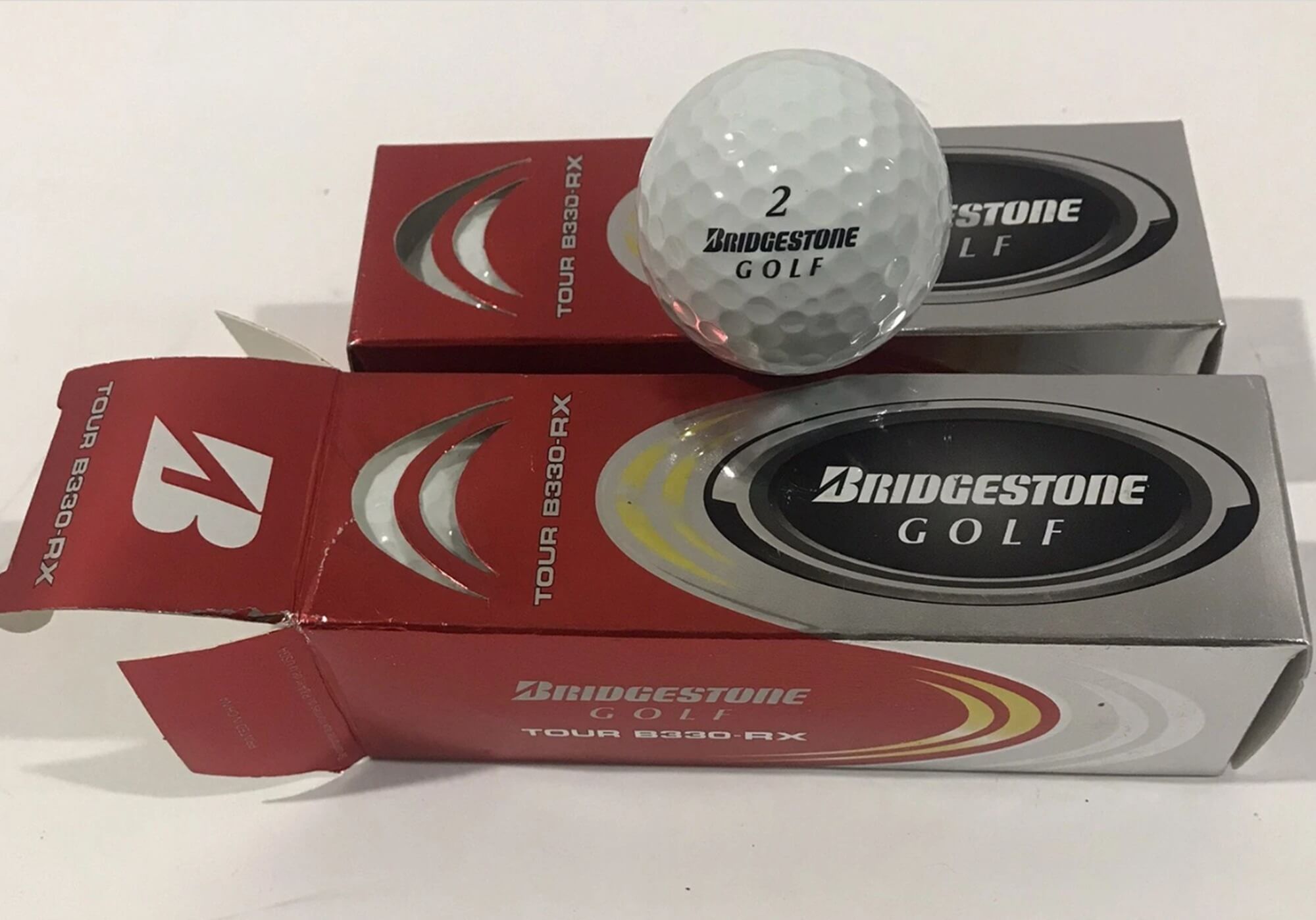
While it may not seem like a big deal today, the Bridgestone B330 RX launch in 2008 was significant at the time.
“It was the first Tour-level golf ball with a urethane cover designed for amateur swing speeds,” says Vogrin. “It also created a category.”
The original B330 RX, at a 70 compression, was the softest urethane ball of its time (the B330 and Pro V1 were both around 90). It was, like the Precepts before it, made with “regular people” in mind.
“This isn’t news to anyone, but our Tour pros don’t pay for golf balls,” Vogrin explains. “They help us with R&D, but we’re about doing the best we can for the consumer. They’re the ones who actually do pay for our golf balls.”
The B330 RXS soon followed, which created a problem: Which ball do I choose?
The solution? Ball fitting.
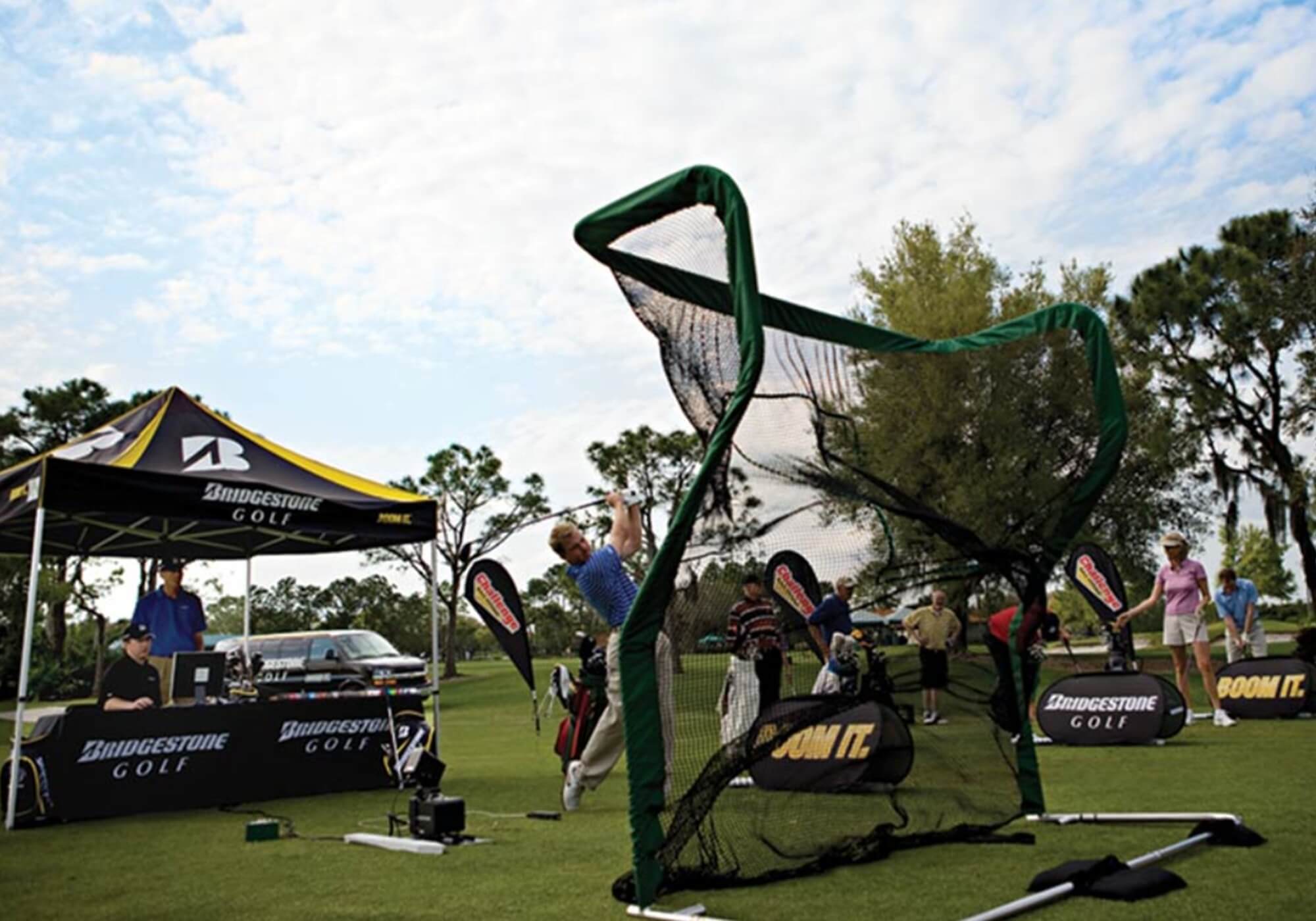
“That started with two-man teams running all over the country to do in-person ball fittings,” says Vogrin. “We created a way to deliver the right ball for the everyday golfer’s game.”
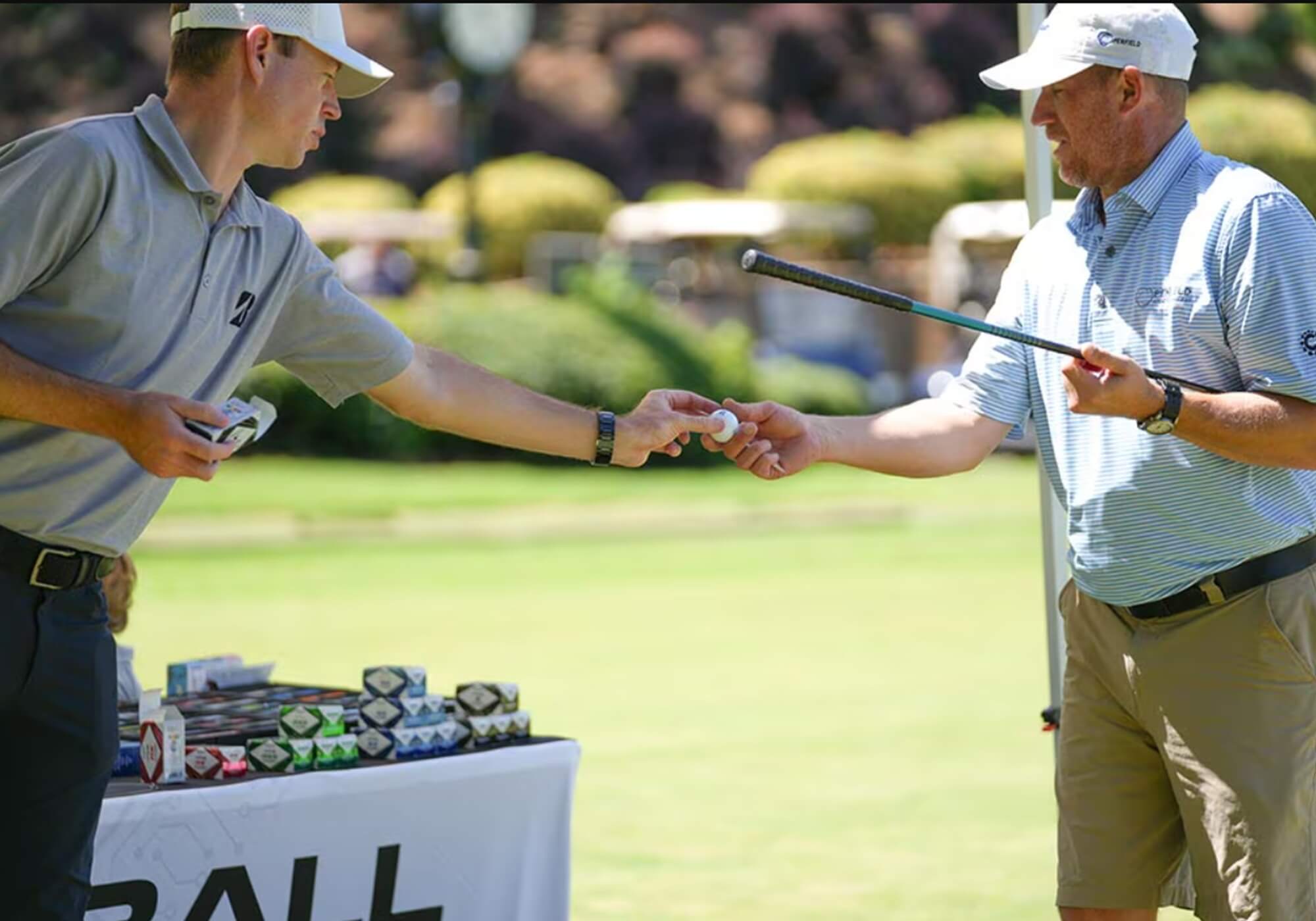
Surveys indicate over 80 percent of golfers questioned believe they would benefit from a ball fitting. The problem is, only 30 percent (Bridgestone believes it’s less than 10 percent) have actually been fit.
“We have guys all over the country, but that’s still only around 1,200 fitting events a year. There are a lot more golfers out there than that.”
Bridgestone estimates it has fit more than 4.6 million golfers. About 70 percent of the time, a Bridgestone ball comes out on top.
“For the 30 percent we can’t beat, we just pat them on the back and say, ‘Have a nice day,’” says Vogrin. “They already have the best ball for their game.”
Into the new “Roaring ‘20s”
From 2008 until this year, Bridgestone’s golf ball innovations have been more evolutionary than revolutionary. The REACTIV urethane cover in 2020, however, was more evolutionary than most.
“It was the first real advancement in urethane since, well, urethane,” explains Vogrin. “We added impact modifiers to the cover material that reacted to the force of the impact.”

For you science-types, the REACTIV cover has almost non-Newtonian fluid-like characteristics. On super-fast strikes, like with a driver, the cover reacts firmly, preserving ball speed. On slower impacts, like with a wedge, it reacts like a much softer material, staying on the face longer and spinning more.
Usually, you don’t get both.
Then there’s Mindset. Say what you will about the looks, but you can’t say putting the concept on a golf ball isn’t innovative.
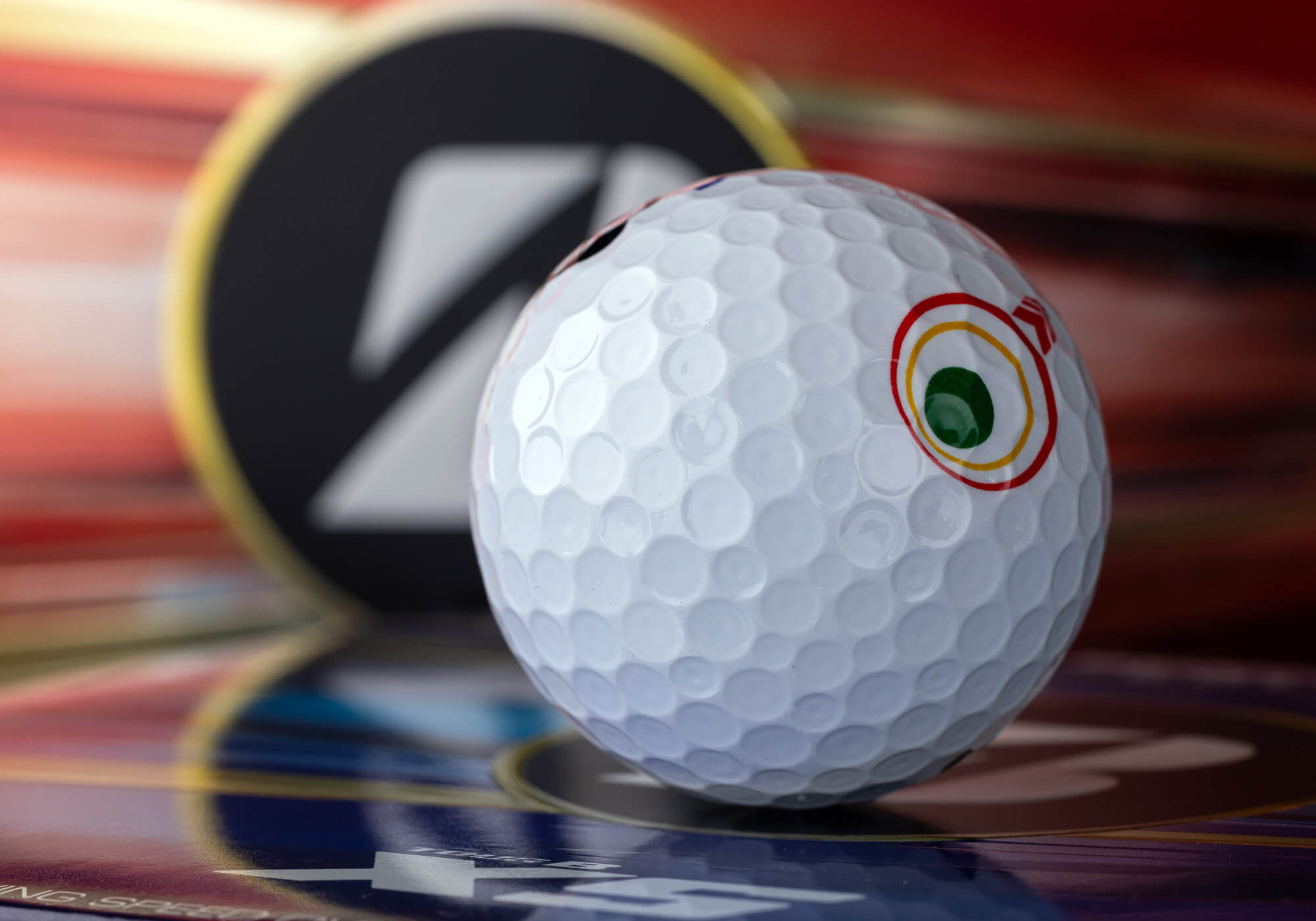
“We did our research with Jason Day and his performance coach, Jason Goldsmith,” explains Vogrin. “We’re the first company to bring a pre-shot routine process to golf ball marking. It helps separate analytical thoughts from athletic performance.”
The Mindset story is deceptively simple but complicated to convey. It’s a three-step pre-shot process to help your mental game. Understanding and implementing it, however, requires some work. For starters, no matter how loudly Bridgestone says otherwise, people still think it’s just an alignment aid.
“You definitely see the stamp at least twice on every hole, but it doesn’t go away if you can’t see it,” Vogrin says. “You know it’s still there, right? So you can still go through the pre-shot routine.”

The stamp is just a visual reminder to go through the Mindset process. It’s not magic, although Bridgestone’s own testing found golfers who went through the process cut an average of three strokes off their scores. Higher handicappers with no pre-shot routine saw the greatest benefits.
Which brings us to VeloSurge
Bridgestone’s 2026 Tour B line with its new VeloSure technology might just cross that line between evolutionary and revolutionary. Bridgestone thinks it’s found a way to make the ball meaningfully longer and straighter while staying within USGA rules.
I know, crazy, right?
“Jason Day put the new ball into play during the FedEx Cup playoffs last year,” says Vogrin. “He saw a 2.1 mph ball speed increase and just over nine more yards off the tee. Chris Gotterup’s average distance is up like 11 yards from last year.
“He’s a guy that doesn’t need more distance, but we gave it to him anyway. He didn’t turn it down.”
Among regular golfers, Vogrin says some 40 percent of those tested saw up to 14 yards of new distance. “Our lawyer said we could use it, but we decided not to. No one would have believed us.”
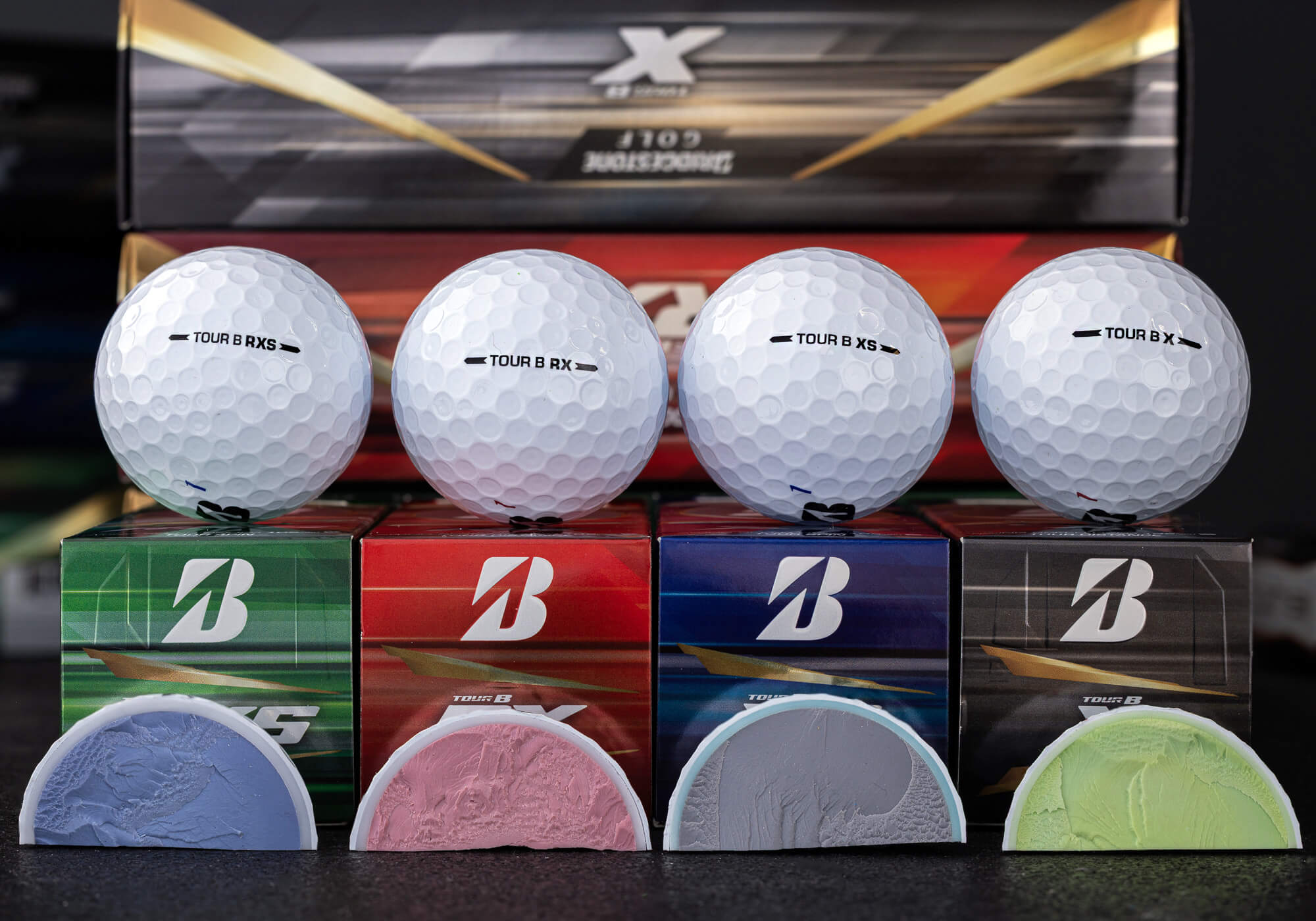
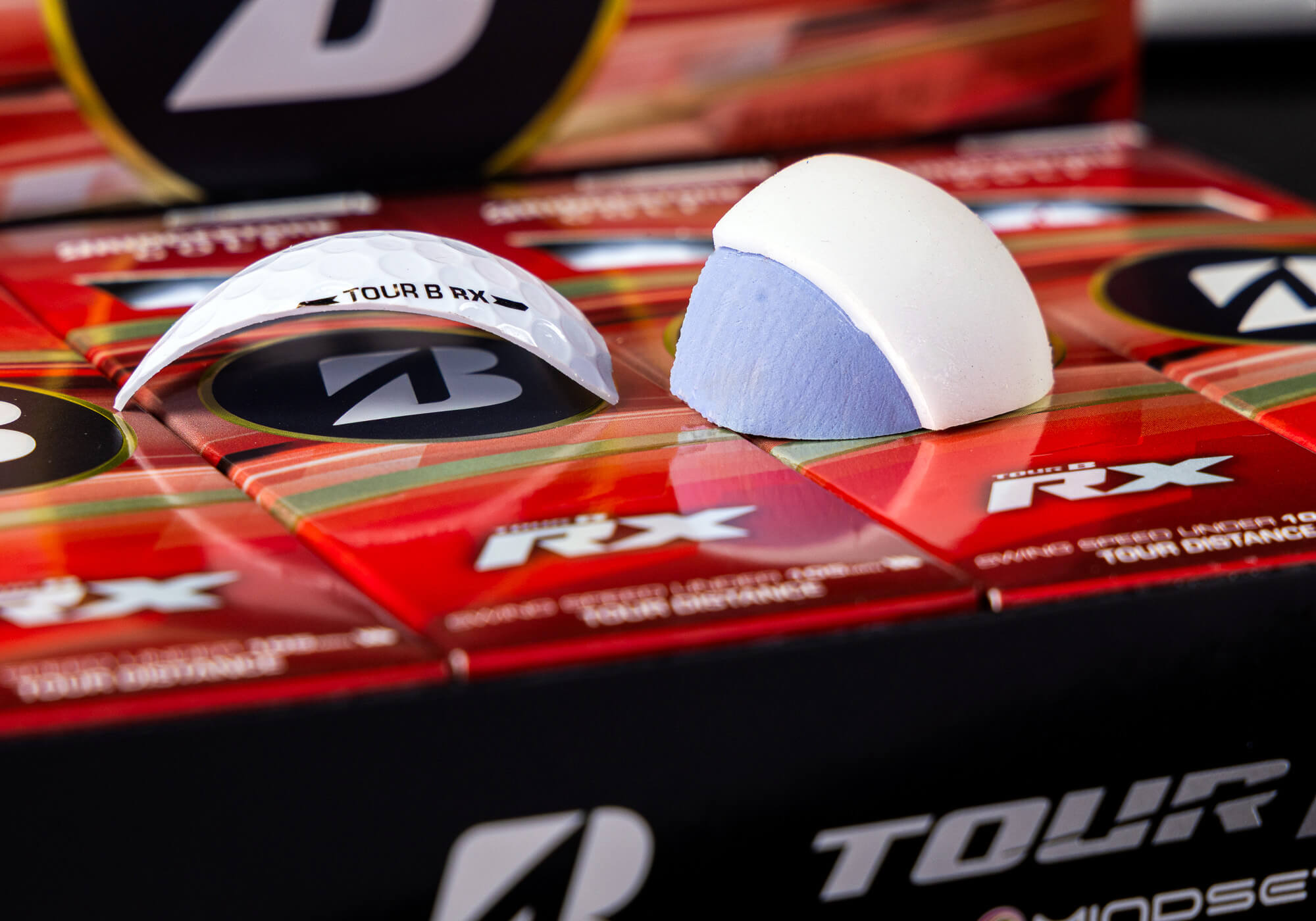
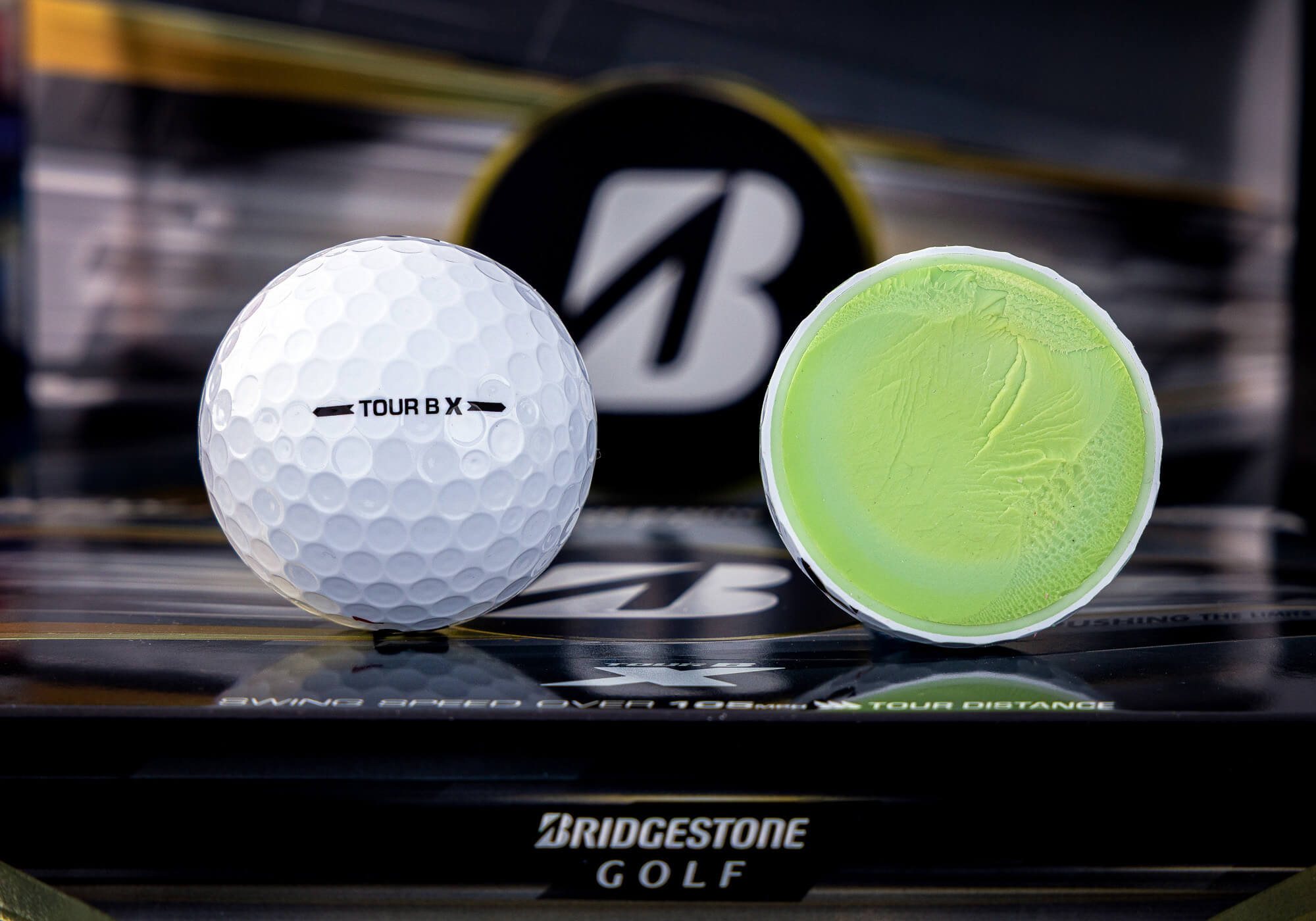
It’s fair and reasonable to be skeptical, but the technology does make some sense. In a nutshell, VeloSurge matches the densities of the core, mantle and cover, making energy transfer more efficient. That translates into more ball speed.
“We also discovered through testing that moving more density to the mantle layer increases the MOI of the golf ball,” says Vogrin. “That promotes greater axis stability, which translates into straighter shots.”
VeloSurge was in development for four years, with over 240 prototypes developed and tested.
“It’s the best ball we’ve ever made,” Vogrin adds. “There was a lot of engineering that went into creating this material and understanding that you need to match densities for efficient energy transfer.”
So, what makes Bridgestone Bridgestone?
We hope you enjoy these looks into what makes OEMs who they are. Our intent isn’t to toss rose bouquets at their feet, nor is it to throw daggers at their backs. OEMs, I think you’ll agree, are a lot like people. Every one of them has an interesting story and, if you’re willing to listen, you can learn a few things that you didn’t know before.
Bridgestone prides itself on technology and innovation, and its history shows there’s merit to that. After all, category creation dates back to Shojiro Ishibashi putting rubber soles on tabis. However, the company freely admits it hasn’t done a great job at telling its own story.

“We want people to know we created the low compression distance category,” says Vogrin. “Bridgestone was there at the start of the urethane-covered Tour ball movement. We had a double cover before anyone else, and we had a two-piece ball winning multiple majors.
“Maybe we haven’t told the story well enough to the consumer, but we’ve been doing this for a really long time.”
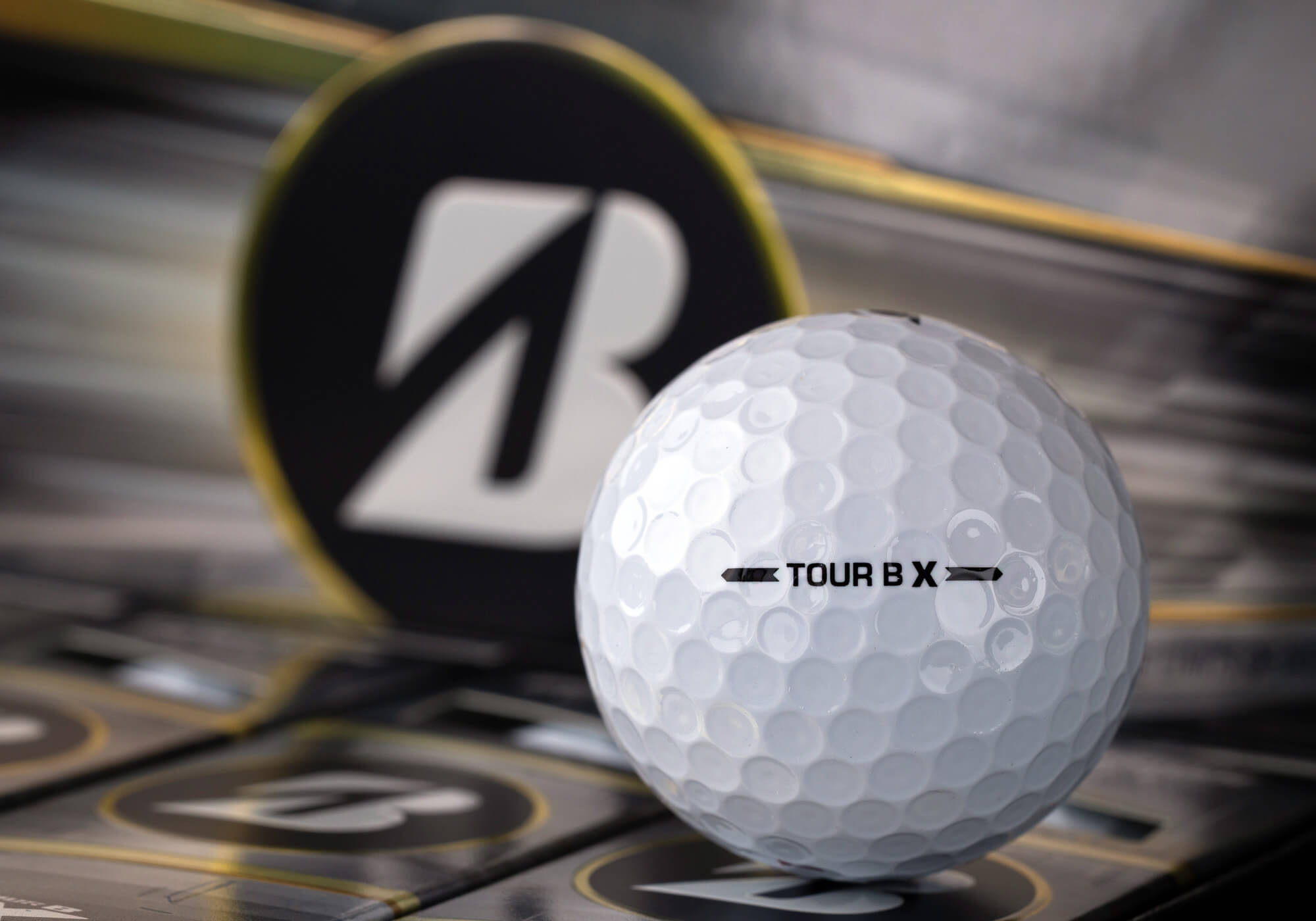
We’ll know later this year how the new Bridgestone Tour B balls with VeloSurge fare when we conduct another ball test. Early returns from the PGA Tour look promising, as do anecdotal reviews from the MyGolfSpy Forum. If the ball delivers on even half its promises, Bridgestone will have a hell of a story to tell.









johono chipmaster
7 months ago
been playing the Tour B X and XS both great balls right up with PROV1 – Chrome soft X etc