


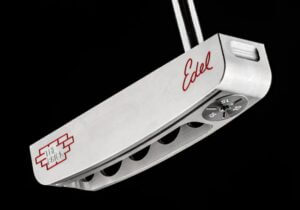
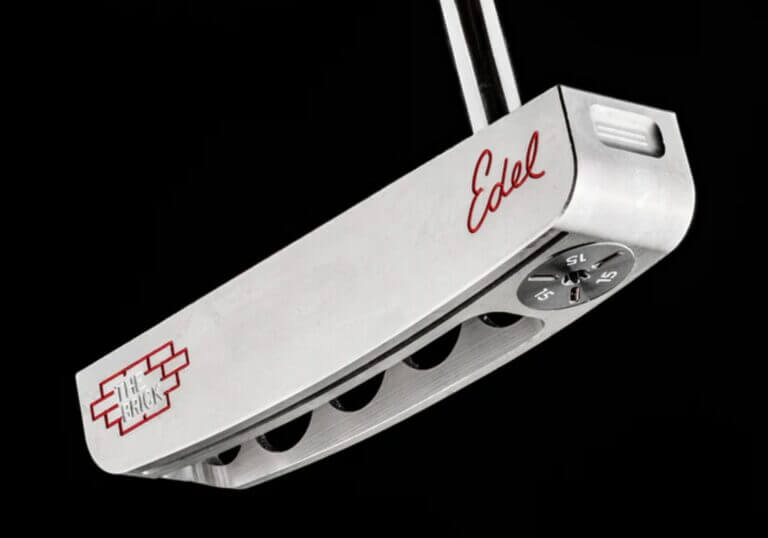
We tested 79 putters this year across blade, mallet and zero-torque, a combined 50,000 putts run through PuttView. Most of that field lands somewhere in the middle. But two putters sit at the extreme ends of the entire test and putting them side by side, along with the engineering behind each one, tells you more about what separates a good putter from a bad one in 2026.
Every buying guide at MyGolfSpy is informed by independent testing and millions of equipment data points, helping golfers separate marketing claims from measurable performance.
How we test
MyGolfSpy’s Most Wanted Testing is powered by:
UNRL Apparel – The official staff apparel partner of MyGolfSpy. We rely on UNRL to keep staff comfortable and focused while providing world-class testing.
Titleist Pro V1 golf balls are a key component in testing. Every shot hit in Most Wanted utilizes these golf balls. They have long been the non plus ultra in golf ball quality and the only ball we trust in Most Wanted testing.
Foresight GC Quad – Foresight is the gold standard in camera-based launch monitor technology because it produces data we can rely on with every shot hit.
The Indoor Golf Shop’s SIGPRO Premium – All of our testing is done indoors at our HQ in Yorktown, Va. With each test, our screens take an absolute beating. We need high-quality, durable impact screens to handle the workload. SIGPRO Premium meets our expectations.
Meet the two extremes
| Best Putter of 2026 | Worst Putter of 2026 | |
|---|---|---|
| Putter | Odyssey Ai-Dual S2S #7 | Edel The Brick |
| Category | Zero Torque | Blade |
| PV HCP | -8.1 | 0.9 |
| Short | -7.9 | 0.5 |
| Medium | -6.2 | 7.2 |
| Long | -10.4 | -4.7 |
| Make % | 48.9% | 39.1% |
| Avg Miss | 15.2″ | 19.5″ |
The Ai-Dual S2S #7 is the best-performing putter across all three categories this year: blade, mallet and zero-torque. The Brick is the only putter in the entire 79 putter field to post a positive PV HCP, meaning it is costing strokes against a tour baseline rather than gaining them.
Why the Ai-Dual S2S #7 Wins: The design behind the number
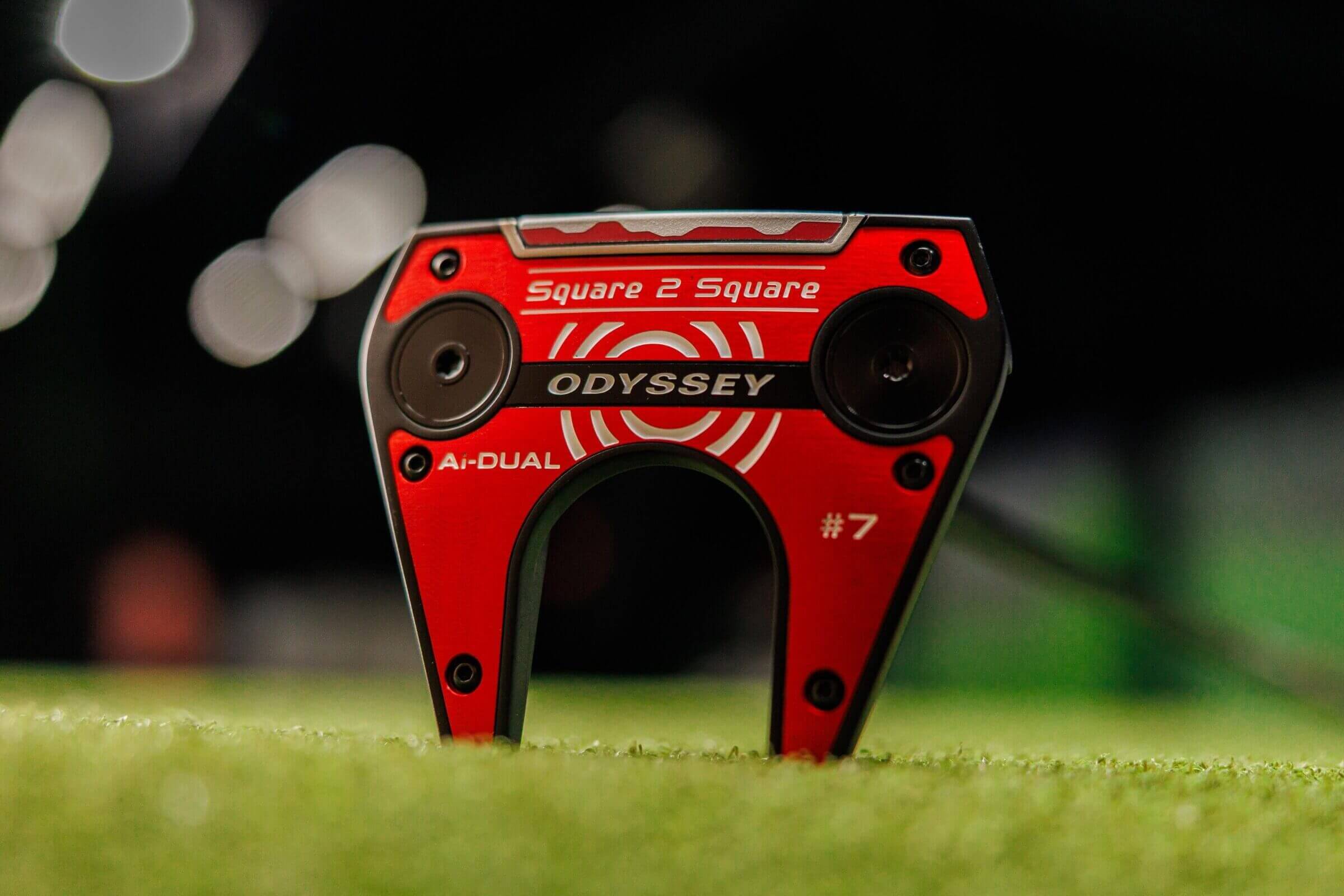
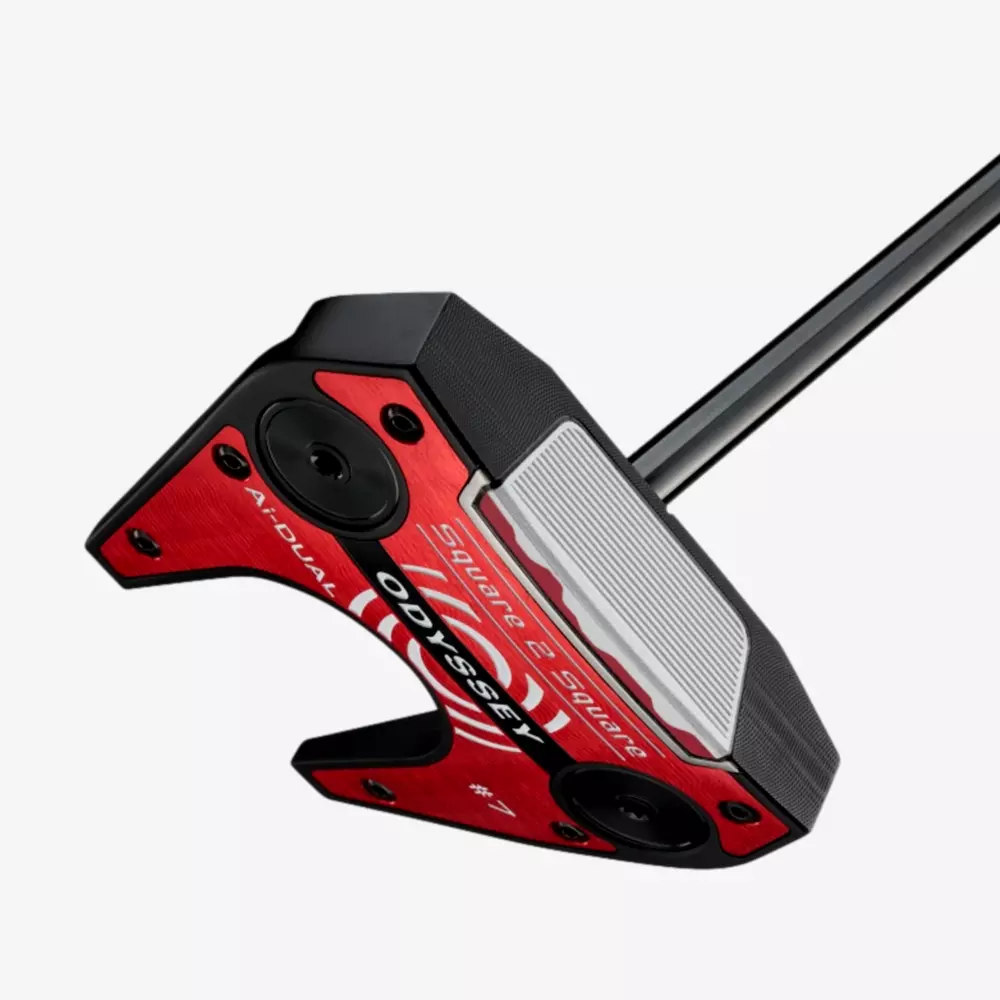
Odyssey built the Ai-Dual S2S #7 around a zero-torque platform which moves the shaft axis to align directly with the putter’s center of gravity so the face resists twisting through the stroke. What makes this specific model notable is how far Odyssey went to remove the usual tradeoffs of that design.
Most zero-torque putters require players to set up with a forward shaft lean that feels unfamiliar. Odyssey engineered a two-degree forward press directly into the shaft and paired it with a reverse-taper grip so the hands sit in a neutral position at address while the zero-torque geometry does its job underneath.
The face carries Odyssey’s Ai-Dual insert, a dual-layer urethane construction with a soft outer layer for feel and a firmer inner layer for speed consistency. Grooves are cut at a 19-degree slope, deeper and more aggressive than earlier Odyssey designs, aimed at getting the ball rolling forward faster regardless of where on the face it is struck.
As a quick aside, the Ai-Dual S2S #7 is currently $100 off at Golf Galaxy.
Why the Brick struggles: A different kind of stability
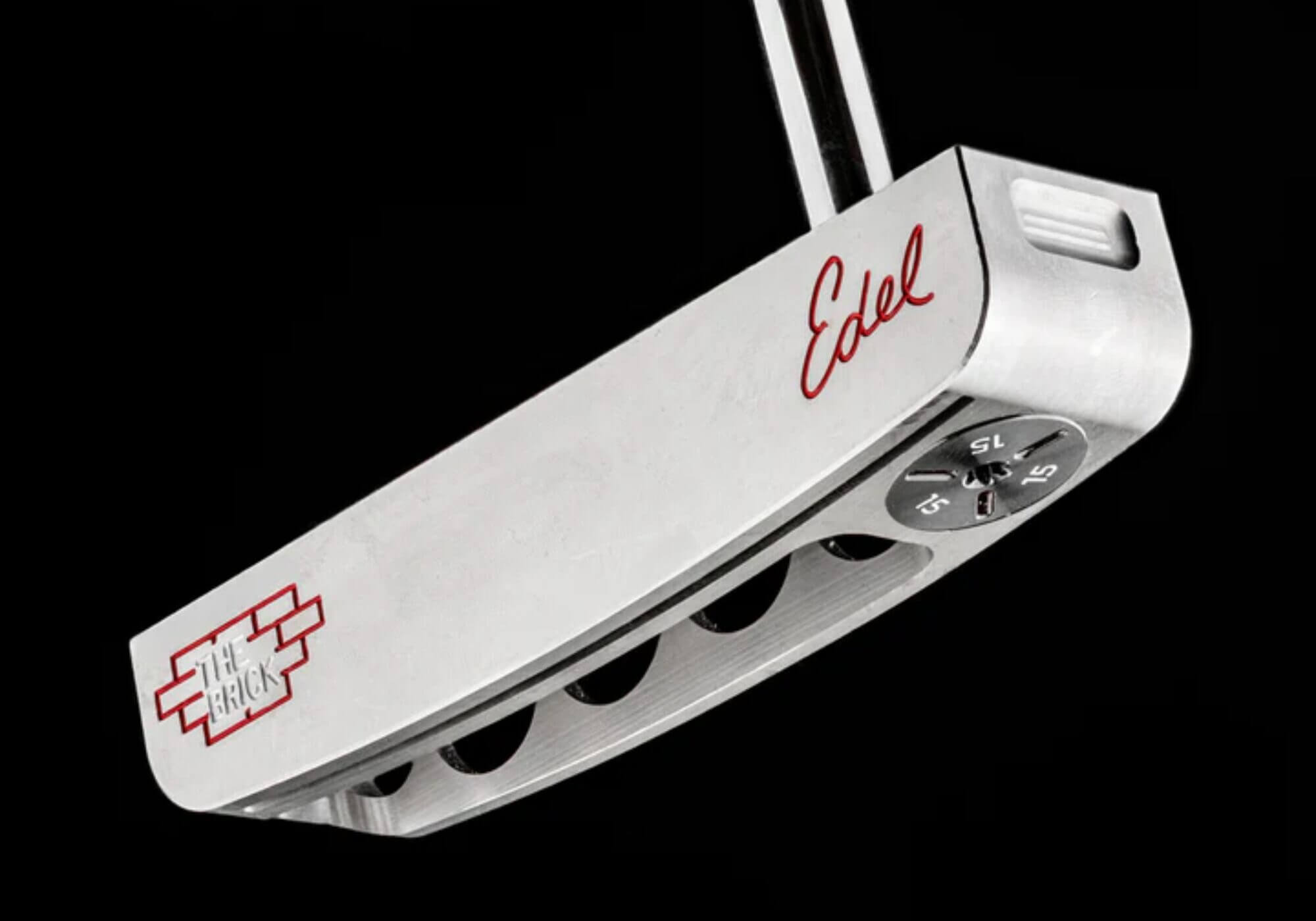
The Brick is built on what Edel calls a “torque-balanced” design which places extra weight in the heel of the putter to resist face rotation, achieved through an internal weight positioned where the shaft meets the head.
On paper, this shares a goal with zero-torque construction.
In practice, it is a different approach, executed through mass placement in a compact blade shape rather than shaft geometry and outside reviewers have consistently described it as a putter with a narrow tolerance for error.
Where the gap lives in the data
Medium range is the whole story. A -6.2 versus 7.2 is a 13.4 stroke swing, by far the widest gap of any distance we measured between these two putters. This is where a forgiving, roll-consistent face pulls away from a design that rewards precision but does not protect against a slightly off-center strike.
Make percentage and average miss back this up. The Ai-Dual holes putts almost 10 percentage points more often and misses by more than four inches less on average.
Final thoughts
This is not a story about one brand being good and another being bad. Edel’s mallet and zero-torque putters both land above their category averages this year.
What the data does tell you is where to look when comparing putters.
Medium range, roughly the nine- to 12-foot window, is where design differences show up the most and where engineering choices such as face insert construction, groove design and forgiveness on off-center strikes separate a great putter from a poor one.











John Skowronski
2 months ago
Let me suggest that categorizations such as “best” versus “worst” putter only tell part of the story. Such labels miss trends that perhaps are more important, such as “which putter is best/worst for whom” and “for how many golfers in the testing sample was this the best/worst putter? It is possible that in some tests even the “worst” club tested might have been the “best” club for a golfer or two. My thought is that how well the club fits the golfer might somtimnes be more important than the extent to which is club works well across golfers.
In addition, I’d like you to consider providing a measure of variability for your testing using stats such as standard deviations or some other indicatiion of how big of a difference needs to be present to NOT reflect simple random chance differences. Club A might test better than club B, but thyat difference might simply reflect random variation so that the difference would not appear if the test were done again.