


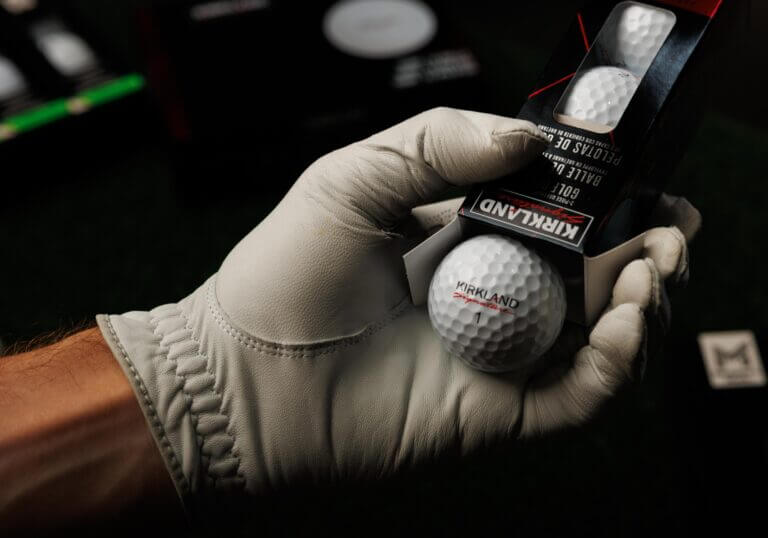
We say it all the time: the golf ball is the most important piece of equipment in your bag. You hit it on every shot. According to our 2025 Golf Ball Test presented by UNRL, the performance differences between golf balls are greater than what you’ll find between drivers, irons or wedges.
How do you know if a golf ball is actually good for your game? We’ve broken it down into five things that matter most, supported by data from this year’s test.
1. Trajectory that fits your game
Forget “launch angle.”
What you really need to care about is trajectory, a combination of peak height and descent angle. That’s what determines whether your approaches hold the green or fly over the back.
The test data makes it clear: “It’s not launch angle, it’s trajectory.” Two balls can launch nearly the same but fly—and land—completely differently.
- Higher-flight balls (like Wilson Staff Model, Maxfli Tour, TaylorMade TP5x) gave players more stopping power on iron shots.
- Flatter-flight options (like Callaway Chrome Tour Triple Diamond and Titleist Pro V1x) favored distance but rolled out more.
If you struggle to hold greens, shop by actual peak height and descent angle, not just a “mid-launch” marketing claim.
2. Spin where you need it
Driver spin and wedge spin aren’t the same conversation. For most golfers, the right ball keeps spin manageable off the tee but delivers predictable bite around the green.
Our 2025 wedge test showed the biggest performance gaps of the entire study:
- Launch angles varied by seven degrees.
- Spin rates differed by nearly 4,000 rpm from top to bottom.
High-spinning options like TaylorMade TP5, Bridgestone TOUR B XS and Wilson Staff Model X gave players great stopping power. On the other end, ionomer balls like Titleist Velocity produced barely one-third of that spin.
If your short game costs you strokes, don’t ignore the spin metrics. If your short game costs you strokes, the data says you need urethane-level spin on your side.
3. Cover material that delivers control
Here’s the blunt truth from our 2025 Golf Ball test: “If greenside spin matters to you, you need to play a ball with a urethane cover.”
- Urethane: Provides consistent short-game spin and far better performance in moisture. In wet/dry testing, urethane balls lost only about 6.5 percent of spin on average.
- Ionomer: Durable and affordable, but dropped nearly 44.6 percent of spin in the same test. That’s the difference between checking up on a dewy morning and skidding into the rough.
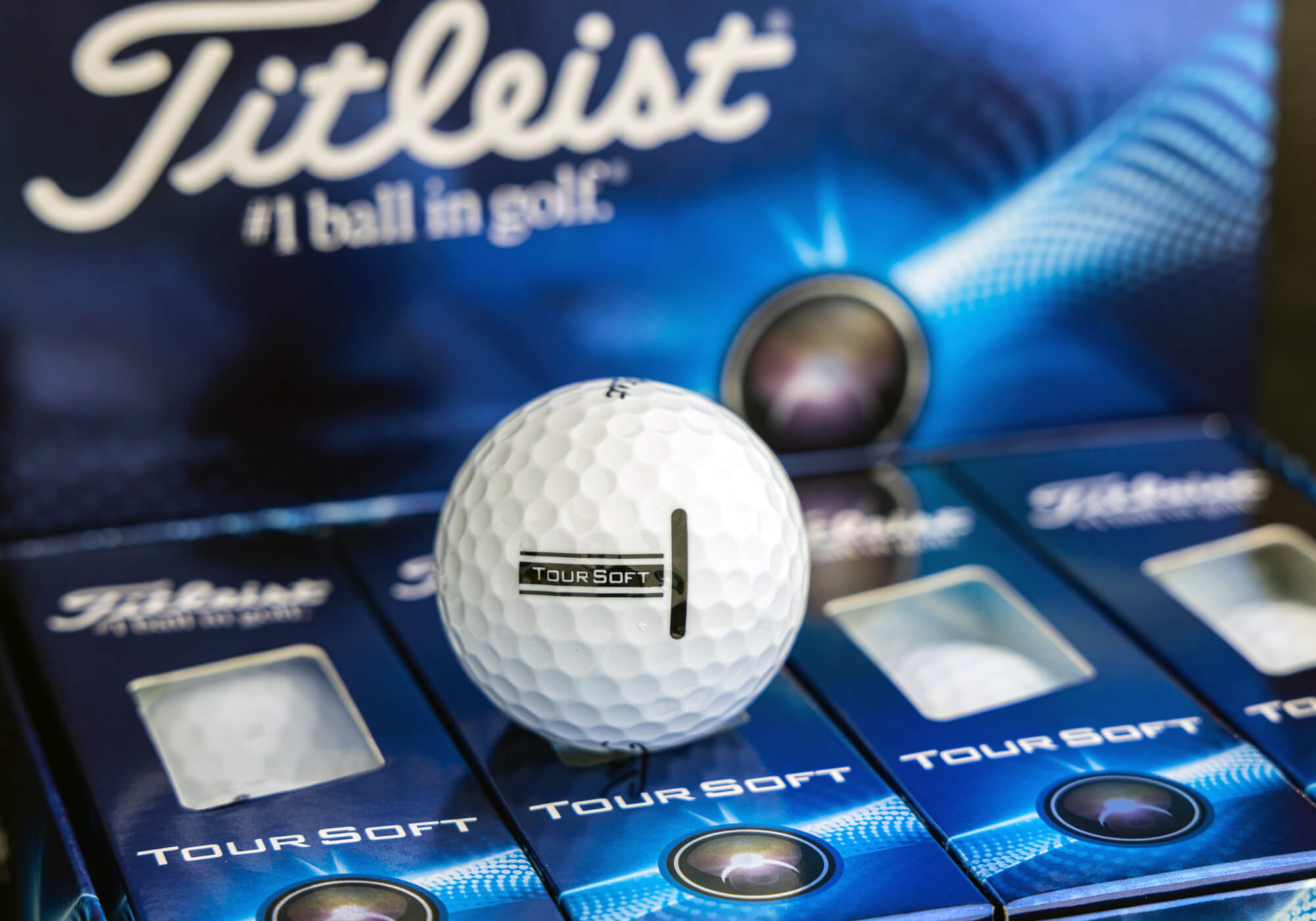
Ionomer balls like Titleist Tour Soft and Callaway Supersoft can surprise you off the driver but when it comes to complete performance, they can’t keep up.
4. Consistency from driver to wedge
A ball that’s great off the tee but poor around the green—or vice versa—isn’t really helping your scorecard.
The 2025 test found that the biggest differences showed up in the short game, not the driver. That means if you only shop for distance, you’re leaving strokes behind.
It also comes down to quality control. Poorly made balls can fly significantly offline, even on a perfect robot swing. That’s why premium tour models like Pro V1, Chrome Tour X, Maxfli Tour X and Srixon Z-STAR DIAMOND keep showing across categories: they perform consistently through the entire bag.
If you want fewer surprises shot to shot, make consistency part of your buying decision.

5. Fit where you need the most help
There’s no universal “best ball.” The right choice is the one that makes the biggest difference in your weakest area.
The testing process we recommend is simple:
- Start around the green (wedge shots). That’s where the differences are largest.
- Test your iron performance (look at height, descent and spin for stopping power).
- Tune your driver last. With modern adjustability, you can usually fit the driver to the ball, not the other way around.
Final thoughts
A golf ball that’s good for you should check every box.
- Trajectory that fits your approach needs.
- Spin where you want it—especially inside 50 yards.
- A urethane cover if you care about greenside control.
- Consistency across your driver, irons, and wedges.
- A fit that matches the area of your game where you need the most help.








David Lewis
1 year ago
Great advice to start at the green when testing balls. Also, Wilson Staff is very underrated