



As happy as the folks at Wilson are in downtown Chicago, the folks 45 miles west in Batavia, Ill., are downright giddy.
Batavia is the home turf of Tour Edge, and Tour Edge is having itself one whale of a 2026.
Welcome to Part 2 of our look at two Chicago-area brands that have made a statement in this year’s MyGolfSpy testing. Wilson and Tour Edge have made emphatic statements in almost every category of testing in 2026. As we reported yesterday, Wilson Staff has had an excellent year.
We might, however, have to give the overall edge, ever so slightly, to Tour Edge. Look what happens when we run the numbers:
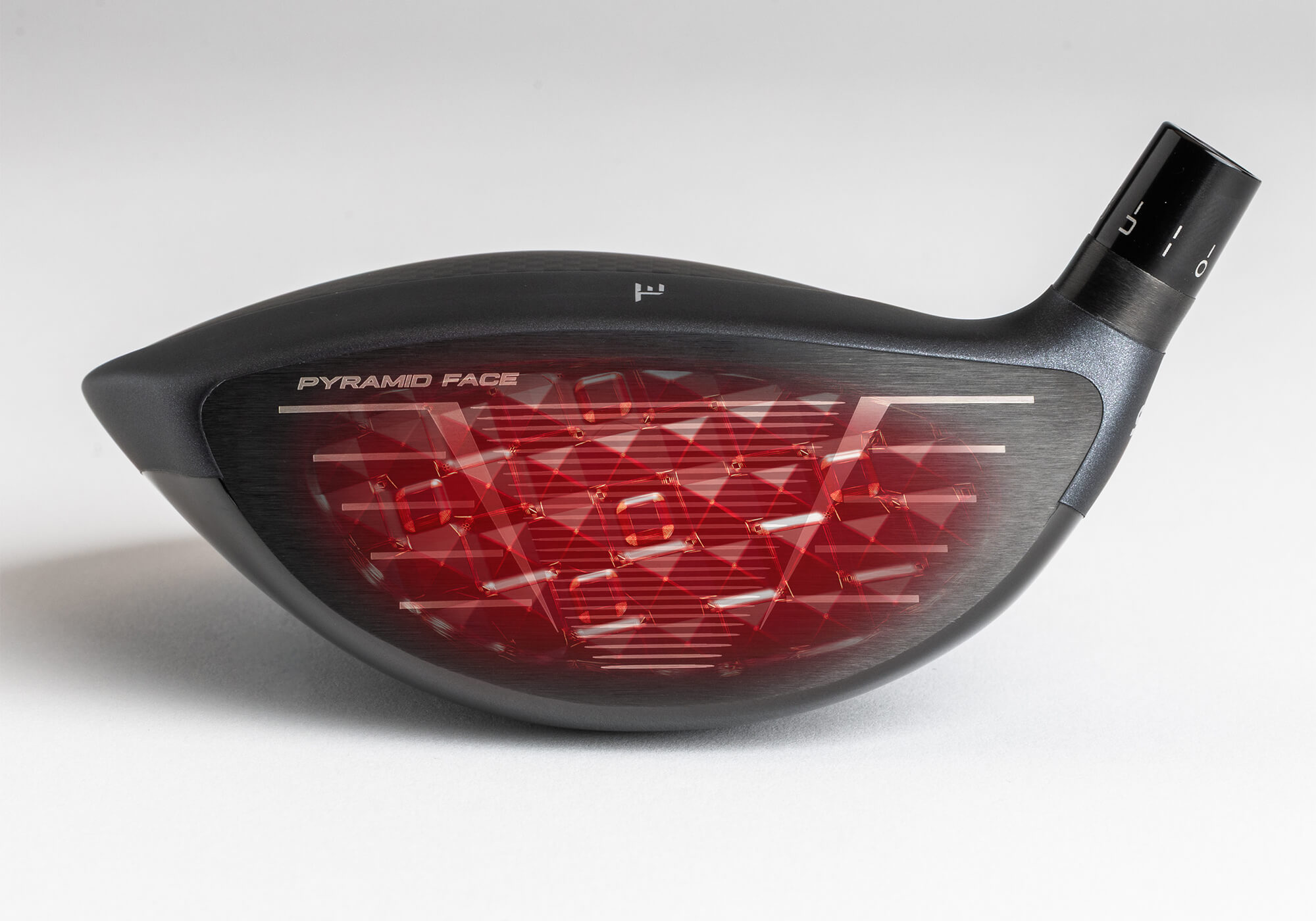
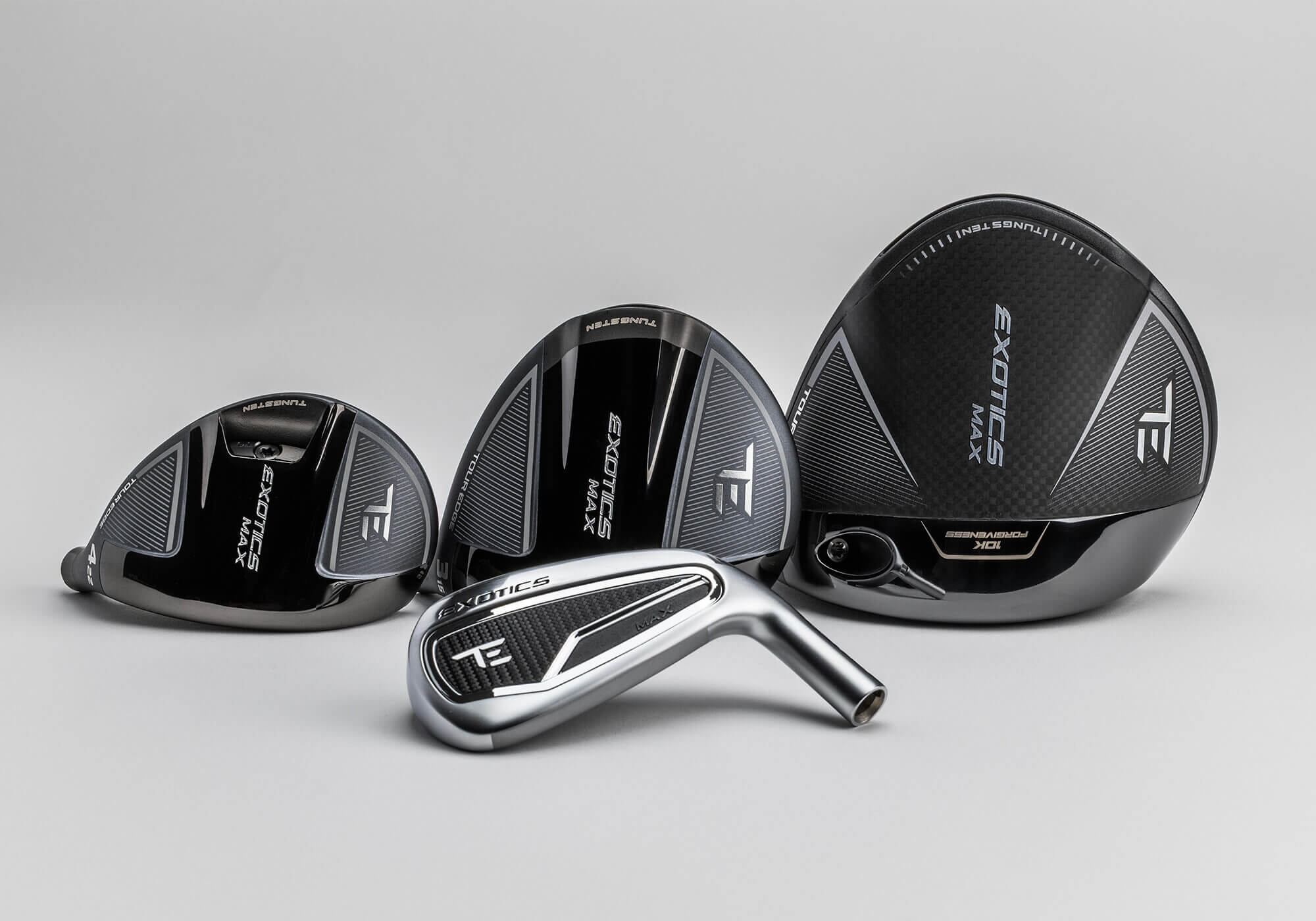
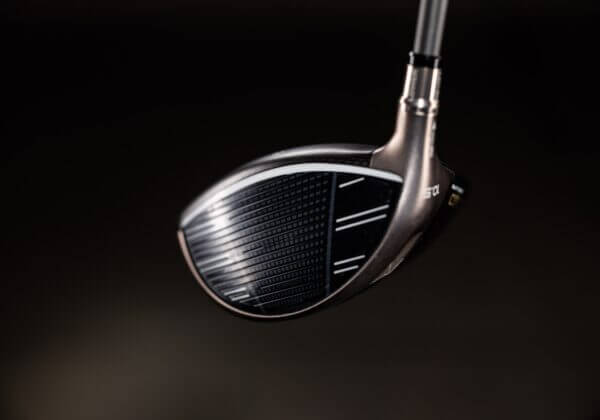
Exotics Max driver: 3rd place overall (two Callaway’s tied for second), 3rd for accuracy, tied for 2nd in forgiveness. For mid swing speeds: 2nd overall, first in accuracy and forgiveness.
Exotics LS driver: 4th overall for accuracy.
Exotics Max hybrid: 3rd overall, 1st for distance, named Best Value.
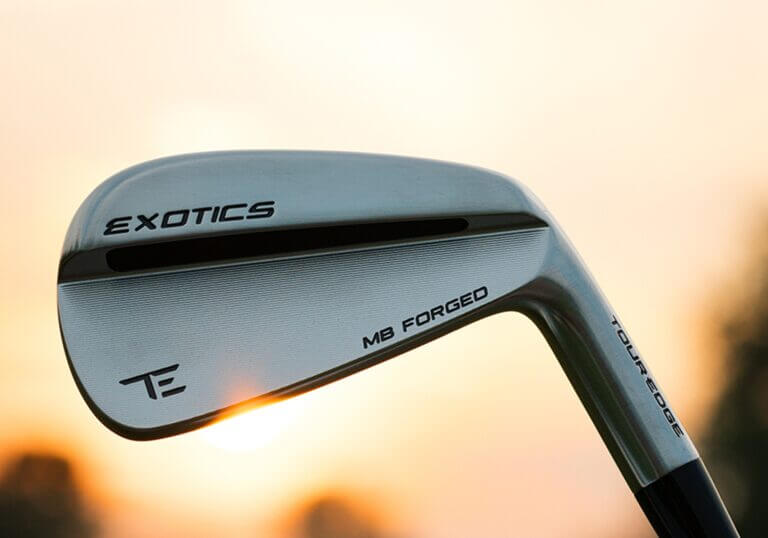
Exotics CB player’s irons: Tied for 5th overall, #1 in forgiveness

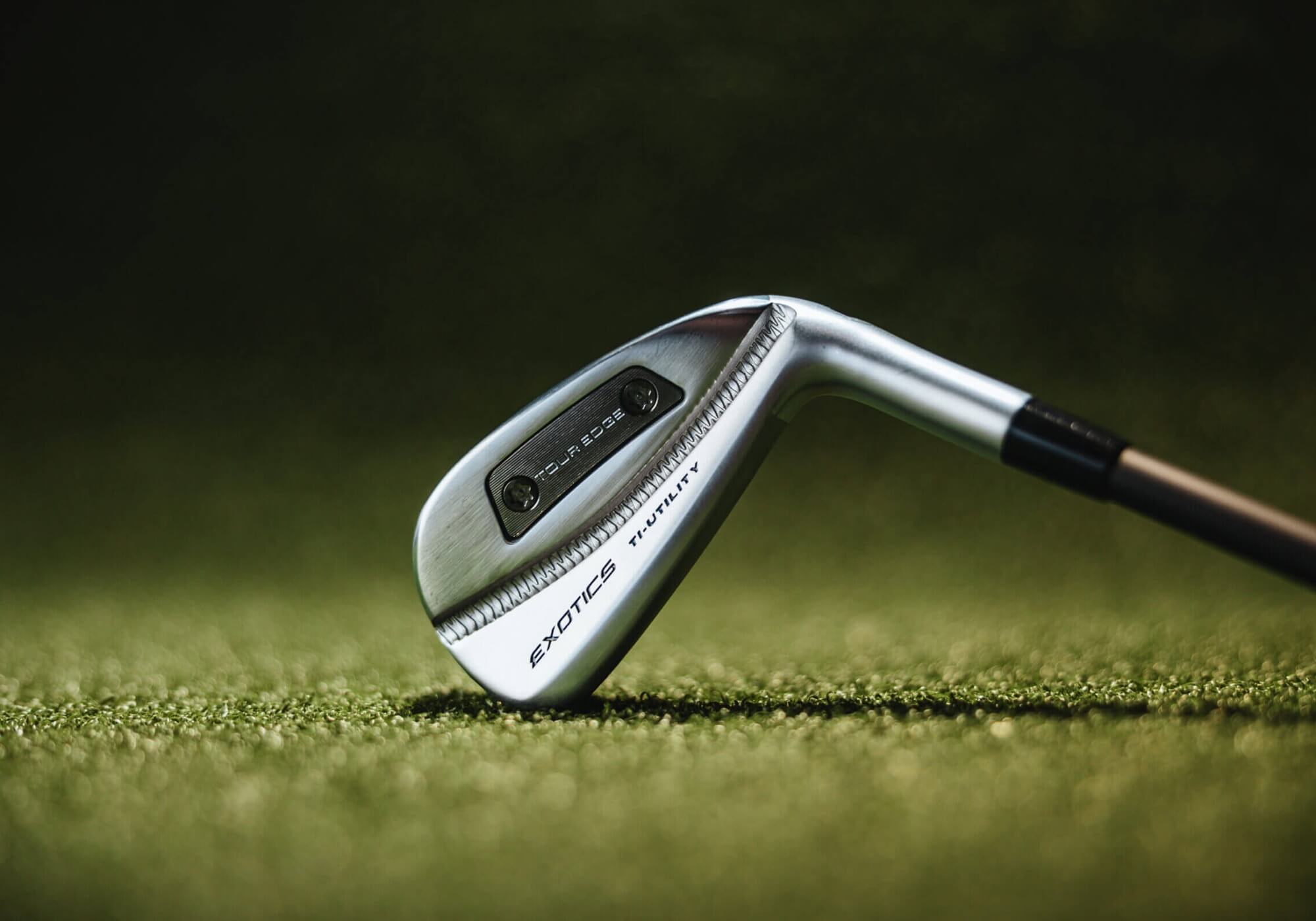
Exotics Ti-Utility iron: 2nd overall (virtual tie with winner Titleist, just not as long), 1st in accuracy
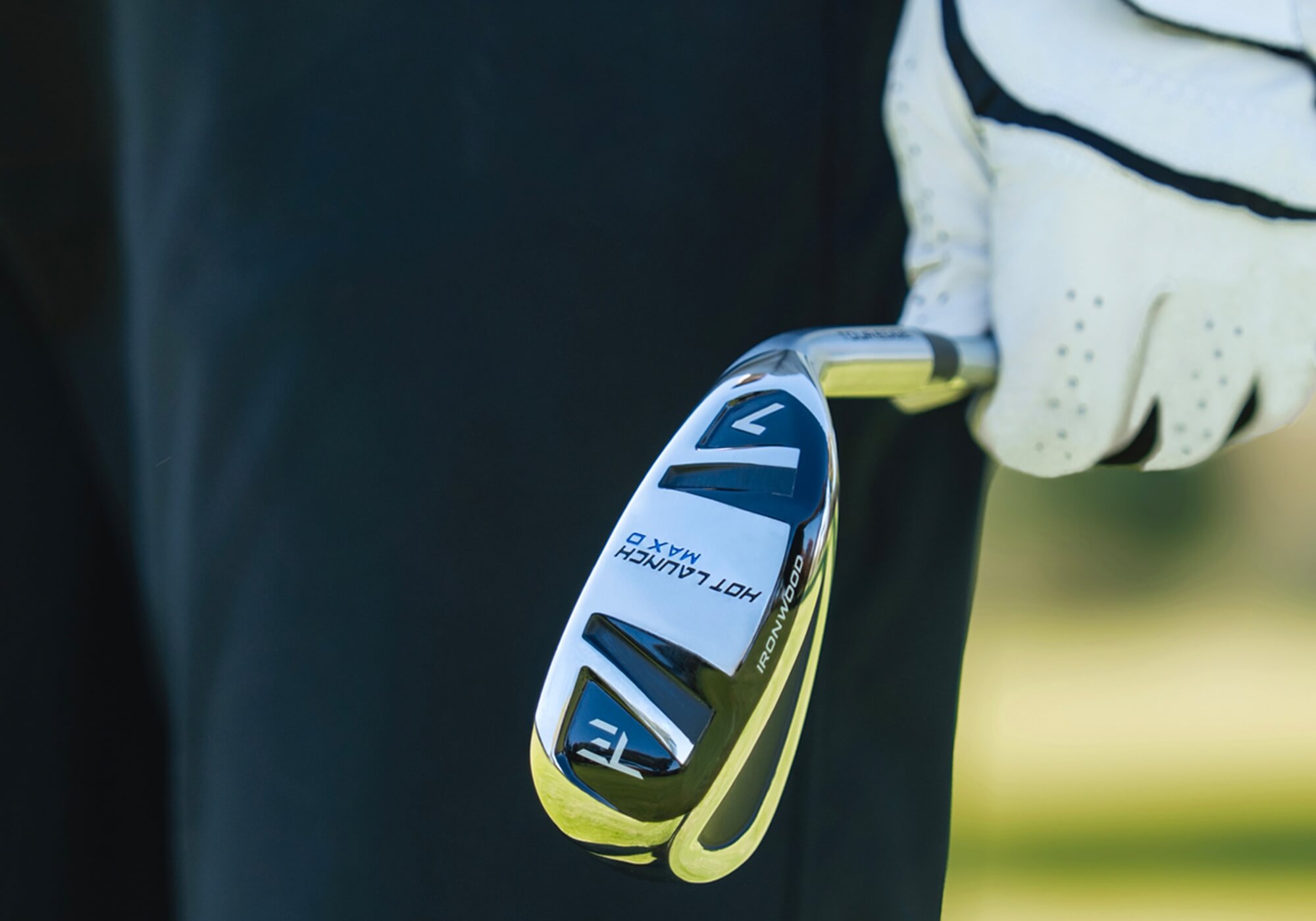
Hot Launch Max D super game improvement irons: 1st overall, 1st for accuracy, named Best Value.
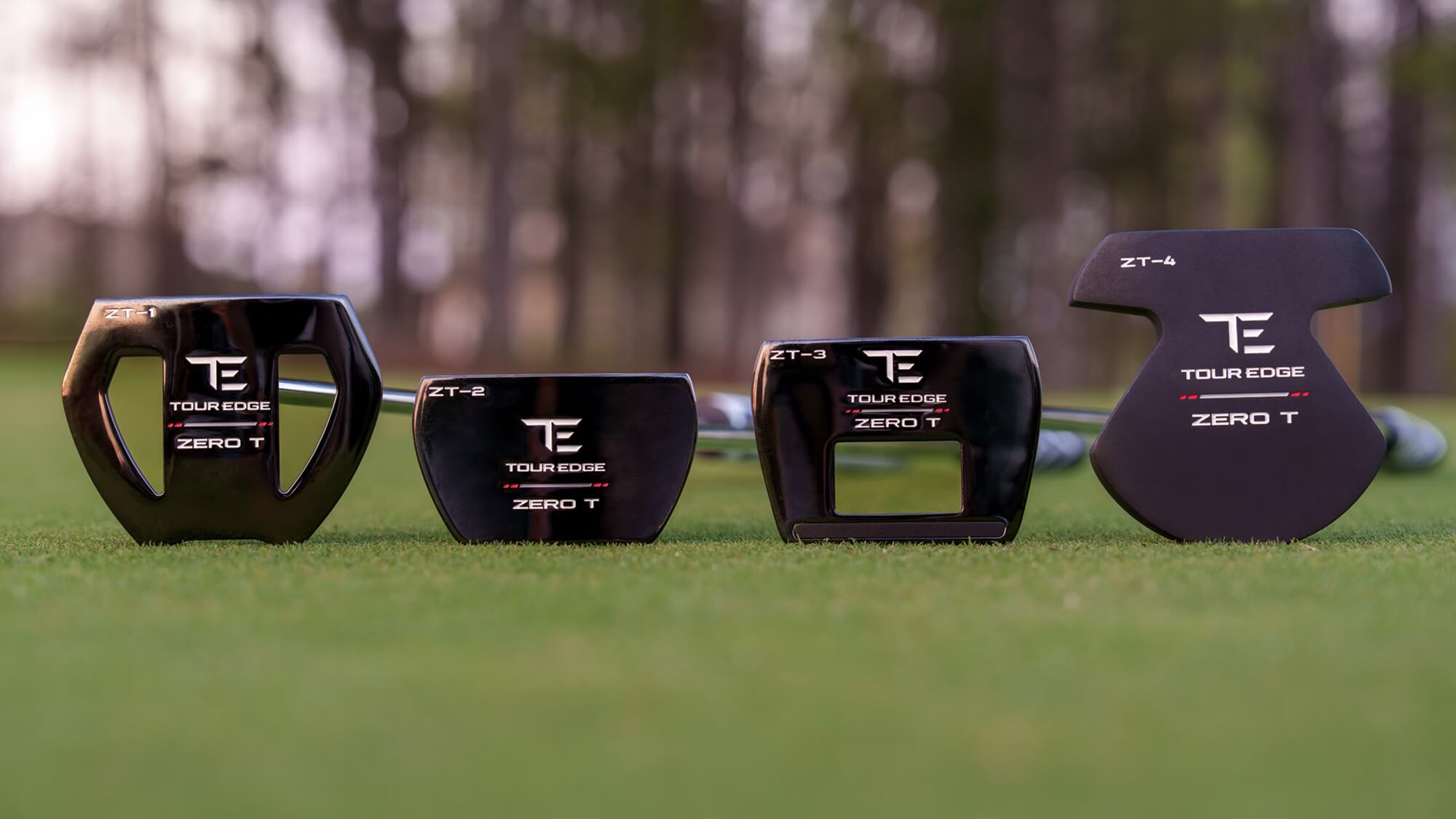
Hell, even the Tour Edge Wingman 800 mallet putter finished 4th for short putts.
Doesn’t matter who you are or where you’re from, that’s a pretty good testing year right there. And if that doesn’t make you rethink whatever it is you think about Tour Edge, you might want to think again.
OK, Tour Edge, what happened?
One of the reasons I love this job is that I get to try damn near everything. This is the first year in my tenure at MyGolfSpy that I can safely say I could game an entire bag of Tour Edge gear and not feel like I’m settling or compromising.
I wouldn’t have said that before but that might be my own personal brandwashing. It’s OK to admit it. We all have it.
“I know how far we’ve come,” says Tour Edge Marketing VP Jon Claffey. “When I joined here eight years ago, we were known as a fairway and hybrid company. The big jump, and the thing that surprises people, is our competitiveness in the driver space.”
“It’s exciting when an award matches up with our design goals,” says Product Development VP Matt Neeley. “When we did well in the mid swing speed test, that’s exactly who we designed the Exotics Max driver for. All of our engineering and testing was with that player in mind.
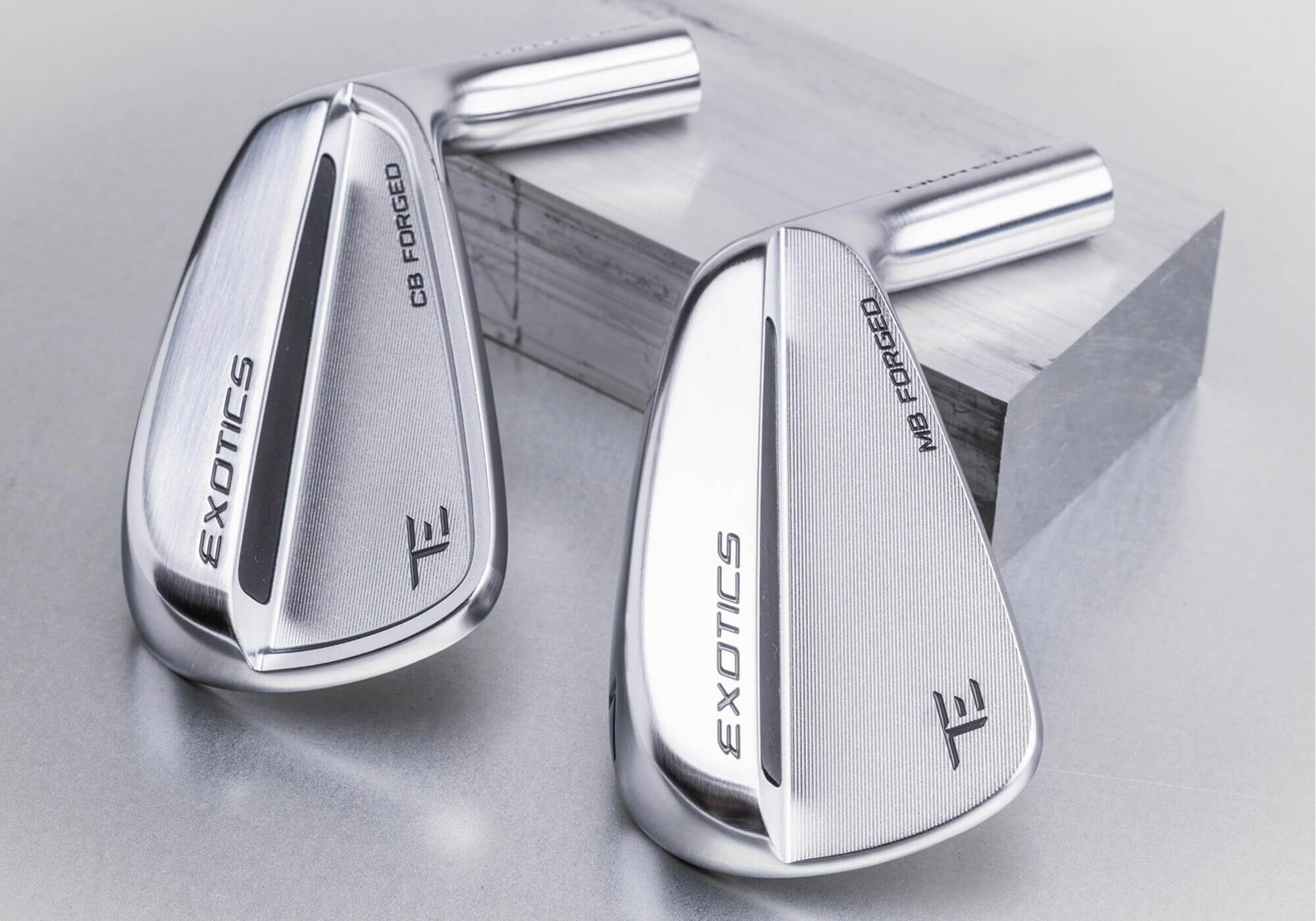
“We designed the player’s cavity-back to be the most forgiving forged cavity-back iron out there. Our internal design focus has been a lot tighter on who specifically these products are for.”
As hard as it might be for the brandwashed among us, it’s time to stop thinking of Tour Edge as a “value” brand and start thinking of it as a performance brand.
That, friends, is easier said than done, something Tour Edge is profoundly aware of.
The downside of low pricing
If you’ve ever sold anything for a living, you know your price makes a statement. A high price makes a positive, salutary statement. A low price also makes a statement, usually a negative, derogatory one.
Human nature, to oversimplify, understands on a gut level that high price is the good stuff; low price is the cheap stuff.
That puts Tour Edge in a bit of a bind.
“A company our size needs to say, ‘Don’t look at the price, just go hit it, get fit and make your decision,’” says Claffey. “Our marketing brief has been to stop shouting price from the mountaintop. We’re shouting performance. We’ll let the price do its work at checkout.”
It’s a pretty fine line to walk. Golfers don’t want a $400 driver. They want a $700 driver for $400. The 2026 Tour Edge Exotics Max, the one that finished third overall in this year’s testing, lists at $549.99 on the Tour Edge website. That’s anywhere from $50 to $150 less than big-name drivers that were looking at its taillights.
Logically speaking, one cannot vilify OEMs over driver pricing when a high-performing, less-expensive alternative that leaves virtually nothing on the table is sitting right there, waiting for you to buy it.
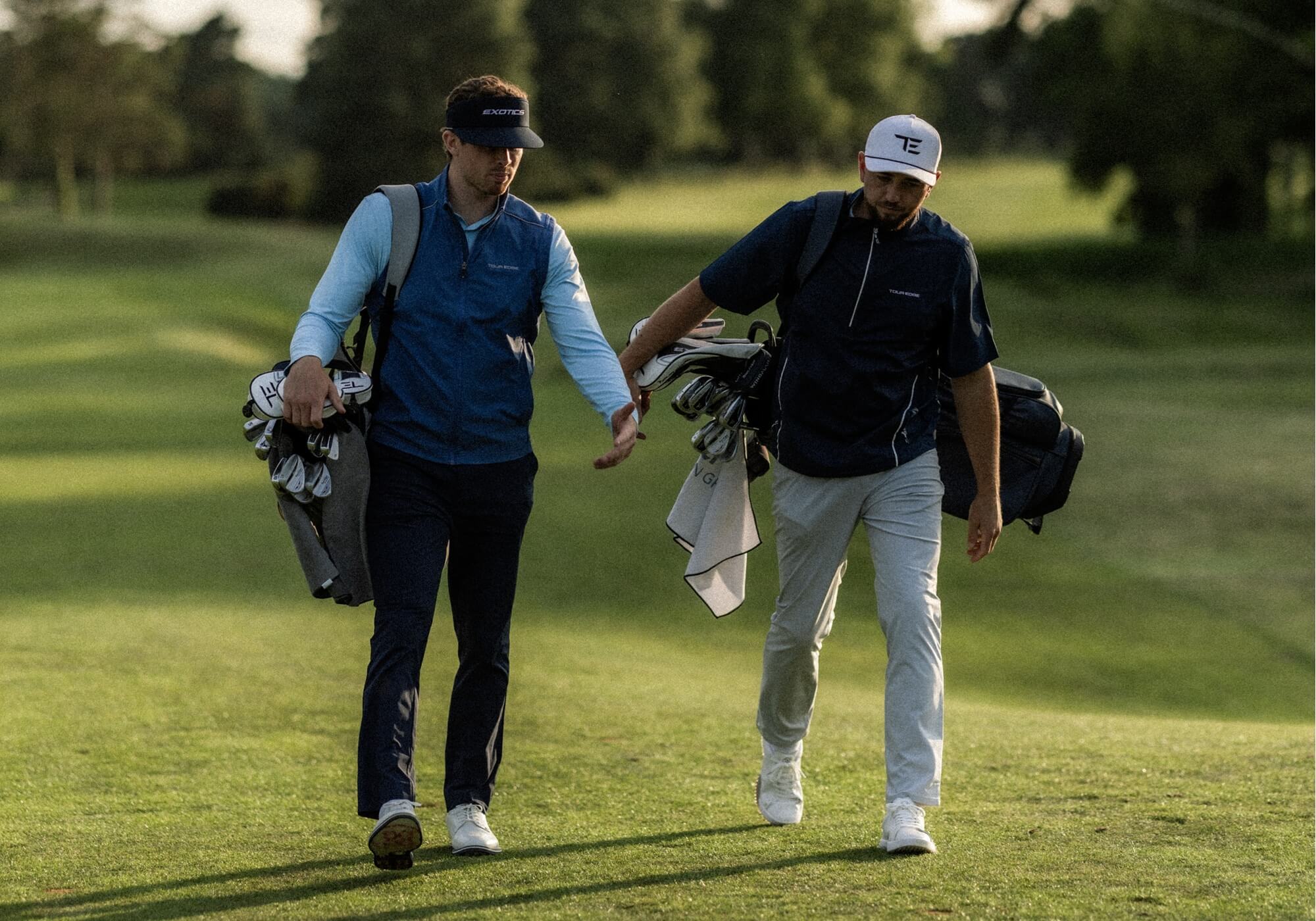
“We’ve been telling people for years,” explains Claffey. “But now we have proof in the pudding. We’re a little less expensive, but that’s because we don’t roll marketing dollars into the price tag. We have the same performance as anything else out there.”
“We have a price target in mind, and we know what the heads cost,” adds Neeley. “I’ve worked for the big guys, and our head cost is the same. It’s not like we’re making cheap or crappy heads. It’s that we don’t spend as much on marketing as they do.”
Retail and the fight for your attention
Both Neeley and Claffey confirm the most frustrating part of their jobs is actually getting Tour Edge into golfers’ hands to try.
“We’re maybe the fifth or sixth brand at retail,” says Neeley. “You can only test so many clubs if you’re going to get fit.”
“The big OEMs have a leg up in that big retailers need to move their stuff,” adds Claffey. “They have a quota to sell each year to get a better price.”
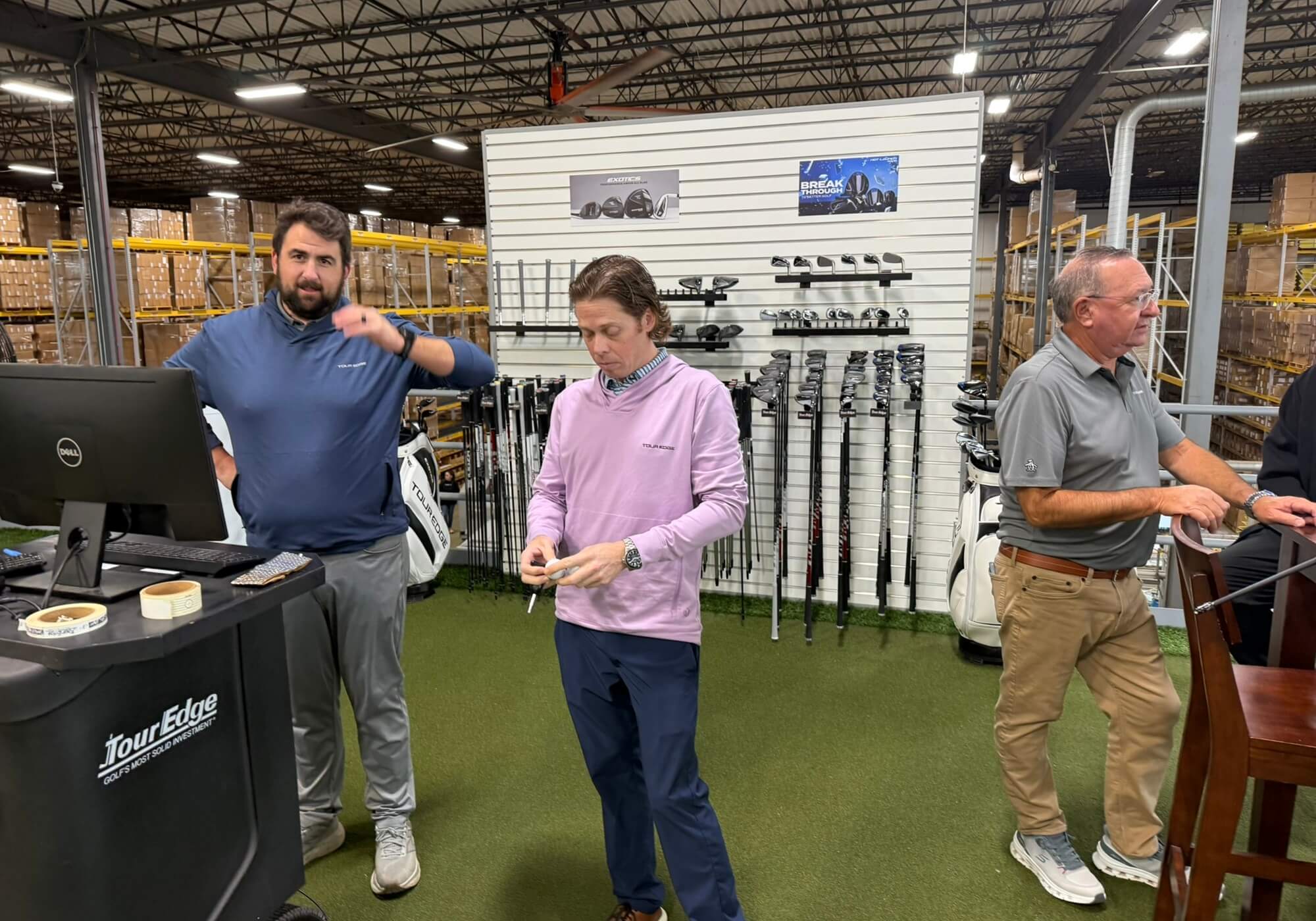
That means retailer marketing efforts focus on the Big Five. Challenger brands like Tour Edge and Wilson must essentially move products on their own. It’s a vicious cycle but, as they say, it is what it is.
“It’s turned into a word of mouth game for us,” Claffey explains. “That’s why we go after the YouTubers. We have to prove ourselves to get attention. Our own partners aren’t really covering us because they have to sell a certain amount of Callaway, TaylorMade and PING to make their nut every year.”
That dynamic extends somewhat to national fitting chains as well. They’ll gladly tell you the Big Five plus Srixon and Mizuno give them everything they need because it’s what most golfers are asking for. On the other hand, if you went into one of those chains and asked about Tour Edge, they’ll tell you they don’t have it because no one asks for it.
Even though you just did.
“We have to drive people into stores and demand us,” says Claffey. “We have the products to make that move. we just need to constantly create performance buzz.”
“That’s some catch, that Catch -22”
Capt. John Yossarian was right about many things but he was especially right about the Catch-22 brands like Tour Edge find themselves in. They’re caught in a numbers game at retail, a game that has nothing to do with quality, performance, effort or care.
“More than any other sport, golfers are conditioned to follow the leader,” says Claffey. “It’s hard to break that cycle.”
Hard, but not impossible. Tour Edge is a small, nimble company that, amazingly, has never lost money in its 40-year history. Founder David Glod has built an efficient business operation in Batavia.
“Having worked for bigger companies, there were a lot of decisions made because of what corporate needed,” says Neeley, who was previously with Adams, NIKE and TaylorMade before coming to Tour Edge seven years ago. “It may not have been the best decision for the product. Here, David is the person we need to keep happy, and he wants us to make the best-performing product possible.
“It’s not always about the bottom line.”
Actually, Yossarian might be the perfect customer profile for Tour Edge. The good captain was intelligent, cynical, skeptical of authority and had no trouble questioning assumptions that others accepted without thinking.
“There’s a group of anti-establishment golfers out there,” says Claffey. “They find Tour Edge and their buddies see how it performs and it starts this butterfly effect. They’re like, ‘Bob’s never been able to get the ball off the ground. Now he’s driving it past me. Maybe I’m playing the wrong shit.’”
The Exotics mini drivers: Was the price right?
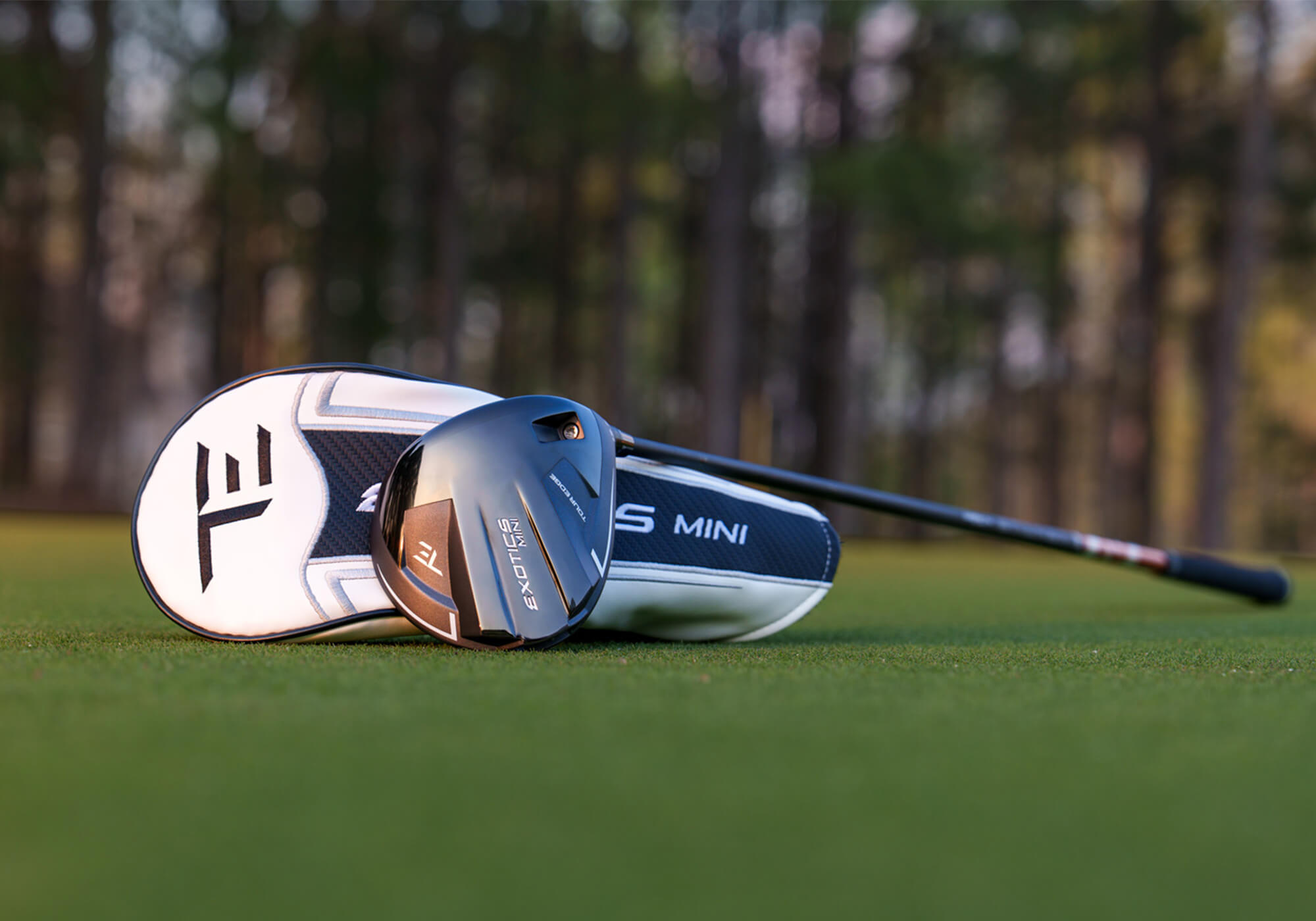
When we said you could play a full Tour Edge bag and not leave anything on the table, we weren’t kidding. The company even launched a mini driver this spring.
“We sold out pretty quickly at launch,” says Claffey. “I think we priced it too low. It was $100 clear of any other mini driver out there.”
“I was terrified about that product,” admits Neeley. “We knew it was good, but I didn’t think our value proposition was high enough. But it flew off the shelves, and we had to reorder way earlier than we anticipated.
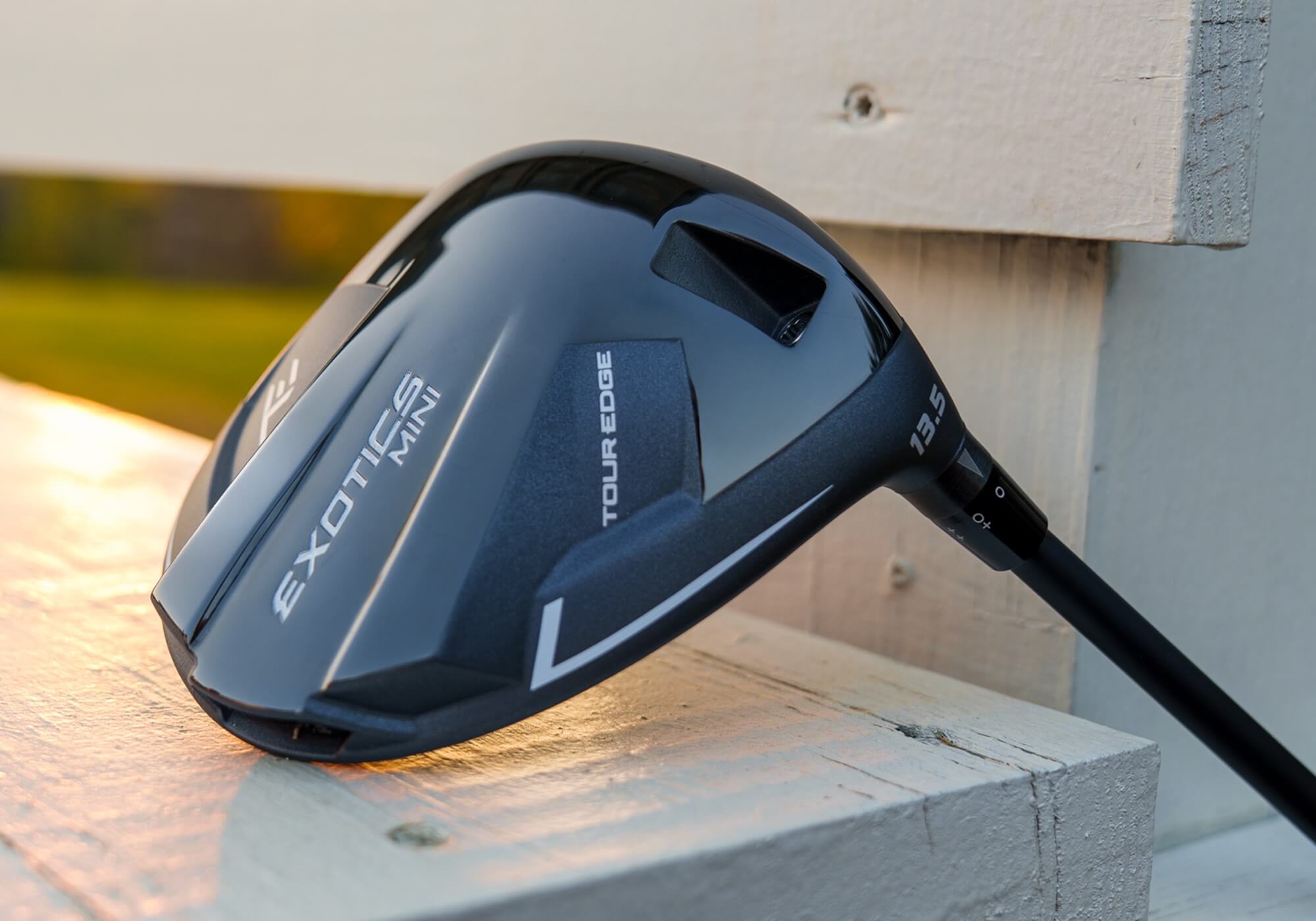
“It’s the perfect example of a product that when people hit it, they knew right away and the price didn’t matter.”
Again, Tour Edge wasn’t worried that the price was too high. It was worried that the price was too low and that people wouldn’t take it seriously.
“YouTube reviewers were putting it against the Titleist mini driver that was $200 more expensive,” adds Claffey. “We were beating its performance and the reviewers were like, ‘What the hell’s going on here?’”
A fresh rebrand and a new message
The Tour Edge you’re going to see going forward will bear little resemblance to the Tour Edge you thought you knew. The recent rebrand has freshened up the aesthetics, while the messaging is steering away from price, price, price and toward performance, quality and technology.
The company has invested heavily in R&D since Neeley’s arrival. It has its own testing robot and has upgraded its CAD and finite element software and is adding AI-design to its capabilities.
“There used to a lot of ‘seat-of-the-pants’ engineering,” Neeley says. “We’d have the occasional dud product. Now we’re confident every product we could with is going to be really good because we’re able to test and measure everything.
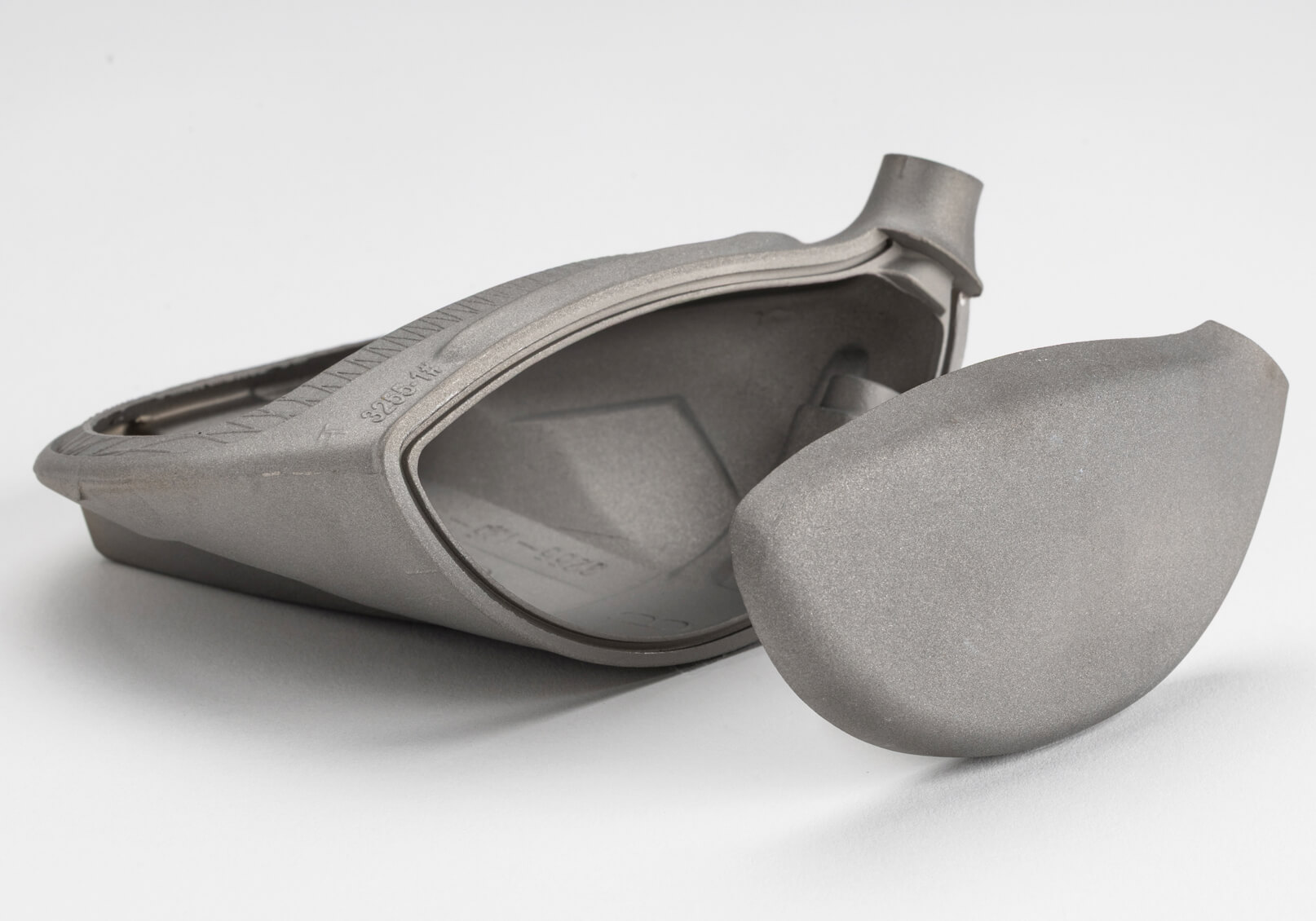
One tangible benefit has been the company’s ability to prototype clubheads. Instead of making just one prototype and hoping for the best, Tour Edge will make two or three different models during the first product review gate.
“It could be slightly different internals, different mass properties or different face designs,” says Neely. “The old Tour Edge wasn’t doing that. The product would come in and it would have to be good enough.”
Another element of the new Tour Edge is sticking to deadlines for a predictable launch cadence. That’s not necessarily sexy, but it is important if you want to be taken seriously by your retail partners.
“They need everything for a product launch on time and in full,” Neeley says. “We have to make sure both the product and the marketing material are ready.”
Where does Tour Edge go from here?
That’s a difficult question to answer. Tour Edge has very much a little-engine-that-could vibe, and everyone loves a good underdog story. There remains, however, that Catch-22, and it’s the same one its Chicago cousin Wilson faces.
There are only so many place settings at golf’s head table.
Like Wilson, Tour Edge is targeting younger golfers who get much of their information on social media. As it is with Wilson, that demographic isn’t yet saddled with preconceived notions or the inescapable brandwashing we older folks carry. It’s not the easiest road, as every OEM is also after the younger market, and they have more money to spend to actually get them.
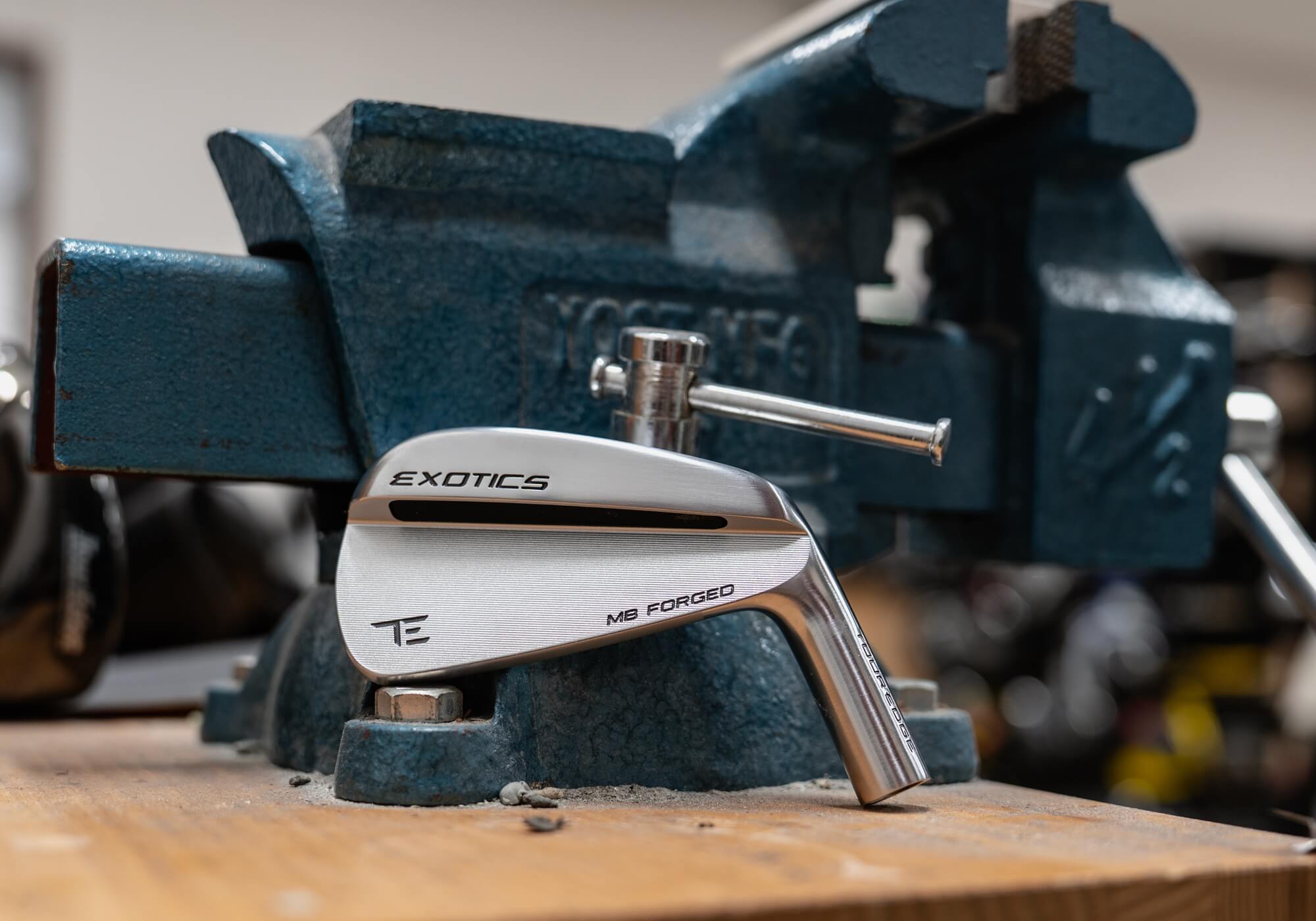
Still, the road to success for a Wilson or a Tour Edge is very different than the roads Callaway or TaylorMade travel. Victories are smaller. Tour Edge could double its sales year-over-year and still not move the needle in terms of market share. Therefore, it has to be very specific in how it defines success.
“We have to go out and pick off golfers one at a time,” says Claffey. “And you know what? It’s working. I can tell you from our numbers this year that for sure it’s working.”




El
2 months ago
Played the TE Lift-Off 4 wood for years, then (foolishly) gave it to a buddy who refuses to give it back.
Their product lines are now as good as anything out there, money goes in your pocket rather than theirs, the service is exceptional, and they have a money back guaranty.
All they need is an investment in a muti-course range-fitting crew to get the clubs into more hands. Smart golfers who see their actual ball flight (instead of in bays) will know.