


It takes only a cursory look at MyGolfspy 2026’s testing results to arrive at an inescapable conclusion.
Wilson Staff and Tour Edge have had excellent years.
And by excellent, I mean both have had entries that have excelled, or at least competed, in virtually every category we’ve tested so far this year.
I don’t care who you are, for companies generally labelled as “challenger brands,” that’s a showing any company would be proud of.
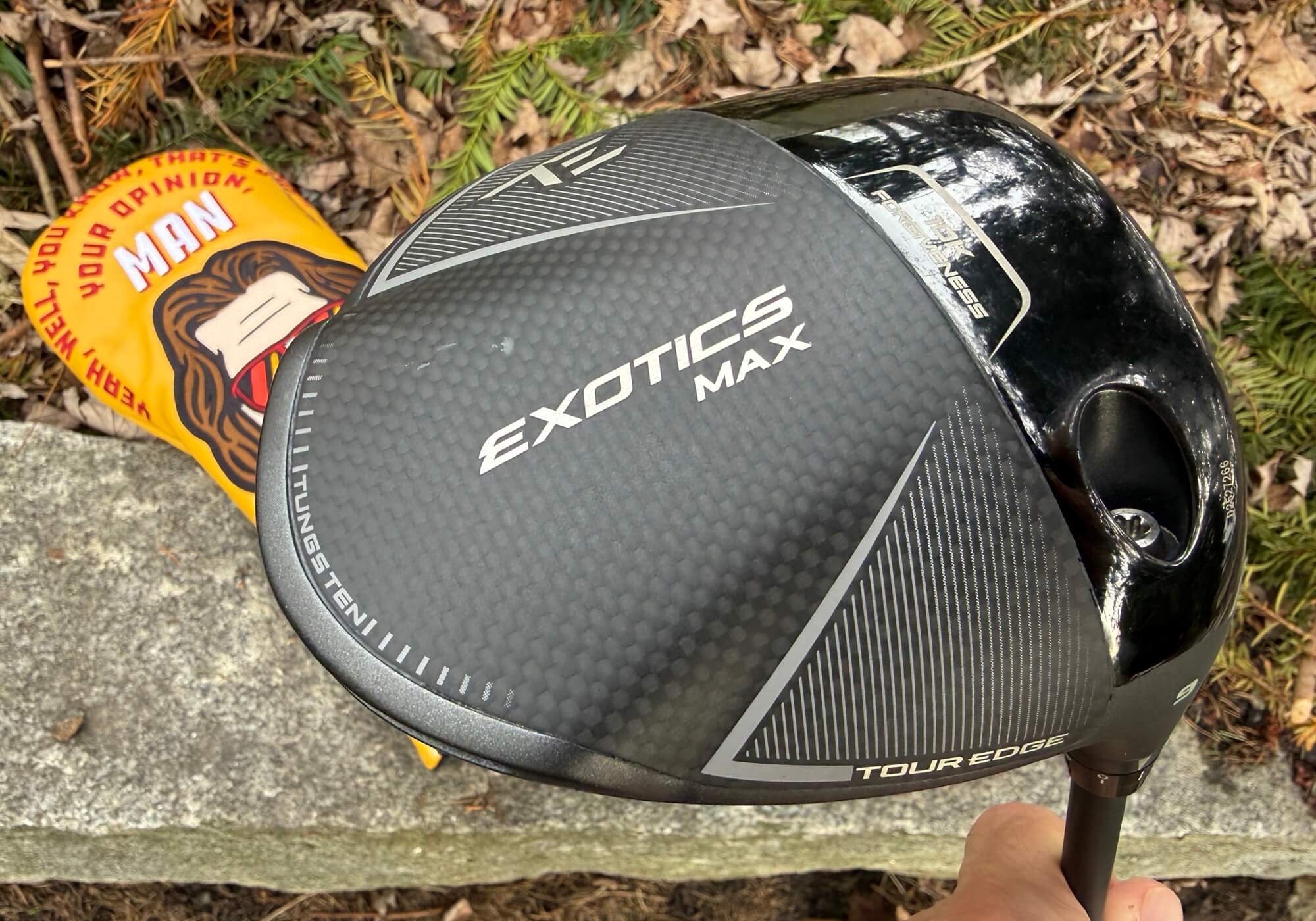
Over the next two days, we’re going to dive a little more deeply into how each company achieved its performance levels. Hell, I’ll even make the very bold statement that you could, based on this year’s test results, game a full bag of Wilson Staff or Tour Edge gear, from driver to putter to ball, and not leave much performance, if any, on the table.
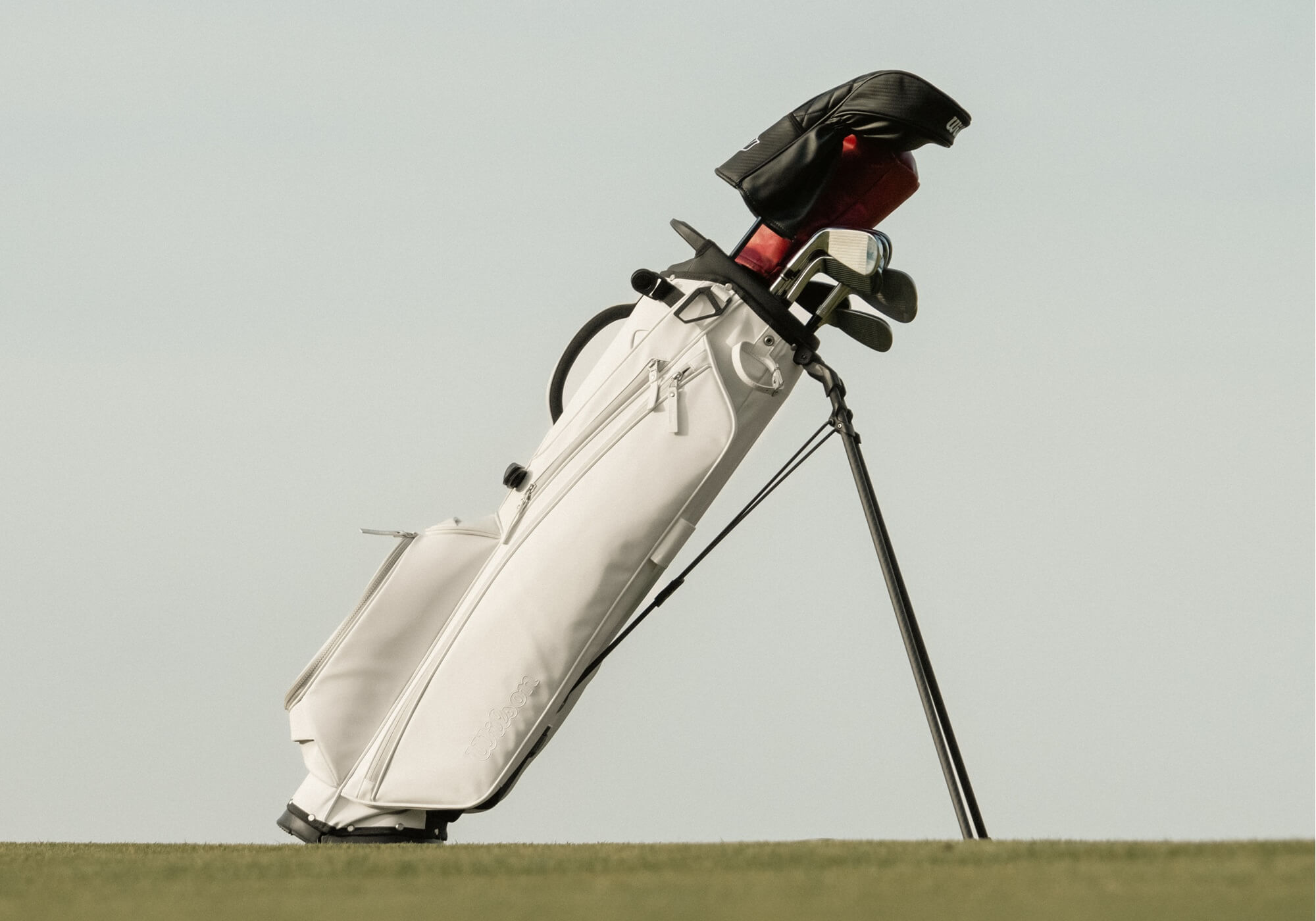
You could proudly put them in one of their bags, too, while you’re at it.
For no other reason than it’s the older company with the most legacy, let’s start with Wilson Staff. We’ll dive into Tour Edge tomorrow.
Wilson Staff: Is it finally back?
I’ve long detested the tiresome “Is Wilson Back?” storyline. It seems every year when Wilson launches a new product, the “Is Wilson Back?” headlines follow. Look, Wilson was once the biggest name in golf. It took over in the early ‘60s when MacGregor stumbled after being purchased by Brunswick. Thanks to Arnie and the rest of its incredible Tour staff, Wilson was golf’s top dog until the ‘90s when upstarts such as Callaway, TaylorMade, COBRA and others passed it by.
Wilson eventually fell into the market share hell hole known as “Other.” It currently has no real Tour presence outside of Padraig Harrington and has a limited footprint at retail. There’s also a sizable segment of golfer that still views Wilson as a box set department store brand.
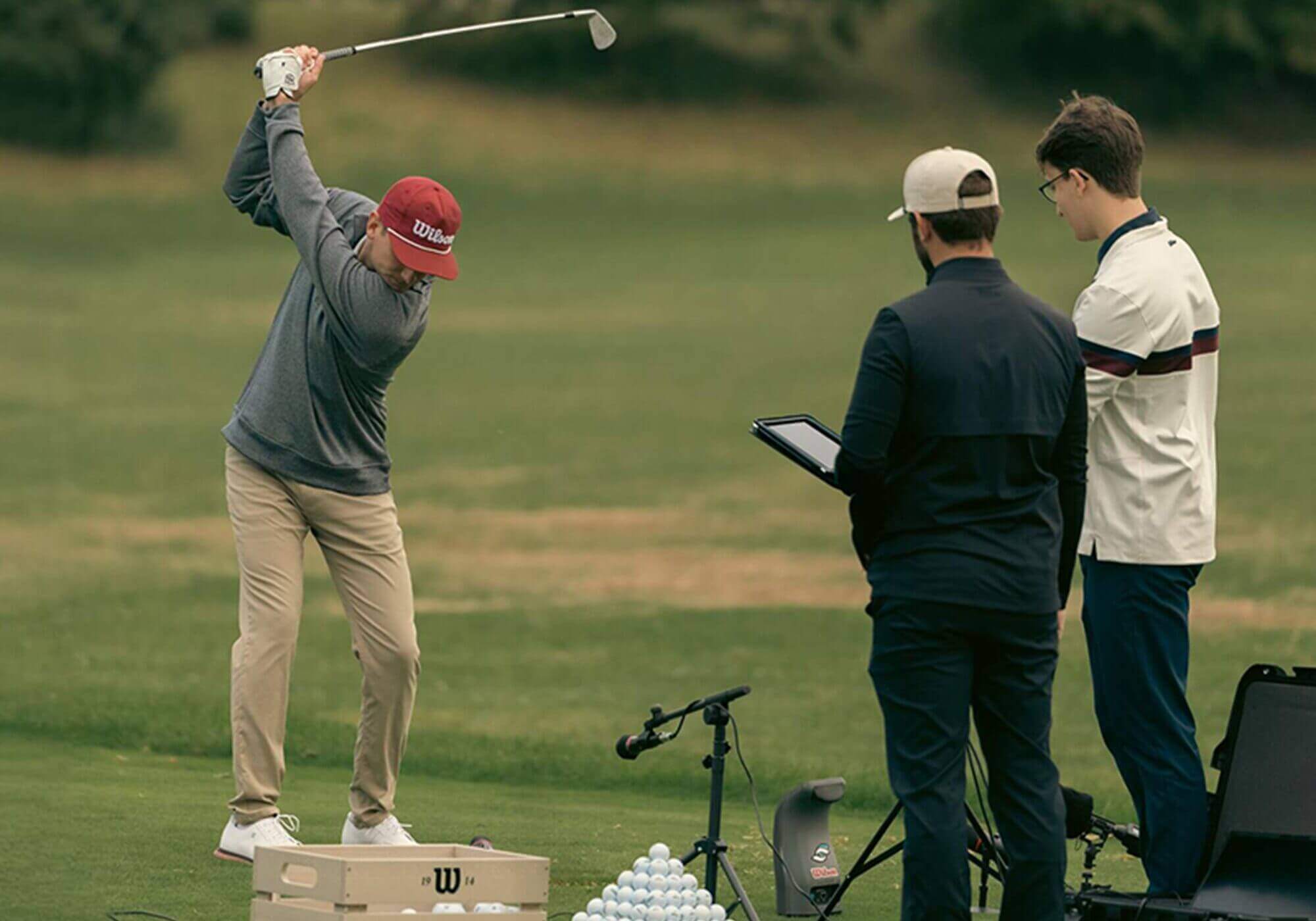
“Golfers in their 30s and 40s grew up with Wilson as a big box brand,” Wilson Head of Golf Product and Marketing Markus McCaine tells MyGolfSpy. “But now we have a younger generation who know Wilson as Serena Williams, Mookie Betts and the NBA. As that consumer grows into golf, it’s a very big opportunity for us.”
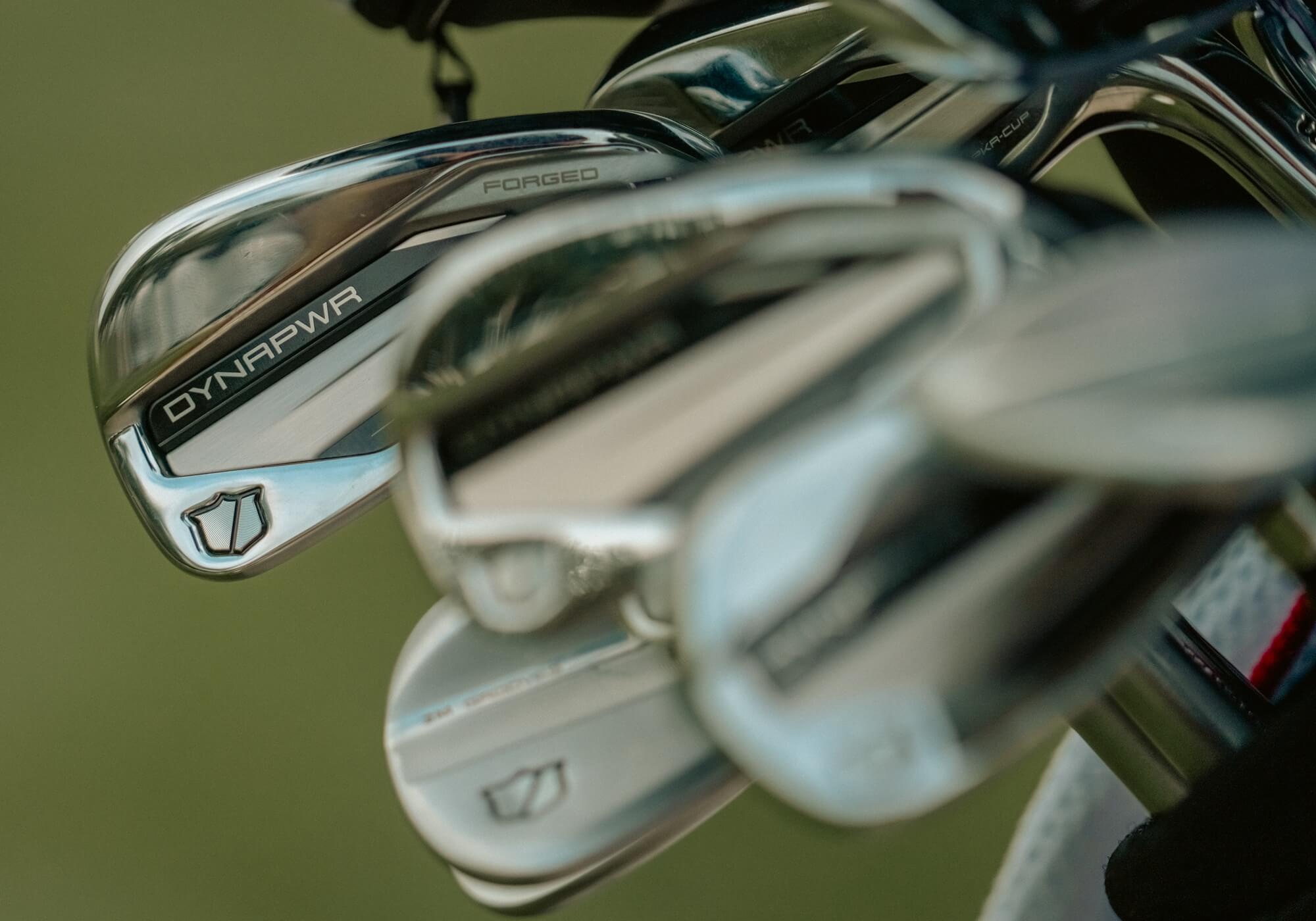
Wilson hit a big brand reset button about three years ago. Realizing that younger golfers have no real preconceived notions about the brand, Wilson leaned into its baseball, basketball, football and tennis street cred.
“Every brand says they’re chasing that younger player,” explains McCaine. “We’re trying to do something different that’s uniquely us. So far, it’s working.”
Aiming for the better player
Wilson still faces plenty of brand challenges but 2026 testing does show that its products aren’t getting in the way, particularly for the better player.
“Things are skewing toward the better player more now than they were 15 years ago,” says Global Golf Club Innovation Director Jon Pergande. “It used to be that people wanted big heads with wide soles so they could see forgiveness. Now there’s a bigger demand for how a product sets up, its ball speed and how it’s going to land.”
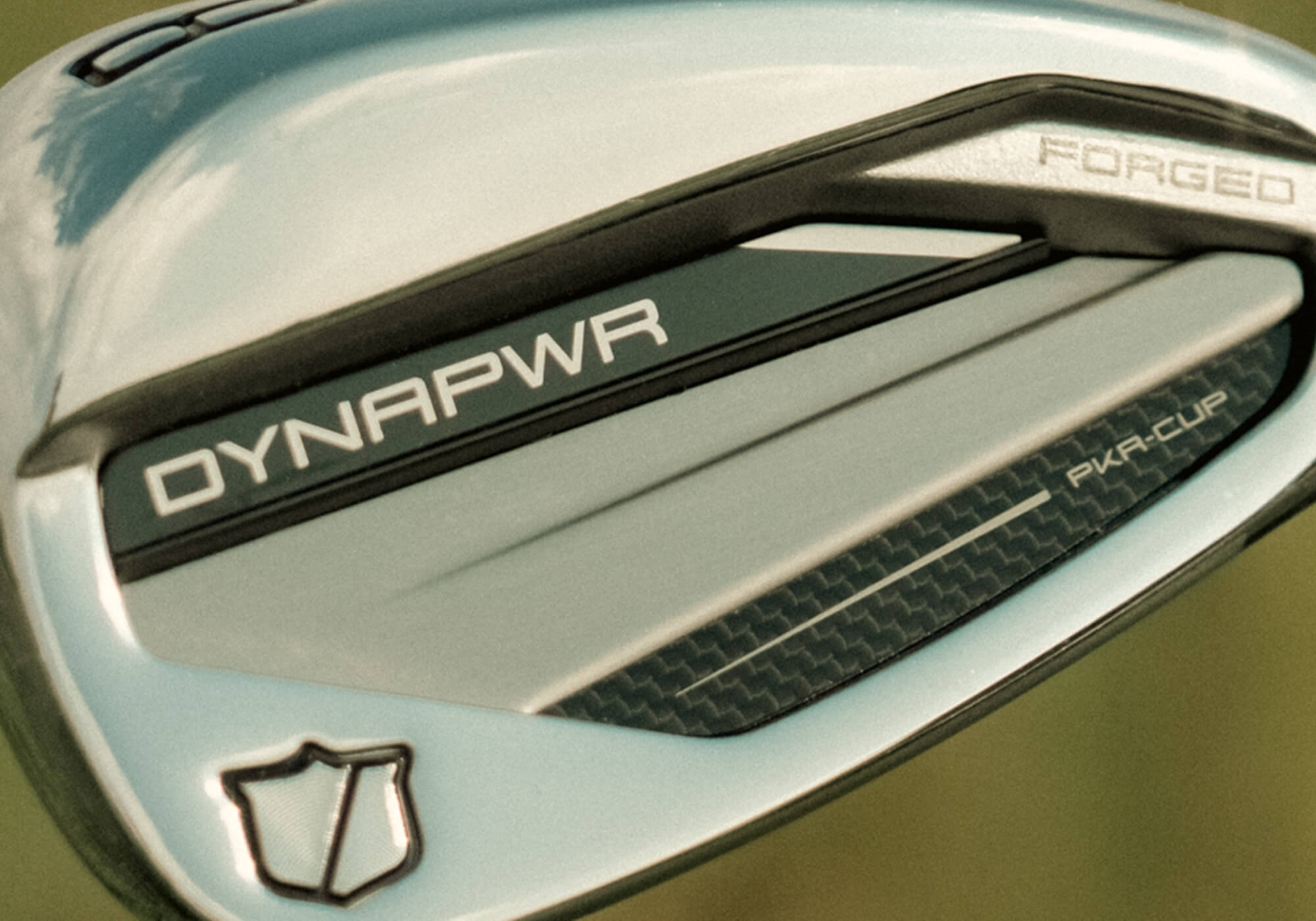
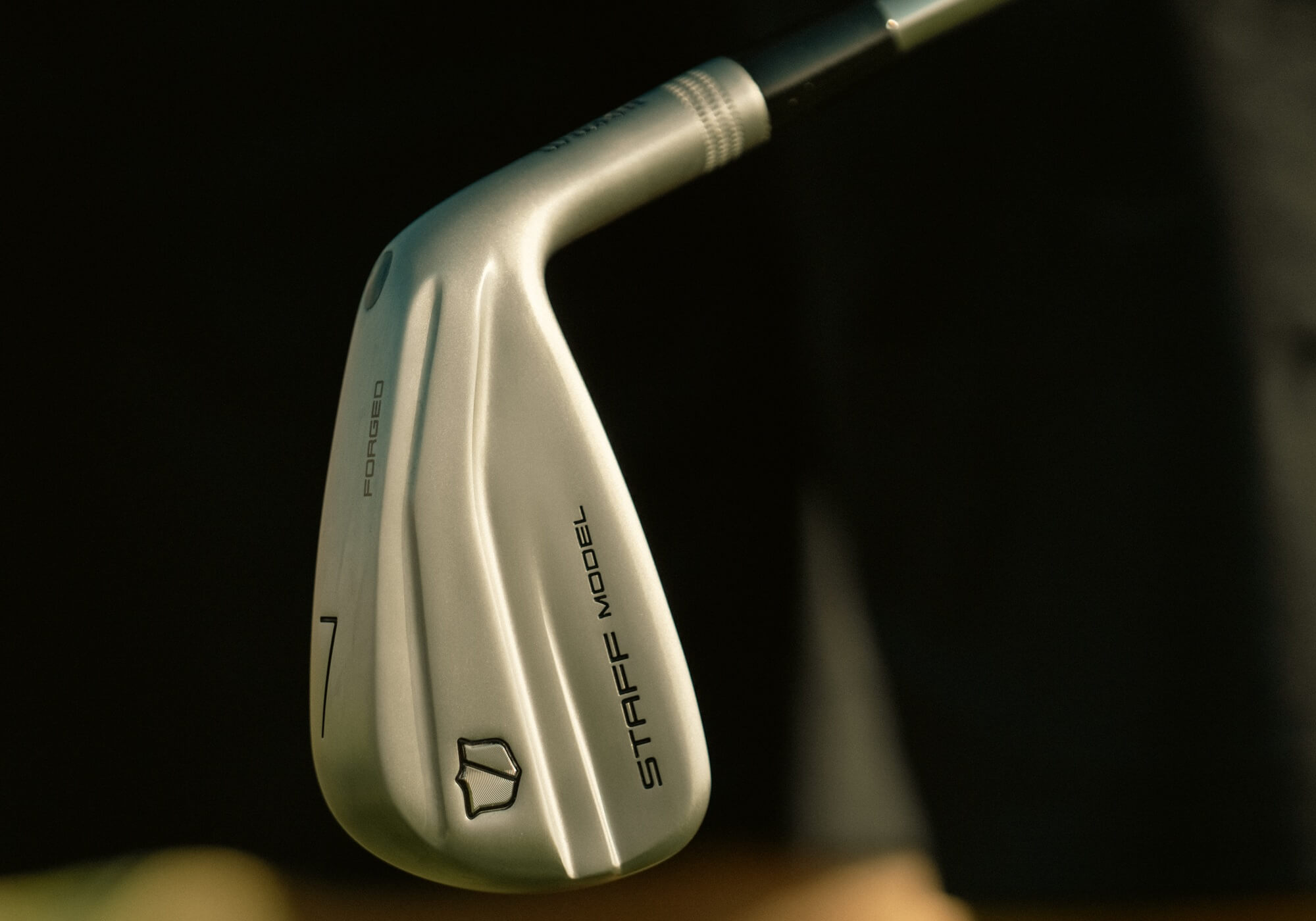
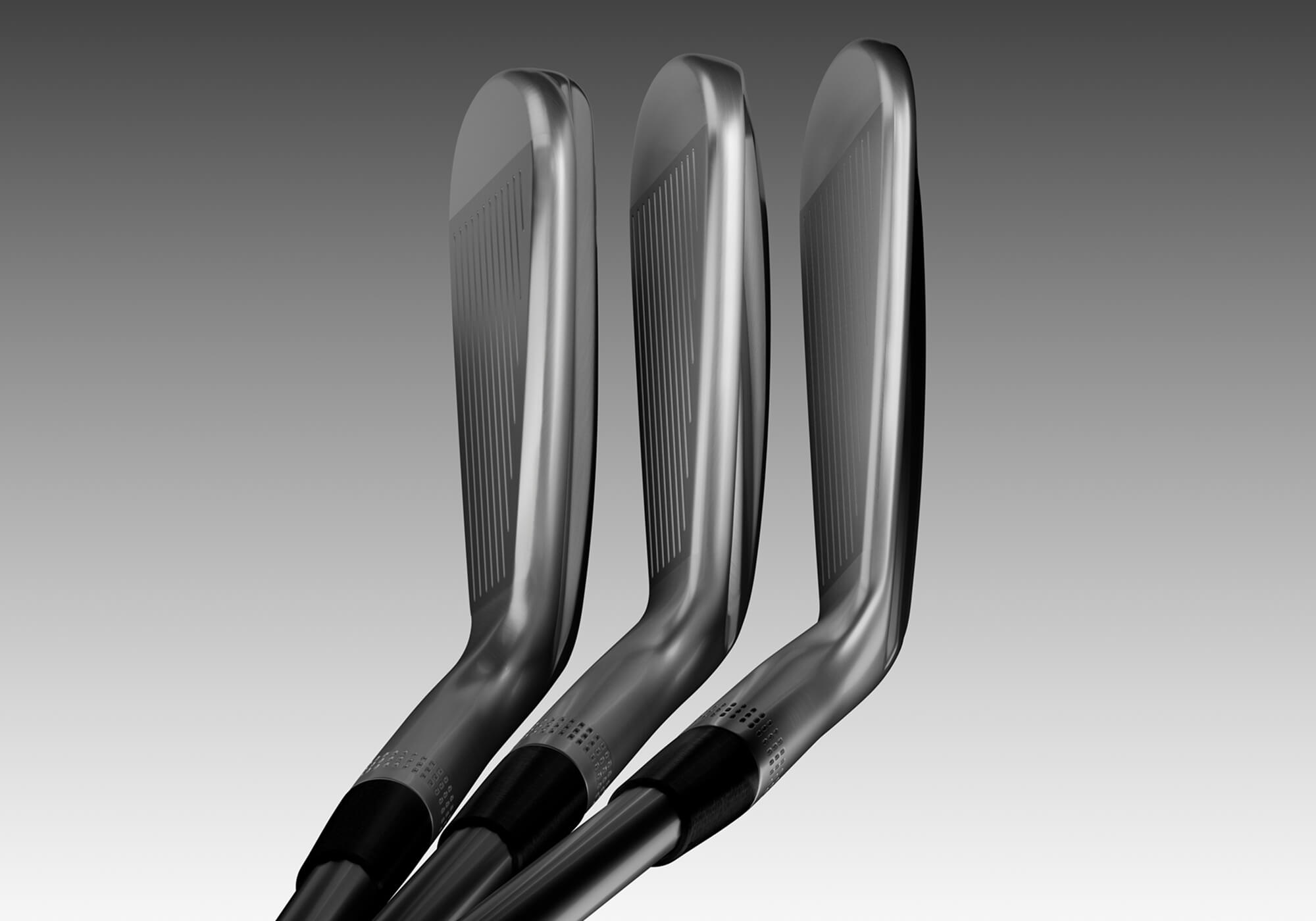
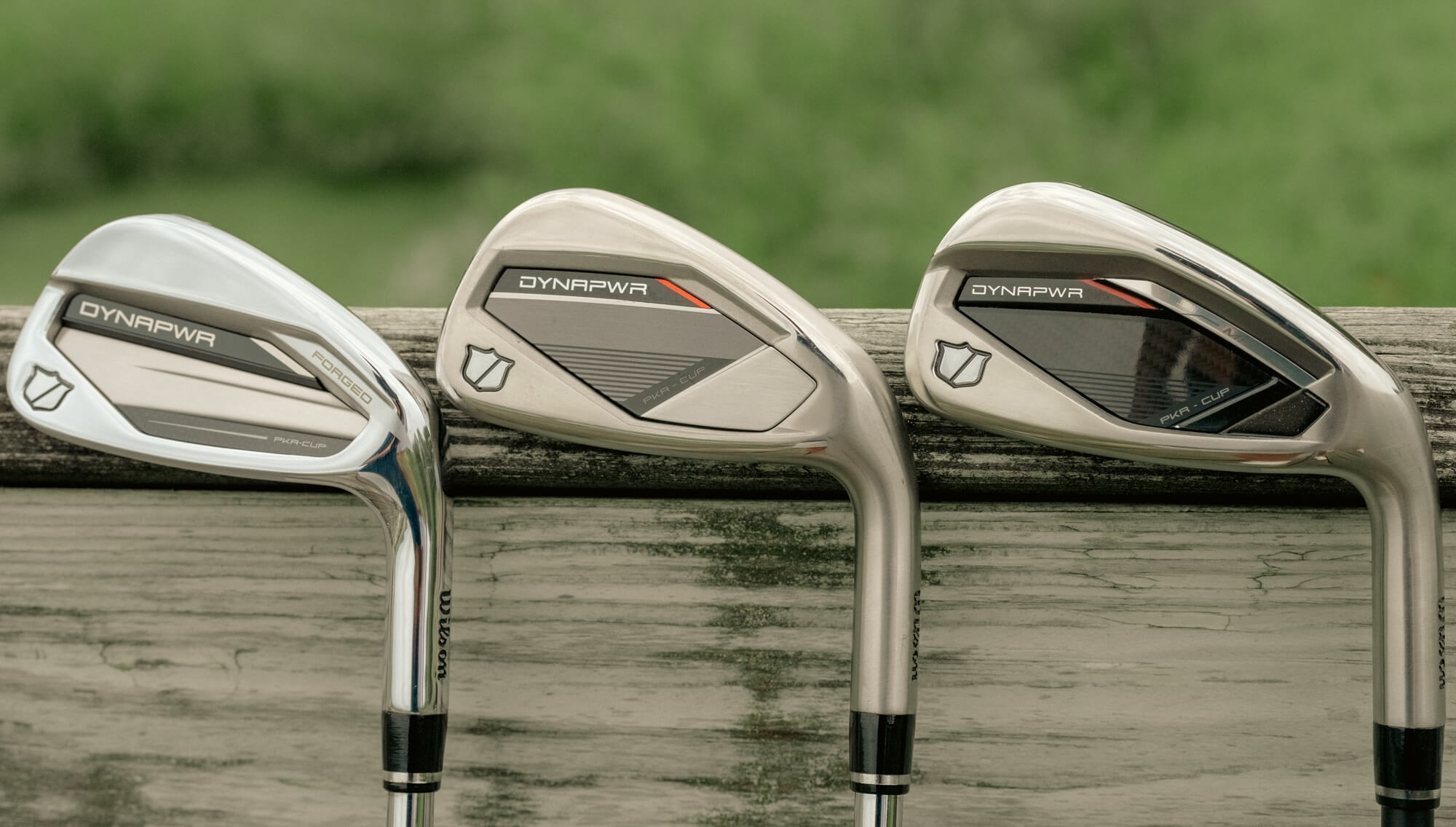
Wilson’s two standout products this year excelled in MyGolfSpy testing. The new Wilson Dynapower Forged irons smoked the field in winning the player’s distance category. It pulled off the rare trifecta of finishing tops in both accuracy and forgiveness while finishing in a tie for third for overall distance.
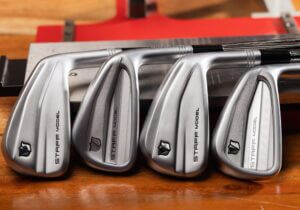
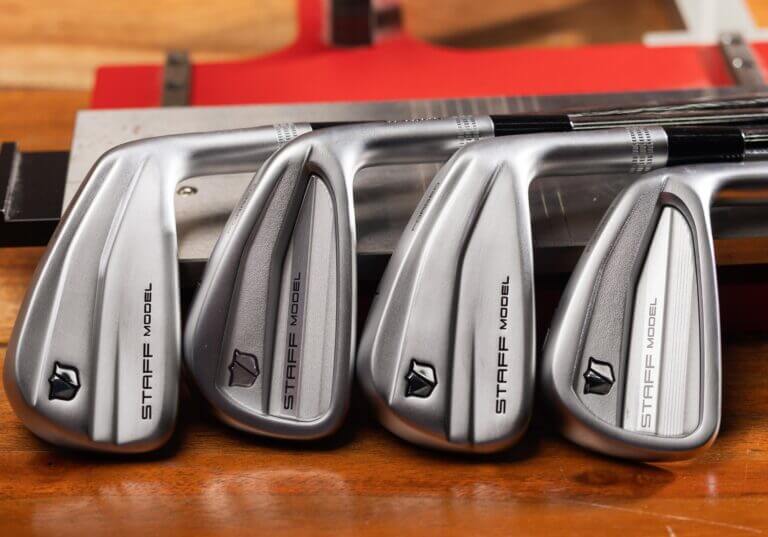
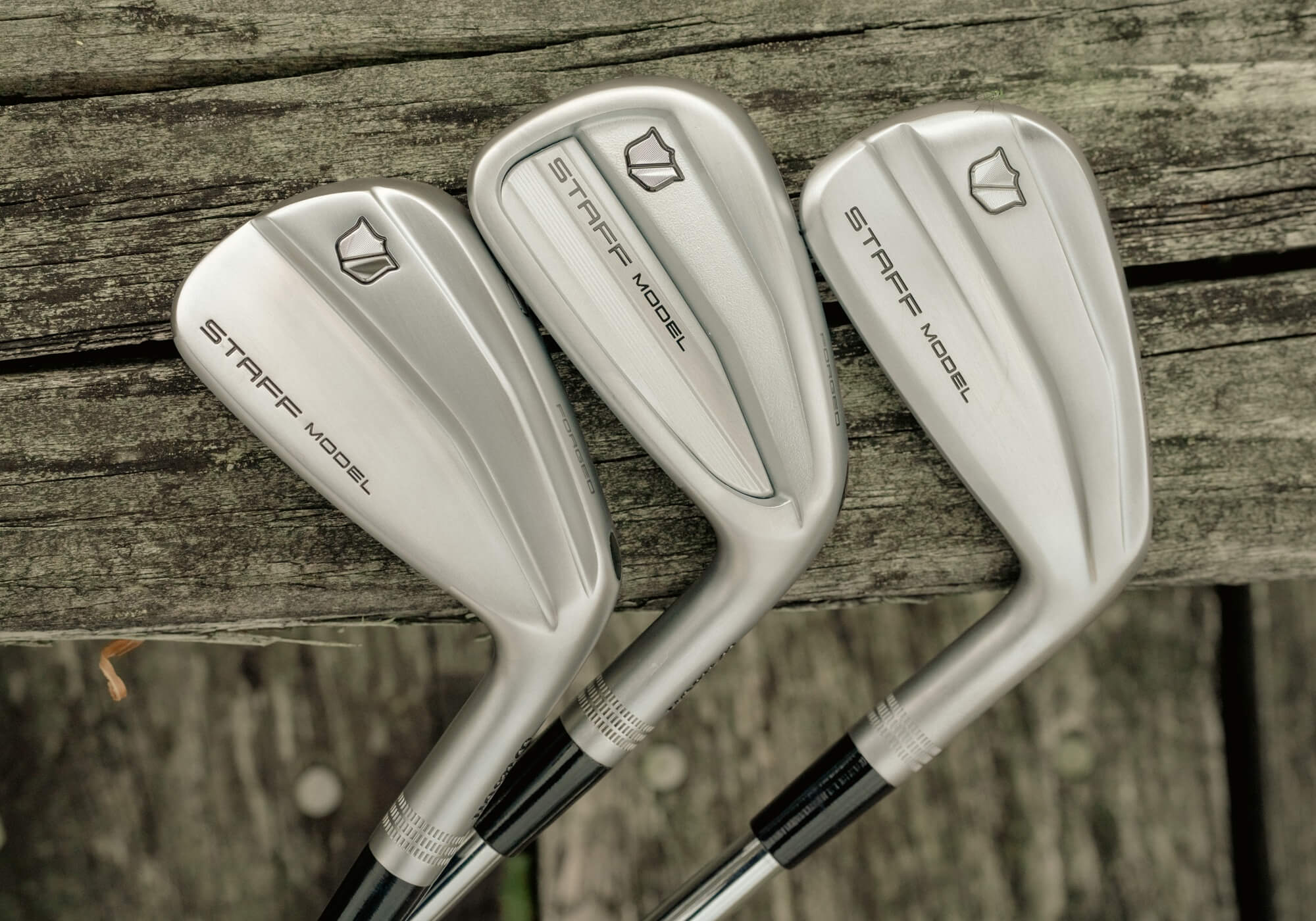
The new Wilson Staff Model XB also excelled in our testing, finishing in a tie for third overall in the player’s iron category.
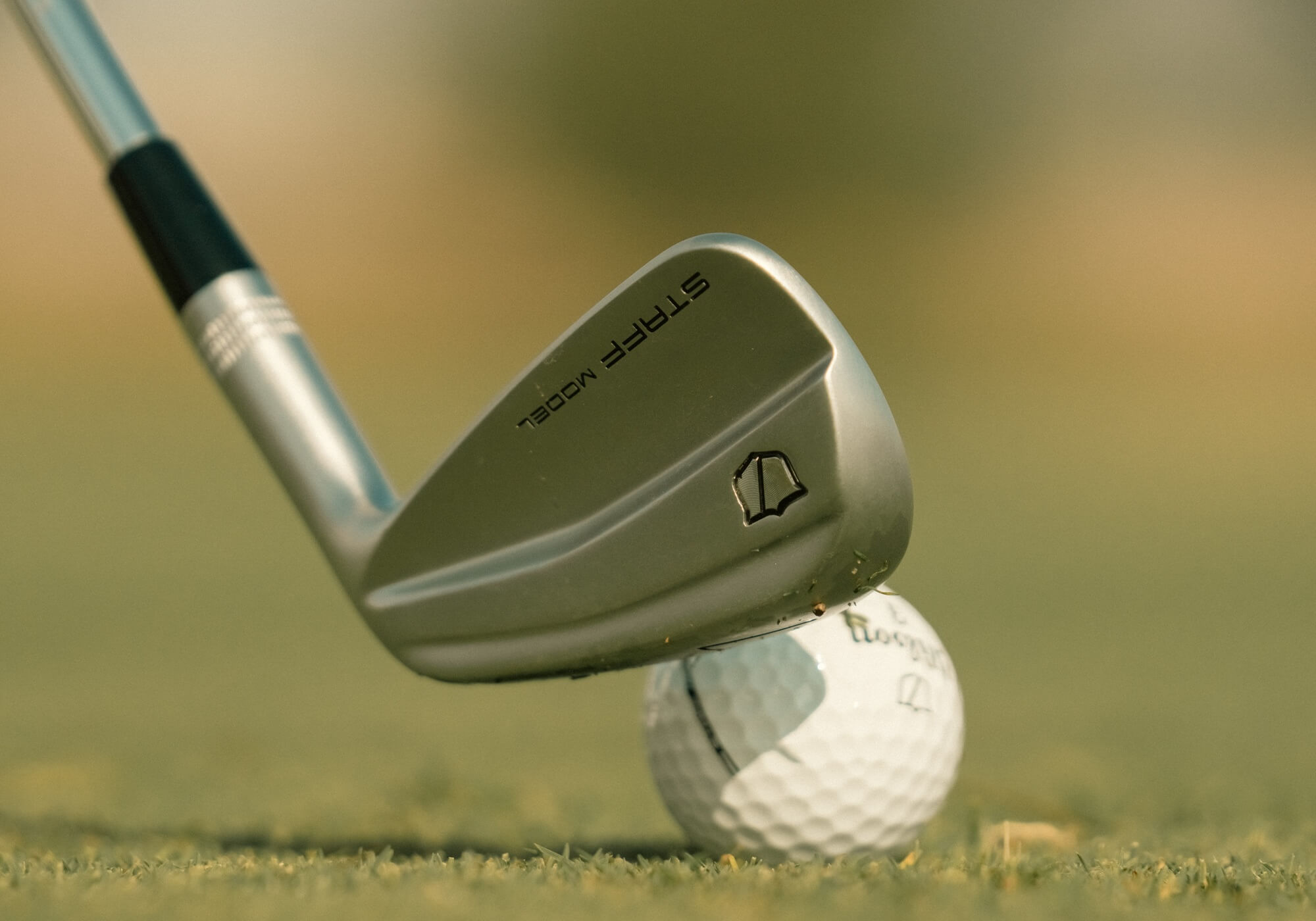
“The fitter’s mentality of distance, ball speed and spin are all important,” says Pergande. “But the experience of playing the product is also important. What does it feel like? What does it sound like? How does it set up behind the ball? We want to make sure the consumer experience is as great as possible.”
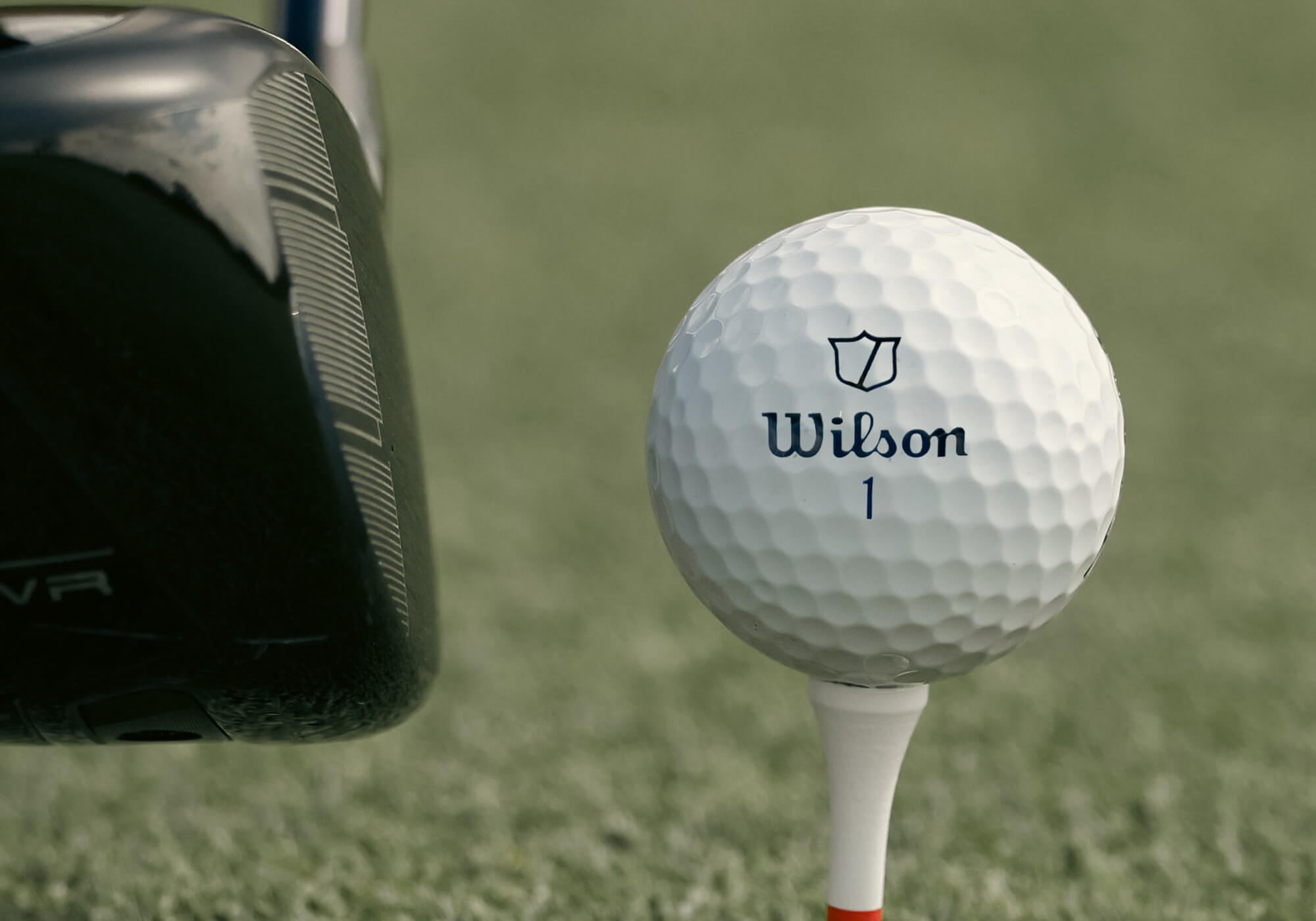
That better player performance extends to the Wilson Staff Model golf balls, as well. Both the Staff Model and Staff Model X were standouts in MyGolfSpy’s Ball Test, showing up on the leaderboard in ball speed and/or distance in every swing speed category for both driver and 7-iron.
Metalwoods are still an issue
Even when Wilson dominated golf, it was as an iron company rather than a driver company. Wilson drivers would occasionally show up in MyGolfSpy testing, but usually in the Best Value or Most Forgiving categories.
While the Driver Vs Driver TV show was a novel idea, neither the Triton nor the Cortex made any waves at retail. The driver market is a tough nut to crack and it didn’t help that Wilson spent much of the past decade-and-a-half shifting gears.
“We were a lightweight proposition back then,” says Pergande. “Since then we’ve spent time on shape, sound, ball speed and an AI-designed face. We’re going to keep pushing technologies to chase ball speed and deliver spin rates.”
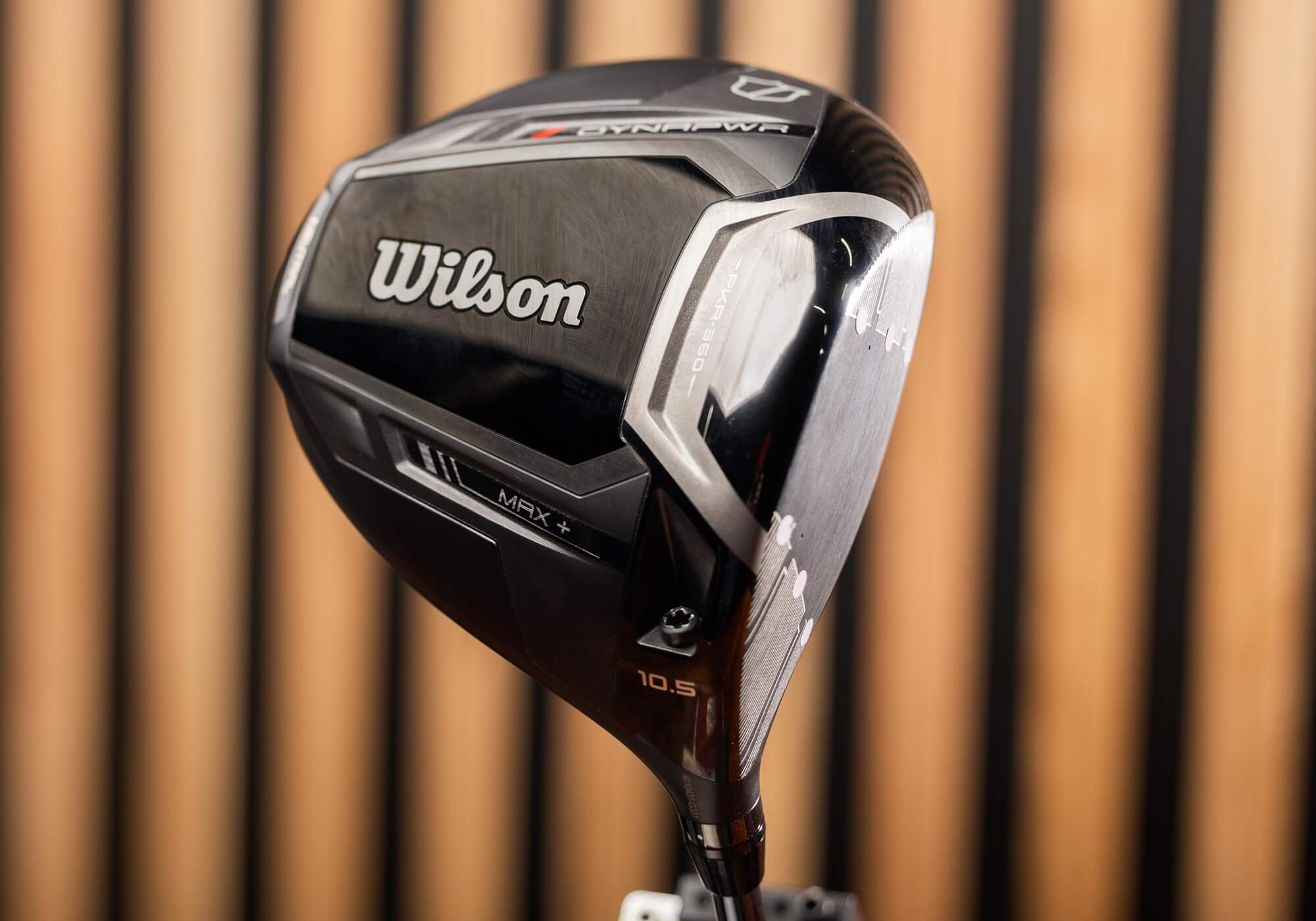
When the “Big Five” account for up to 90 percent of driver sales, there isn’t much room for everyone else. Getting noticed enough to earn a shot in the fitting bay is huge uphill climb.
“We know we’re up against a lot of competition,” says McCaine. “When we get a chance to catch a fitter, a retailer and a consumer, we want to embrace them and make sure they’re a long-time fan. We want to purposefully build an army of supporters.”
“We’ve invested heavily in R&D,” adds Pergande. “We want to know what does our club look like from 20 yards away? Can you recognize our club on a golf course or across the room? What does it look like from six feet away when you’re walking by it in a store?
“We try to hit the shape, color and design so you have an identifiable product with some character.”

You won’t hear the Big Five talking about their products like that for one simple reason. They don’t have to. They’re going to stand out at retail anyway simply by dominating floor space.
Can Wilson build on its momentum?
Based on our testing, Wilson’s 2026 irons have been high-performing winners. In 2025, Wilson’s Dynapower Max was our best super game-improvement iron while the original Wilson Dynapower fairway wood copped top honors in 2023 and finished second overall in 2024. You can go all the way back to 2015 and find Wilson products finishing at or near the top of the player’s distance and player’s iron categories.
It seems, however, that Wilson’s momentum might be nearing an inflection point.
“Continuing to make our product as good as possible and move into that better player type of mindset goes a long way,” says McKaine. “There are a lot of products we’re planning on launching that will come into that ethos and feel more aligned.”
PGA Tour presence is an area of concern for Wilson. As mentioned, other than Harrington (who this year won his third Senior U.S. Open), Wilson has no appreciable North American Tour presence.
“We’ve got some younger guys out there, like Joakim Lagergren on the DP World Tour and Zach Bauchou on the Korn Ferry Tour,” McCaine says. “We’ve started to do it in pockets. Now it’s about accelerating that over time.”
Is Wilson still battling old market demons?
To a degree, yes. But the idea that there’s a new, emerging generation that doesn’t have preconceived notions about Wilson is a valid one. Picking the battles you can win is simply smart business.
The old “box set” nonsense still hasn’t gone away but golfers with preconceived notions tend to ignore the fact that you can buy boxed sets from Callaway, TaylorMade and COBRA, as well. If you feel a certain way about a company, no amount of proof, logic or common sense will move you off that dime. It’s what we call “brandwashing.” It’s real and it affects us more than we realize so, again, you fight the fights you can win.
“You’ll start seeing some things in the next product cycle or two,” says Pergande. “We’re making notable changes to make something more desirable for the consumers we’re chasing.”
“Another priority is to pull ourselves more toward the Wilson mothership,” adds McCaine. “We’re a market leader in baseball, tennis, basketball and football. Golf is the one space where we’re not. How can we leverage what they’re doing in a way that will be beneficial to us?”
“With tools like Wilson FitAI, we’re one by one picking up fitters to support the brand,” says Pergande. “We have to make sure the experience is right, the products are delivering and consumers are enjoying them. It’s a slow road but it’s the path we’re on.”
The question of price
We often hear from golfers that Wilson should charge less for their stuff to get golfers to buy. Even worse, we’ve heard golfers say Wilson doesn’t deserve to charge premium prices for their products. Let’s shine a little reality onto those claims.
Specifically, you’ll find current model Wilson irons sets anywhere from $100 to $600 less per set than competing models from Titleist, TaylorMade, PING or Callaway. Its drivers at launch (they’re discounted now with new models coming in 2027) were as much as $200 lower than those from the Big Five.
In terms of that vague concept known as “value,” I don’t think you can argue Wilson is charging too much. They need margin too, you know.

As for the nonsense that Wilson doesn’t deserve to charge premium prices? Well, let’s just file that under “brandwashing” and call it a day.
And if you’re unwilling to consider a product that might perform better for you because you’re worried about resale value? Bruh, think that one through.
Our testing shows Wilson takes a back seat to no one when it comes to irons. Drivers, however, still have plenty of room for improvement. They’re serviceable but serviceable doesn’t grab you by the golf shirt and pull you into the testing bay. Wilson’s drivers have been getting better since the Dynapower family launched and we are anxious to see how the 2027 offerings stack up.
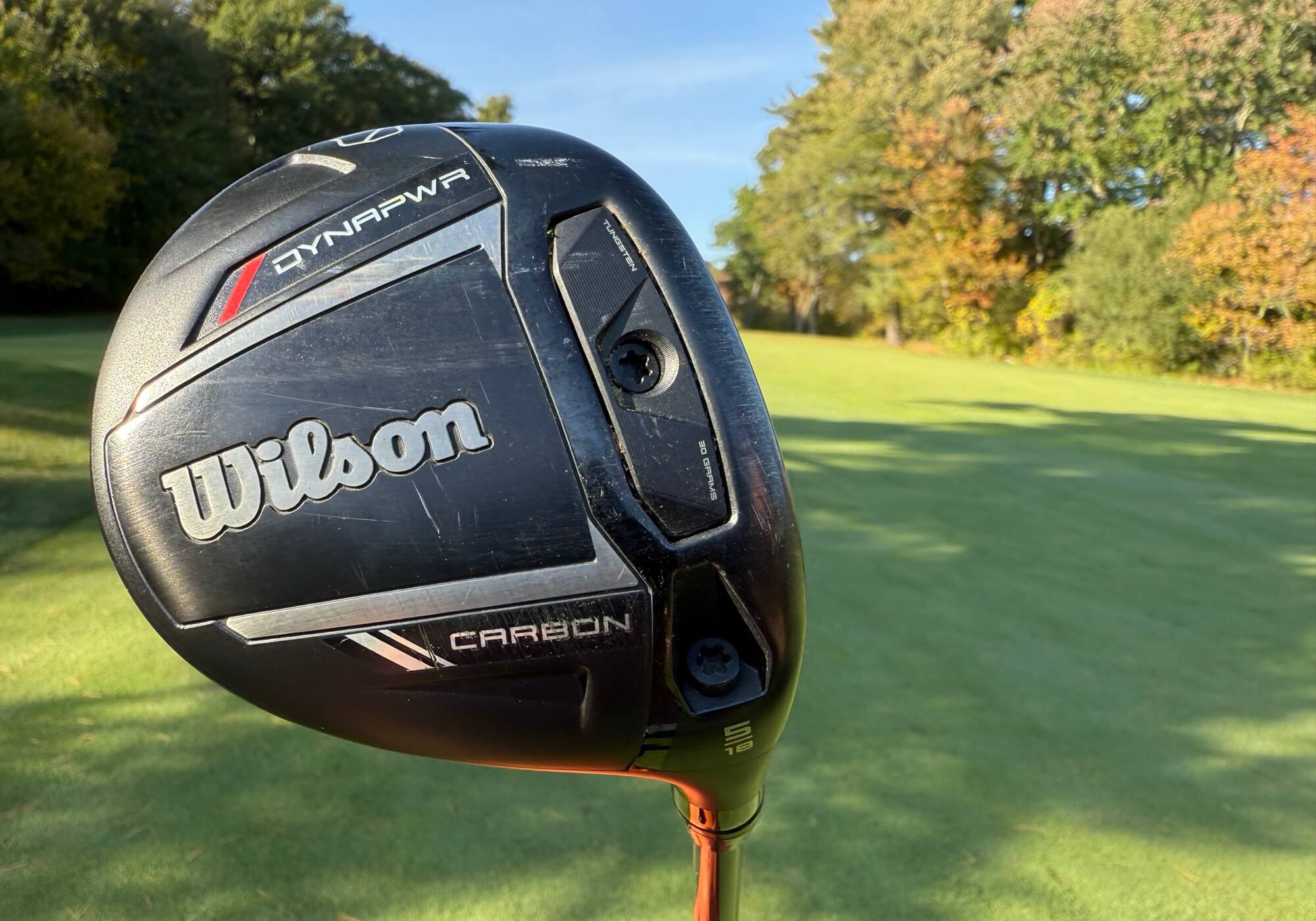
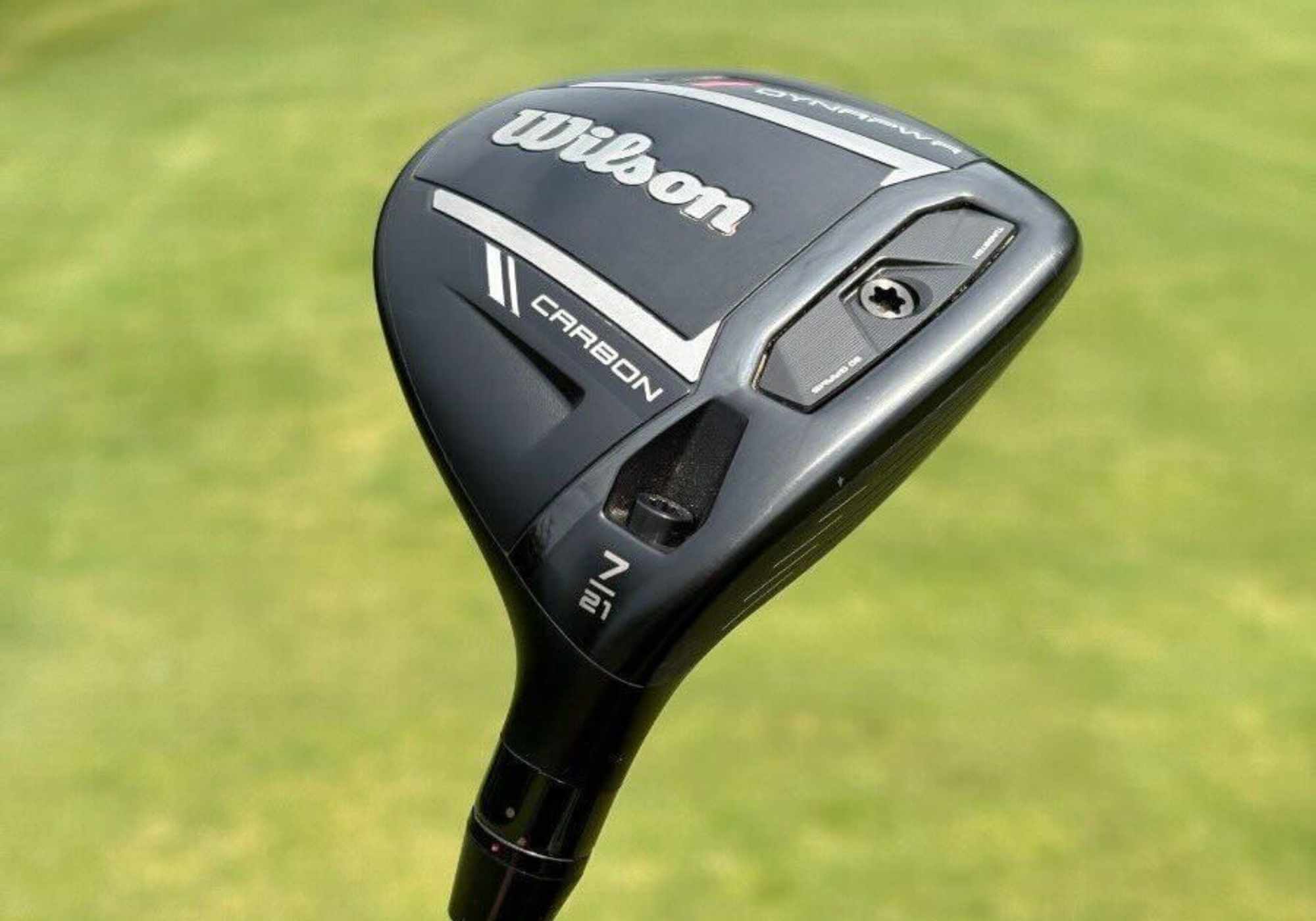
The Dynapower fairways have been excellent performers and are a great buy at their relatively lower price point (For what it’s worth, you’re going to have to pry my Carbon 5-wood out of my cold, dead hands). As for the irons, well, Wilson’s performance speaks for itself. Wilson has been in the top five in player’s distance irons since we started testing for that category in 2017 and we can’t say enough good things about this year’s Staff Model XB irons.
Head-to-head against the so-called “big boys,” they’re all priced competitively.
Final thoughts and a look ahead
There is a sizable group of golfers out there (most of them around my age) who truly want Wilson to be great again. We grew up watching Arnie, Ben Crenshaw, Hale Irwin, John Daly, Payne Stewart and dozens of other top pros win with Wilson Staff.
Unfortunately, there’s another group out there that only knows Wilson not from its prominence but from its irrelevance. For those golfers, it seems no amount of brand validation will change their minds.
McCaine is correct in targeting the new generation of golfers. These young athletes use Wilson on the baseball diamond, the football field and the basketball court, and they have no recollection of Fat Shaft or Driver Vs Driver and couldn’t care less that Wilson sells boxed sets.
That doesn’t mean Wilson’s ticket back to the top has been punched. You’ll have to work harder than you’d think just to find a motivated fitter so the chances of Wilson joining the Big Five are about the same as my chances of qualifying for the U.S. Senior Open. But that, however, isn’t and shouldn’t be the measure of success.
“We look at the mix between our premium products and our recreational products,” says McCaine. “Over the last three to five years, it’s swung heavily toward the premium side.
“We’re a small team and we have to focus on the core things we do really well. We want to expand intelligently and not get out over our skis chasing fads. We have to nail it every time.
“That’s how we’ll build this business the right way.”
We hope you enjoyed this look at Wilson’s surprising 2026. Tomorrow, we’ll take you about an hour west of downtown Chicago to Batavia, Ill. We’ll take a deep dive into Tour Edge and its remarkable testing year.






CalGolfer
2 months ago
One thing I strongly believe Wilson needs to accept and change is that their classic “Wilson” logo is tired and old-looking…Some classic company-name logos stand the test of time (e.g the. “Titliest” script logo that a ton of golfers including myself love to wear on a hat), but I think if Wilson was willing to let go of the old font they’ve used used for decades and update it so something more modern (like KIA did a few years ago), a generation of golfers may be more willing to play their stuff. They updated the Staff “Shield” logo which looks cool, so why not update the company name logo? I know it can be an expensive transition for this type of company, but I believe it would pay off in the long run – not just for their line of golf products…
Pat Rhode
2 months ago
I kind of agree. I do not like the standard Wilson logo but for those like me who remember them in their heyday, it was always the Wilson Staff logo that said top tier performance. They should only use that in the future.